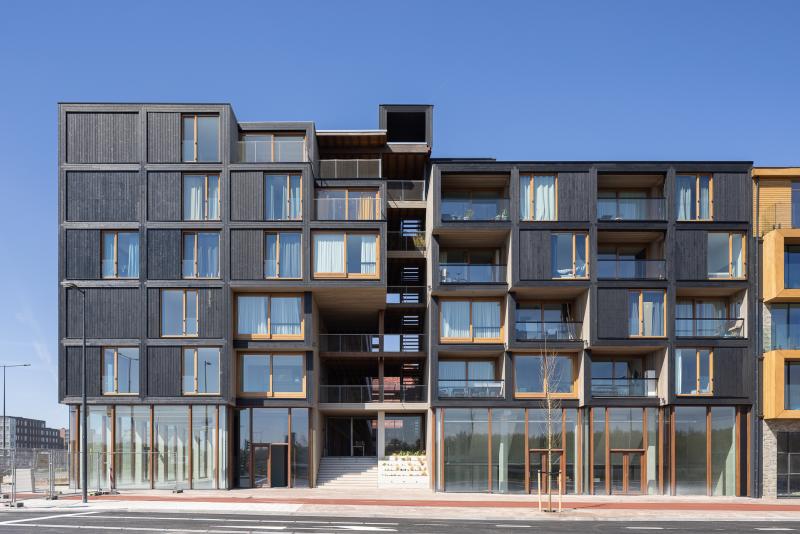
Juf Nienke is a pioneering, energy-positive timber building in Amsterdam, designed for teachers and essential workers. Its striking wooden structure rises above a vibrant communal street, linking three housing blocks. Blending nature, innovation, and warmth fosters a healthy, connected community with lush green spaces and circular construction. Storing carbon and embracing biodiversity, Juf Nienke redefines city living where sustainability and urban life go hand in hand.
Prizes: All applications
Filter by
Applications (669)
Showing results 351 to 360
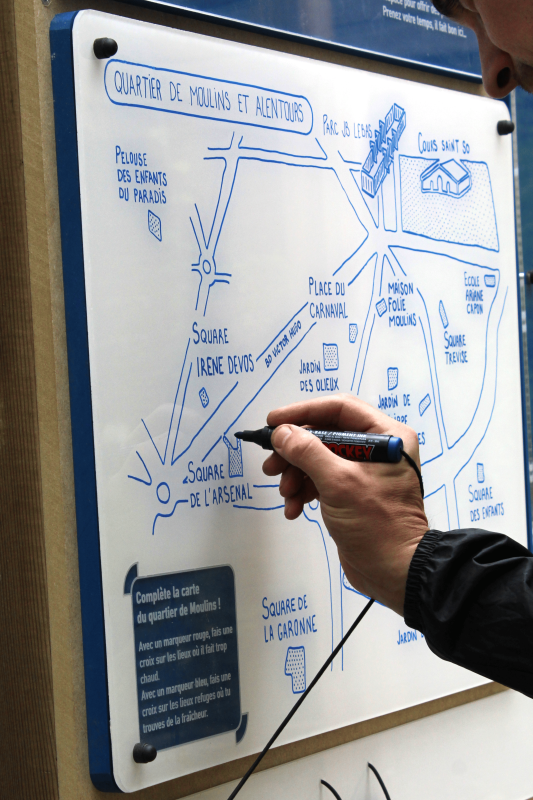
Time2Adapt rethinks how cities adapt to climate change by placing the most vulnerable (babies, childrens, old people) at the heart of the action. Through a unique sensitive assessment and citizen evaluation, we actively involve and empower them. We conducted immersive workshops (sensory rides, stands, street interviews) to co-create fresh public spaces adapted to the heat with residents, thus ensuring greater summer comfort for the entire community.
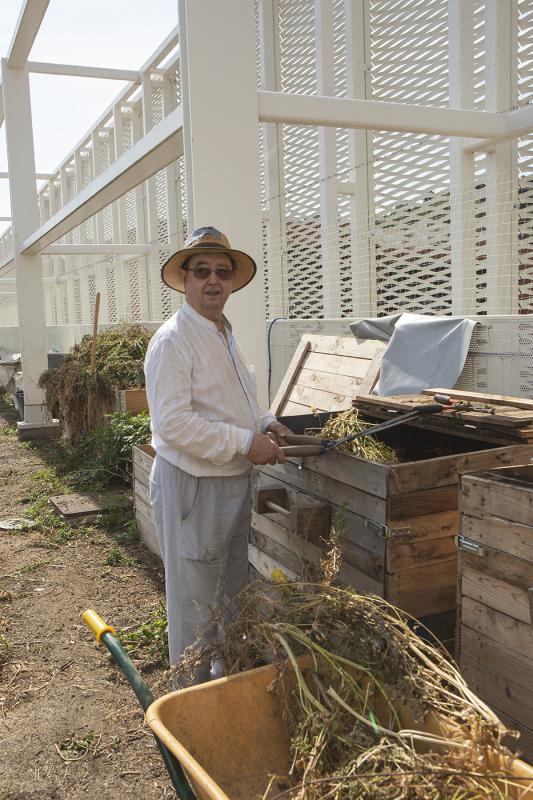
Every day in Catalonia (Spain), tonnes of municipal organic waste from Barcelona and nearby cities end up incinerated due to high levels of improper sorting. Revolta changes this. Since 2021, Tarpuna's community composting network has turned urban organic waste into clean compost for local farmers, engaging hundreds of citizens in closing the loop themselves. A proven, replicable model showing that a regenerative way of managing our city-waste is possible.
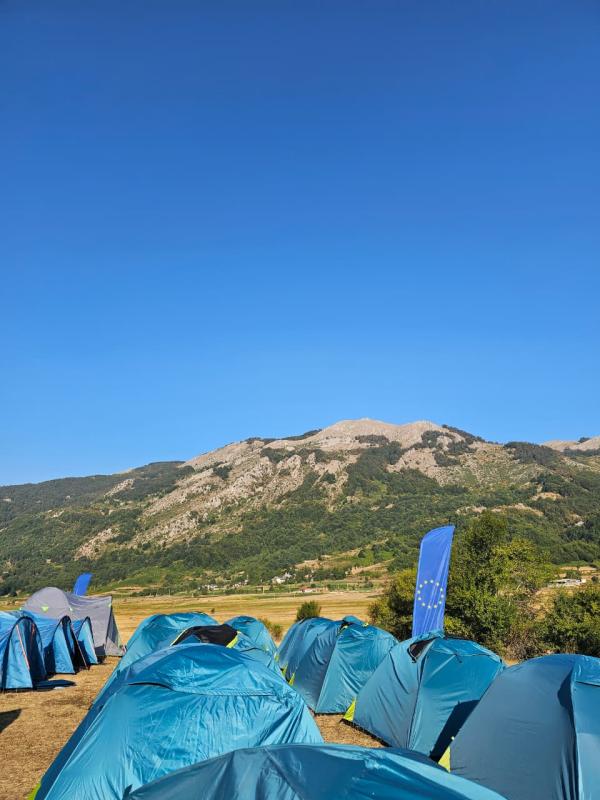
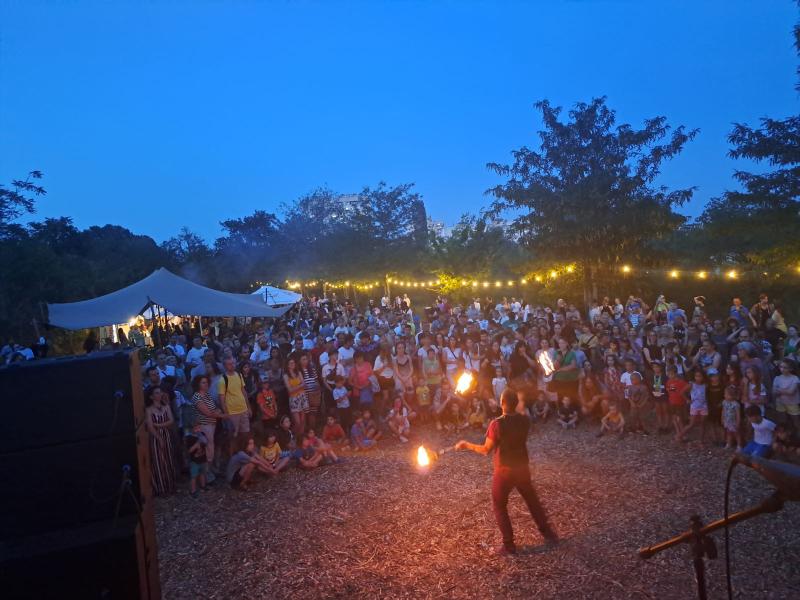
Star Campers Albania is the first initiative in the country dedicated to dark sky tourism. Through camping under the stars, telescope observations and storytelling, it offers unique experiences in nature while promoting environmental awareness and sustainable tourism. The project reconnects people with the beauty of the night sky and brings new life to rural communities.
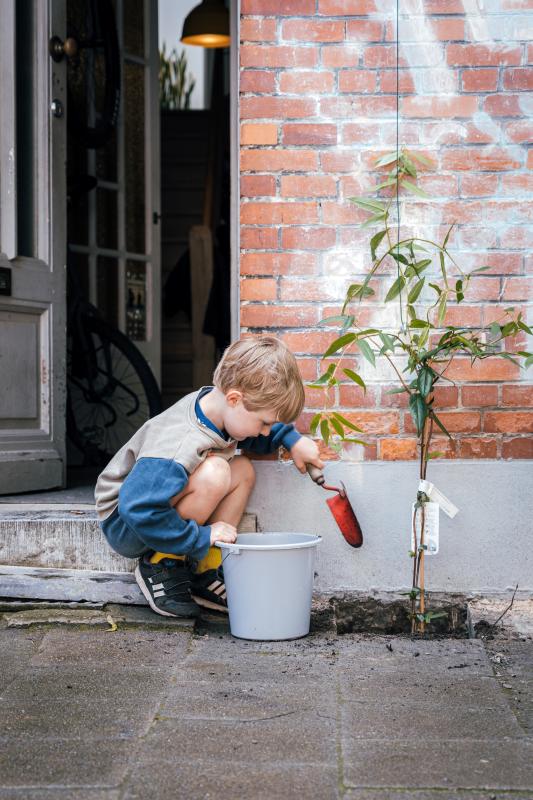
“Planten met Buren” is a free programme by the city of Ghent and the NGO Gents Milieu Front, turning sealed pavement into green façade gardens Residents invite neighbours; the project provides materials, labour and plants. Collective planting days build social cohesion and ownership. The tiered model scales engagement and rewards collective action. Since 2023, over 1,600 Ghent residents have participated, thus addressing climate adaptation, biodiversity and community cohesion
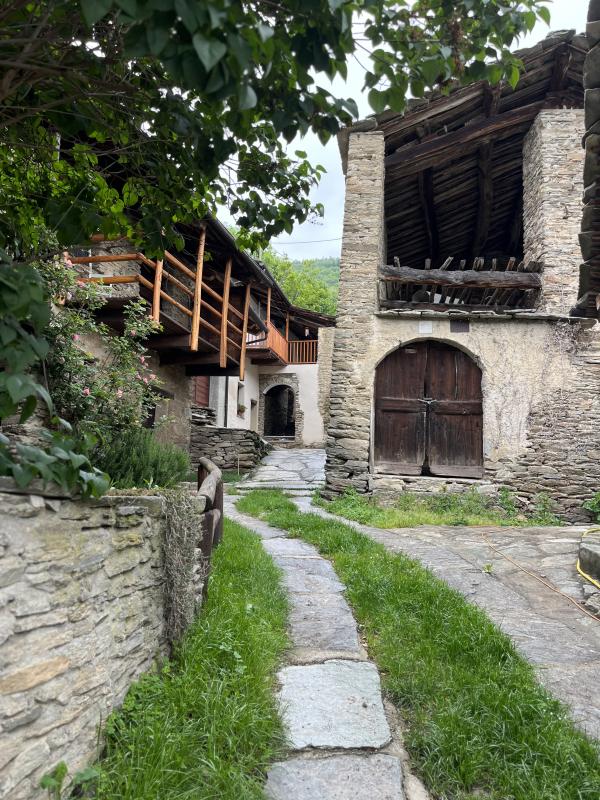
La Bucaniera is a community-led cultural centre nestled in a 16th-century mountain village in the Varaita Valley, Italy. Born from a resident musician's vision during the pandemic, it combines a professional recording studio, co-working spaces, and a multifunctional arts hub. Driven by a bottom-up, co-design approach and rooted in Occitan heritage, it fights rural depopulation by giving young people concrete reasons to stay. A replicable model for sustainable, community-owned territorial regener
Bedechka Park in Stara Zagora is an urban green space that continues to exist as such thanks to sustained citizen action against development pressures. Through protests, a local referendum, and long-term civic engagement, the community defended its public role. Today, its preservation is reinforced through a cultural programme and land art initiatives, helping the local community to recognise its ecological and social value.
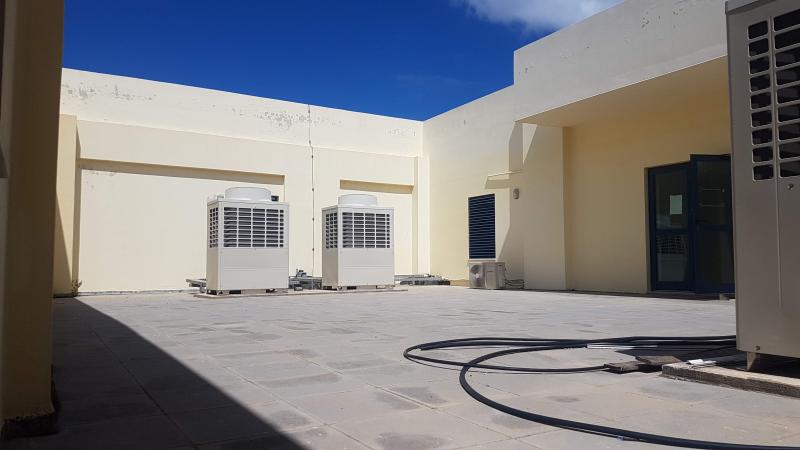
The project “JUSTROOF – Implementing a green roof to support the just transition” deals with the installation of the first green roof at the Technical University of Crete in Greece. It has unique character as it was co-designed and built by University students and academic staff. This project demonstrates how green infrastructure can be installed in the cities through community work providing multiple benefits such as biodiversity enhancement, flood risk mitigation and energy efficiency.
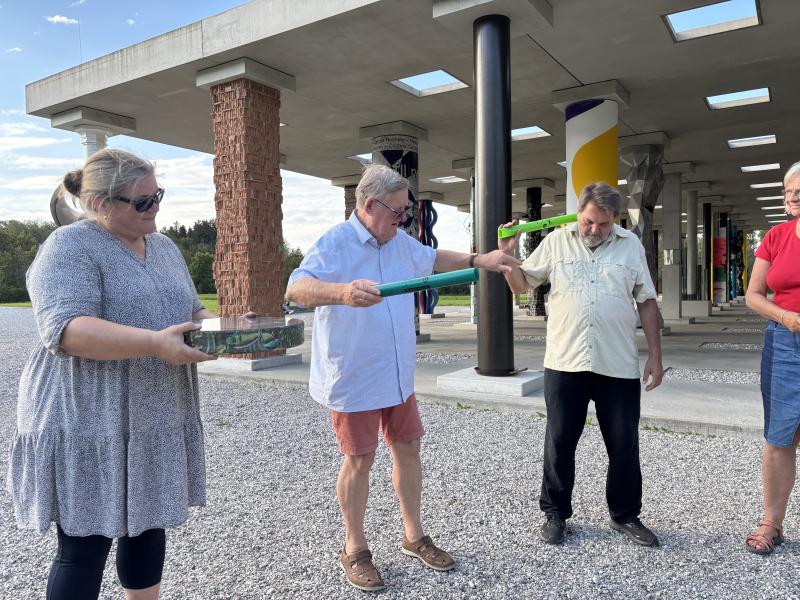
Resonanzraum STOA169 is a participatory sound-art project that engaged the existing STOA169 hall of 121 artist-designed pillars in rural Bavaria through listening, drawing, writing, movement, and sound. Through intuitive drawing, poetic micro-texts, geometric score-making, and collective resonance practices, participants translated their encounter with the site into a shared cultural experience of dialogue, perception, and inclusion.
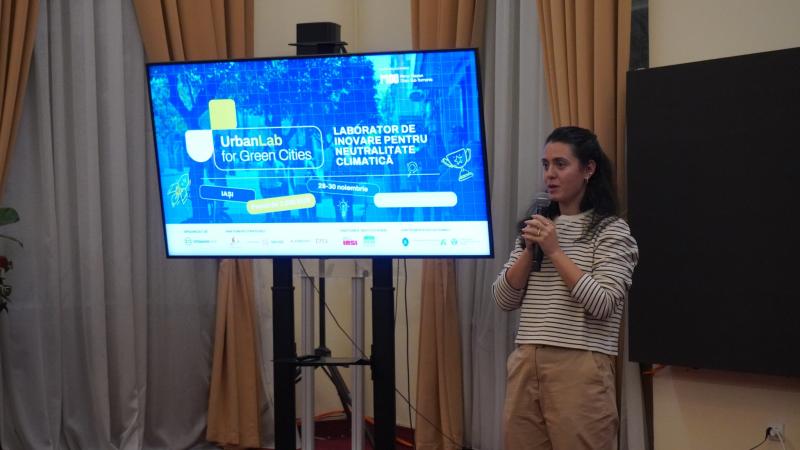
UrbanLab for Green Cities is an innovative program that engages citizens to create new solutions for urban challenges. It combines design thinking, education, and public participation to turn local issues into opportunities for sustainable development. Each year, participants influence their cities on topics like community, education, digital technology, and urban design. This initiative develops innovation skills among citizens, guiding them through ideathons and incubators.