Arts, Culture, and Heritage as Drivers of Change
La Bucaniera
La Bucaniera: a community-led cultural hub reviving a mountain village through art
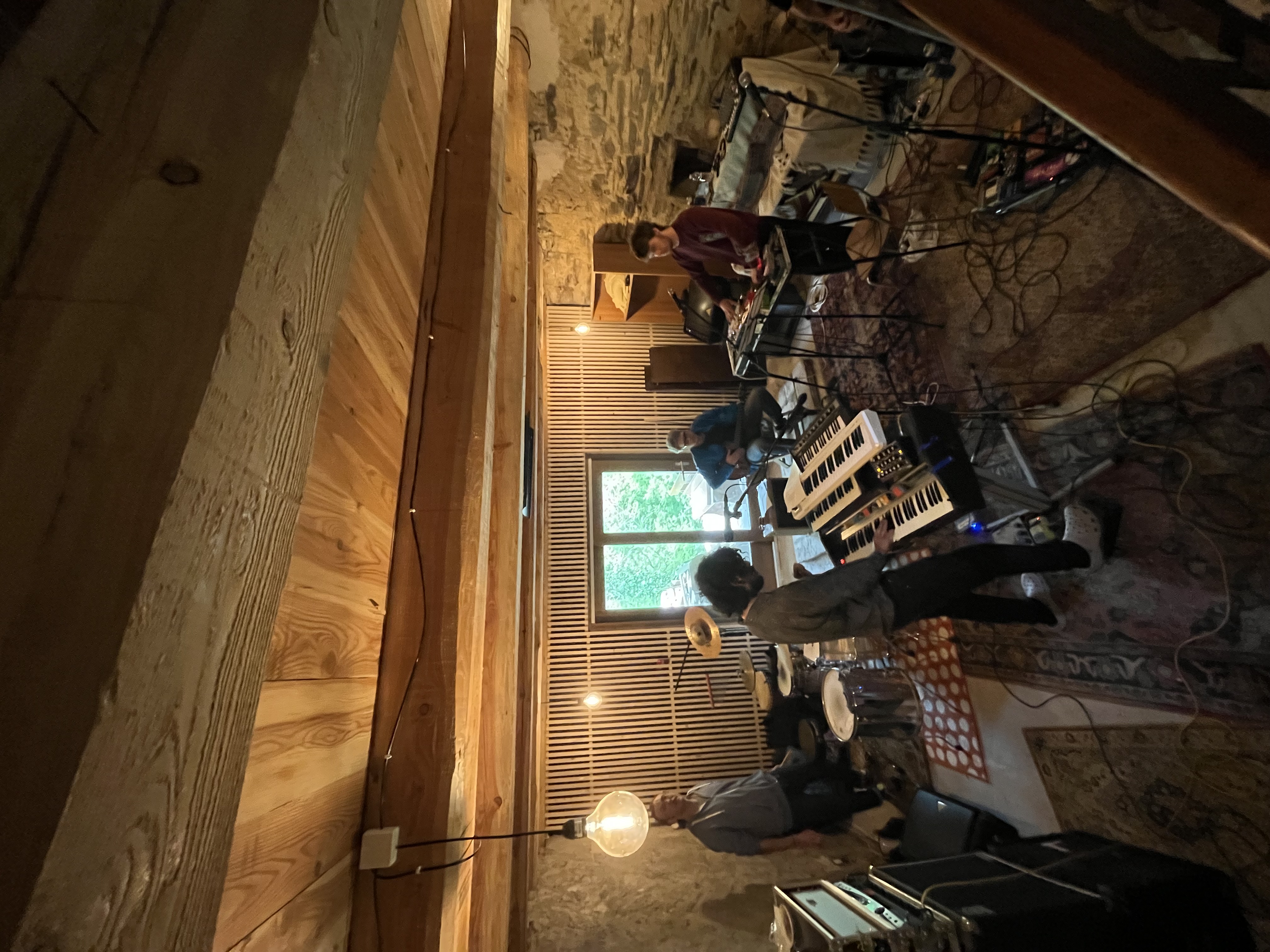
La Bucaniera is a community-led cultural centre nestled in a 16th-century mountain village in the Varaita Valley, Italy. Born from a resident musician's vision during the pandemic, it combines a professional recording studio, co-working spaces, and a multifunctional arts hub. Driven by a bottom-up, co-design approach and rooted in Occitan heritage, it fights rural depopulation by giving young people concrete reasons to stay. A replicable model for sustainable, community-owned territorial regener
Italy
Local
The village of Melle and Varaita valley
Mainly rural
It involves a physical transformation of the built environment (hard investment)
Yes
2025-05-30
Yes
PNRR M1C3
INTERVENTO 2.2 – PROTEZIONE E VALORIZZAZIONE DELL’ARCHITETTURA E
DEL PAESAGGIO RURALE
2022
No
No
Individual
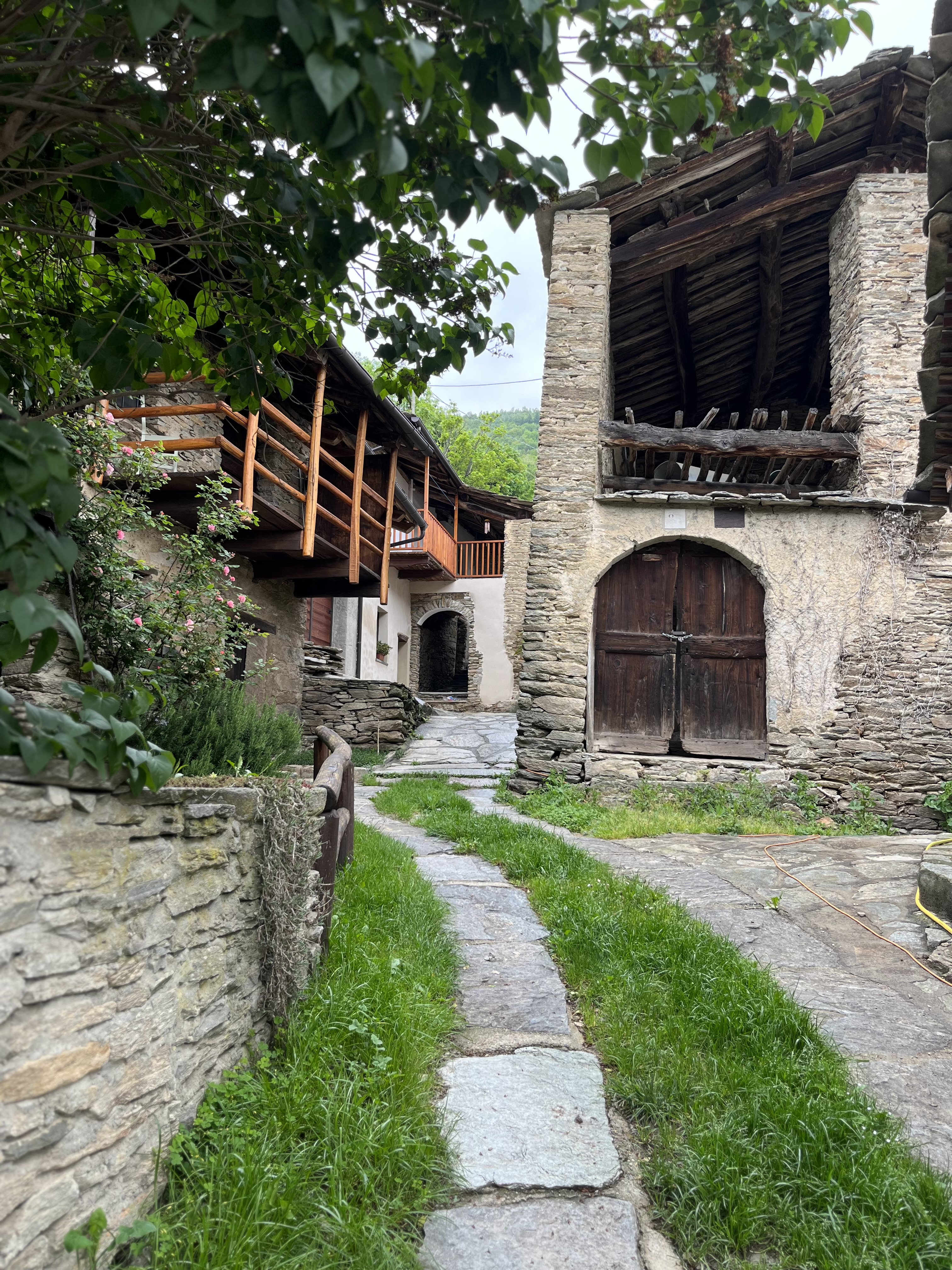
La Bucaniera aims to revive a nearly abandoned 16th-century mountain village through the establishment of a multifunctional cultural centre, operational year-round. The project directly addresses the critical challenge of rural depopulation and cultural abandonment by transforming derelict heritage structures into vibrant shared spaces.
The primary beneficiaries are the residents of the Municipality of Melle and the broader Varaita Valley, with particular attention to young people and families with children, who actively engage with the spaces in diverse and intergenerational ways.
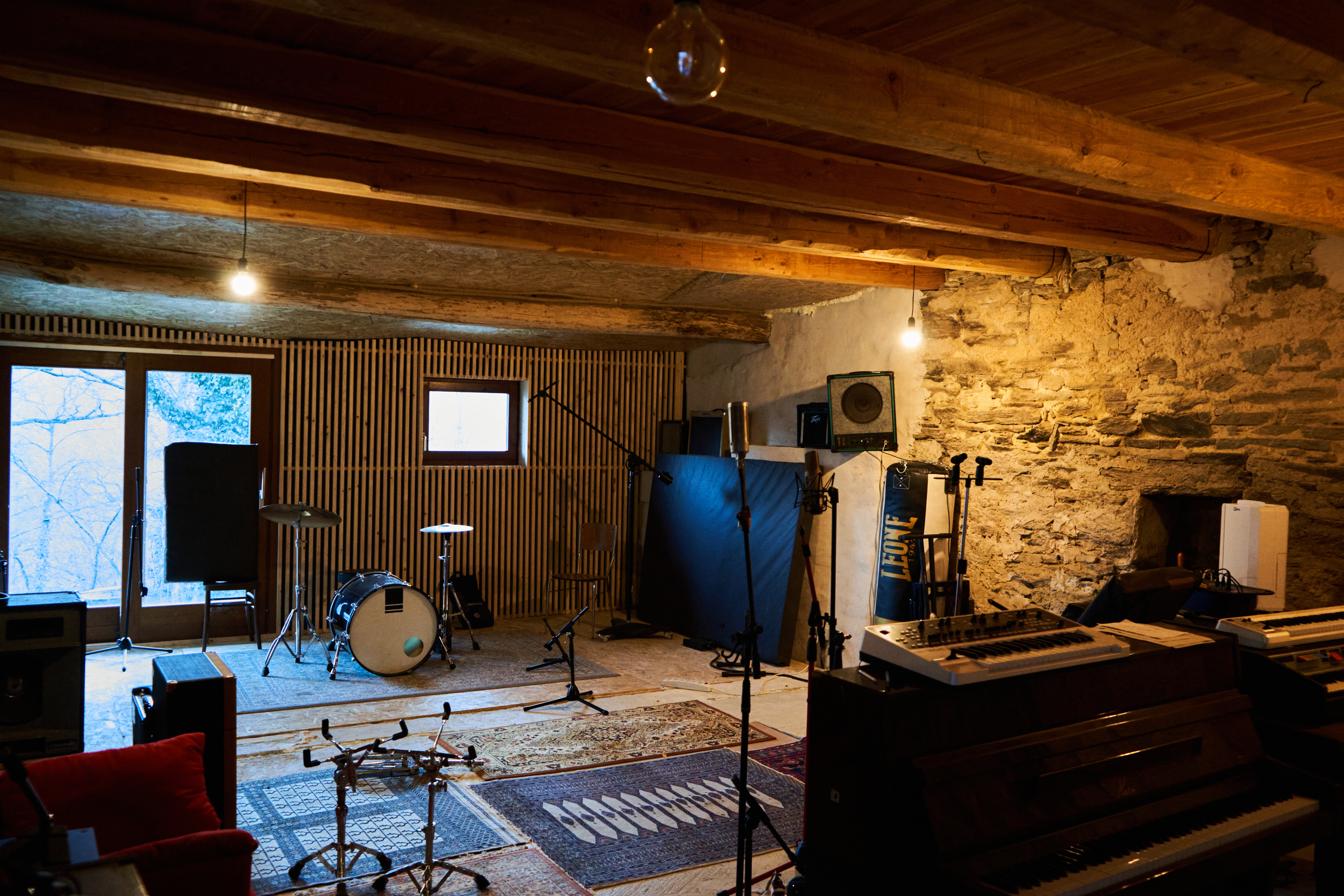
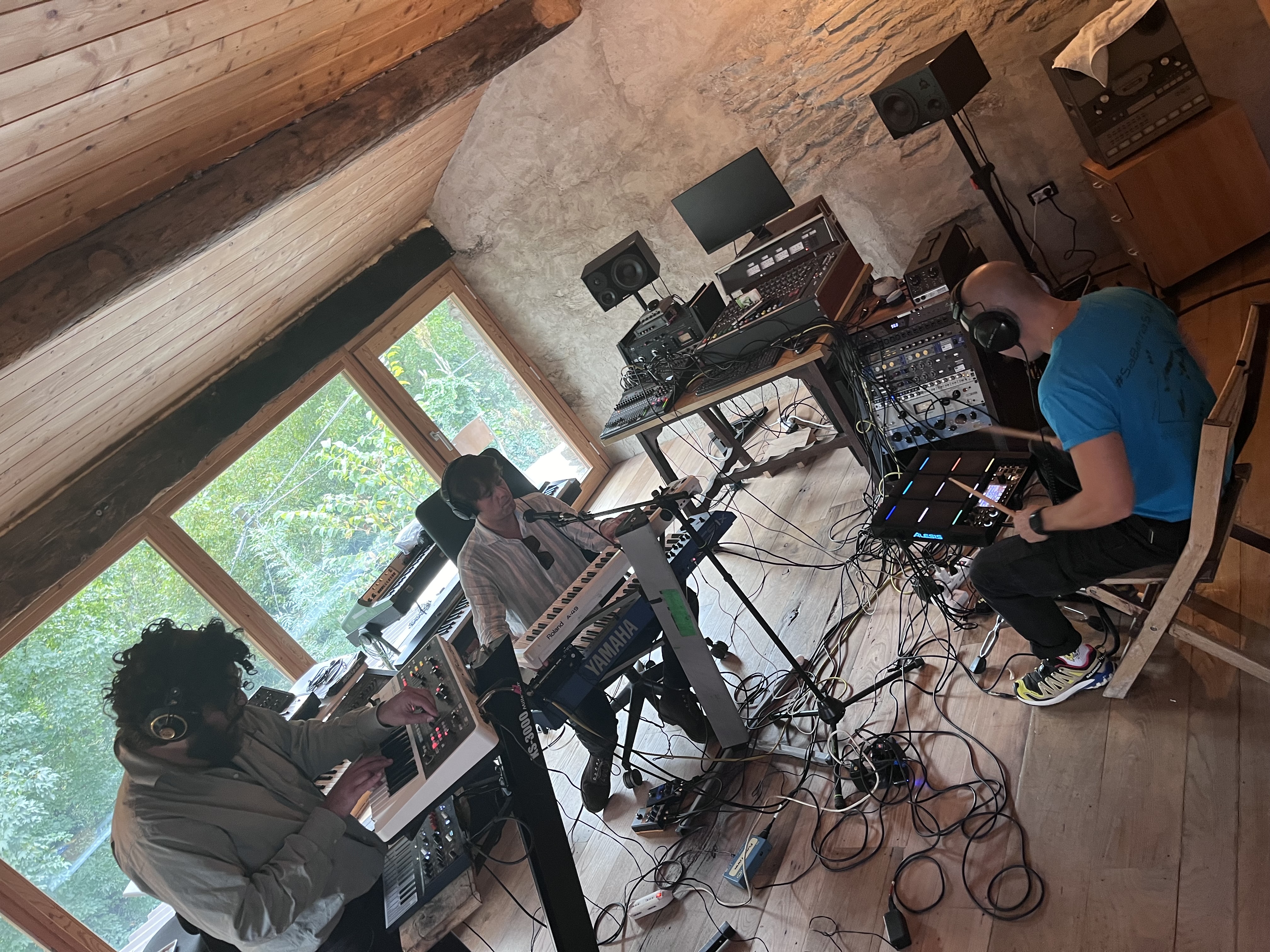
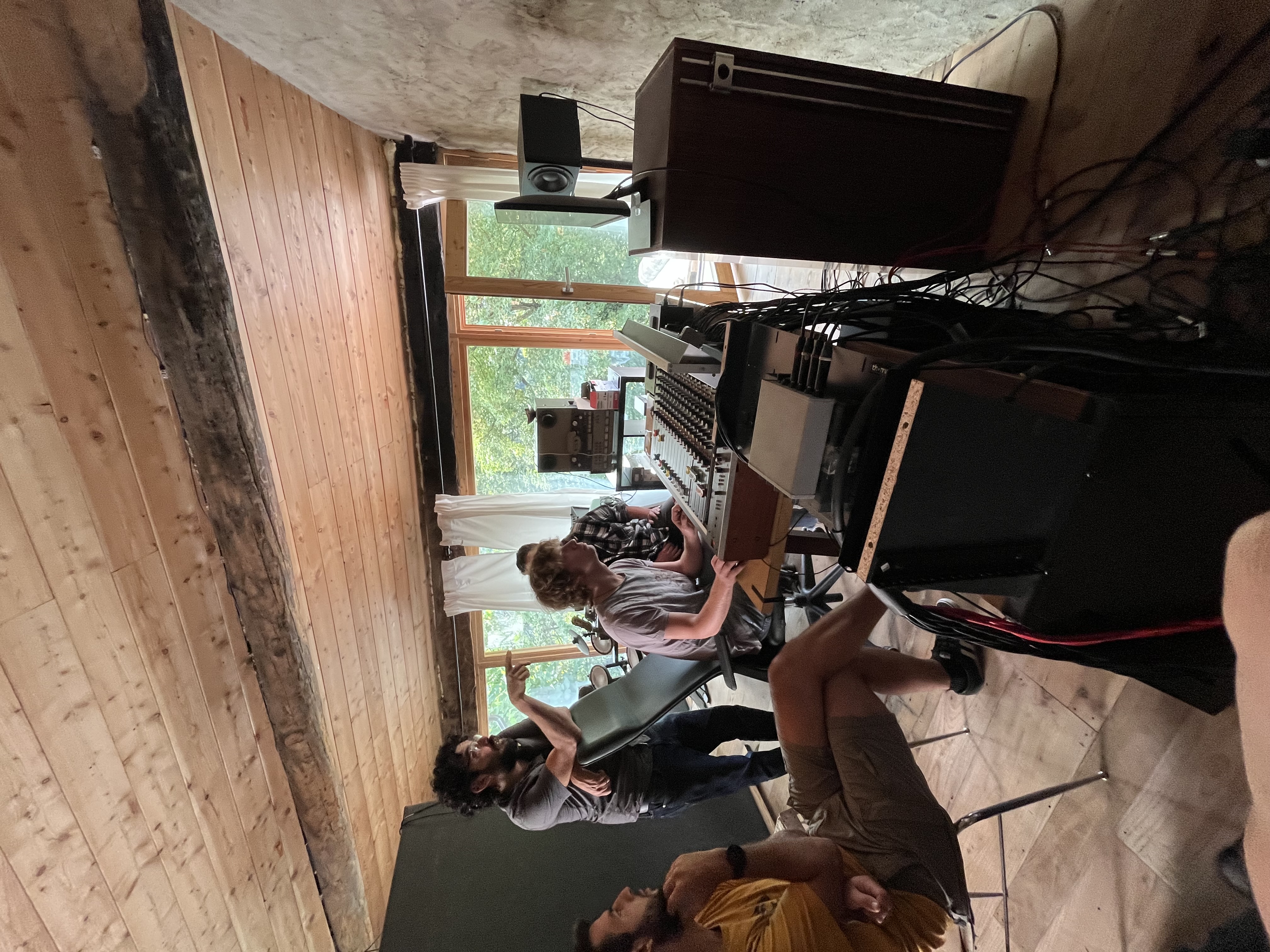
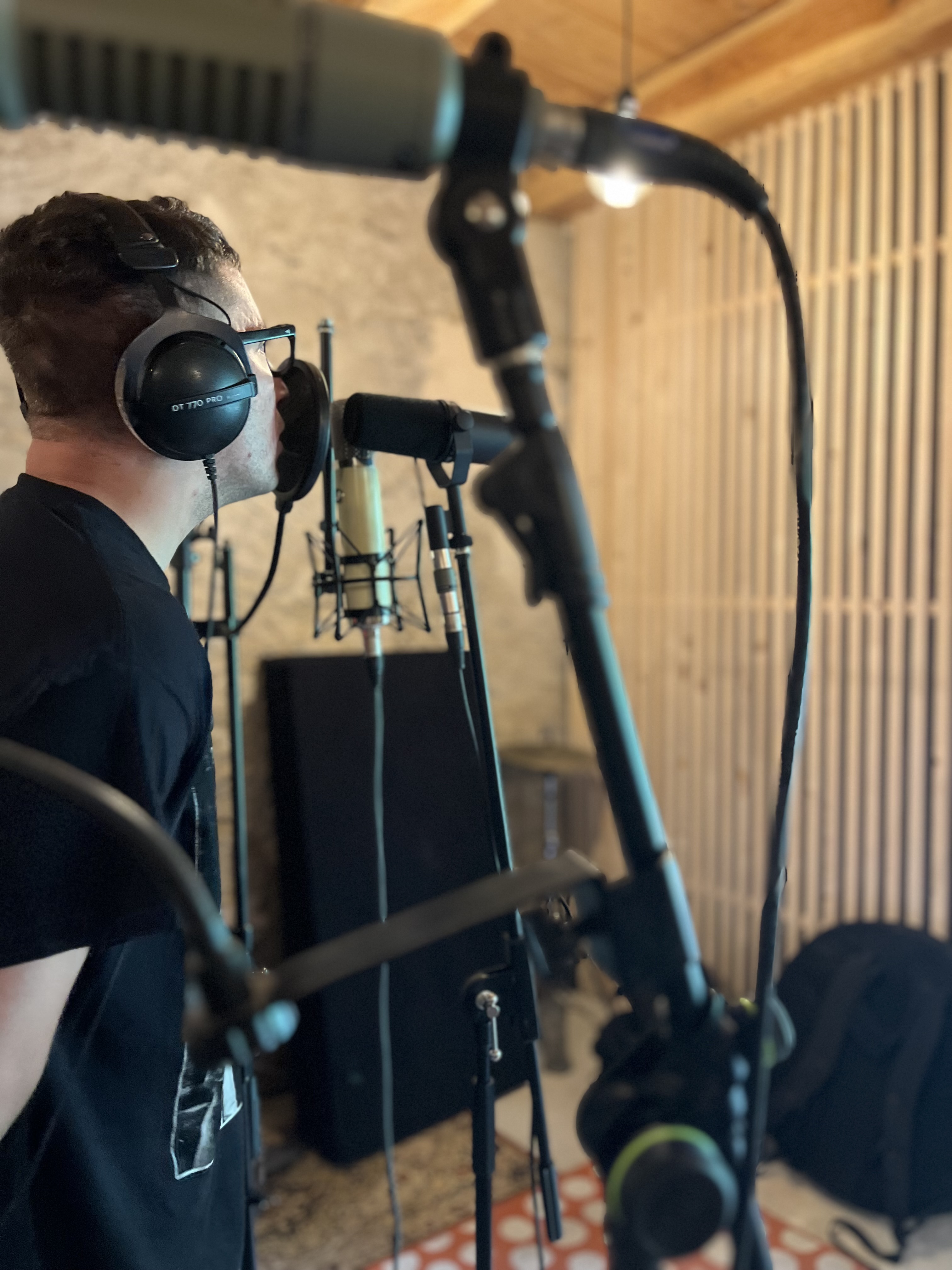
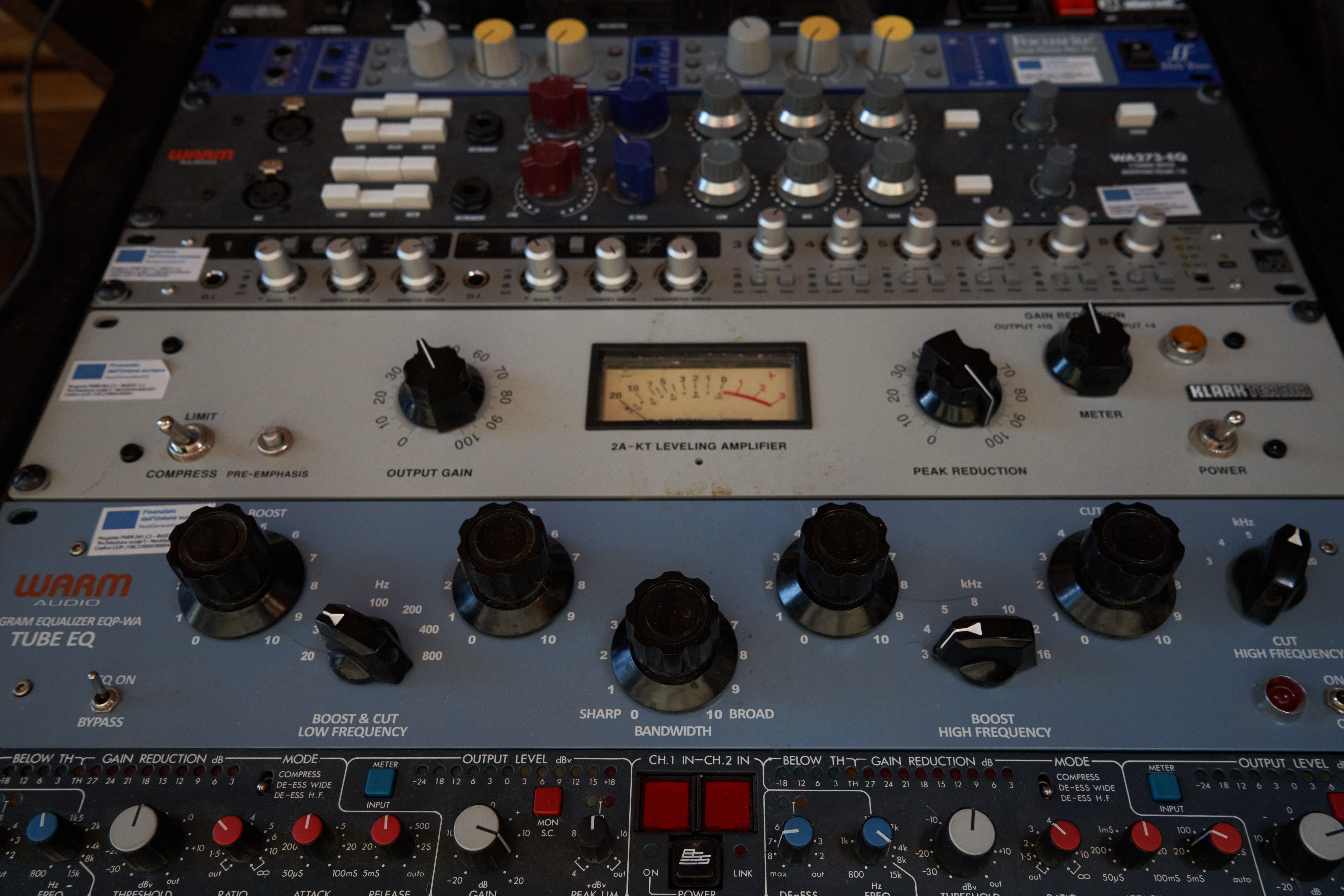
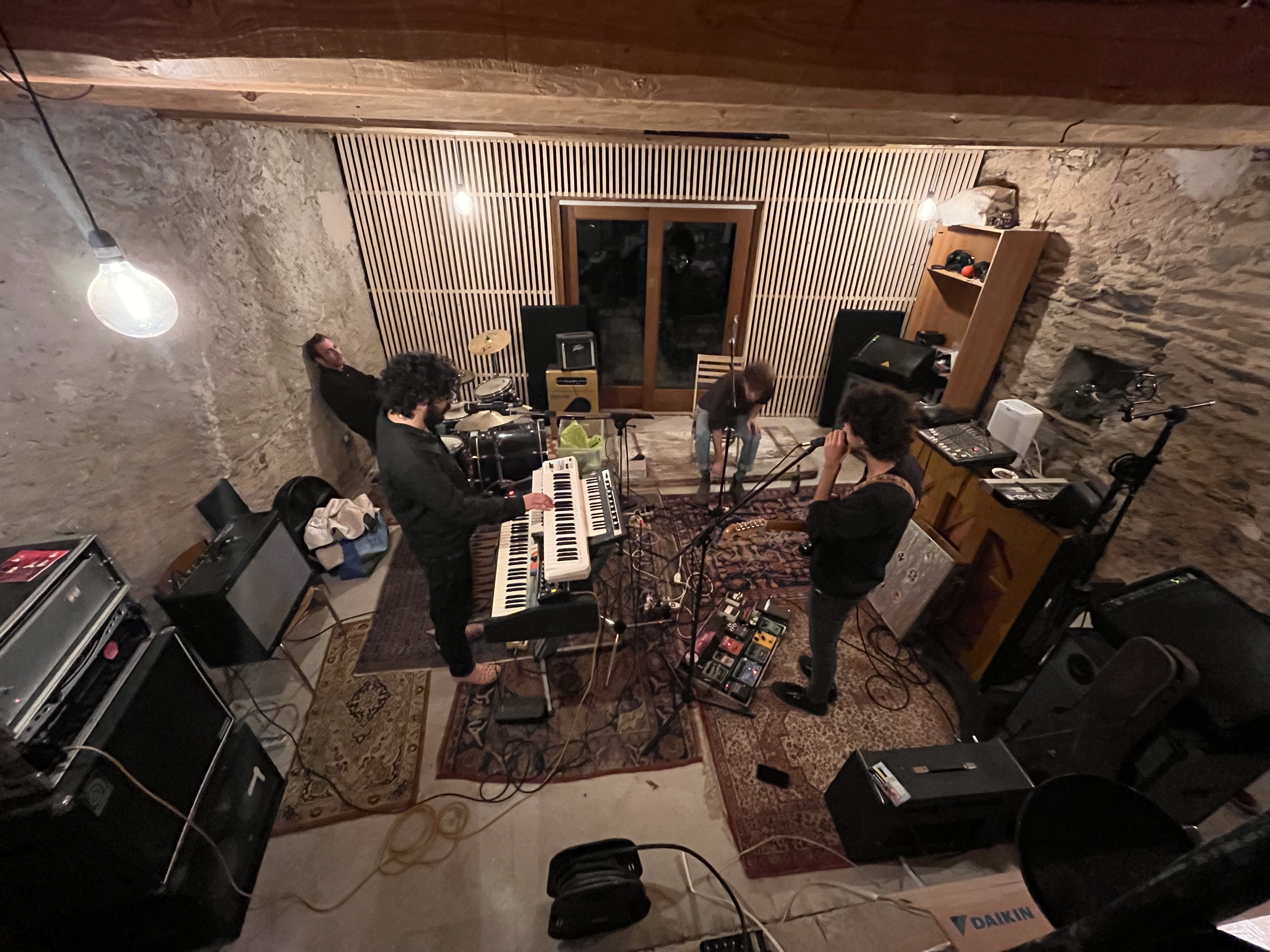
The project's specific objectives include the creation of multifunctional rooms serving as co-working spaces, venues for public assemblies, and facilities for educational courses benefiting valley residents, alongside a fully equipped professional recording studio comprising a control room and a dedicated recording space.
Achieved outcomes are concrete and verifiable: the establishment of a cultural association co-managing the spaces and programming events; the architectural reconstruction of previously abandoned buildings; the successful award of the PNRR M1.C3.13 – Investment 2.2 grant for the protection and valorisation of rural architecture and landscape (2025); and the development of multiple artistic residencies and a music album production since January 2023.
What distinguishes La Bucaniera is its twofold innovative approach: the multidisciplinary nature of its cultural offer, combining artistic production, education, and community gathering; and a rigorous co-design methodology that actively involves local stakeholders and valley inhabitants, ensuring a genuinely bottom-up rather than top-down process of cultural regeneration.
The project originated in the aftermath of the pandemic, drawing directly from the personal and professional experience of its founder, a touring musician with the band Indianizer, who had been performing across Europe for years and had relocated to Melle in October 2018. The forced interruption of live music activity during Covid-19 generated a pivotal reflection: how to bring music and art to a valley that had become home, transforming personal loss into collective opportunity.
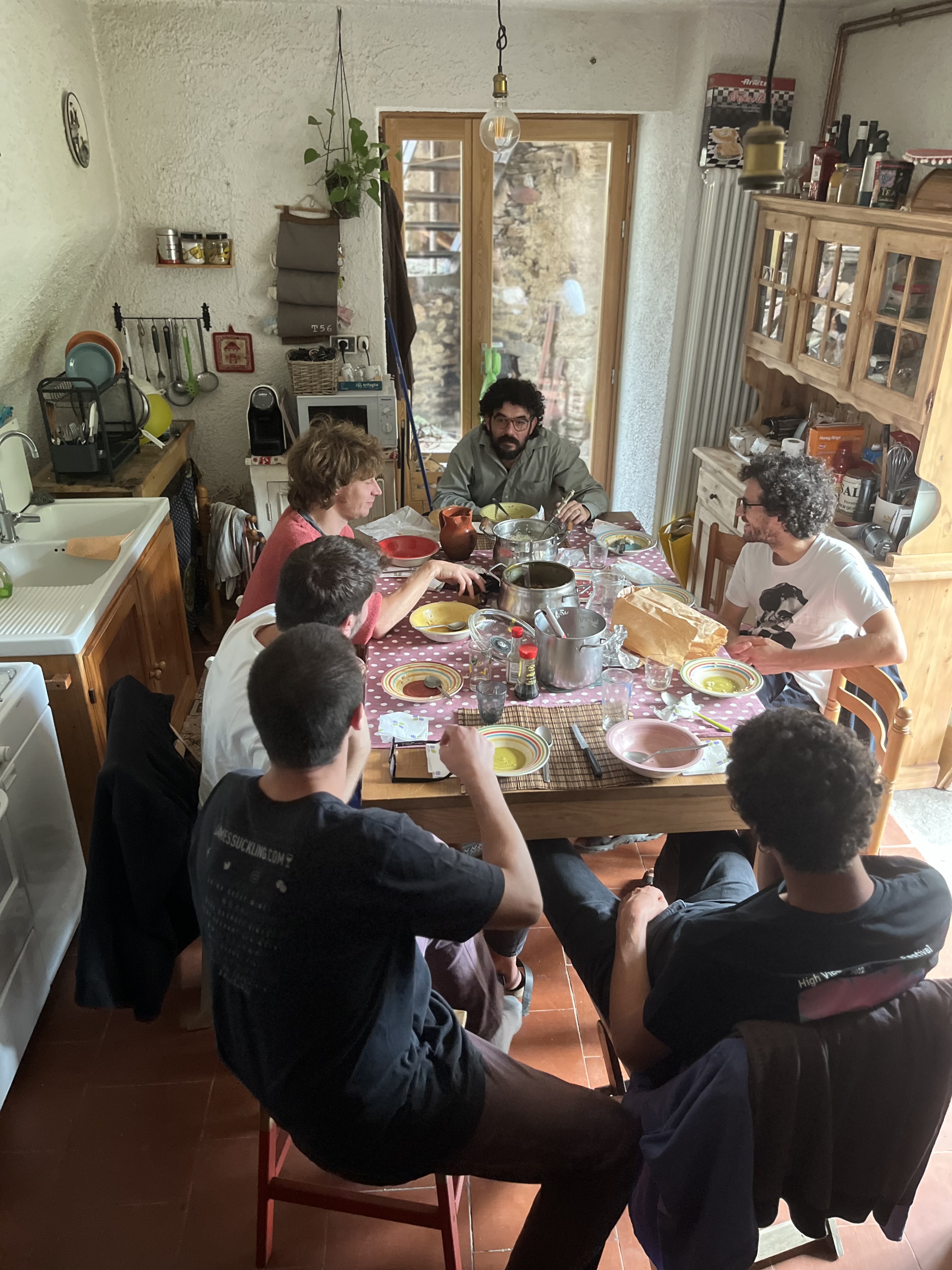
From its earliest stages, the project was built on broad and inclusive participation. Core contributors included family members, fellow band members, and a significant cohort of young residents aged 20 to 30, who expressed a concrete need for cultural and social gathering spaces — and who subsequently founded the Valle Varaita Music and Cultural Association.
The development followed a rigorous methodology structured in distinct phases: an initial benchmarking study of existing artist residencies and multifunctional cultural spaces across Italy; a co-design process extending from August 2020 to November 2022, involving all future stakeholders; and a pilot phase launched on 6 January 2023 with the recording of the album Gothron Versus Fartark by Gotho. The first half of 2023 saw further testing through residencies in collaboration with APM School in Saluzzo and the Opensound association, alongside community workshops including Kokedama and Pottery courses.
This iterative process validated the multifunctional model and informed the decision to participate in the PNRR call, subsequently won. Periodic evaluation tools required by the grant framework were integrated into the project's ongoing monitoring structure, with key contributions from external partners such as Ecolabor srl.
The project's success ultimately rests on a shared vision: the capacity to transform an individual aspiration into a collective cultural infrastructure rooted in the territory.
Rural regeneration
Community-led co-design
Vernacular heritage adaptive reuse
Transdisciplinary cultural hub
Bottom-up territorial innovation
La Bucaniera addresses environmental, social, cultural, and economic sustainability in an integrated and mutually reinforcing manner, establishing a replicable model for rural heritage regeneration.
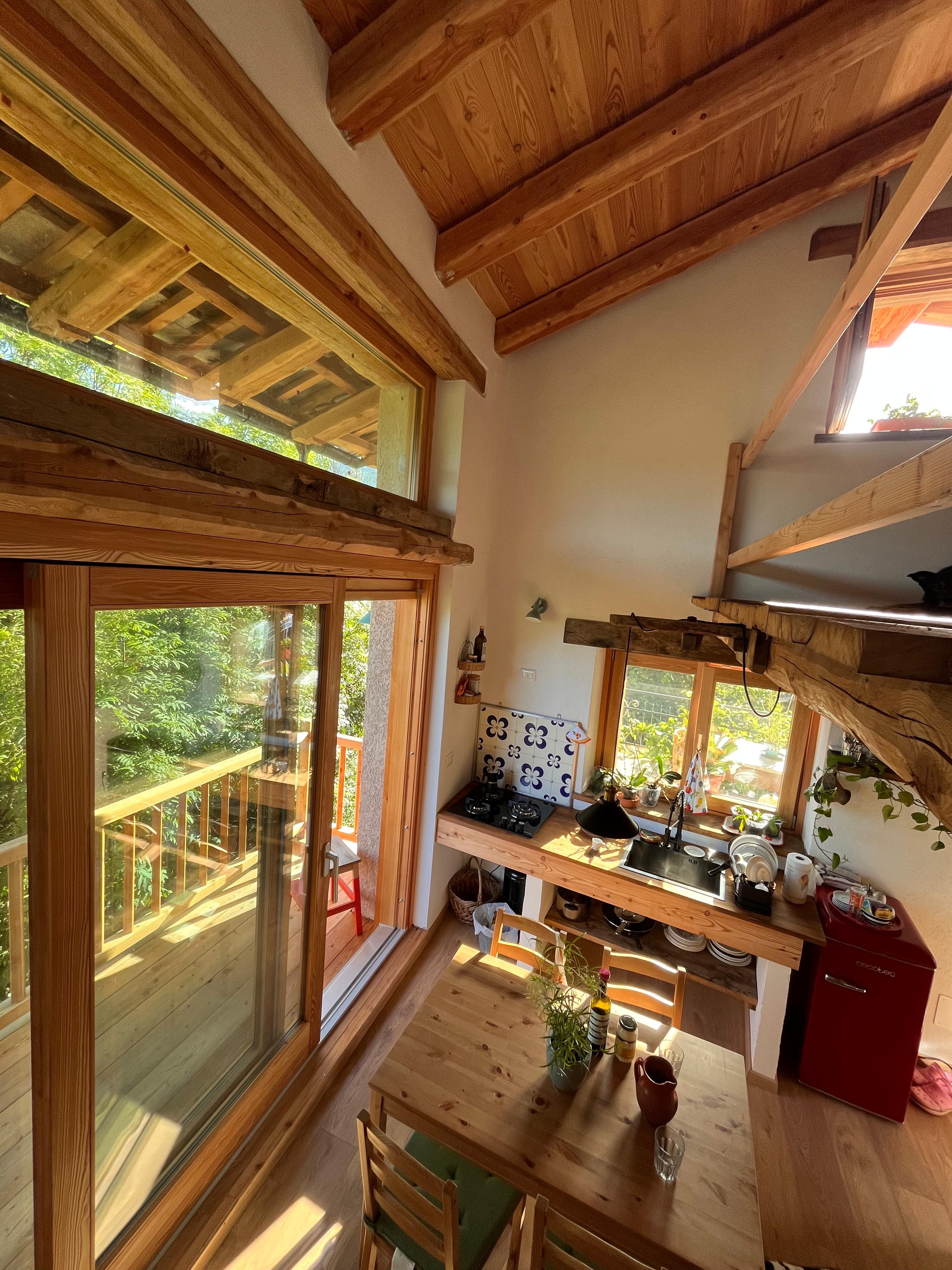
The core sustainability objectives were to restore a historic site in full respect of its original architectural character, minimise environmental impact through the exclusive use of green and bio-based materials, and generate local economic value through a circular economy approach.
In terms of concrete implementation, all construction work was carried out exclusively by local craftspeople, deliberately building technical capacity in traditional rural architecture and ensuring that financial investment remained within the local economy. Future users of the site were actively involved in the planning and execution of non-structural works, reinforcing a participatory and bottom-up approach. Material reuse was prioritised throughout: original stone roof slabs were recovered and relaid, timber flooring and ceramic tiles were fully reused, and all insulation materials meet green building standards. Locally sourced wood was used for all new interventions. Energy sustainability was addressed through the installation of photovoltaic panels, reducing the site's reliance on external energy sources.
The evidence base for these outcomes is documented in the DNSH (Do No Significant Harm) technical report submitted as part of the PNRR application, which formally validates the environmental compliance and sustainability credentials of all interventions carried out.
What makes this approach exemplary is its coherence and rootedness: every decision — architectural, material, economic, and social — was guided by the principle of belonging. This is not an imported model applied to a place, but a project conceived by and for those who have chosen to make this valley their home, ensuring its long-term durability and genuine integration with local culture and landscape
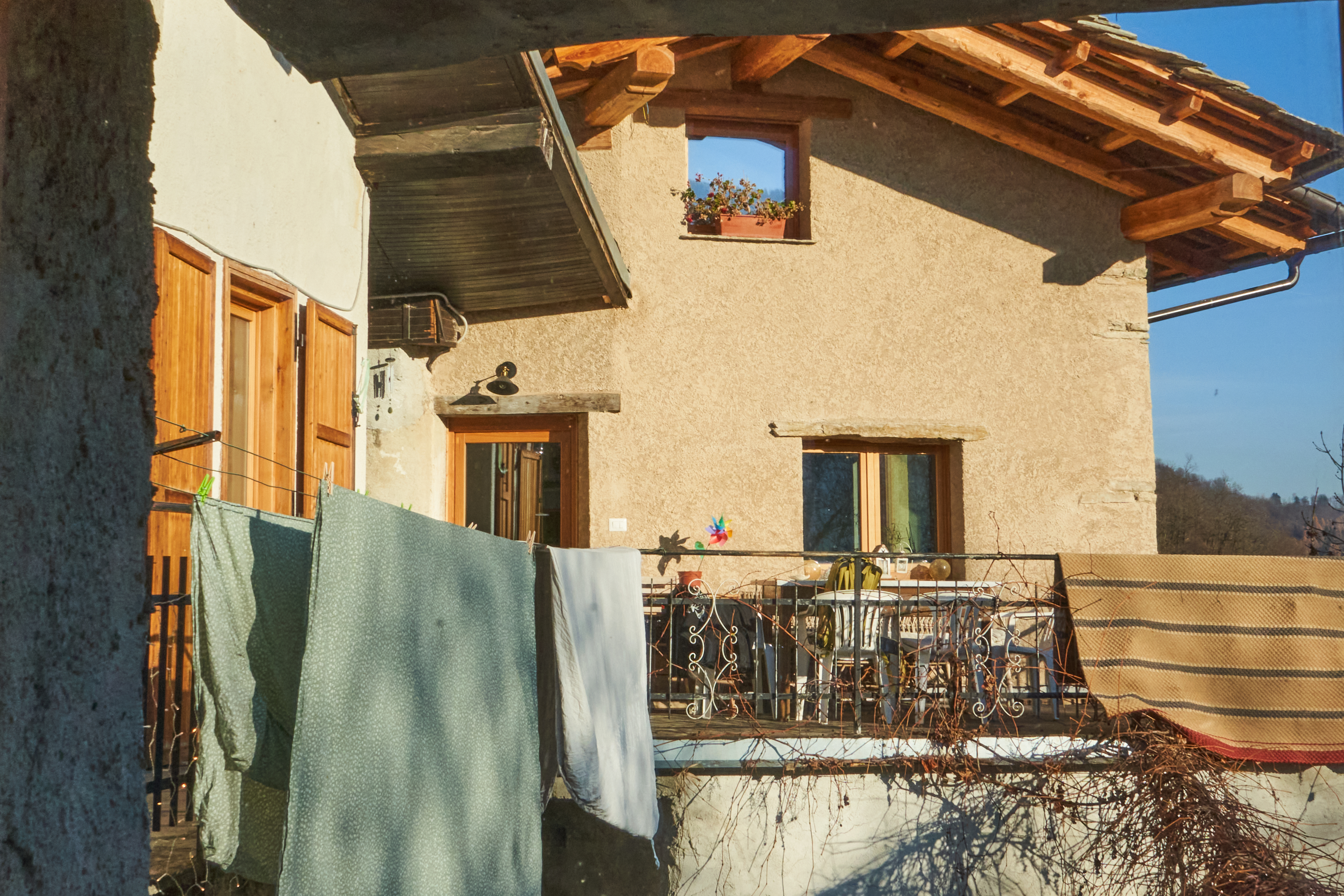
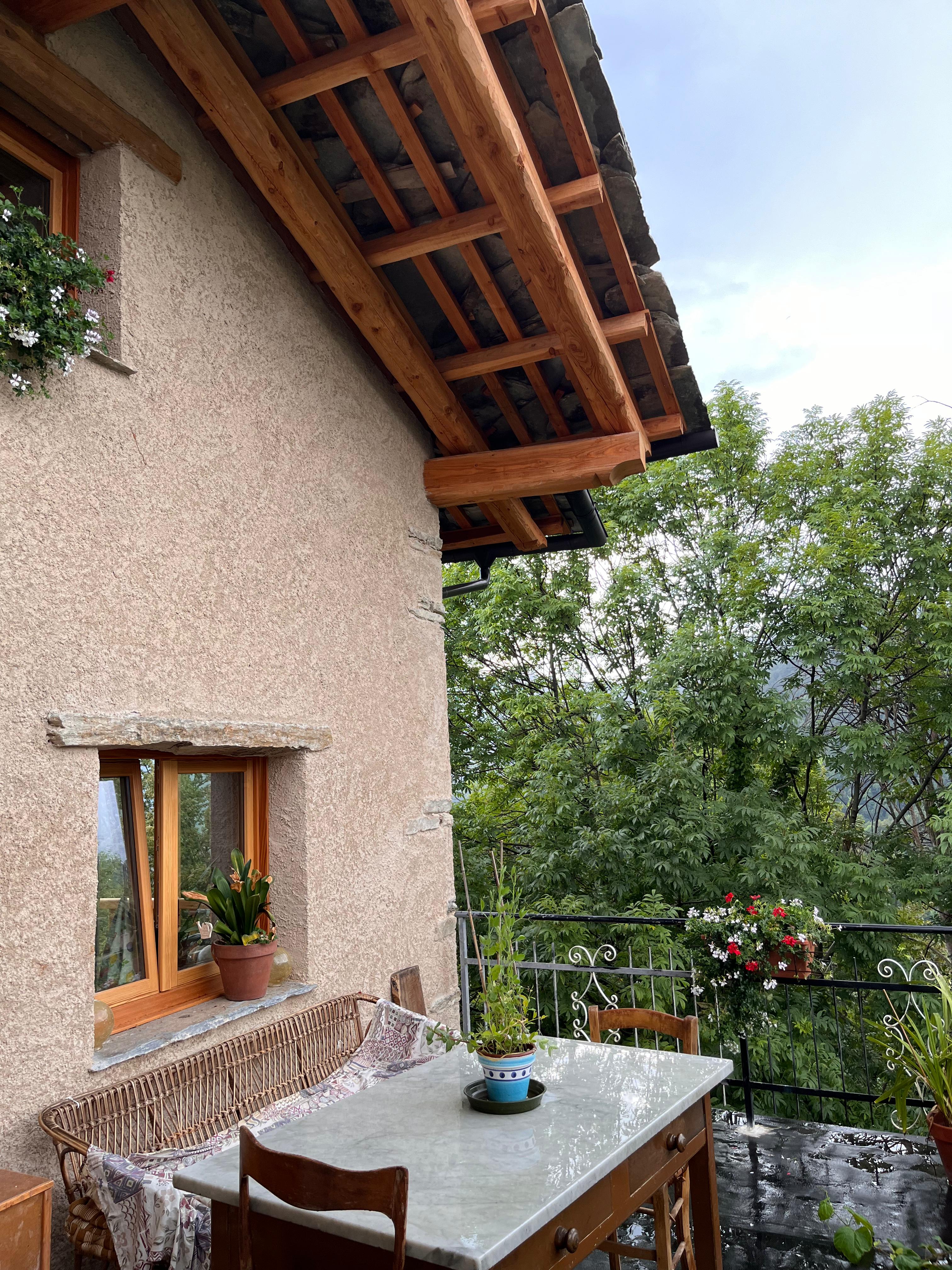
The project is rooted in a 16th-century village built entirely of wood and stone, nestled within a birch and beech forest, representing an outstanding example of vernacular architectural heritage fully integrated with its natural environment. The site itself embodies the core principles of the New European Bauhaus, establishing a profound and meaningful dialogue between cultural legacy, ecological sensitivity, and contemporary creative practice.
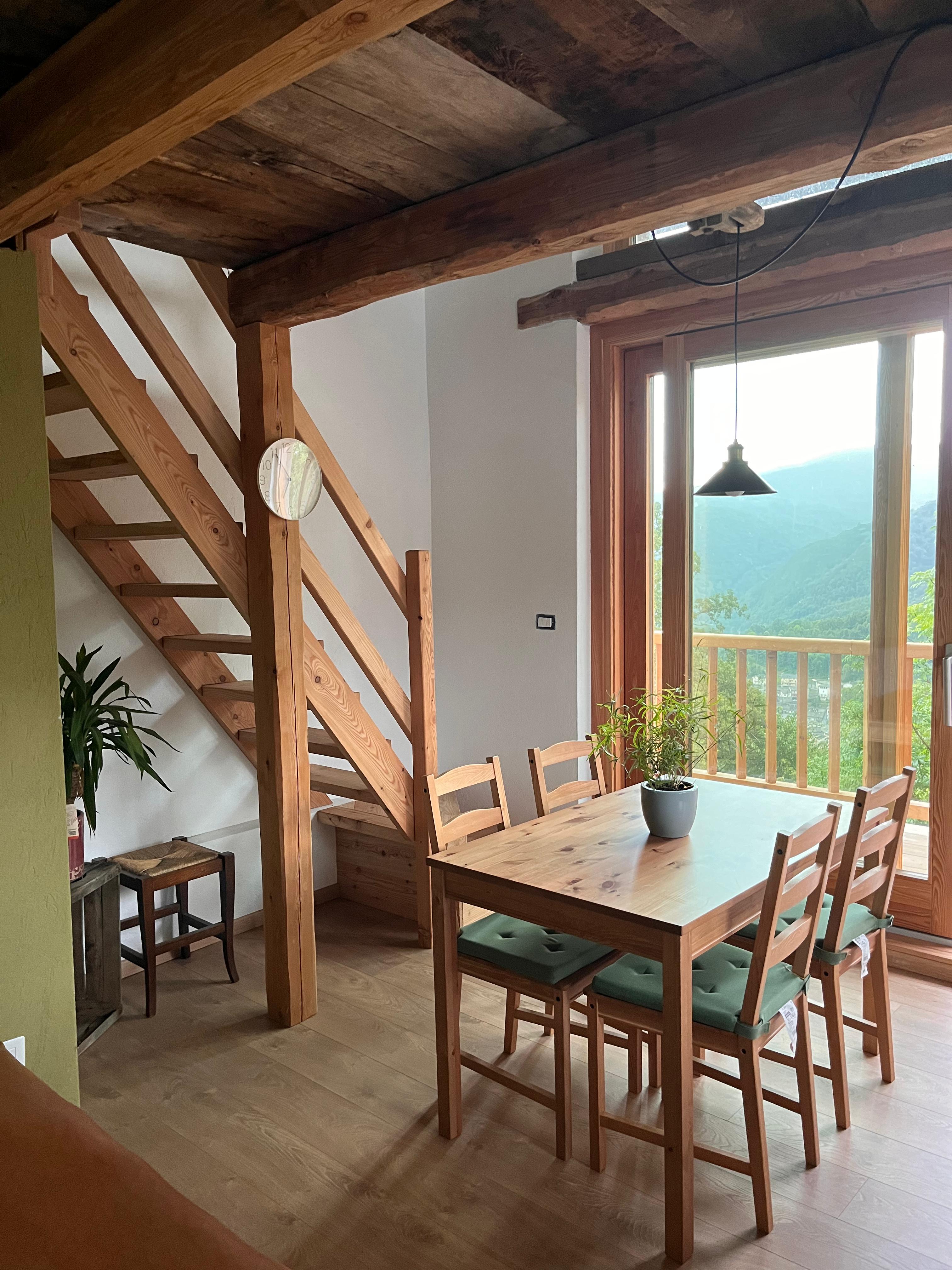
Within this exceptional context, the initiative offers a fully equipped professional recording studio alongside a dynamic co-working space designed to foster interdisciplinary collaboration, associative development, and the emergence of innovative cultural enterprises. The location serves as a catalytic environment where new ideas are not merely conceived but actively nurtured through the unique synergies generated by the place itself and its surrounding landscape.
The cultural offer hosted within the site encompasses a broad and integrated spectrum of activities, including music recording, mixing, and production, alongside a diverse range of artistic and cultural programmes specifically designed to enhance the value and visibility of the territory. These activities contribute directly to the sustainable cultural development of the local community while reinforcing its identity and international projection.
A distinctive strength of the project lies in the diverse artistic backgrounds and extensive professional networks of the individuals driving this initiative, which enables the residency and collaboration of artists recognised at an international level, thus positioning the site as a significant node within the wider European creative ecosystem
La Bucaniera was conceived as a concrete response to one of the most pressing challenges facing inland mountain communities: the lack of accessible cultural infrastructure capable of generating social cohesion, retaining younger generations, and fostering meaningful participation in community life.
The project's inclusion objectives operate across multiple dimensions — social, cultural, spatial, and governance-related — with the overarching aim of ensuring that the cultural offer remains genuinely accessible to all residents of the Varaita Valley, regardless of age, background, or socioeconomic status.
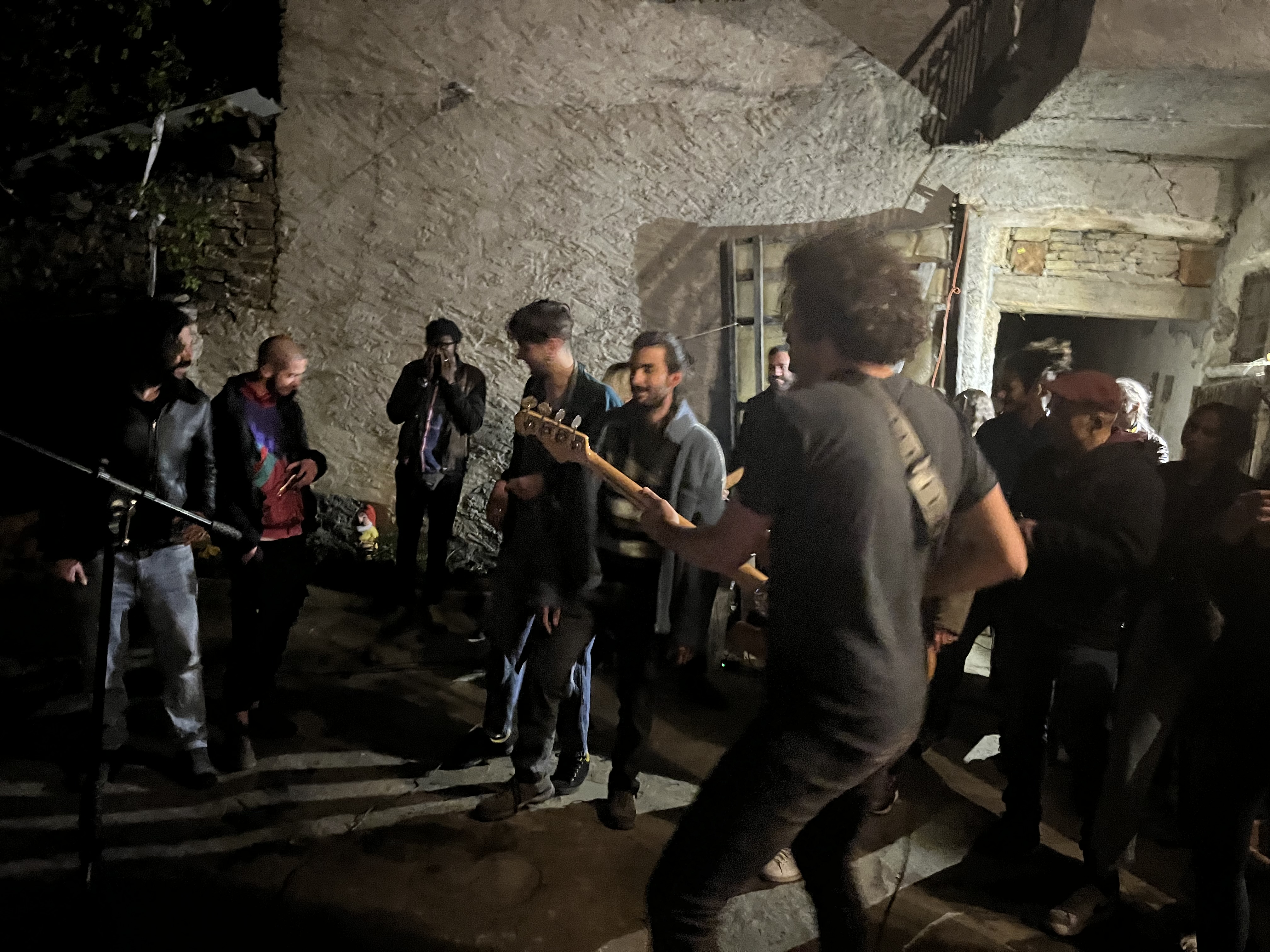
Recognising that communities with deeply rooted cultural identities — such as the Occitan tradition of this territory — may approach innovation with caution, the first concrete step was the organisation of Respiri, a village festival launched in 2020 in collaboration with the Municipality of Melle and the local Pro-loco association. This served as a trust-building mechanism, progressively opening the project to the wider community. In parallel, young valley residents aged 20 to 30 were engaged as co-designers and co-managers from the outset, subsequently founding the Valle Varaita Music and Cultural Association.
The results are clearly observable: the festival has become a recurring community-wide event; the association is now an established local institution; and there is concrete evidence that the project has contributed to reducing youth outmigration, with young residents explicitly citing La Bucaniera as a reason to remain in the valley.
What makes this project exemplary is its capacity to transform a post-pandemic crisis into a generative opportunity, empowering young people to shape the cultural identity of the place they inhabit — a genuinely bottom-up model of inclusive territorial governance.
Citizen and community involvement has been a structural and defining feature of La Bucaniera from its earliest stages, rather than a consultative add-on to an already determined project.
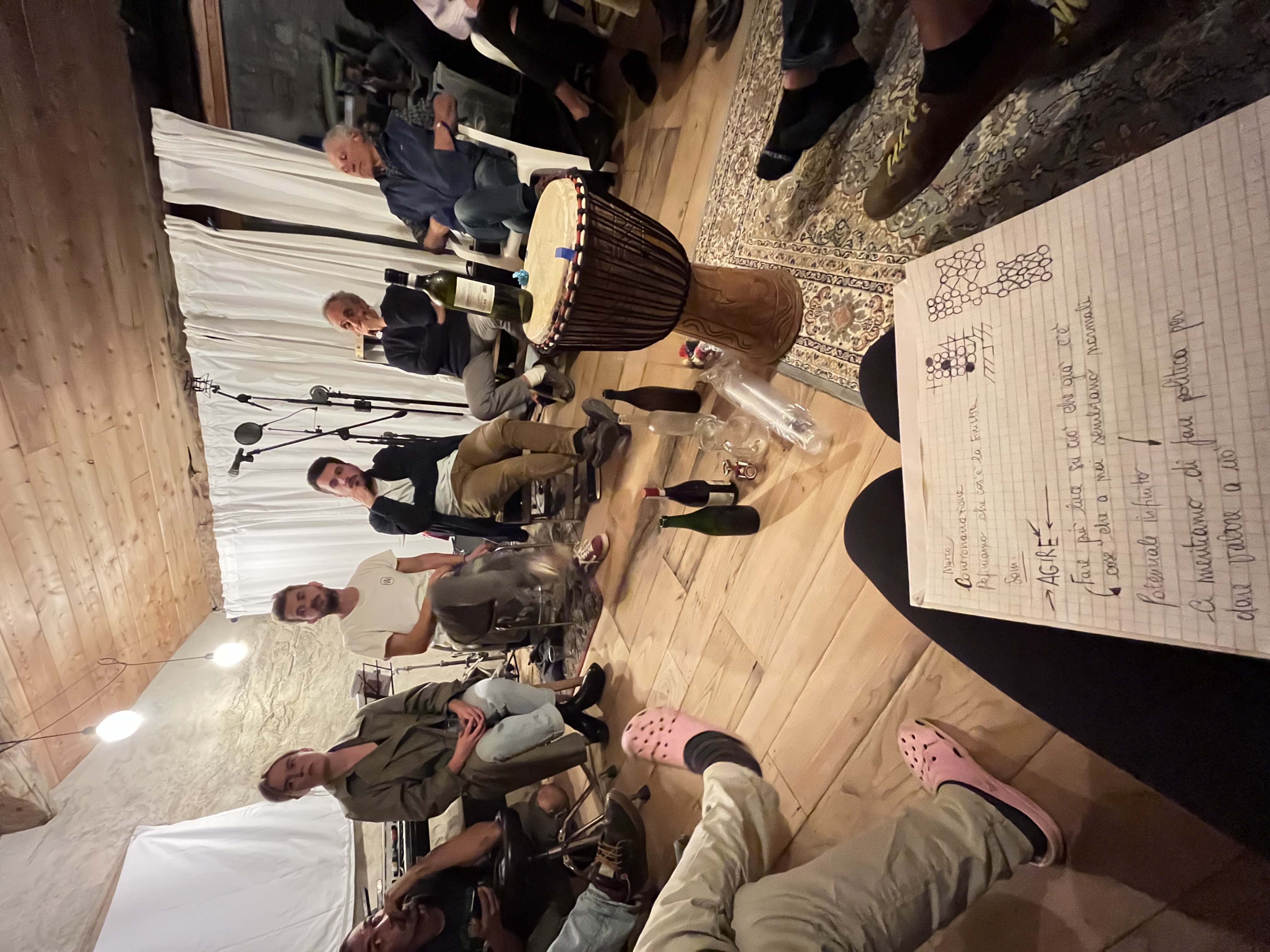
From the outset, an informal group of local residents participated actively in shaping the project, contributing to decisions ranging from the spatial configuration of the site to the definition of its cultural programme. This engagement was sustained through a continuous series of open meetings, ensuring that all voices had genuine influence over both strategic directions and operational choices.
This participatory process led to the formal establishment of the Valle Varaita Music and Cultural Association in 2025, which now holds governance responsibility over all shared spaces and activities. Significantly, the association is presided over by Mr. Nicola Londi — not the project's founder — a deliberate choice that reflects the collective and non-hierarchical nature of the initiative, and demonstrates that La Bucaniera has successfully transitioned from an individual vision to a community-owned institution.
The association brings together a deliberately diverse membership, including bricklayers, electricians, sound technicians, musicians, designers, carpenters, and hospitality professionals. This breadth of expertise has directly enhanced the quality and professionalism of the services offered to space users, municipalities, institutions, and the wider public, enabling a highly differentiated and competent cultural offer.
The impact of this model of involvement is evident: community members who participated in the co-design process became the project's most committed stakeholders, ensuring its long-term sustainability and continuous evolution. Their involvement has transformed La Bucaniera from a cultural project into a resilient, community-led territorial asset.
La Bucaniera has developed a structured multi-level stakeholder engagement model, involving institutions and organisations at local, national, and European levels, each contributing distinct and complementary value to the project.
At the local level, the Municipality of Melle has been a foundational partner, providing political support and co-organising community events, including the annual Respiri festival since 2020. Despite its small scale — 273 inhabitants — the municipality's involvement has conferred significant institutional legitimacy upon the project. The Varaita Valley, with fewer than 6,500 residents, and the neighbouring town of Saluzzo, with 16,700 inhabitants, constitute a territorial ecosystem where collaboration emerges organically through interpersonal relationships and shared identity, enabling fluid and effective multi-stakeholder cooperation.
At the national level, the APM School in Saluzzo — one of Italy's leading institutions for advanced music training — is a key academic partner, supporting courses, training activities, and artistic residencies. This collaboration gave rise to the Opensound project, generating a cultural twinning between Melle and Matera and extending the project's reach at a national scale.
At the European level, the project has benefited from EU funding through the PNRR M1.C3.13 – Investment 2.2 call, providing critical financial resources for the architectural restoration of the site and formally validating its alignment with European priorities for rural heritage valorisation.
The added value of this multi-level engagement is manifold: it has ensured financial sustainability, reinforced institutional credibility, and embedded La Bucaniera within a broader ecosystem of territorial innovation, including emerging entrepreneurs developing circular economy and zero-kilometre food production initiatives in the valley.
La Bucaniera was conceived and developed through a genuinely interdisciplinary approach, in which diverse professional knowledge fields were integrated from the earliest stages, shaping both its physical spaces and its cultural model.
The disciplinary fields represented within the core team span music production and sound engineering, architecture and rural construction, interior design, environmental sustainability, hospitality and event management, and community facilitation. Rather than operating in parallel, these competencies were combined through a continuous process of shared decision-making, sustained by working group meetings in which different professional perspectives were systematically brought into dialogue.
This interdisciplinary interaction had direct consequences on the design of the spaces. The recording studio was conceived at the intersection of acoustic engineering, architectural heritage conservation, and artistic practice — resulting in a professional facility fully integrated within a 16th-century stone and wood structure. Similarly, the multifunctional spaces were designed through a negotiation between educational, artistic, and community needs, producing flexible environments capable of hosting residencies, courses, public assemblies, and cultural events within the same physical infrastructure.
The added value of this approach is most evident in the project's capacity for ongoing adaptation: because the spaces were shaped by a multiplicity of professional visions rather than a single disciplinary logic, they remain inherently open to transformation and responsive to emerging needs. This has enabled La Bucaniera to function simultaneously as an artist residency, a cultural centre, an educational facility, and a community hub — a multifunctional model that would not have been achievable through a mono-disciplinary design process.
La Bucaniera's financial model is built on a balanced and resilient funding structure, combining private investment and public European funding in equal measure. The initial implementation costs were covered at 50% through private resources and 50% through the PNRR M1.C3.13 – Investment 2.2 grant, ensuring that the project launched from a debt-free position — a significant indicator of financial soundness and long-term viability.
The project currently generates revenues through a diversified portfolio of services managed by the Valle Varaita Music and Cultural Association, including professional music production and recording, the organisation of multidisciplinary courses for valley residents, and the coordination of cultural events both on-site and across the territory. These activities ensure that operational costs — principally site maintenance, energy, and heating — are fully covered through self-generated income, without reliance on ongoing public subsidy.
The scalability of the model is underpinned by two structural factors: the growing demand for the association's services from an expanding client base, and the breadth of professional expertise within the team, which enables rapid adaptation to new opportunities. The absence of accumulated debt further strengthens the project's capacity to absorb future investments and pursue strategic development.
Additional funding is currently being sought to enhance the site's infrastructure and catalyse a new phase of growth, consolidating La Bucaniera's role as a territorial cultural hub. In a broader perspective, the project demonstrates a replicable model for rural regeneration: a community-led, financially autonomous cultural centre that combines heritage conservation, artistic production, and local economic development — a potentially disruptive alternative to top-down, subsidy-dependent approaches to inner-area revitalisation
La Bucaniera offers a replicable model for rural regeneration that is transferable to other inland, mountain, or depopulated communities facing similar demographic, cultural, and social challenges across Europe.
The most transferable element is the foundational methodology: the project demonstrates that sustainable cultural regeneration begins with deep territorial belonging. When the initiators of a project are themselves permanent residents — not external developers or institutions — the resulting initiative is inherently rooted in local needs, values, and identity. This principle of resident-led development, combining respect for place with the freedom to reshape it according to lived experience and personal vision, can serve as an inspiration for communities across a wide range of geographic and cultural contexts.
A second highly transferable element is the participatory governance model. La Bucaniera shows that associative, non-commercial forms of community gathering can be a powerful antidote to depopulation, particularly for younger generations who require cultural stimulation, peer connection, and a sense of agency over their environment. The progressive formalisation of this participation — from informal group to registered cultural association — offers a clear and replicable institutional pathway.
Replication does require specific enabling conditions: a core group of motivated residents with diverse professional skills, a minimum of institutional support from local government, and access to at least partial public funding to cover initial investment costs. These elements were critical to La Bucaniera's success and should be considered prerequisites for transfer.
What may need adaptation is the specific cultural offer, which must reflect the identity and traditions of each local context. The model is a framework, not a formula — its strength lies precisely in its capacity to be reinvented by those who inhabit a place and love it as their home.
- https://open.spotify.com/intl-it/album/4NuyFq7PFLyxmx5v9vHUur?si=_qw559afS06gnK_aTWZu_Q
- https://www.raiplay.it/video/2024/03/Generazione-Bellezza---Melle-la-valle-dei-birrai-felici---Puntata-del-01042024-5d5d51d1-5aad-417b-a723-ec6265af3238.html?wt_mc=2.www.cpy.raiplay_vid_GENERAZIONEBELLEZZA.
- https://open.spotify.com/intl-it/album/7LGNkqrSHcZWBH8cKAMzq3?si=9da5798146a640cf