Strengthening Local Democracy and Inclusion
Sensitive diagnosis for Time 2 Adapt
Innovative Measures to adapt cities to climate change with an inclusion of vulnerable individuals
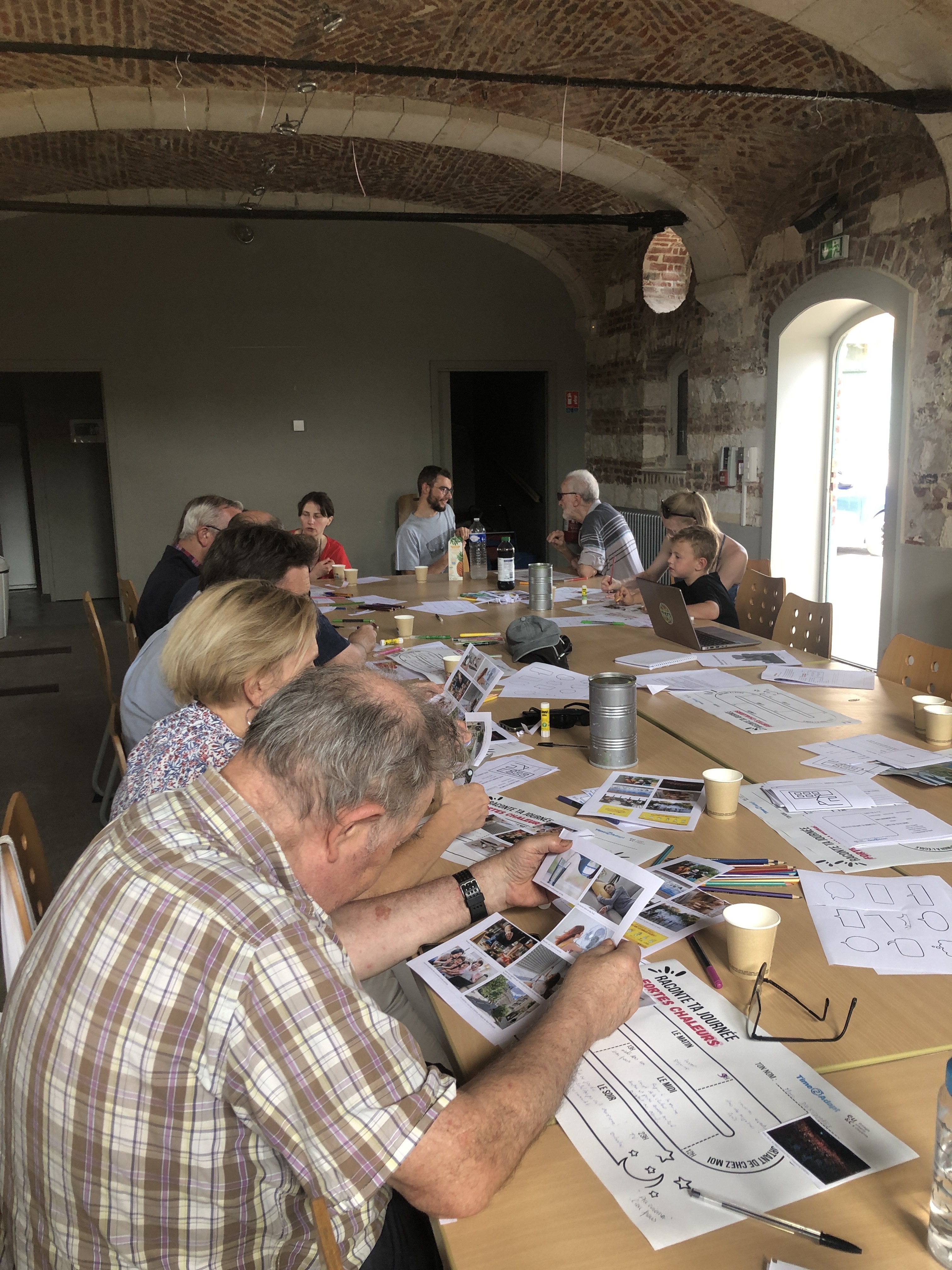
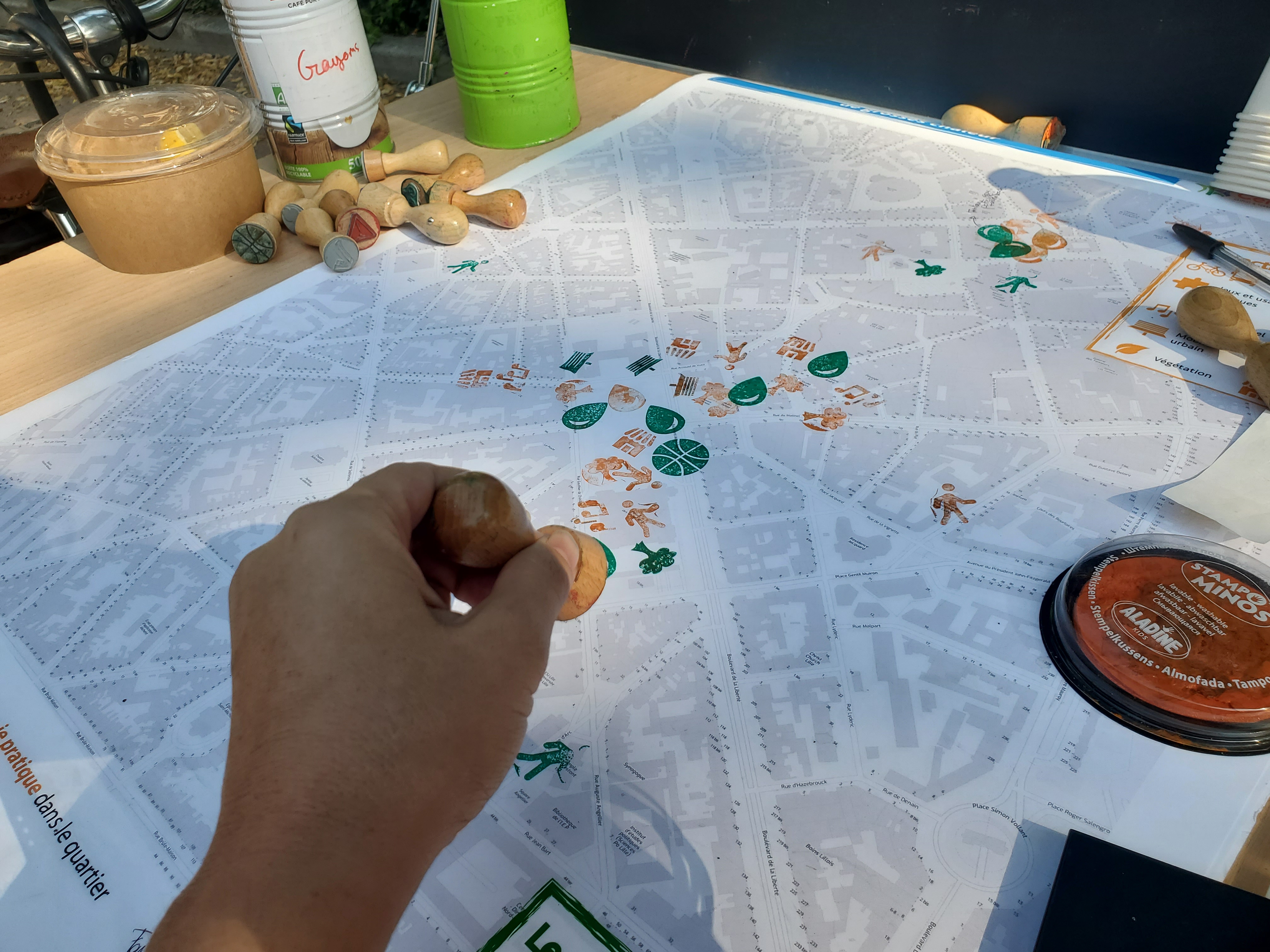
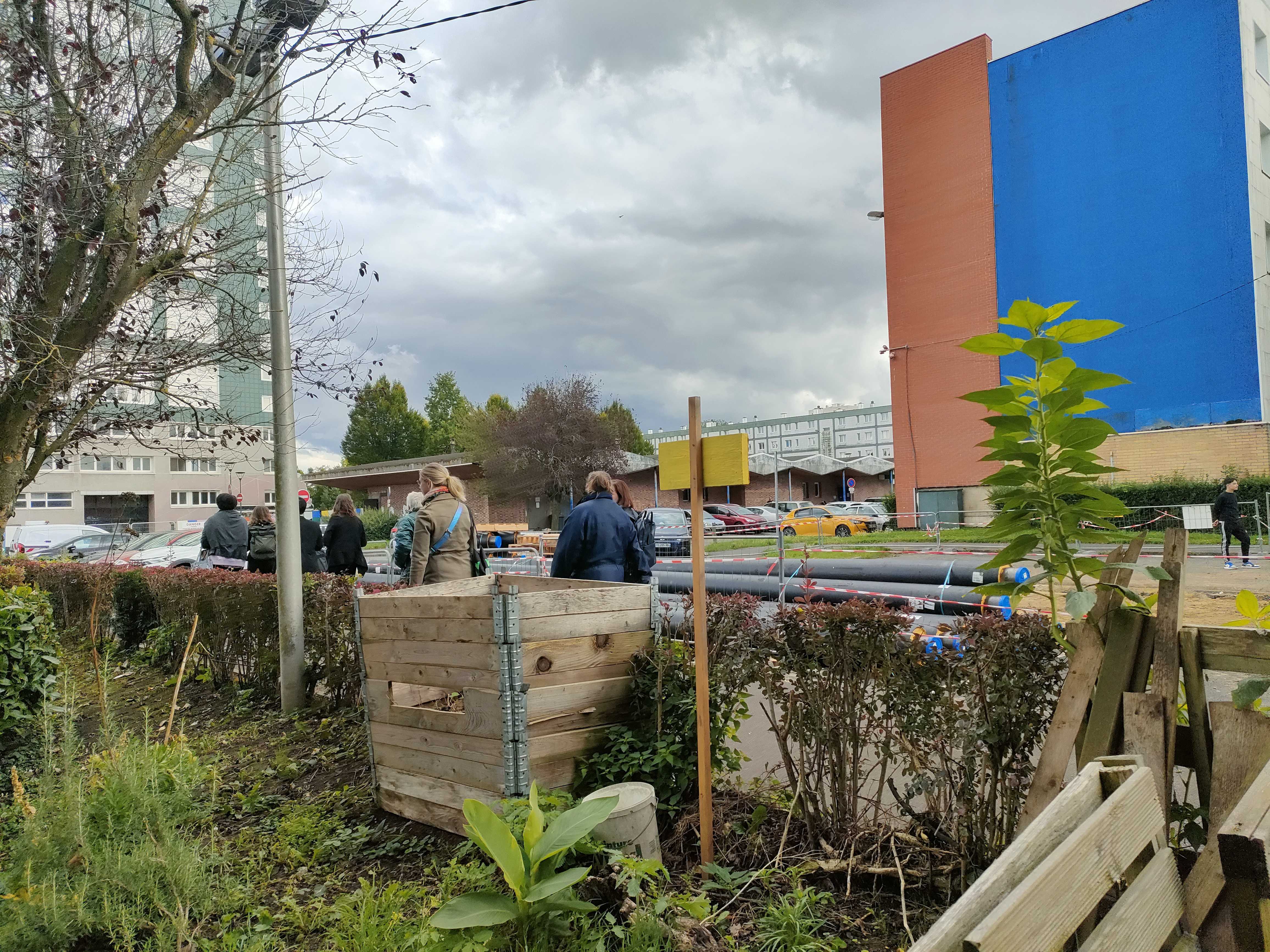
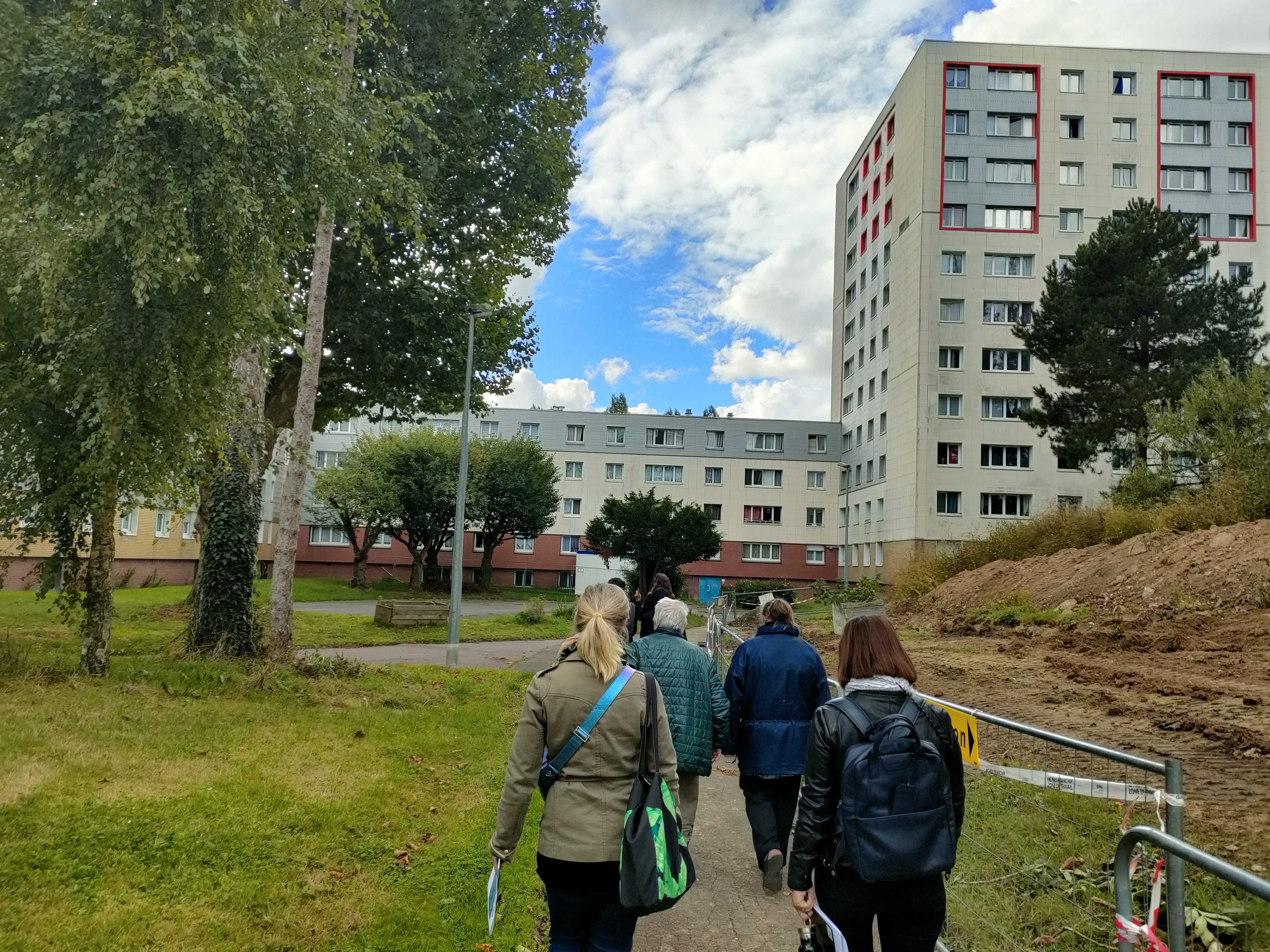
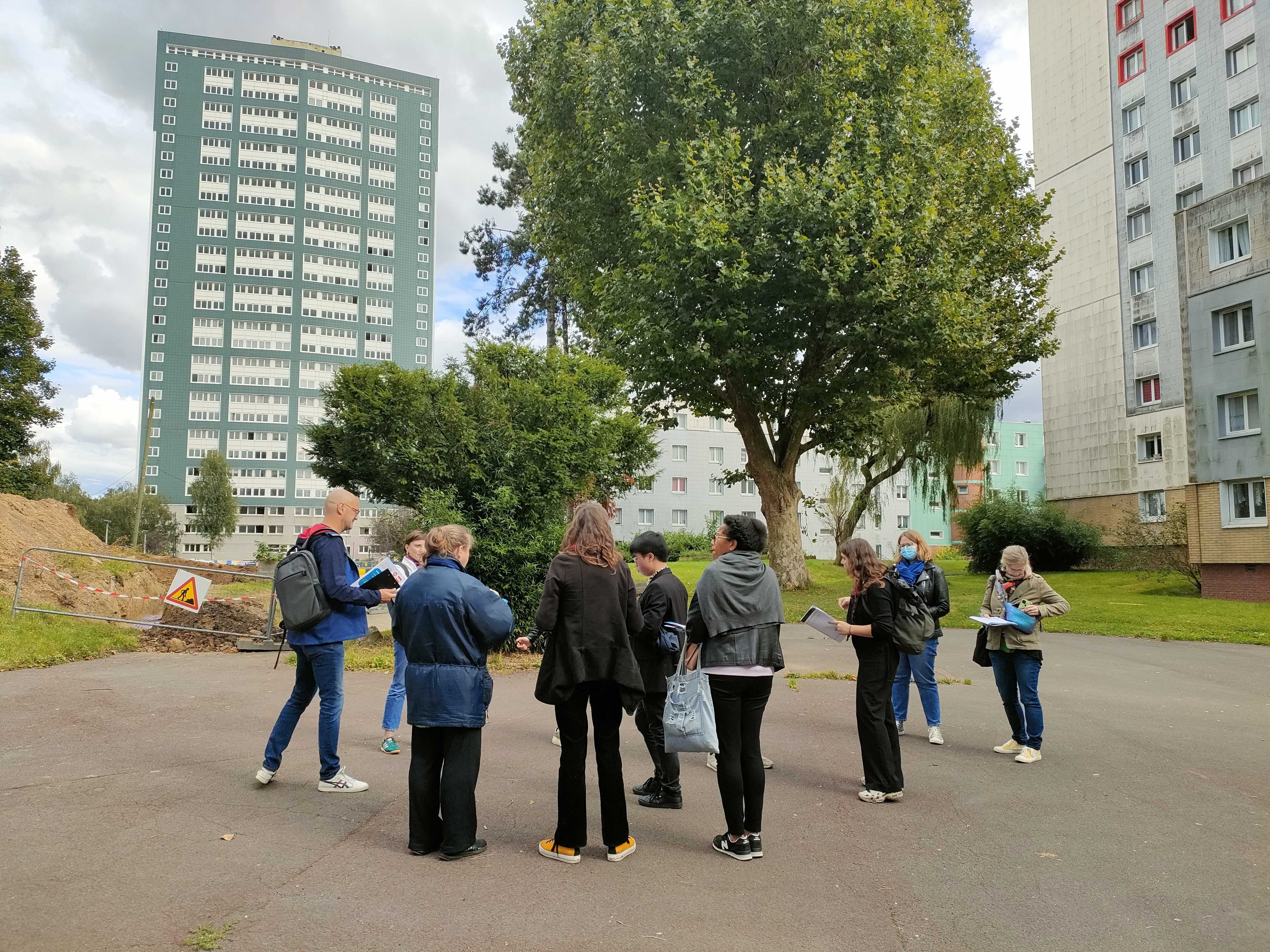
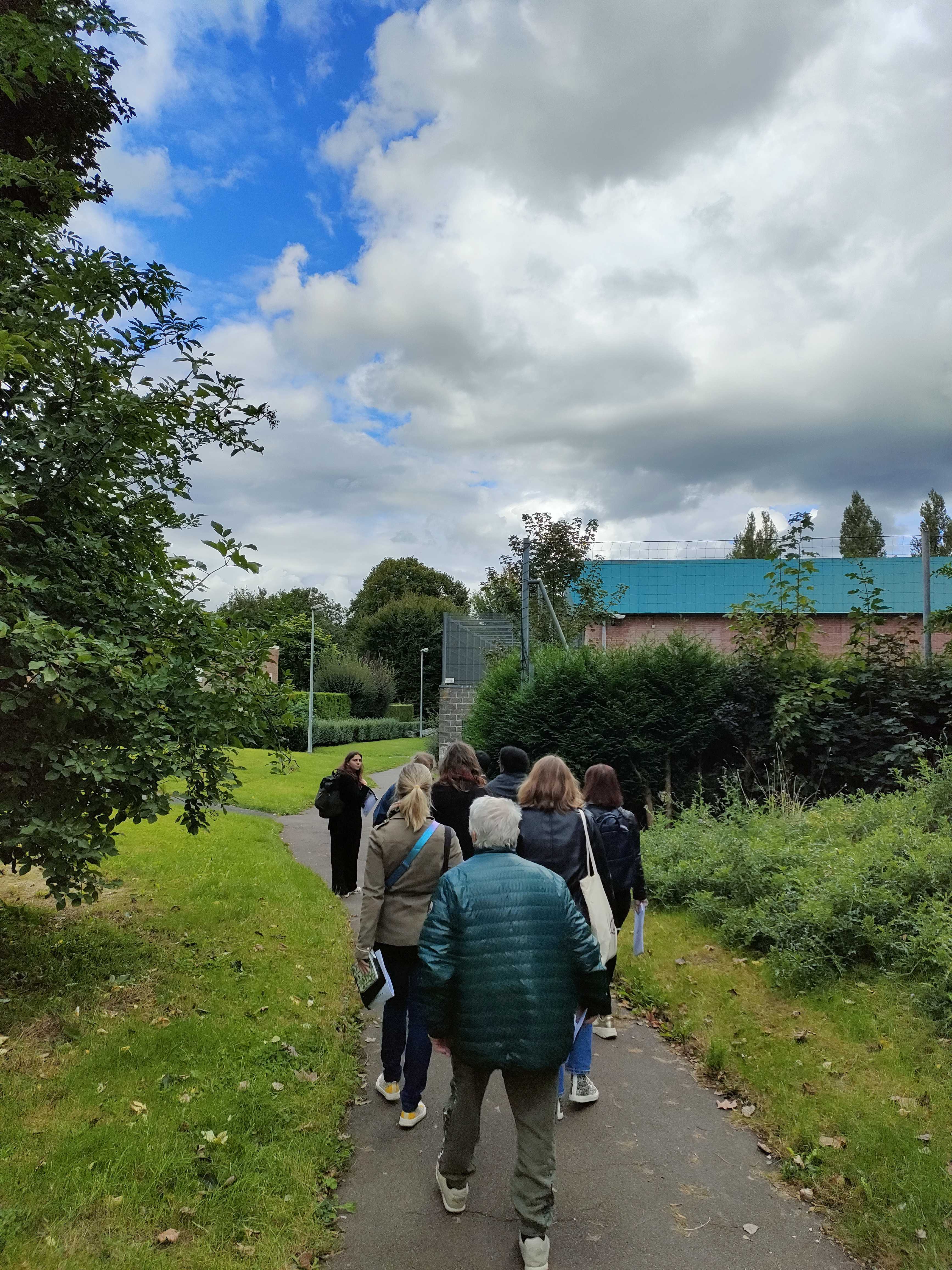
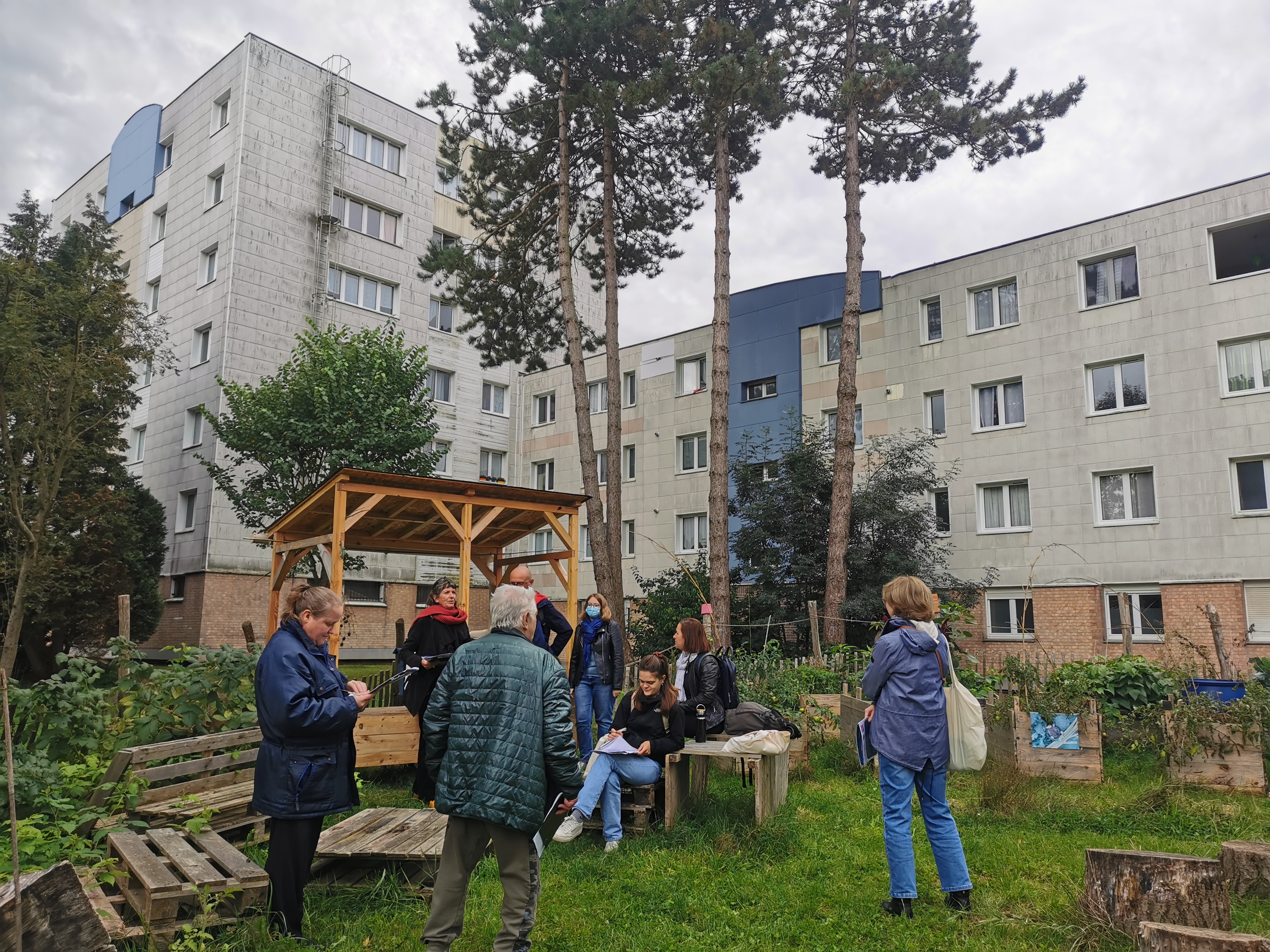
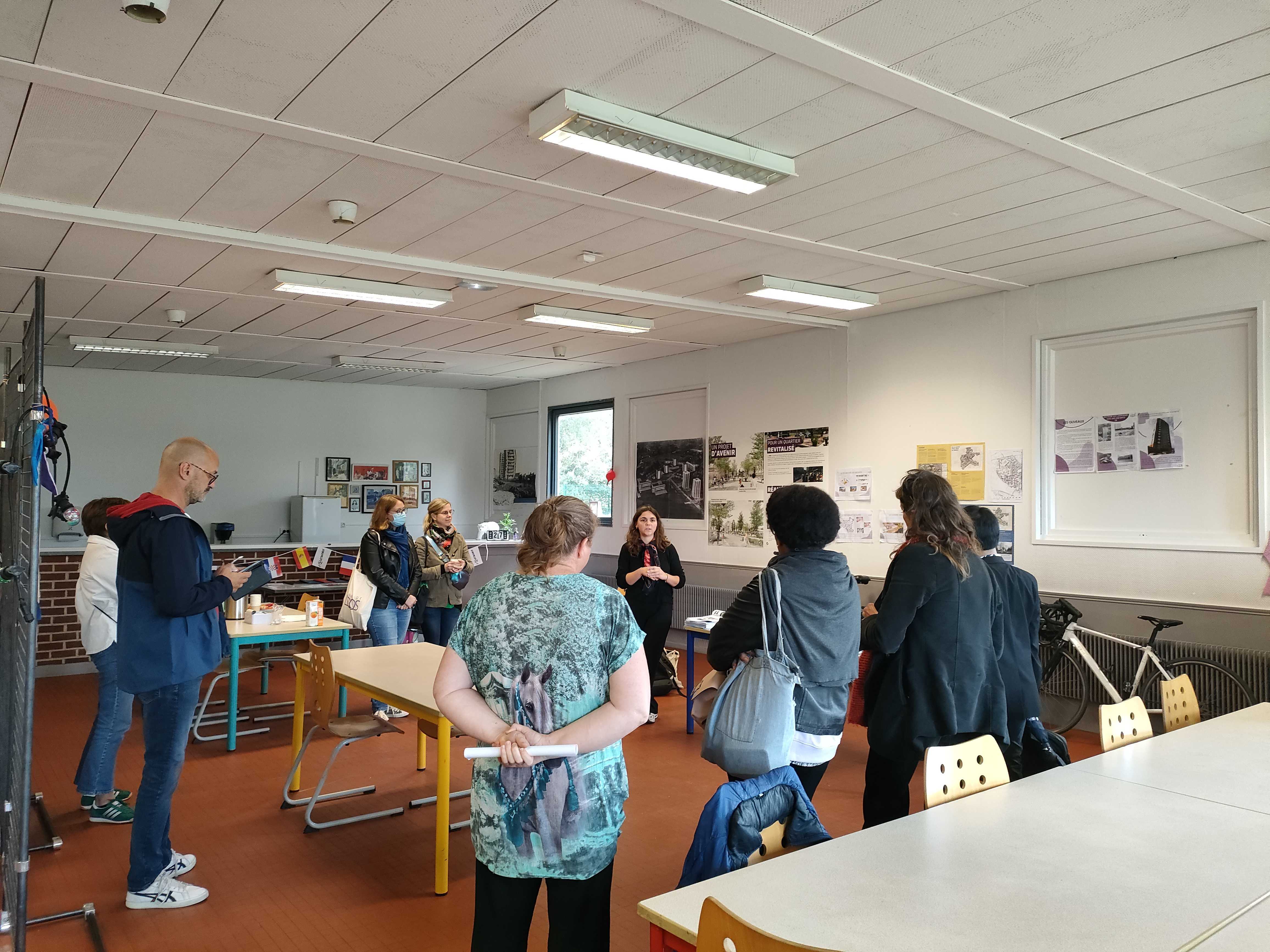
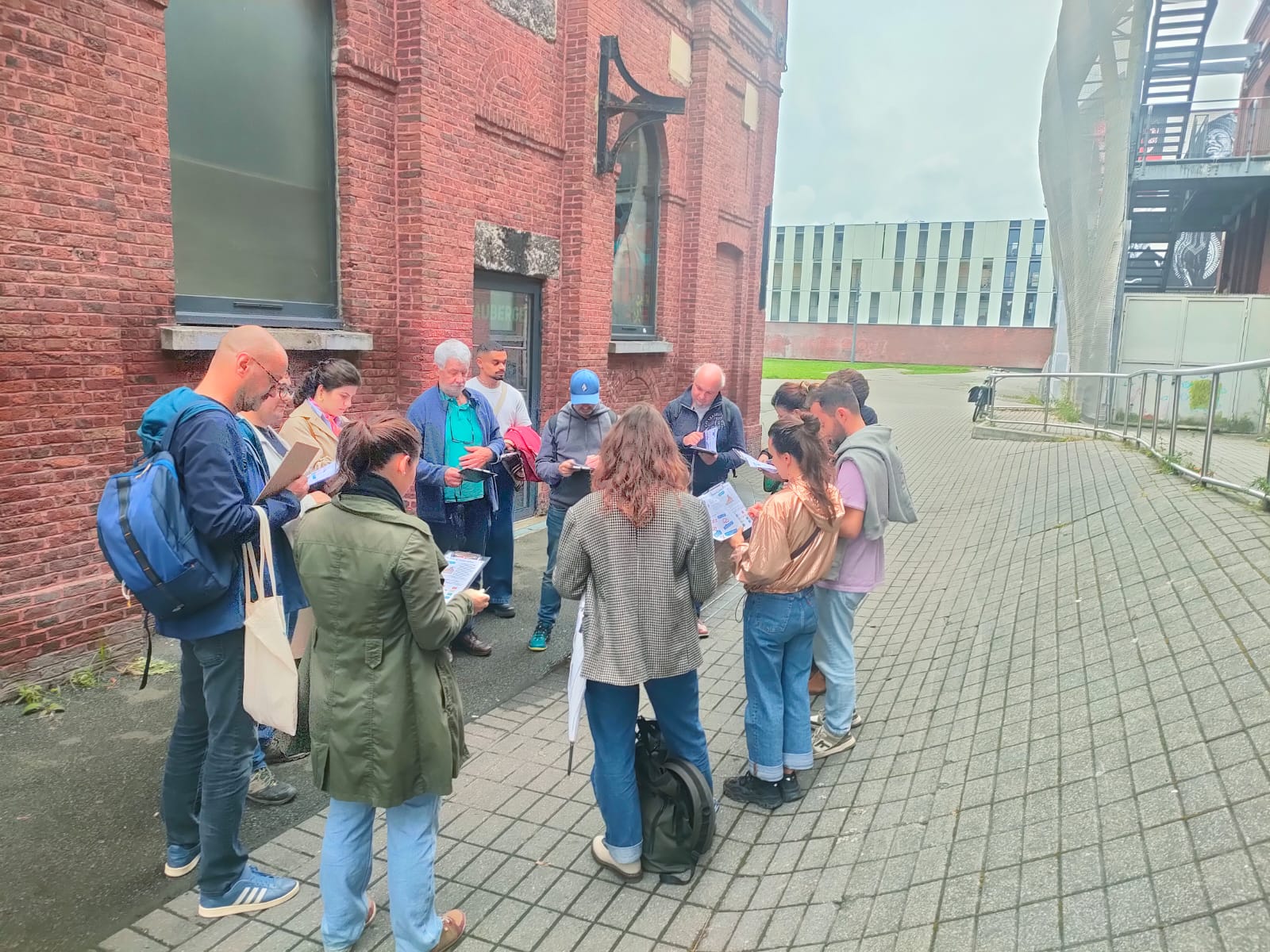
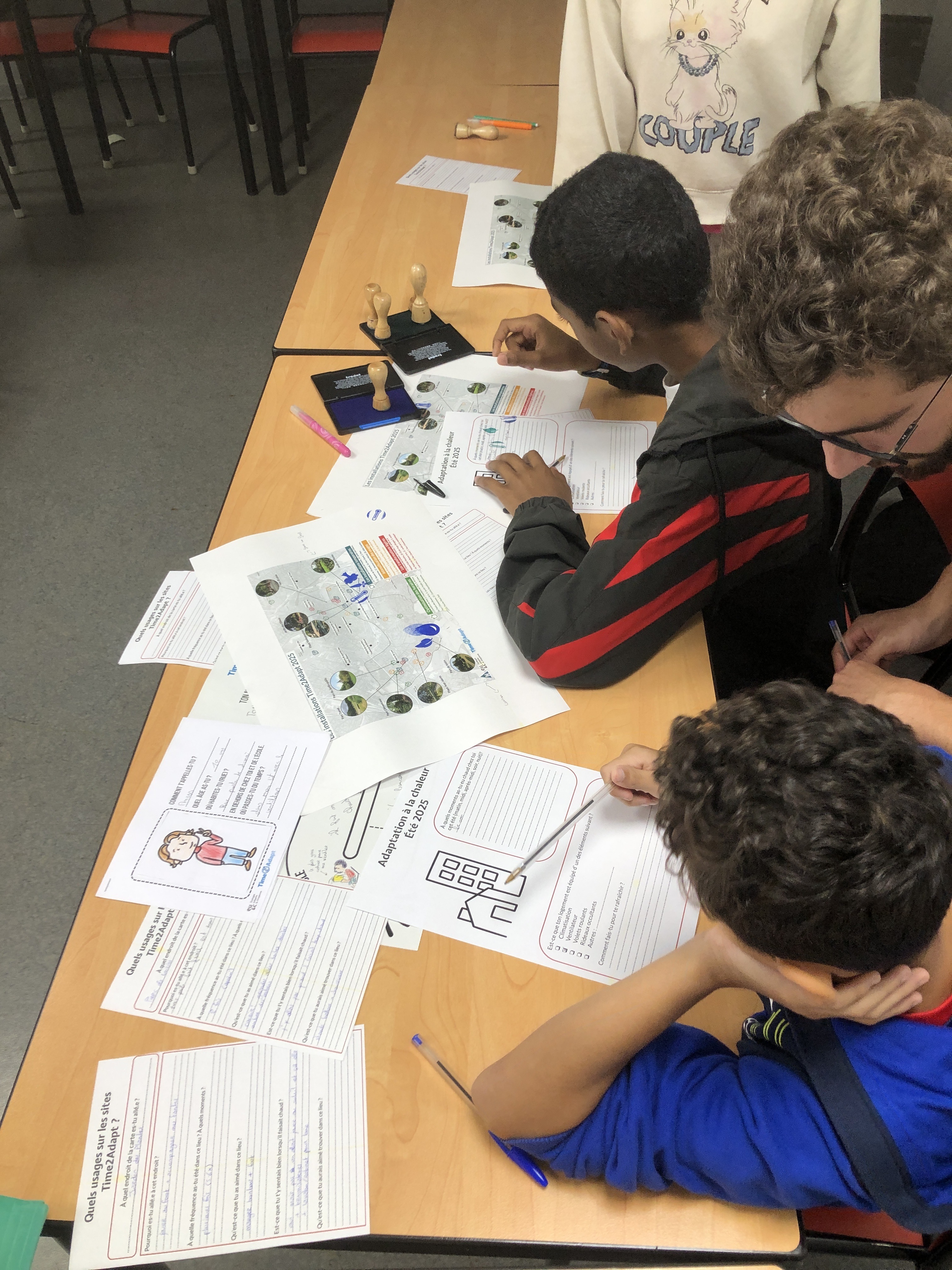
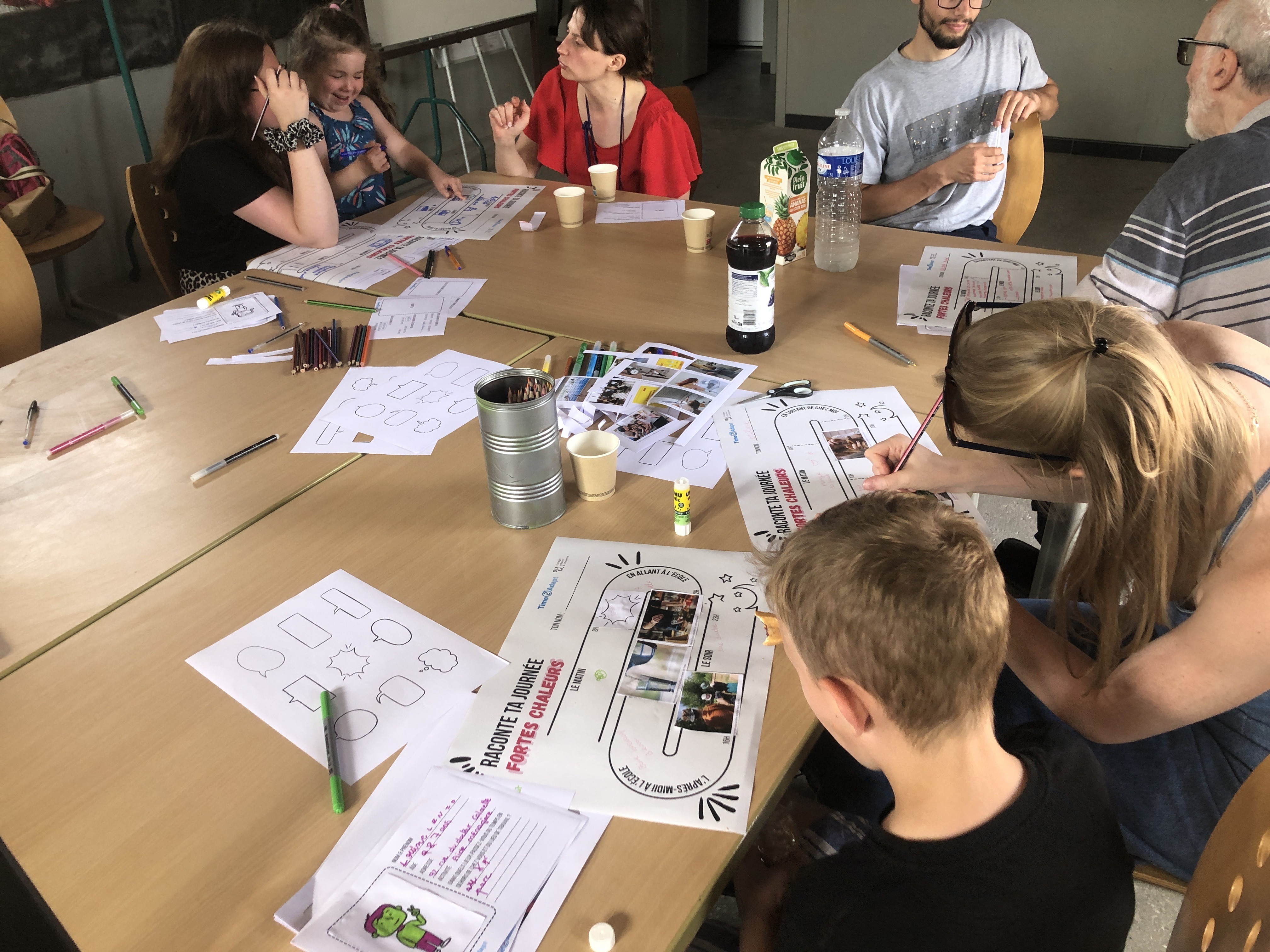
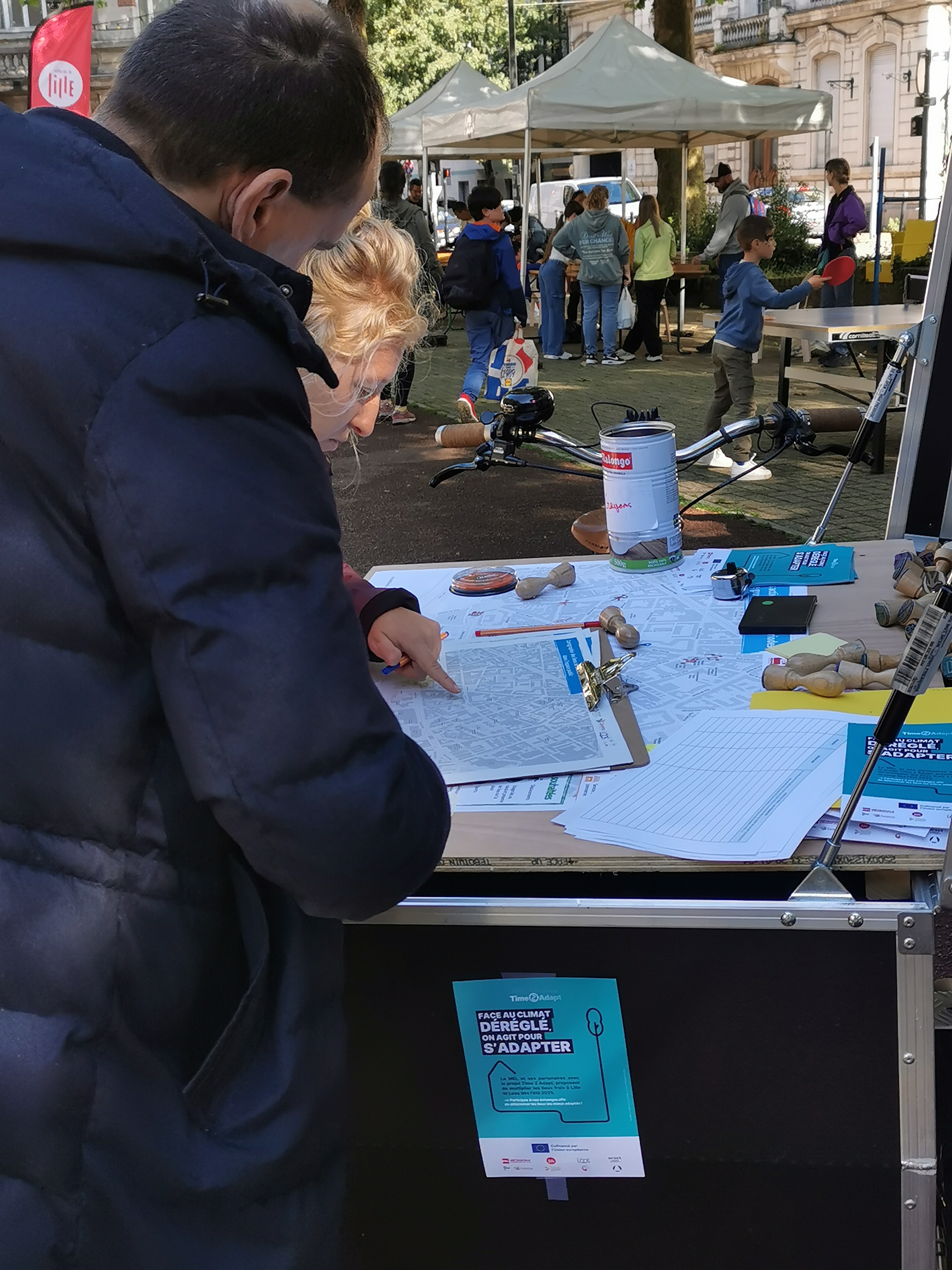
Time2Adapt rethinks how cities adapt to climate change by placing the most vulnerable (babies, childrens, old people) at the heart of the action. Through a unique sensitive assessment and citizen evaluation, we actively involve and empower them. We conducted immersive workshops (sensory rides, stands, street interviews) to co-create fresh public spaces adapted to the heat with residents, thus ensuring greater summer comfort for the entire community.
France
Local
Its ambition is to be replicated in other cities in the metropolis and then on a European scale (Dresden, Middelburg, Barcelone).
It takes place in two cities : Lille and Loos, include to Lille European Metropolis, and more especially in working-class districts.
It takes place in two cities : Lille and Loos, include to Lille European Metropolis, and more especially in working-class districts.
Mainly urban
It involves other types of transformations (soft investment)
Yes
2026-01-15
Yes
European Urban Initiative
No
No
Organisation
The project consists of working on temporal uses in order to make cool spaces more accessible to the public by adapting their schedules, but also to 'get out of the walls' and propose 'refreshing' temporary installations and signage.
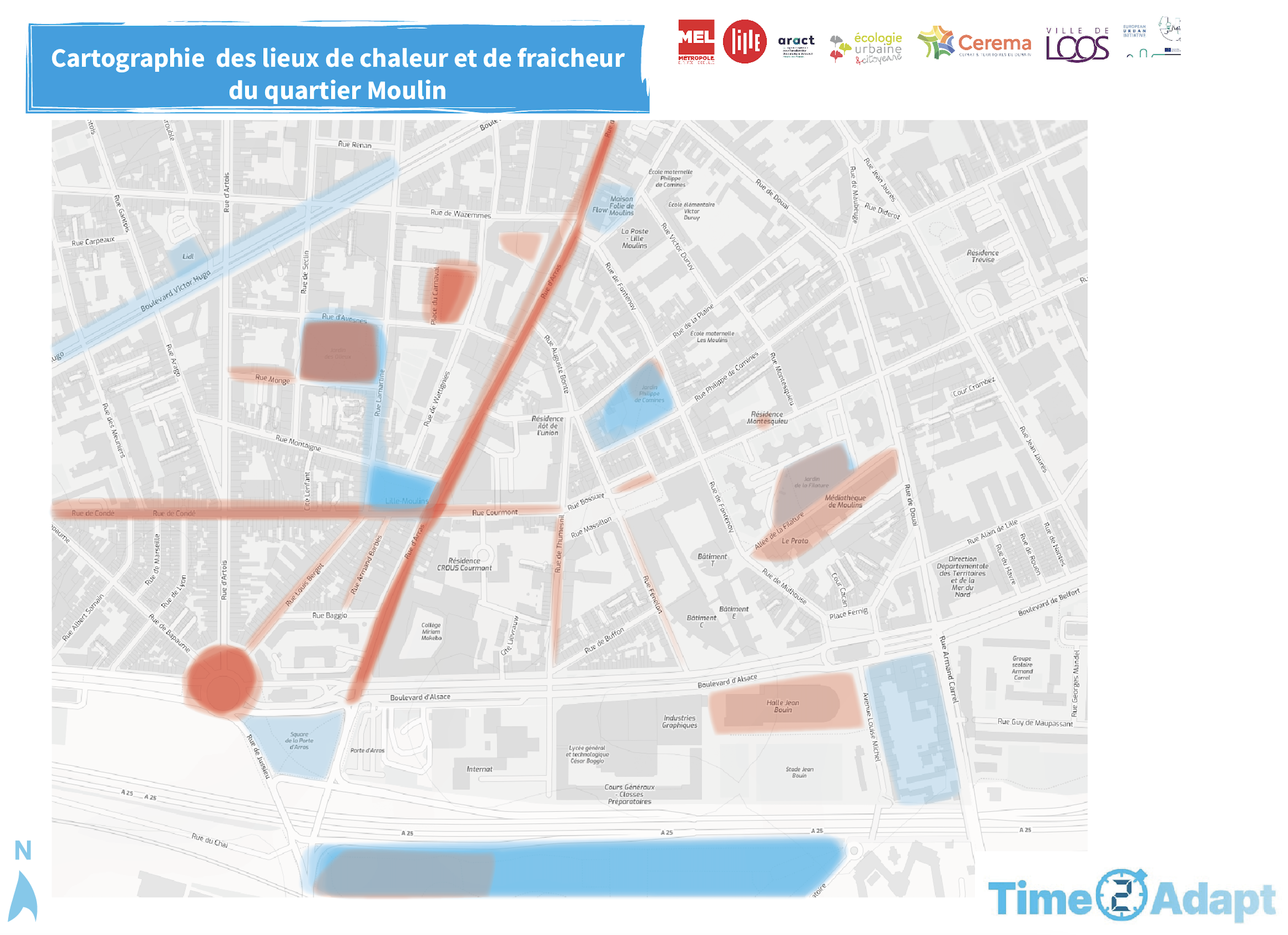
In order to achieve these transformations, the mission of EU&C consisted of carrying out a participatory usage diagnosis for and with partners. This sensitive diagnosis crossed with the physical diagnosis made it possible to target intervention sites and act as closely as possible to the needs of users in order to increase the accessible fresh locations. One summer after the installation of the temporary initiatives, we conducted an evaluation of the approach with the most heat-sensitive users.
Working on the uses over time of a place in order to increase its use is a lever still little used for adaptation although it seems very relevant and inexpensive. In this mission, it is about research innovation. Now, in addition to the physical transformation of places to accommodate more users at different times, implementing chronotropy requires support for changes by users and professionals responsible for managing the place. So long term impacts are charging !
The MEL is the winner of the 1st call for projects of the European program EUI – UIA: Europe Urban Initiative – Urban Innovative Actions of the European Commission for its project «Time2Adapt». We joined this collectivity with many other partners (temporary town planners, artists, engineers, etc.).
We worked together to create concrete and positive experiences in our everyday life and our cities.
We led the process and contributed our expertise in consultation. We manage all the strategy for the sensitive diagnosis and also citizen evaluation. We created concertation medium, we made contact with associations, district town hall, we facilitated workshops, we designed and ran the stands, the urban walks and the questionnaires, and we gave recommendations to improve the project.
We are engaged to include vulnerable people. So we closed with social center that support old people, children with children city council, child minders. For us, it is very important to go to this kind of public because there are more vulnerable during heatwaves.
Social inclusion
Coconstruction
Experimentation
Sensitive and use diagnosis
Thermal comfort
The concertation of vulnerable people to adapt cities answer to environmental, social, cultural, or economic challenges and opportunities.
Our projet can be considered exemplary because :
- we have enhanced our analysis of urban heat islands by incorporating perceived temperature, which is a step in the right direction and helps to improve cooling for everyone, as perceived temperature is based not only on environmental criteria but also on cultural and physiological factors.
- we raised awareness about climate change
- we questioned our practices thanks to satisfaction questionnaire to improve our workshops
- we are creating a capitalisation kit to help others to realise a sensitive and usage diagnosis during heatwaves.
Consultation is a democratic approach to understanding participants’ habits and behaviours during heatwaves, their perceptions of heat, and the places they consider to be cool or hot.
This analysis enabled us to collaboratively select locations for improvement based on a set of criteria, including aesthetic appeal. Respondents shared their impressions of these locations through their personal experiences, which could include: the perceived temperature, of course, but also the aesthetic appeal of the spaces, a sense of safety, and so on.
All the materials we have created have been designed to be attractive, educational and aesthetically pleasing.
In the long term, this will enable people to adapt to heatwaves by seeking refuge in places such as green school playgrounds, museums, cemeteries, gardens and parks.
For all our projects, we defend inclusion of marginalised groups. For this specific reason, we spent a great deal of time identifying the key stakeholders associated with our target audiences so that we could engage with them more effectively.
Our target audiences were :
1) Working-class neighbourhood : community centres, associations
2) Vulnerable groups: children and the elderly
We defend a child-friendly urban planning, and through this lens, we co-design cities for everyone.
To reach as many people as possible, we have adapted our strategies by:
- identifying and assessing target audiences to tailor our approach
- making materials more accessible: in terms of design, educational content and font size
- using both printed materials and digital consultation channels
- adjusting consultation times to reach as many people as possible and to fit in with key times of the day.
We are an agency specialising in active democracy, public participation and ecological transition ; we have extensive experience in supporting local authorities and inter-municipal bodies with their consultation strategies, facilitation and evaluation.
During Time 2 Adapt, we put on our inclusion glasses :
- we gave the floor to people that we hear less
- we developed approach and tools dedicated and pedagogic
- we adapted all the time our concertation and communication strategy according to experts (director of center social, facilitator of children city council)
- we questioned our practices thanks to satisfaction questionnaire to improve our workshops
- we realised a citizen evaluation to know if the proposed innovative solutions find their place in the adaptation strategies already implemented by the inhabitants during periods of high heat
An article has been published on the European Union’s website about the sensitive diagnosis known as "Time2Adapt Zoom-In N°1: Where to experiment? Use sensitive and physical diagnoses to ask citizens and rough data first!".
If you want to know more about how we involved citizens, this is the article : https://portico.urban-initiative.eu/urban-stories/european-urban-initiative/time2adapt-zoom-ndeg1-where-experiment-use-sensitive-and-physical-diagnoses-ask-citizens-and-rough
This is a multi-partner initiative, and the needs assessment had to be incorporated to guide the partner local authorities’ short- and long-term strategies for adapting to climate change.
We held discussions among partners to develop the consultation strategy. We led this phase by taking the initiative to adapt the approach to the wishes, needs and constraints of everyone involved, from the T2A partners to the associations we engaged.
We met with key stakeholders to refine and continue the co-development process at the level of town halls, local councils and associations, and then to validate the strategy with elected representatives.
Several working meetings were held with them to co-develop the methodology (refining the selection of venues, choosing consultation methods, devising and implementing the communication strategy, and pooling resources such as the cargo bike loaned by the organisation SEED).
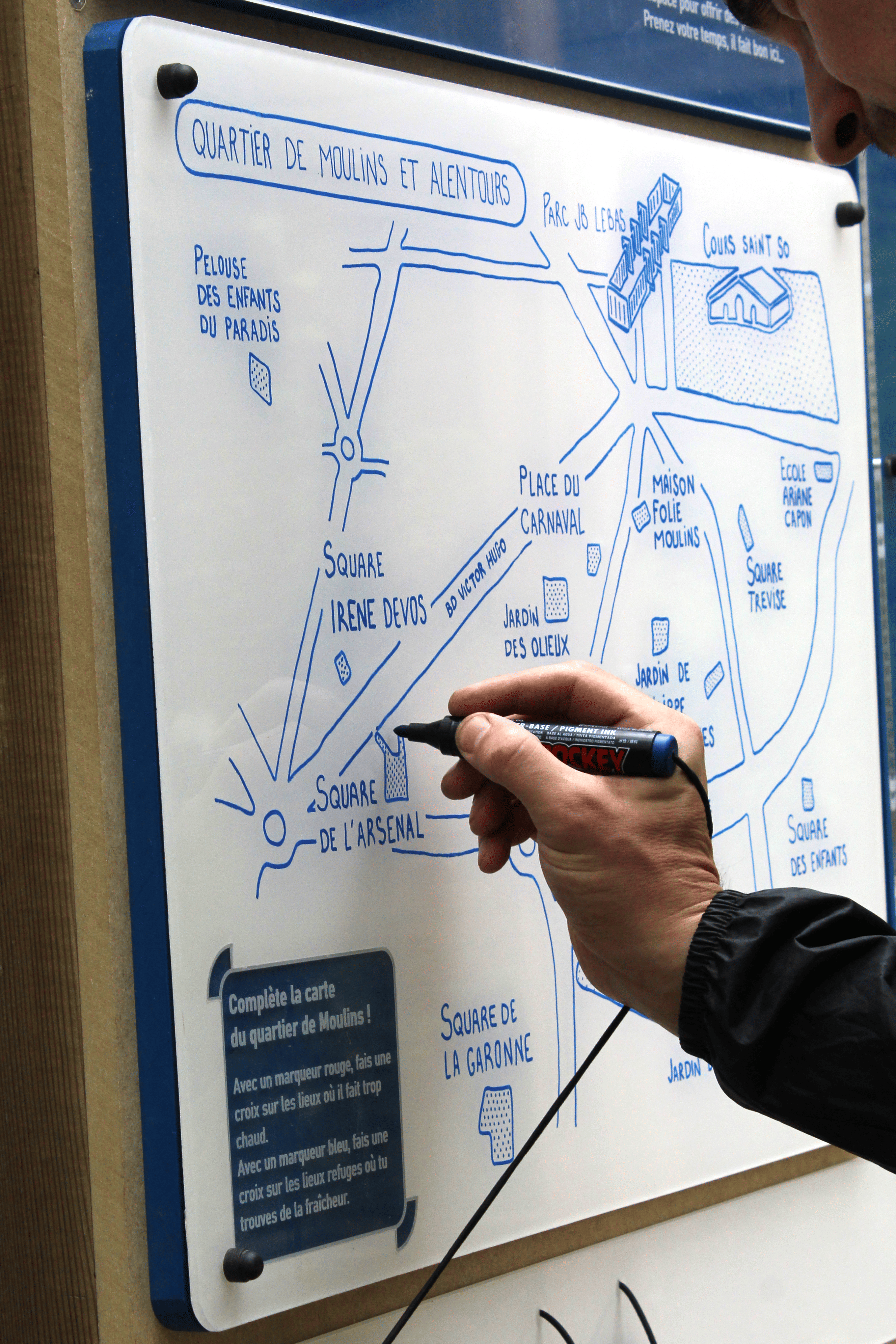
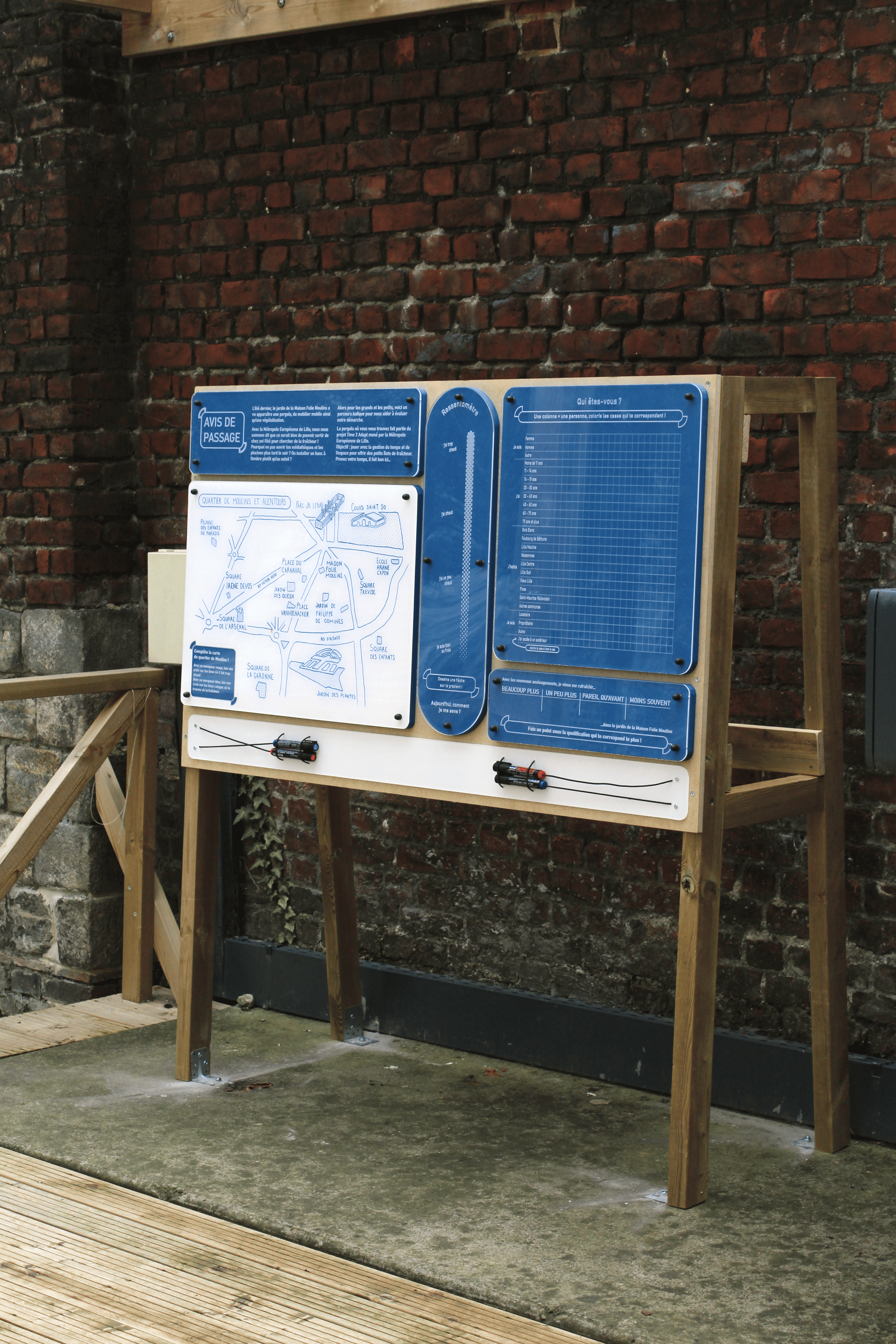
Thanks to this multi-partner project, we co-developed and designed an autonomous evaluation mechanism with SEED, called ‘l’établi’, which we installed in a cultural venue for the 2025 summer evaluation.
List of stakeholders we worked with:
- List of key stakeholders: MEL elected representatives, directors of local council offices, local authority technicians, social centre directors and coordinators, children council coordinator, childminder
- List of partners: SEED, Groupe A, CEREMA, MEL, ARACT, cities of Lille and Loos
Our team comprises architects, urban planners and engineers, all of whom are trained in collaborative intelligence.
Our knowledge fields are design, social science, urbanisme, environmental sciences.
Our knowledge fields are design, social science, urbanisme, environmental sciences.
At the agency level : European grants and the agency’s own funding. The project is not profitable for the agency, but it enables the development of a sensitive diagnosis model based on open data, which the agency can reuse in its future projects.
At project level : The sensitive diagnosis tool enables us to target areas where urban transformations are most needed for the people who need them most. It therefore represents an initial investment cost, but one that reduces costs for local authorities in the medium and long term by avoiding unnecessary investment (irrelevant locations, facilities unsuited to needs, etc.).
Finally, the very principle of Time2Adapt is chronotopy, which involves rethinking the uses of places to expand their potential. Consequently, investments in transforming these places to expand their use are far less costly than creating new ones.
We have developed a resource pack covering the entire sensitive diagnostic process.
The pack consists of a summary, three guides containing step-by-step instructions for carrying out the diagnostic process, and all the necessary communication and consultation materials.
The aim is to translate this pack into English to ensure it can be replicated. It is designed to be highly educational and to facilitate consultation processes.