Strengthening Local Democracy and Inclusion
Bedechka: A Park Won by Citizens
Bedechka Park: Citizen-led protection of a threatened urban green space
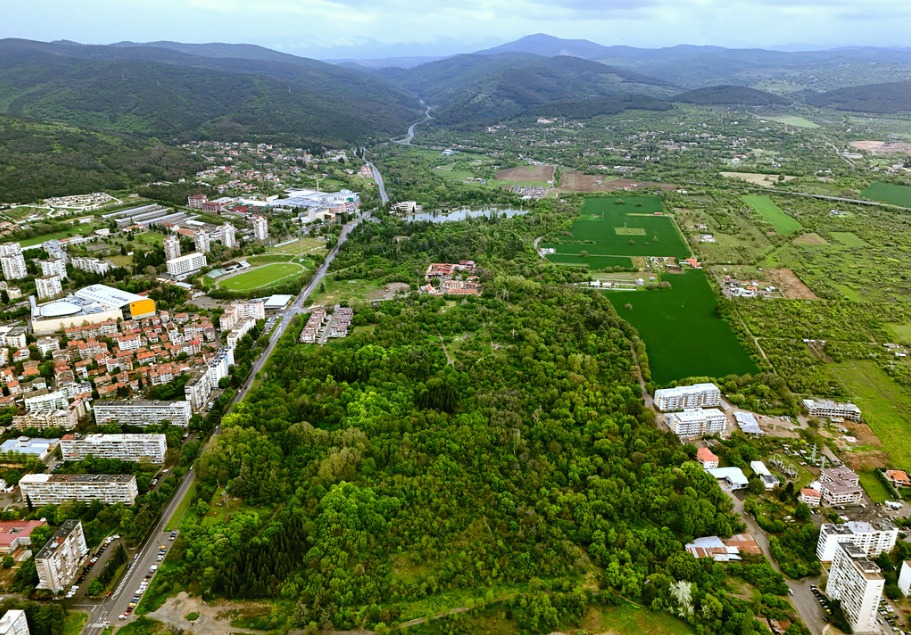
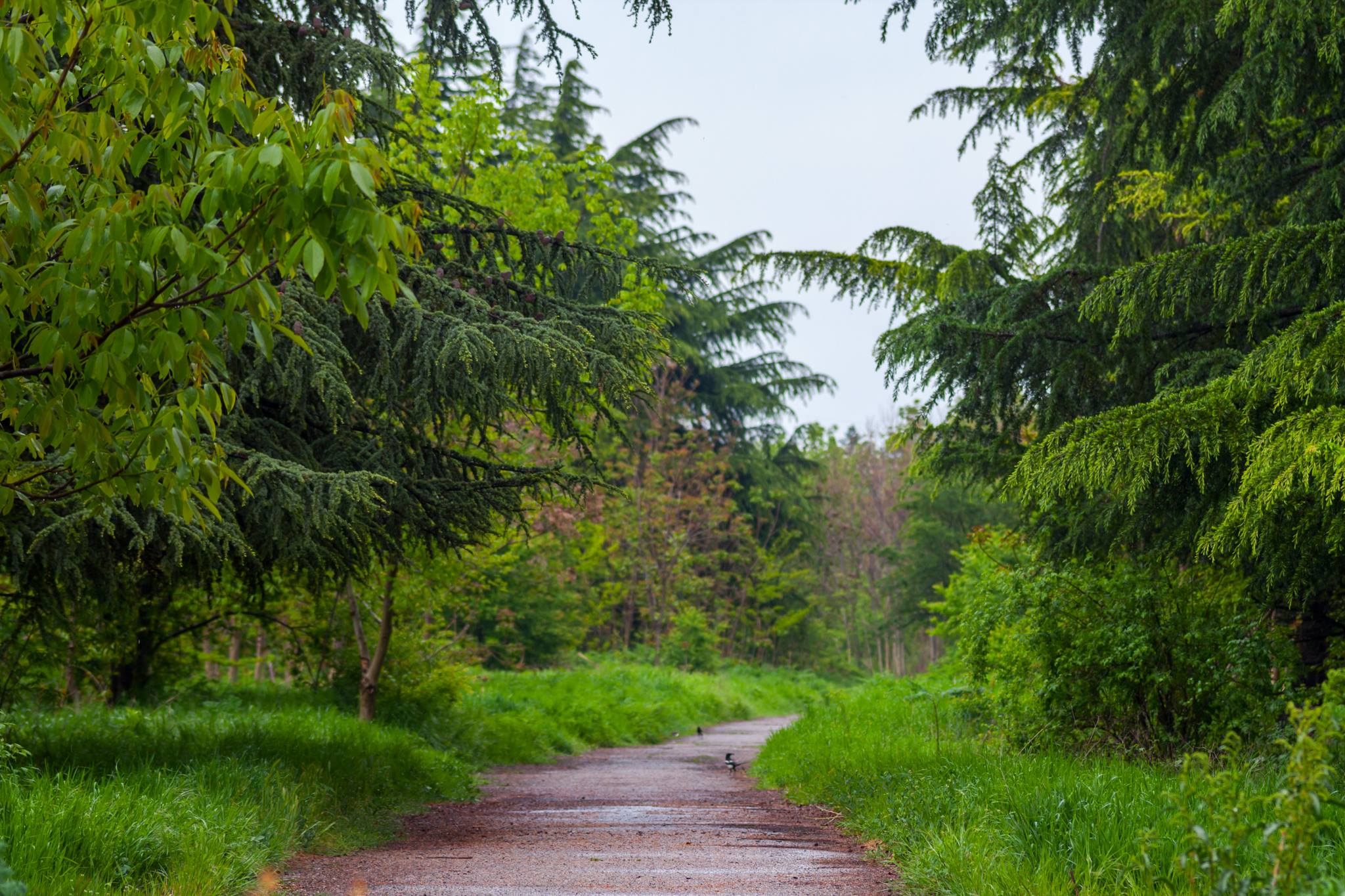
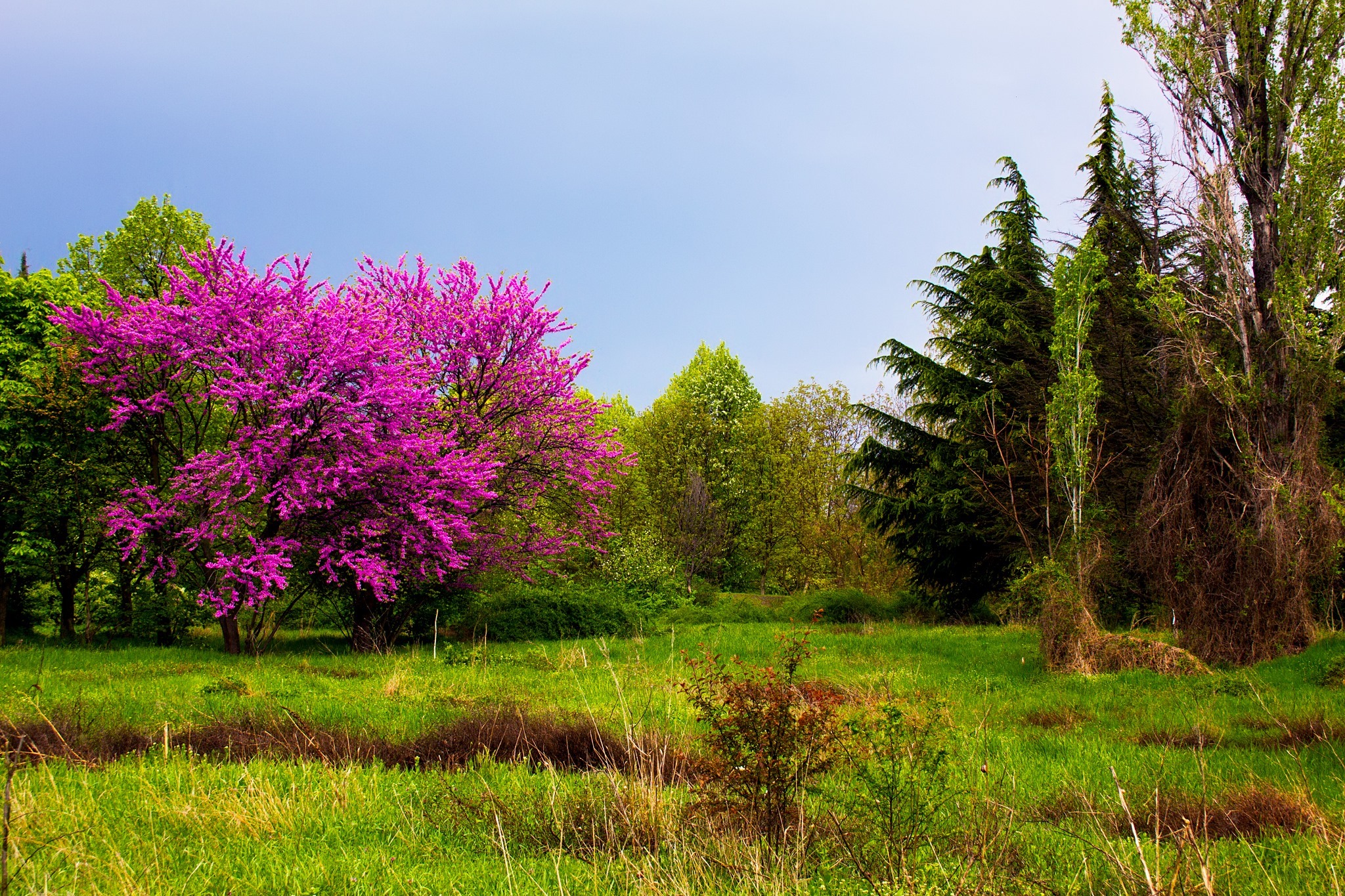
Bedechka Park in Stara Zagora is an urban green space that continues to exist as such thanks to sustained citizen action against development pressures. Through protests, a local referendum, and long-term civic engagement, the community defended its public role. Today, its preservation is reinforced through a cultural programme and land art initiatives, helping the local community to recognise its ecological and social value.
Bulgaria
Local
Stara Zagora city, Republic of Bulgaria
Mainly urban
It involves other types of transformations (soft investment)
Yes
2025-01-29
No
No
No
Organisation
Bedechka Park is a citizen-driven initiative that safeguards a large urban green space in Stara Zagora, Bulgaria, from development pressures, while actively reactivating it through culture and community engagement.
The project builds on a decade-long civic effort that successfully preserved the park as a public space. Rather than ending with this achievement, it continues by transforming the way the park is experienced and valued.
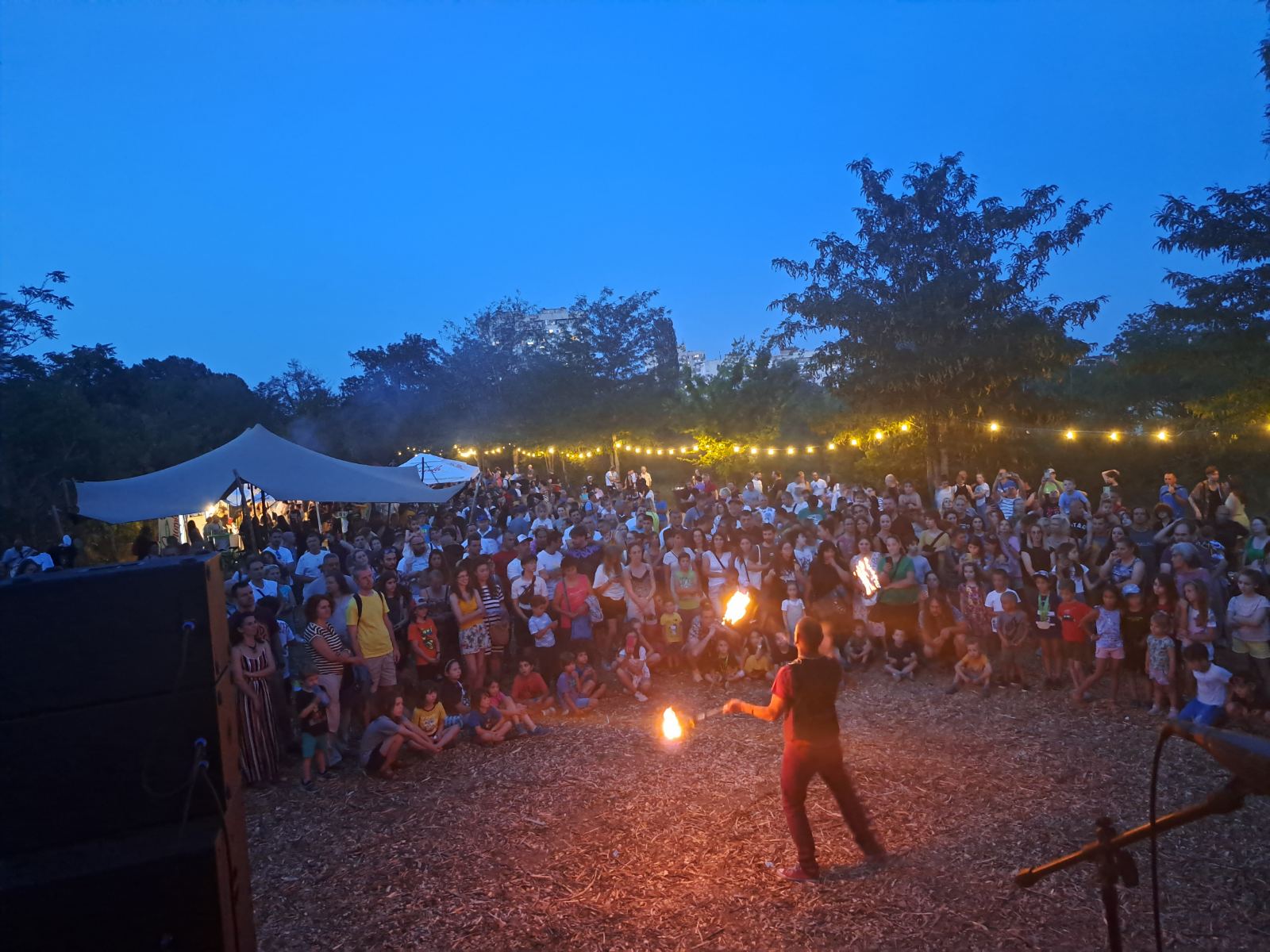
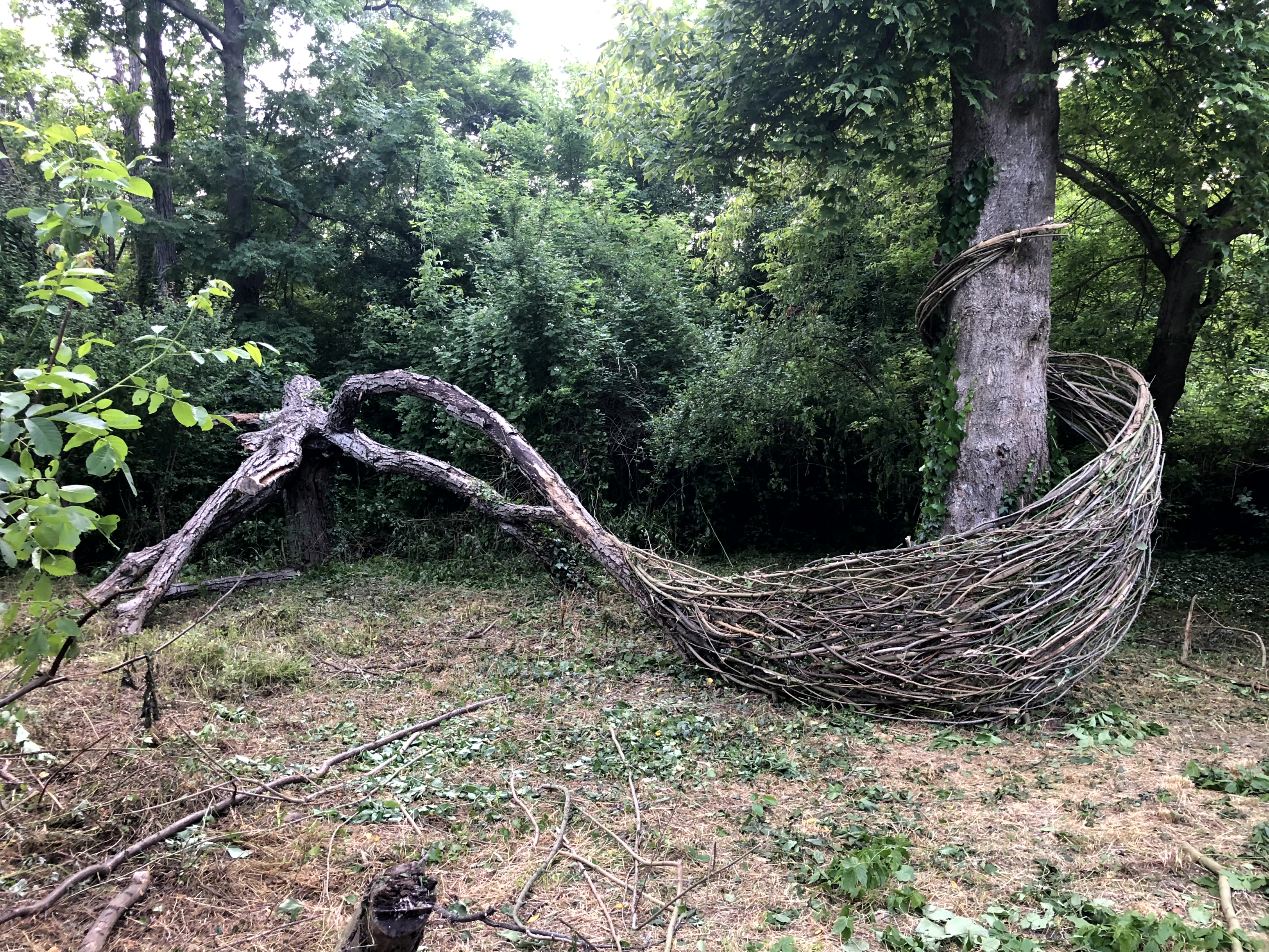
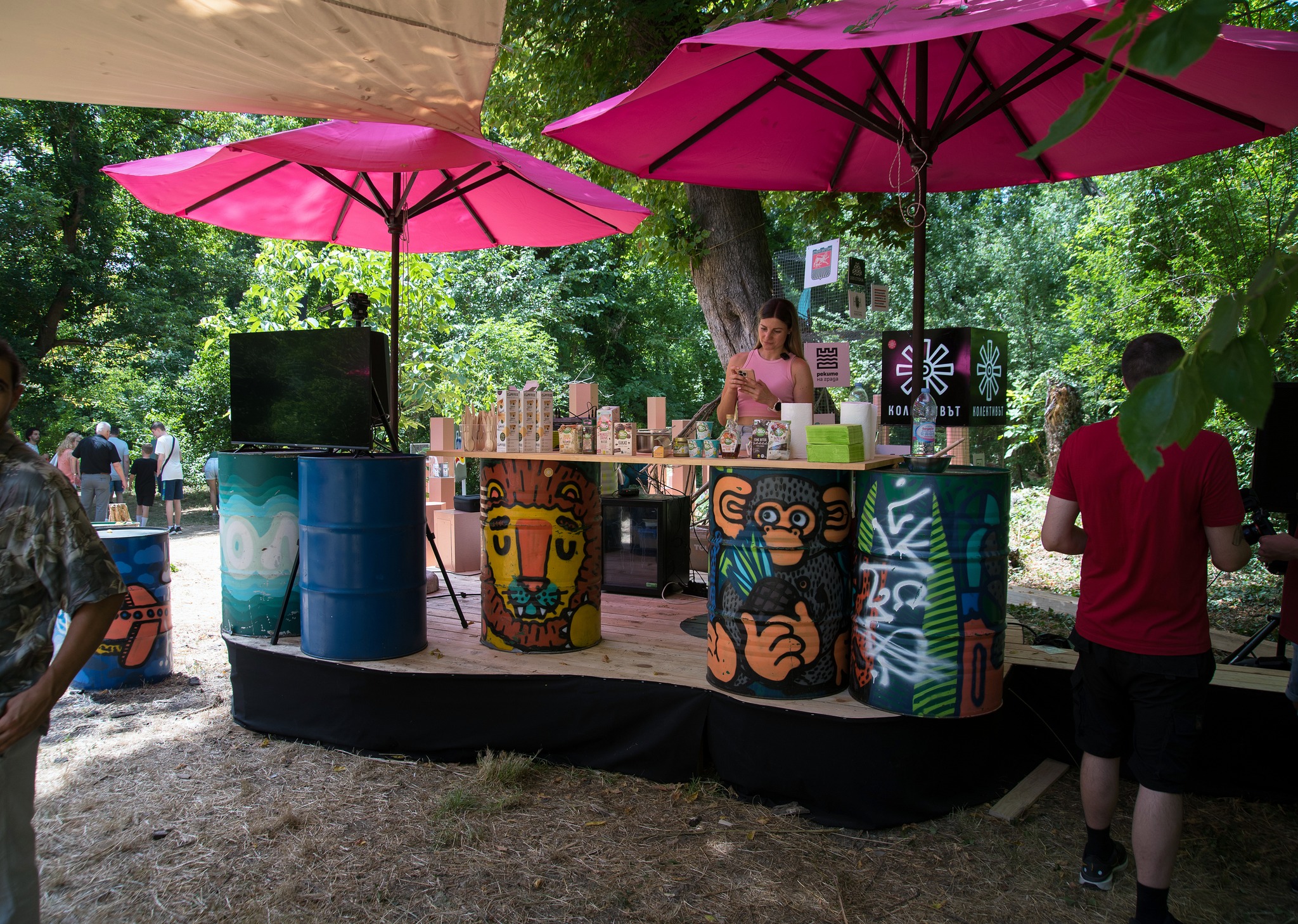
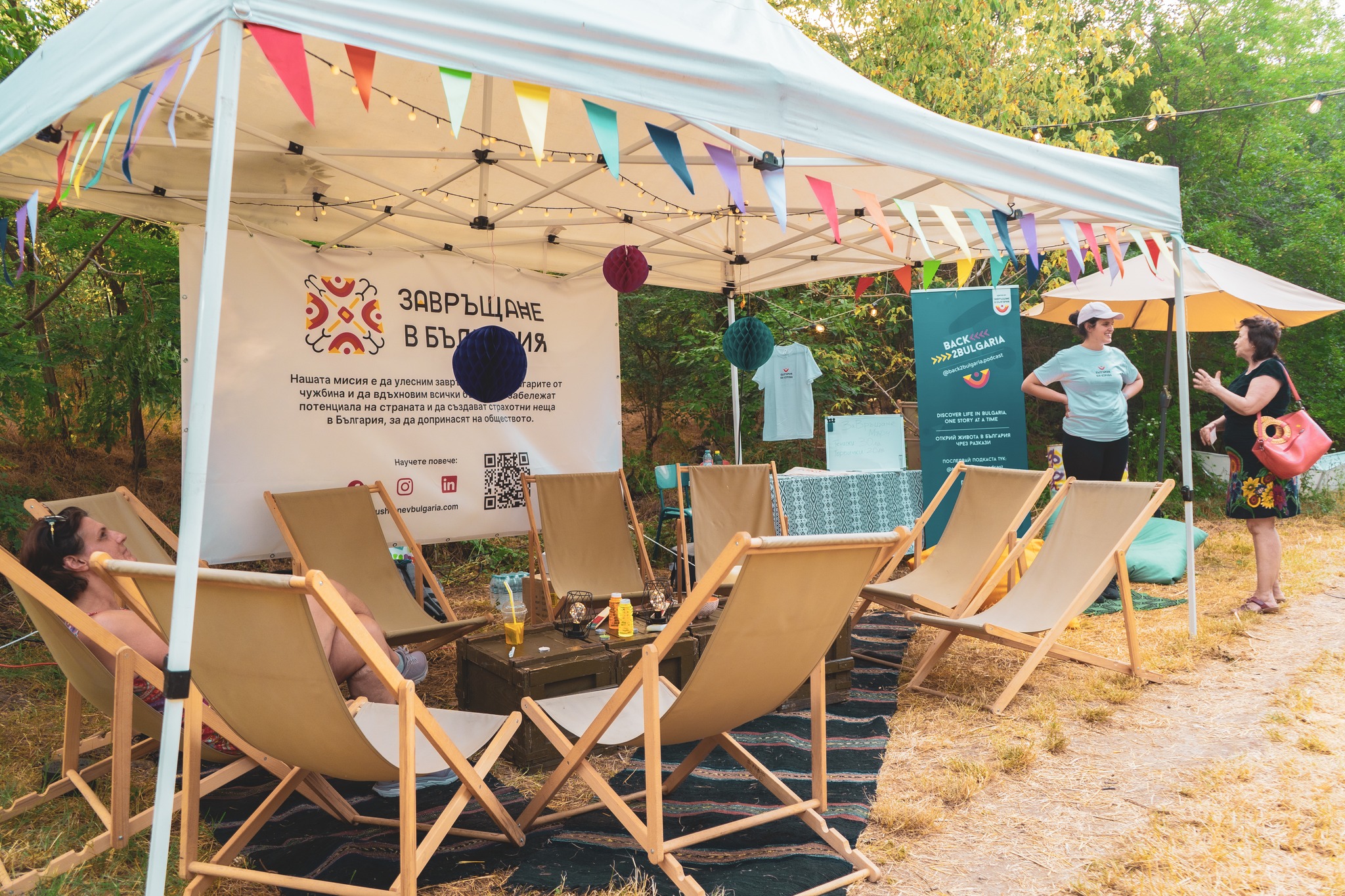
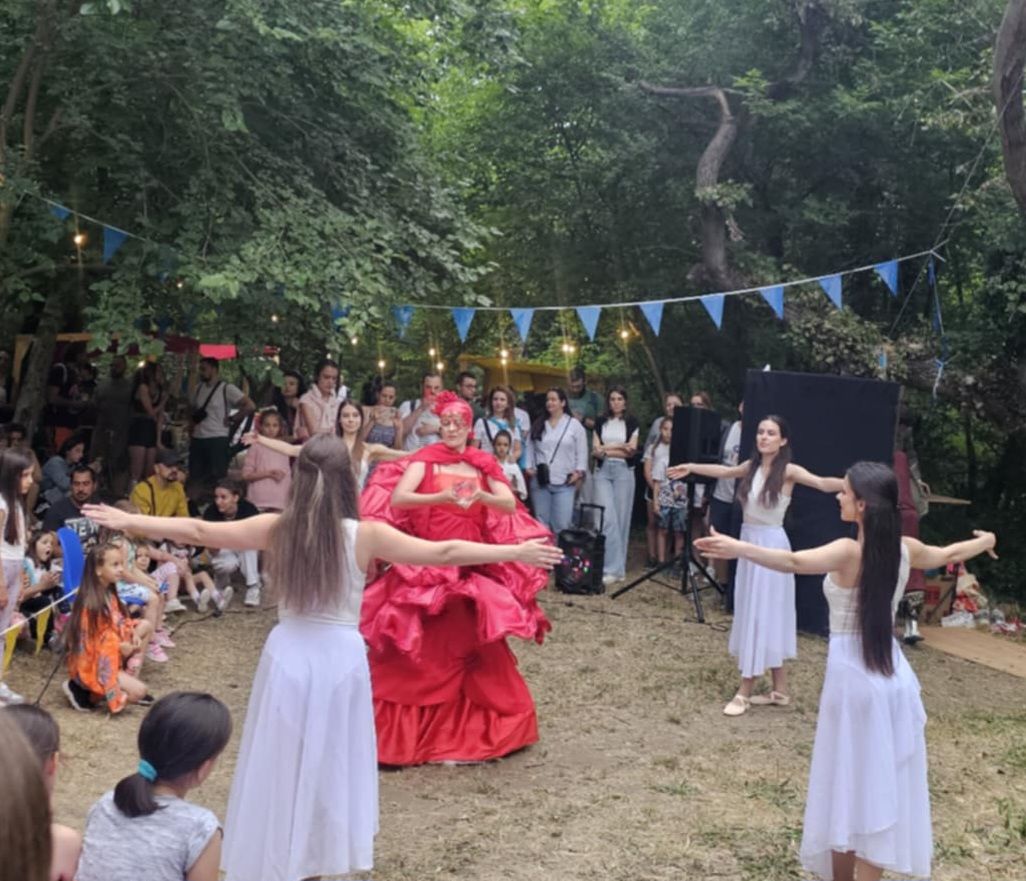
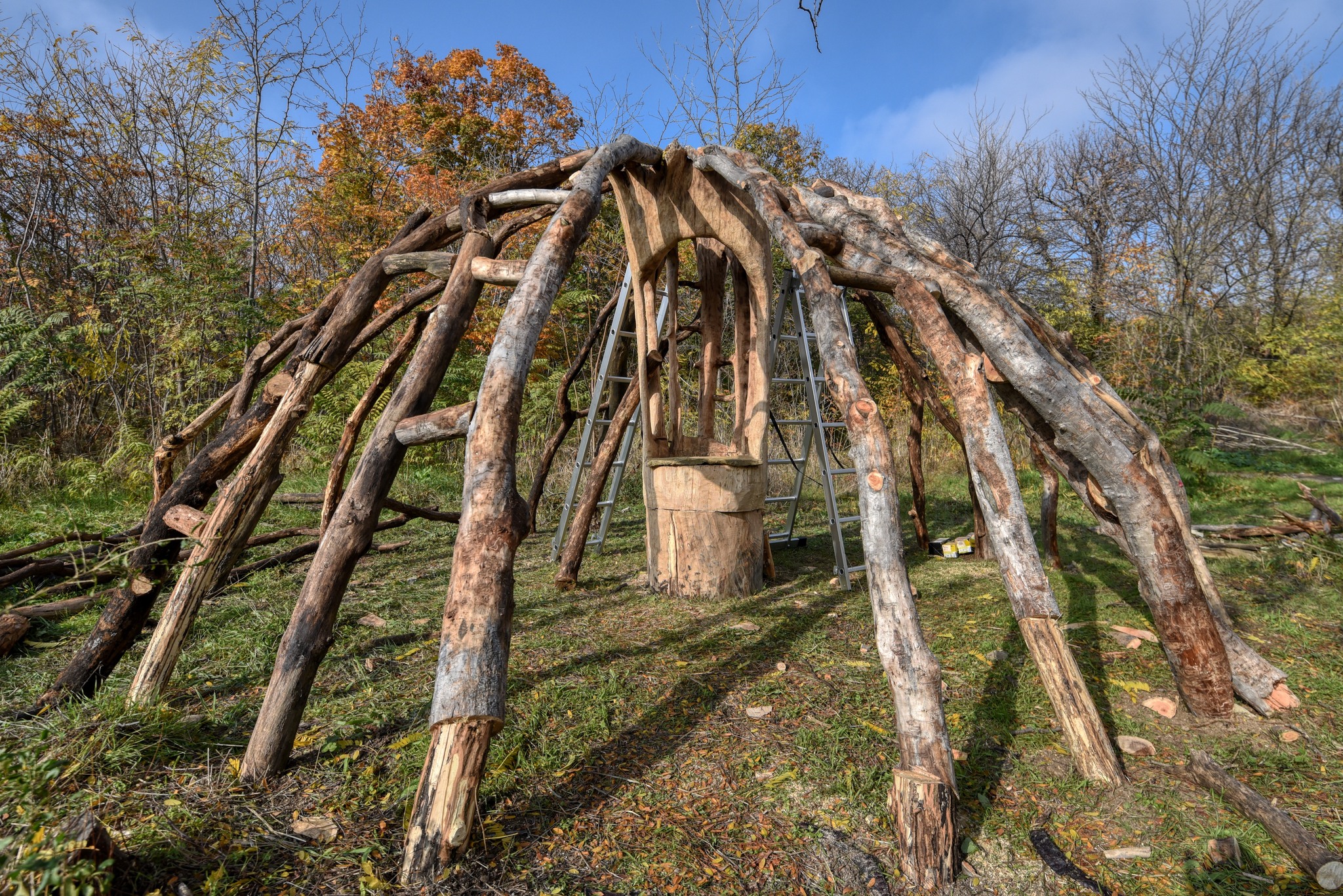
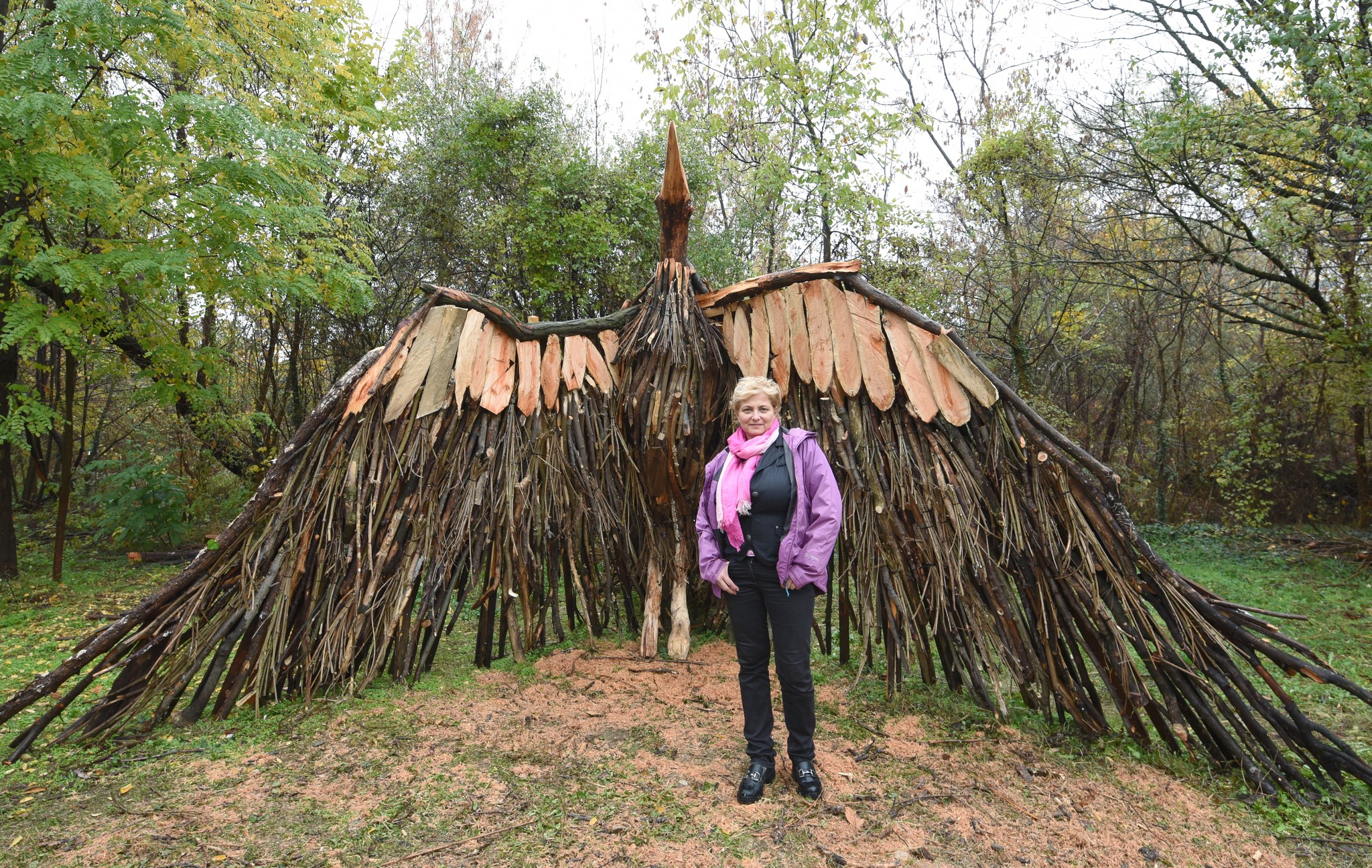
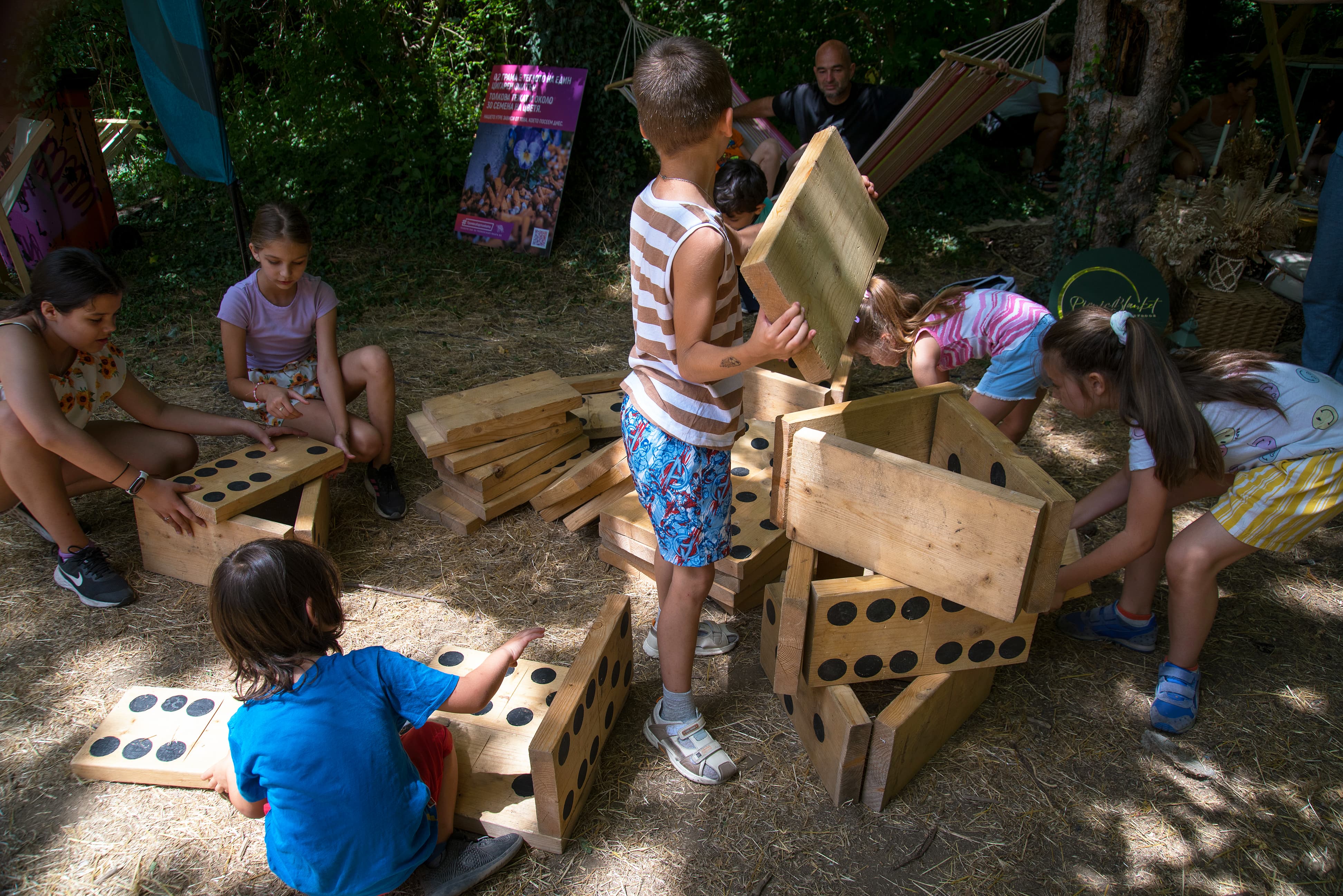
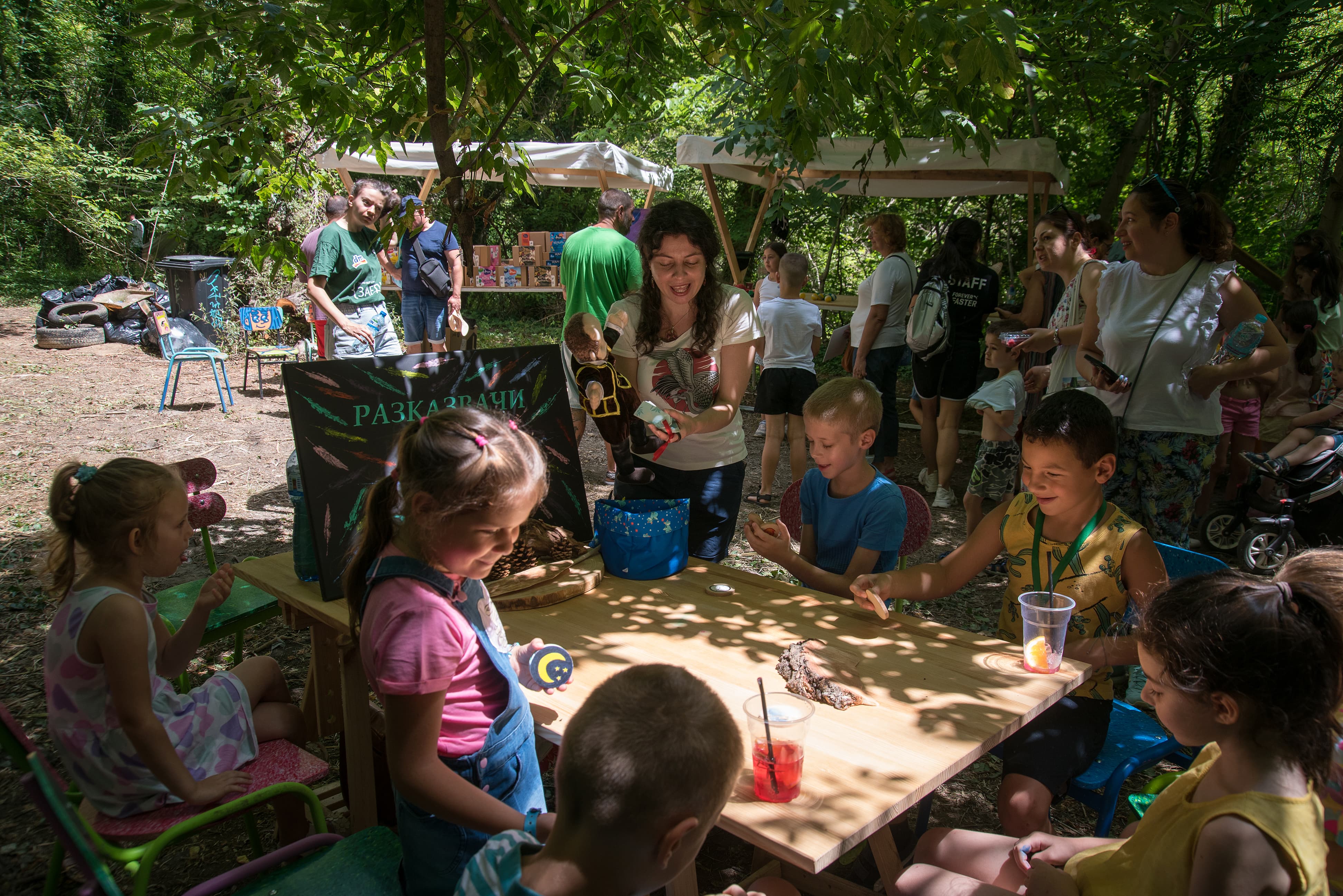
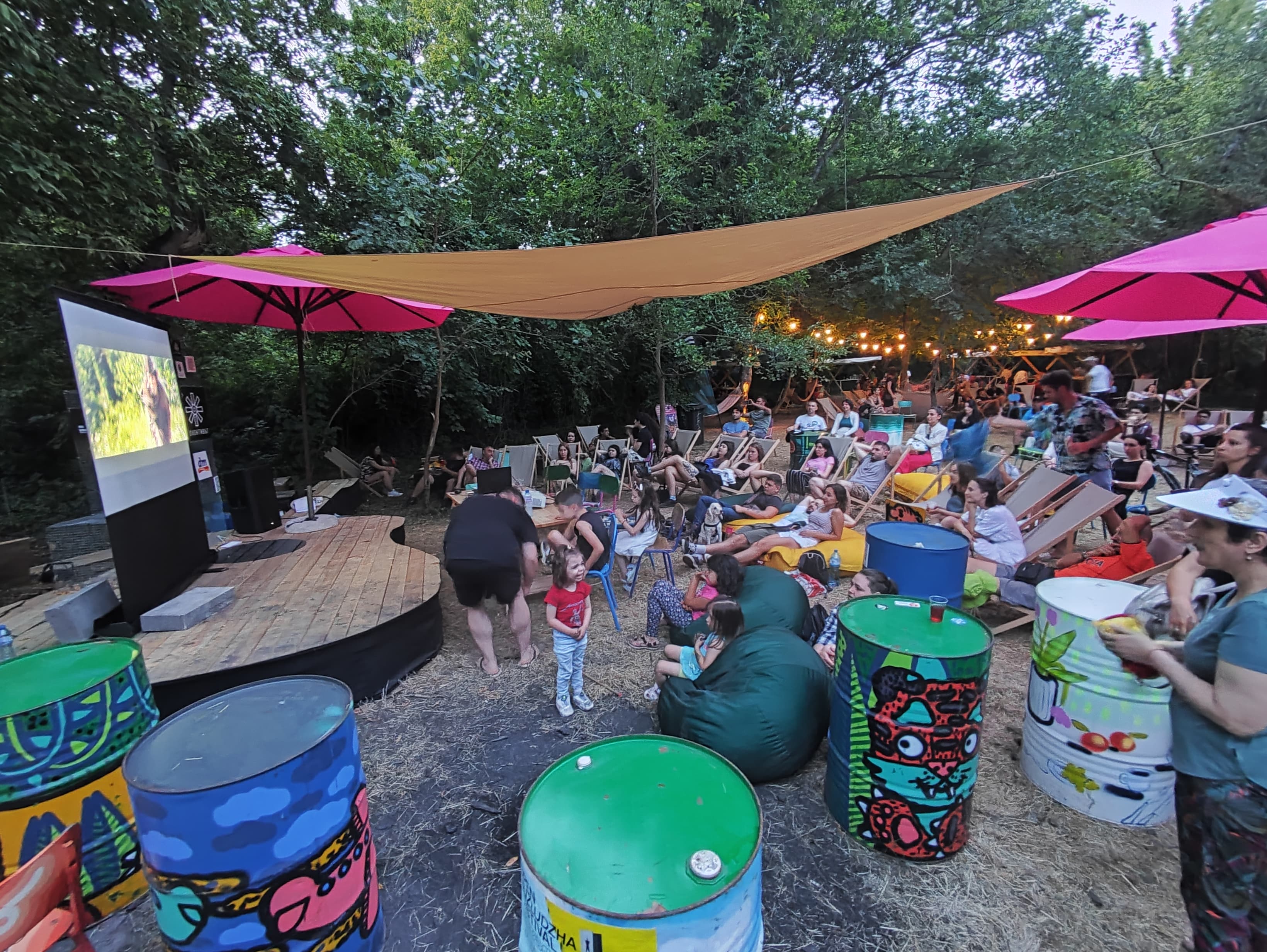
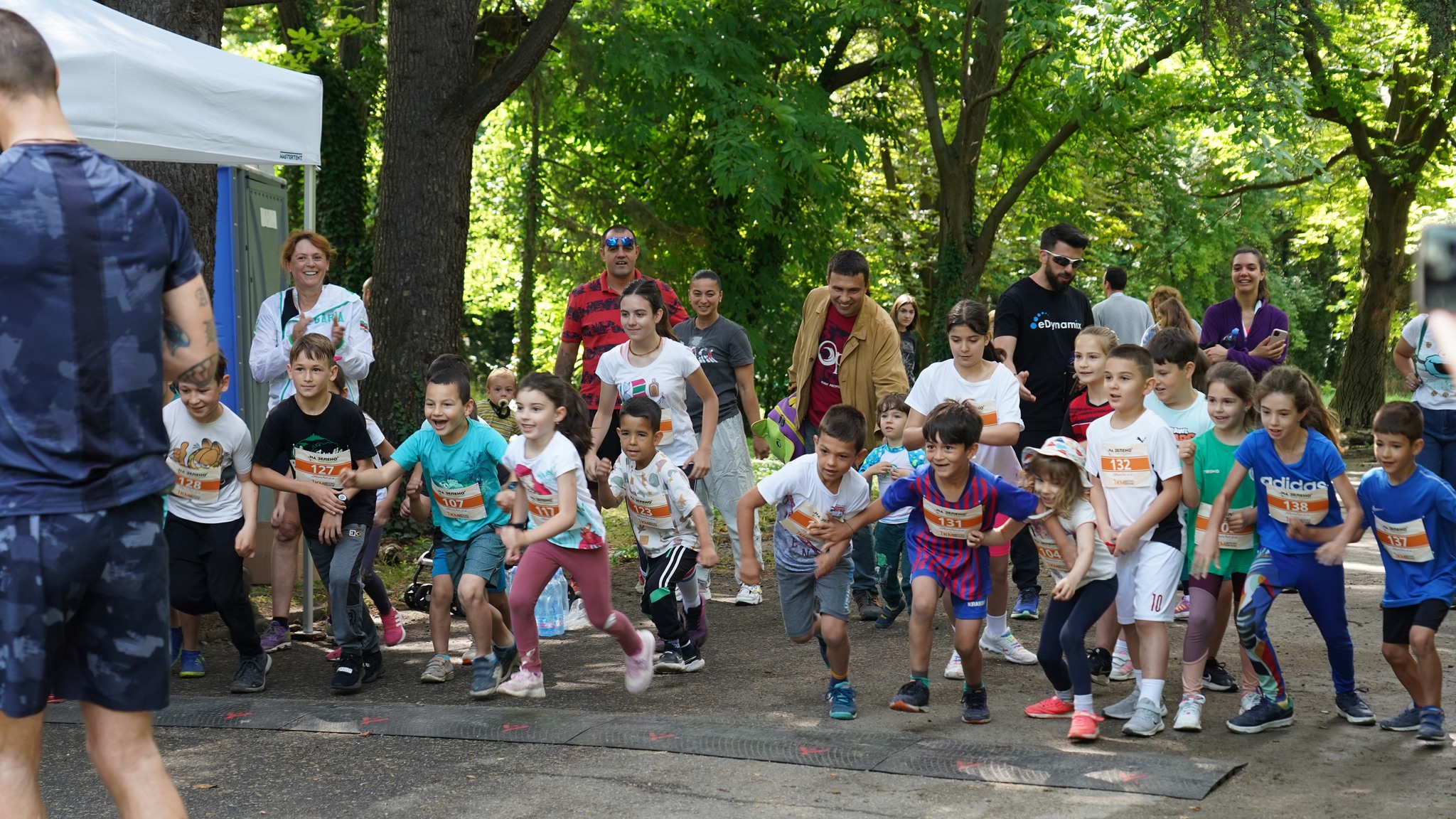
Through cultural programming, the initiative introduces new layers of meaning to the space. The annual festival “Na Zeleno” brings together artists, citizens and local organisations to activate the park through performances, workshops and temporary interventions. At the same time, the emerging Bedechka Land Art Park explores how art created from natural materials can coexist with and highlight the surrounding ecosystem.
The project operates with minimal physical intervention, relying instead on soft, adaptive approaches that respect the existing landscape. It creates opportunities for participation, learning and collective use, allowing the park to remain open, accessible and continuously reinterpreted by its community.
By combining civic engagement, cultural activity and ecological awareness, Bedechka Park demonstrates how urban green spaces can be not only protected, but actively sustained as shared environments shaped by people.
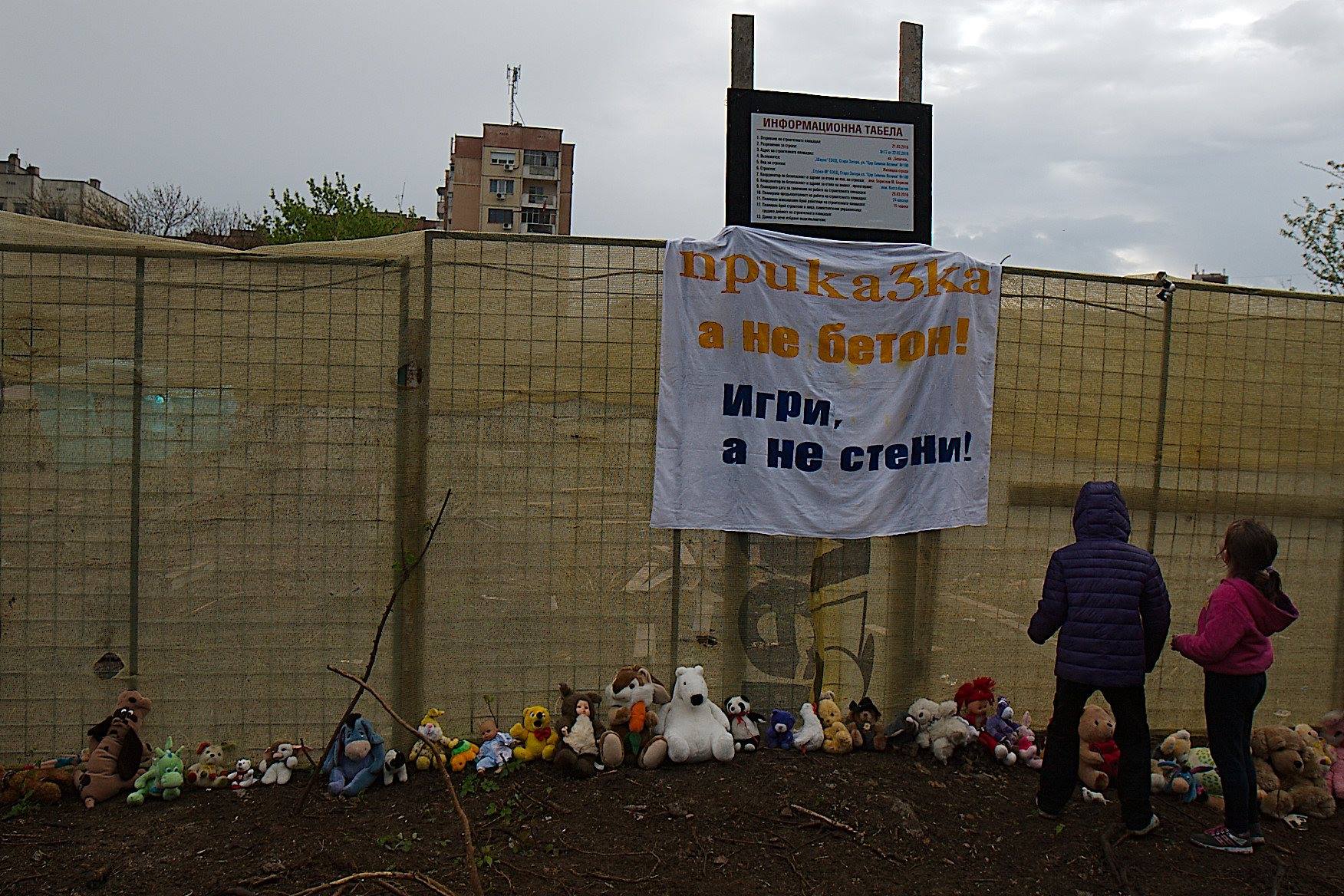
The story of Bedechka Park begins in 2011, when a change in the city’s master plan reclassified large parts of the existing park for residential development, despite legal and environmental concerns. This decision triggered a sustained civic response.
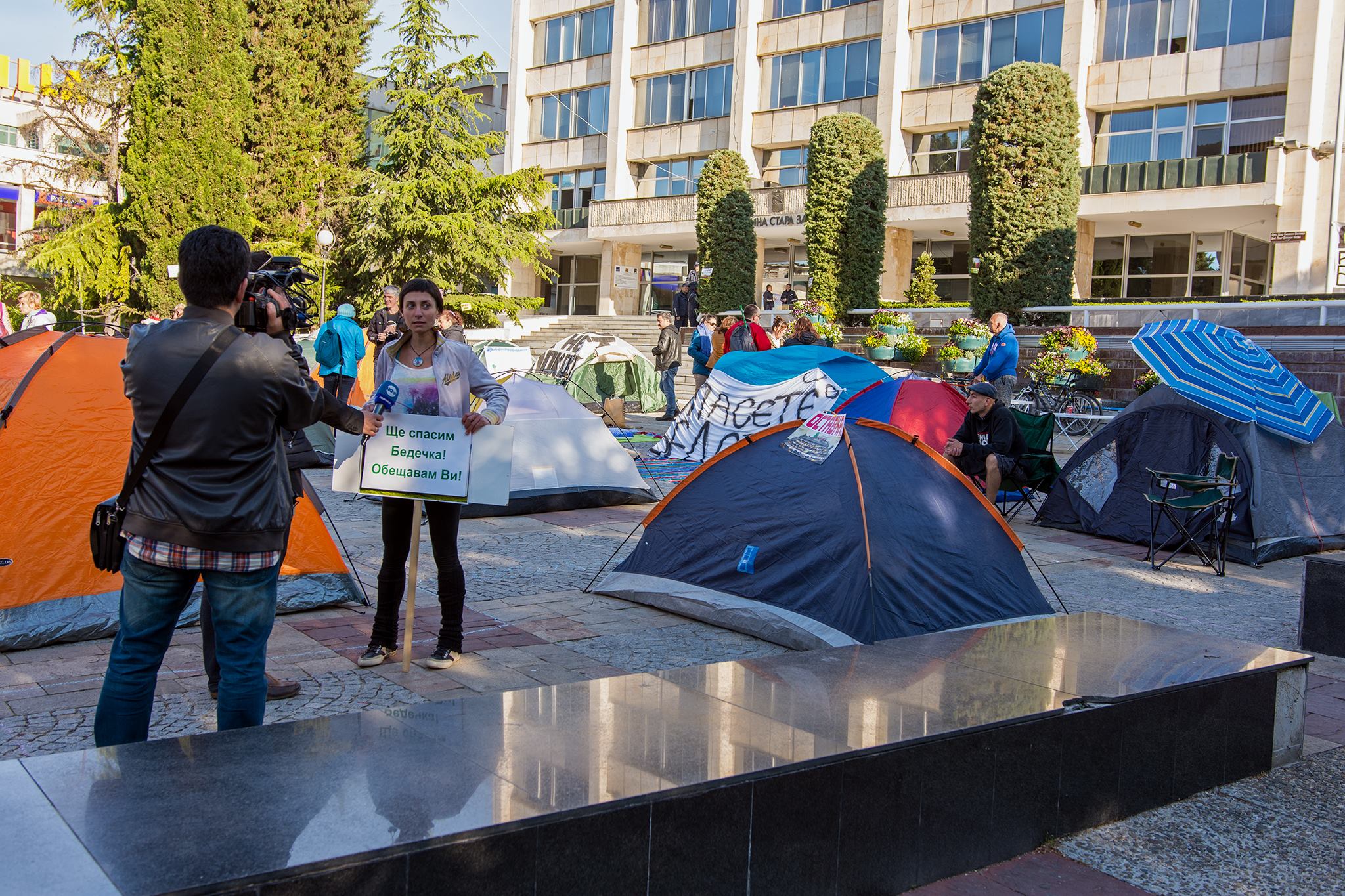
Between 2012 and 2017, citizens, informal groups and NGOs mobilised through protests, petitions, expert objections and public campaigns.
A key turning point came in 2017 with a local referendum, in which over 22,000 citizens participated and 85% supported preserving Bedechka as a public green space.
At the same time, parts of the park included privately owned plots, which over time became subject to development interest. This created the need for a long-term solution based on land exchange and compensation mechanisms.
In the following years, legal and administrative procedures continued. Civic engagement shifted towards maintaining public attention and ensuring that the preservation process would be implemented in practice.
Since 2023, local organisations and cultural actors have contributed to this process through the “Na Zeleno” festival and the development of the Bedechka Land Art Park concept. These initiatives reactivated the space and supported continued public involvement.
A significant milestone was reached on 29 January 2025, when the first land exchange between private owners and the municipality was officially completed, providing a practical resolution to the long-standing conflict. This moment is considered the completion point of the core civic initiative. At the same time, activities related to cultural activation and community engagement continue, supporting the long-term use and meaning of the park.
Bedechka Park represents the outcome of a sustained civic process that combines public mobilisation, institutional change and ongoing community engagement. It shows how long-term citizen action can influence urban planning decisions and ensure the continued existence of public green spaces.
Citizen-led urban governance
Urban green space preservation
Community empowerment
Inclusive public space
Culture-based community engagement
Bedechka Park addresses sustainability by protecting a high-value urban ecosystem through long-term civic action and embedding this outcome into urban planning processes.
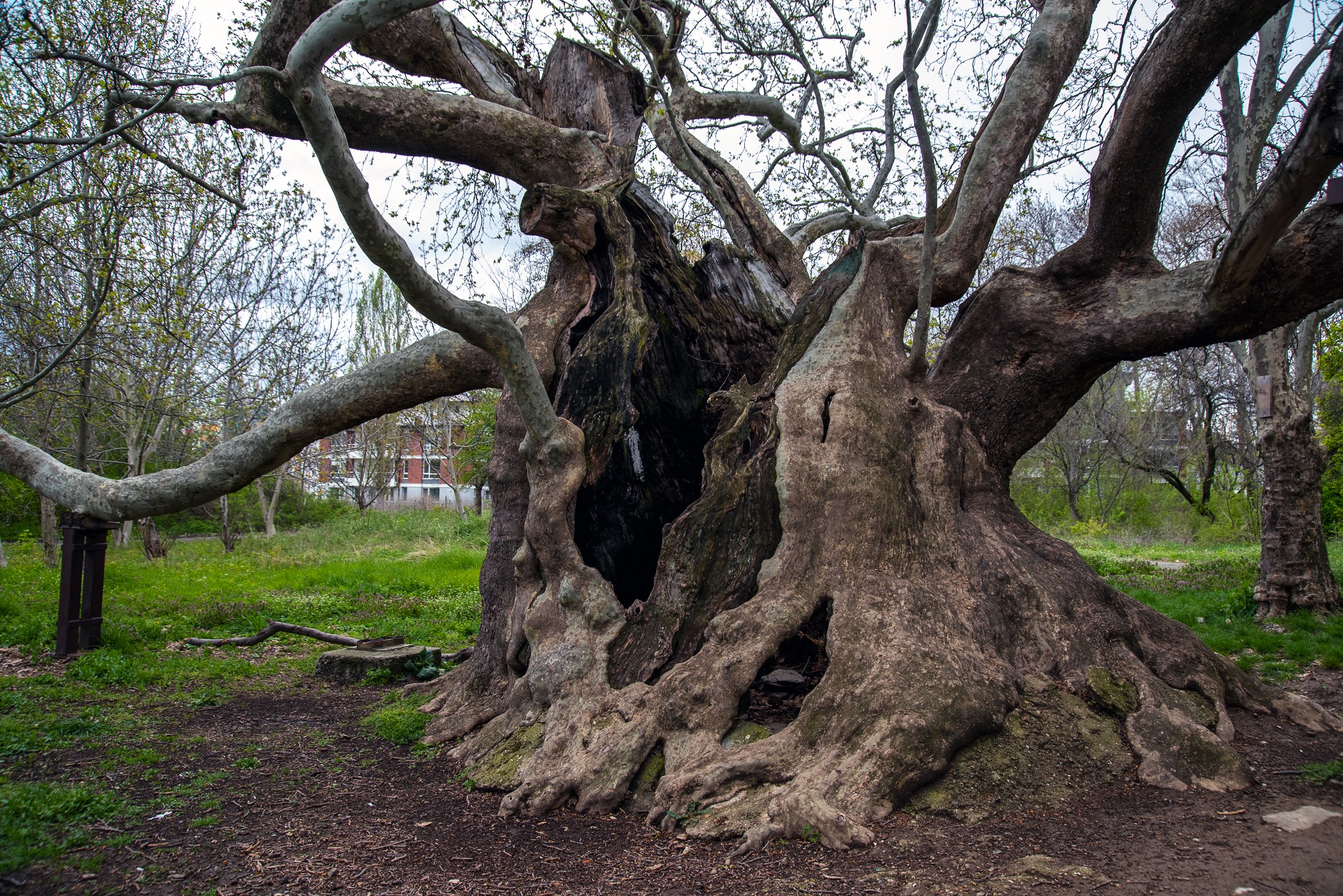
The project responds to the risk of environmental loss caused by planned development. Its preservation ensures the continuity of a unique ecosystem for the region, including floodplain habitats along the Bedechka river, functioning as an ecological corridor. Scientific research has documented high biodiversity, with over 100 bird species, numerous mammals, amphibians and reptiles, as well as endemic and protected species. The presence of a 700-year-old protected plane tree further reflects the ecological continuity of the site.
From an environmental perspective, the project supports biodiversity, climate regulation and ecological connectivity within the city. The park contributes to air quality and microclimate regulation, providing benefits beyond its immediate boundaries.
From a social perspective, sustainability is ensured through free public access and active use. The park supports everyday activities, social interaction and community life. Civic engagement has evolved into long-term stewardship, where citizens actively contribute to its protection.
Culturally, sustainability is reinforced through low-impact interventions. Initiatives such as the “Na Zeleno” festival and the Bedechka Land Art Park use natural materials and temporary installations, ensuring minimal environmental impact while strengthening the relationship between people and the environment.
The project can be considered exemplary in terms of sustainability as it integrates environmental protection, social use and institutional change. It demonstrates how long-term civic mobilisation can prevent environmental degradation, support biodiversity and establish durable governance mechanisms for the protection of urban green spaces.
Bedechka Park contributes to aesthetics by preserving a natural urban landscape whose value lies in its ecological character, spatial openness and everyday use.
The project safeguards an environment shaped by natural processes, including the river, floodplain vegetation and mature trees, among them a 700-year-old plane tree. This landscape offers a distinct identity within the city and maintains a direct, unmediated experience of nature. Its preservation ensures that this quality remains accessible to residents over time.
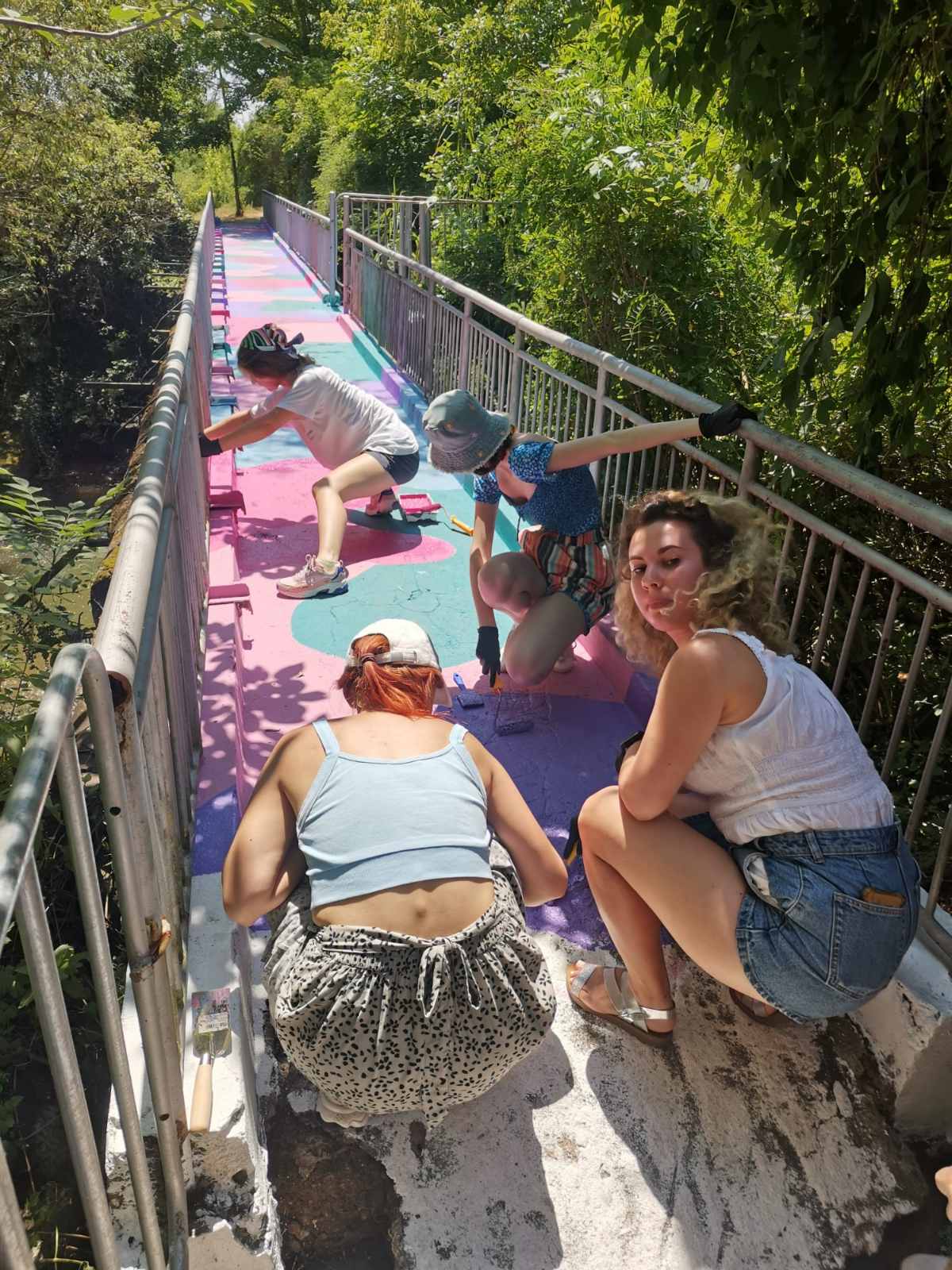
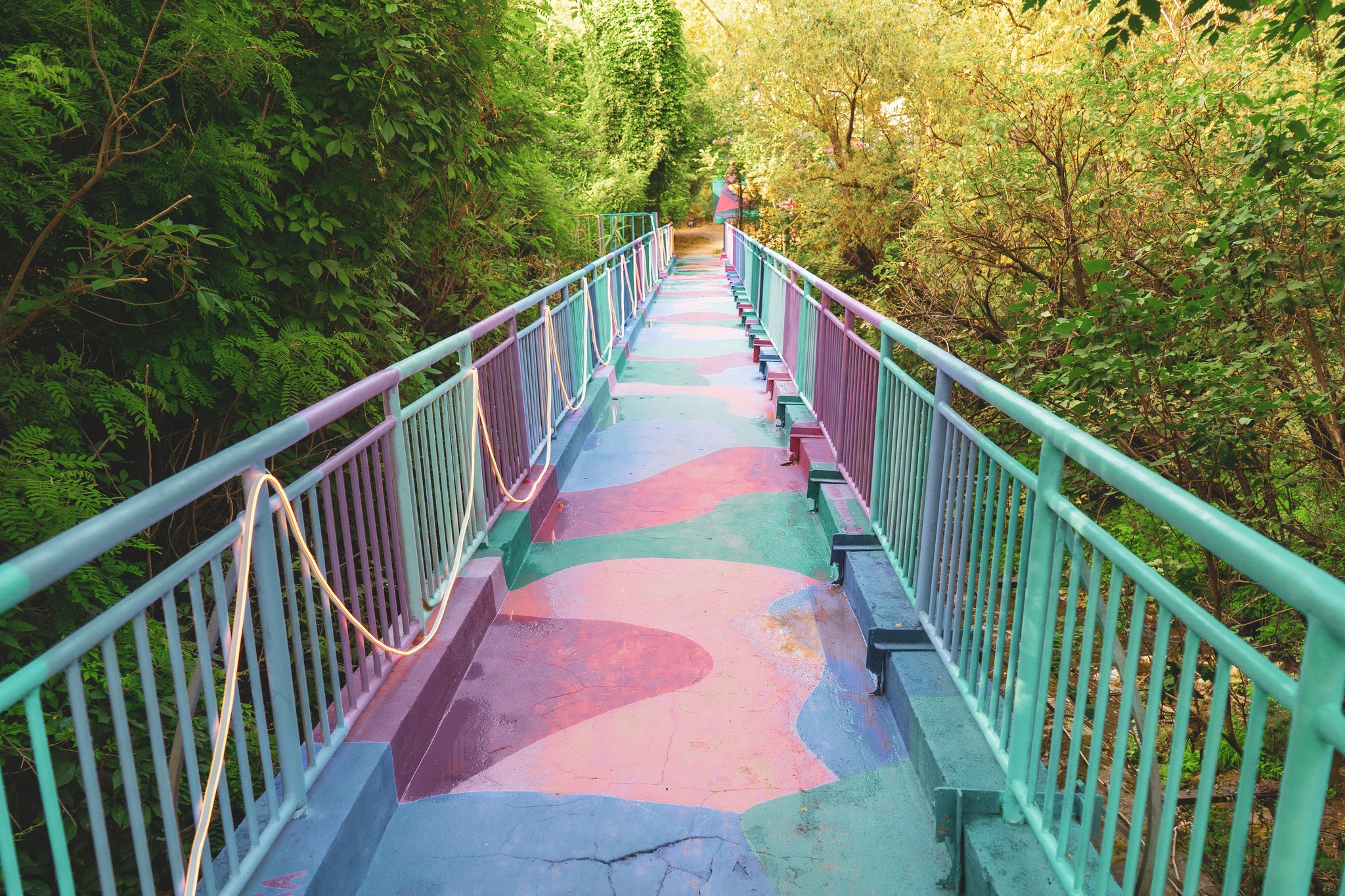
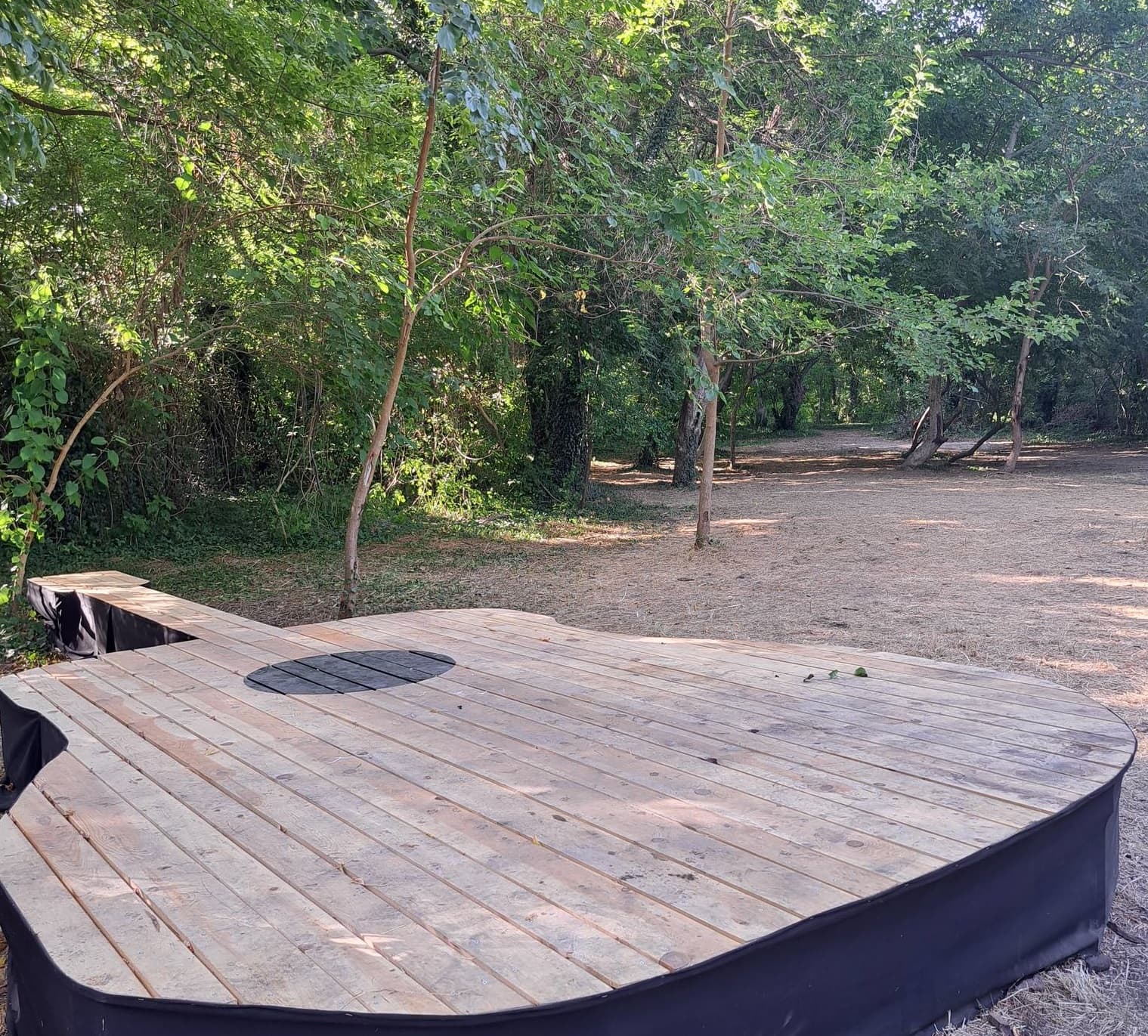
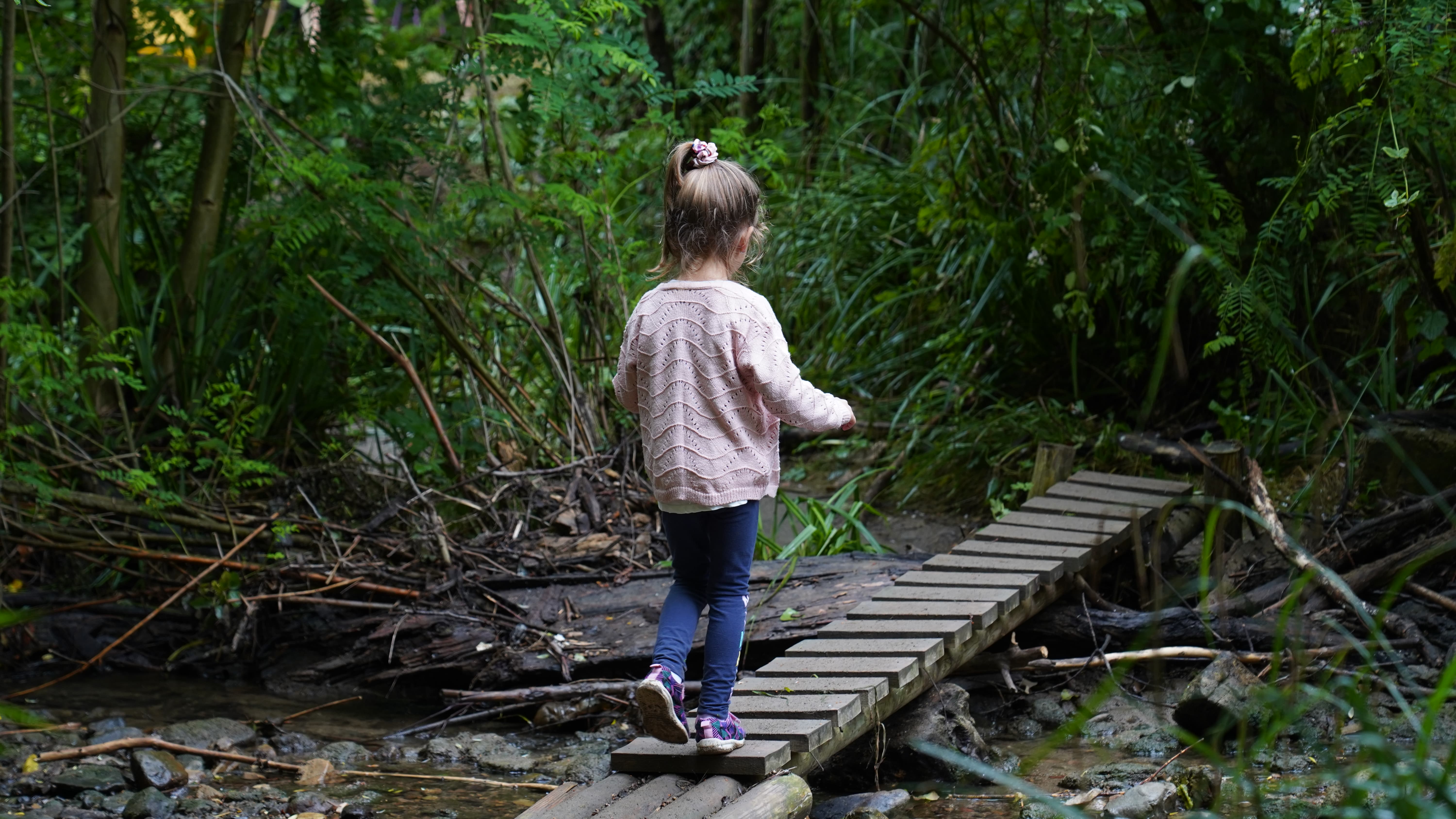
Aesthetic value is further developed through cultural activation that works in dialogue with the environment. The “Na Zeleno” festival introduces temporary spatial interventions using natural materials, which emphasise the existing qualities of the park. Installations and decorations are designed to reveal the beauty of the landscape rather than redefine it. Wooden structures, resting areas and small crossing points over the river support everyday use while remaining integrated into the natural setting.
These interventions are intentionally lightweight and reversible. Some are removed after the festival, while others remain as small-scale placemaking elements without altering the character of the park.
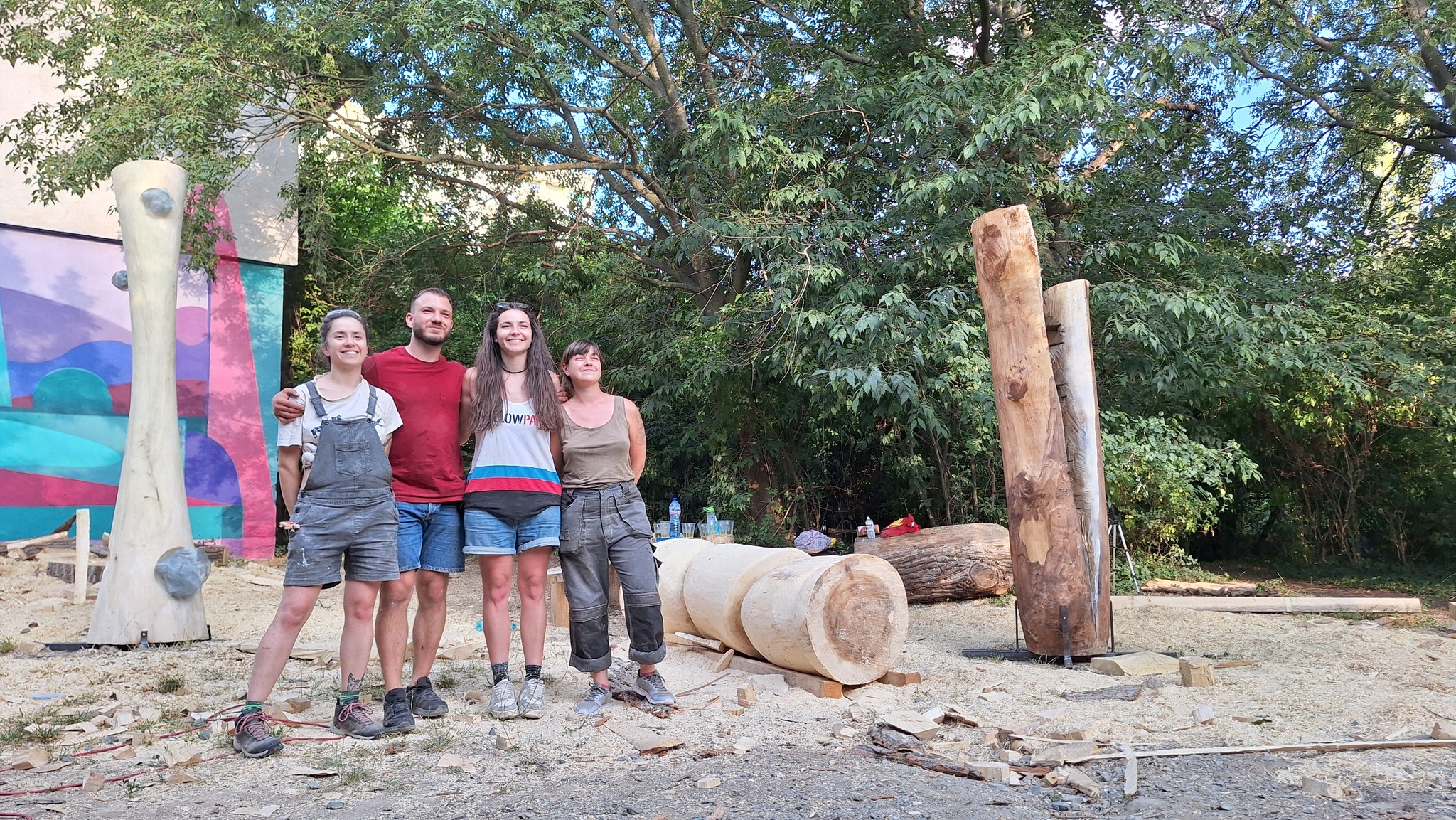
The Bedechka Land Art initiative extends this approach into a long-term cultural direction. It explores the relationship between natural and human-made forms through artworks created from materials originating from the site. Sculptures, temporary installations and wooden elements are developed in close connection to the landscape, its cycles and its symbolic meanings. The process is open and educational, allowing visitors to observe and participate.
The project demonstrates that aesthetic value can emerge from preservation, careful activation and continuous interaction between people and environment, creating a strong sense of belonging and care for the place.
Bedechka Park addresses inclusion primarily through ensuring equal access to a large urban green space and enabling citizens to directly influence decisions concerning its future.
The project responds to the risk of exclusion caused by planned urban development, which would have restricted public access to a significant natural area. Through sustained civic action, including protests, public campaigns and a local referendum, citizens secured the preservation of the park as a freely accessible space for all residents of Stara Zagora.
In terms of governance, the project demonstrates an inclusive decision-making process involving a wide range of stakeholders. Environmental organisations, cultural groups, sports communities, urban planners and informal civic initiatives all contributed to the protection of the park.
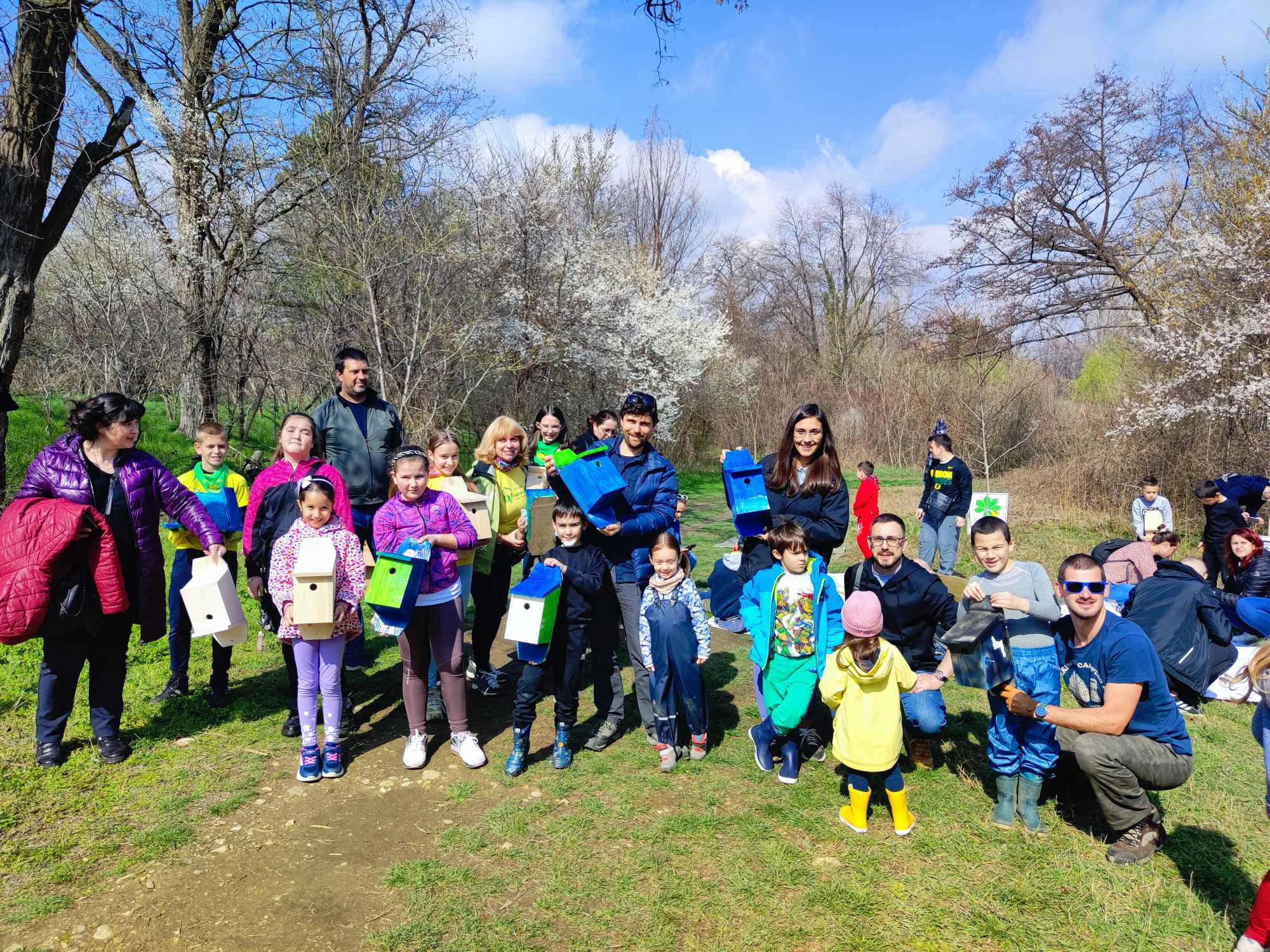
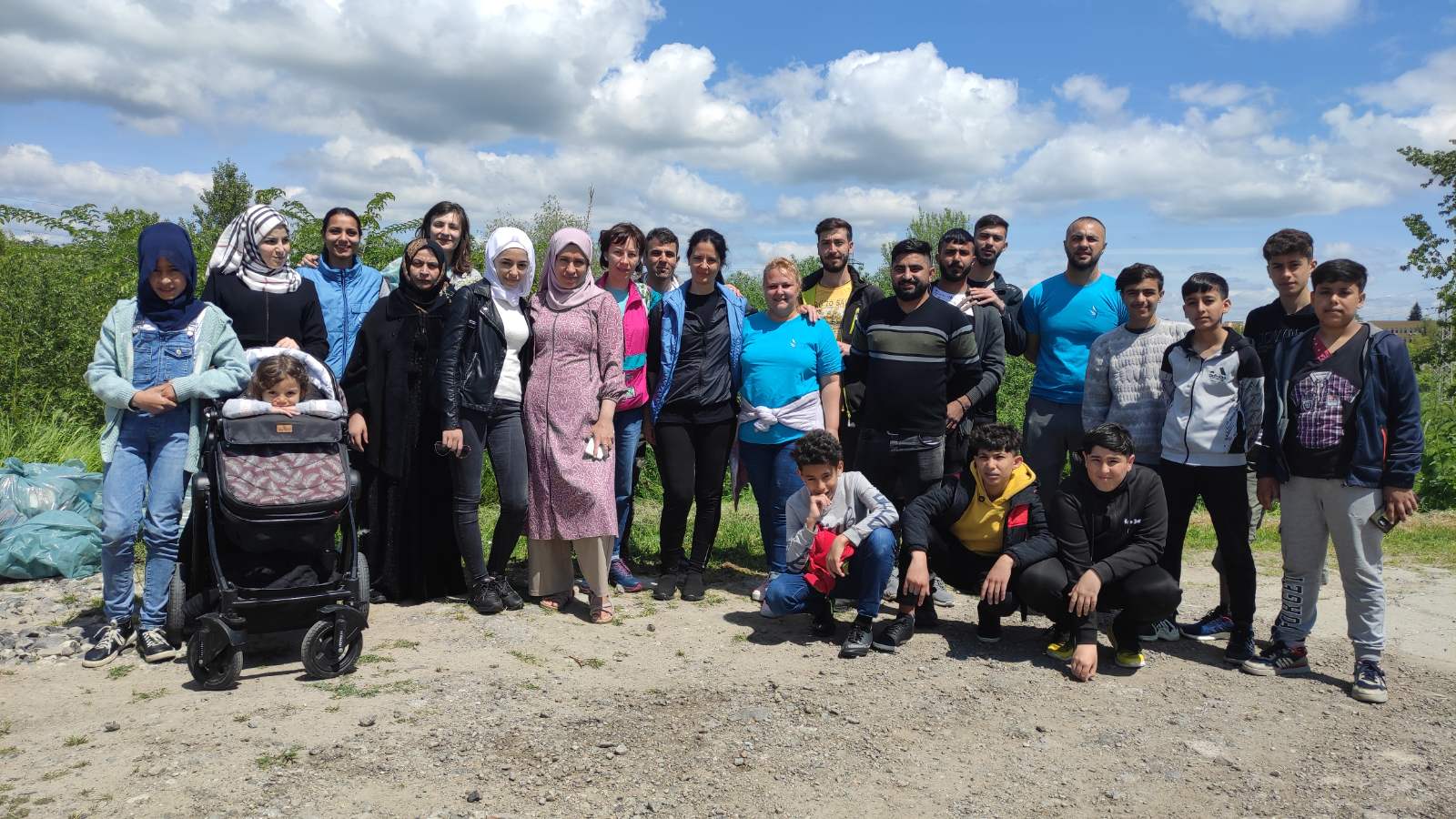
Inclusion is also reflected in the way the park is used and maintained. Volunteer clean-up actions and maintenance activities have involved participants from diverse social backgrounds, including refugees and minority groups. The park is regularly used by people across different ethnic, economic and age groups, functioning as a shared space without barriers. Its potential loss would have affected all of these groups equally by limiting access to a common public resource.
Cultural activation further expands inclusion. The “Na Zeleno” festival brings together more than 20 organisations working in fields such as environmental protection, arts, social causes, animal welfare, youth work and entrepreneurship. These actors collectively support the park’s preservation while creating accessible opportunities for participation and engagement.
The project can be considered exemplary in terms of inclusion as it combines open access to space with inclusive governance and active community involvement. It demonstrates how diverse groups can not only benefit from a shared public resource, but also contribute to its protection and long-term sustainability.
Participation is at the core of the Bedechka Park initiative, shaping both the protection of the space and its ongoing use.
The project is based on a long-term civic process in which citizens played an active role in influencing urban planning decisions. Between 2012 and 2017, local communities, informal groups and civil society organisations mobilised through protests, petitions, expert input and public campaigns. This process culminated in a local referendum in 2017. This outcome demonstrates a high level of citizen involvement directly influencing institutional decisions.
Participation extended beyond civic mobilisation into continuous engagement with institutions. Citizens, professional groups and organisations contributed to discussions, provided expertise and maintained public pressure, ensuring that the issue remained visible and that the preservation process advanced.
In the last years, participation takes the form of active use and co-creation. Cultural initiatives such as the “Na Zeleno” festival and the Bedechka Land Art Park involve a wide range of actors, including environmental organisations, cultural groups, youth organisations and community initiatives. More than 20 organisations contribute to the programme, while citizens participate through workshops, volunteer activities and public events.
The project also engages diverse social groups, including minorities and refugees, in clean-up actions and maintenance activities, strengthening the sense of shared responsibility.
The impact of this participatory approach is both institutional and social. It has led to concrete policy outcomes, including the preservation of the park in urban planning documents. At the same time, it has created a sustained model of civic engagement, where citizens continue to shape, use and care for the space.
The project demonstrates a high level of participation, evolving from civic mobilisation to long-term community stewardship.
The Bedechka Park initiative demonstrates multilevel governance through the involvement of stakeholders at local, national and international levels, contributing to both the protection and activation of the space.
At local level, the process has been driven by civic groups such as “Save Bedechka” and “Art Collective On The Street”, alongside a wide network of local organisations, professionals and informal communities. These actors led the mobilisation, public advocacy and cultural activation of the park.
At national level, the case gained institutional and organisational support. The Bulgarian branch of Greenpeace contributed to environmental advocacy, while the Ombudsman of the Republic of Bulgaria engaged with the case.
The cultural programme further expands this multilevel engagement. The “Na Zeleno” festival involves organisations from other cities in Bulgaria, including Sofia-based NGOs and civic platforms, creating collaboration across the country. The Bedechka Land Art initiative brings together artists from different regions, contributing to the development of the park as a cultural space.
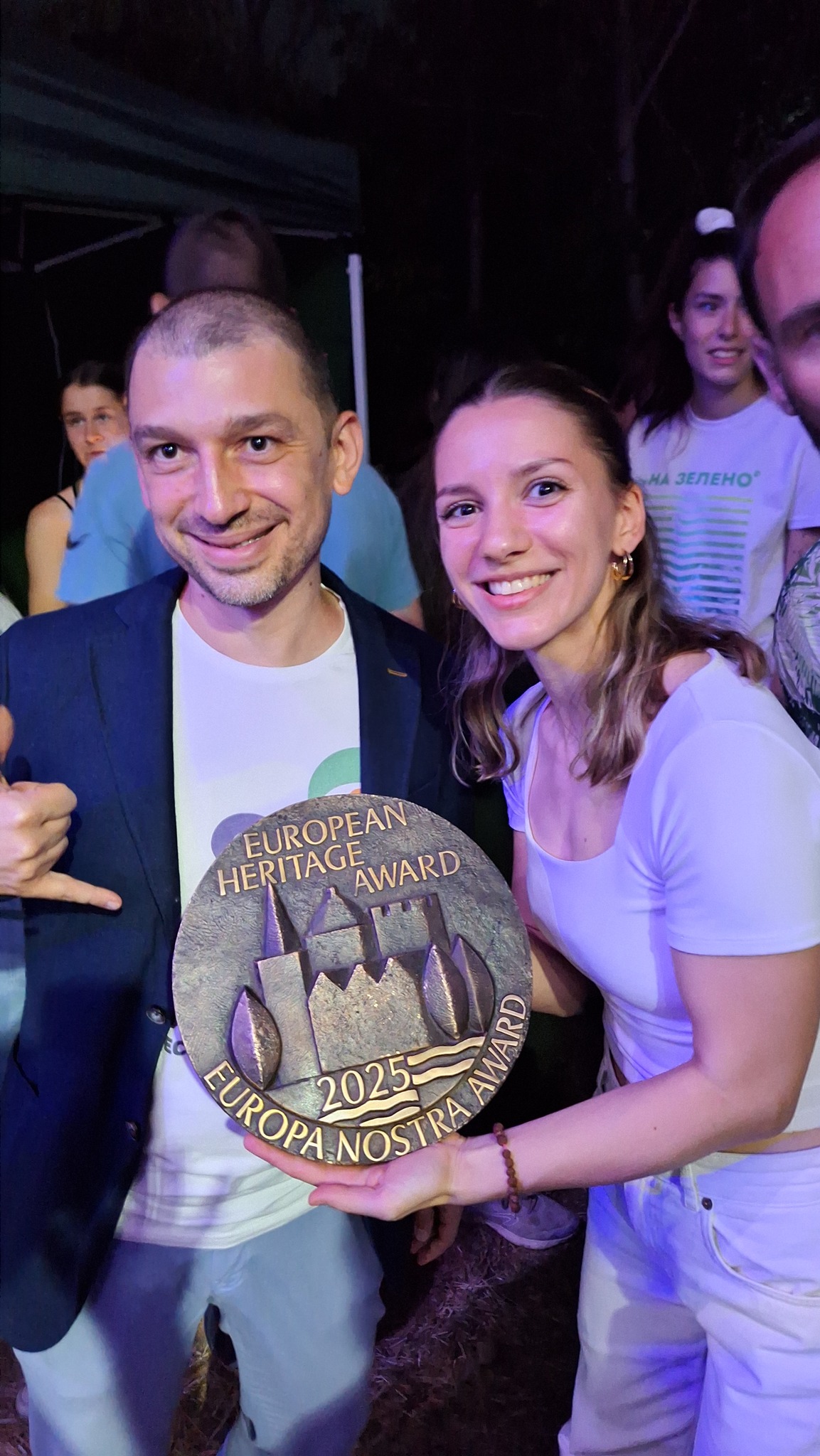
At European level, the project has engaged participants through programmes such as Erasmus+ and the European Solidarity Corps, involving young volunteers in activities on site. The initiative has also received international recognition, including selection among the top projects in the Europa Nostra / European Heritage Awards 2025.
The added value of this multilevel engagement lies in the combination of bottom-up civic action with institutional recognition and cross-sector collaboration. Local mobilisation gains legitimacy and support at higher levels, while external actors contribute expertise, visibility and continuity. This interaction strengthens both the governance model and the long-term sustainability of the project.
The Bedechka Park initiative is based on the interaction of multiple disciplines and knowledge fields, combining civic action, environmental science, urban planning, arts and education.
Environmental expertise has played a key role in defining the value of the park. Scientific research and long-term monitoring conducted by environmental organisations provided evidence of high biodiversity, protected species and the ecological function of the area. This knowledge supported advocacy efforts and informed public arguments against development.
Urban planning and legal expertise were also essential. Architects, planners and engineers contributed by identifying inconsistencies in planning documents and raising formal objections. Their input helped translate civic concerns into technically grounded arguments within institutional processes.
Civic activism and social engagement formed the core of the process. Citizens, informal groups and organisations mobilised through campaigns, public actions and dialogue with institutions, creating a bridge between expert knowledge and public participation.
Arts and culture contribute to the ongoing development of the park. The “Na Zeleno” festival and the Bedechka Land Art Park integrate artistic practices with environmental awareness, using natural materials and site-specific approaches. These activities connect creative expression with ecological understanding and public use of space.
Educational elements are also present, as many activities are open, participatory and accessible, allowing visitors, including young people, to learn through direct experience and involvement.
The project demonstrates a transdisciplinary approach in which different fields do not operate separately but reinforce each other. Scientific knowledge supports advocacy, planning expertise strengthens policy impact, and cultural practices sustain long-term engagement and understanding of the environment.
The Bedechka Park initiative operates through a hybrid, multi-source funding model that has evolved alongside the different phases of the project.
During the initial civic advocacy phase, financial resources were primarily generated through grassroots mechanisms. Citizens and activists mobilised support through crowdfunding campaigns, public appeals and personal contributions, enabling the organisation of protests, communication activities and legal actions.
In the current phase, focused on activation and long-term use of the park, the financial model has diversified. The “Na Zeleno” festival and the Bedechka Land Art initiative combine public funding, project-based financing, private sponsorship and community donations.
Public funding plays a key role. The Municipality of Stara Zagora supports the initiative through its local Cultural Fund, covering approximately 30% of the festival budget. In addition, the municipality invests in the long-term preservation of the park through land acquisition and exchange mechanisms.
Project-based funding is secured through national and European programmes, including the National Culture Fund, the European Solidarity Corps and Creative Europe. These instruments support cultural, educational and community-based activities.
Private sector involvement complements this model. Companies contribute through sponsorship and corporate social responsibility programmes, supporting specific activities such as educational initiatives, environmental actions and festival organisation, while aligning with sustainability-oriented branding.
The financial sustainability of the project lies in this combination of sources, which reduces dependency on a single funding stream and allows flexibility across different phases. The model supports both the protection of the park and its ongoing activation as a public and cultural space.
The Bedechka Park initiative demonstrates a model that can be transferred and adapted to other urban contexts facing similar pressures on public green spaces.
In Bulgaria, the conversion of green areas into development land is a widespread issue. In almost all cases, this leads to the loss of publicly accessible natural areas within cities.
Bedechka Park represents a rare successful example of developing an effective strategy to counter such processes. Through sustained civic mobilisation, broad stakeholder involvement and the use of formal democratic tools, the initiative influenced decision-making and preserved the park. As a result, it has become a reference point at national level, with activists from other cities seeking to learn from this experience.
At its core, the project offers a replicable methodology for citizen-led protection of urban land. This includes the combination of civic mobilisation, expert input and democratic instruments to influence planning decisions.
A second scalable component is the transition from advocacy to long-term activation. The project shows how civic movements can evolve into sustained engagement through cultural programming and continuous public use of the space.
The use of low-impact, reversible interventions is also transferable. Temporary installations and natural materials allow activation without permanent alteration of the environment, making the approach applicable in sensitive or contested areas.
The governance model and funding structure further support scalability. The combination of grassroots initiatives, institutional involvement and diversified funding sources creates a flexible framework adaptable to different contexts.
The project demonstrates how persistent civic action, combined with broad networks, strategic communication and interdisciplinary expertise, can protect public green spaces and influence urban policy. This approach can be transferred to other cities facing similar challenges.
- https://www.europeanheritageawards.eu/winners/the-art-of-protecting-bedechka/
- https://biodiversity.bg/bg/Kampaniyata-za-zapazvane-na-park-Bedechka-organizirana-ot-grazhdanska-grupa-Zapazete-Bedechka-nagrada-na-publikata.p1774
- https://www.capital.bg/politika_i_ikonomika/gradove/2024/11/14/4702690_parko-ljubitelite_na_stara_zagora/