Enablers for New European Bauhaus Transformation
UrbanLab for Green Cities
{Empty}
UrbanLab for Green Cities is an innovative program that engages citizens to create new solutions for urban challenges. It combines design thinking, education, and public participation to turn local issues into opportunities for sustainable development. Each year, participants influence their cities on topics like community, education, digital technology, and urban design. This initiative develops innovation skills among citizens, guiding them through ideathons and incubators.
Romania
National
Mainly urban
It involves other types of transformations (soft investment)
Yes
2025-12-22
Yes
EEA and Norwegian grants through the Bilateral Relations Fund, 2014-2021
No
No
Organisation
UrbanLab for Green Cities - Innovation Laboratory for Smart & Climate-Neutral Cities is an acceleration programme that engages citizens in dreaming up, designing, and piloting creative solutions for urban challenges. Every year, the program creates a context for city-level open innovation where local problems on the ground are turned into opportunities for sustainable urban development. Through a mix of design thinking, educational science, and public participation, UrbanLab builds innovation mindsets and skills among citizens of all backgrounds and ages and offers them a platform to influence how their city can develop. The year-long programme sees participants starting with local problems and generating solutions in ideathons, then validating and refining their solutions in the incubator, and finally testing these solutions as pilot projects in their city.
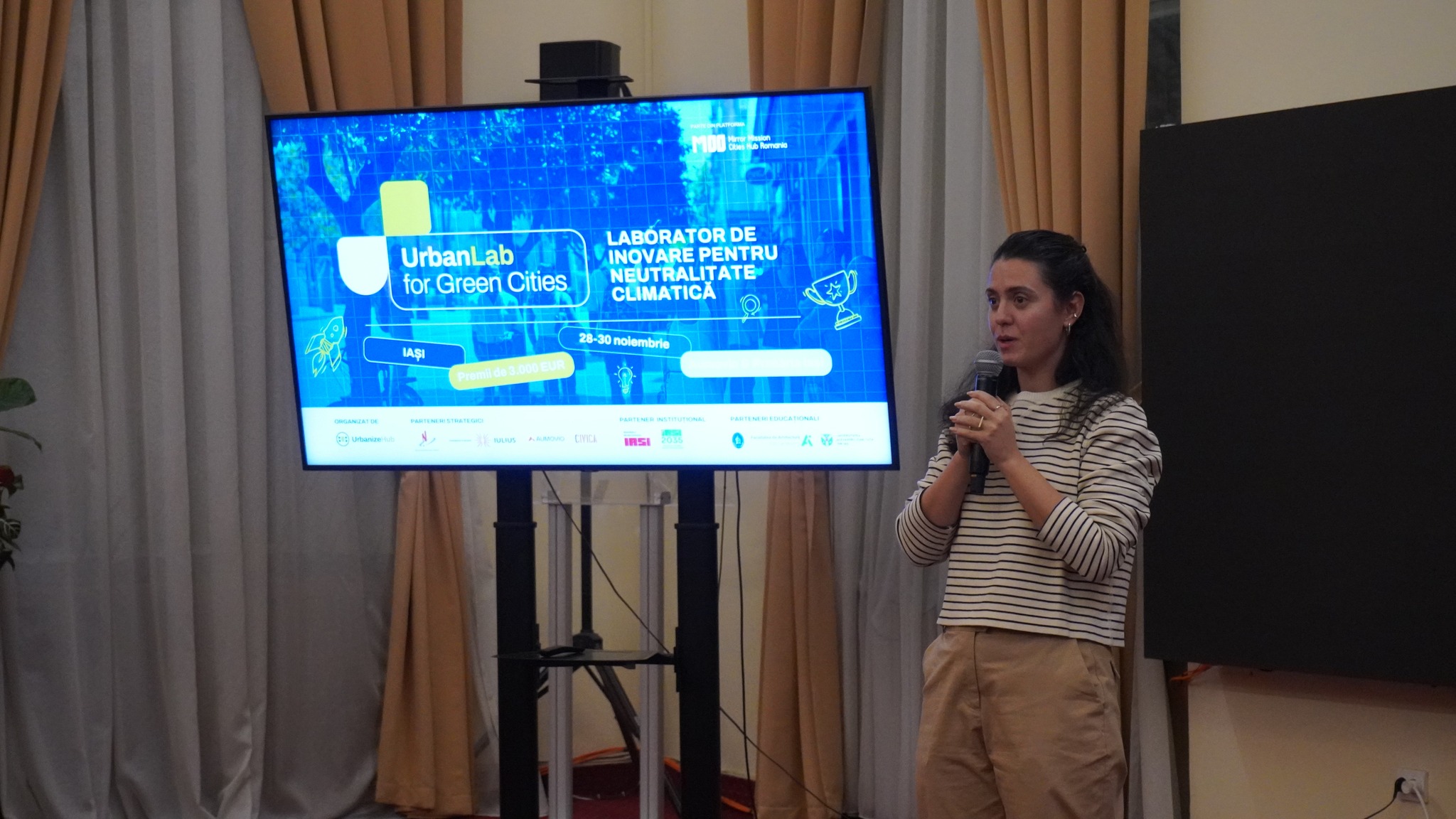
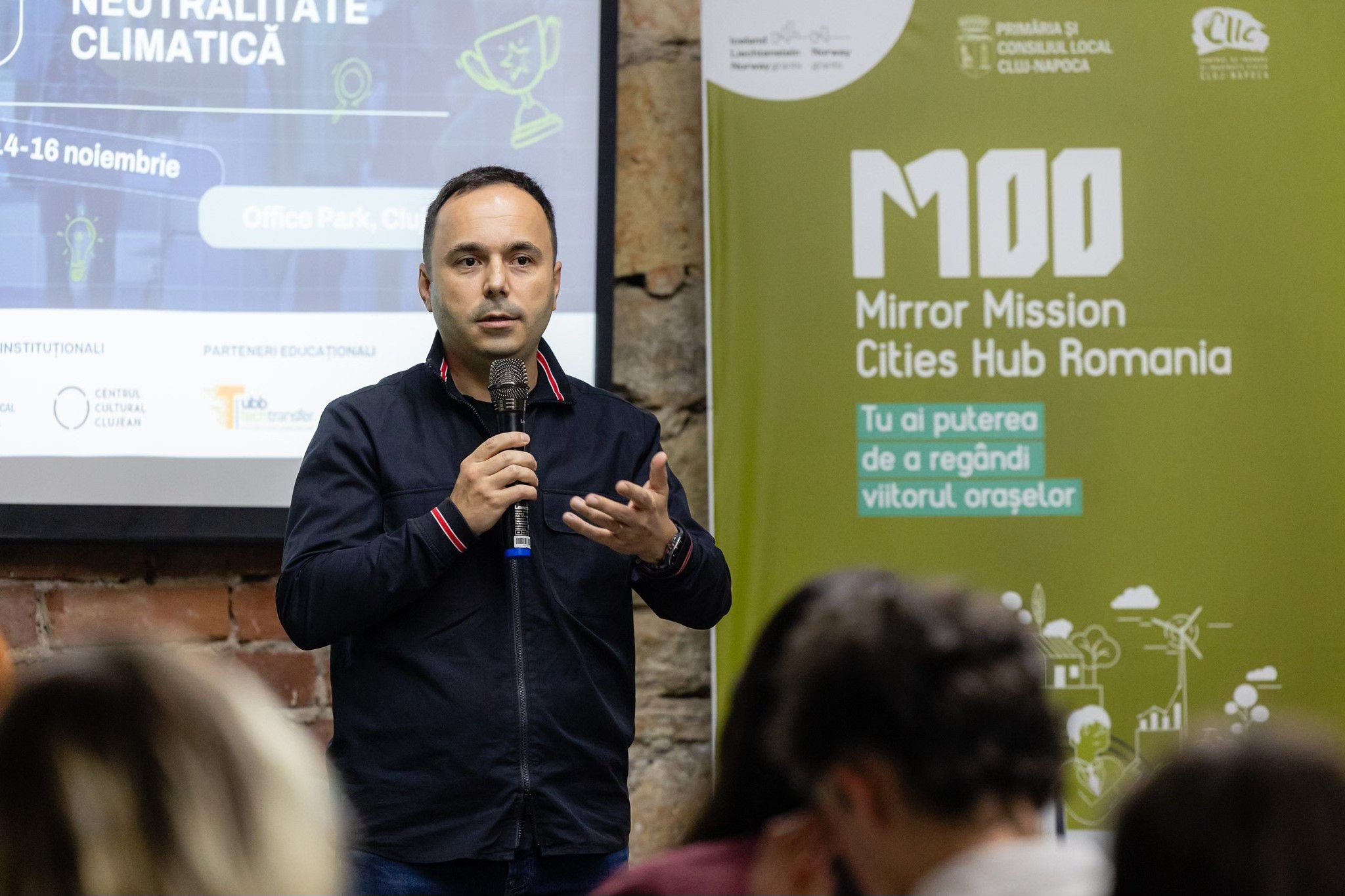
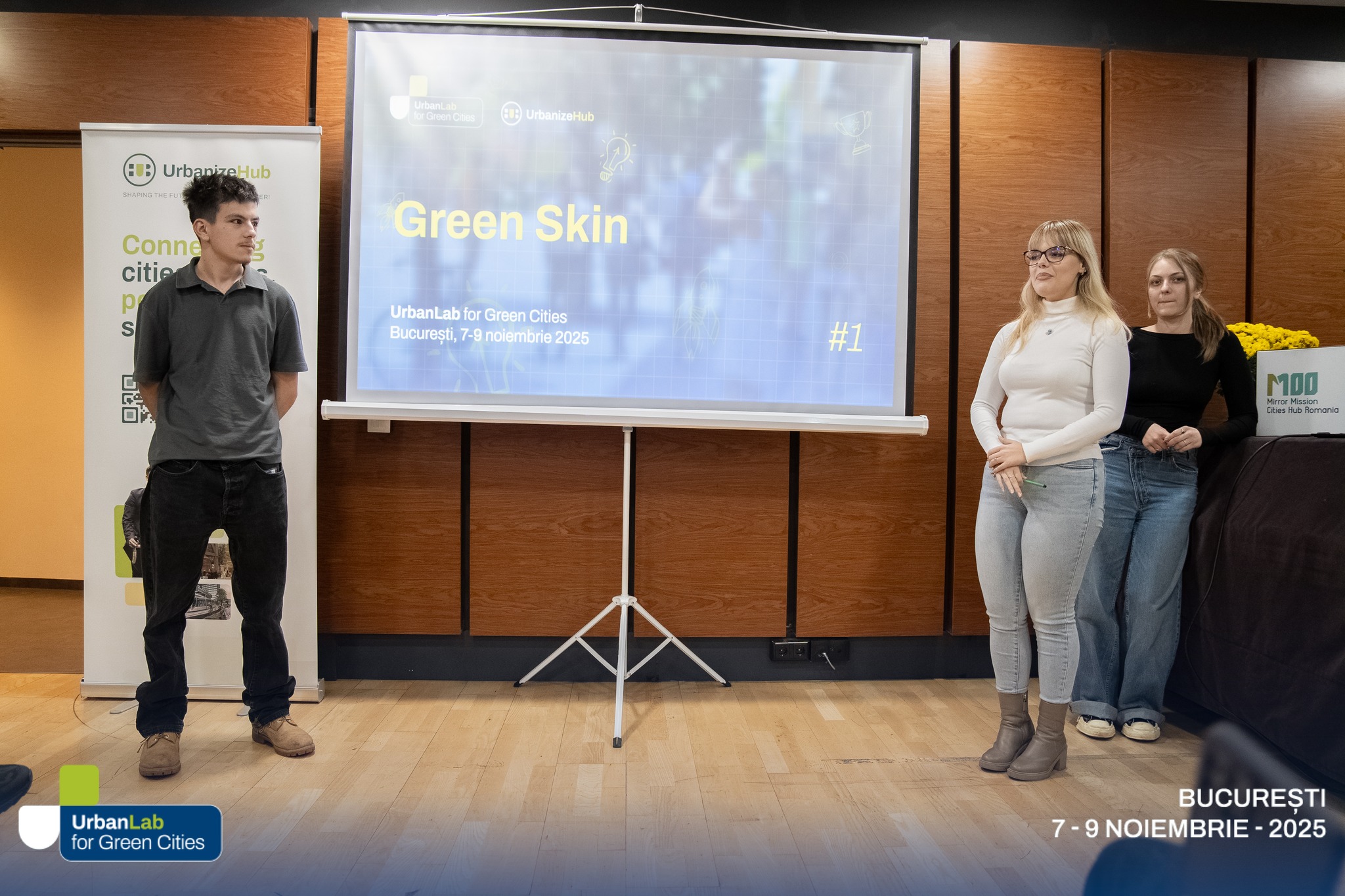
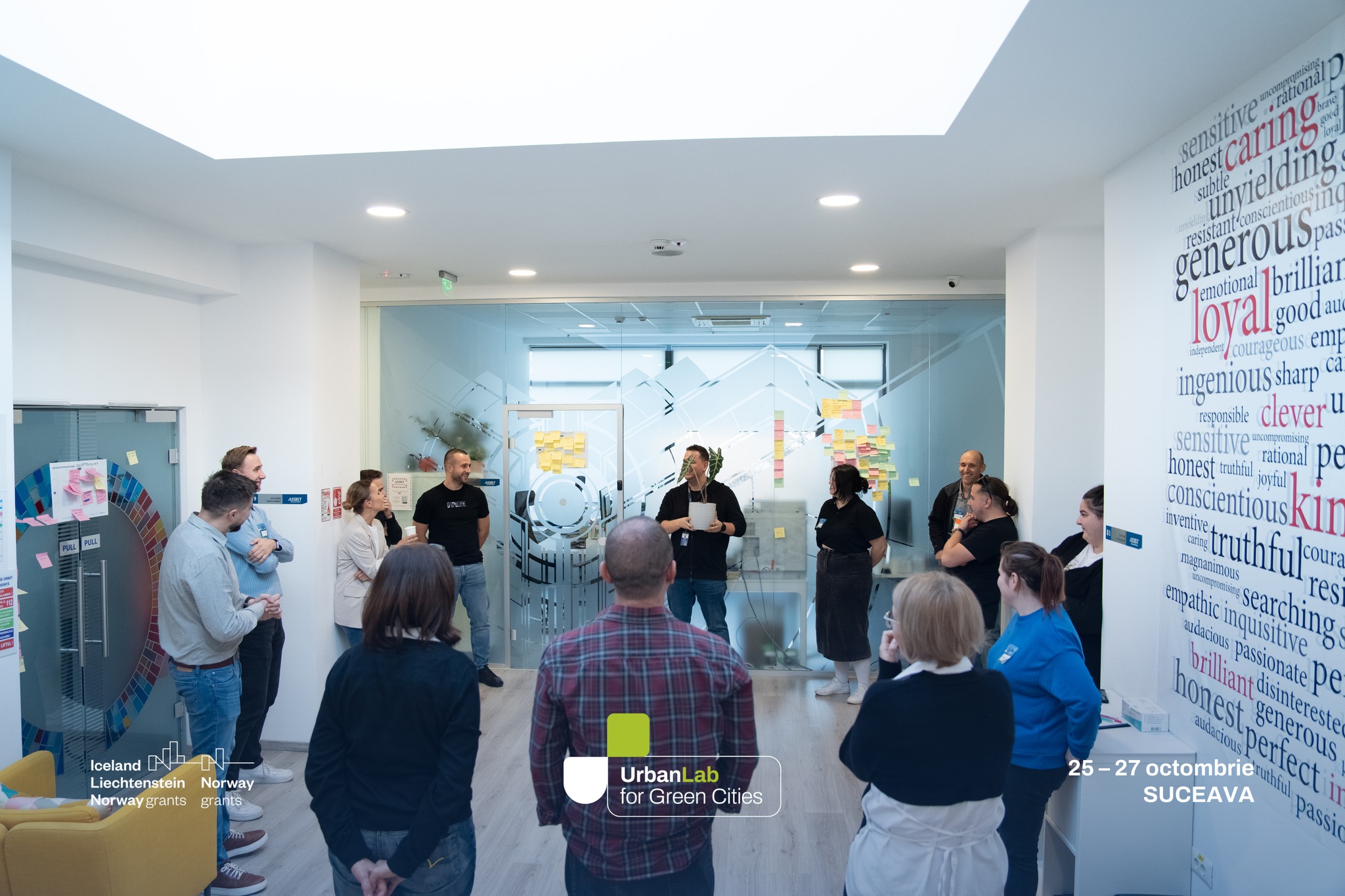
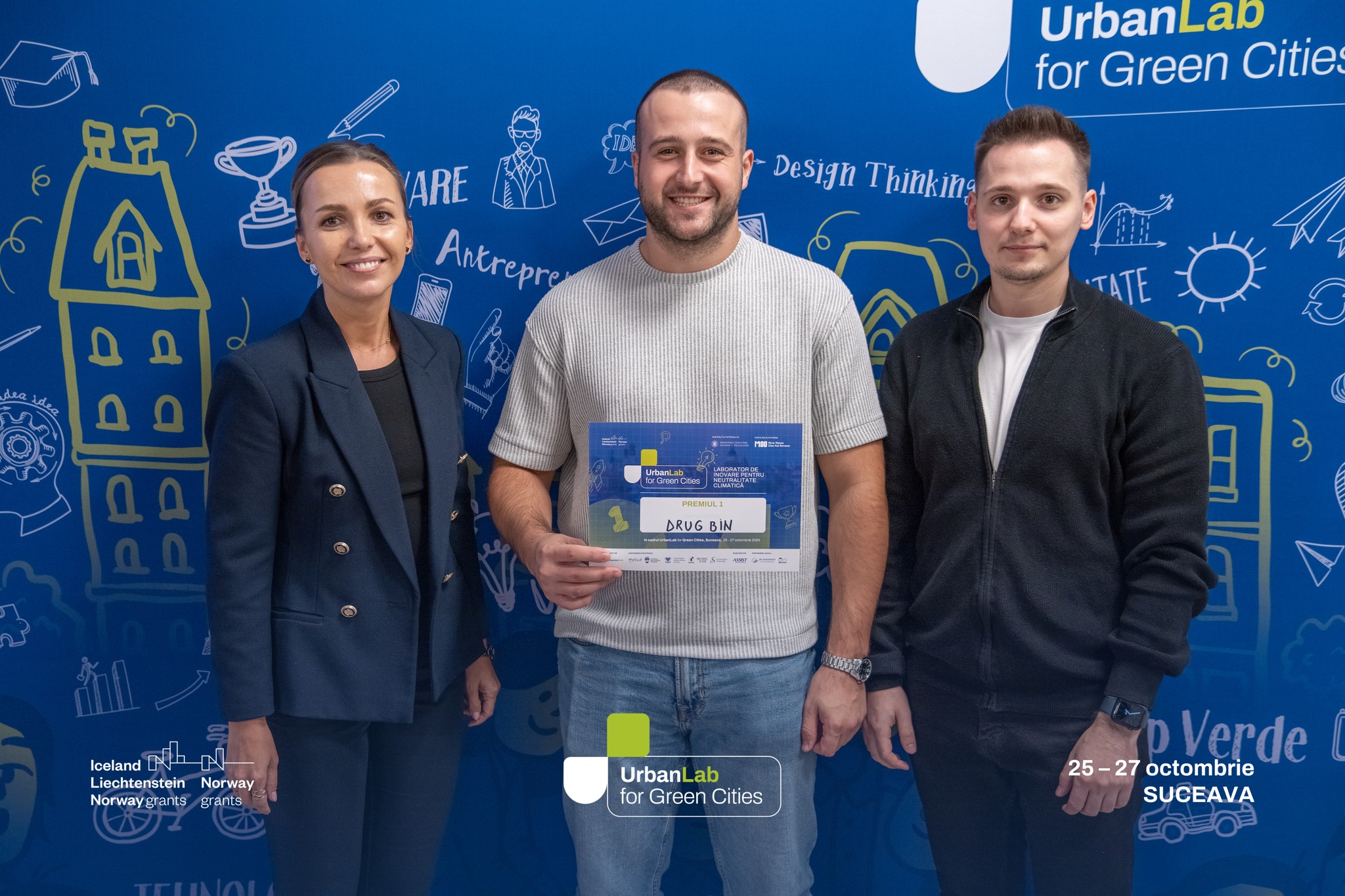
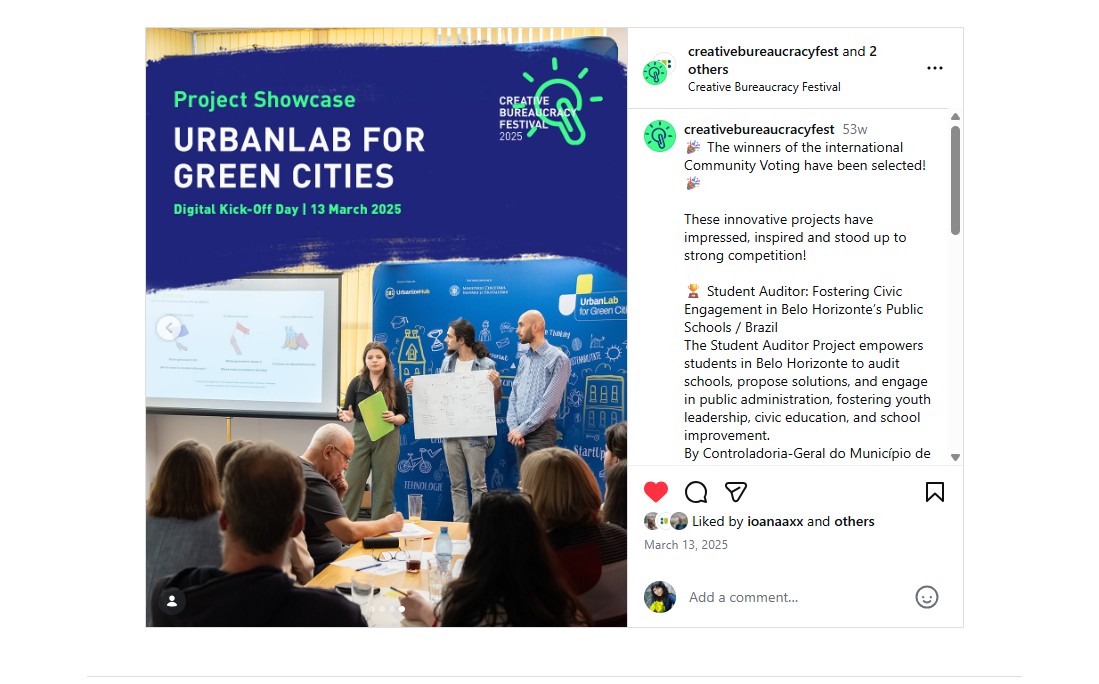
The latest edition of the programme ran between October 2024 - December 2025. It hosted six editions of weekend ideathons across five cities: Bucharest (district-level and city-level), Suceava, Cluj, Timișoara, and Iași, gathering the local ecosystem of public, private, university, and community local actors around the topic of innovation. 200+ participants developed 55 solutions across urban design, technology or community thematic tracks guided and evaluated by 61 mentors from the local ecosystems. The 3-month incubator supported the winning 12 solutions through acceleration to transform validated concepts into pilot projects, with half of these piloted through local interventions in their cities. Solutions ranged from modular designs for residential green space regeneration to circular economy sharing schemes, all targeting the development of more sustainable, inclusive, and smart neighbourhoods. UrbanLab for Green Cities brings together innovation and public participation by fostering citizen-led experimentation for shaping tangible projects for urban climate neutrality.
The latest edition of the programme ran between October 2024 - December 2025. It hosted six editions of weekend ideathons across five cities: Bucharest (district-level and city-level), Suceava, Cluj, Timișoara, and Iași, gathering the local ecosystem of public, private, university, and community local actors around the topic of innovation. 200+ participants developed 55 solutions across urban design, technology or community thematic tracks guided and evaluated by 61 mentors from the local ecosystems. The 3-month incubator supported the winning 12 solutions through acceleration to transform validated concepts into pilot projects, with half of these piloted through local interventions in their cities. Solutions ranged from modular designs for residential green space regeneration to circular economy sharing schemes, all targeting the development of more sustainable, inclusive, and smart neighbourhoods. UrbanLab for Green Cities brings together innovation and public participation by fostering citizen-led experimentation for shaping tangible projects for urban climate neutrality.
UrbanizeHub debuted in 2017 with urban mobility hackathons. Collaborating with local authorities, universities, NGOs, and the private sector in key Romanian cities, we engaged communities and mobilized necessary expertise and resources to scale into a strategic programme shaping greener, smarter cities. This initiative is now trademarked as UrbanLab for Green Cities and is a key mechanism in Romania's platform for climate neutrality. The programme is set to be replicated in all 12 cities, part of Romania’s national platform for climate-neutral cities, ensuring the spread of effective methods and solutions across cities, amplifying positive impacts both locally and nationally.
The project implementation involved several key steps:
Community Mobilization: We engaged local communities and formed an ecosystem of partners, targeting residents, community leaders, and organizations dedicated to sustainability.
Conducting Ideathons: Ideathons facilitated collaboration among local actors. These events featured brainstorming sessions and workshops, allowing participants to pitch ideas and ensuring local insights shaped the solutions.
Running the Incubator: Promising ideas advanced to the incubator phase, where participants worked with experts to refine concepts. Focus was on developing actionable project plans related to urban design and community engagement.
Pilot Initiatives: We successfully piloted six initiatives from the incubator. This included two activations at the New Urban Habits festival, two minimum viable products (MVPs) tested within the community, and two projects aimed at participatory budgeting.
Through these steps, UrbanLab for Green Cities has transformed urban environments, showcasing community-driven solutions in advancing climate neutrality and fostering collaboration for a sustainable urban future.
Innovative Solutions
Participatory Design
Urban Resilience
Community Engagement
Sustainable Development
UrbanLab for Green Cities addresses pressing environmental, social, and economic challenges from each city’s Climate Contracts and Local Development Plans. It fosters sustainable development through innovative, community-driven solutions that respond to local urban issues that burden the transition towards climate-neutrality such as overcrowding, pollution, and social inequality.
Environmentally, the project promotes practices that reduce carbon emissions, encourage circularity and enhance green spaces. By engaging local citizens in the design and piloting of sustainable solutions, UrbanLab ensures that environmental strategies are not only anchored in top-down infrastructure projects, but also address community's needs and aspirations through tactical interventions on the ground. This participatory approach cultivates a sense of ownership and responsibility among residents, shifting behaviours and encouraging sustainable lifestyle.
Socially, UrbanLab enhances community engagement by empowering citizens to actively participate in the co-creation of their city. It creates a platform for diverse voices, ensuring that low-representation groups such as students, vulnerable communities, older residents and professionals of diverse backgrounds can be included in urban development processes. This inclusivity fosters social cohesion and strengthens community ties, ultimately contributing to a more resilient urban ecosystem.
Culturally, the project integrates local heritage and identity into its initiatives, encouraging the use of local resources and cultural values as the starting point for any innovation. By aligning urban solutions with cultural context, UrbanLab enhances the aesthetic and experiential quality of urban spaces.
Economically, the project strengthens the local economy and networks, stimulating direct investment in sustainable practices by collaborating with local authorities and private stakeholders for financial support and technical expertise.
UrbanLab for Green Cities enhances aesthetics in urban environments, contributing to a more beautiful and harmonious living experience for communities and neighbourhoods. Through its urban design and community engagement thematic tracks, the project encourages local residents to envision and co-create vibrant public spaces that reflect their unique identities and cultural heritage.
UrbanLab facilitates the transformation of neglected or underutilized areas into attractive green spaces and community gardens. These improvements not only elevate the visual appeal of neighbourhoods but also promote well-being by providing spaces for relaxation, social interaction, and community activities. By incorporating nature-based solutions and tying into the local cultural resources of each city, the project enhances the sensory experience of urban life.
Generally when it comes to the design of any solution and its urban space applicability, the programme encourages the creation of functional and visually appealing designs that prioritize comfort and accessibility. Dedicated design mentors support the teams in designing arrangements of public spaces that can encourage social interaction and community cohesion, enriching the urban landscape.
Long-term, the project fosters a sense of belonging and care for the place by actively involving urban residents in the design process. As citizens contribute their ideas and efforts to their neighbourhoods, they develop a deeper emotional connection to their surroundings. This cultivates pride in local identity and ownership of shared spaces, encouraging communities to maintain and nurture these spaces in the future.
UrbanLab for Green Cities creates beautiful, inclusive, and culturally resonant spaces that enhance the quality of life, foster community bonds, and promote a lasting sense of collective care for the city.
UrbanLab project addresses challenges related to accessibility and affordability, emphasizing inclusivity for all community members. By involving various stakeholders, including marginalized groups, the project ensures urban solutions cater to everyone, regardless of age, ability, or socioeconomic status.
Education on Accessible Design: To enhance accessibility, UrbanLab incorporates universal design principles into planning processes, creating public spaces that are inviting and usable for individuals with diverse physical abilities. Participants receive training through mentorship and expert sessions, enabling them to effectively integrate accessibility features, such as wheelchair ramps and sensory-friendly environments, into their pilot designs. This education empowers individuals to engage in community-led initiatives, reducing reliance on costly external services.
Concept Development: The initiative emphasizes financial sustainability and affordability by focusing on strategic interventions that promote the use of existing resources while ensuring public access to well-designed spaces. By advocating for community-led initiatives, UrbanLab fosters a collaborative approach that incorporates universal design elements, lowers financial barriers, and strengthens local economies.
Inclusivity in Audience Engagement: The program welcomes all participants, targeting a diverse range of backgrounds, expertise levels, and age groups. This inclusive strategy ensures the development of community-led solutions remains accessible, prioritizing essential features. Additionally, prizes of €1,000 are awarded after the ideathon and €5,000 following the incubator, supported by private partnerships, encouraging diverse participation in creating functional and enjoyable urban spaces.
By addressing accessibility and affordability while fostering participatory governance and universal design, UrbanLab for Green Cities sets a standard for inclusive urban development.
UrbanLab for Green Cities creates a replicable model for public participation in urban development across Romanian cities by enhancing local social innovation ecosystems. This initiative engages residents, experts, local authorities, universities, NGOs, and the private sector directly.
Citizens are essential, participating in ideathons that serve as platforms for sharing their views on local challenges. Through workshops and discussions, they contribute ideas on pollution reduction, urban biodiversity, and smart mobility improvements. This involvement ensures that solutions are tailored to the community's specific needs, fostering a sense of ownership. Civil society organizations facilitate this process by mobilizing community members and ensuring diverse voices are included. Their involvement enriches discussions and bridges gaps between stakeholders, ensuring marginalized groups have opportunities to participate.
Communities experience enhanced social cohesion as residents collaborate on common goals, leading to stronger relationships and a sense of purpose. Moreover, the solutions developed reflect the collective input of citizens, increasing their likelihood of acceptance and sustainability. The project encourages ongoing community involvement by inviting participants to propose new ideas, from urban design initiatives to educational programs. This inclusive approach addresses immediate urban challenges while empowering citizens to actively shape their environment.
The initiative transforms the journey toward climate neutrality into a participatory process involving the entire ecosystem. It leverages expertise from universities, funding from the private sector, advocacy from NGOs, and solution-building from local communities. The program emphasizes collaboration through ideathons and workshops, where citizens receive mentorship and expert guidance, creating a public participation tool that aligns with local urban development priorities.
UrbanLab for Green Cities engages key stakeholders across local, regional, national, and European levels in its design and execution, ensuring diverse perspectives and expertise while promoting collaboration among governance tiers.
At the local level, city hall representatives participated actively by anchoring the program to local priorities and challenges associated with Climate Contracts. They helped identify urban issues for residents to address, coordinated the local ecosystem of partners, and assessed solutions to connect them with existing funding and strategic programs for implementation.
As a strategic initiative under Romania's national climate neutrality platform (M100.ro), UrbanLab facilitated connections among local, regional, and national stakeholders by aligning its criteria and framework with available regional and national funding mechanisms and priorities, thus supporting the evolution of pilot projects into sustainable solutions.
On the European front, the project aligned with EU sustainability initiatives, receiving funding through an EEA mechanism. This framework encouraged transnational collaboration and knowledge sharing. Experts from European-wide initiatives, including the European Commission, the World Bank, and invited partners from Norway, contributed insights on best practices and innovative solutions, enhancing the project's impact and scope.
This multilevel governance approach created synergies among stakeholders, facilitated resource and knowledge sharing, and increased the scalability of successful solutions. The engagement of stakeholders at various levels added significant value by ensuring that the project was well-rounded and relevant to multiple contexts.
UrbanLab is a transdisciplinary program that combines various fields of knowledge to address urban challenges. It is industry-agnostic, seeking climate-neutral solutions across three thematic areas: urban design, technology, and community engagement. Participants frequently come from diverse fields, including urbanism, design, social sciences, engineering, arts, education, and environmental sciences. UrbanLab encourages interdisciplinary teams, viewing them as essential to the innovation process, with winning teams from the ideathon typically having interdisciplinary profiles.
The program also mobilizes a local ecosystem of actors from different sectors and industries to provide expertise and funding, further fostering transdisciplinarity. The main goal of supporting a city’s transition to climate neutrality is shared across the ecosystem, with each actor contributing resources to the program. We create a collaborative framework where all stakeholders co-create the city. Residents and local organizations are invited to develop solutions that reflect their needs, while universities, businesses, and public and private institutions enhance the initiative's effectiveness. Collaboration with the public sector is crucial for addressing pressing challenges.
We apply educational science to promote lateral thinking, curiosity, and continuous learning. Through interactive methods, we encourage new ways of thinking and working, vital for adopting sustainable behaviors. The design thinking process helps participants transition from identifying needs to generating ideas, anchored in end beneficiary needs.
Ideathons and incubators utilize methodologies grounded in the double diamond framework for innovation, ensuring that solutions are innovative and practical within the community context. This transdisciplinary approach fosters a comprehensive understanding of the urban landscape, promoting collaboration among diverse stakeholders to create sustainable urban environments.
UrbanLab for Green Cities project is built on a sustainable business model that primarily relies on strategic partnerships, private sector sponsorship and public sector grants to ensure its financial viability over time.
Strategic Partnerships: Collaborations with universities, city halls and civil society organizations play a crucial role in the project's sustainability. These partnerships provide access to expertise, resources, and networks that cover part of the logistics needed to run the programme with its in-person components and workshops. They also enhance the project's capacity to support the development of citizen-generated solutions and often lead to future collaborations and joint programmes based on shared goals and interests.
Public sector grants: The programme actively seeks grants from local (participatory budgets / civic sector funding), regional (strategic financing lines), and national government bodies (thematic funding mechanisms). These grants are vital in funding the programme’s human resources and operating activities. The programme also benefits from the support of strategic public partners such as national funding agencies and foundations that are found under Romania's national platform for climate neutrality.
Private sector sponsorships: The programme uses private sector funds gathered from CSR budgets or private sponsorships to fund the prizes offered to winning teams at the end of the ideathons and create a joint pool of money for funding the pilot implementation of pilot projects coming out as winners from the incubator.
By focusing on these areas, UrbanLab for Green Cities ensures a sustainable financial mechanism that supports its mission to promote sustainable urban development. This model not only enhances the project's resilience but also fosters a collaborative environment that drives innovation and ecosystem engagement.
UrbanLab for Green Cities project possesses considerable potential for transferability and replicability across diverse locations and sectors. Key elements that can be adapted include:
Public Participation Methodology: This approach trains citizens to become active change agents within their communities, fostering action-oriented groups that possess the knowledge, skills, and solutions necessary for urban development.
Ecosystem Building Methodology: This framework establishes an open innovation program that unites public, private, civic, and academic sectors towards a common goal. By pooling resources, this methodology can ensure the program's adoption as a local initiative in the future.
Design Thinking Process and Facilitation Materials: These resources can be utilized to address various urban challenges beyond climate neutrality, streamlining the design, validation, and piloting of solutions in different cities.
The Solutions Themselves: The project encompasses solutions across three thematic areas, providing relevant examples of topics addressed.
Strategic Learnings and Local Insights: Knowledge transfer between cities is enhanced by applying the same processes in various locations, allowing for the identification of effective strategies and areas for improvement.
Through these components, the UrbanLab for Green Cities project illustrates significant scalability potential, effectively promoting sustainable urban development in a variety of contexts.