Enhancing Circularity, Sustainability, and Innovation
JUSTROOF
JUSTROOF – Implementing a green roof to support the just transition
The project “JUSTROOF – Implementing a green roof to support the just transition” deals with the installation of the first green roof at the Technical University of Crete in Greece. It has unique character as it was co-designed and built by University students and academic staff. This project demonstrates how green infrastructure can be installed in the cities through community work providing multiple benefits such as biodiversity enhancement, flood risk mitigation and energy efficiency.
Greece
Local
Chania
Mainly urban
It involves a physical transformation of the built environment (hard investment)
Yes
2024-02-18
Yes
Received a grant in 2023 by the EUTeens4Green program (Just Transition Fund). This grant covered a large part of the project. Internal laboratory funds were also complemented the overall implementation and monitoring cost.
No
Yes
Individual
The first green roof project at the Technical University of Crete in Chania, Greece is a student-driven, community-led nature-based solution.
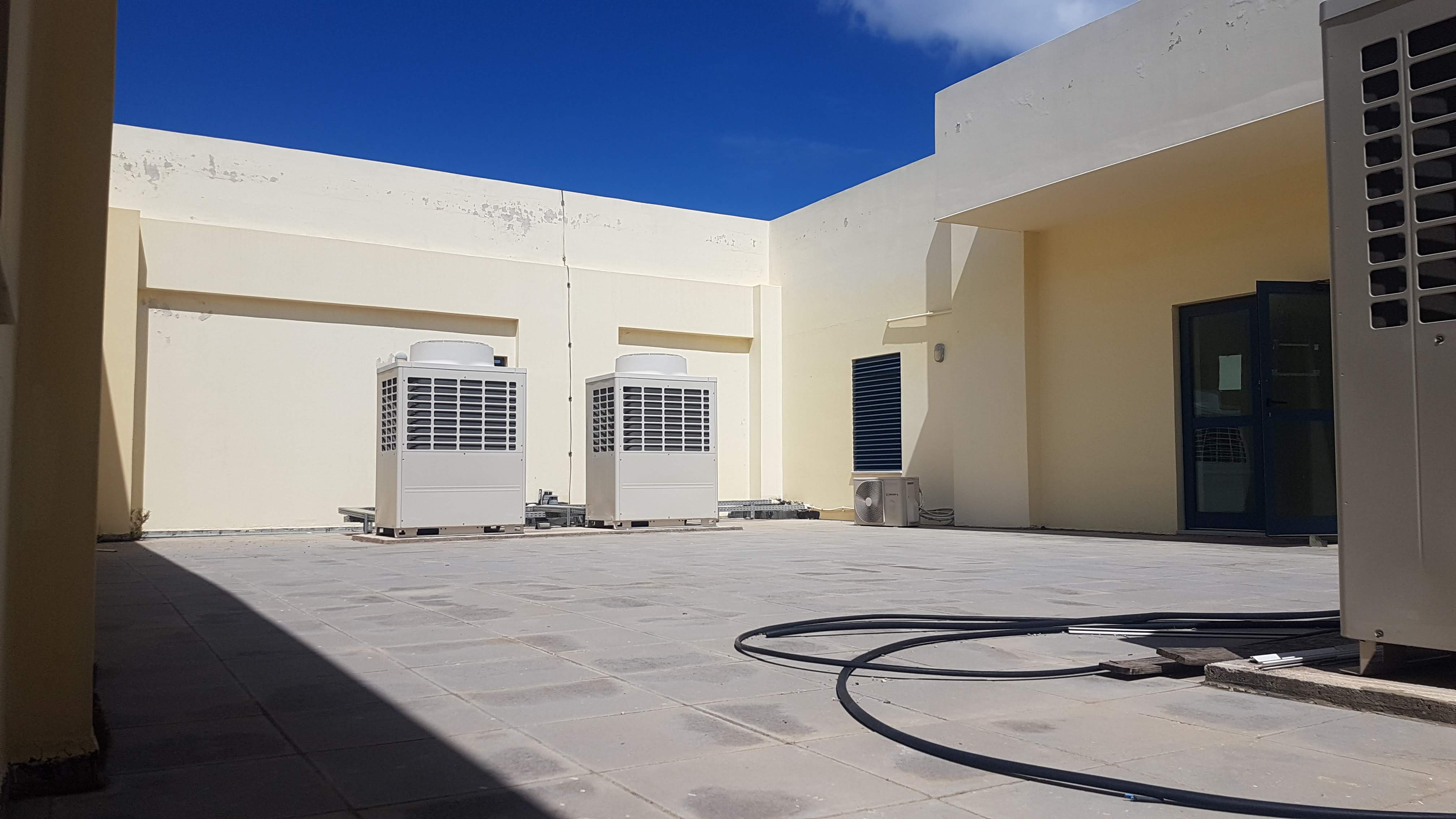
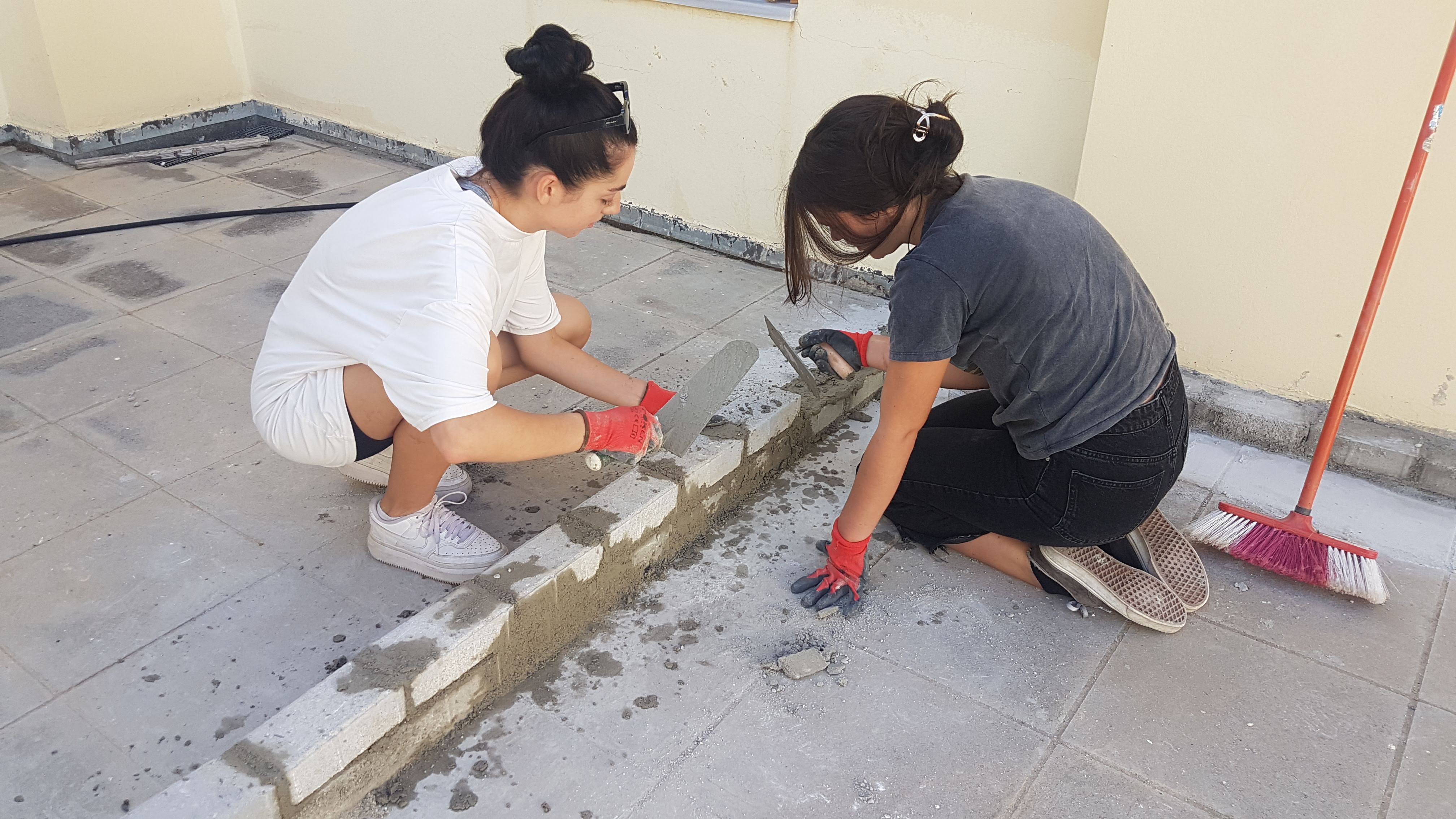
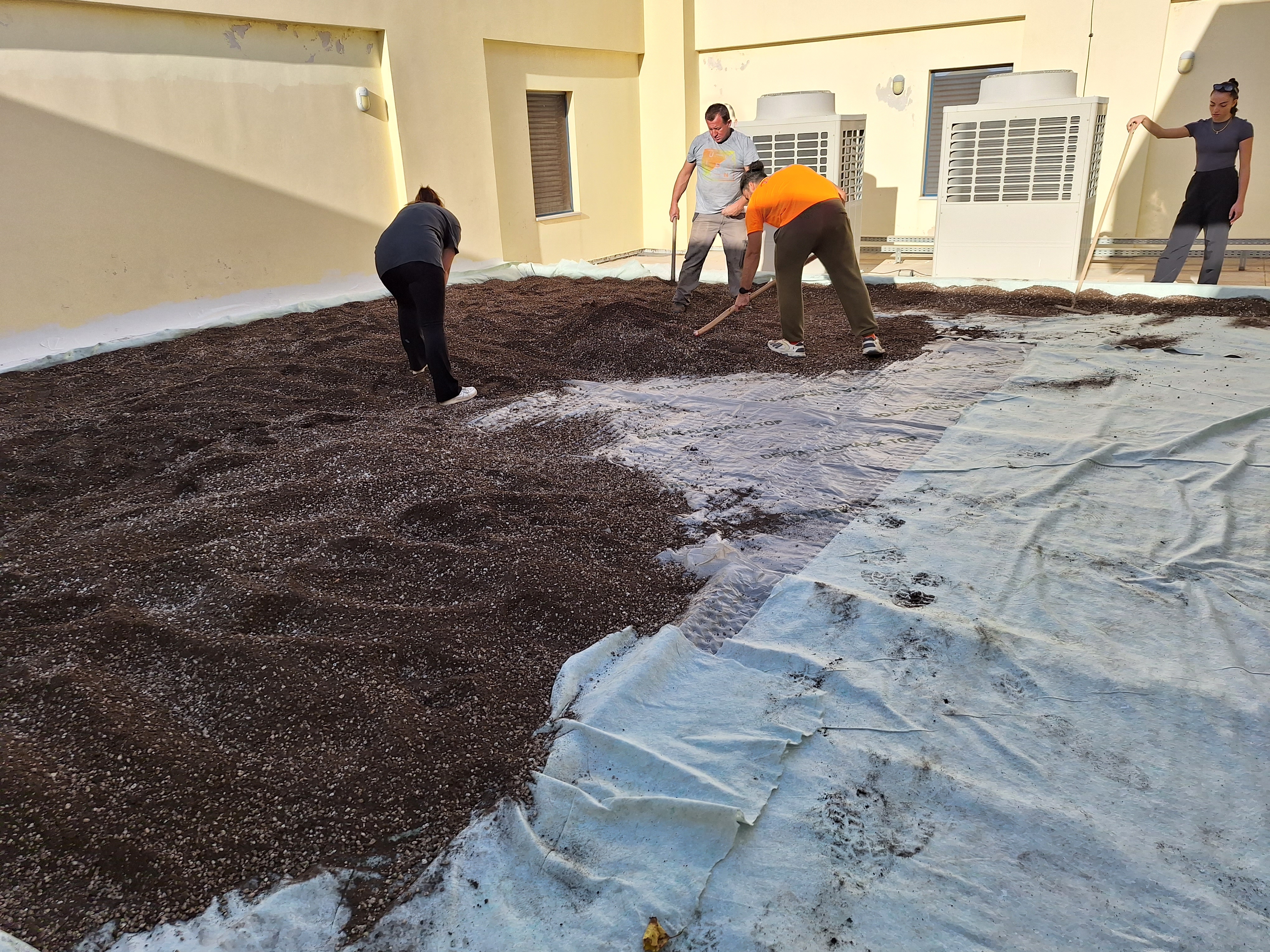
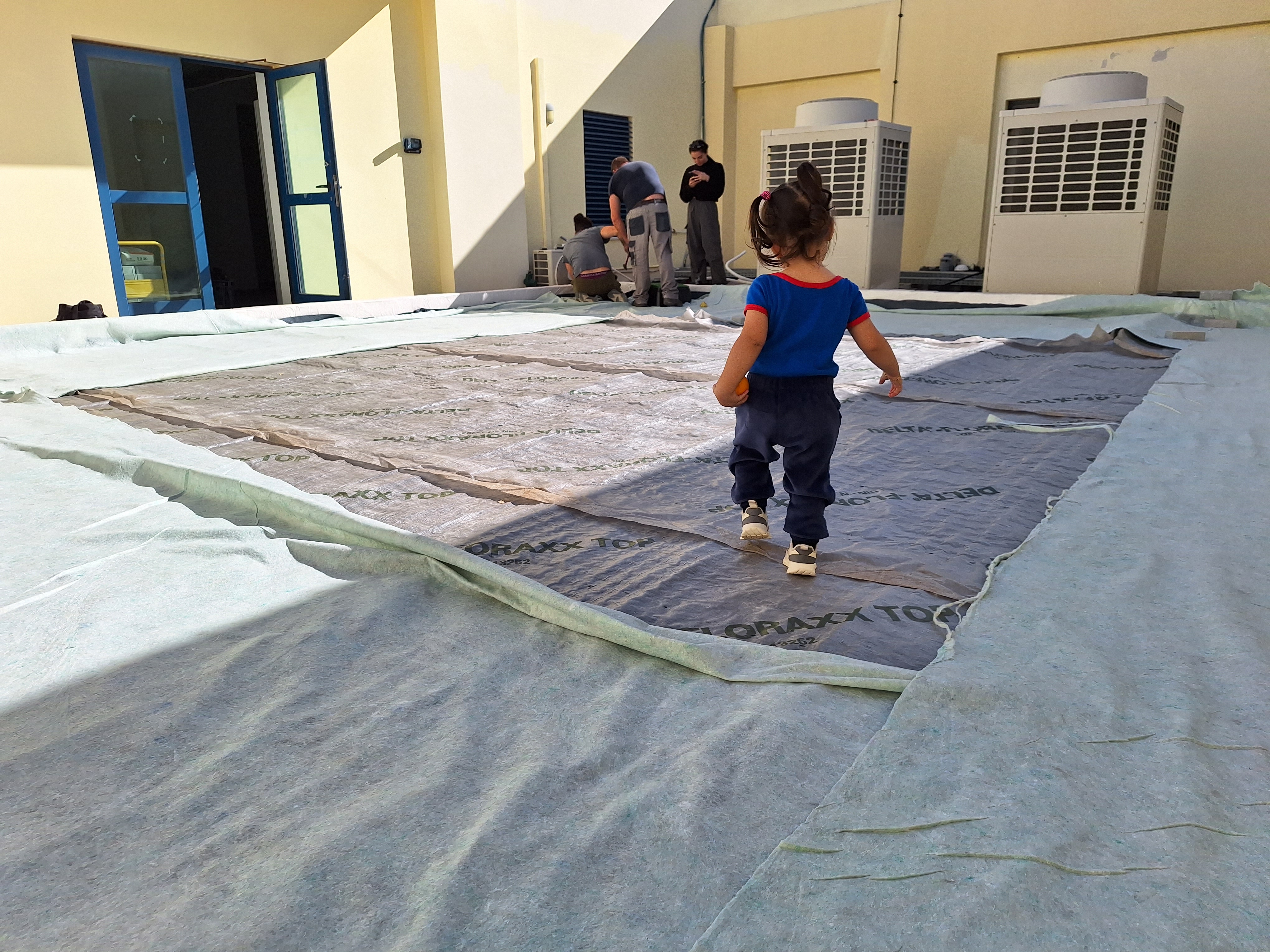
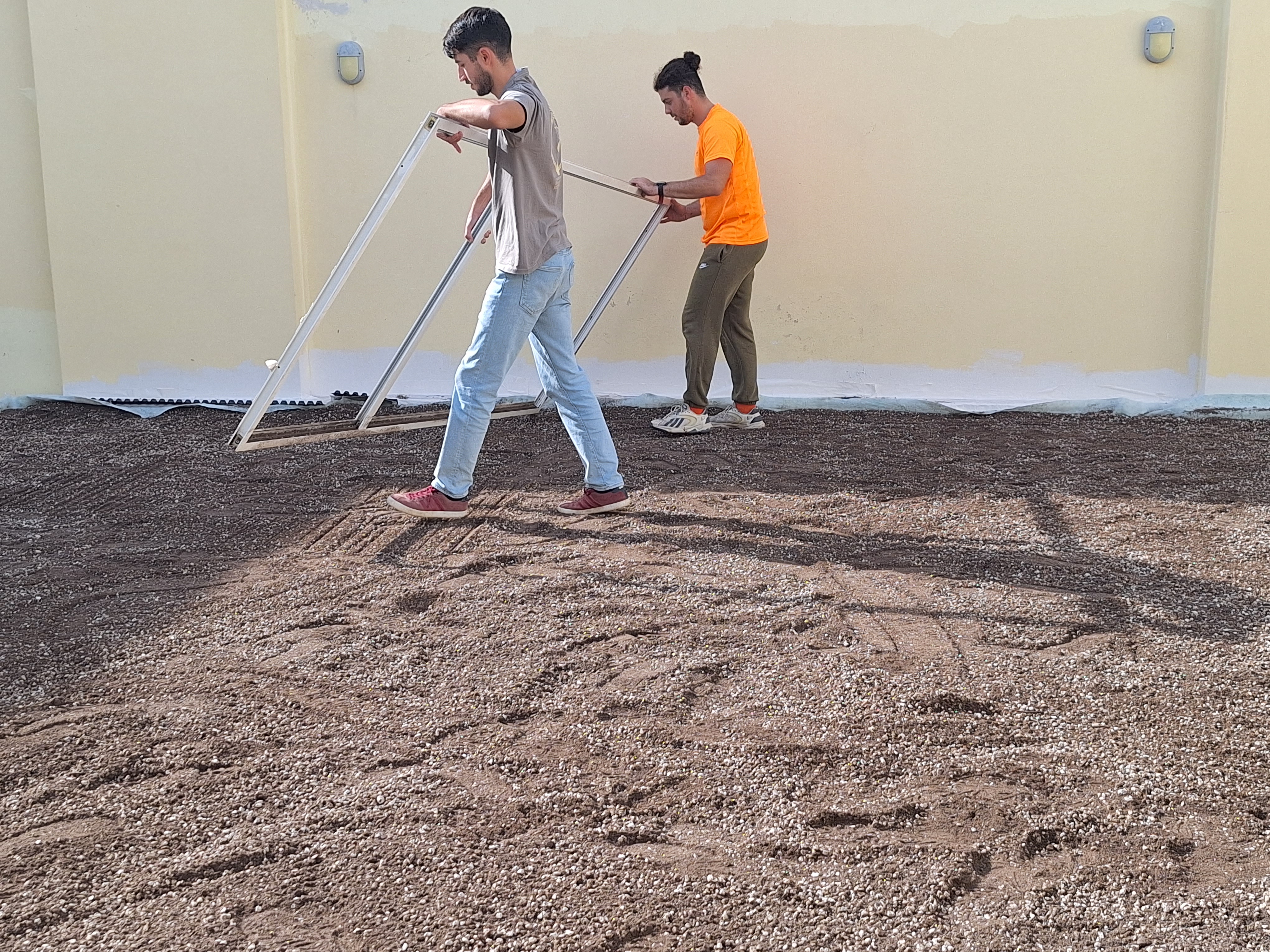
From its inception, the project has been characterized by a strong bottom-up approach. The design and construction were carried out by undergraduate students, PhD students, staff, who received a grant by the EUTeens4Green program. The idea is to demonstrate how green infrastructure can improve the urban environment, while providing ecosystem services. The project has successfully transformed an unused rooftop into a functioning green space and experimental platform with measurable environmental benefits. The project also increased awareness within the university community and beyond, acting as a demonstration site for nature-based solutions.
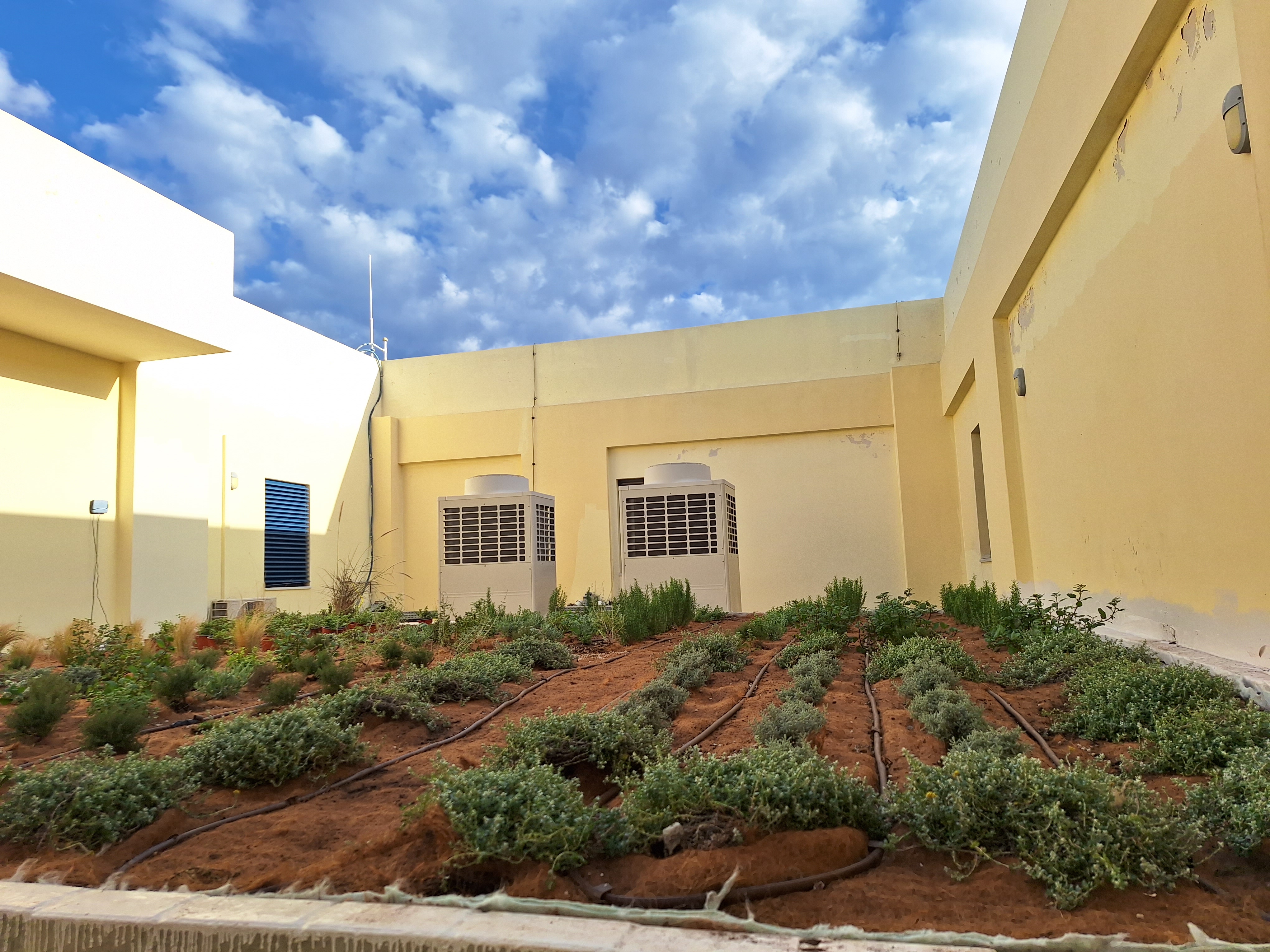
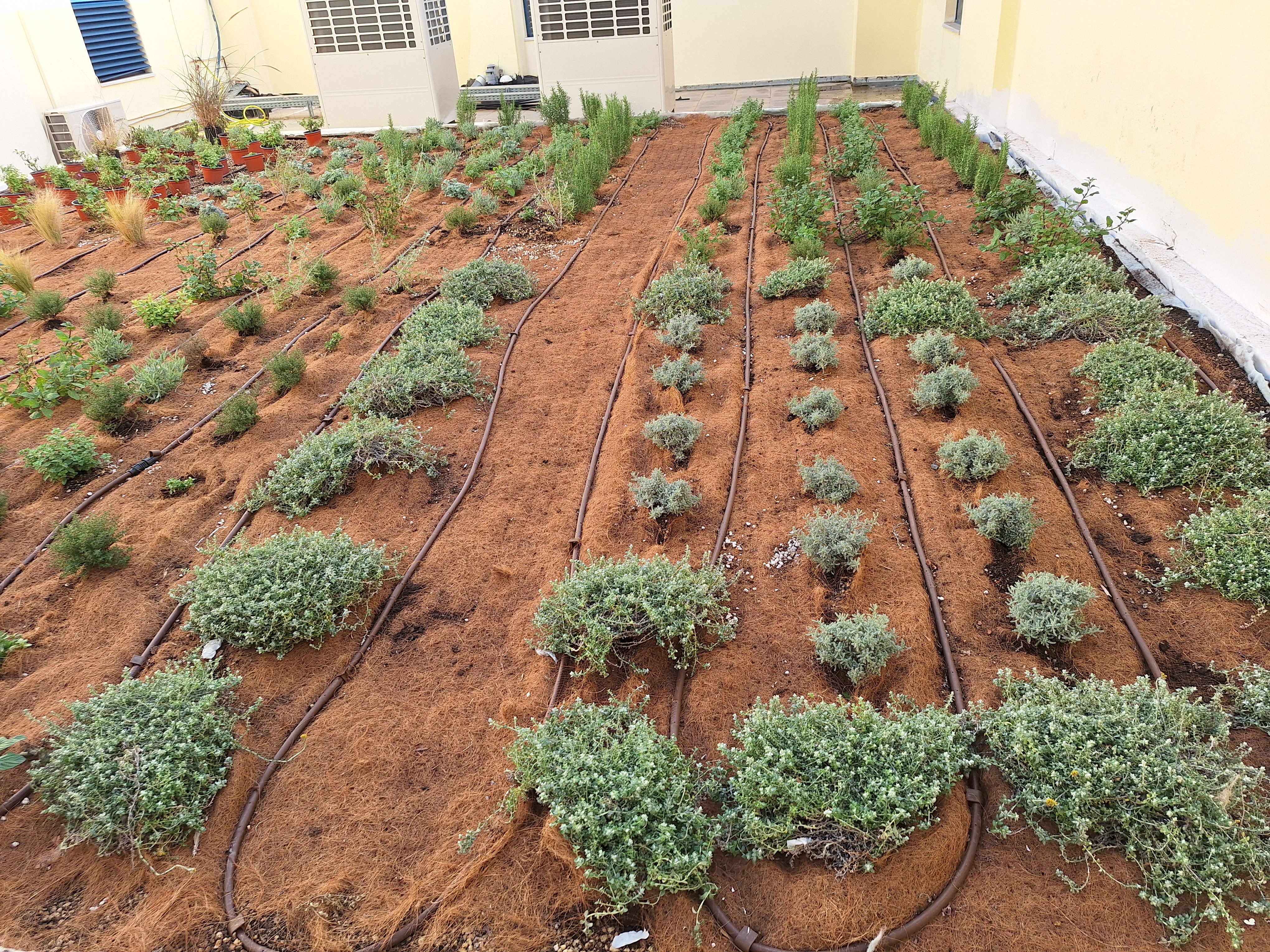
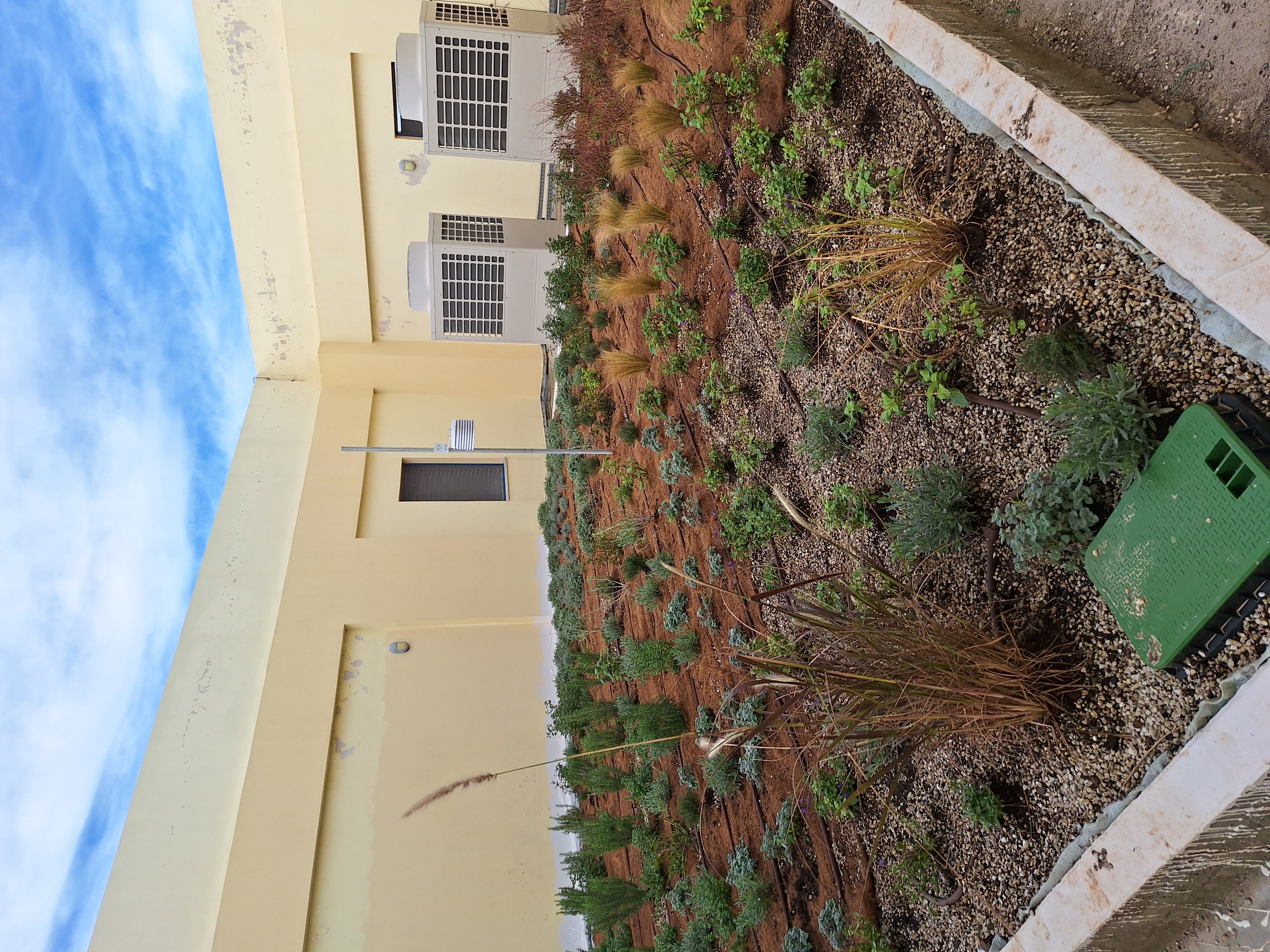
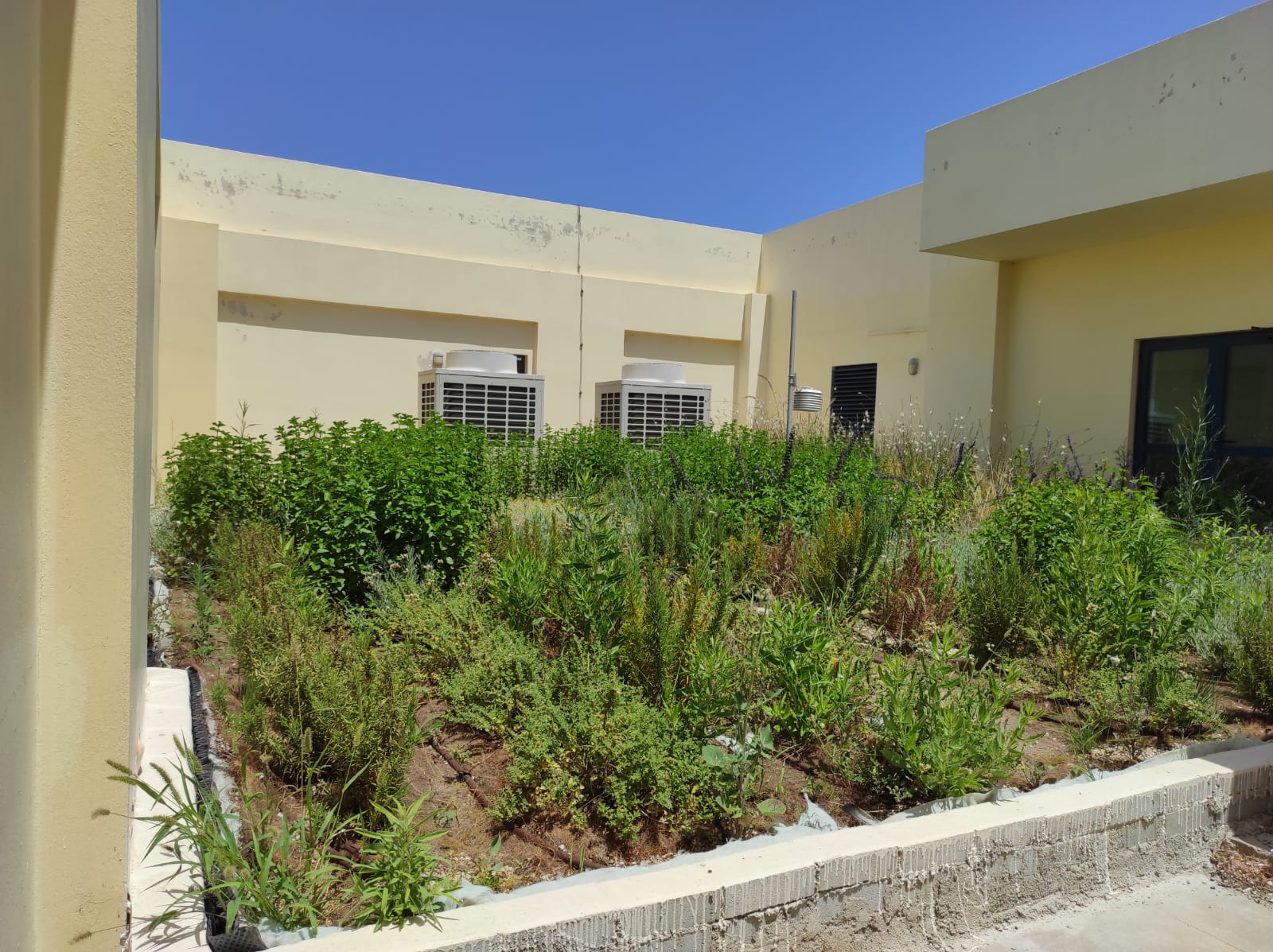
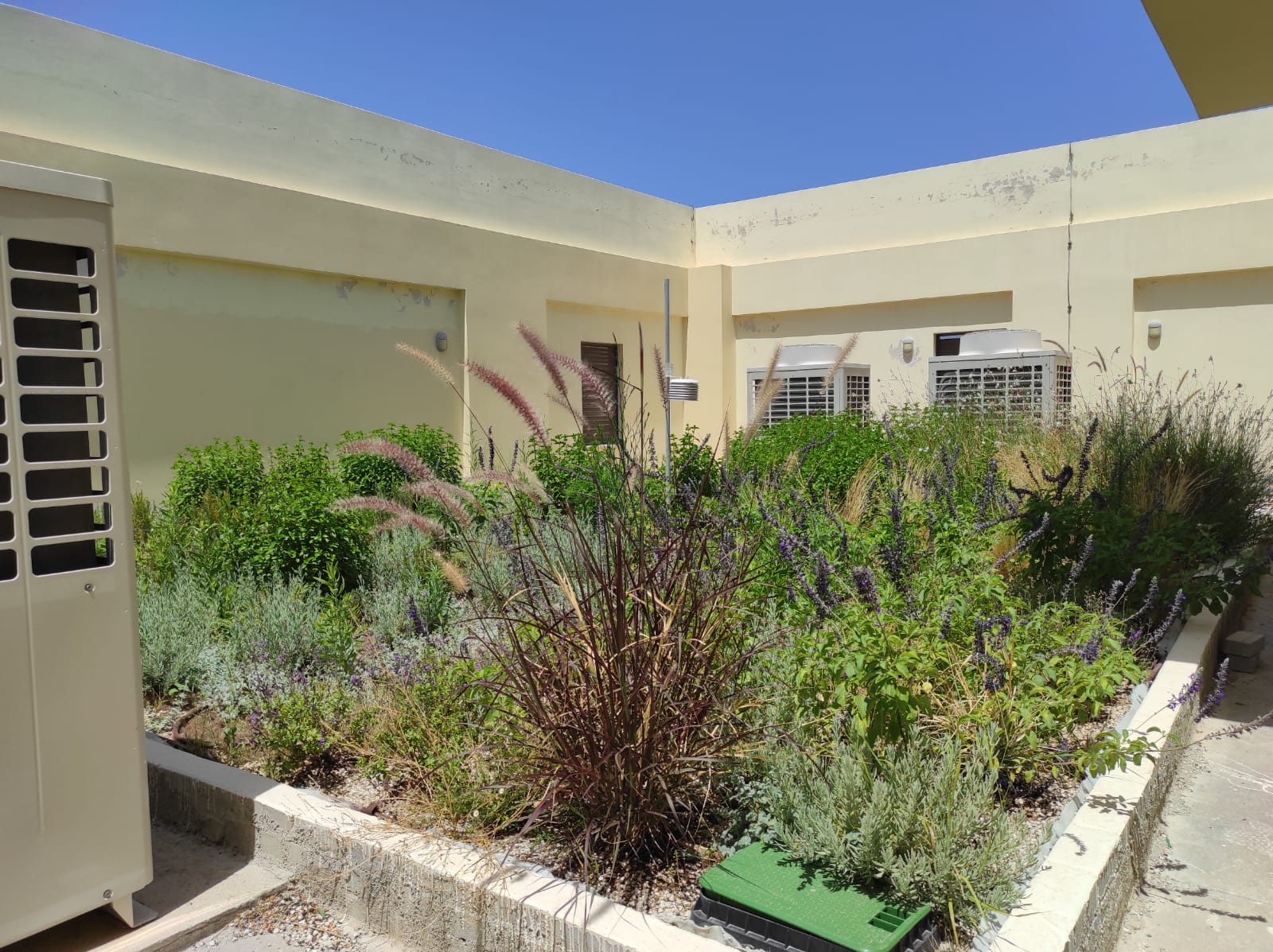
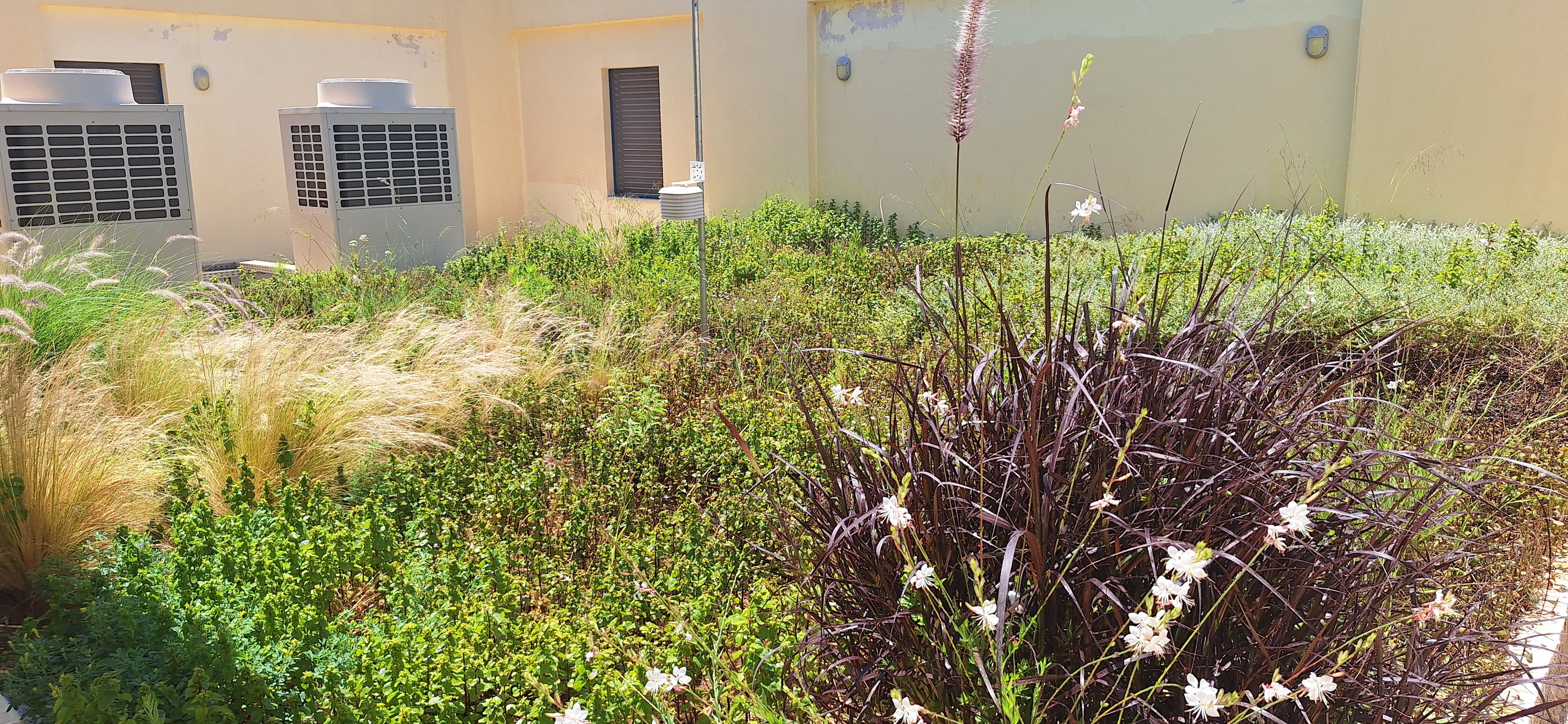
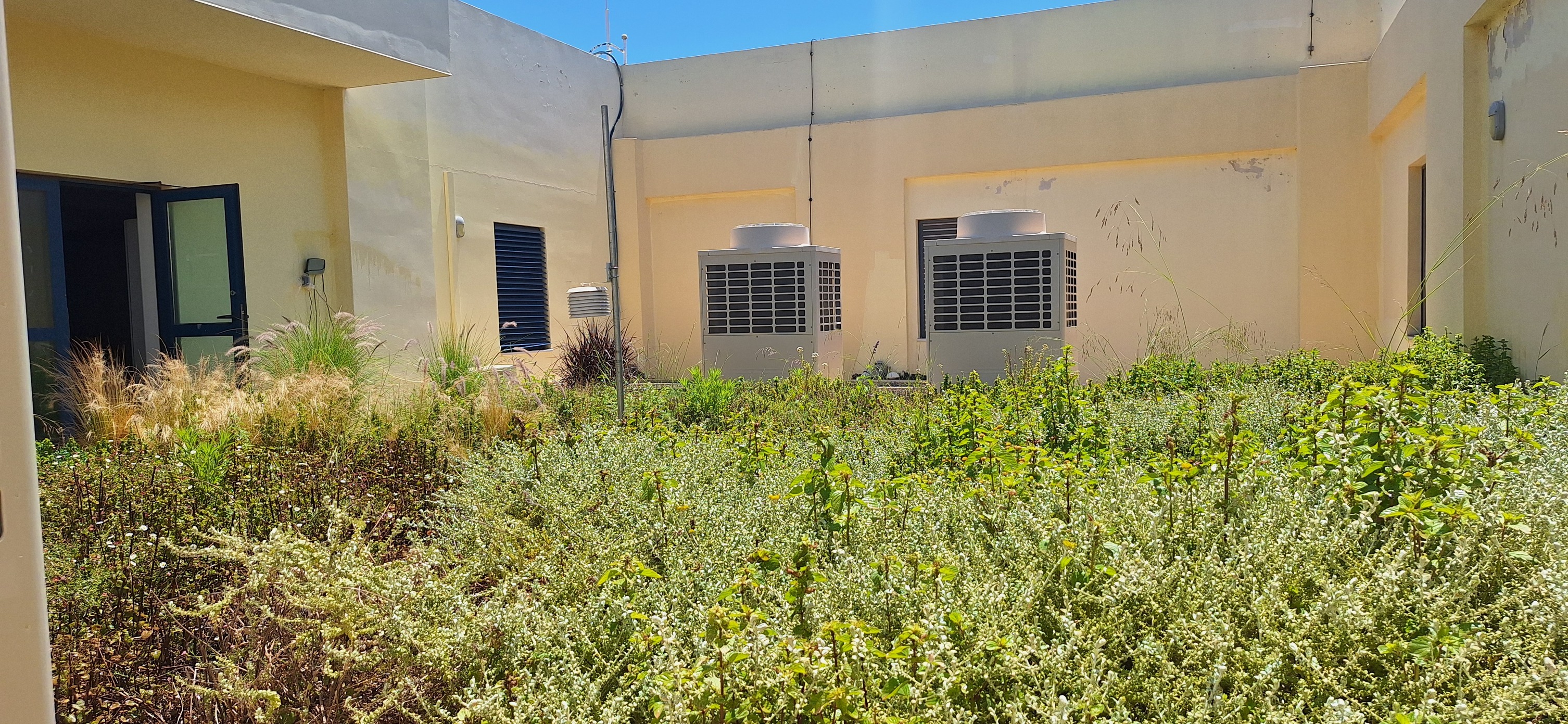
Today the green roof is used by the academic community as an ideal place to relax. The herbs of the cretan nature (basil, rosemary, sage, thyme, mint and other) are fully grown creating a unique wild nature outlook that enhances urban biodiversity. Initial monitoring indicates reduced surface temperatures, improved building thermal regulation and energy efficiency and enhanced microclimatic conditions. The green roof also operates as a living laboratory, supporting hands-on learning, student research projects, and interdisciplinary collaboration.
In the long term, the project is designed to generate continuous environmental data, supporting research on green roof performance under Mediterranean conditions. This evidence base is expected to inform policy, design standards, and wider adoption of green infrastructure in similar climatic regions. Beyond its physical footprint, the project’s most significant impact lies in its replicability and transformative potential, providing a scalable model for integrating low-cost, high-impact nature-based solutions into existing buildings.
Through this application and potential prize, we will able to replicate it across the University campus.
The project idea emerged after an event organized as European Climate Ambassador on the climate pact and the green transition that motivated our students towards taking action to demonstrate how nature-based solutions can be integrated into existing urban infrastructure to address climate change challenges and improve environmental performance.
The project was not simply conceived as an infrastructure intervention, but as a collective effort to demonstrate how young people can actively shape the transition toward more sustainable and climate-resilient cities. The idea originated from a core group of highly motivated undergraduate students who identified the university campus as a living opportunity to practically address pressing urban environmental challenges. Rather than remaining a theoretical exercise, the initiative evolved into a hands-on, participatory project, with students playing a central role in every stage: from concept development and design, to coordination, implementation, and ongoing monitoring.
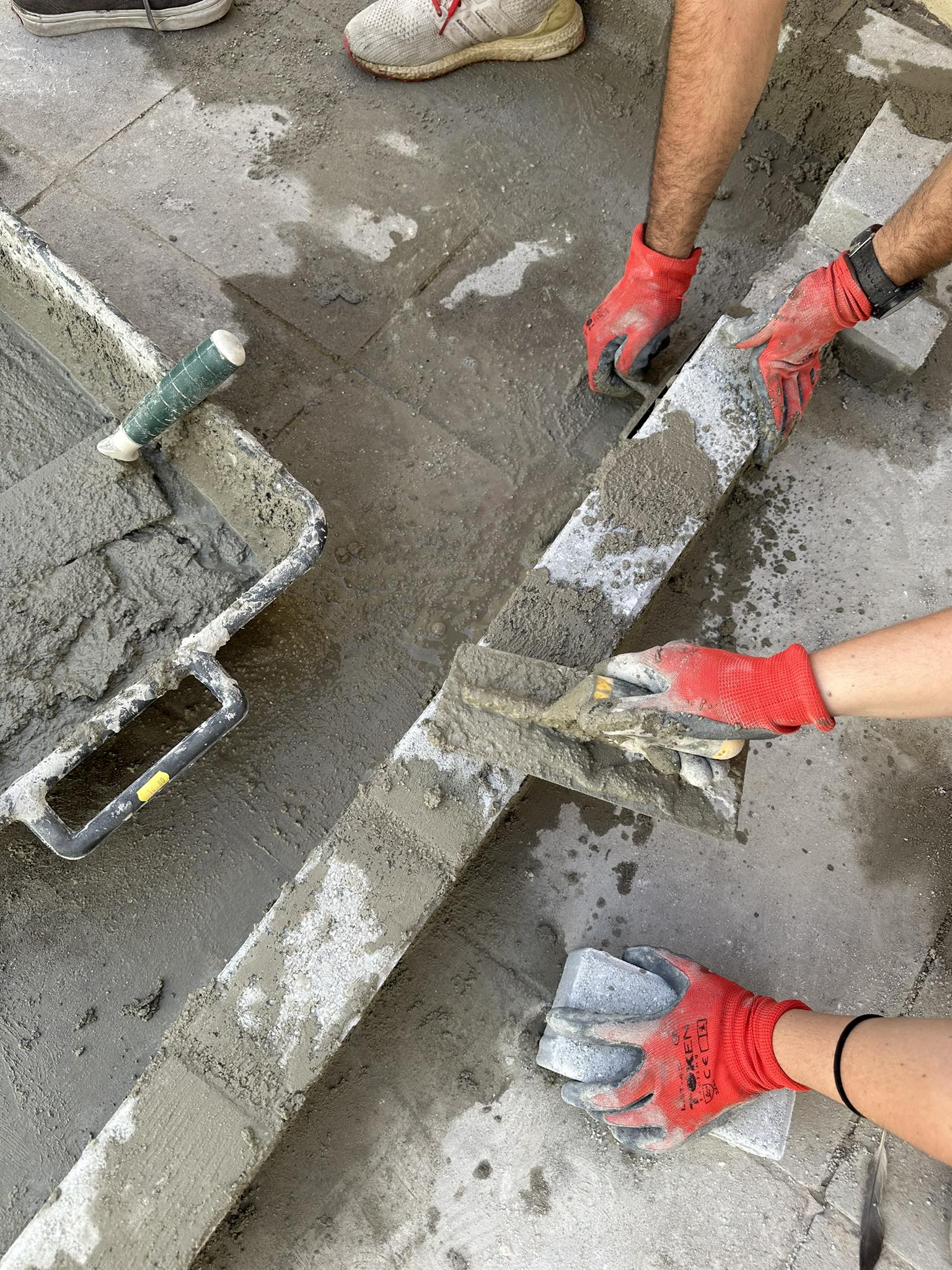
Implementation on the ground was carried out through a close collaboration between students, academic staff, researchers, and industry partners, ensuring both scientific rigor and technical feasibility. Students worked alongside experts from the Laboratory of Environmental Engineering and Management and a specialized green roof company, gaining direct, real-world experience in sustainable construction and environmental monitoring. This co-creation process fostered a strong sense of ownership and responsibility, transforming the project into a genuine learning-by-doing experience.
Crucially, the project functions as a living laboratory and an open educational platform, continuously generating data while engaging students, researchers, and the wider community. Overall, this project stands out as a bottom-up, community-driven model of green infrastructure implementation, where students are not passive learners but active agents of change.
Nature-based urban regeneration
Co-creation & youth empowerment
Accessible & replicable green design
Climate adaptation & urban resilience
Living lab for green transition
The green roof at the Technical University of Crete addresses sustainability in an integrated manner, responding to environmental, social, and economic challenges through a single nature-based intervention.
Environmentally, it contributes to climate adaptation by reducing rooftop temperatures and improving building thermal performance, thereby lowering cooling needs in Mediterranean conditions. It supports stormwater retention and enhances urban biodiversity through drought-resistant, locally adapted vegetation. The project also generates real-time monitoring data, strengthening the evidence base for green roof performance in Southern Europe.
Socially, the project is a student-led, community-driven initiative that promotes active participation and capacity building. It is a student-led, community-driven initiative that transforms learners into practitioners. Students were directly involved in design, construction, and monitoring, gaining practical skills while fostering environmental awareness. The roof functions as an open living lab, open educational and demonstration space extending its educational and societal value to the wider university community.
Economically, it demonstrates a cost-effective and scalable retrofit solution using lightweight systems and low-maintenance vegetation. By showcasing a feasible model within a public university setting, it lowers barriers for replication in similar institutions and urban contexts.
The project is exemplary because it integrates multiple dimensions of sustainability, combines practical implementation with continuous monitoring, and empowers students as active contributors to the green transition. It delivers measurable environmental benefits while creating long-term educational and societal impact, and operates as a catalyst for systemic change, demonstrating how small-scale, community-driven interventions can deliver long-term, scalable sustainability impacts aligned with the New European Bauhaus vision.
The green roof at the Technical University of Crete transforms a previously unused rooftop into a visually rich, living landscape, improving the everyday experience of the campus. The design incorporates Mediterranean, drought-resistant vegetation, creating seasonal variation in color, texture, and form. This introduces a dynamic natural element into an otherwise technical setting, offering a calming and restorative environment in a hot, urban context.
The project fosters a strong sense of belonging and care through its student-led implementation. Undergraduate students were directly involved in the design, installation, and ongoing monitoring of the roof. This hands-on engagement creates a lasting connection to the space, which is perceived not as infrastructure but as a shared achievement. The roof now functions as a meeting point, demonstration site, and educational space, strengthening community identity within the university.
Aesthetically, the project is exemplary because it integrates ecological function with visual clarity. The layered system - vegetation, substrate, and lightweight construction - is not hidden but expressed through the design, making ecological processes visible. The use of locally adapted plant species ensures harmony with the Cretan landscape, reinforcing a sense of place and cultural continuity.
At the same time, the project demonstrates that beauty can be achieved through simplicity and sustainability. Its low-cost, modular design and minimal maintenance requirements make it easily replicable, showing how neglected urban surfaces can be transformed into attractive, meaningful spaces.
Overall, the project enhances daily life, builds community ownership, and delivers an aesthetic that is grounded in nature, place, and participation, fully aligned with the New European Bauhaus vision.
The green roof project promotes inclusion through accessibility, affordability, and participatory governance, demonstrating how nature-based solutions can be implemented in an open and equitable way.
In terms of accessibility, the project is embedded within a public university campus and functions as an open, shared learning space. It is used for teaching, student projects, guided visits, ensuring that knowledge and experience are not limited but are accessible to a broad academic and local community. The design prioritizes simplicity and clarity, making the system understandable and approachable even for non-experts.
Affordability is addressed through the use of low-cost, lightweight materials and drought-resistant vegetation, minimizing installation and maintenance requirements. This makes the solution feasible for wider application in public buildings and urban environments with limited resources, lowering barriers to adoption and supporting a more equitable green transition.
A key strength lies in its inclusive governance model. It was initiated and driven by students, who actively participated in decision-making, design, and implementation. This bottom-up approach challenges traditional top-down infrastructure development and introduces a co-creation model, where users become contributors. It empowers young people as active stakeholders in sustainability, fostering ownership, responsibility, and long-term engagement.
The project reflects design-for-all principles by creating a multifunctional space that serves educational, environmental, social purposes without requiring specialized or high technical expertise.
The project is exemplary in terms of inclusion because it combines open access, low-cost implementation, and participatory processes into a coherent model. It demonstrates that sustainable infrastructure can be not only environmentally effective but also socially inclusive, empowering diverse groups to engage in and benefit from the green transition
The green roof project was developed through a strong participatory, bottom-up process, actively involving students, academic staff, researchers, and external partners throughout all phases.
Undergraduate students were the core drivers, identifying the opportunity, shaping the concept, and contributing directly to design and implementation. Their involvement went beyond consultation: they participated in technical decisions, coordinated activities, and engaged in the physical installation. This hands-on role positioned them as co-creators rather than passive beneficiaries.
Academic staff provided scientific guidance and ensured methodological rigor, while also facilitating an open environment for student-led innovation. Collaboration with an industry partner enabled knowledge exchange and ensured that the solution was technically robust and applicable in real-world.
The project also engages the wider university community and visitors through its role as a living lab and demonstration site, supporting educational activities, research projects, and outreach. This expands participation beyond the initial project team, creating ongoing opportunities for interaction and learning.
The impact of this participatory approach fosters a strong sense of ownership, responsibility, and collective achievement, increasing long-term commitment to the maintenance and evolution. It also enhanced skills development, equipping students with practical experience in sustainability, teamwork, and problem-solving.
The project further demonstrates a replicable model of inclusive co-creation, where diverse stakeholders contribute according to their expertise while sharing a common goal. This approach not only improves the quality and relevance of the intervention, but also strengthens its social acceptance and long-term sustainability.
Overall, participation is not an add-on but a defining feature of the project, transforming it into a community-driven innovation with lasting impact
The project was implemented through coordinated engagement across multiple governance levels, ensuring local relevance and European alignment.
At the local level, the university served as the main host and implementation environment. Undergrad students, academic staff, and researchers were directly involved in the design, construction, and monitoring. This level ensured context-specific solutions, tailored to the campus infrastructure and Mediterranean climate. An industry partner contributed technical expertise, supporting practical implementation and knowledge transfer.
At the regional level, the project contributes to broader sustainability priorities in Crete, including climate adaptation, water management, and urban resilience. As a demo site, it supports regional awareness and provides a reference model for similar interventions in public buildings and urban areas.
At the national and EU levels, the project was enabled through the EUTeens4Green program, which supports youth-led actions contributing to the EU Green Deal. This provided not only funding, but also a strategic framework, aligning the project with EU priorities such as climate neutrality, circularity, and social inclusion.
The added value of this multilevel engagement is substantial. Local actors ensured ownership, feasibility, and long-term maintenance, while EU support enabled innovation, credibility, and scalability. The project bridges policy and practice by translating high-level sustainability goals into a tangible, operational solution.
Furthermore, this structure enhances replicability and transferability, as the project simultaneously responds to local needs and European objectives. It demonstrates how small-scale, community-driven initiatives can effectively contribute to broader policy agendas.
Overall, the project exemplifies how multilevel governance can accelerate the green transition, by combining bottom-up action with top-down support in a coherent and mutually reinforcing way.
The green roof project was developed through a transdisciplinary collaboration that brought together stakeholders from different academic fields, professional sectors, and governance levels.
At the core, students from engineering backgrounds worked alongside academic staff and researchers, integrating knowledge on climate adaptation, building performance, and ecosystem design. This was complemented by the involvement of an industry partner, who contributed practical expertise in green roofs and materials, ensuring technical feasibility and real-world applicability.
Beyond the university, the project aligns with regional and EU sustainability priorities, particularly through its implementation under the JUSTROOF initiative (EUTeens4Green programme). This connection situates the project within broader policy frameworks, linking local experimentation with EU-level goals such as climate resilience and nature-based solutions.
Stakeholders were not engaged sequentially but co-created the project throughout all stages,from concept design to installation and monitoring. This iterative process enabled continuous knowledge exchange between disciplines and sectors, bridging the gap between theory and practice.
The added value of this approach lies in its ability to generate integrated, robust, and innovative solutions. Scientific knowledge ensured environmental performance, while industry input guaranteed constructability and scalability. Student participation introduced creativity and societal relevance, strengthening the project’s impact.
The project demonstrates how transdisciplinary collaboration can produce outcomes that are technically sound, socially meaningful, and policy-relevant. It serves as a replicable model for combining education, research, and practice in the implementation of nature-based solutions.
Overall, the project exemplifies how crossing disciplinary and sectoral boundaries enhances both the quality and impact of sustainable interventions.
The project follows a hybrid, low-cost and non-profit-oriented business model, combining initial public funding with long-term institutional integration and indirect value generation.
The initial investment was secured through the EUTeens4Green program that enabled the project realization without requiring large upfront capital from the university. Complementary budget by the Laboratory of Environmental Engineering & Management secured the installation and the continuous monitoring of the roof performance.
Long-term financial sustainability is ensured through low-cost operation and maintenance. The system uses lightweight construction and drought-resistant Mediterranean vegetation, minimizing irrigation, energy use, and upkeep requirements. Maintenance is embedded into educational and research tasks, eliminating the need for external service costs.
The project does not rely on direct revenue generation but creates indirect economic value, contributing to energy savings by improving building thermal performance, reducing cooling demand. It functions as a living laboratory, supporting student theses, research projects, and potential future funding applications, attracting additional resources.
The green roof acts as a demonstration and knowledge-transfer platform, opening opportunities for collaboration with industry partners, consultancy activities, and replication projects, strengthening its potential to leverage future research grants and innovation funding.
Importantly, the project’s replicability and affordability are central to its model. By demonstrating a cost-effective solution within a public university, it lowers financial barriers for adoption by other institutions and municipalities.
Thus, financial sustainability is achieved through a combination of initial public investment, minimal lifecycle costs, integration into core university functions, and long-term indirect economic and societal benefits, rather than reliance on continuous external funding
The green roof at the Technical University of Crete has been designed as a highly replicable and transferable model, with several elements that can be adapted to different contexts, locations, and user groups.
First, the technical solution - a lightweight green roof system with drought-resistant Mediterranean vegetation - is directly transferable to buildings with structural constraints and limited water availability. Its low maintenance requirements and modular design make it suitable for schools, public buildings, and residential structures, particularly in warm climates.
Second, the methodological approach is a key replicable element. The project follows a co-creation model, involving students, academia, and industry from concept to implementation. This participatory process can be applied in other institutions to foster ownership, reduce costs, and enhance social acceptance.
Third, the project’s role as a living laboratory is highly scalable. The integration of monitoring systems and its use for education and research can be replicated to generate local data, support student engagement, and inform evidence-based decision-making in other regions.
Fourth, the project provides practical guidelines and lessons learned on design, installation, and operation under Mediterranean conditions. This knowledge can be transferred to municipalities, universities, and practitioners seeking to implement similar nature-based solutions.
Finally, the project demonstrates a low-cost implementation pathway, combining public funding with institutional support and educational integration. This financial model can be adapted to different funding schemes, including EU programmes, local initiatives, or public-private partnerships.
Overall, the project’s strength lies in combining simple technology, participatory processes, and knowledge generation, making it easily adaptable and scalable across diverse urban and institutional settings.