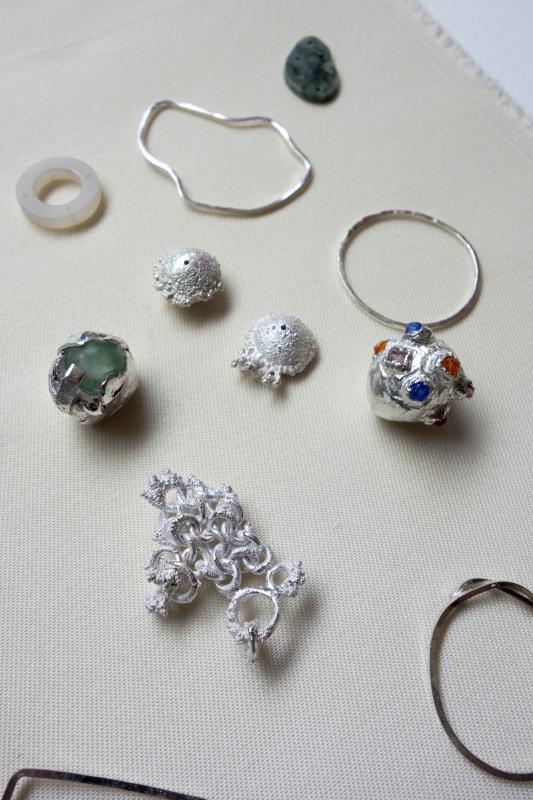
Inspired by the Japanese kintsugi technique, (W)HOLE celebrates decay by transforming wear and tear into something valuable. This approach emerged from a transdisciplinary dialogue between textile designer Anneleen Bertels and goldsmith Lindsey Fontijn, where craftsmanship meets innovation. Each "textile surgery" focuses on jewelry beads, blending fragile fabric with durable precious metals, shifting the purpose of gold embroidery as luxury to a precious tool.
Prizes: All applications
Filter by
Applications (669)
Showing results 111 to 120
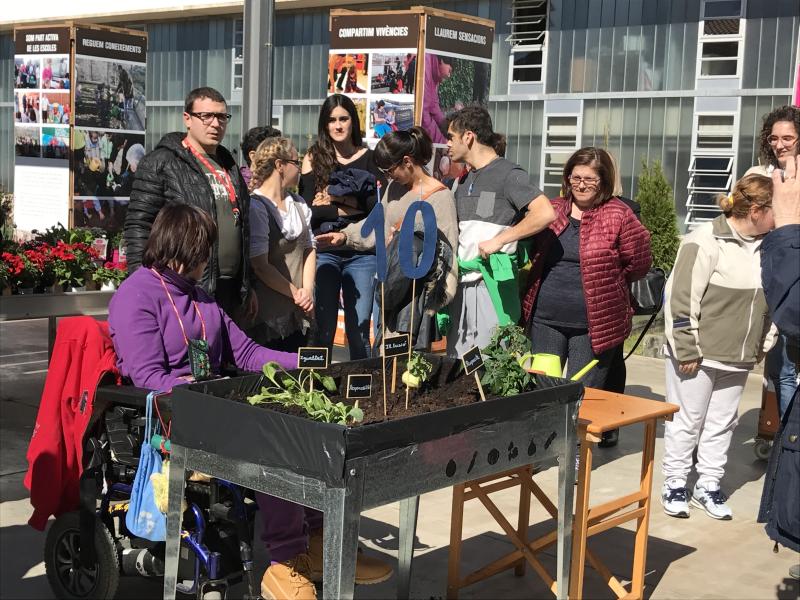
CEF transforms school gardens into living classrooms where children learn sustainability, healthy eating, respect for nature, and appreciation of diversity. Young people with intellectual disabilities lead activities as garden educators, while teachers and families engage in decisions and project development. The initiative promotes youth leadership, social inclusion, and community cohesion through a replicable model of experiential environmental education.
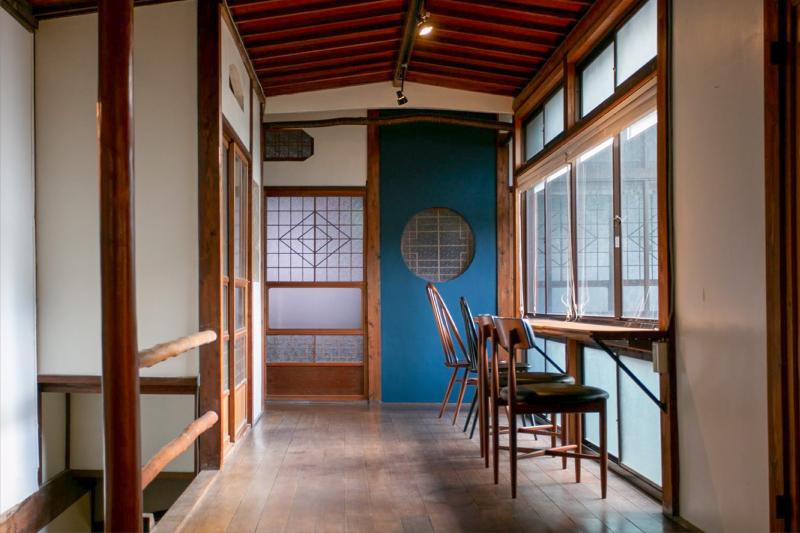
Mojiko, once a flourishing trading port alongside Yokohama and Kobe in Japan, is now rapidly shrinking, with an increasing aging population and vacant houses. Over seven years, Porto LLC have renovated 50+ historic buildings with an inclusive employment and community finance, raising JPY50M without public subsidies. This led to more than 100 new residents and 10,000 “related population” supporting the district through investment and visits, generating 100+ grassroots projects in 2025.
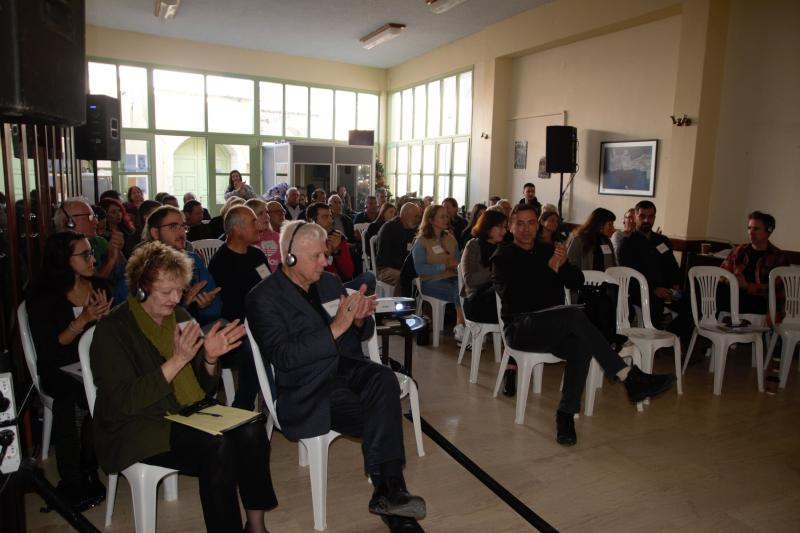
This is the story of a traditional Cretan village reclaiming its future. The project centered on a 2024 conference that brought together farmers, lace-makers, local shop owners, expats and local leaders to debate the village's survival alongside visiting experts. By listening to those who know the place best, the project transformed an aging settlement into a living laboratory for rural regeneration, resulting in a community-led 20-year strategy to keep the village active and working year-round.
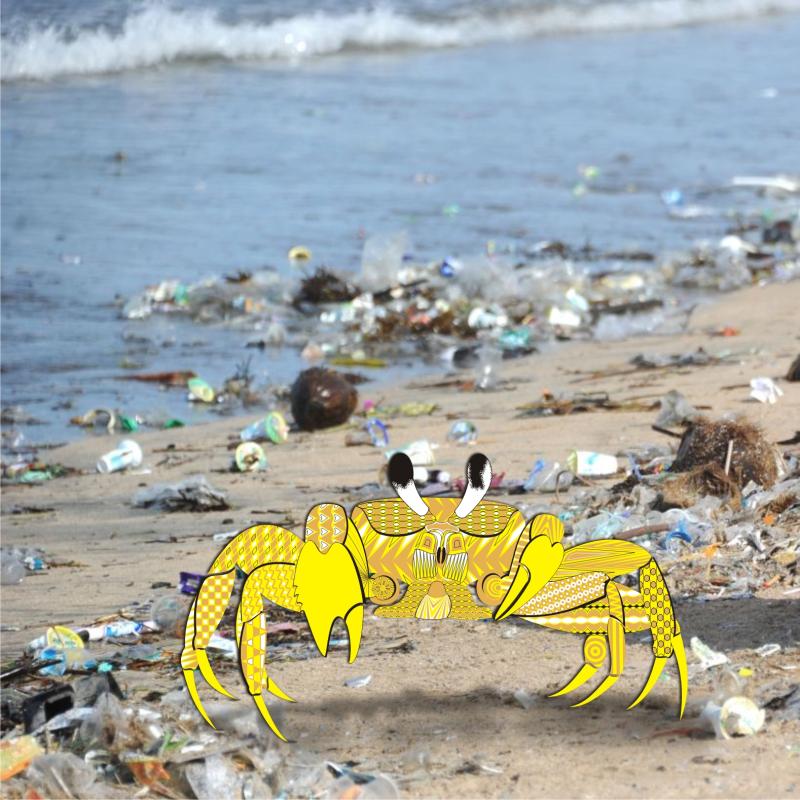
Is an artistic and educational project that transforms the environmental crisis of waste into visual storytelling. Combining Surface Design, Brazilian cultural semiotics and Artificial Intelligence, the project creates artworks inspired by marine biodiversity impacted by pollution. Through participatory workshops, communities explore cultural symbols and visual creation, promoting environmental awareness, cultural identity and innovative creative practices.
EventsLBI is a community-driven digital platform created to support small cultural and grassroots organisations in Ireland. The platform helps communities promote cultural, educational and social events, workshops and seminars, making them more visible and accessible. By connecting diverse communities and encouraging participation in cultural and educational activities, EventsLBI strengthens social inclusion, intercultural dialogue and community engagement across Ireland.
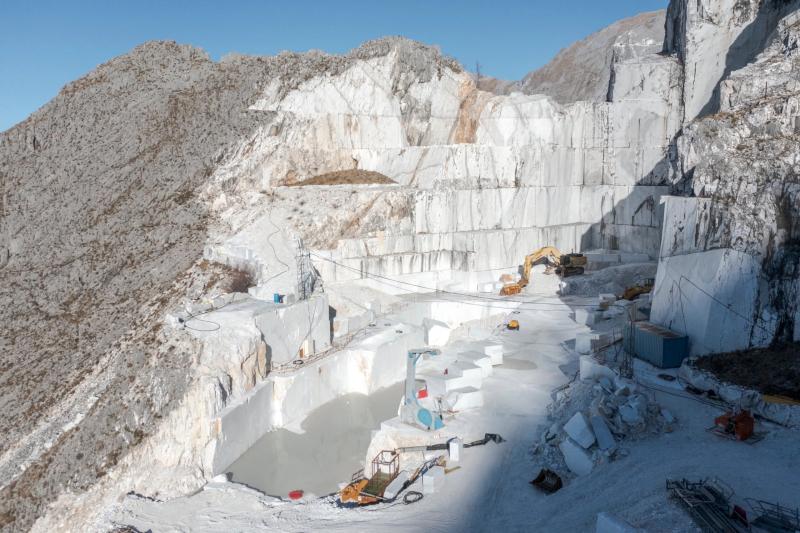
AERIAL offers a biotech solution to recycle "marmettola", a major waste byproduct from stone extraction, a particularly problematic material in Italy, particularly in the Carrara district. The project implements a transdisciplinar approach and uses a low-energy biofabrication process driven by photosynthetic microorganisms. The ultimate goal is to transform this marble waste into four innovative, sustainable products and semi-finished products for the green building and interior design sectors.
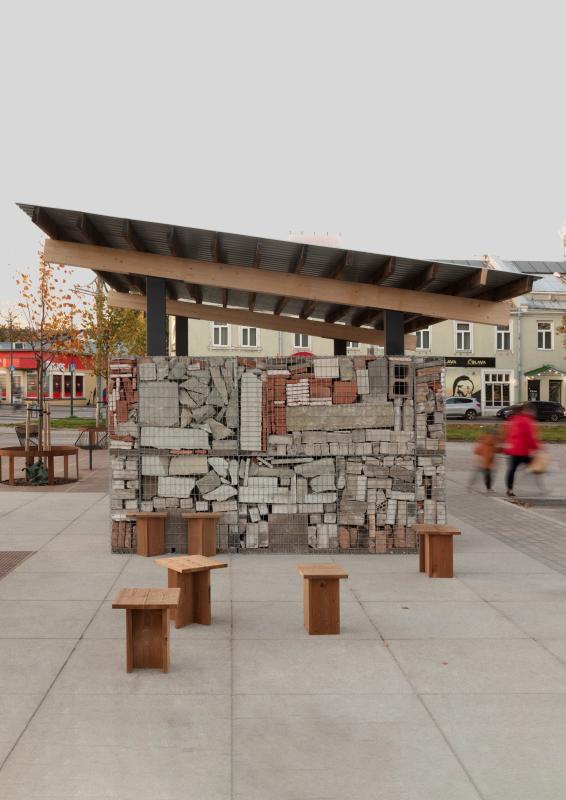
No Time to Waste is a temporary pavilion for the Tallinn Architecture Biennale, responding to the theme “Resources for the Future”. Built almost entirely from repurposed construction waste, the installation creates covered and breathable spaces that offer shelter for bus stops on Tallinn's central station square. By turning discarded materials into innovative structures, the project highlights waste as valuable and unexpected resources and sparks dialogue on sustainable design and public space.
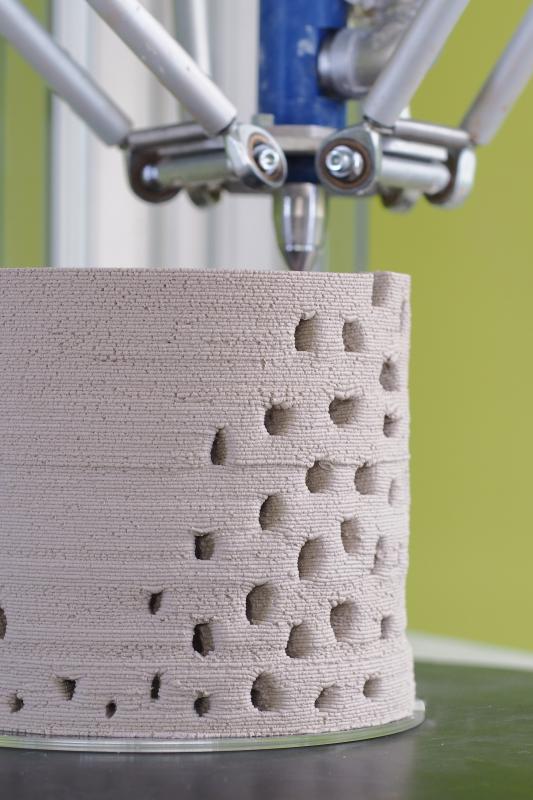
Fired ceramic waste is difficult to recycle and often ends up in landfills. This project explores a novel upcycling approach combining digital fabrication and fungal growth. A thin “mycelial skin” forms across clay structures, reinforcing the material while creating living textures. The resulting clay–mycelium composite suggests a circular material for architecture and interior spaces.
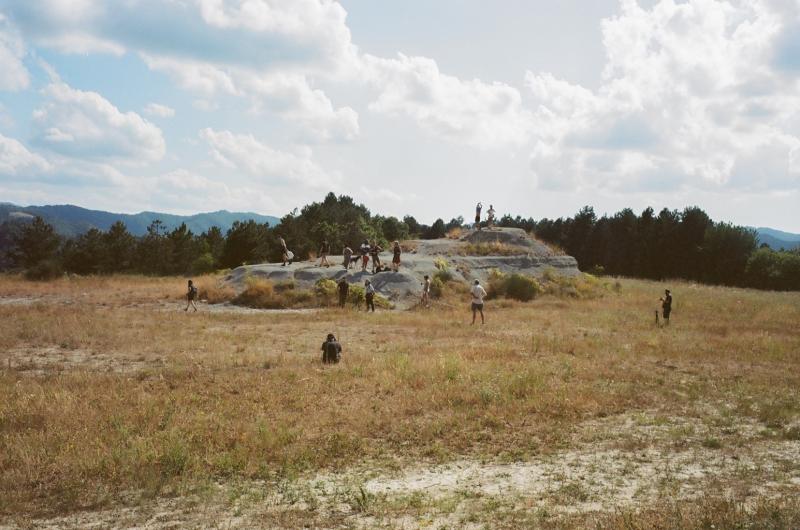
Habitat is a cult(r)ural settlement in the mountains of Tredozio, in the Northern Apennines. Founded in 2021, it operates as a residency program, production space and public platform connecting local communities with international cultural practices. Through residencies, workshops and public programs, Habitat activates underused spaces and fosters new forms of collective living in inland areas. Its approach combines cultural production, social engagement and low-impact practices.