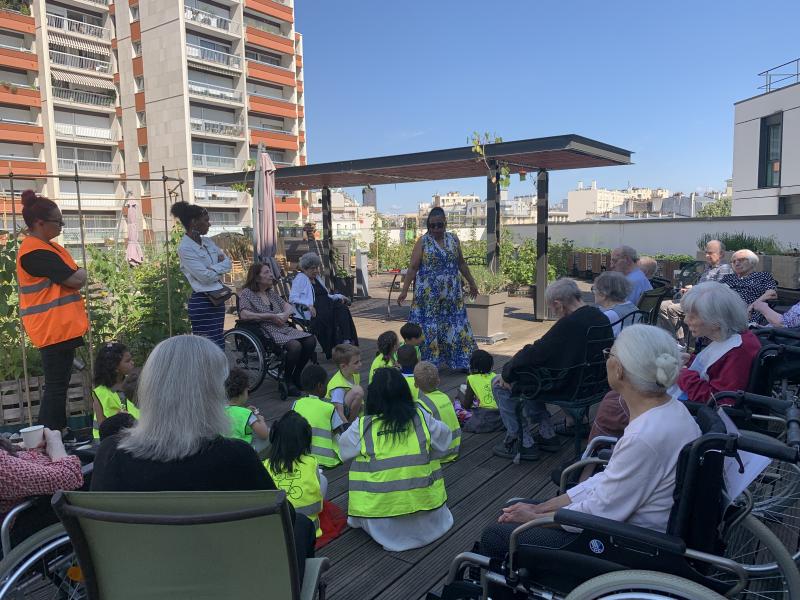
The Gardens4Good project brings together European citizens to co-create and co- steward rooftop gardens for positive social impact. We leverage previously unused spaces to create gardens on the roofs of buildings housing fragile populations, such as Alzheimer retirement homes & social apartments, providing the residents with intergenerational educational activities that lead to a sense of purpose, creativity & ,inclusion, as well as increased consumption of healthy, locally-produced foods.
Prizes: All applications
Filter by
Applications (669)
Showing results 121 to 130
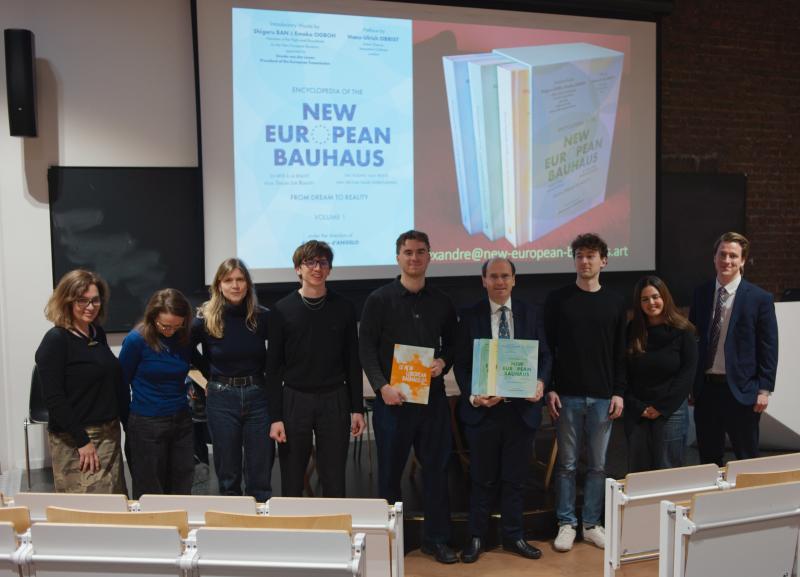
Documenting the NEB and looking ahead! is a visionary project aiming at collecting documents and building up an archive on the NEB history to enable researchers, scholars, students now and in the future to get access to all NEB information. Knowing one’s history enables building one’s future. One key deliverable is the Encyclopedia of the New European Bauhaus published in 2025 (3 volumes, more than 1500 pages) with introduction by Shigeru Ban and Emeka Ogboh and preface by Hans-Ulrich Obrist.
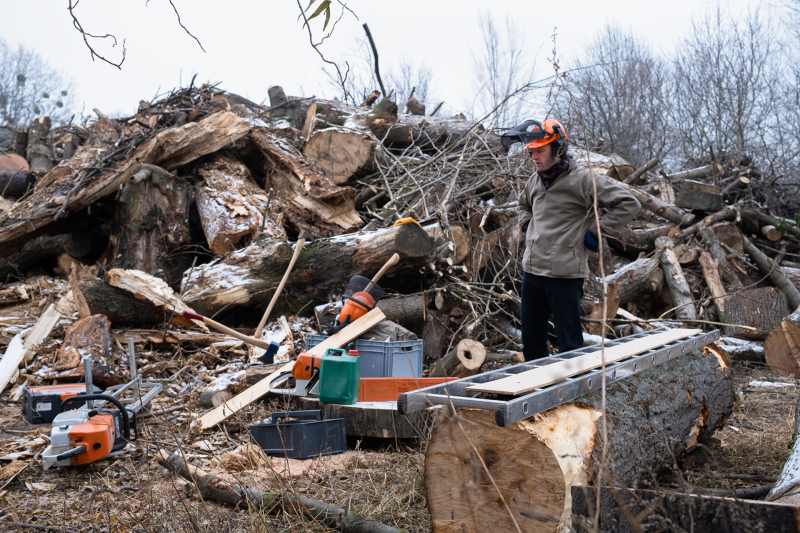
Stadtholz turns felled urban trees in Vienna into materials, objects, and public experiences. By recovering and redistributing local wood, it transforms waste into a shared resource for design, craft, and community — reconnecting people with the material and history of their city.
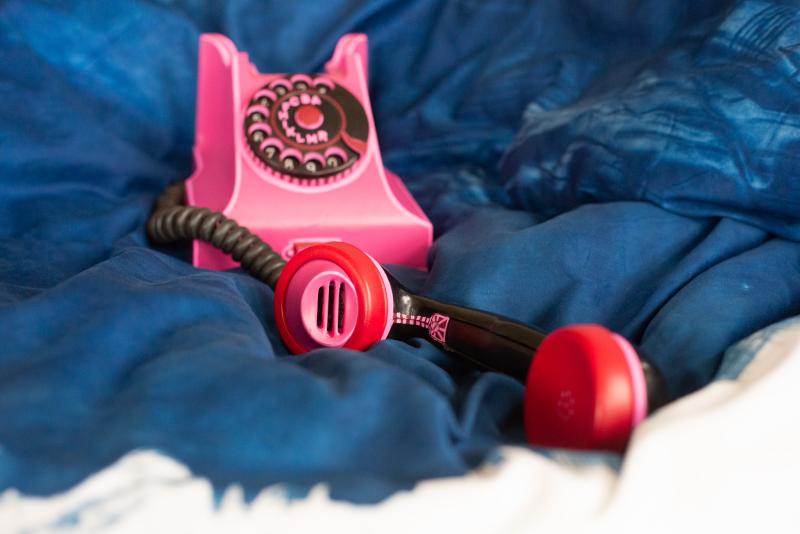
Sexy Silver is an interactive exhibition exploring intimacy and sexuality among older adults living in care homes in the Czech Republic. Based on ethnographic and art-based research, the project brings visitors into the hidden world of institutional life through photographs, recorded testimonies and participatory elements. By giving voice to residents, the exhibition challenges stereotypes about ageing and opens a public discussion about dignity, intimacy and emotional life in later years.
In the small Bulgarian village of Dimovtsi, residents united to build a new Orthodox chapel dedicated to the Nativity of the Virgin Mary. Constructed through voluntary work, donations and community solidarity, the chapel has become a symbol of shared cultural heritage and collective spirit. This grassroots initiative transformed an empty space into a place of faith, beauty and community life, preserving local traditions for future generations.
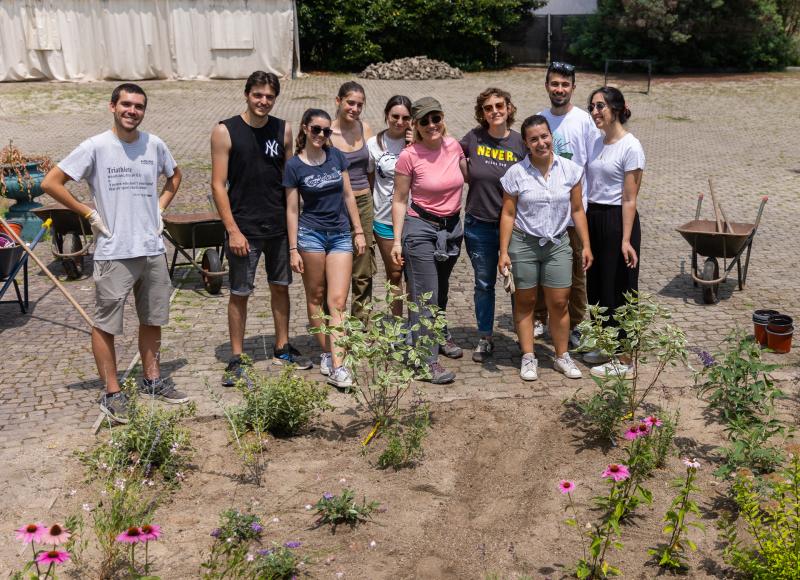
Falchera Water Commons reimagines a peri-urban social farm as a beautiful, sustainable and inclusive water resilience hub. Building on the Water Saving Camp experience within DESIRE, it blends nature-based solutions, community learning, participation and cultural storytelling to restore citizens’ relationship with water as a shared resource. A local practice grows into a replicable model for climate adaptation, biodiversity and belonging.
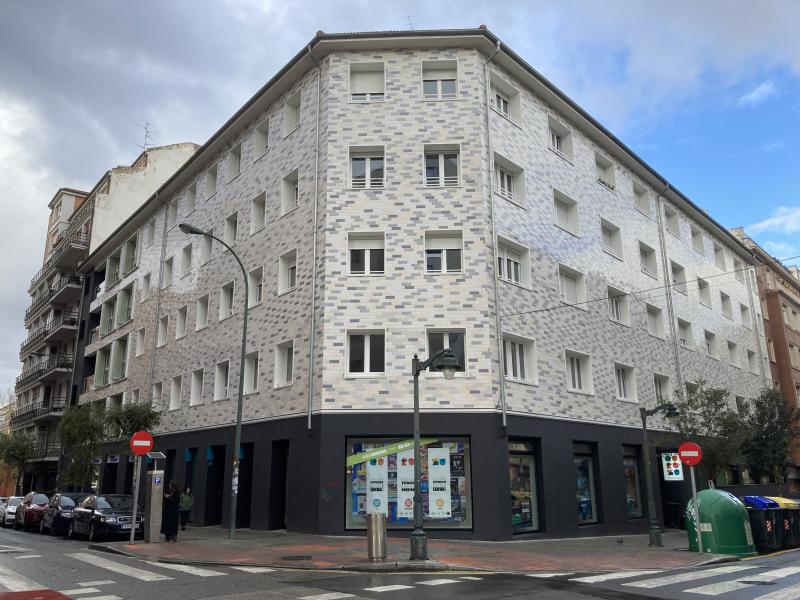
In the heart of Bilbao, Plaza transforms a historic building into a vibrant social ecosystem where people meet, share and build futures together. Housing, a social restaurant, culture and community spaces coexist in one place, creating an open, beautiful and sustainable environment where diversity becomes everyday life. Inspired by the New European Bauhaus, Plaza brings together beauty, sustainability and inclusion to reimagine how cities can care for people and communities.
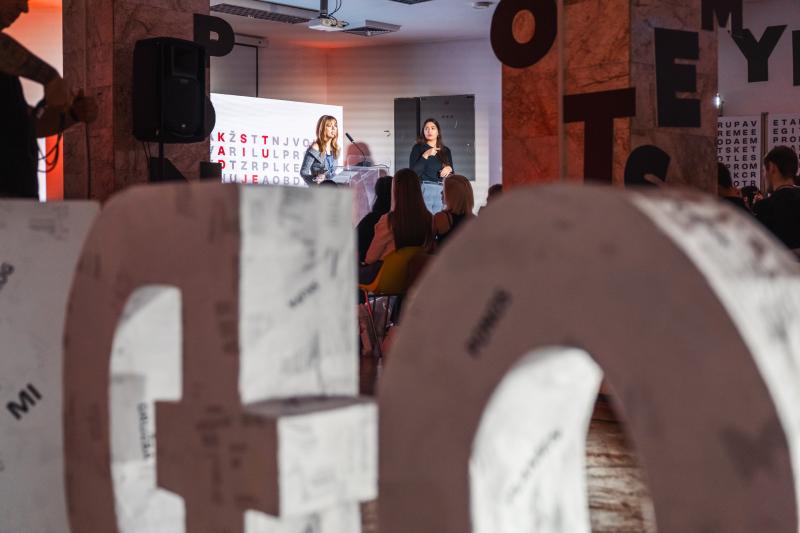
Youth Rights Talks is a youth-led platform that brings young people and institutions into direct dialogue about democracy, rights and social justice. Through powerful public speeches prepared by young participants, the program creates space for voices often unheard. By combining storytelling, civic courage aнд dialogue with decision-makers, YRT transforms personal experiences into collective democratic participation and inspires communities to act for a more just and inclusive society.
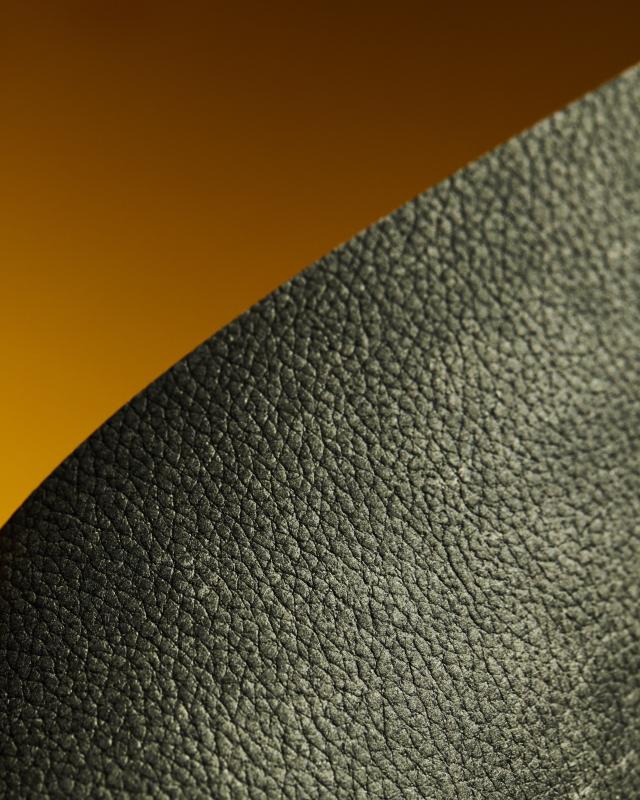
LOVR™ is a circular plant-based material developed in Germany as a sustainable alternative to leather and synthetic leather. Made from hemp residues from European agriculture, it is completely plastic-free and designed for circular product life cycles. The material is already used in products such as Leica watch straps and furniture surfaces, demonstrating how sustainable materials can combine design quality, industrial compatibility, and environmental impact reduction.
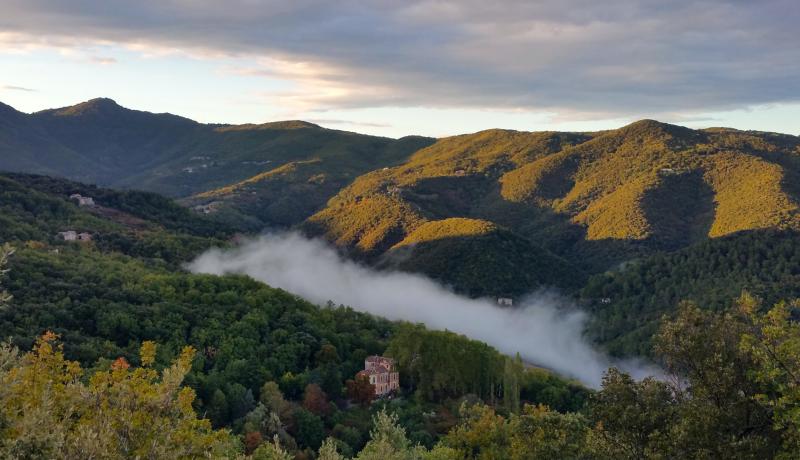
In the Cévennes mountains of southern France, Roue Libre is a residents’ cooperative where an intergenerational community experiments with sustainable and collective living. In a restored rural estate surrounded by forest and farmland, inhabitants share spaces, resources and decisions while cultivating food, caring for biodiversity and hosting cultural activities. The project shows how cooperative living can reconnect people, land and community.