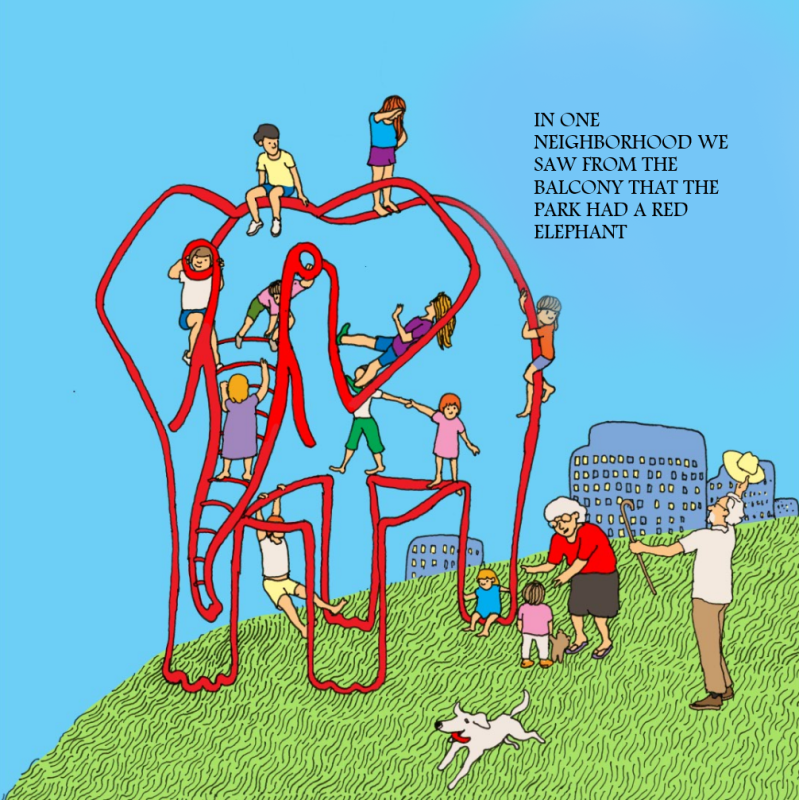
Project empowered residents to shape their neighbourhoods by proposing ideas and voting for the ones they liked most, with an educational role helping them understand which improvements can be funded through the city budget. The City of Zagreb brought the selected ideas to life by integrating them into the budget and delivering them the following fiscal year. 14 projects were delivered across Zagreb, improving public transport areas, playgrounds, green spaces and other public facilities.
Prizes: All applications
Filter by
Applications (669)
Showing results 151 to 160
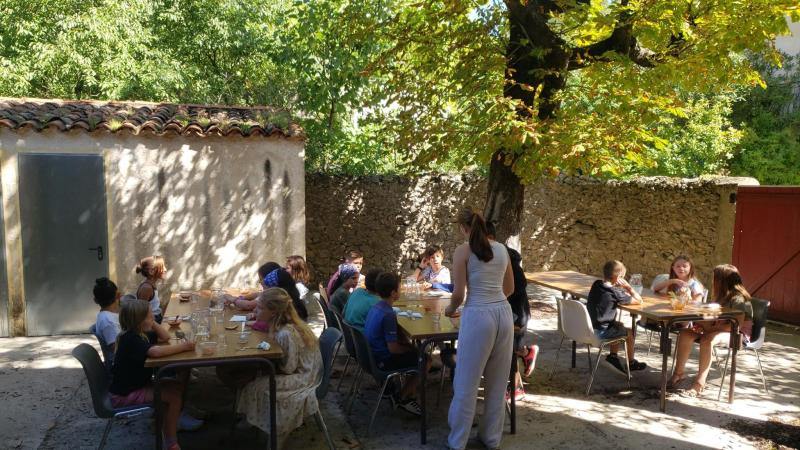
The ‘Causse et Vallée de la Buèges’ canteen project offers high-quality school meals that are rooted in the local area. Thanks to a kitchen that complies with collective catering standards, meals favour local and seasonal produce, sourced from local producers. The project supports local agriculture, boosts local employment and raises children's awareness of sustainable food. The canteen has been fully operational since September 2025.
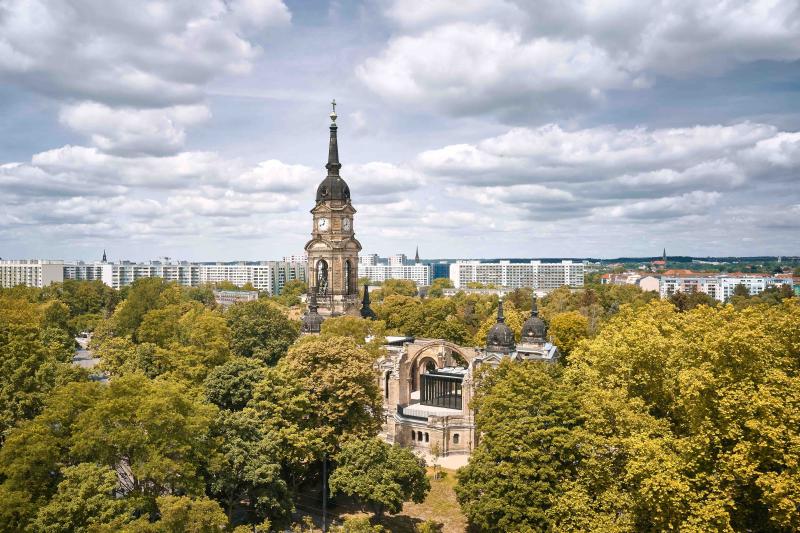
Since its construction as a sacred building in the Italian Renaissance style in keeping with Dresden tradition in 1894, the Trinity Church has shaped the cityscape of Dresden. After being destroyed in the war, the ruins were preserved and reactivated and expanded as a youth church between 2020 and 2022. The project creates an inclusive space that combines listed heritage with contemporary use, promotes social participation and cultural activities, and strengthens cohesion in the neighbourhood.
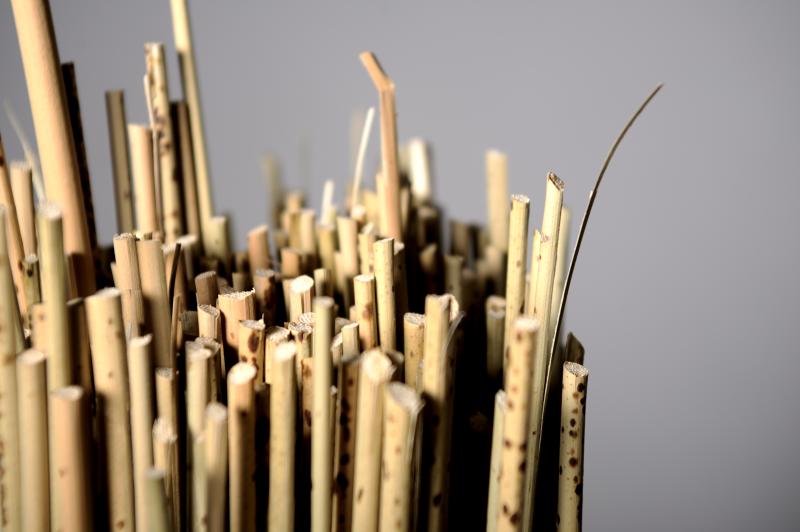
BUNHO revitalises the traditional craft of Bunho weaving by reconnecting cultural heritage, ecological knowledge and contemporary design through innovation and Design Thinking, it strengthens human capital and fosters social entrepreneurship. By combining multidisciplinary domains, it establishes a regenerative model of sustainable development based on Ecosystem Services, demonstrating how heritage, nature and design can generate resilient local economies and new narratives for rural territories
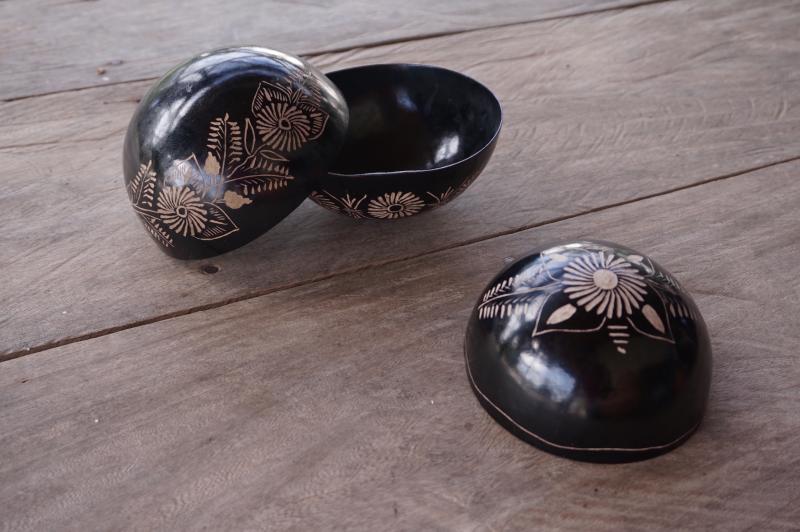
Cuia Colab is a cultural platform from the Brazilian Amazon that connects Indigenous craft knowledge, forest ecosystems, and contemporary biodesign. Inspired by a nearly forgotten technique that shapes cuia fruits as they grow on trees, the project cultivates objects in collaboration with local artisans—celebrating cultural heritage while proposing a regenerative vision of design rooted in care for people, forest, and future.
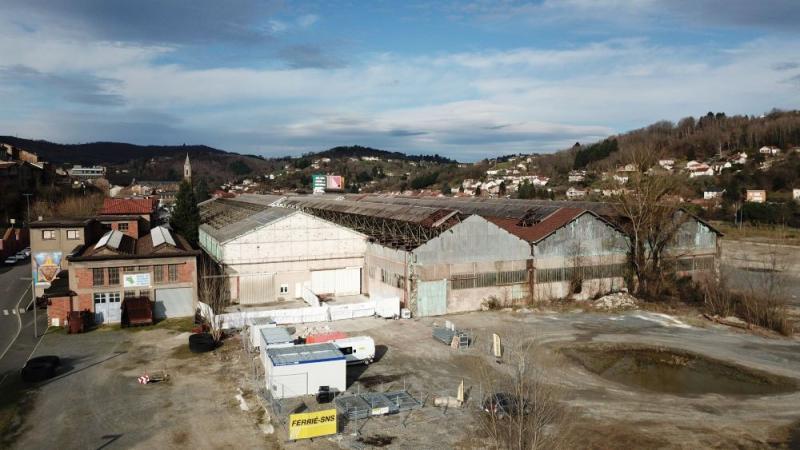
At the heart of its renewal, Decazeville Communauté is undergoing a profound transformation thanks to an ambitious policy of public works and development projects. These initiatives reshape landscapes, enhance heritage, modernize infrastructure, support local stakeholders, and strengthen economic attractiveness, contributing to a sustainable, inclusive, and shared development for the entire community.
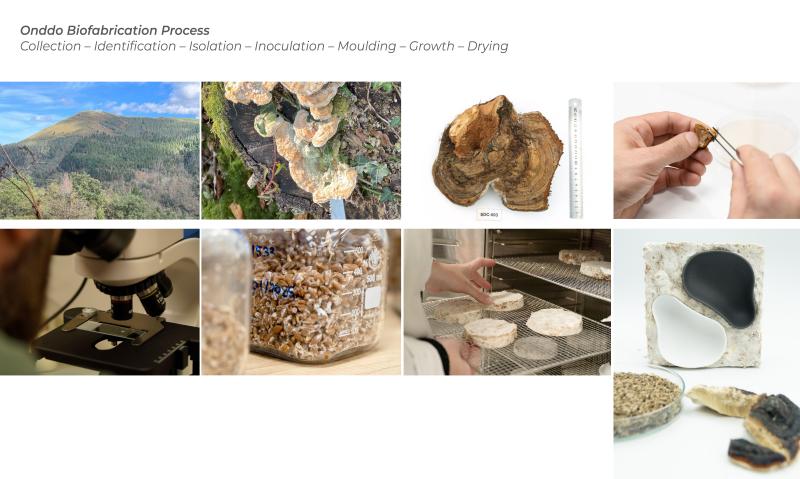
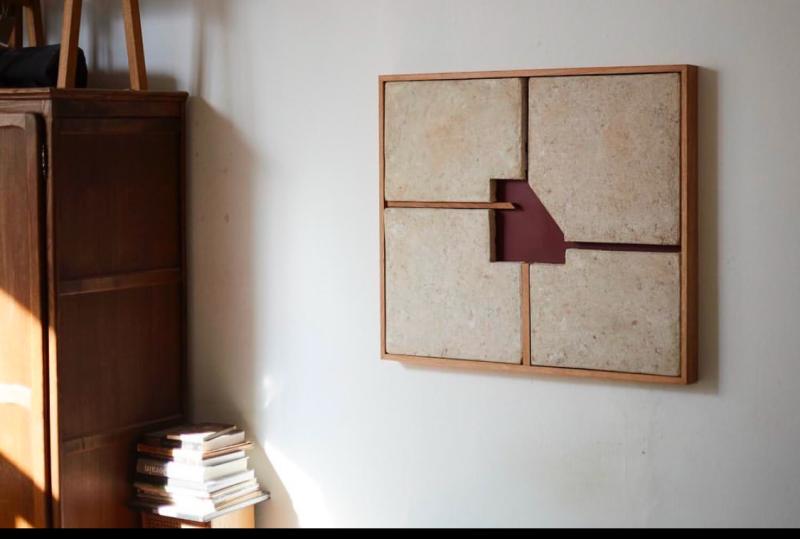
What if materials could grow from fungi and local residues? In the Basque Country, ONDDO cultivates mycelium using regional bio-waste to develop biodegradable materials for packaging, design, and ephemeral architecture. The project brings together researchers, designers, and local companies to explore new ways of producing materials, using biological growth instead of extractive processes and giving industrial residues a new role within a circular local economy.
Function or Form explores the boundary between everyday furniture and collectible sculptures. Using paper-mâché, each piece transforms simple materials into tactile, sculptural forms that invite interaction and contemplation.
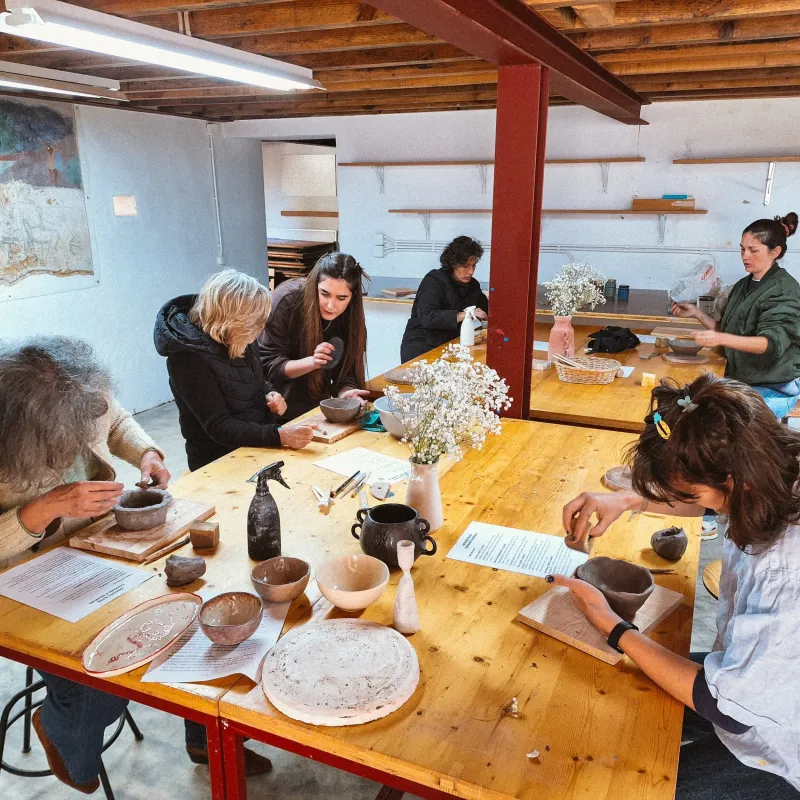
CASA is a cultural space in Cascais developed by ESTUFA – Plataforma Cultural, a non-profit organisation dedicated to arts, culture, and social innovation. Combining performing arts, crafts, and critical thinking, CASA offers workshops, residencies, and public events where people of all ages create, learn, and connect. More than a venue, CASA invites communities to slow down, share knowledge, and explore creativity as a way to strengthen cultural citizenship and meaningful relationships.
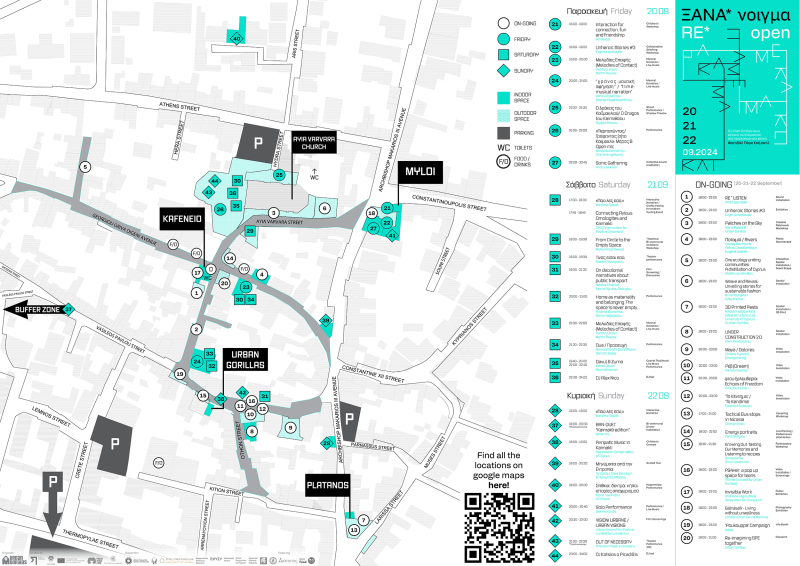
Pame Kaimakli is a community-led festival that transforms a historic neighbourhood along the UN Buffer Zone in Nicosia into a vibrant cultural landscape. Since 2013, residents, artists, and visitors collaborate to activate courtyards, rooftops, workshops, and streets through performances, spatial installations, shared meals and collective activities. Weaving art into everyday life reactivates local heritage, strengthens community ties, and reimagines the neighbourhood as a shared space.