Enhancing Circularity, Sustainability, and Innovation
School catering: regional food issues
School catering: food as a means of reclaiming agricultural and civic orship
The ‘Causse et Vallée de la Buèges’ canteen project offers high-quality school meals that are rooted in the local area. Thanks to a kitchen that complies with collective catering standards, meals favour local and seasonal produce, sourced from local producers. The project supports local agriculture, boosts local employment and raises children's awareness of sustainable food. The canteen has been fully operational since September 2025.
France
Local
Causse de la Selle et vallée de la buéges
Mainly rural
It involves other types of transformations (soft investment)
Yes
2025-09-01
Yes
EAFRD : European Agricultural Fund for Rural Development
No
No
Organisation
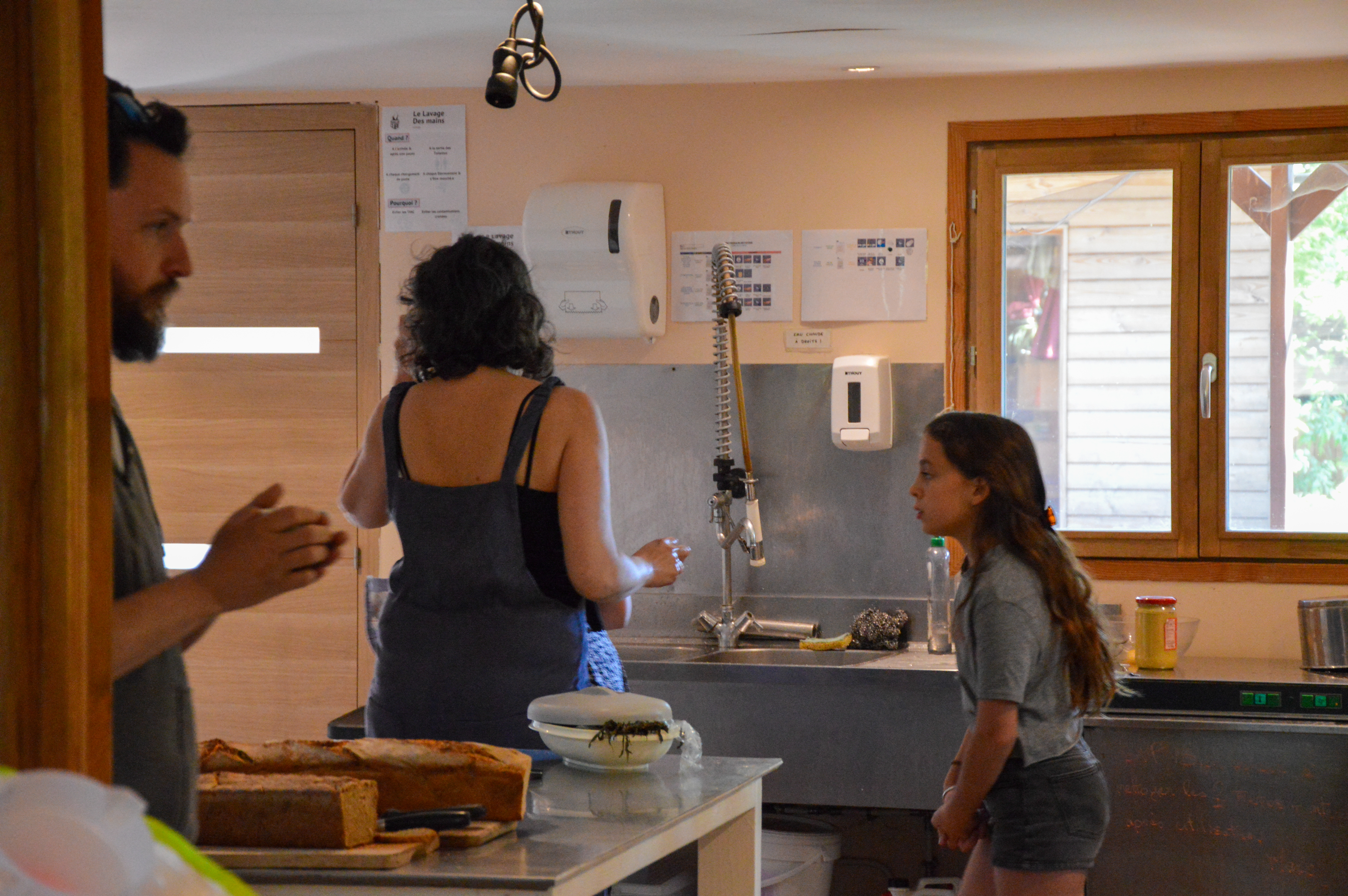
The ‘Causse et Vallée de la Buèges’ canteen project aims to provide high-quality school meals that are rooted in the local rural area. It is based on the creation of a kitchen that complies with collective catering standards, enabling meals to be prepared and delivered using local, seasonal and, where possible, organic produce. The goal is to improve the quality of children's diets while supporting local agriculture and the regional economy.
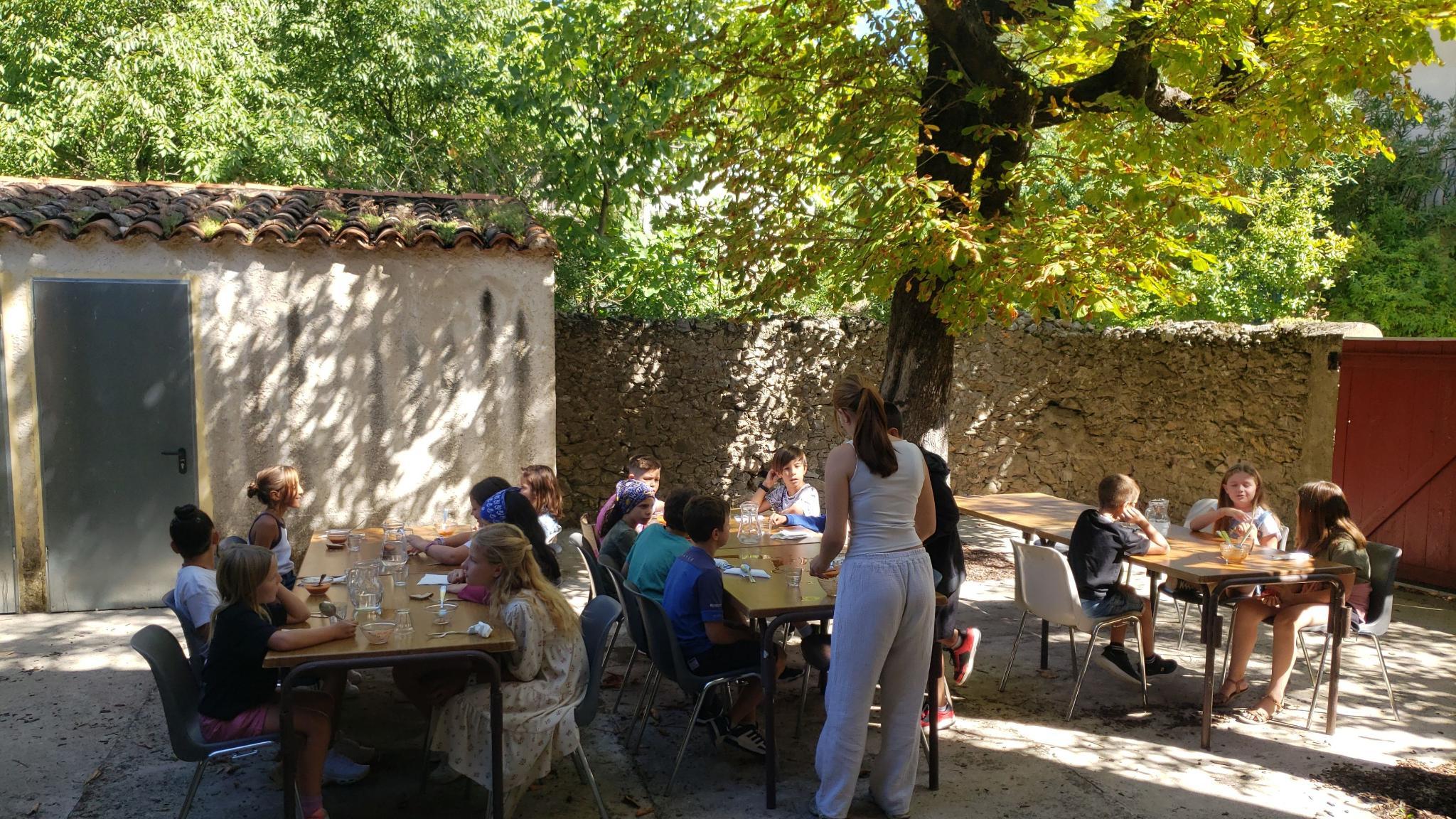
The service has been up and running smoothly since the start of the school year in September 2025. In ten weeks of school, 2,300 meals have already been delivered without any significant issues. The project directly benefits 180 children and their families, while creating regular outlets for seven local producers and enabling the creation of a full-time, permanent cook position.
Feedback from the educational community—children, parents and teachers—has been very positive, highlighting the relevance of the project and the quality of the meals provided. The project also helps to raise children's awareness of more sustainable eating habits and strengthen the links between school, agriculture and the local area.
In the longer term, the aim is to consolidate this model of local school catering, gradually expand partnerships with local producers and develop educational initiatives around food. The project also plans to document its experience and publish a booklet to share its approach and inspire other rural areas wishing to set up local, sustainable canteens.
The ‘Causse et Vallée de la Buèges’ canteen project arose from an observation shared by families and the educational community: the existing catering service was based on industrial food production, which was of poor quality and had little connection with local resources. In a rural context rich in agricultural production, the idea emerged to offer school meals that were more local, of higher quality and better suited to families' expectations.
Based on this observation, a collective reflection process was launched to devise a viable solution for the region. The project gradually took shape around the creation of a kitchen that met collective catering standards and was capable of preparing and delivering meals using local producers.
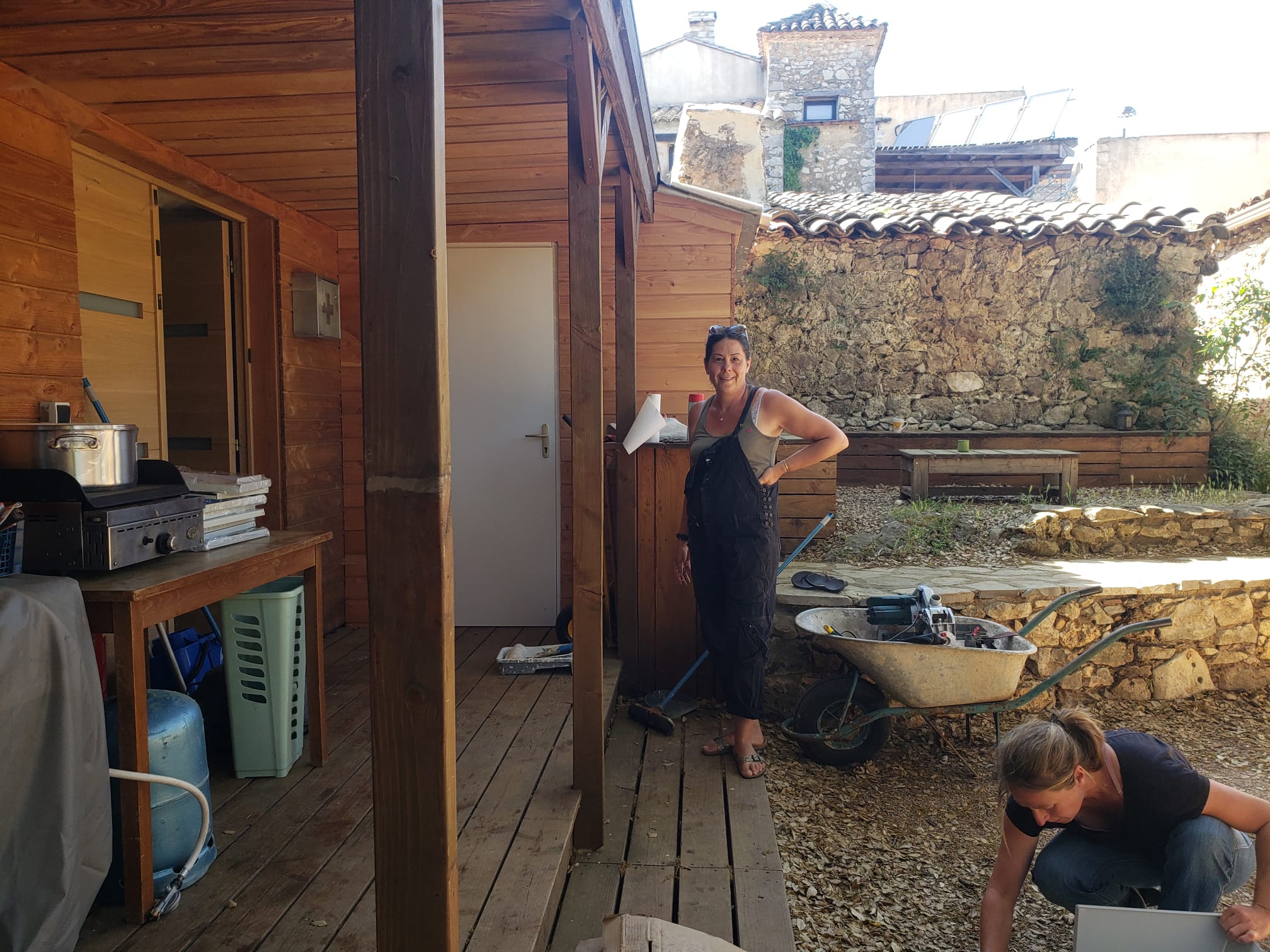
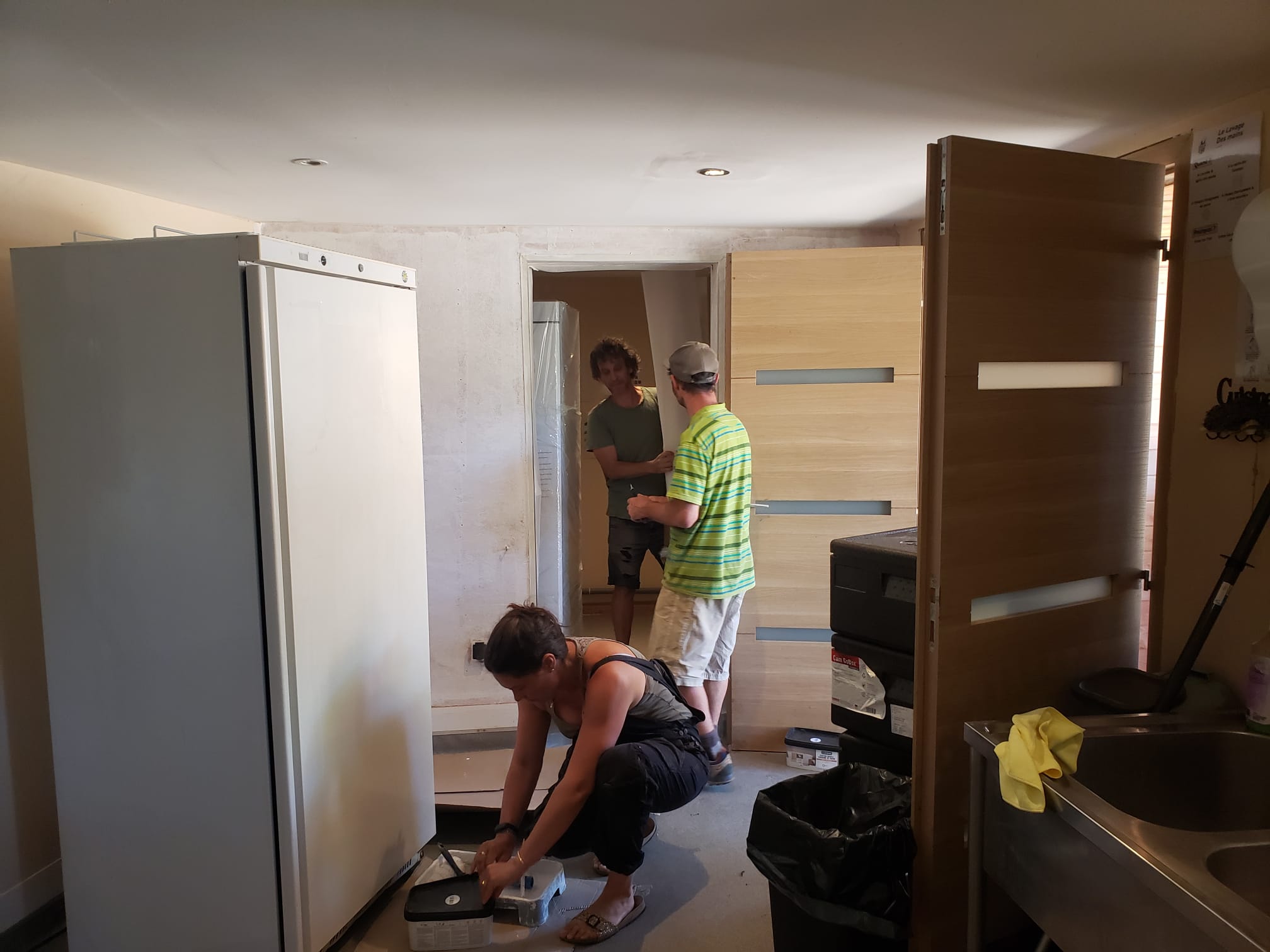
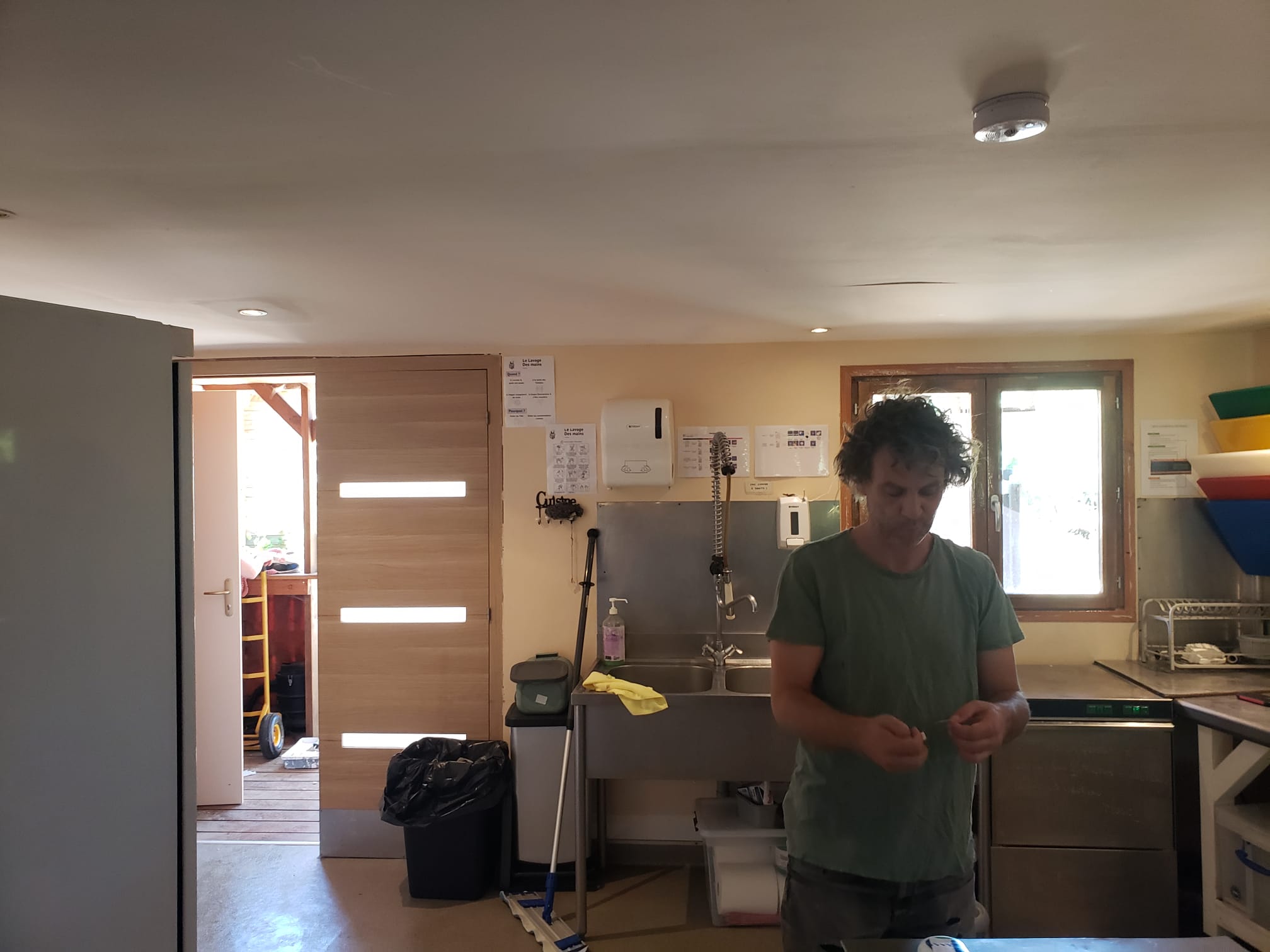
The preparatory phase consisted of identifying agricultural partners, defining the organisation of the service and raising the necessary funds to equip the kitchen. Once these steps had been completed, the project was implemented by installing the equipment, structuring the supply chain and setting up the meal delivery service.
The canteen has been fully operational since the start of the 2025 school year. It now provides children with high-quality meals, while creating opportunities for local producers and strengthening the school catering service's roots in the local community.
Local food systems
Local ecological transition
Rural resilience
Citizen participation
Reproducible model
The ‘Causse et Vallée de la Buèges’ canteen project addresses sustainability issues by developing school catering based on local resources. Meals favour local, seasonal and, where possible, organic products, sourced directly from local producers. This approach reduces transport, supports local agriculture and promotes more sustainable farming practices.
The project also addresses the social and educational aspects of sustainability. By offering children high-quality food and raising their awareness of the links between agriculture, food and the local area, it helps to change practices and perceptions around food. In addition, the project supports the local economy by creating opportunities for producers and consolidating local employment.
Through its local catering model, which can be replicated in other rural areas, the project can be considered exemplary in terms of sustainability, combining food transition, local development and the transmission of know-how.
The project's approach is based on the idea that food is part of the living environment and daily well-being. By offering meals prepared from local and seasonal produce, the project helps to restore meaning and quality to a key moment in children's day.
This approach helps to strengthen the link between residents and their local area by promoting local produce and agricultural expertise. It also fosters a sense of belonging and pride around a service shared by families, schools and local stakeholders.
The project's aesthetic is thus reflected in a focus on care, taste and quality in everyday life, rather than architectural transformation. By reconnecting school meals to their local area, the project helps to create a more harmonious environment that respects local resources and is meaningful to residents.
The ‘Causse et Vallée de la Buèges’ canteen project helps to improve access to quality food for all in a rural area where services and infrastructure are sometimes limited. By offering local and accessible school meals, the project ensures that all school children can enjoy balanced meals prepared using local produce every day.
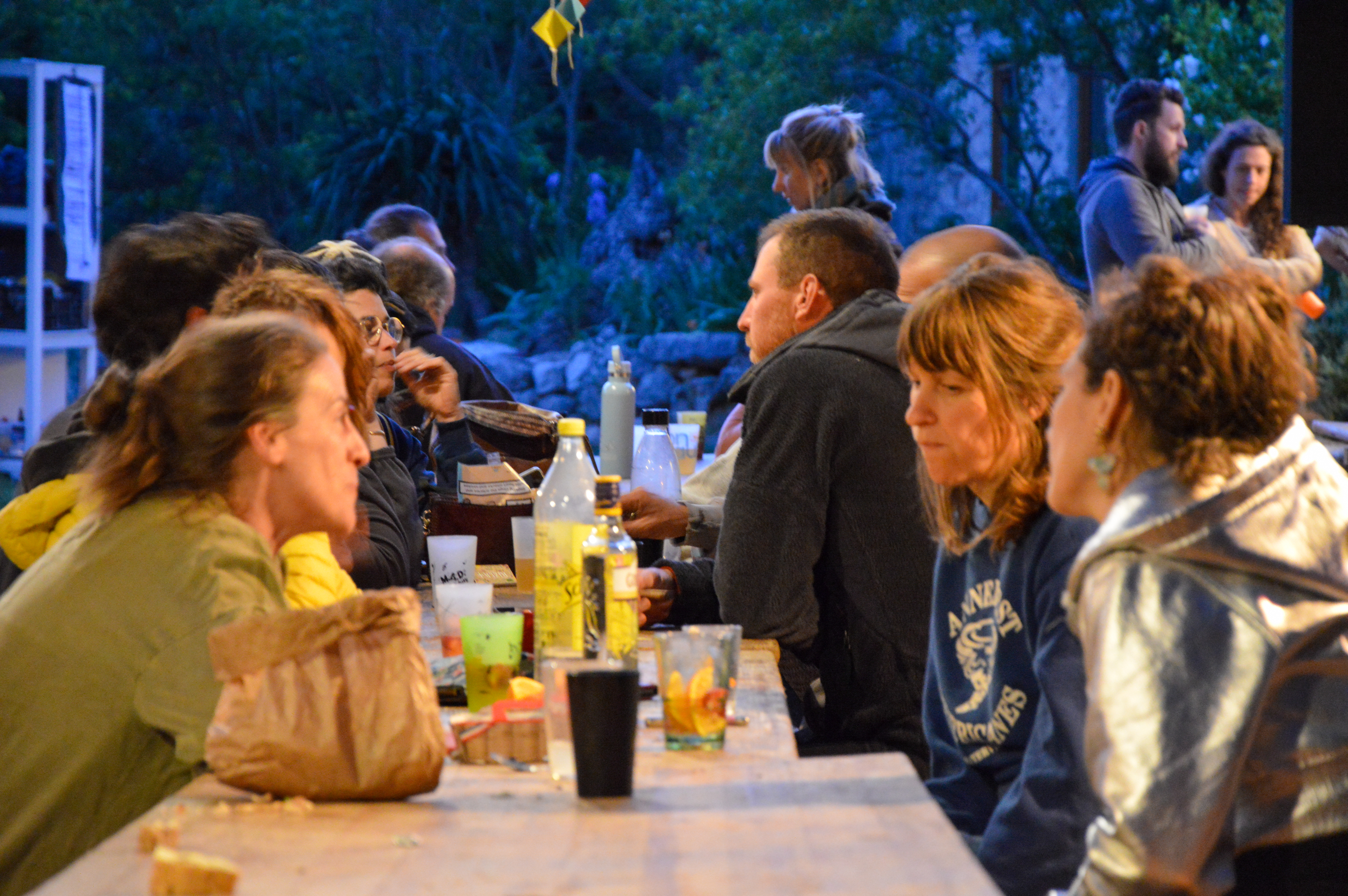
The project also promotes a collective and inclusive dynamic by involving various local stakeholders: families, educational teams, local producers and community partners. This cooperation makes it possible to take into account everyone's needs and constraints and to build a catering service adapted to the local context.
Finally, the project is helping to create new models for rural areas by showing that it is possible to develop high-quality local services while supporting the local economy and short supply chains. By documenting its experience and working to spread the approach, it is helping to make this model accessible and inspiring for other areas.
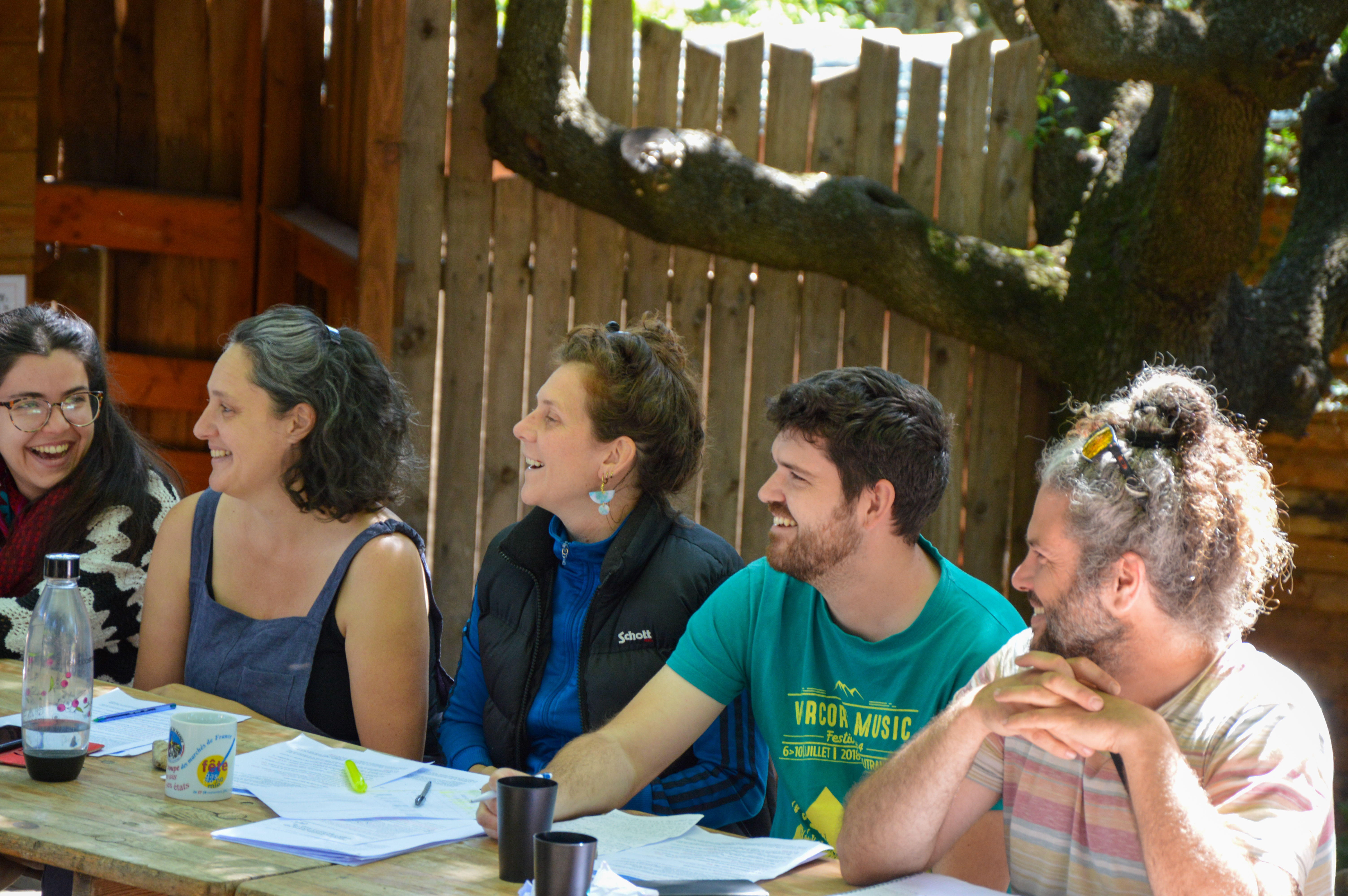
The project was developed based on the needs expressed by families and the educational community, identifying the limitations of the existing catering service and local expectations. Regular discussions with children, parents, teachers and local producers enabled adjustments to be made to menus, quantities and organisation. This direct involvement of stakeholders ensures that the project truly meets the needs of the local area and creates a sense of collective ownership.
The project combines local initiatives with support from financial and institutional partners, such as the RTE Foundation. This cooperation helps to consolidate the service, secure the necessary investments and pave the way for the model to be rolled out in other rural areas. The planned roll-out — through a capitalisation booklet and future support for other project leaders — will strengthen the project's impact beyond its initial area, making it a replicable example of a sustainable and inclusive catering service.
The project combines several dimensions: food, education, local agriculture, sustainability and rural economic development. It links meal preparation to raising children's awareness of healthy and sustainable eating, while supporting the local economy and strengthening short supply chains. This cross-disciplinary approach makes the project a veritable laboratory for social and territorial innovation, where a range of skills and expertise come together to create a comprehensive and coherent solution.
The ‘Causse et Vallée de la Buèges’ canteen project is based on an autonomous economic model. After the initial funding, which enabled the purchase of the necessary kitchen equipment and supplies, the day-to-day running of the service – sourcing local produce, preparing meals and paying staff salaries – is covered entirely by the sale of meals to families. This structure guarantees the financial sustainability of the project, without relying on subsidies or recurring aid.
At the same time, the association plans to gradually develop additional sources of income linked to educational activities and the replication of the model. Publishing a booklet, sharing best practices and supporting future school canteen project leaders will not only enable the experience to be shared, but also strengthen the economic viability and replicability of the project in other rural areas.
The project thus combines financial autonomy with social and territorial impact, constituting a sustainable model both in terms of the daily service provided to children and the promotion of local expertise.
The ‘Causse et Vallée de la Buèges’ canteen project is designed as a replicable model for other rural areas facing similar challenges. The methodology for setting up a local kitchen, organising supply via short supply chains, and structuring the delivery service can be directly transferred. The tools developed for day-to-day management, volume monitoring and meal planning also constitute a set of easily adaptable best practices.
In addition, the experience gained in involving families, teachers and local producers offers valuable lessons for building a participatory collective service rooted in the local area. The publication of a booklet summarising the project's achievements and the support planned for other project leaders will enable this expertise to be shared, the approach to be disseminated and the model to be replicated, while maintaining its quality and social and environmental impact.
In addition, the experience gained in involving families, teachers and local producers offers valuable lessons for building a participatory collective service rooted in the local area. The publication of a booklet summarising the project's achievements and the support planned for other project leaders will enable this expertise to be shared, the approach to be disseminated and the model to be replicated, while maintaining its quality and social and environmental impact.