Arts, Culture, and Heritage as Drivers of Change
CASA - Laboratório de Criação
{Empty}
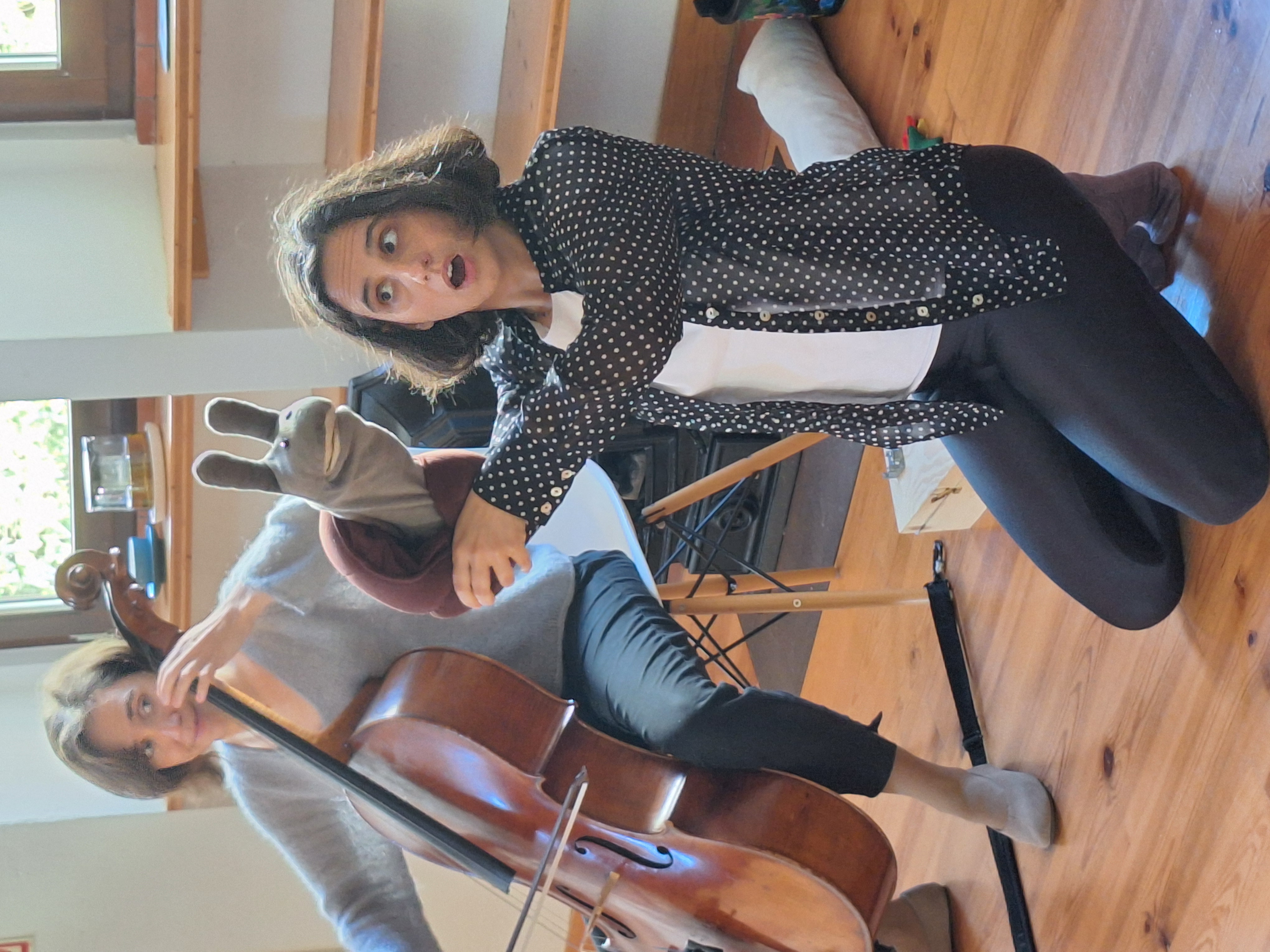
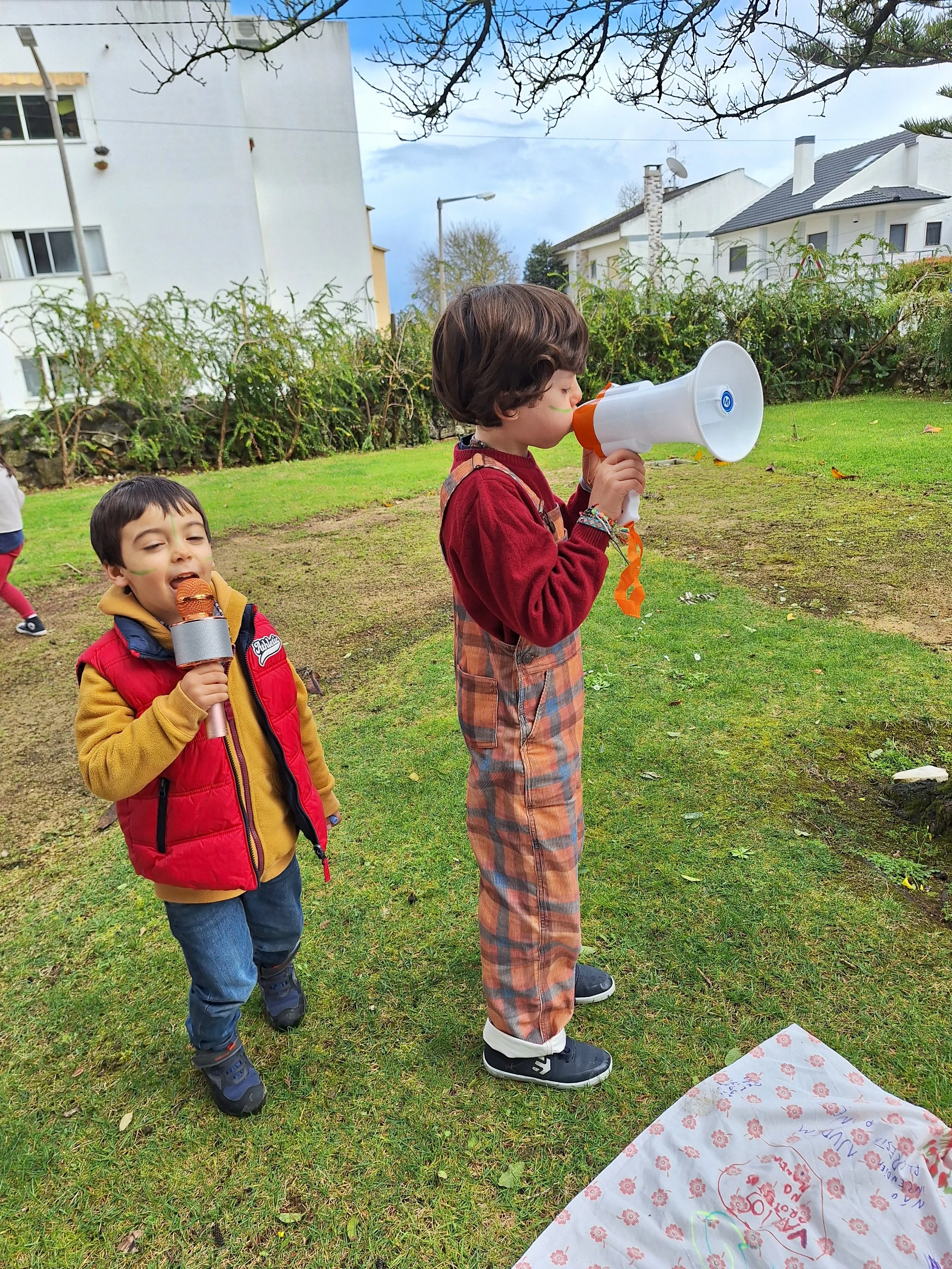
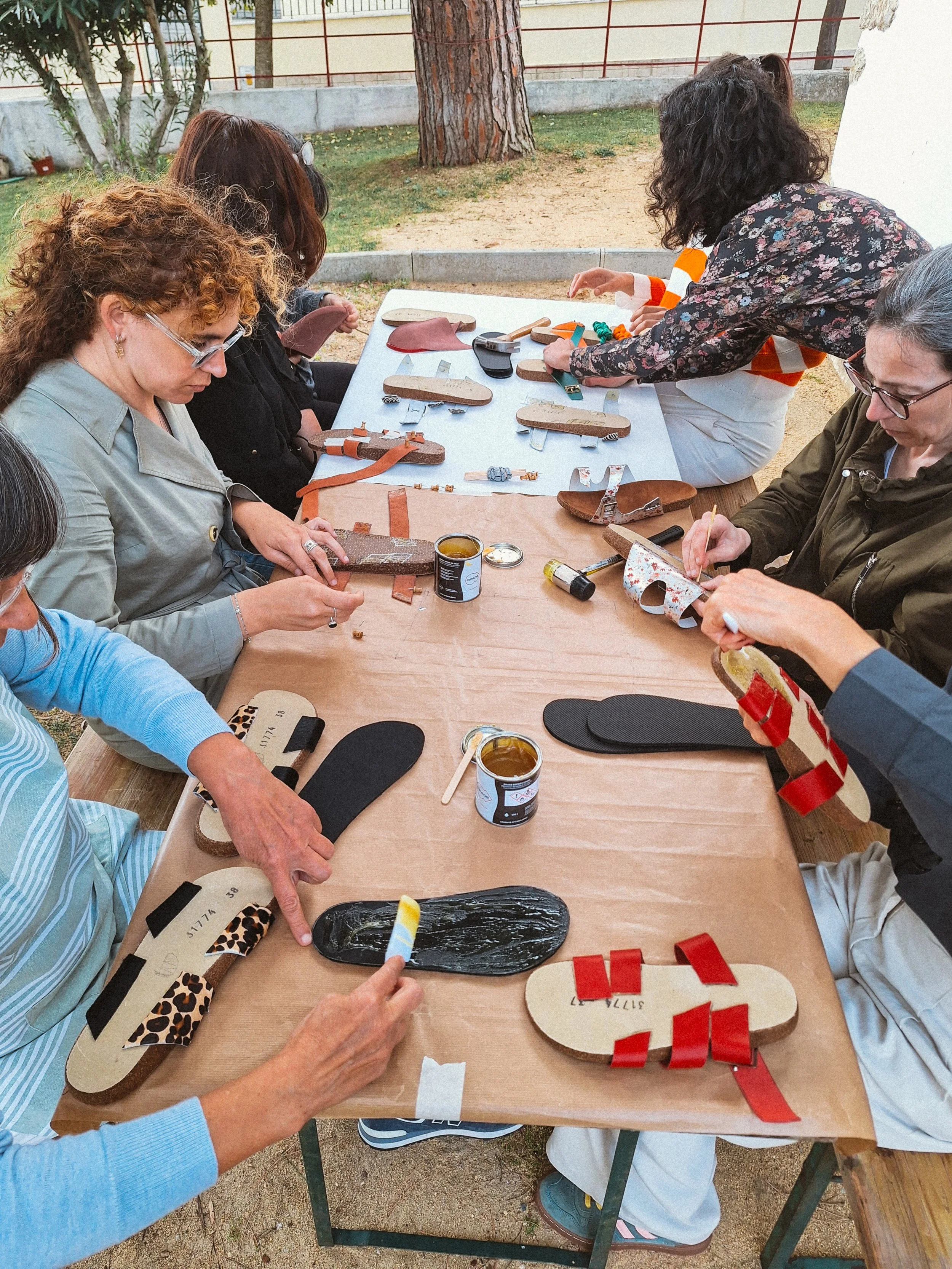
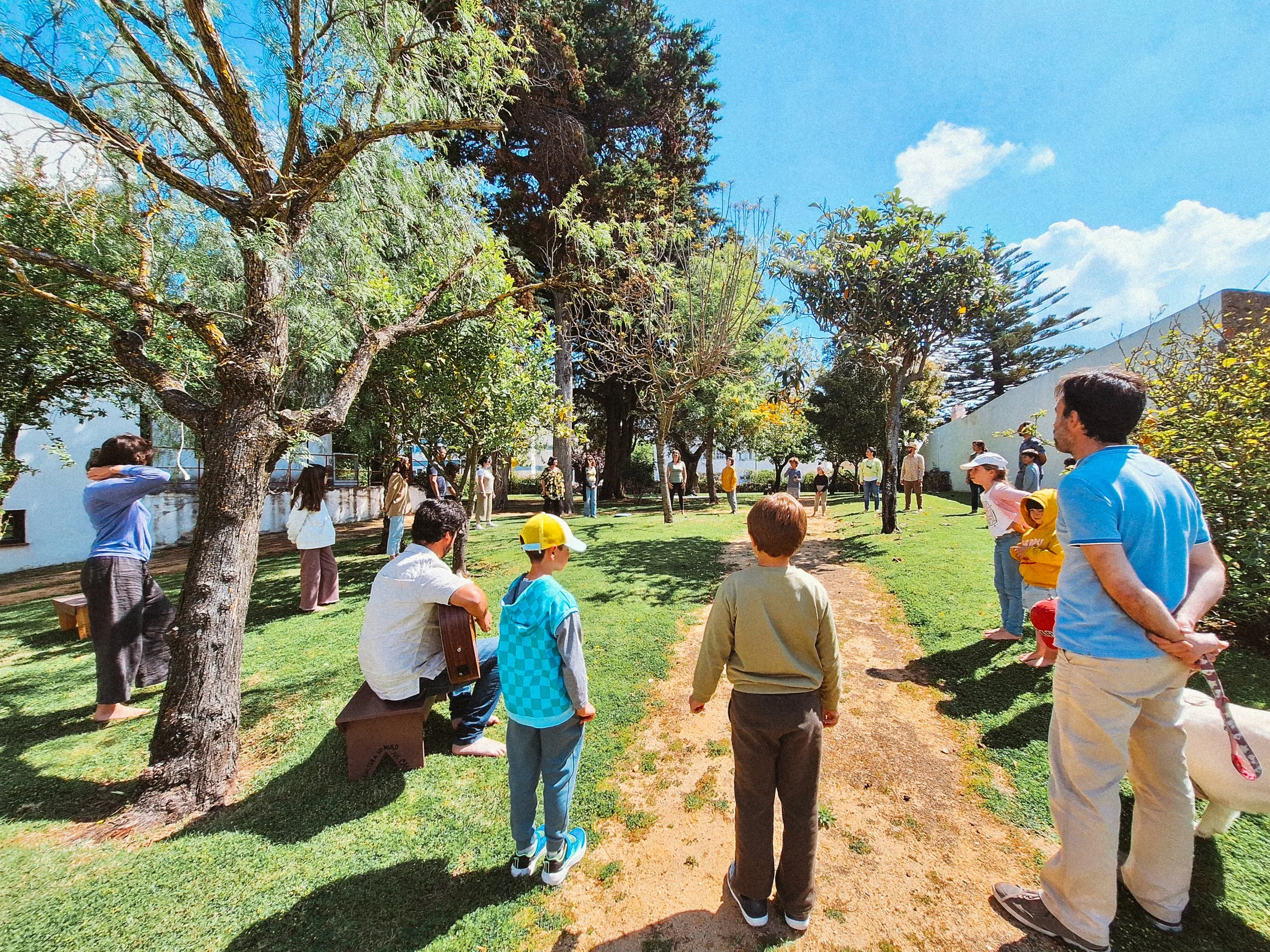
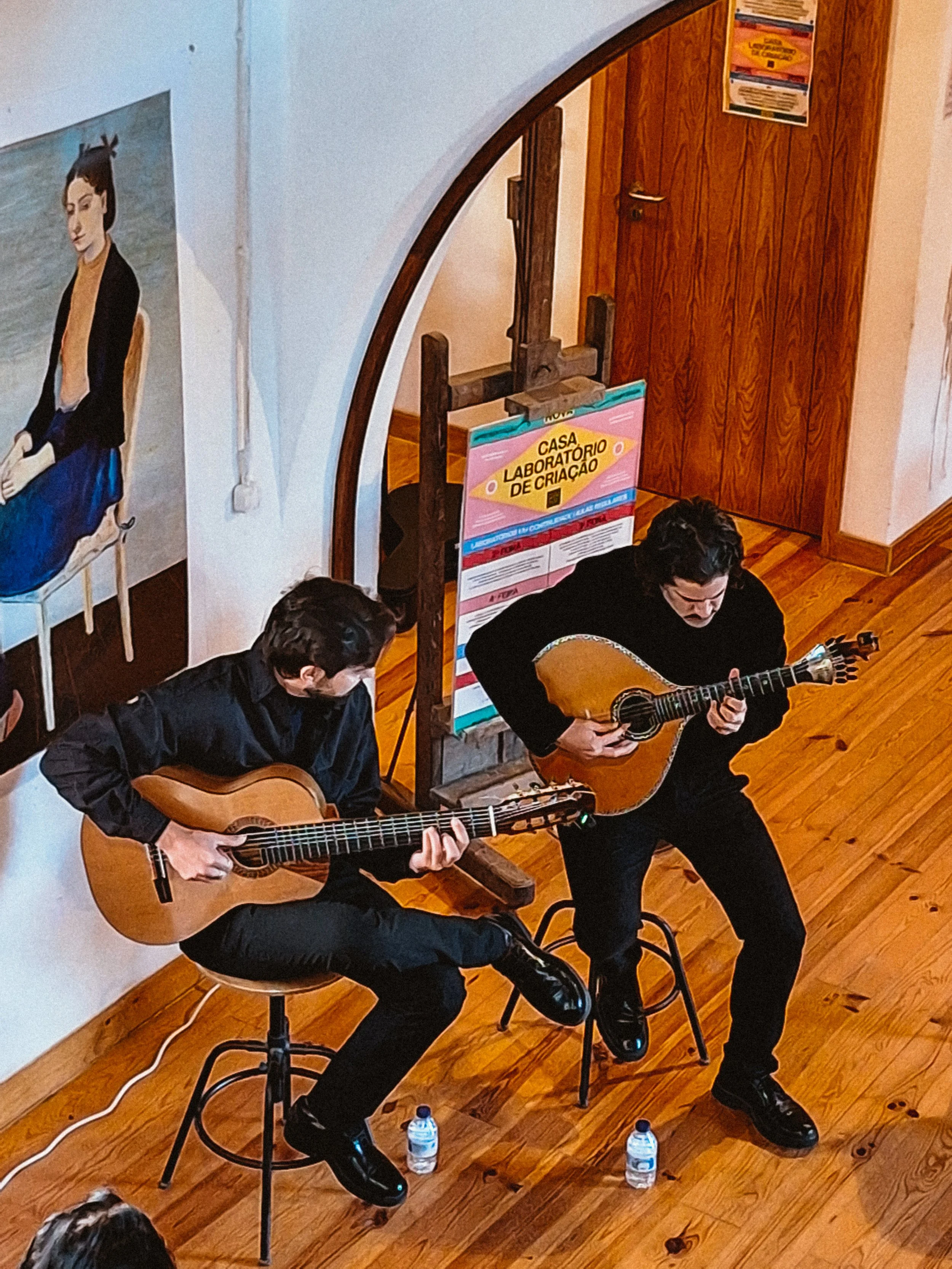
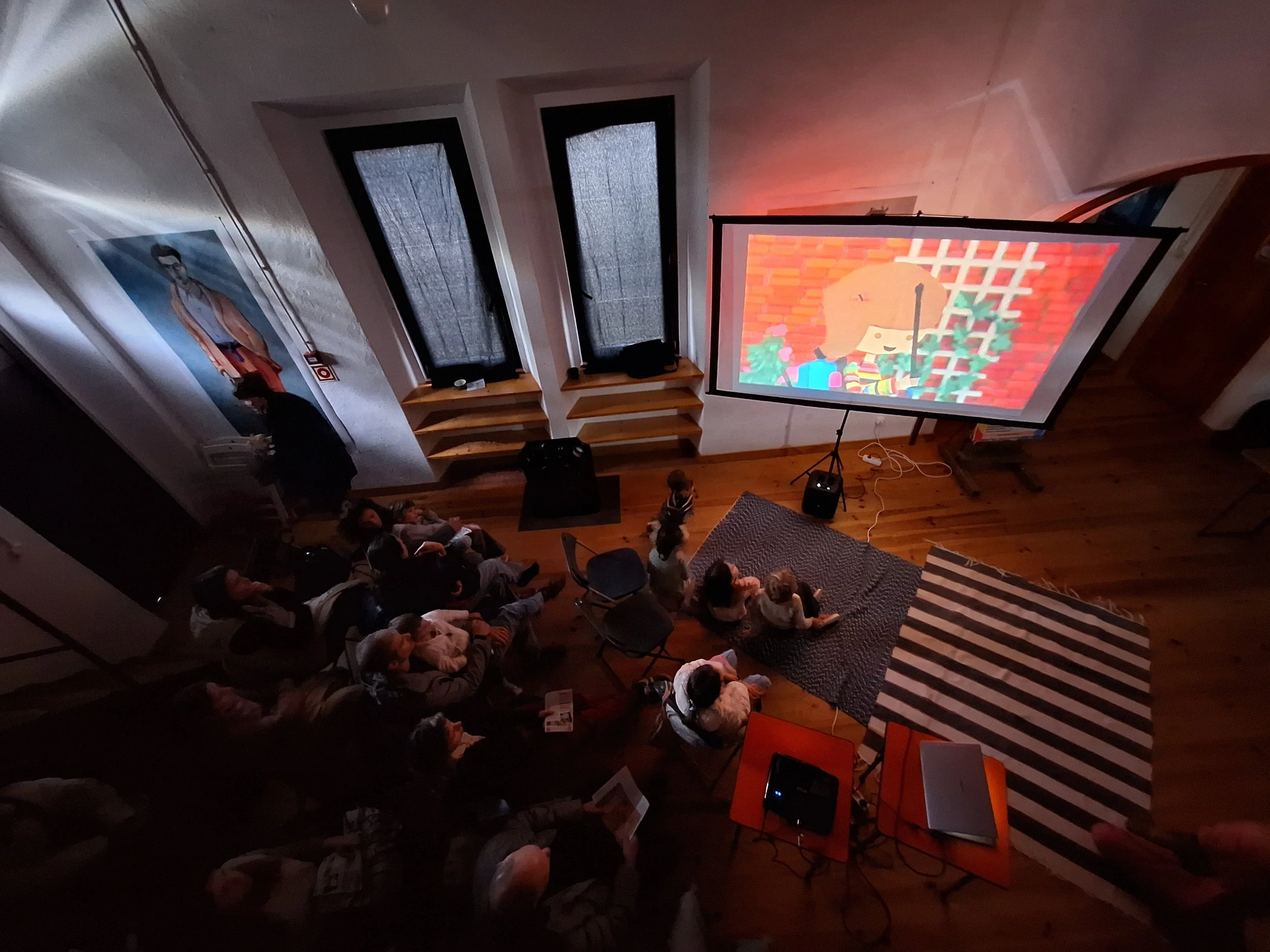
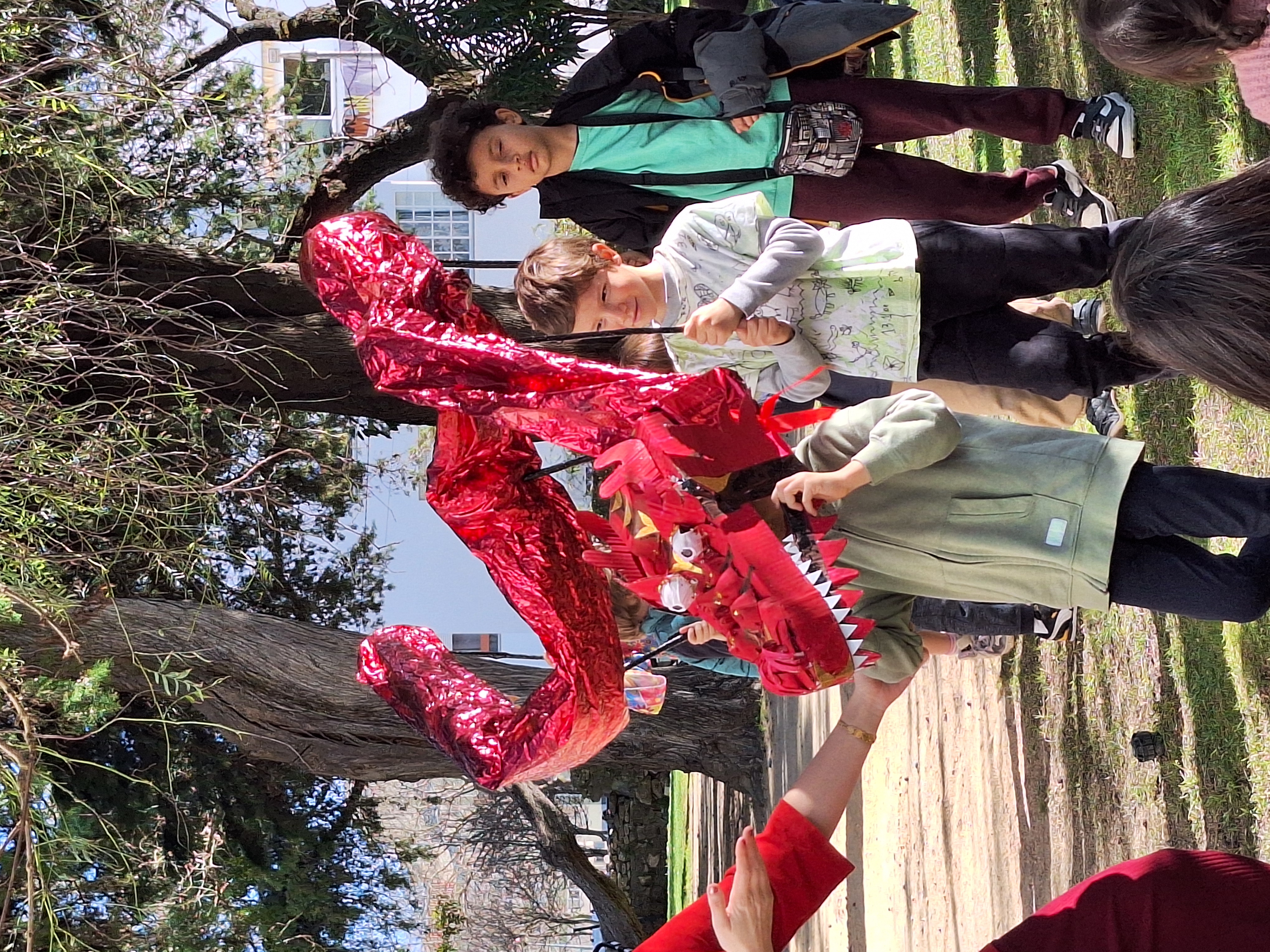
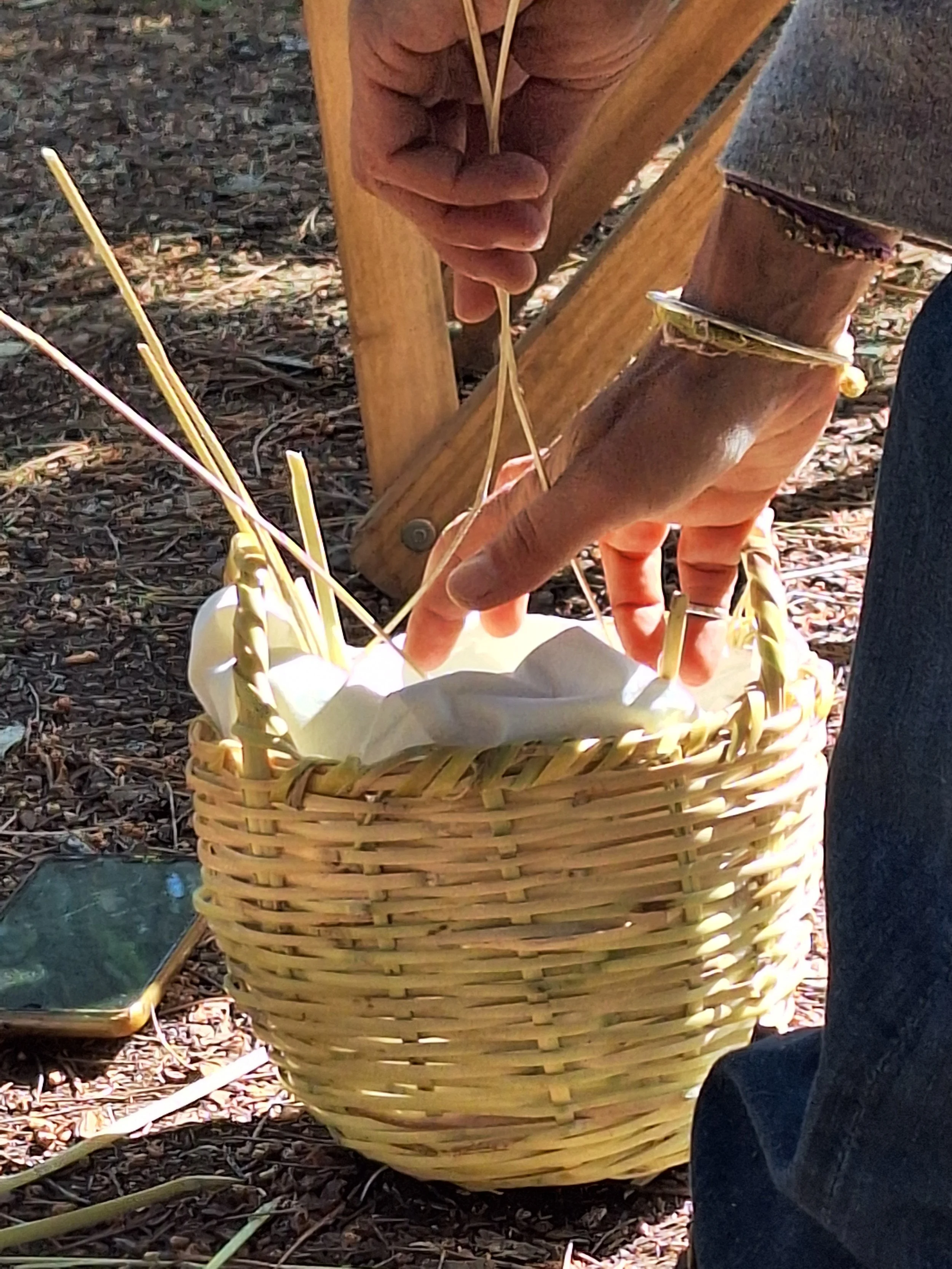
CASA is a cultural space in Cascais developed by ESTUFA – Plataforma Cultural, a non-profit organisation dedicated to arts, culture, and social innovation. Combining performing arts, crafts, and critical thinking, CASA offers workshops, residencies, and public events where people of all ages create, learn, and connect. More than a venue, CASA invites communities to slow down, share knowledge, and explore creativity as a way to strengthen cultural citizenship and meaningful relationships.
Portugal
Local
Parede - Cascais
It addresses urban-rural linkages
It involves other types of transformations (soft investment)
Yes
2025-12-31
No
No
No
Organisation
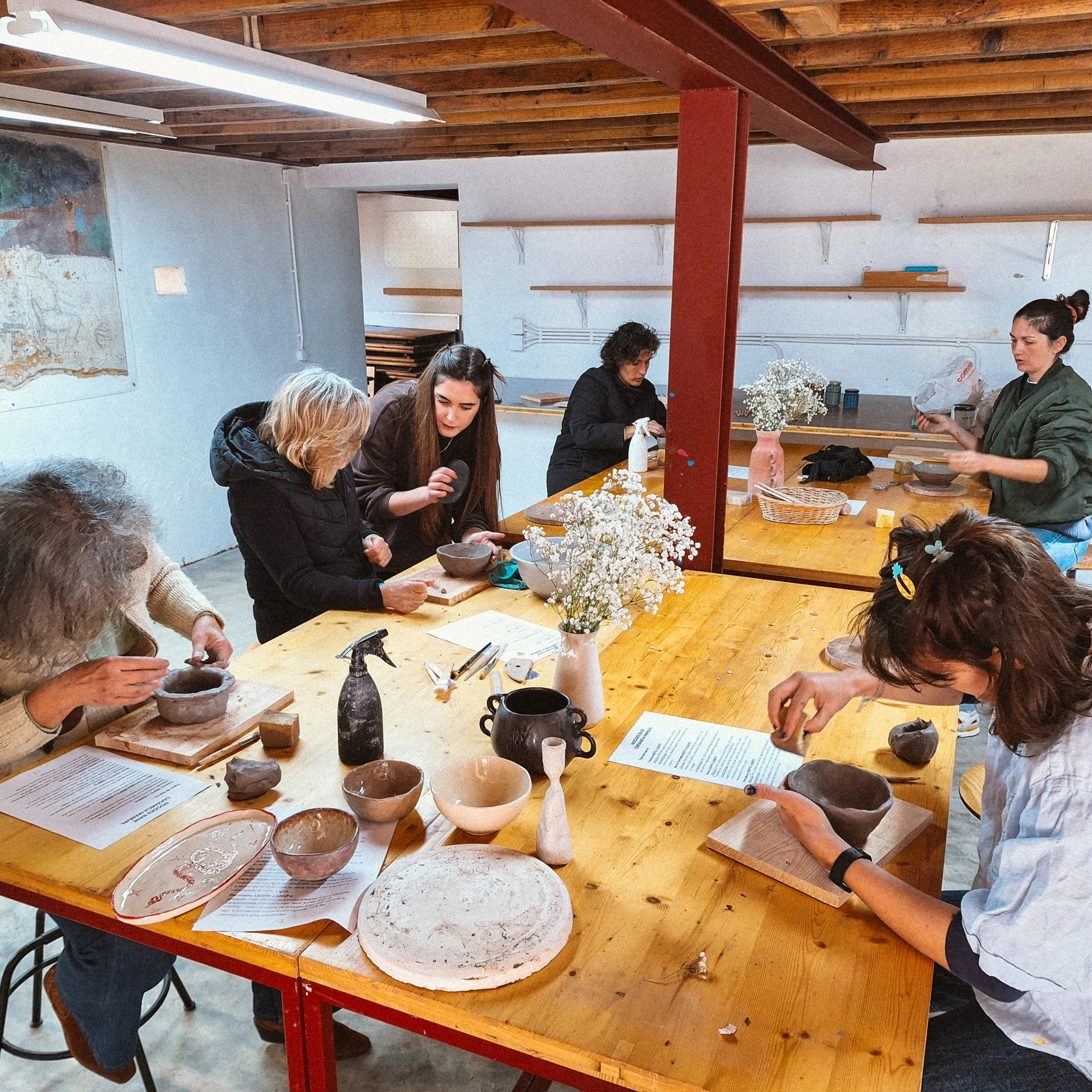
CASA – Laboratório de Criação is a cultural project for Cascais developed by ESTUFA – Plataforma Cultural, a non-profit organisation. Since 2021, CASA has been active in performing arts, crafts, and critical thinking, offering workshops, residencies, and public events that engage the local community across generations.
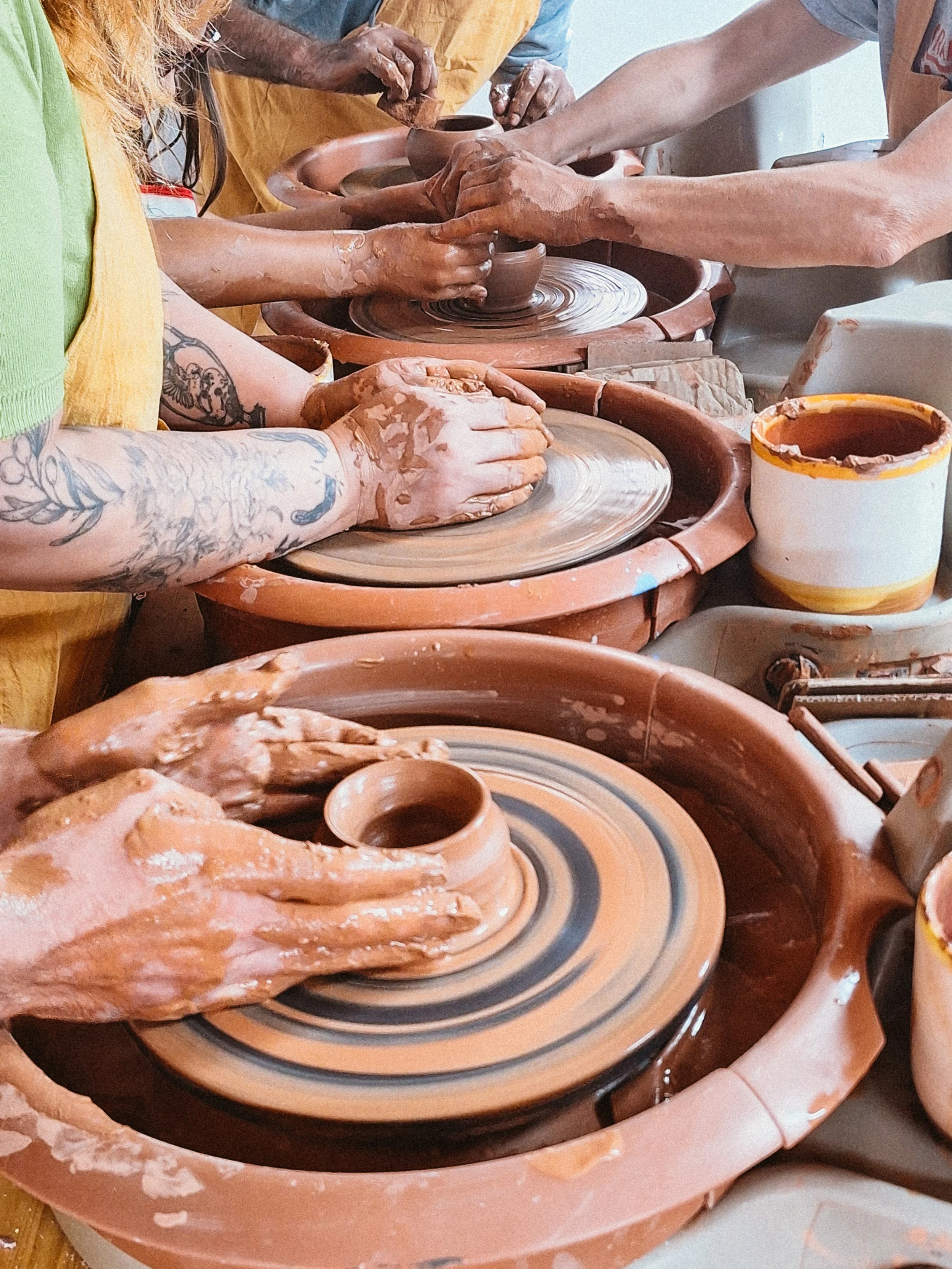
In recent years, participation has grown from 170 to around 2,000 people, consolidating regular activities such as Ceramics, Community Choir, Wood Carving Club, and public and private events for schools, associations, and local companies. These initiatives combine educational, social, and cultural impact with the capacity to generate own revenue, supporting the sustainability of high-impact social activities, such as free or children’s programs that reach vulnerable audiences and promote cultural inclusion.
CASA operates within the UNESCO cultural value chain, supporting artistic creation, civic participation, and cultural education, while fostering critical thinking and co-creation. Performance, participation, and audience feedback are continuously monitored to optimise resources and guide strategic decisions.
The project demonstrates long-term transformative potential by strengthening cultural democracy, promoting inclusive access to culture, and consolidating the local creative ecosystem, maintaining a sustainable model based on cross-subsidisation between financially robust activities and high social and educational impact initiatives.
CASA was conceived in 2021 to create an inclusive cultural space in Cascais, uniting art, education, and community engagement. Its aim is to foster creative and emotional development through workshops, residencies, and educational activities encouraging curiosity, experimentation, and participation. A 2022 survey of 114 local residents confirmed strong interest in creative and intergenerational experiences, shaping the project design.
In 2022, CASA launched a pilot program at Fernando Lopes Graça Auditorium with 15 activities over eight weekends, engaging 170 participants. This validated the approach, showing high satisfaction and highlighting the need for a permanent space, improved enrolment processes, and strengthened audience engagement.
By 2023, activities moved to Atelier Carlos Botelho, in partnership with Circular Economy Portugal, hosting 16 workshops for 212 people. Social media engagement and partnerships grew, consolidating CASA as an innovative cultural platform combining art, ecology, and community.
In 2024, CASA adopted a “nomadic” strategy across Cascais while navigating institutional challenges. Securing a four-year loan contract for Atelier Carlos Botelho provided a stable base, demonstrating adaptability and organizational capacity.
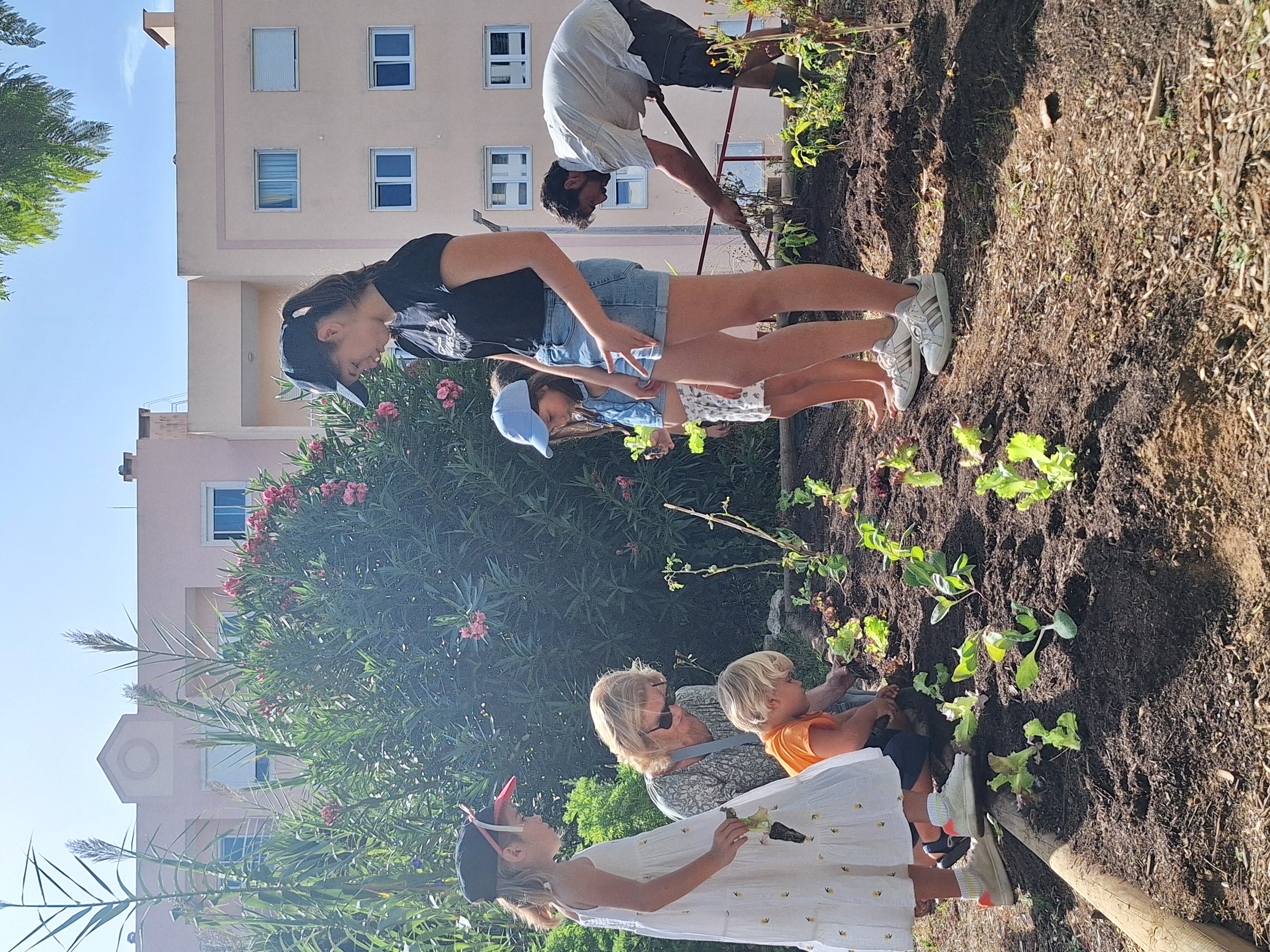
The official 2025 launch established permanent routines, expanded programming, and strengthened networks. Activities now include performing and visual arts, crafts, music, dance, gardening, yoga, critical thinking workshops, and intergenerational projects, reaching ~2,000 participants. Free and paid initiatives balance financial sustainability with social, educational, and cultural impact.
Through iterative development, continuous evaluation, and adaptive strategies, CASA has become a dynamic cultural laboratory fostering co-creation, civic engagement, and local creative ecosystem strengthening, with long-term potential to enhance cultural democracy and inclusive access to the arts.
Creative Education
Intergenerational Participation
Community Engagement
Sustainability & Cultural Heritage
Artistic Co-creation
CASA – Laboratório de Criação addresses sustainability through an integrated approach covering environmental, social, cultural, and economic dimensions. Environmentally, the project promotes eco-conscious practices, combining traditional crafts, nature-based activities, and critical reflection on consumption to foster ecological awareness. Socially, CASA ensures inclusive access to culture for all ages and backgrounds, offering free or low-cost activities, supporting vulnerable groups, encouraging intergenerational interaction, and strengthening community cohesion. Culturally, the project preserves and revitalizes local artistic traditions while promoting contemporary creative practices, reinforcing local identity and the resilience of the creative ecosystem. Economically, CASA operates a cross-subsidy model where revenue-generating activities support initiatives with high social and educational impact, ensuring financial sustainability without compromising its mission. Through participatory and adaptive practices, CASA exemplifies a project that balances cultural mission and economic viability, delivering long-term social, cultural, and environmental impact in Cascais.
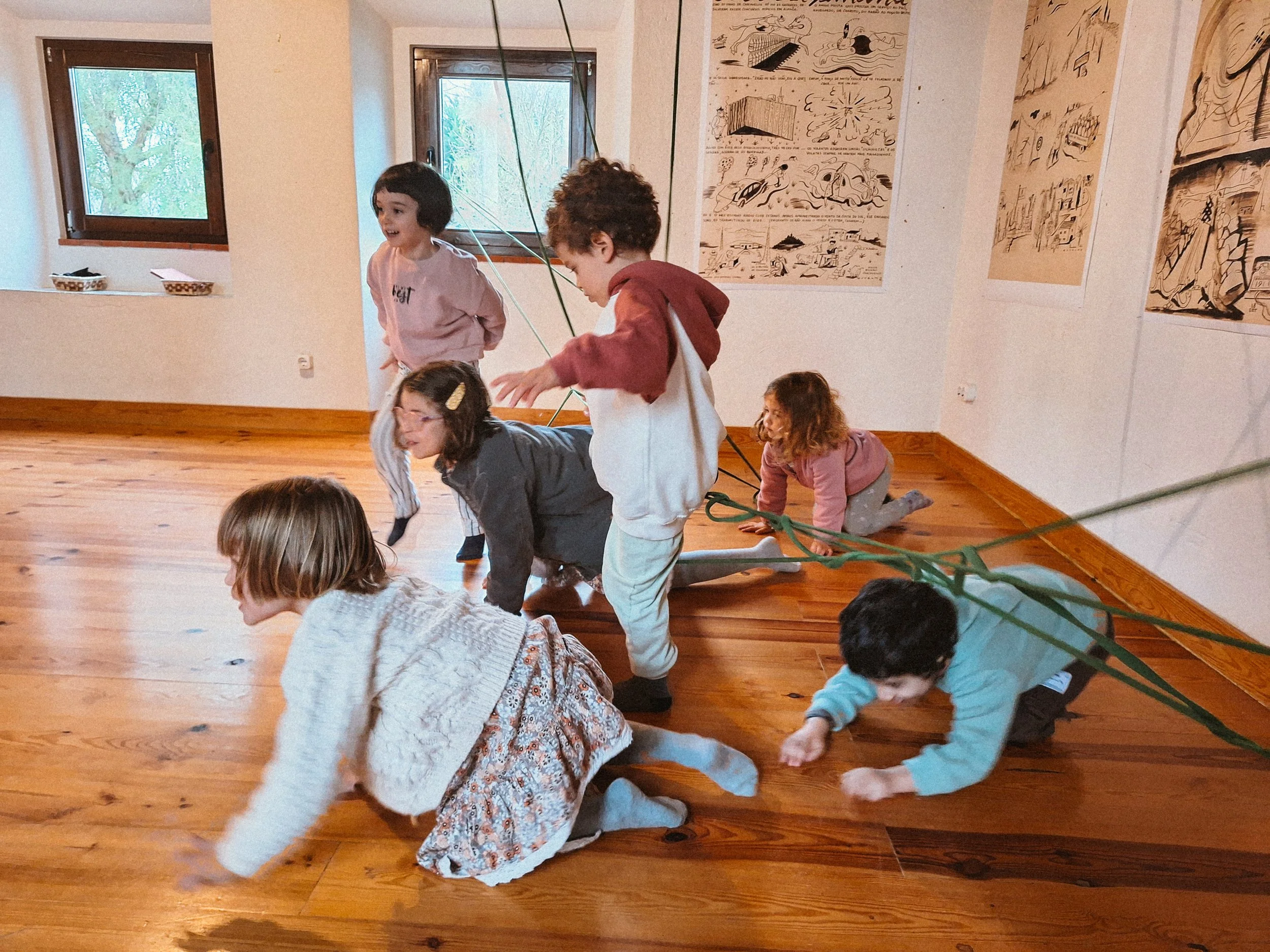
CASA – Laboratório de Criação enhances the aesthetic quality of everyday life and community spaces by integrating artistic practices that combine tradition and contemporary expression, including visual arts, music, dance, crafts, and performing arts. Through workshops, residencies, and intergenerational events, the project transforms ordinary spaces into creative and sensory experiences that stimulate the senses, promote well-being, and enrich the quality of life.
By involving the local community in co-creation, CASA fosters a sense of belonging and care for the environment, turning each activity into an opportunity for social connection, cultural dialogue, and recognition of local identities. The project exemplifies aesthetic excellence by making creativity accessible, meaningful, and integrated into everyday life. It encourages participants to appreciate and interact consciously with public and private spaces, cultivating cultural, emotional, and social development.
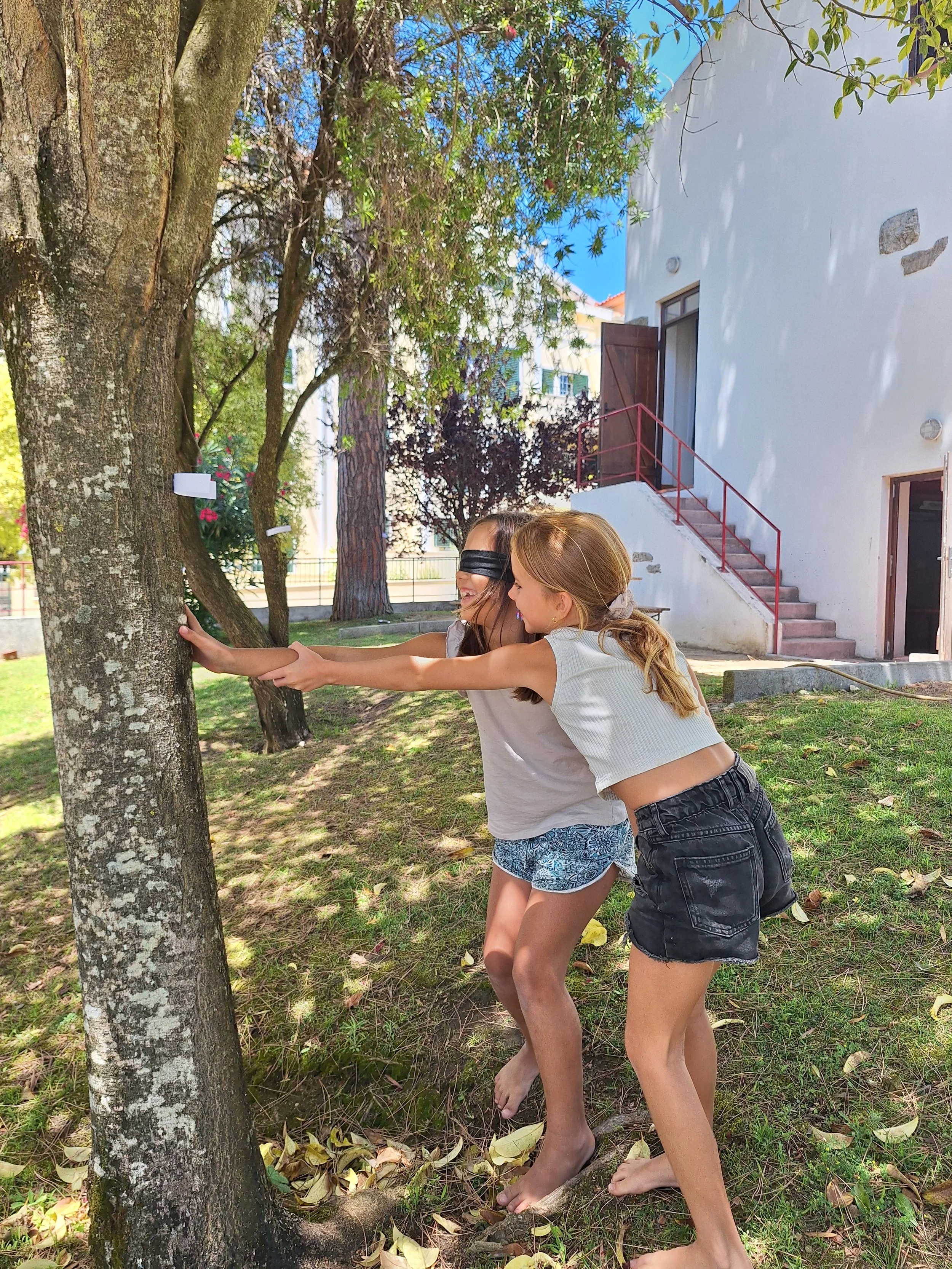
At its core, CASA embodies the motto “contraria o medo de errar” (“counteracts the fear of making mistakes”), encouraging experimentation, risk-taking, and playful exploration as part of the creative process. This approach not only strengthens artistic expression but also nurtures confidence, curiosity, and resilience in all participants, making the aesthetic experience transformative both individually and collectively.
CASA – Laboratório de Criação promotes inclusion through an open, participatory cultural approach accessible to people of different ages, social backgrounds, and levels of artistic experience. The project combines free or donation-based activities with paid initiatives, ensuring that access to culture does not depend solely on economic capacity. This model enables the participation of diverse audiences, including families, children, adults, and individuals who may otherwise have limited access to artistic experiences.
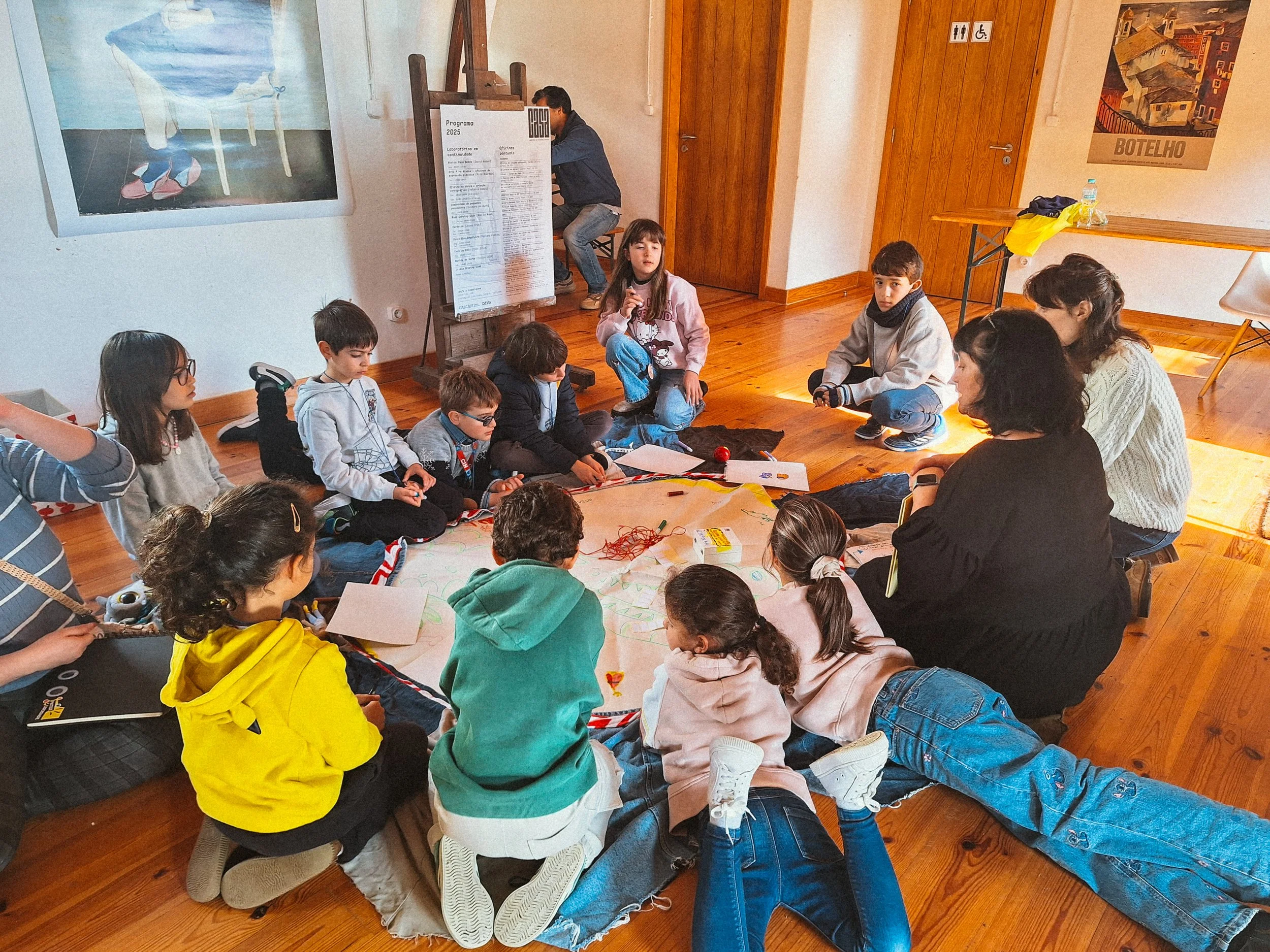
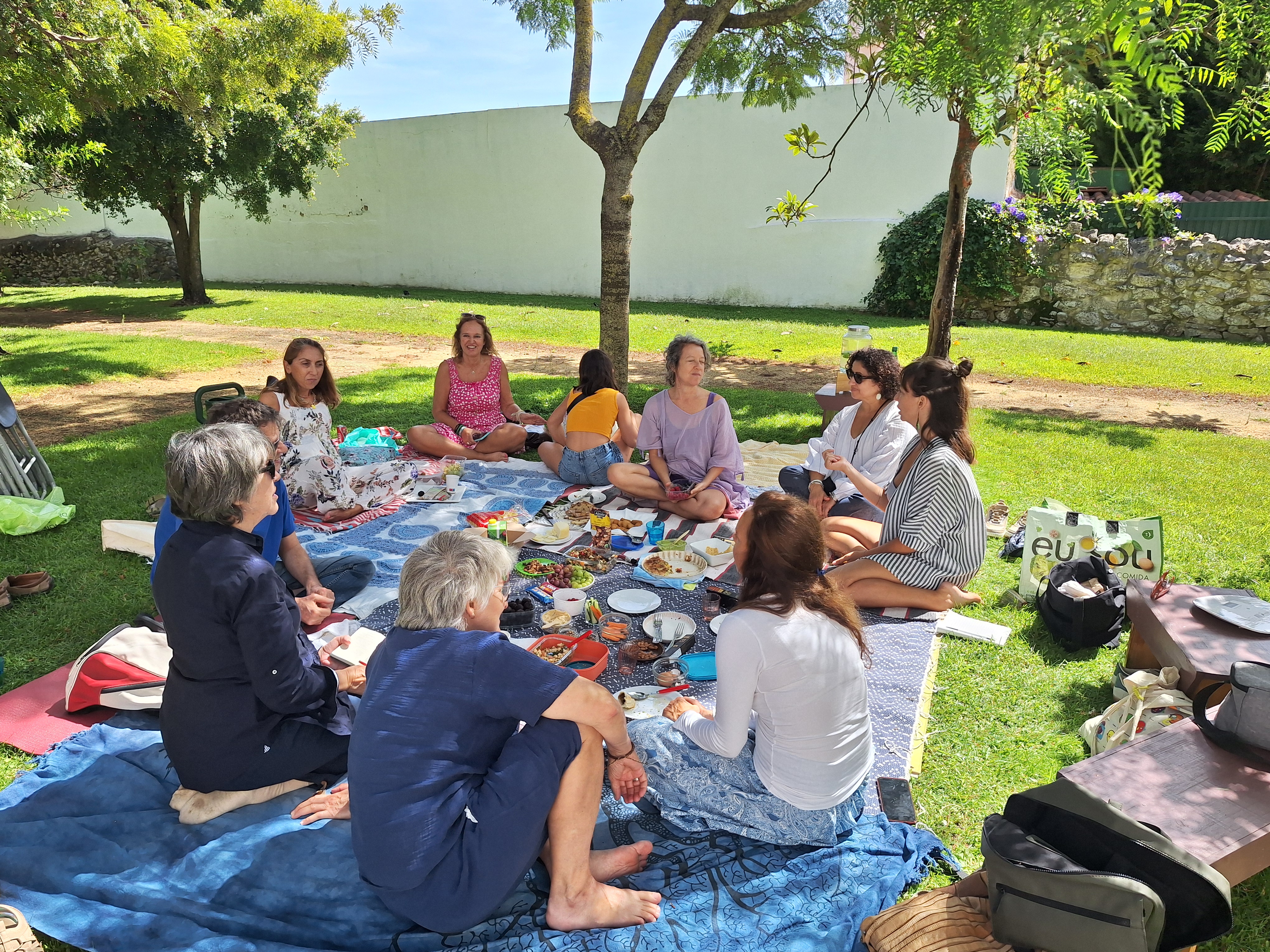
Inclusion is also fostered through intergenerational and co-creation practices, where artists and participants collaboratively build learning and creative experiences. Workshops, gatherings, and public events encourage active participation, valuing diverse knowledge, backgrounds, and perspectives. This approach strengthens a sense of belonging and creates a safe environment where people feel free to express themselves, learn from one another, and develop creative confidence.
From a governance perspective, CASA operates as a collaborative platform that connects artists, local associations, schools, and the wider community, encouraging more participatory approaches to programming and decision-making. This relational model allows activities to adapt continuously to the needs of the territory and its audiences.
The project can be considered exemplary in terms of inclusion because it combines economic accessibility, active participation, and cultural diversity, creating an environment where creativity becomes a tool for encounter, learning, and social cohesion. By encouraging collaboration and exchange across generations and social contexts, CASA contributes to a more democratic cultural model in which art becomes a space for participation, belonging, and social transformation.
Participation is a core principle of CASA, guiding both its conception and ongoing development. The project was designed through a bottom-up approach, beginning with an exploratory survey involving 114 residents of Cascais to identify cultural interests, local needs, and barriers to participation. The results revealed a strong demand for accessible creative experiences and directly informed the project’s design.
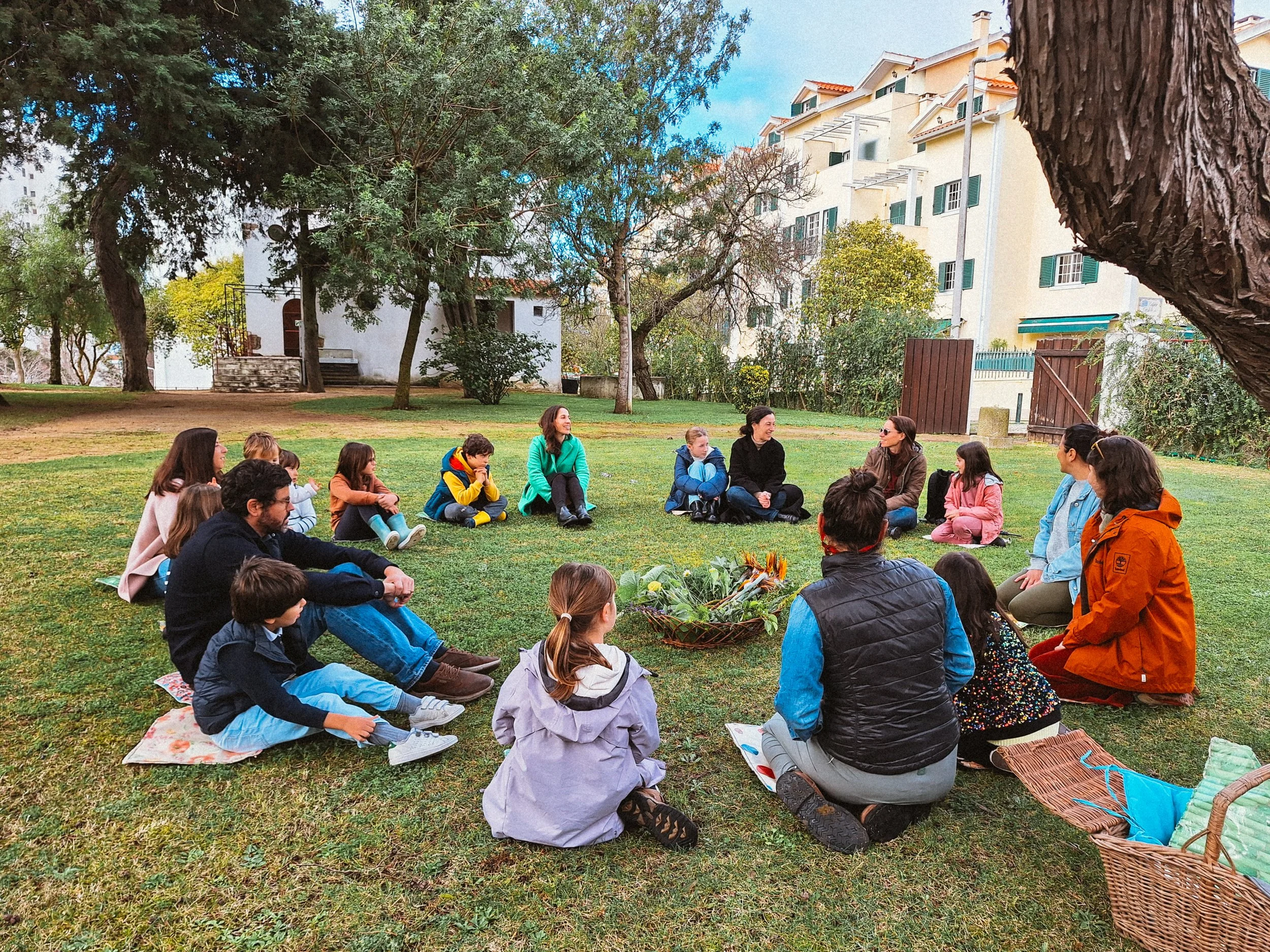
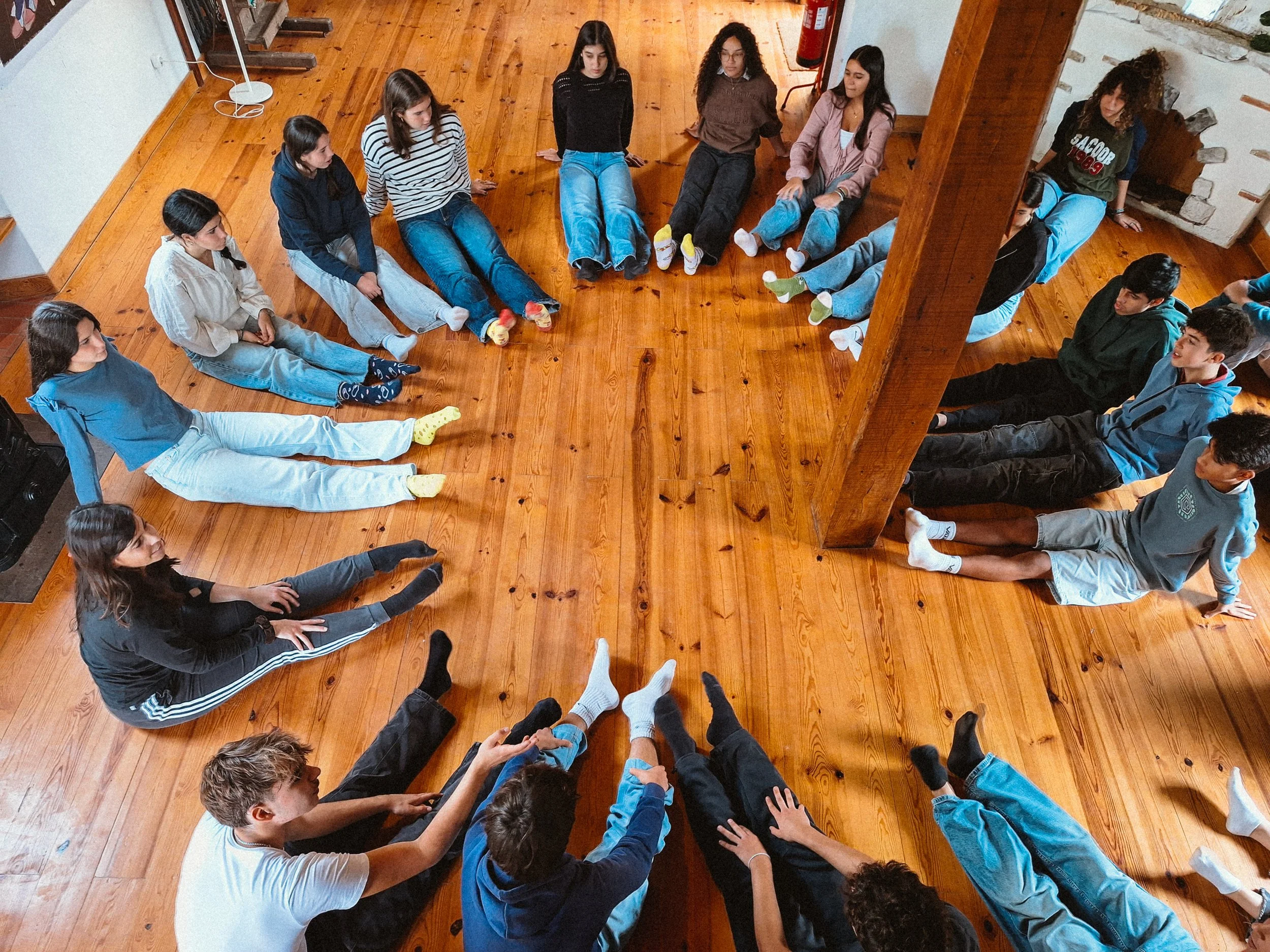
From the beginning, CASA has operated as a participatory cultural platform where citizens, artists, schools, associations, and local organisations collaborate in the creation and implementation of activities. Participants are not only audiences but active contributors to the creative process. Workshops, residencies, and community events are designed as spaces for co-creation, where artists act as facilitators and participants experiment, share knowledge, and develop their own creative capacities.
Civil society organisations and local partners also take part in programming and implementation through collaborations and joint initiatives that expand the project’s reach across the territory. This collaborative ecosystem fosters continuous dialogue with the community and allows activities to adapt to evolving needs.
Participation is also embedded in the project’s evaluation and development processes. Feedback mechanisms, audience surveys, and informal dialogue with participants help guide programming and strategic decisions, ensuring that the project remains responsive and community-centred.
The impact of this participatory model is reflected in strong community engagement and the sustained growth of the project, from around 170 participants in the pilot phase to approximately 2,000 participants in recent programmes. Through shared creation and collective learning, CASA fosters a strong sense of belonging and community ownership, transforming cultural participation into a driver of social connection, civic engagement, and local cultural resilience.
CASA operates through a collaborative model that involves different levels of governance, integrating community members, institutions, and wider cultural networks in the design and implementation of the project.
At the local level, the Cascais community plays a central role. Citizens, artists, families, schools, and associations actively participate in the activities and co-creation processes that shape the programme. Community involvement began at the conception stage through an exploratory survey with local residents, which helped identify cultural needs and guide the project’s initial design. This dialogue continues through feedback mechanisms, participation in activities, active listening, and direct communication with the community, including the CASA community WhatsApp group, welcoming practices during events, and consistent responses to participants and partners.
At the local institutional level, the Municipality of Cascais plays a key role by supporting the project and providing the Atelier Carlos Botelho space through a four-year loan agreement, enabling the stabilization of programming and the development of regular activities. This institutional support strengthens CASA’s integration within the local cultural ecosystem.
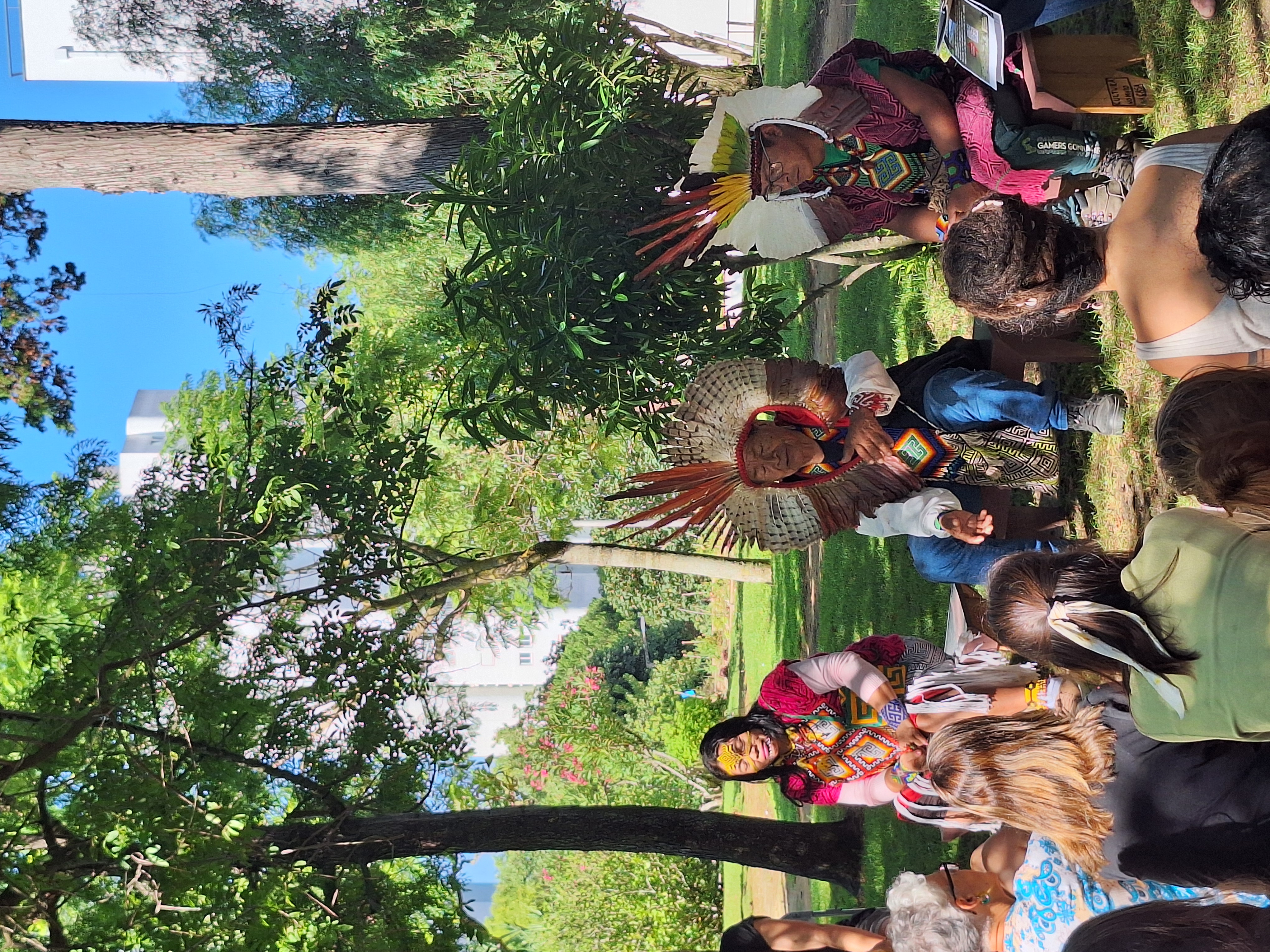
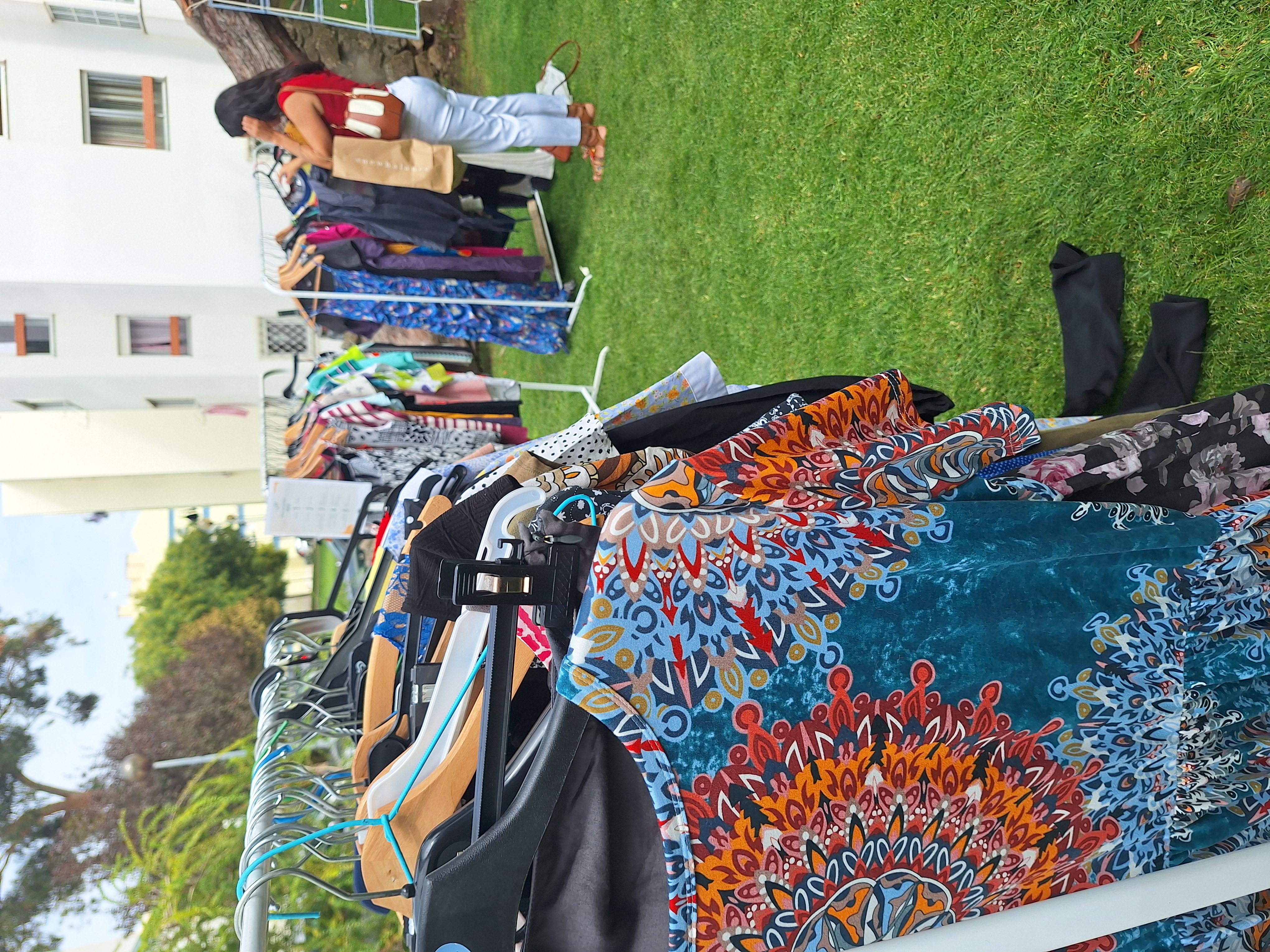
At regional and national levels, CASA collaborates with artists, collectives, and cultural organisations such as Circular Economy Portugal, Let’s Swap Portugal, Marianga, Zero em Comportamento, Atelier 3, and Cultura no Muro, developing initiatives that connect art, sustainability, and community participation. The project also maintains an open relationship with the Portuguese National Arts Plan.
The interaction between these different levels generates significant added value, combining local knowledge, institutional support, and cultural networks. This multilevel governance model strengthens CASA’s sustainability, resilience, and adaptability as an open and participatory cultural platform.
CASA is built on a transdisciplinary approach that brings together different fields of knowledge in the design and implementation of the project. From its conception, the initiative integrates contributions from the arts, education, social sciences, environmental sustainability, and community practices, creating a space where diverse forms of knowledge interact and are translated into creative experiences accessible to the community.
In the artistic field, the programme combines performing arts, visual arts, music, dance, and crafts, enabling participants to explore multiple creative languages. These practices are often combined with educational processes and experiential learning methodologies, where learning by doing and collective creation are central principles.
The educational dimension is reinforced through collaboration with artists, cultural mediators, and educators who facilitate workshops, residencies, and intergenerational activities that stimulate critical thinking, curiosity, and the development of creative skills.
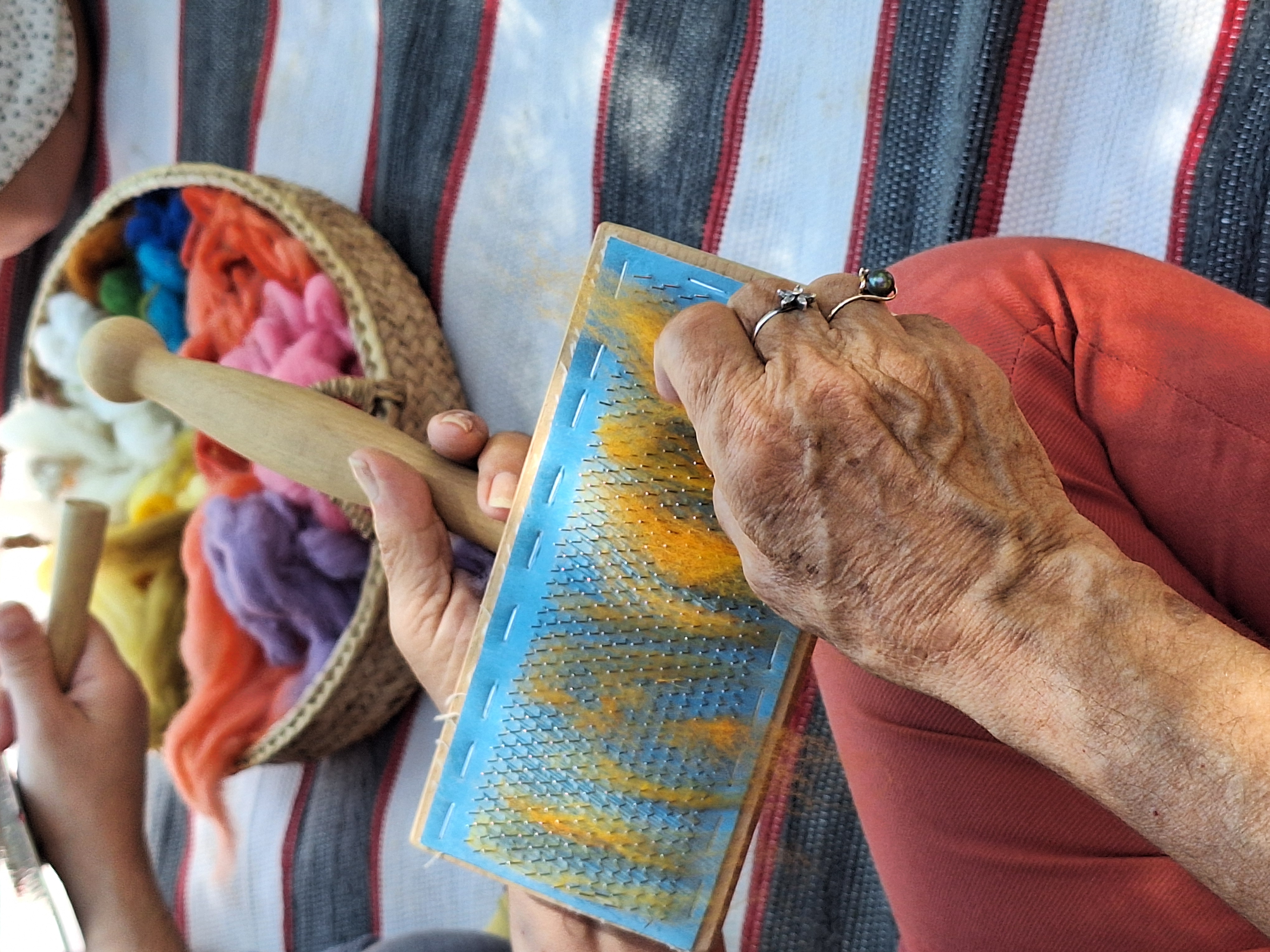
Environmental sustainability is also integrated into the programme through activities connected to nature, the recovery of traditional crafts, and critical reflection on contemporary consumption models.
Finally, social sciences and community participation practices inform the operating model of CASA, which promotes co-creation processes, active listening, and community involvement in the development of activities.
This combination of disciplines allows CASA to function as a true cultural laboratory where art, education, sustainability, and civic participation intersect to generate new forms of learning, creativity, and social engagement.
The business model of CASA is based on a hybrid approach that combines self-generated revenue, institutional support, and strategic partnerships, ensuring financial sustainability while preserving the project’s cultural and social mission.
A significant part of the project’s financial sustainability comes from paid activities such as regular workshops, specialised courses, creative sessions, and events organised for schools, associations, private groups, and companies. Some of these activities generate stable demand and contribute directly to the project’s financial balance.
At the same time, CASA maintains an accessible programme that includes free or donation-based activities, ensuring broader cultural access and participation for diverse audiences. This model operates through a cross-subsidy approach, where revenue-generating activities help finance initiatives with higher social, educational, and community impact.
The project also benefits from institutional support from the Municipality of Cascais, which provides the Atelier Carlos Botelho space through a four-year loan agreement. This significantly reduces structural costs and allows the project to stabilise its cultural programming.
Partnerships with artists, collectives, and cultural organisations also contribute to the project’s sustainability by enabling the sharing of resources, expanding programming, and developing collaborative initiatives.
By combining self-generated income, institutional support, and collaborative networks, CASA maintains a resilient and adaptive financial model capable of balancing economic viability with long-term cultural, social, and educational impact.
CASA demonstrates strong potential for transferability and replication, as its model is based on principles and methodologies that can be adapted to different territories, communities, and cultural contexts.
One of the most transferable elements is the participatory cultural co-creation model, which involves citizens, artists, schools, associations, and local organisations in the design and development of activities. This bottom-up approach ensures that cultural programming responds directly to community needs and interests and can be applied in both urban and rural contexts.
Another replicable element is the interdisciplinary programming model, which combines performing arts, visual arts, crafts, creative education, sustainability, and community practices. This flexible structure allows activities and themes to be adapted to the cultural specificities of different regions.
The adaptive use of existing spaces through shared-use or loan agreements is also a transferable practice, enabling the activation of underused cultural infrastructure while reducing structural costs for emerging initiatives.
The financial sustainability model based on a hybrid approach — combining revenue-generating activities, accessible programming, and institutional partnerships — can also be replicated by other community-based cultural projects.
Finally, the experience gained in building collaborative networks between artists, cultural organisations, and local communities represents valuable knowledge that can be shared and adapted in other contexts.
These elements position CASA as a scalable cultural model capable of inspiring similar initiatives across Europe, contributing to stronger local creative ecosystems and fostering more participatory, inclusive, and sustainable cultural practices.