Arts, Culture, and Heritage as Drivers of Change
LACUSTRIS (BUNHO)
LACUSTRIS (BUNHO) — Regenerating Wetland Heritage through Design, Craft and Community Innovation
BUNHO revitalises the traditional craft of Bunho weaving by reconnecting cultural heritage, ecological knowledge and contemporary design through innovation and Design Thinking, it strengthens human capital and fosters social entrepreneurship. By combining multidisciplinary domains, it establishes a regenerative model of sustainable development based on Ecosystem Services, demonstrating how heritage, nature and design can generate resilient local economies and new narratives for rural territories
Portugal
Local
Santarém Municipality, Moçarria Parish, Secorio place
Mainly rural
It involves other types of transformations (soft investment)
Yes
2025-01-31
No
No
No
Organisation
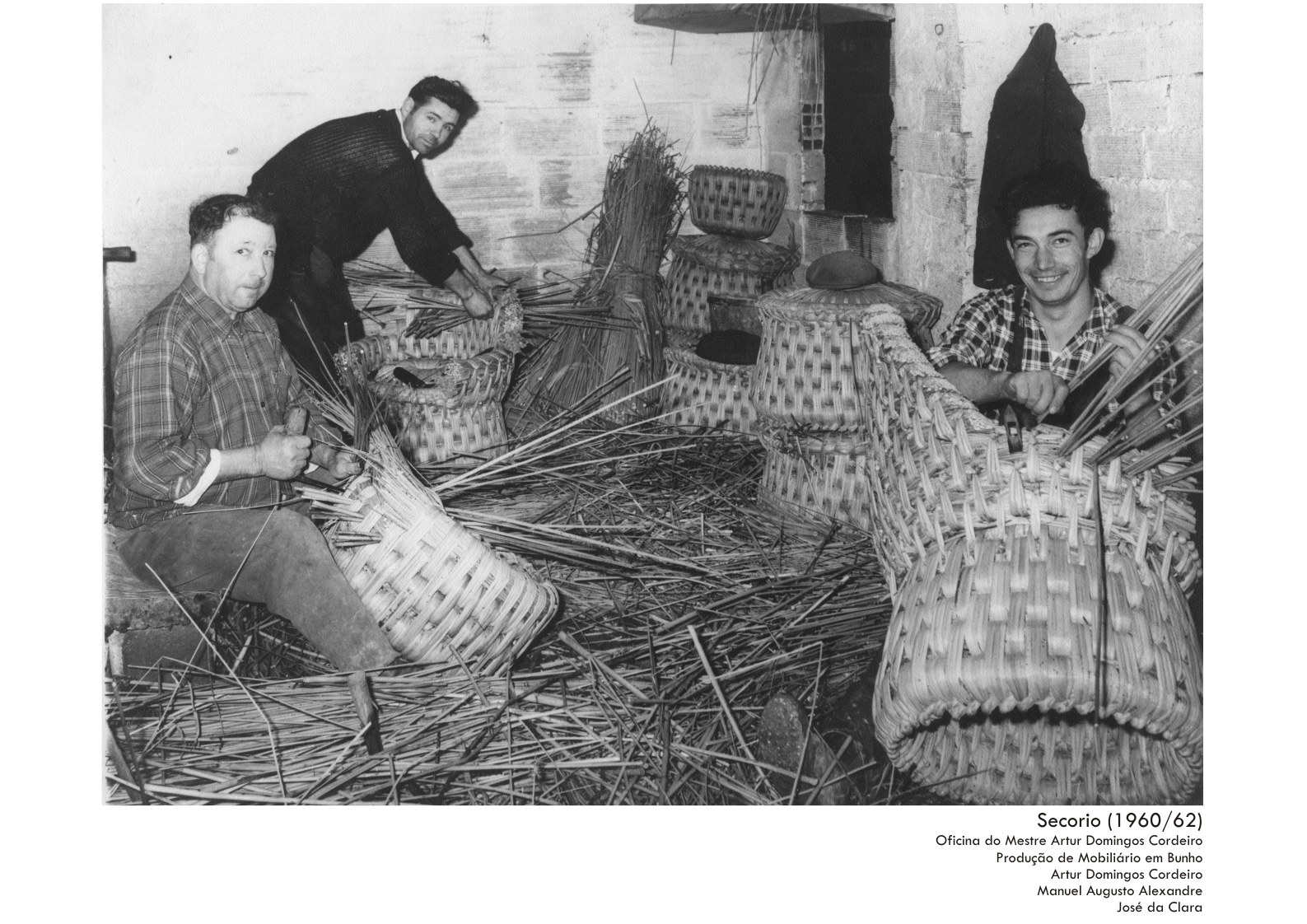
LACUSTRIS builds on the cultural and ecological legacy of the Bunho plant (Schoenoplectus lacustris), a native wetland species historically used to produce handcrafted furniture. For generations, this practice created a strong relationship between landscape, nature and community, combining sustainable harvesting practices with artisanal knowledge transmitted across generations.
Over time, industrialisation, rural depopulation and changing consumption patterns placed this tradition at risk of disappearing, with only two artisans remained active, Santarém Municipality made safeguarding this knowledge urgent.
Since 2014, the Municipality has implemented a long-term strategy to revitalise Bunho craft and protect the wetland landscapes where it grows. Our results include the documentation of traditional techniques, the organisation of national events and exhibitions dedicated to Bunho craft, the creation of a registered territorial brand, and the integration of Bunho craft into the Portuguese national programme for the safeguarding of traditional knowledge “Saber Fazer”, coordinated by the Portuguese Ministry of Culture.
The innovative potential of Bunho craftsmanship has also been recognised internationally, where the craft was highlighted in the study “Património nas Nossas Mãos – O Potencial das Indicações Geográficas Artesanais em Portugal”, developed by the World Intellectual Property Organization (WIPO) in collaboration with the Portuguese Institute of Industrial Property (INPI), identifying Bunho furniture as a craft with strong potential for territorial valorisation through geographical indications and cultural branding.
Through reconnecting craft, wetlands and communities, LACUSTRIS demonstrates how traditional ecological knowledge can inspire sustainable design, strengthen cultural identity and contribute to regenerative rural economies and long-term sustainable territorial development.
LACUSTRIS emerged from a local effort to prevent the disappearance of the traditional art-craft of Bunho furniture in Santarém, that was a regional identity craft.
For generations, artisans in the village of Secorio harvested Bunho fibres from nearby wetlands to produce handcrafted furniture, this practice formed a unique relationship between landscape, nature and community, representing an important cultural and economic activity for rural families. However, during the second half of the twentieth century industrial production, rural depopulation and changing lifestyles led to the gradual decline of this tradition.
By the early 2000s only a small number of artisans remained active, through recognising the risk of losing this knowledge, the Municipality initiated in 2014 a multidisciplinary effort to document, safeguard and revitalise Bunho craft.
The first phase focused on working closely with the remaining artisans to record traditional techniques, tools, production processes and oral histories, this built knowledge became the foundation for a broader territorial strategy linking cultural heritage, ecological awareness and creative innovation.
This allowed several initiatives to be implemented, including exhibitions and national events dedicated to Bunho craft, where the documentation of traditional practices, public demonstrations by artisans, and educational activities highlighted the ecological importance of wetlands and their Ecosystem Services.
Partnerships were established with universities, designers, training institutions and local organisations to support knowledge transfer and experimentation with new design applications for Bunho fibres.
LACUSTRIS demonstrates how a traditional craft can become a catalyst for cultural regeneration, environmental awareness and creative entrepreneurship, strengthening the relationship between communities, landscapes and heritage.
Wetland Regeneration
Nature-Based Design
Cultural Heritage Revival
Sustainable Craft Innovation
Creative Rural Economies
LACUSTRIS addresses environmental, cultural and socio-economic challenges by reconnecting traditional ecological knowledge with contemporary design and sustainable territorial development.
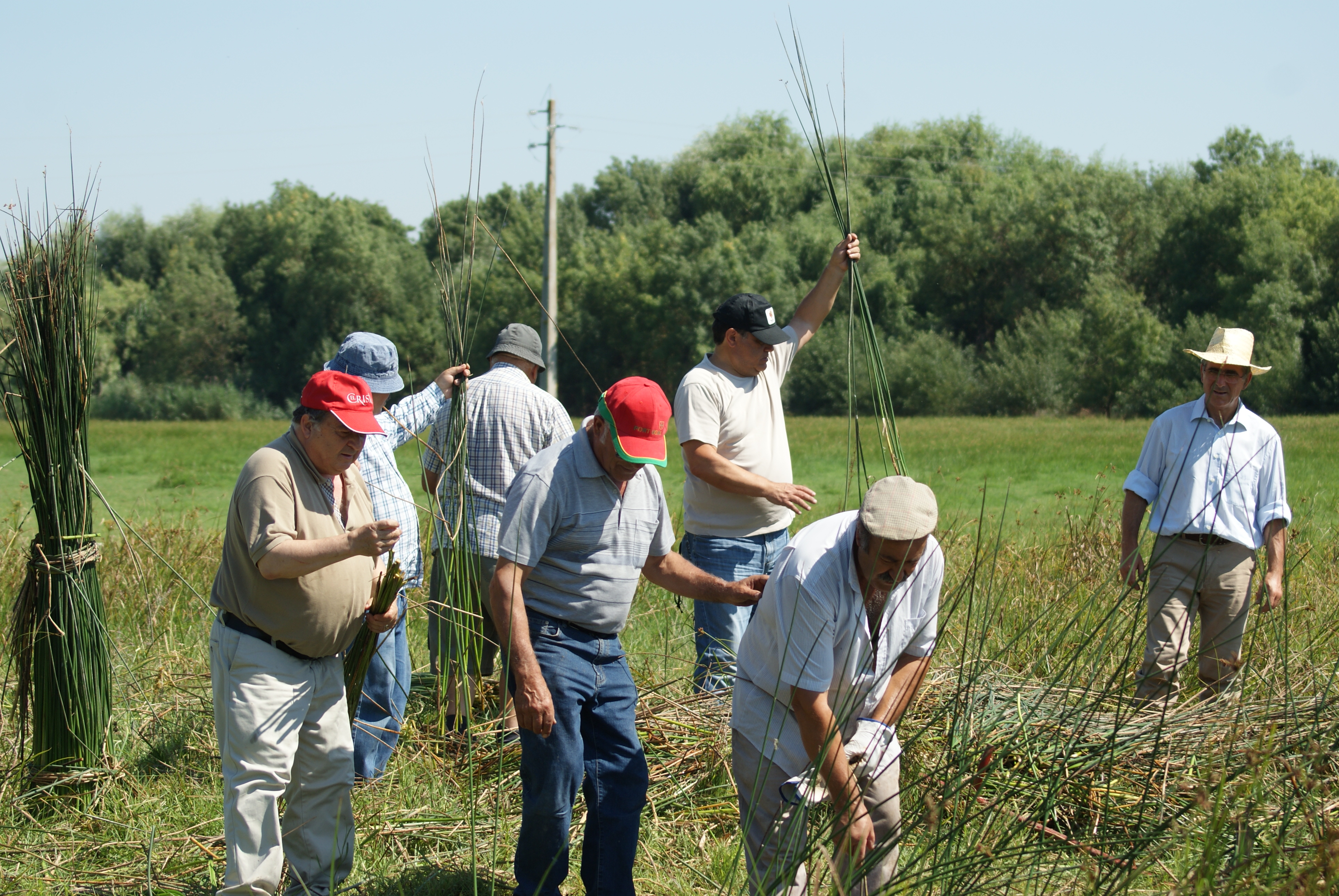
This project is rooted in the wetlands of Santarém, where the Bunho plant (Schoenoplectus lacustris) grows naturally and this native species provides a renewable raw material for handcrafted furniture while contributing to Biodiversity, water purification and Ecosystem stability. LACUSTRIS highlights the ecological value of wetland landscapes and raises awareness about the importance of their conservation, by promoting the sustainable use of Bunho fibres.
From an environmental perspective, the project encourages responsible harvesting practices and promotes the safeguard of wetland habitats increasingly threatened by pollution, Climate Change and land use pressures. Through research, public demonstrations and environmental awareness activities, it contributes to understanding and safeguarding the ecosystems where Bunho grows.
From a socio-economic perspective, LACUSTRIS revitalises an endangered craft tradition while creating opportunities for sustainable local economic development, fostered by training programmes, collaboration with designers and partnerships with educational institutions that support knowledge transfer and the emergence of a new generation of artisans and creative entrepreneurs.
LACUSTRIS demonstrates how cultural heritage and local ecosystems can become drivers of sustainable development, through merging nature-based solutions, circular use of renewable materials and community-driven innovation. The project offers an exemplary model that reconnects landscapes, craft traditions and local economies while promoting regenerative relationships between people, culture and nature.
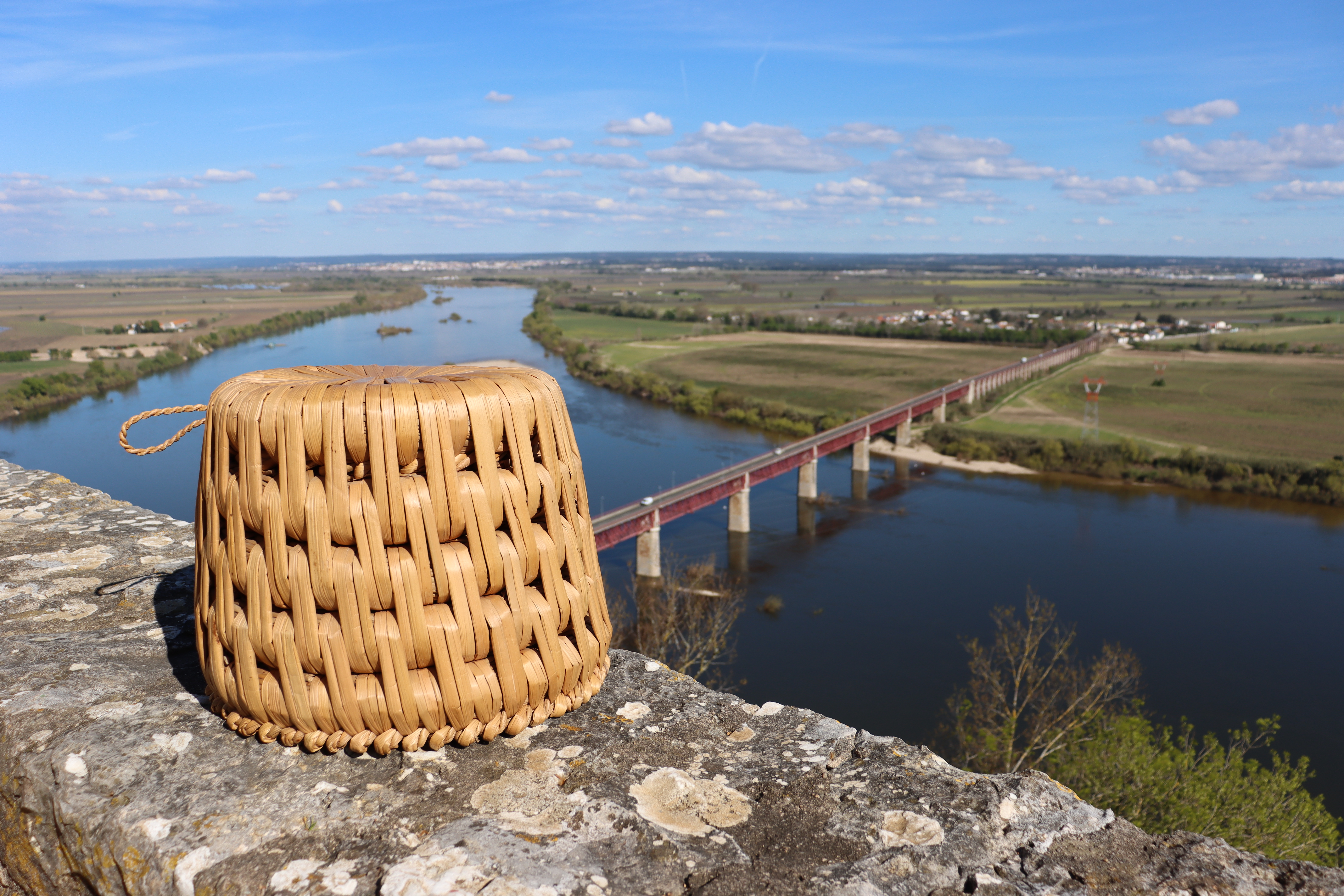
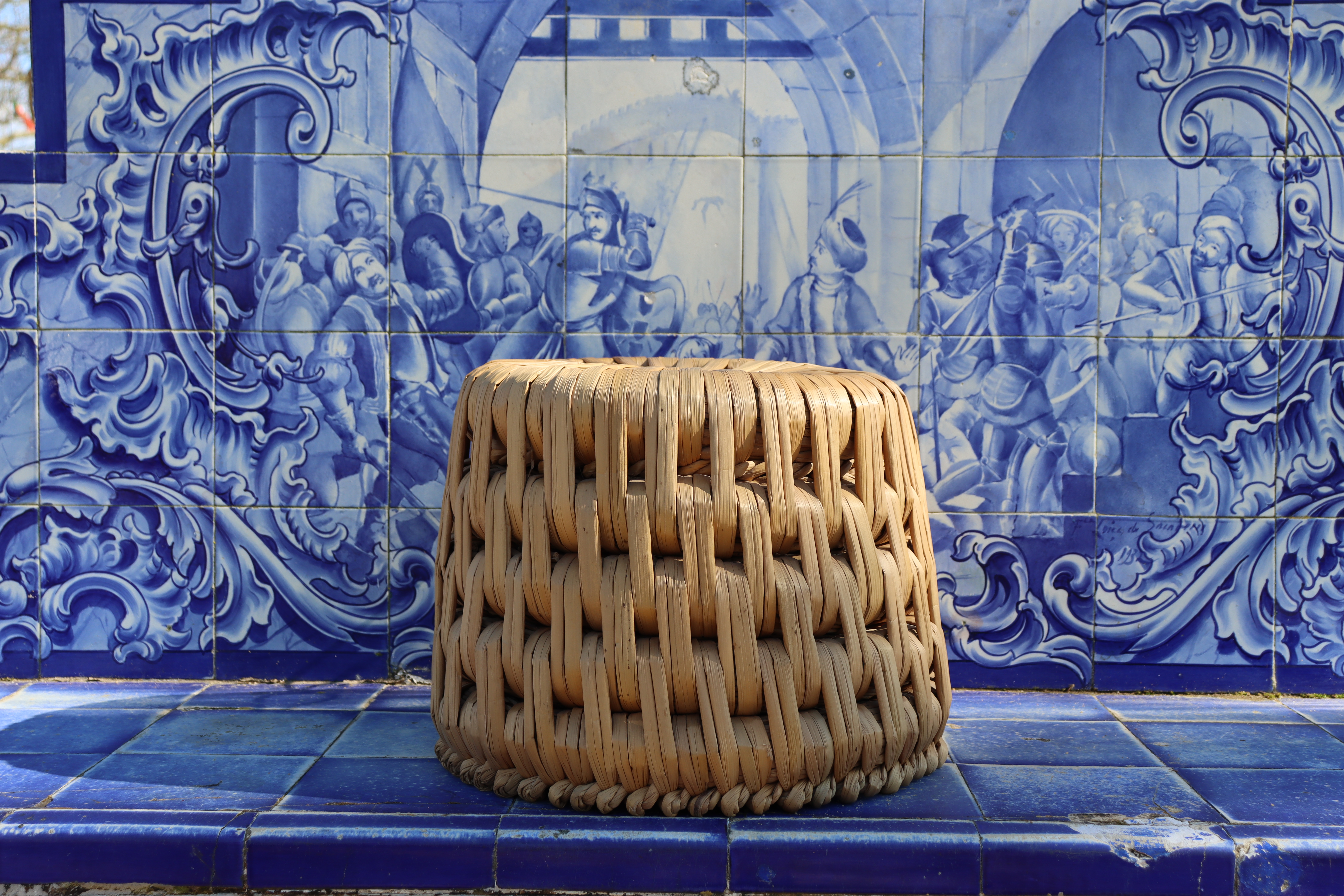
LACUSTRIS contributes to aesthetics by rediscovering the beauty of traditional craft and the wetland landscapes from which it emerges. The handcrafted furniture produced with Bunho fibres reflects a distinctive aesthetic language rooted in natural materials, manual techniques and the cultural identity of the wetlands surrounding Santarém. The weaving patterns, textures and organic forms created by artisans reveal a close relationship between material, design and landscape.
Through exhibitions, public events and collaborative design initiatives, LACUSTRIS highlights the aesthetic value of this heritage while encouraging contemporary reinterpretations. Designers and artisans work together to explore new forms and applications for Bunho fibres, showing how traditional knowledge can inspire contemporary sustainable design.
The project also strengthens a sense of belonging and care for place, by celebrating the heritage of the village of Secorio, historically known as the cradle of Bunho furniture, it reconnects local communities with their cultural landscape and shared memory.
LACUSTRIS shows that beauty can emerge from sustainable practices, local materials and collective knowledge, where everyday objects created with care and skill can become carriers of identity, connecting people with their landscapes and traditions, via bringing together craft, design and nature.
In this way, LACUSTRIS reflects the New European Bauhaus vision of beauty as a driver for cultural regeneration, community pride and more meaningful relationships between people, culture and nature.
LACUSTRIS promotes inclusion by placing communities, traditional knowledge and collaborative learning at the centre of the project, since it was developed through a participatory approach involving artisans, local authorities, researchers, educational institutions and civil society organisations, in a collaborative framework that ensures that safeguarding and revitalisation of Bunho craft is shaped collectively by those connected to the territory.
A key objective is the transmission of knowledge between generations, with only a small number of artisans still practising Bunho weaving, the project supports training programmes, workshops and educational activities that enable younger generations to learn traditional techniques and reinterpret them through contemporary design.
LACUSTRIS also promotes accessibility by opening the craft to wider audiences, through public exhibitions, demonstrations and hands-on workshops invite citizens, students and visitors to engage directly with Bunho craft and to understand the ecological and cultural value of wetland landscapes.
By linking craft traditions with education, design and entrepreneurship, the project creates new opportunities for social and economic participation in rural territories, where these activities encourage young people, creative professionals and local communities to reconnect with their heritage and explore new pathways for sustainable livelihoods.
Through collaborative governance and community participation, LACUSTRIS demonstrates how cultural heritage and natural resources can become shared assets that empower communities, strengthen social cohesion and support inclusive local development.
Participation is at the core of the LACUSTRIS project, since it was developed through a collaborative process involving artisans, local communities, cultural organisations, educational institutions and public authorities.
The starting point was the recognition that the traditional craft of Bunho furniture was at risk of disappearing and so the first phase focused on working closely with the remaining artisans, documenting their knowledge, techniques and memories. Rather than being only informants, these artisans played a central role in shaping the project and guiding the safeguarding of the craft.
Local communities and civil society organisations have been actively involved through exhibitions, public demonstrations, workshops and awareness activities, permitting participants to discover the ecological value of wetlands, the lifecycle of the Bunho plant and the cultural significance of this traditional craft.
Participatory learning is further promoted through training programmes where artisans, designers and students collaborate in exploring new applications for Bunho fibres, creating opportunities for knowledge exchange between generations and disciplines, encouraging co-creation and experimentation.
The involvement of citizens has strengthened the visibility of Bunho craft and reinforced a shared sense of responsibility for protecting both cultural heritage and wetland ecosystems, where engaging communities as active contributors to learning, experimentation and cultural transmission, fosters a stronger sense of belonging and collective stewardship of the territory.
LACUSTRIS is implemented through a collaborative governance model that brings together multi-level stakeholders that enables the safeguard of a unique art-craft tradition rooted in wetland landscape and activates new local value chains.
At the local level, Santarém Municipality plays a coordinating role, mobilising local communities, artisans, cultural organisations and civil society actors, since the project is deeply rooted in the village of Secorio, historically recognised as the centre of Bunho furniture production, where local knowledge and traditional practices continue to shape the project’s development.
At the regional and national levels, partnerships with universities, design schools and specialised craft training institutions support research, education and knowledge transfer, where these collaborations enable experimentation with new design applications for Bunho fibres while ensuring the continuity of traditional techniques through training and capacity-building programmes.
The project is also connected to national cultural heritage policies through its integration into the Portuguese strategy for traditional arts and crafts “Saber Fazer”, this recognition reinforces the cultural significance of Bunho craft and supports its long-term safeguarding.
Through this multilevel collaboration, LACUSTRIS combines local knowledge with institutional support, enabling coordination between communities, public authorities and knowledge institutions, transforming the engagement of stakeholders across governance levels that strengthens the project’s impact as a continuum of tradition and contributes to position Bunho heritage within a broader cultural and sustainability agenda.
Lacustris exemplifies the transformative power of public entrepreneurship in revitalising endangered cultural ecosystem through mobilising institutional leadership, knowledge transfer and collaborative innovation, the project is enabling the emergence of a new generation of Bunho artisans.
LACUSTRIS is inherently transdisciplinary, bringing together knowledge from environmental sciences, design, cultural heritage studies, social sciences and education to address the environmental, cultural and social challenges associated with the preservation of Bunho craft.
Environmental sciences contribute to understanding the ecology of wetland ecosystems where the Bunho plant (Schoenoplectus lacustris) grows, including research on Biodiversity, water quality and the impacts of Climate Change and pollution on these habitats.
Design plays a central role by exploring contemporary applications for Bunho fibres and reinterpreting traditional techniques through new forms, products and creative approaches, this dialogue between traditional craftsmanship and contemporary design opens new possibilities for sustainable materials and craft innovation.
Social sciences and cultural heritage studies support the documentation of traditional knowledge, oral histories and community practices associated with Bunho craft, helping to understand its cultural significance and role in local identity.
Education and training institutions are also key partners, enabling knowledge transfer between artisans, students and researchers through workshops, demonstrations and training programmes.
By combining scientific research, design experimentation and traditional ecological knowledge, LACUSTRIS creates a holistic framework where different disciplines collaborate to support cultural heritage preservation, environmental awareness and sustainable territorial development.
LACUSTRIS is based on a hybrid model that combines cultural heritage preservation, creative entrepreneurship and sustainable local economic development. This project supports the revitalisation of Bunho craft both as a cultural practice and as a source of economic activity. Its revenue is generated through the production and sale of handcrafted Bunho furniture and objects, the development of contemporary design products using Bunho fibres, and the organisation of exhibitions, workshops and cultural events that promote the craft and its ecological context.
Developed in collaboration with educational institutions and specialised craft training centres, these training programmes and knowledge transfer strengthen the skills base needed to ensure the long-term sustainability of Bunho craft and play a key role in supporting the emergence of a new generation of artisans and creative entrepreneurs.
LACUSTRIS also explores opportunities linked to cultural tourism, the creative industries and sustainable design markets, by positioning Bunho craft as a distinctive cultural product connected to wetland landscapes, the project creates new opportunities for local value creation.
Public support from local authorities has been fundamental in the early stages of research, documentation and safeguarding of this endangered craft. Over time, financial sustainability is strengthened through the growth of craft-based businesses, collaborations with designers and cultural organisations, and increasing visibility of Bunho craft in national and international markets.
Its cultural heritage, creative industries and sustainable use of local natural resources, can contribute to a resilient rural economy rooted in ecological awareness and community knowledge.
Lacustris demonstrates a replicable model for territories where cultural heritage, traditional crafts and natural ecosystems are closely interconnected, Its methodology combines documentation of traditional knowledge, community participation, design experimentation and environmental awareness, offering an adaptable framework for other endangered crafts that depend on local natural materials and ecological knowledge.
The project highlights the potential of linking cultural heritage with ecosystem services, showing how natural materials such as reeds, grasses, wood or plant fibres can be reinterpreted through contemporary design while respecting ecological cycles and local landscapes. Its collaborative governance model, involving artisans, municipalities, educational institutions, designers and civil society, strengthens knowledge exchange, supports local innovation and fosters creative rural economies.
Knowledge-transfer programmes further enhance replicability by enabling younger generations to rediscover traditional crafts and transform them into sustainable cultural and economic activities. Lacustris illustrates a model of public entrepreneurship, where a local authority acts as a catalyst for innovation by mobilising heritage, ecological resources and community knowledge.
Combining public leadership with collaborative networks and creative experimentation, the project demonstrates how municipalities can generate new value chains, support local economies and drive sustainable territorial development. This approach aligns with broader European recognition of the value of traditional craftsmanship, including initiatives that promote geographical indications as tools to preserve authenticity, cultural identity and local economic development.
Lacustris shows how local materials, traditional knowledge and contemporary design can work together, providing a scalable framework for cultural regeneration, ecological awareness and sustainable development across Europe.