Arts, Culture, and Heritage as Drivers of Change
Cuia Colab
Cuia Colab
Cuia Colab is a cultural platform from the Brazilian Amazon that connects Indigenous craft knowledge, forest ecosystems, and contemporary biodesign. Inspired by a nearly forgotten technique that shapes cuia fruits as they grow on trees, the project cultivates objects in collaboration with local artisans—celebrating cultural heritage while proposing a regenerative vision of design rooted in care for people, forest, and future.
Brazil
Local
Santarém in the North of Brazil.
It addresses urban-rural linkages
It involves other types of transformations (soft investment)
Yes
2025-01-01
No
No
No
Individual
Cuia Colab is a project developed in the Brazilian Amazon that evolved from a biodesign startup into a cultural platform connecting traditional knowledge, ecological research, contemporary design, and public engagement.
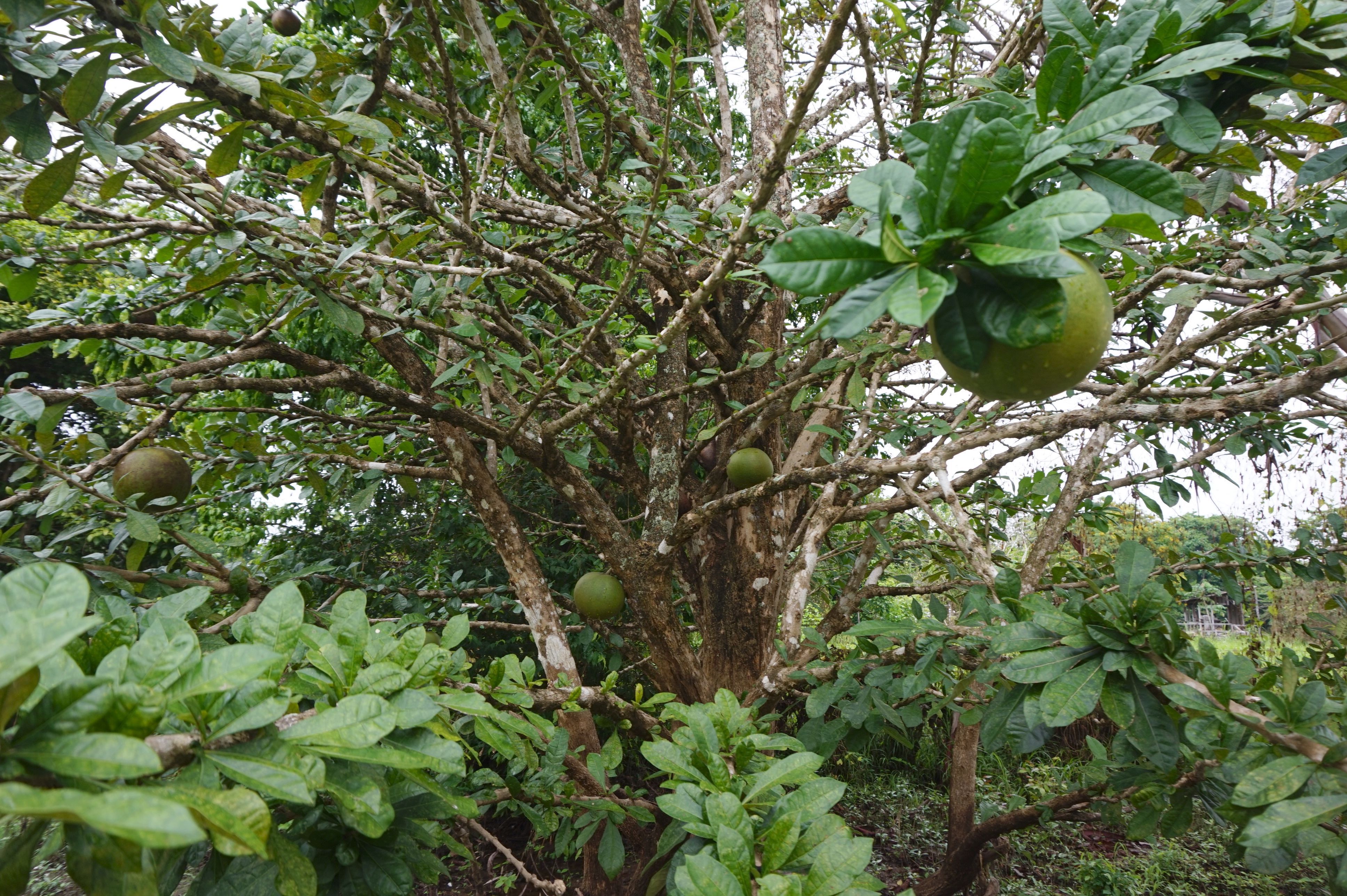
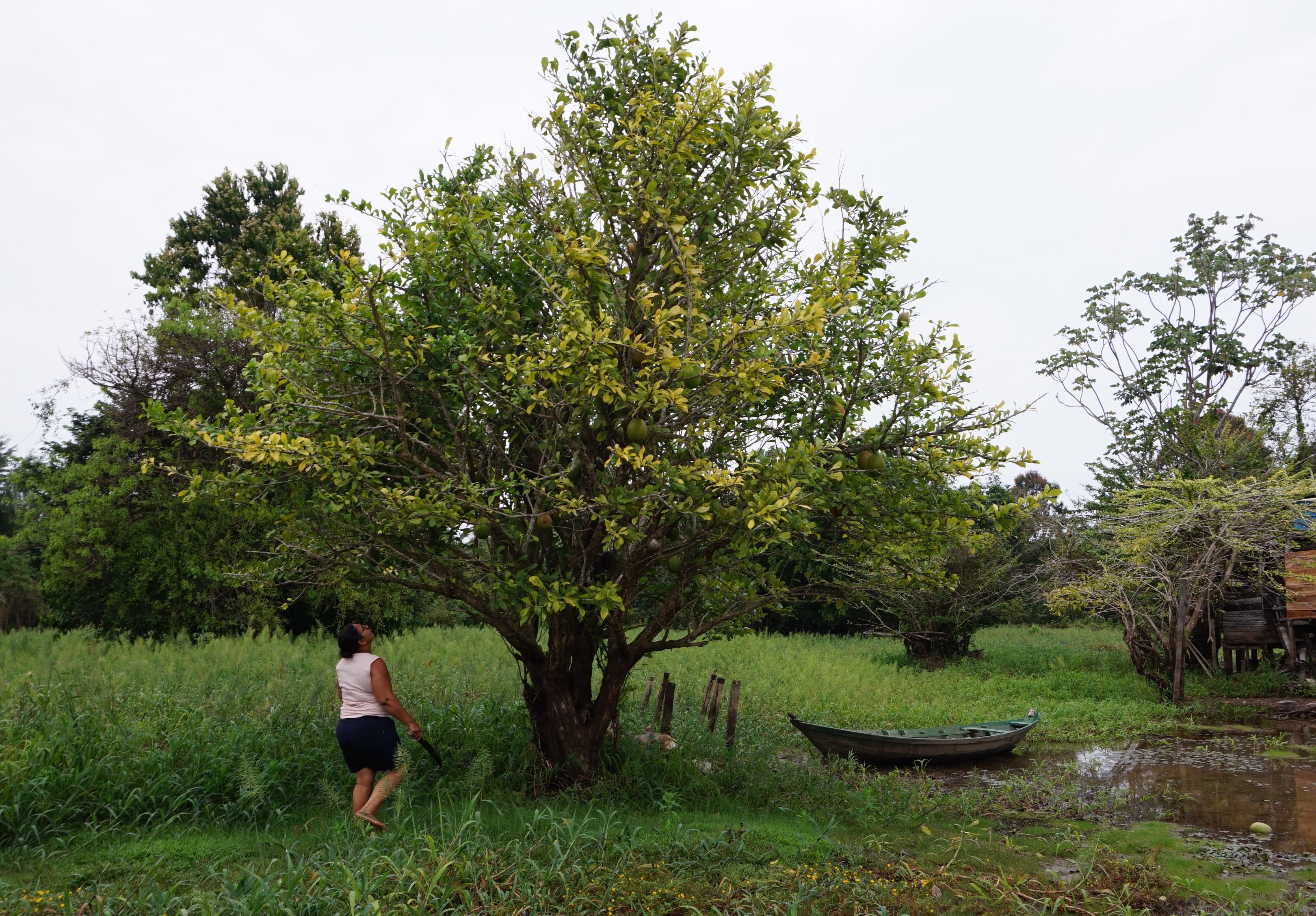
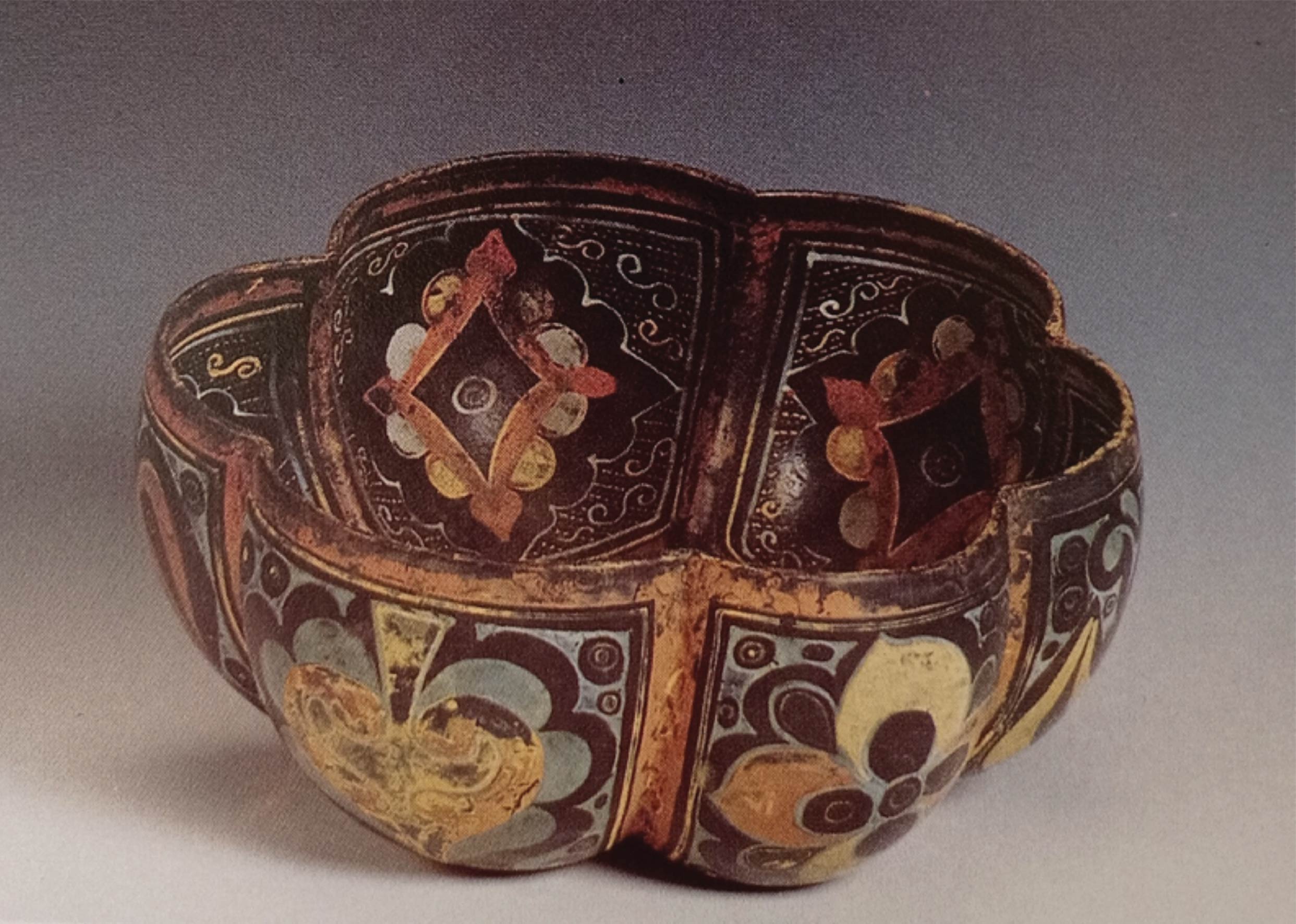
Cuias—objects crafted from the fruit of the Crescentia cujete tree—are widely used across Latin America. In the Amazonian region of Santarém, their production is recognized as Intangible Cultural Heritage of Brazil, reflecting centuries of Indigenous and riverine knowledge embedded in relationships with the forest.
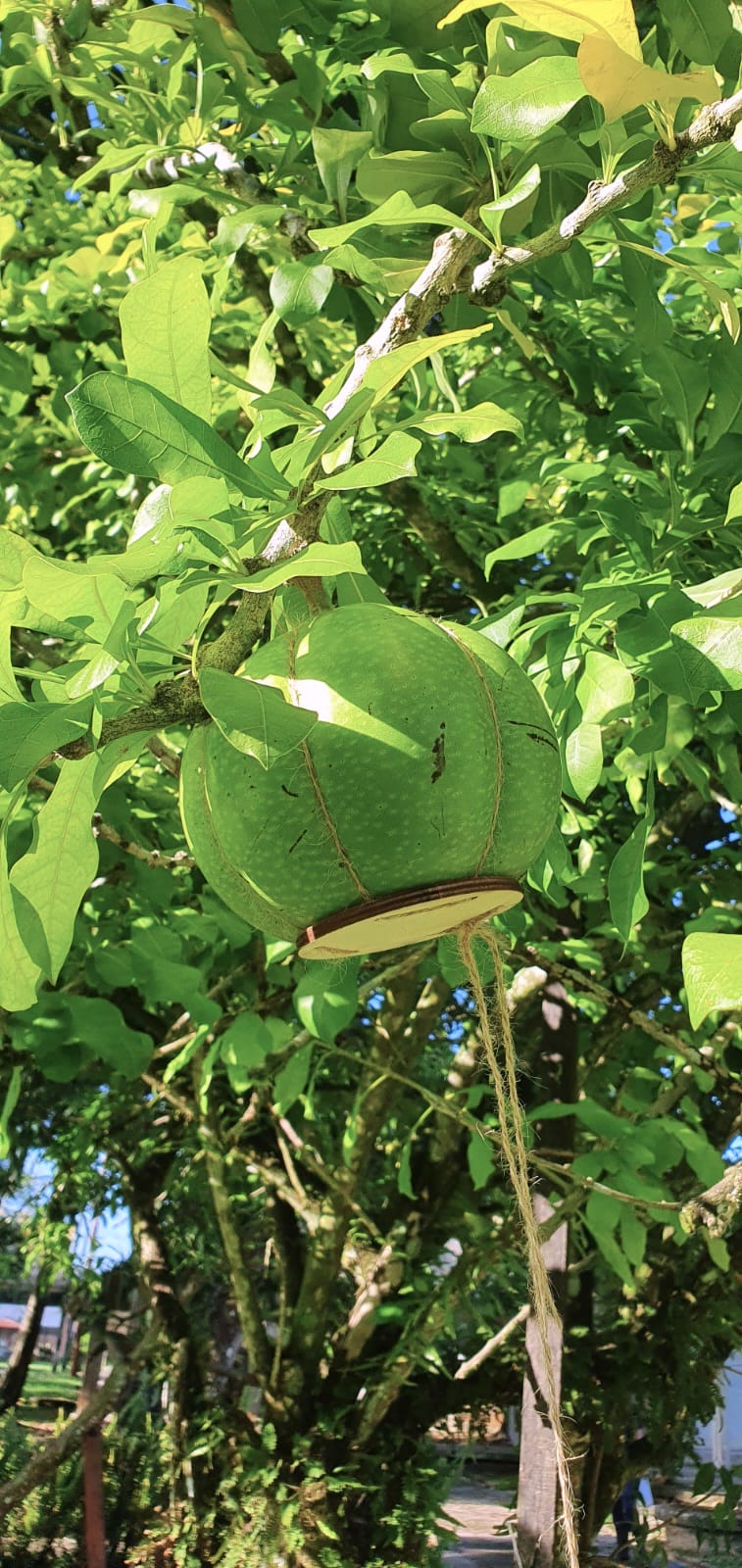
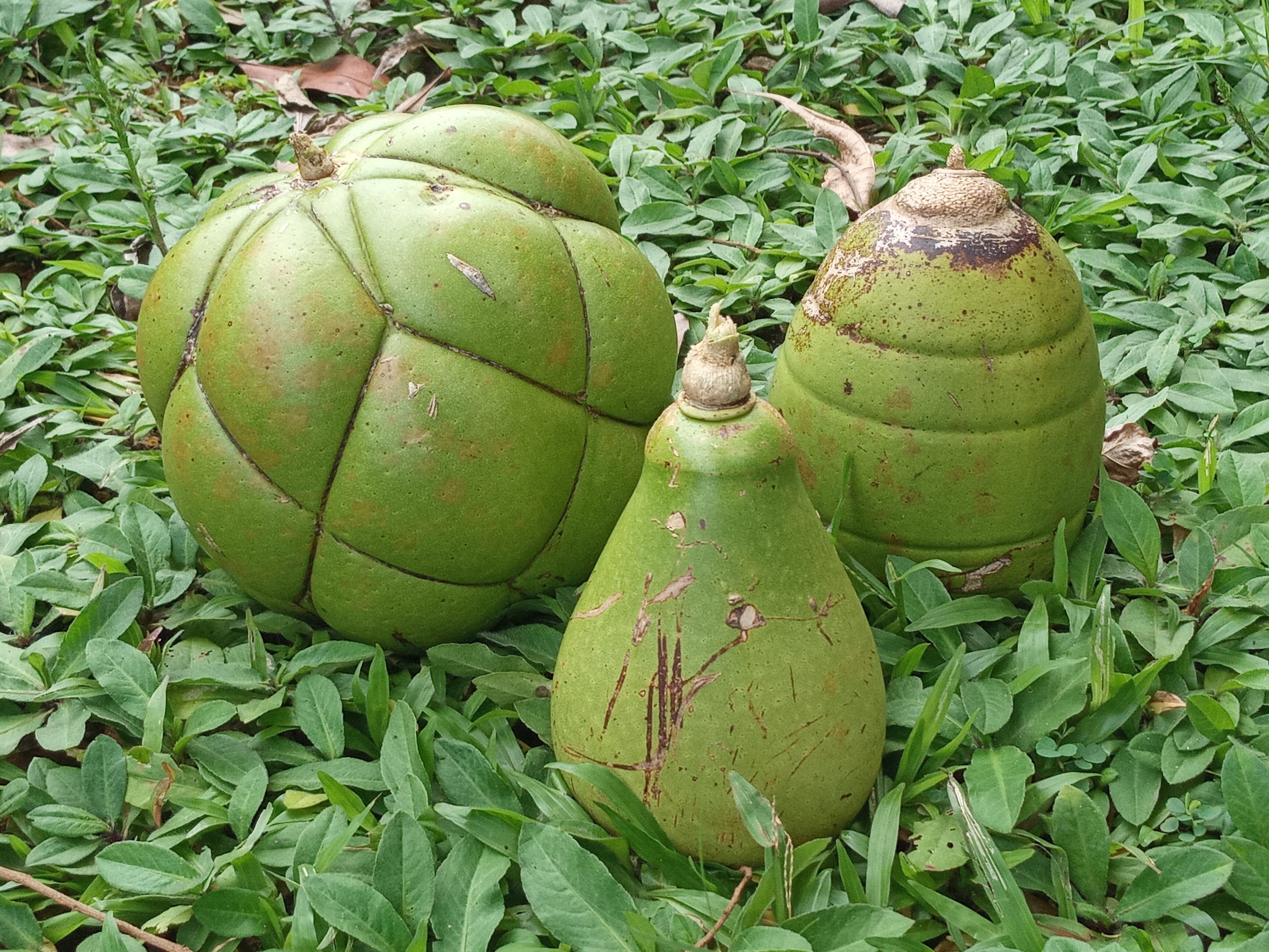
The project began by rediscovering an almost forgotten historical technique of molding cuia fruits while they are still growing on the tree. This practice revealed a form of "ancestral biotechnology" in which humans shape biological growth. By working directly with living trees, the project cultivated objects with minimal environmental impact and virtually no waste, proposing also a conceptual shift in design practice: instead of resource, cuieira trees are approached as active agents.
Through collaboration with a local association of cuia artisans, it became clear that large-scale product manufacturing would not be compatible with the ecological cycles of trees or the cultural realities of the craft. Cuia Colab therefore evolved into a platform focused on research, cultural production, and community collaboration. Today, the project focuses on activities that generate cultural visibility and new economic opportunities through exhibitions, workshops, research collaborations, and the sale of craft objects.
Looking forward, the platform aims to expand through training programs for new artisans and the potential creation of a local cultural space dedicated to cuia heritage. Its long-term impact lies in advancing new models of sustainable innovation that reconnect contemporary design with Indigenous and riverine knowledge systems, integrating socio-biodiversity, cultural heritage, and experimental forms of making.
Cuia Colab emerged from my doctoral research with the theme Biodesign in the Amazon context, where I investigated whether contemporary design could engage more ethically with local ecological knowledge and support new forms of sustainable production.
A historical investigation into the material culture of Amazonian cuias (vessels made from the fruit of the Crescentia cujete tree) revealed an almost extinct technique in which Indigenous women shaped cuia fruits while they were still growing on the tree, attaching structures to mold their development and change the forms.
Inspired by the connection of this ancient technique with contemporary biodesign practices, Cuia Colab was initially created as an experimental startup exploring how ancestral knowledge could inform new biodegradable design objects—supported by the Brazilian innovation program “Inova Amazônia Pará”.
Early stages combined business development with field research, including interviews with scientists and collaboration with the local association ASARISAN - a collective of cuia artisans from the riverine community of Aritapera. Through participant observation and dialogue, the project documented forms of embodied knowledge related to harvesting, finishing, and decorating cuias.
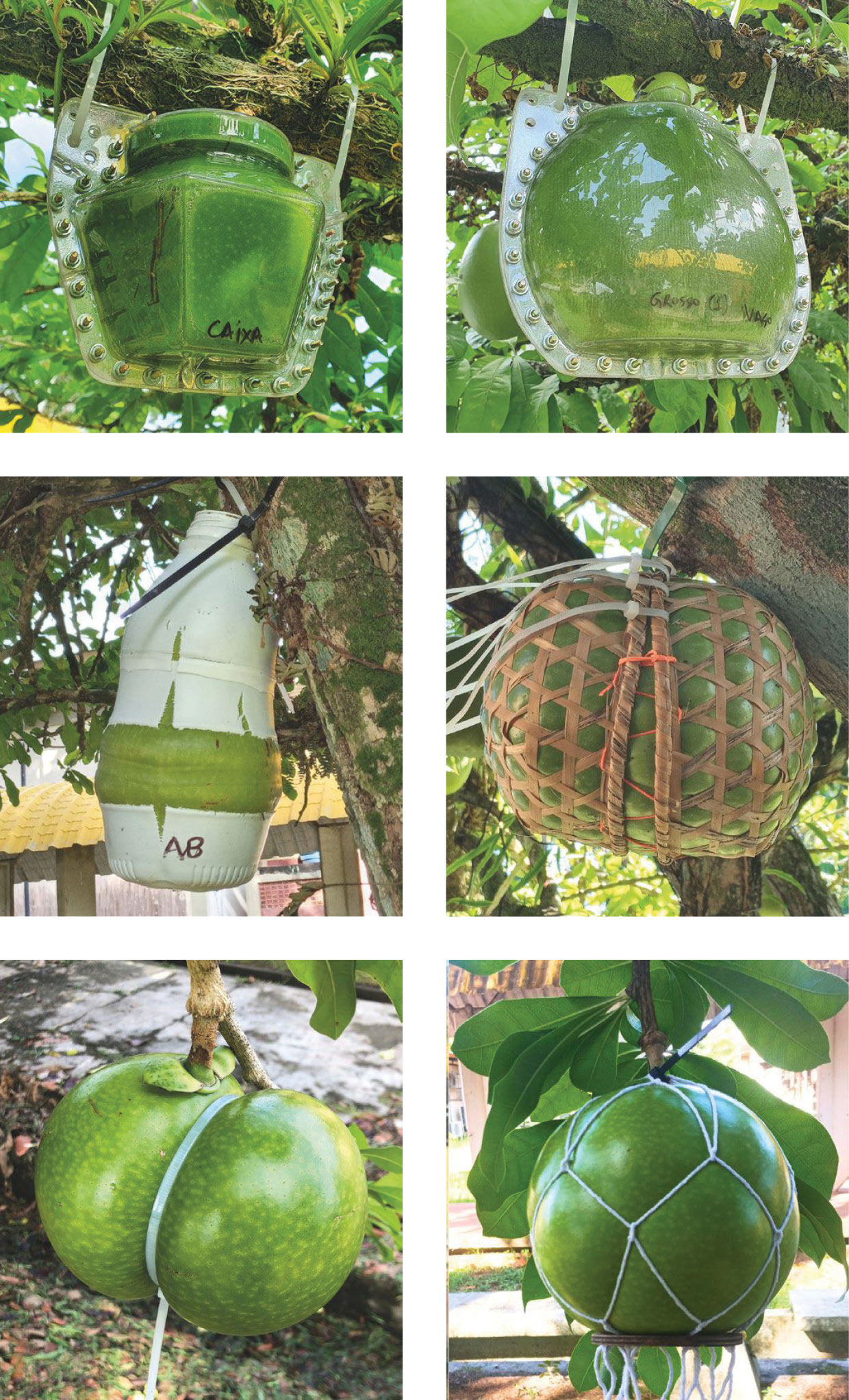
Between 2022 and 2025, more than one hundred molding experiments were conducted using growing cuia fruits, combining traditional knowledge with digital modelling and mold fabrication. However, by the end of the startup program in 2023, it became clear that large-scale production would not be an option, as thee number of artisans practicing the craft is limited, transportation from riverine communities is complex, and large-scale plantations of cuieira trees could disrupt existing ecological balances.
The visibility generated by the project created new connections. Cuia Colab therefore evolved into a cultural platform, connecting research, exhibitions, education and community collaboration.
Biodesign
Traditional ecological knowledge
Amazonian craft heritage
Multispecies design
Cultural platform
Cuia Colab addresses environmental, cultural, social, and economic sustainability by rethinking how design can operate in collaboration with living ecosystems and traditional knowledge systems. Developed in the Brazilian Amazon, the project began as a biodesign experiment exploring how cuias could be shaped while growing on the tree. By guiding biological growth with moulds rather than transforming harvested materials, the project proposes an alternative to extractive production models, working with natural cycles and ecological rhythms.
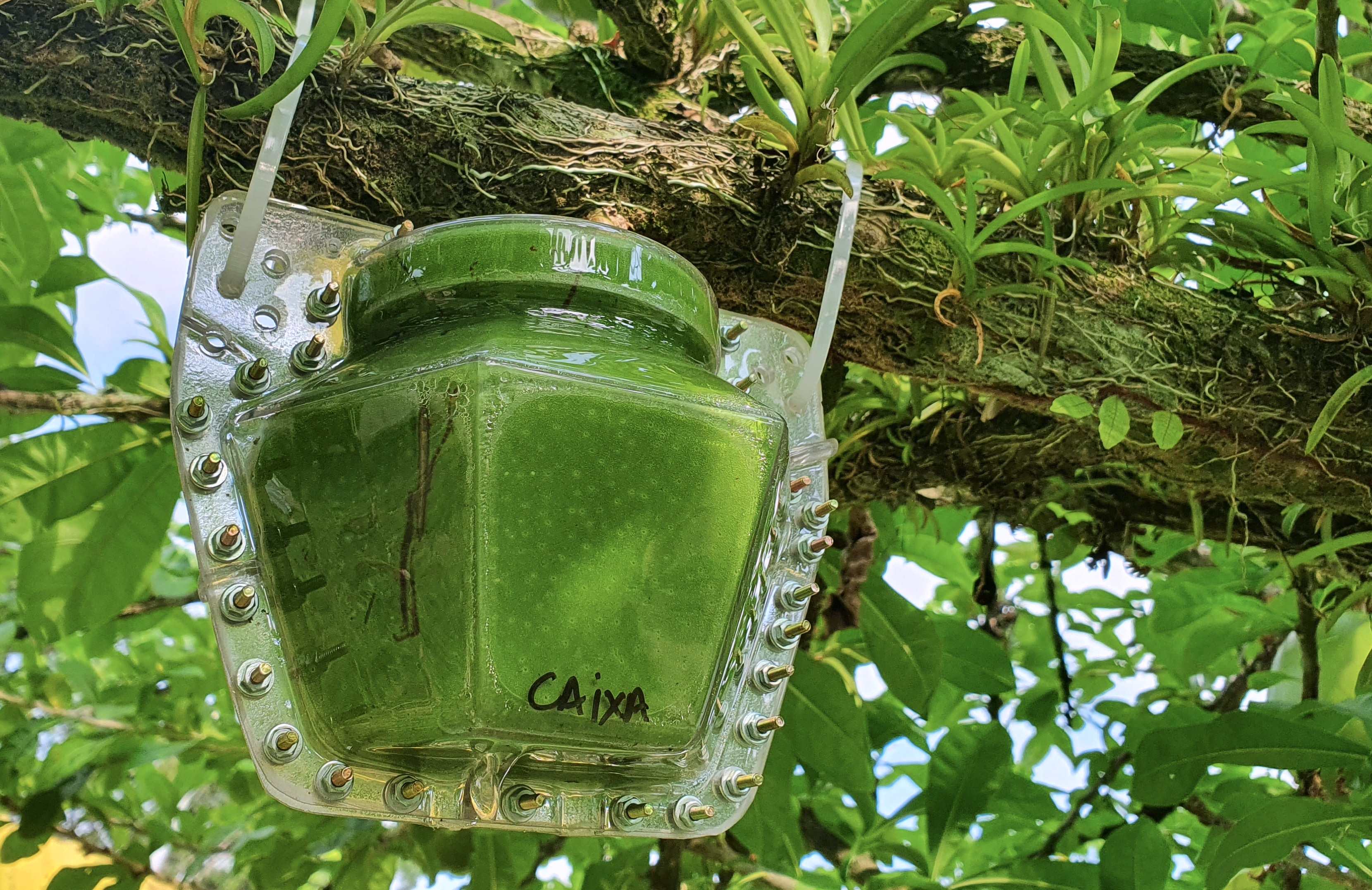
From an environmental perspective, this approach demonstrates a model of low-impact material production. Cuia fruits in the Amazon require no intensive cultivation or chemical inputs. Because objects emerge directly from biological growth, several industrial stages—such as material extraction, machining, and large-scale energy consumption—are eliminated. The project also experimented with reusable moulding systems, including recycled plastics and flexible structures that adapt to the fruit’s development.
Through collaboration with local designers and riverine women artisans from the Santarém region, Cuia Colab revealed that the resilience of the cuia tradition lies not in scaling production but in strengthening cultural practices and knowledge transmission. The project supports the visibility, continuity and reinterpretation of this craft tradition—recognized as part of Brazil’s intangible cultural heritage—and positions artisans as partners.
Economically, the platform creates opportunities for distributed and culturally rooted value generation. Instead of large-scale object production, income is generated through exhibitions, cultural programming, research collaborations, and the sale of craft and experimental objects. These initiatives expand audiences for Amazonian craft while respecting the seasonal and small-scale nature of cuias production.
Cuia Colab contributes to the aesthetic dimension of life by positioning beauty as an expression of ecological relationships and cultural continuity. In the project, beauty lies at the intersection of natural processes, traditional knowledge and contemporary practices.
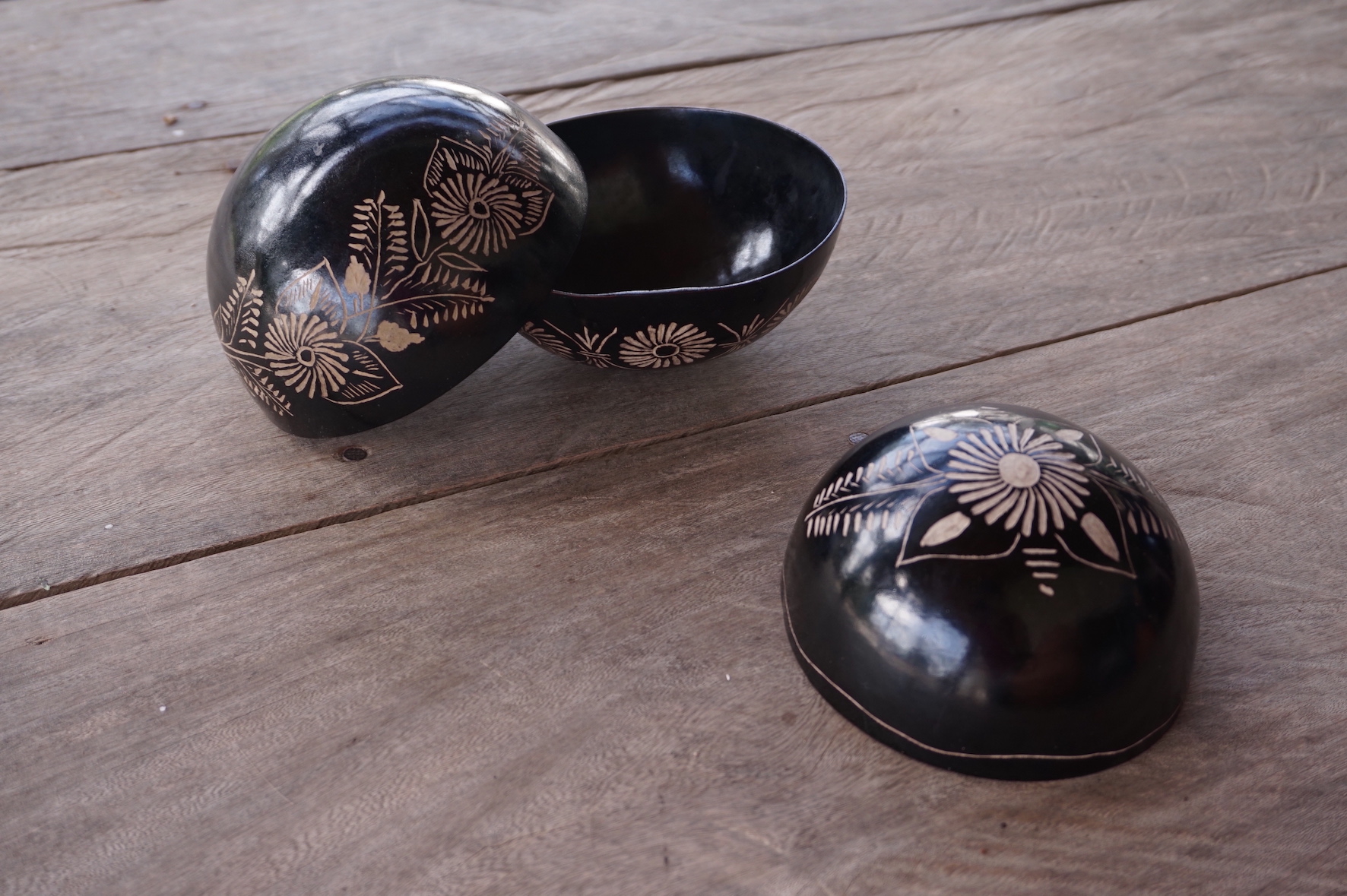
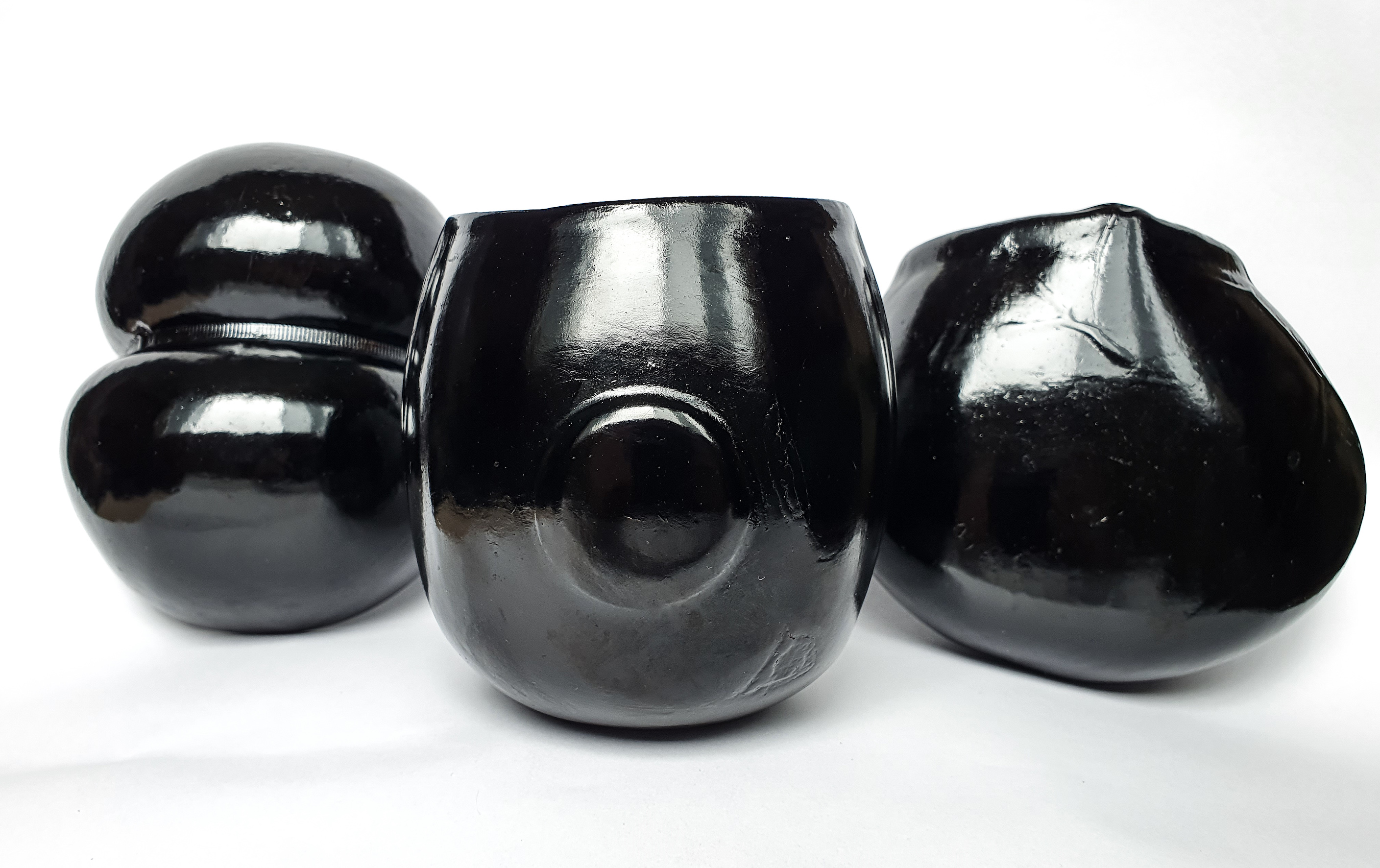
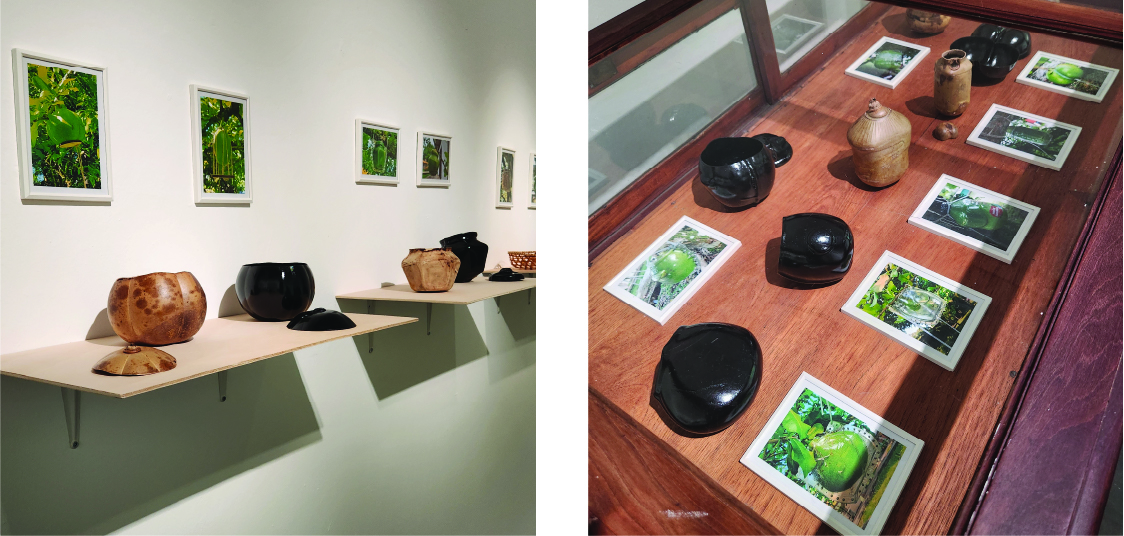
The objects developed within the project are shaped while the fruits of the Crescentia cujete tree grow on the tree. This process allows form to emerge gradually through biological development, resulting in objects that reflect the organic variability of nature. Each cuia carries visible traces of its development, including subtle irregularities and textures that make every piece unique. This approach challenges industrial aesthetics based on standardization and instead embraces diversity, imperfection, and the passage of time as aesthetic values.
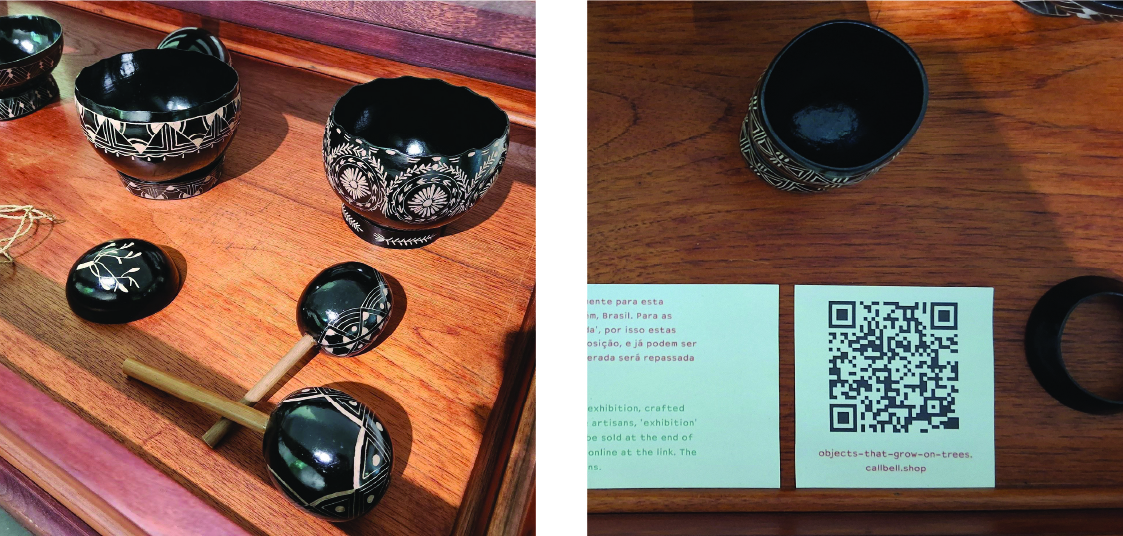
At the same time, Cuia Colab highlights the refined aesthetic traditions of Amazonian cuia artisans. In the Santarém region, riverine women have developed sophisticated techniques for engraving and painting cuias, creating intricate visual patterns that reflect local cultural identities and narratives. Their practice shows how care can be embedded in material production. By collaborating with these artisans and presenting their work in exhibitions and other cultural contexts, the platform brings this aesthetic heritage to new audiences while reinforcing its cultural significance.
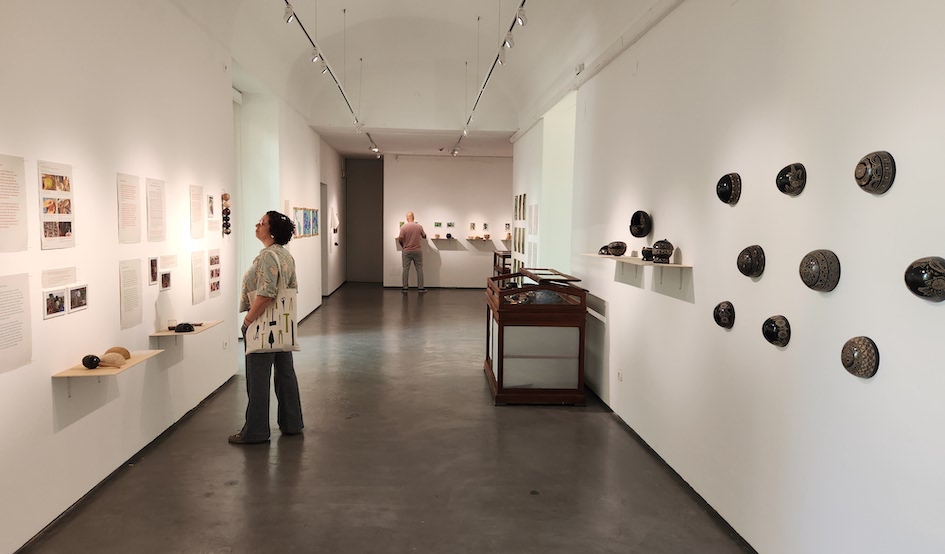
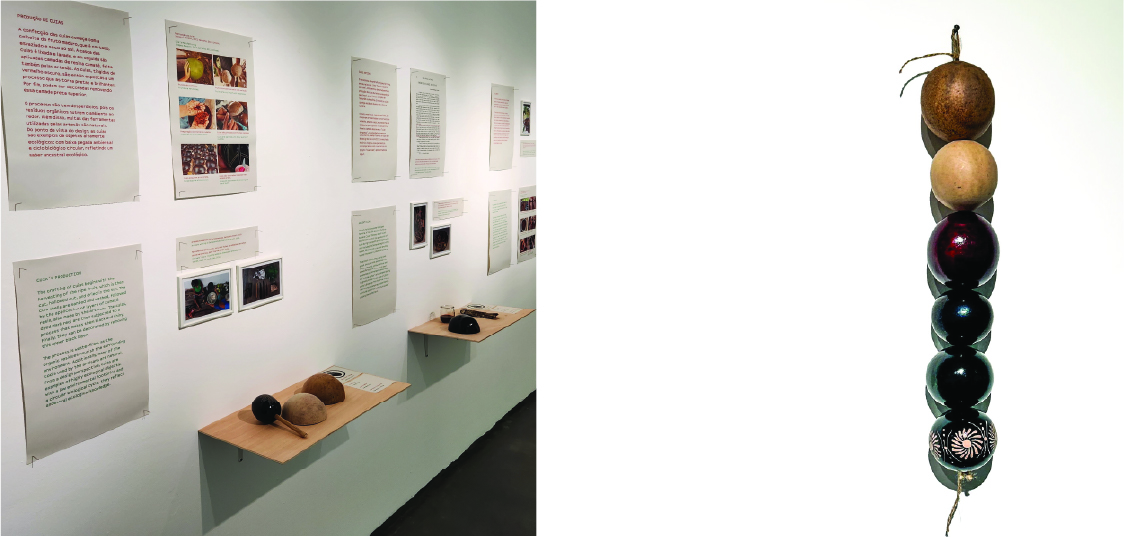
Exhibitions developed within the project combine traditional cuias produced by artisans with experimental biodesign objects grown on trees. The dialogue between tradition and experimentation invites audiences to reflect on alternative relationships with nature, aesthetics and material production. The exhibitions are formatted to allow visitors to understand the stories, landscapes, and individuals behind the objects, strengthening the connection between aesthetics, place, and cultural identity.
Inclusion within Cuia Colab is approached through the recognition and strengthening of traditional knowledge systems and community participation.
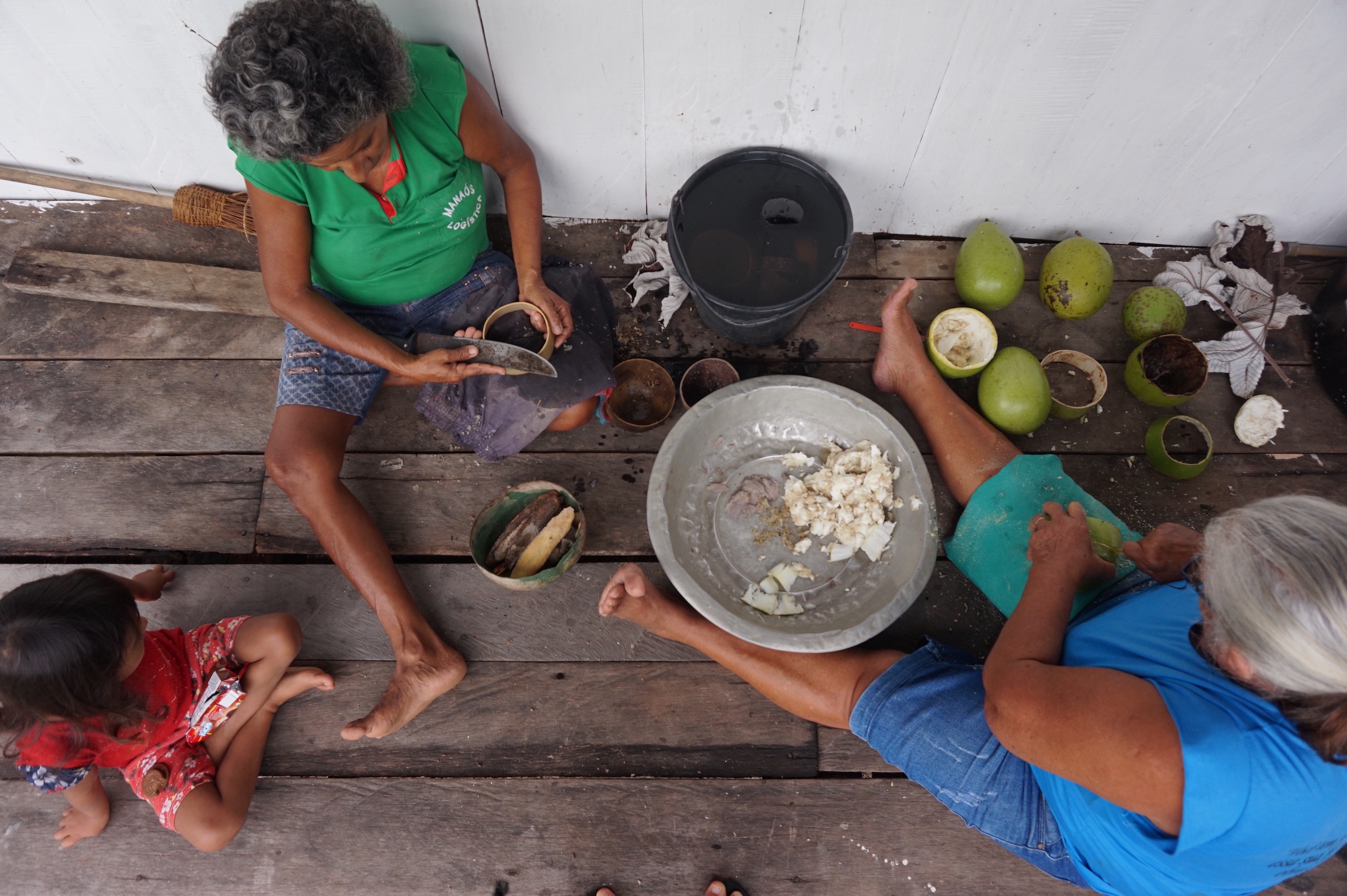
The project collaborates closely with the Associação das Artesãs Ribeirinhas de Santarém (ASARISAN), a collective of riverine women artisans from the community of Aritapera. These artisans are the guardians of cuia-making knowledge in the region, a craft that has been transmitted through generations and is recognized as part of Brazil’s intangible cultural heritage. Their expertise encompasses not only manual skills but also ecological knowledge related to the harvesting, preparation, and decoration of cuias.
Within Cuia Colab, the artisans are not positioned as producers within a supply chain but as knowledge holders and collaborators in the development of the project. Their perspectives influence decisions related to the selection of objects, exhibition narratives, and the ways the craft is represented publicly.
Accessibility and economic inclusion are also addressed through the project’s cultural activities. Exhibitions provide opportunities for artisans to reach audiences beyond their local region, creating new possibilities for selling their work while maintaining traditional production rhythms. In one of the exhibitions developed by the platform, the artisans selected and produced the pieces they wished to present, and all revenues from sales were directed to them.
This approach contributes to more equitable forms of cultural and economic exchange by ensuring that value generated by the project remains connected to the communities that sustain the tradition.
In a broader sense, Cuia Colab promotes inclusion by supporting the creation of spaces for alternative knowledge systems within global design discourse. This perspective contributes to the emergence of new societal models in which cultural diversity and ecological knowledge are recognized as essential resources for sustainable futures.
The project has been built through dialogue with artisan communities, researchers, and cultural practitioners who contribute with different forms of knowledge.
The most direct collaboration occurs with the Associação das Artesãs Ribeirinhas de Santarém (ASARISAN). Through participant observation, conversations, and joint activities, the project engaged with artisans to understand the cultural and ecological dimensions of cuia production. These interactions allowed the research to document forms of knowledge that are rarely represented in academic literature, including harvesting practices, finishing techniques, and aesthetic traditions associated with the craft.
The artisans have also played an active role in the cultural initiatives developed by the project. In the exhibitions organized by Cuia Colab, they participated with interviews for videos, by curating the objects that best represent their work and by producing pieces specifically for these events. This process ensured that the exhibitions reflected the perspectives and priorities of the artisan community.
The impact of this participation has been twofold. On the one hand, it strengthened the cultural visibility of cuia-making traditions and created new economic opportunities for the artisans. On the other hand, their knowledge has significantly shaped the conceptual development of the project, influencing how design experimentation interacts with decolonial approaches, ecological cycles and traditional practices.
Cuia Colab has developed through collaboration with stakeholders operating at different institutional and geographic levels.
At the local level, the project works directly with riverine artisan communities in the Santarém region of the Brazilian Amazon, particularly through the Associação das Artesãs Ribeirinhas de Santarém (ASARISAN). These communities are central partners in the project, contributing cultural knowledge, craft expertise, and perspectives on the social and ecological context of cuia production.
At the regional and national level, the project received support from the “Inova Amazônia Pará” program, an initiative promoted by the Brazilian entrepreneurship institution SEBRAE to stimulate innovation within the Amazonian bioeconomy. This support enabled the initial development of the project as a startup focused on experimenting with biodesign techniques and exploring the economic potential of biodiversity-based products. The project engaged with Brazilian universities and research institutions, particularly the Federal University of Pará, where part of the experimental work was conducted. The project also complied with Brazil’s legal framework regulating research involving traditional knowledge through the SisGen registration system.
At the international level, Cuia Colab has expanded its reach through exhibitions and cultural presentations that connect Amazonian craft traditions with global design audiences. These initiatives create opportunities for dialogue between local knowledge systems and broader discussions about sustainable design, biodiversity, and cultural heritage.
The interaction between these different levels of engagement has allowed the project to evolve from a local experiment into a platform capable of connecting community knowledge with international cultural networks. The value of this multilevel collaboration lies in strengthening the visibility of Amazonian cultural heritage while opening new opportunities.
Cuia Colab is inherently transdisciplinary, combining methods and perspectives from design, anthropology, environmental sciences, craft traditions, and cultural production.
The project originated within design research focused on biodesign and sustainable material practices. However, the exploration of molding cuia fruits while they grow required engagement with botanical knowledge about the Crescentia cujete tree, including its growth cycles and ecological conditions.
Anthropological and historical perspectives also played an important role in understanding the cultural context of cuia-making traditions. Through fieldwork and conversations with artisans, the project documented forms of knowledge embedded in everyday practices, such as harvesting techniques, natural finishing processes, and aesthetic traditions associated with the craft.
At the same time, the development of moulding systems involved experimentation with contemporary design tools, including digital modelling and the fabrication of moulds using vacuum-formed plastic. Together with mold-experts, these tools were adapted to interact with the biological growth of the fruit, creating a dialogue between technological experimentation and natural processes.
Finally, the project integrates cultural production, communication and entrepreneurship through exhibitions, publications, and audiovisual documentation, which disseminate the research to wider audiences and create new contexts for public engagement.
By bringing together diverse fields of knowledge and including the non-formal knowledge of the artisans and the tree, Cuia Colab demonstrates how collaboration can go beyond disciplines and generate new creative practices.
As a cultural platform connecting traditional Amazonian craftsmanship, ecological experimentation, and contemporary design, Cuia Colab sustains itself through a model that prioritizes cultural sustainability, knowledge exchange, and distributed economic opportunities.
The initial development of the project, supported by the “Inova Amazônia Pará” startup program, enabled the first biodesign experiments and business plan, based solely on product sales. As the project evolved, it became clear that the ecological cycles of the cuieira tree and the cultural context of cuia craftsmanship are not compatible with conventional scale-oriented production. Cuia Colab, then, organically pivoted to its current model, based on networks of cooperation and shared benefit. As a platform, income is generated through four complementary activities:
- Exhibitions and cultural programming present traditional and experimental cuia objects to international audiences, often including commissions and sales that directly benefit artisan communities.
- Research and artistic collaborations are developed with universities and cultural institutions interested in biodesign, biodiversity, and traditional knowledge.
- Workshops, talks, and educational activities share the project’s methodology with designers, students, and cultural professionals.
- Sales of craft objects produced by artisans take place through exhibitions and events, ensuring that economic value remains connected to the communities involved.
This model situates Cuia Colab within the cultural and creative economy, where exhibitions, research partnerships, and educational initiatives support both financial sustainability and cultural impact.
Looking forward, the platform aims to expand through new exhibition partnerships, research funding, training programs for emerging artisans/designers, and the potential creation of a local cultural space dedicated to the history and craft of Amazonian cuias.
While the physical production of cuia objects relies on ecological conditions and remains site-specific, the conceptual framework of Cuia Colab is highly transferable. The project exemplifies a design approach integrating biological processes, traditional ecological knowledge, and collaborative cultural practices—adaptable to other regions, materials, and communities connected to local organisms, natural materials, and craft traditions.
Key elements that can be replicated include:
- Biodesign methodology: Shaping fruits during growth demonstrates the broader principle of engaging living organisms as collaborators instead of treating nature as raw material. Uncommonly practiced outside laboratory settings, this hands-on approach can be adapted to other contexts, highlighting the potential of working directly with local organisms and materials in situ.
- Collaborative design processes: Cuia Colab shows respectful partnerships between designers and traditional knowledge holders through informed consent, shared decision-making, participant observation, and co-creation. This approach can guide other craft traditions seeking to integrate contemporary design without compromising cultural integrity.
- Cultural platform model: By linking exhibitions, research, and community partnerships, the project generates cultural visibility and economic opportunities. This platform model can be replicated to support craft communities and biodiversity-based practices elsewhere.
- Educational and research frameworks: The beyond-disciplinary approach—combining design, biology, ecology, anthropology, local knowledge and entrepreneurship—can inform curricula and research initiatives in regenerative design.
Cuia Colab’s scalability potential lies in disseminating a design philosophy and methodology that can inspire similar initiatives across diverse ecological and cultural contexts, promoting sustainable futures while valuing ancestral knowledge and community participation.