Arts, Culture, and Heritage as Drivers of Change
Vacant to Vibrant: The Mojiko Model
From Vacant to Vibrant — An Community-led Ecosystem for Urban Regeneration in Mojiko, Japan
Mojiko, once a flourishing trading port alongside Yokohama and Kobe in Japan, is now rapidly shrinking, with an increasing aging population and vacant houses. Over seven years, Porto LLC have renovated 50+ historic buildings with an inclusive employment and community finance, raising JPY50M without public subsidies. This led to more than 100 new residents and 10,000 “related population” supporting the district through investment and visits, generating 100+ grassroots projects in 2025.
Japan
Local
Kitakyushu City
It addresses urban-rural linkages
It involves other types of transformations (soft investment)
Yes
2026-03-01
No
No
No
Organisation
From the end of the 19th to the early 20th century, Mojiko, along with Yokohama and Kobe, prospered as one of Japan's three major ports of international trade. However, like many European port cities, Mojiko has declined since industrial transformation and is currently facing the most serious demographic challenges among major cities in Japan, with an aging rate of over 40%. By 2050, the population is expected to decline by about half of its current level, and local culture and community are in danger of disappearing.
Since 2018, Porto LLC has built a regeneration ecosystem through a bottom-up approach. Starting with Guesthouse PORTO, which restored the last three-story wooden building in the former geisha district facing demolition, we have rehabilitated more than 50 vacant houses with cultural value abandoned by the market. To rehabilitate properties that are not eligible for bank loans, we have used direct financing such as crowdfunding and private placement bonds to raise more than JPY 50 million from within and beyond the region.
Key achievements include 100 newcomers, employment of more than 30 diverse staff members through a share-based labor model, an ecosystem for more than 10,000 people involved in Mojiko's development without living there, and a self-sustaining business with annual sales of around JPY 100 million. The Porto LLC has gained national recognition through more than 100 publications in media, and residents in Mojiko independently initiated 100 projects last year alone.
The exemplary nature of this project is that it combines three elements — historic building revitalization, multigenerational employment, and community finance — and demonstrates a sustainable model that does not depend on public subsidies or large capital. This citizen-led ecosystem fills the gap by providing services that the government cannot offer, and offers a model that can be applied to shrinking ports and cities across Japan and Europe.
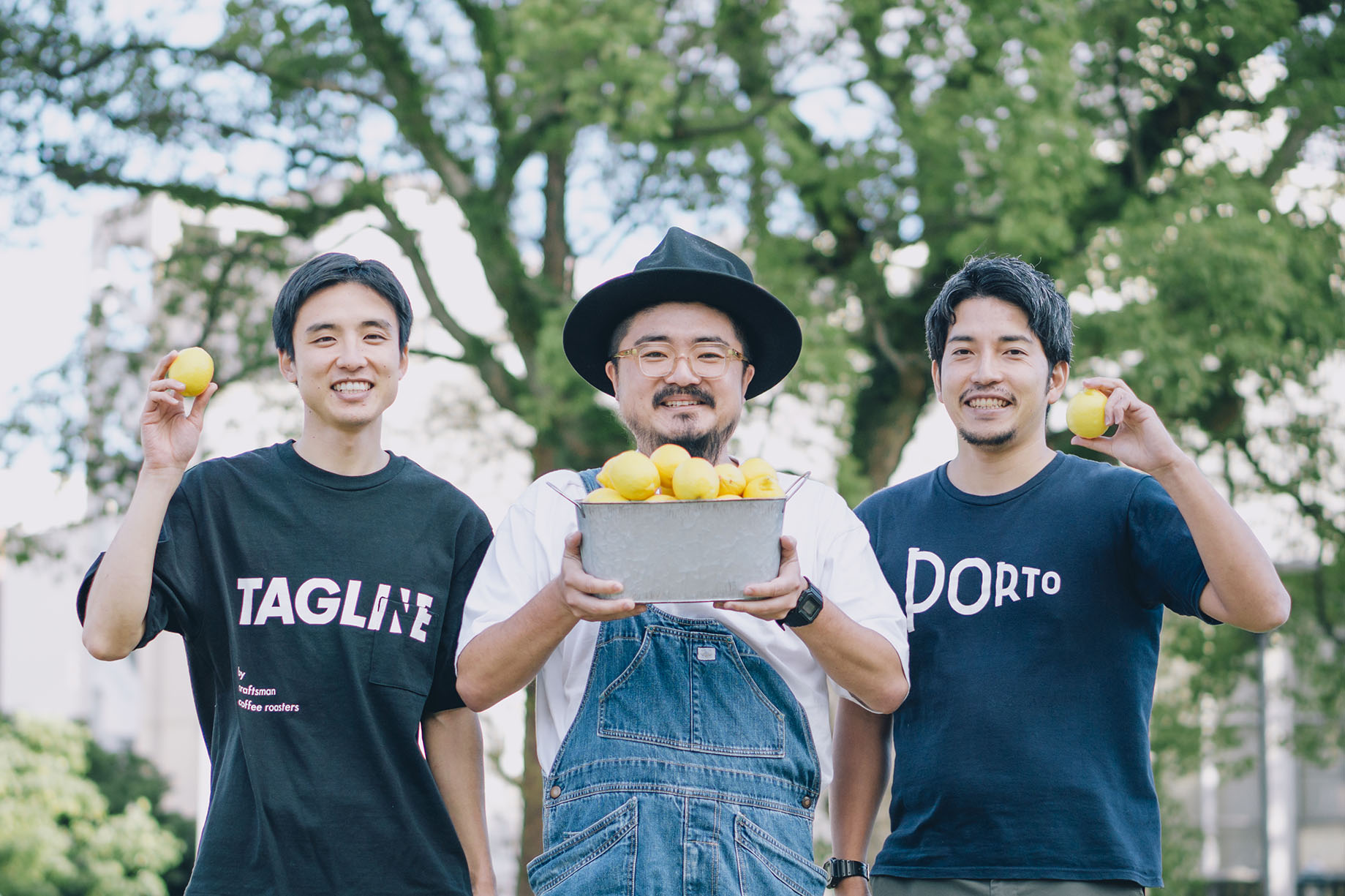
Yuta Kikuchi, the CEO of Porto LLC, returned to his hometown of Mojiko in 2018 after gaining experience in sustainability consulting and marketing in Tokyo and Fukuoka. His passion for entrepreneurship stemmed from a sense of crisis: senior residents were losing their purpose in life, and lights were going out one by one in the cityscape.
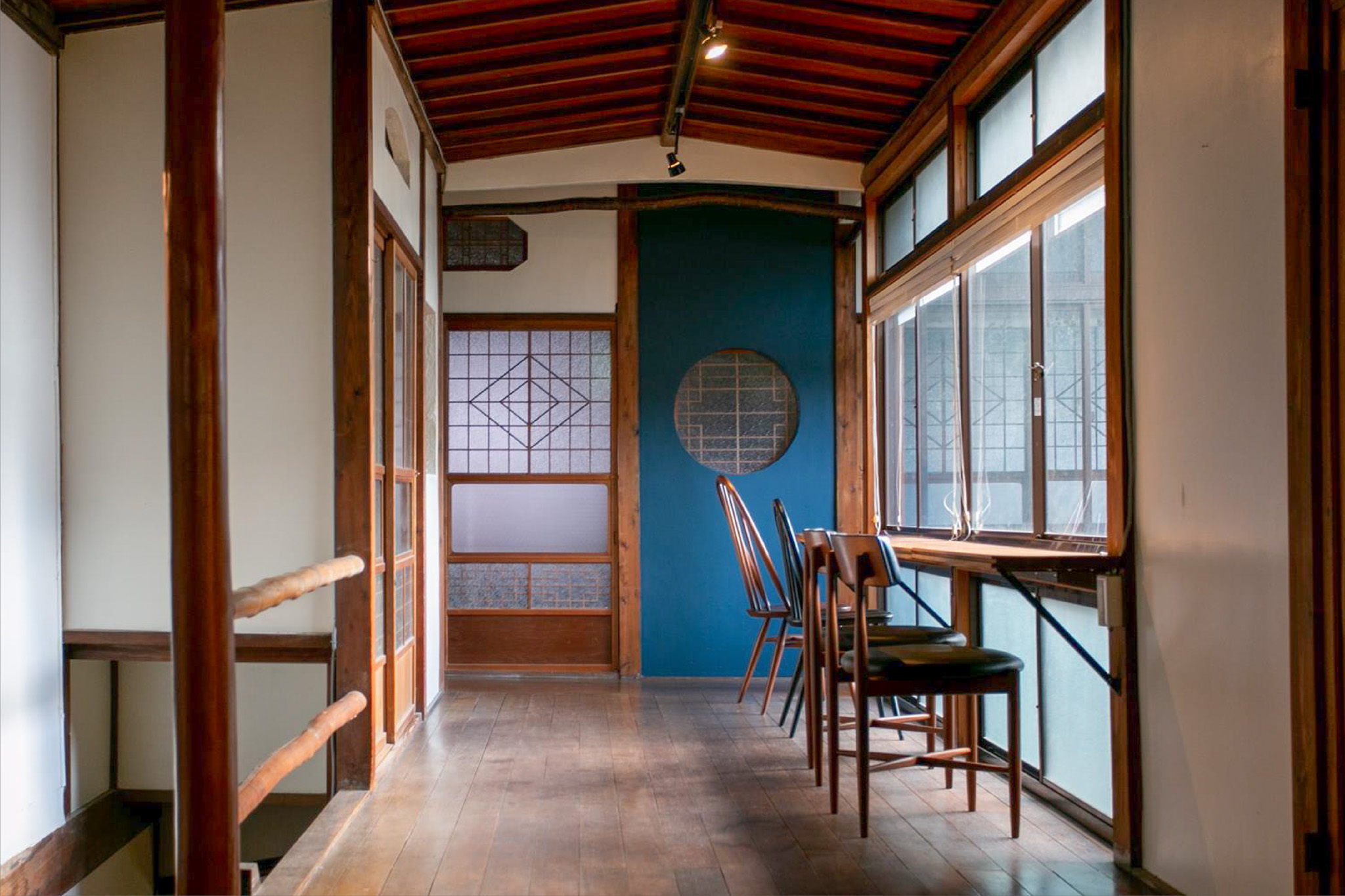
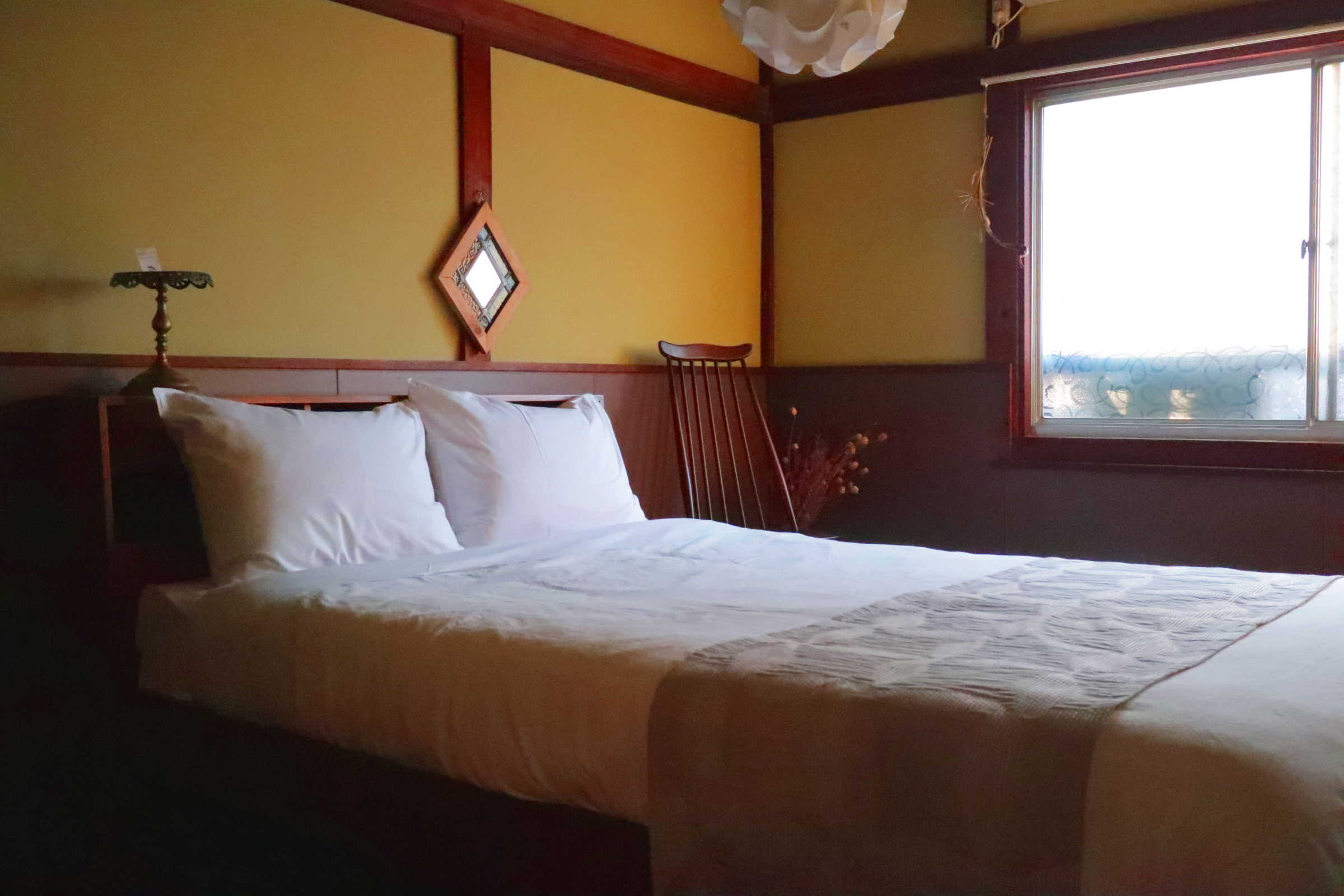
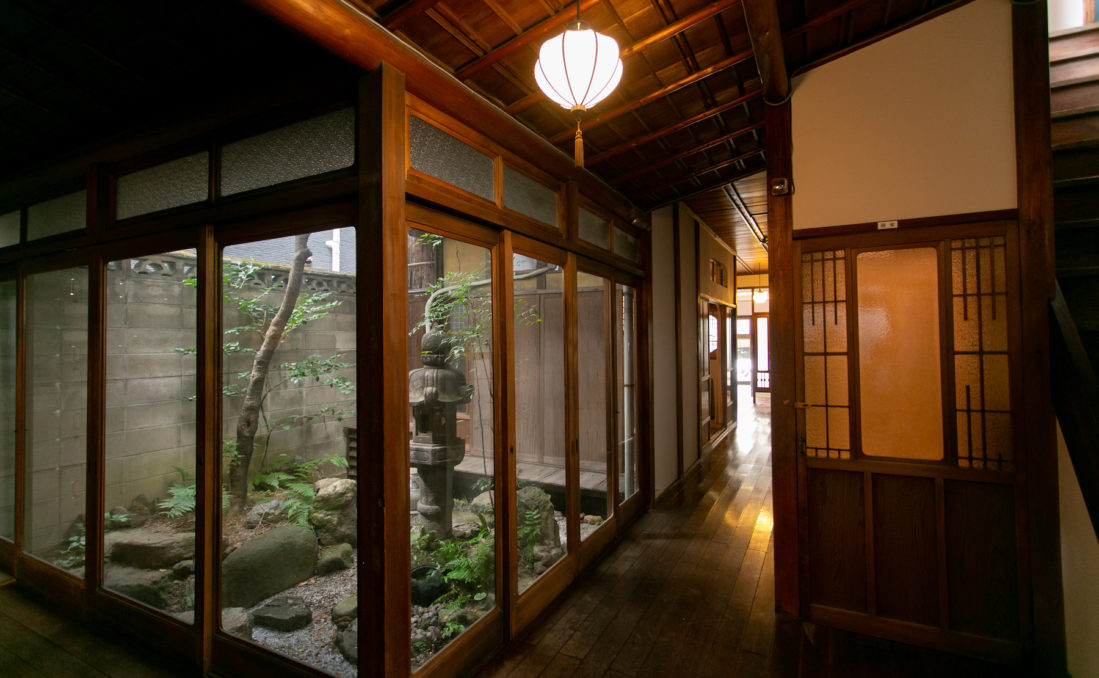
The Mojiko model started with a cooperation with a local cultural activist, Takahiro Ikegami, who had conducted artist residence projects for Japanese and foreign artists and revitalized vacant houses in the district. With the division of roles–Ikegami bought the vacant houses, while Porto LLC was responsible for business development and management of the building–they revitalized a three-story wooden architecture in the former geisha district with minimal renovation, and opened the Guesthouse PORTO in 2019. By prioritizing the historical aesthetics, the building embodied the living culture, raising a reputation among domestic and international visitors. This method of regeneration, which respects the culture and history of the buildings, has since been applied to the revitalization of vacant houses.
To revitalize vacant buildings not eligible for bank loans, we adopted direct financing, such as crowdfunding and private placement bonds. This enabled the renovation of buildings discarded from the market. Renovated buildings have provided housing and job opportunities for the communities.
The number of people moving to Mojiko has increased since the opening of the Guesthouse PORTO, and they attracted more newcomers. People inside and outside the district became property owners, growing the “relational population”. In 2023, the general incorporated association “Kitakyushu Miraizukuri Lab” was founded with local real estate companies, and the governance for managing vacant houses was organized. Residents in Mojiko started to engage in community development proactively, creating more than 100 self-organized projects last year alone.
Heritage adaptive reuse
Bottom-up urban regeneration
Social inclusion
Community finance
Shrinking city resilience
Our project aims to increase local sustainability by utilizing the existing building stock to challenge the conventional scrap-and-build model of urban development. In Kitakyushu City, where Mojiko is located, the vacancy rate was 15.8% in 2023 due to population aging and decline. In Mojiko, many vacant buildings are difficult to reconstruct because they do not align with the current building standards and are ineligible for banks’ collateral assessments. We transform such “market failure” buildings to housing, offices, and shops while preserving carbon stock in the city. Instead of doing major reconstructions, our principle is to carry out minimal renovations, such as reinforcing walls, using traditional materials like wood and preserving the design.
Through this system, more than 50 vacant houses were renovated in Mojiko. According to an estimate based on the Japanese Forestry Agency's guidelines, 50 wooden buildings can store over 700 tons of carbon. Moreover, compared to demolishing the buildings and constructing new ones, this method can reduce 200-380 tons of carbon emissions. In total, the Mojiko model has saved 900-1080 tons of CO2 emissions.
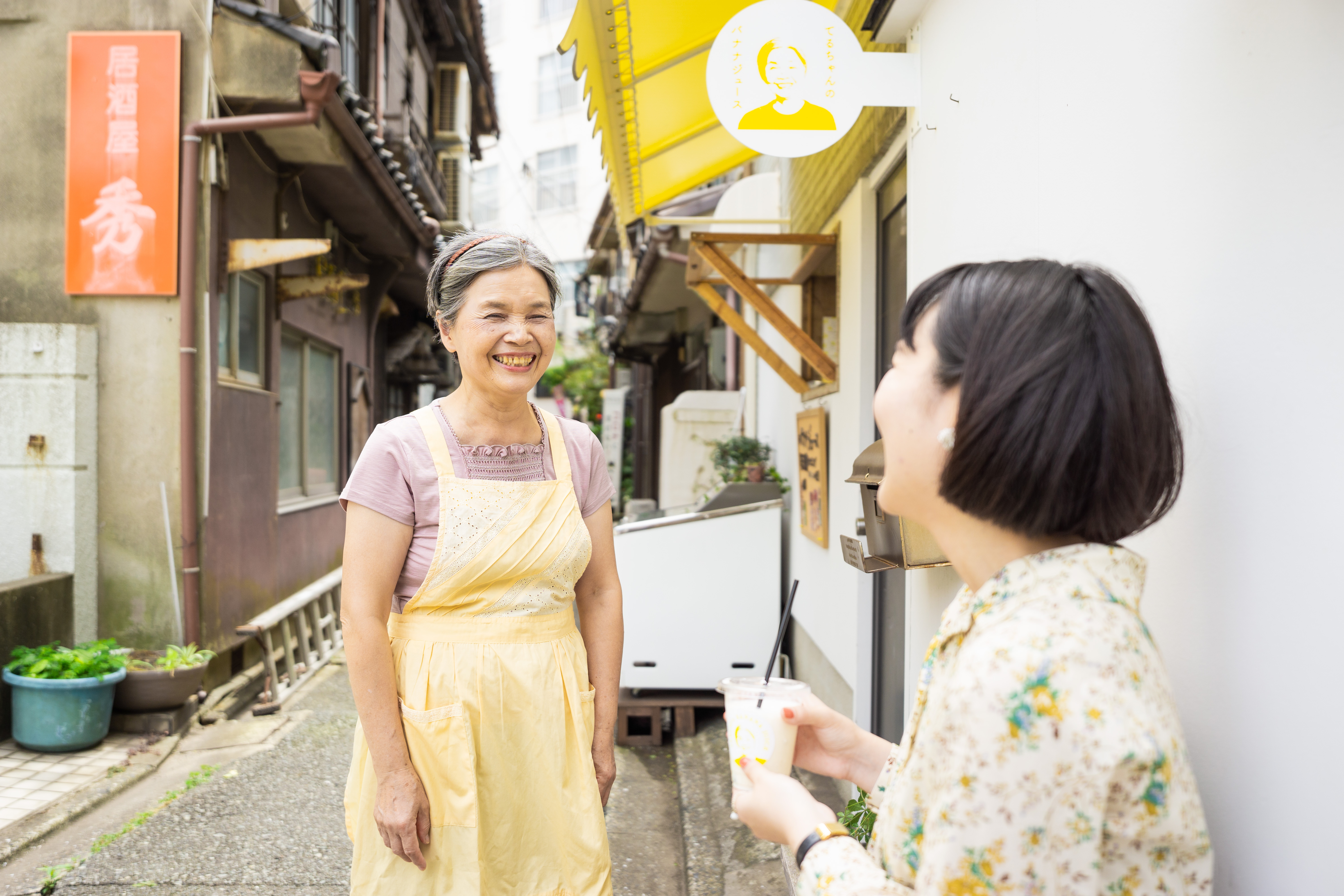
Furthermore, Porto LLC has transformed Mojiko’s tourism model from “day trip, low cost, and mass consumption” to “overnight, high value, and small group”. Centred around the Guesthouse PORTO, we collaborated with local restaurants, a public bath, and markets, operating retailers in renovated buildings. Moreover, by directly purchasing quality ingredients from local fishermen and farmers, we promote local production and consumption while reducing food miles. Through these initiatives, we propose a sustainable tourism where visitors engage more deeply with local food, culture, and people.
While many rural cities in Europe face vacancy issues, this project is unique in its approach to sustainable development, where we renovate vacant houses discarded by the market to meet community needs and promote sustainable tourism.
In Mojiko, buildings blend traditional Japanese and Western architectural styles from the late 19th to the early 20th centuries, when it flourished as an international port. However, the aesthetics we pursue are not just preserving them, but also regenerating the “living landscape” with lights returning to former vacant houses and the sounds of people’s laughter.
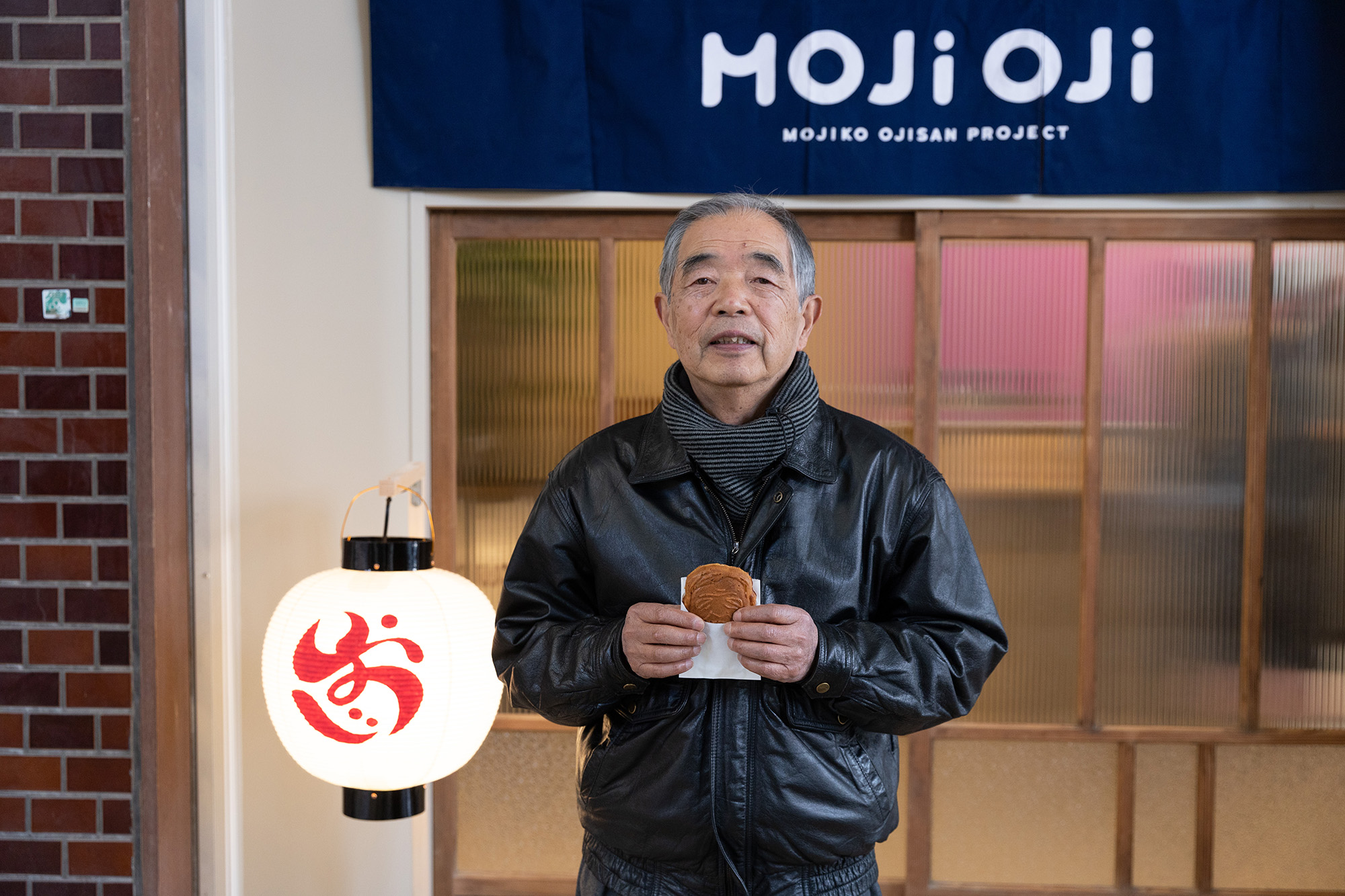
Our principle for the renovation of vacant buildings is the “aesthetics of subtraction”. The goal is to connect the history of each building with modern life. For example, the Guesthouse PORTO preserved a colourful tiled earthen floor, white plaster ceiling, open atrium, and wooden staircase, and the guest rooms are themed with the land, ship, and waves, reflecting the memories of the port. MOJiOJi, a shop that repurposed a vacant store in a shopping district, sells "Ojiyaki" (a pastry shaped like the face of a local middle-aged man) based on the concept that "Middle-aged men are cute." Collective house POSTO&Co. is a place for residents, newcomers, and entrepreneurs to eat together and co-create life free from loneliness.
People can enjoy Mojiko with their five senses. The texture of wooden floors and the light from the courtyard, the smell of local cuisine, the sounds of residents’ conversation in public spaces, and the culinary experience of local fish and lemons from the Kanmon Strait. These elements create a special experience that can only be found in Mojiko.
A culture has emerged where residents spontaneously start their projects, resulting in over 100 projects last year. Over 100 media features in Japan and overseas show the external recognition of Mojiko’s new cultural story.
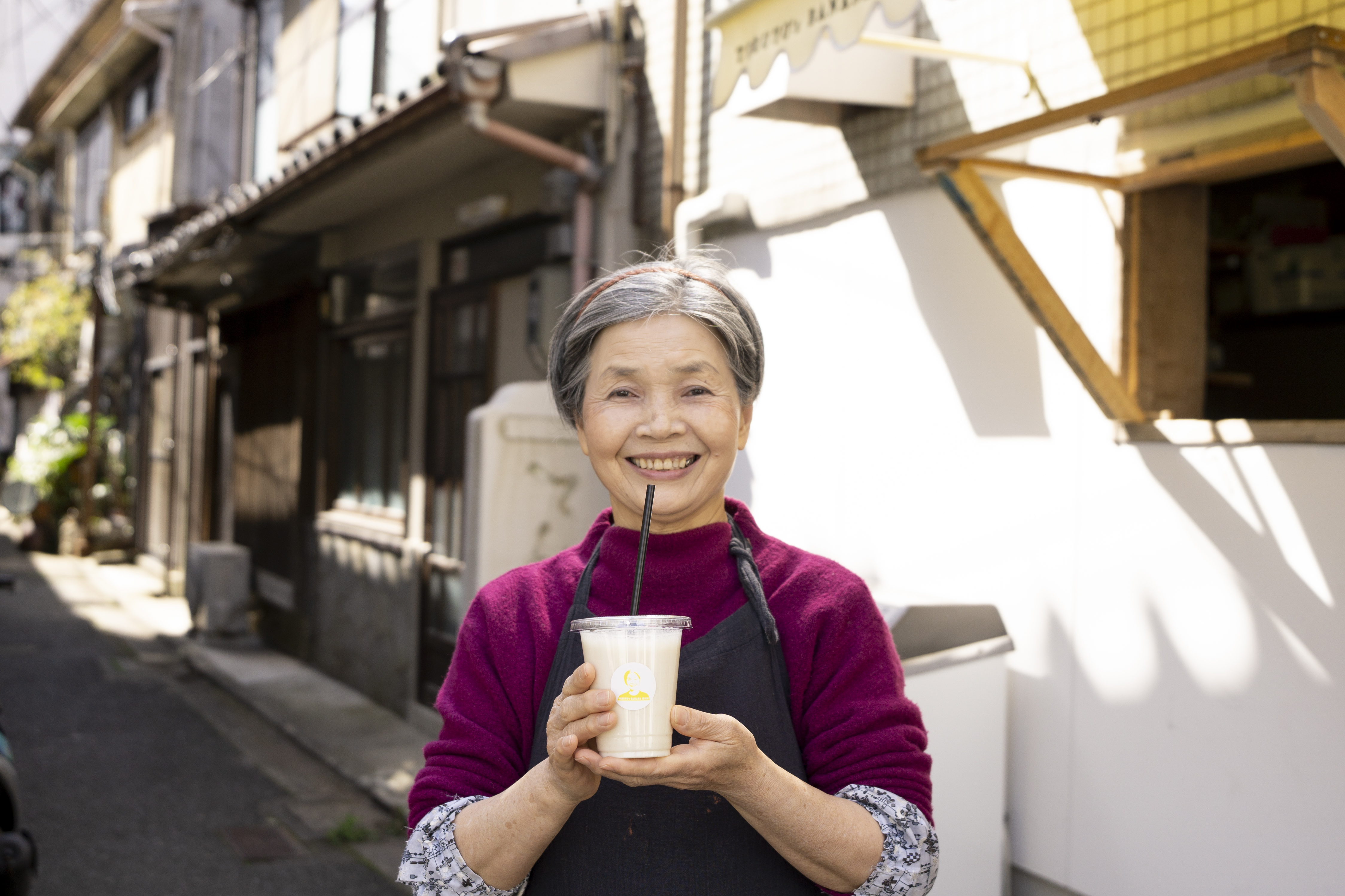
While many tourist destinations aim for organized beauty, this project chose the opposite. We embrace imperfection, history, and unstandardised warmth from the senior staff. Through 50 renovations over 7 years, we have demonstrated the aesthetics principle that beauty comes from the presence of people.
This project aims to create an ecosystem where anyone can engage in community development in Mojiko based on three inclusion strategies—1) spatial: providing affordable housing by renovating vacant houses, 2) economic: shared employment model for older adults, parents, and students, and 3) governance: a system where anyone can be involved in the district’s regeneration through funding and side work.
First, regarding spatial inclusion, Porto LLC buys and renovates vacant houses to provide accommodations for visitors and rental housing for newcomers, as well as people in housing need, like older adults and single-parent families. For more than 50 properties, initial costs, including deposits, are low, with affordable rents ranging from JPY15,000 to JPY40,000. Through this housing model, 100+ people have relocated to Mojiko since 2018.
Second, in terms of economic inclusion, a combination of full-time, part-time, and freelance employment enables flexible work for older adults, parents, and students, depending on physical capacities, parenting responsibilities, and study schedules. Accessibility measures are adopted to meet various needs, such as handwritten work instructions for senior workers and mixed work shifts where older and younger members complement each other. Currently, 30+members are working at Porto LLC.
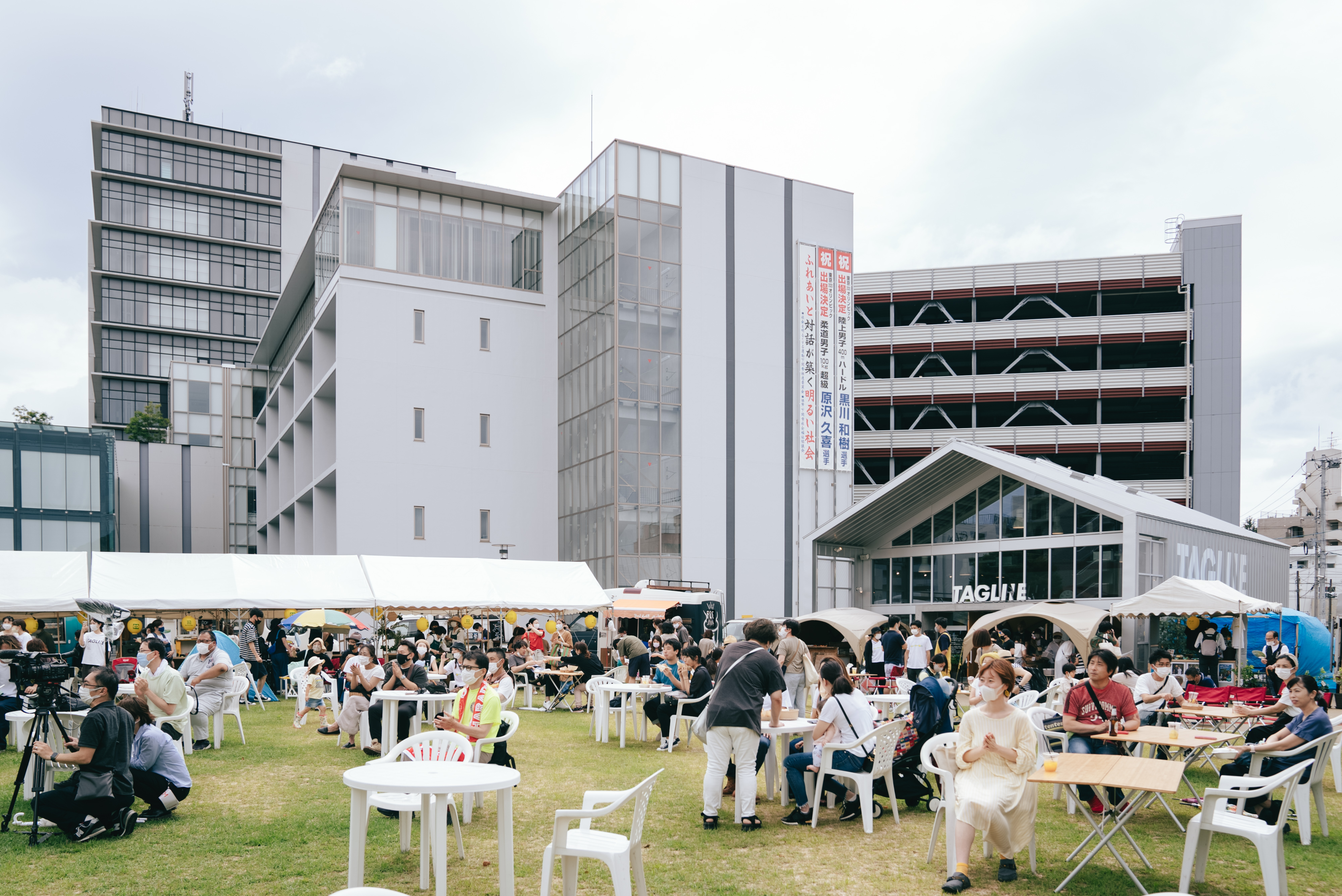
Third, for governance inclusion, Porto LLC has developed a democratic system where everyone can participate in Mojiko’s regeneration through investment, part-time work, and visits–a form of citizenship regardless of residence. About 10,000 people inside and outside the area are involved in Porto LLC’s business, and they have contributed over JPY 50million.
The ecosystem Porto LLC has built poses a new social model in which citizens and the private sector provide services that the public sector can no longer maintain in shrinking cities. This mutual support structure is applicable not only in Japan but also in Europe, facing similar demographic changes.
In Mojiko’s community development, our projects have shaped a system that naturally attracts various participants, both from within and outside the district. The starting point of participation was the encounter with a cultural activist, Takahiro Ikegami. For over 10 years, Ikegami had invited artists from Japan and abroad and discovered the cultural values of local buildings. The project began with a collaboration in which Ikegami bought a historic wooden building, and Porto LLC managed it, leading to the creation of the Guesthouse PORTO.
After seeing this success, property owners and real estate agents in Mojiko started to approach us to utilize their properties. This shows a shift towards proactive participation, seeking to recognize values for properties the market overlooked. The purpose and design of the buildings were decided through dialogue with the owners, and the insights of artists in residence were also reflected. Local craftsmen and newcomers also participated in the renovation and operation.
As more newcomers came to Mojiko, the participation style diversified. People who started living in renovated houses and opening shops attracted new people. Real estate investors based in Tokyo became property owners, and approximately 10,000 people joined the movement through crowdfunding and private placement bonds. This multi-layered participation shaped the community-led ecosystem in Mojiko.
In 2023, the general incorporated association "Kitakyushu Miraizukuri Lab" was established as a spin-off from this project. Local real estate companies and volunteers are actively building a system in which citizens and the private sector jointly provide services that the government can no longer handle.
This participatory system resulted in more than 100 self-organized projects in the district last year. Empowered citizens in Mojiko have reached the point of self-governance, the ultimate stage of participatory planning.
Instead of relying on policies, Porto LLC has built collaborative relationships with multiple levels of institutions through a bottom-up approach of "showing by doing." In Japan, public funds are often outsourced to large consulting firms outside the region, making it difficult to have outcomes reflecting local realities. Porto stands outside this structure, connecting bottom-up practices to policy.
At the local (city) level, Porto collaborates with Kitakyushu City on a project basis, not through subsidies based on the knowledge we gained in Mojiko. This includes providing insights for the development of a vacant property master plan, designing subsidy programs for domestic migration and vacancy utilization plan, and leading social experiments in empty spaces as a tourism promotion committee member.
At the regional and national level, we developed business in Aso, Kumamoto Prefecture and collaboration with companies in Shimonoseki, Yamaguchi Prefecture, demonstrating the replicability of the Mojiko model. Moreover, 100+ features in national Japanese media outlets have increased awareness, leading to visits and inquiries from public officials and urbanists in other Japanese cities. Startup loans from the Japan Finance Corporation are connected to the national regional revitalization policy.
This multi-layered involvement has three benefits. First, legitimacy was acquired by accumulating achievements without relying on subsidies. Porto's recommendations have been accepted by the administration as proven practical knowledge and reflected in policy design. Second, Porto proactively solves problems that cannot be addressed by existing systems. This created a foundation that the government can later endorse and expand. Third, Mojiko’s practices are reported in national media, leading to the transplantation of practices to other regions. Normally, policy drives actions, but in Porto, the reverse structure is at work, with the practice leading to policy.
This project's interdisciplinary approach works through practitioners with different areas of expertise coming together around a shared goal, rather than through formal institutional teams. The key is the complementary relationship between Porto LLC's CEO, Kikuchi, who brings expertise in marketing and business design, and the local cultural activist and property owner, Ikegami, who knows art, architecture, and the community. Porto LLC determines the concept and direction, while the property owner confirms and adjusts based on local context — a structure that has guided each renovation.
In each project, specialists in architecture, art, and marketing are brought together flexibly, combining three areas of expertise within a single property. This approach is most clearly seen in the regeneration of Guesthouse PORTO. The sensual quality of the building — its memory as a historic geisha venue— was discovered by artists, preserved through architectural methods, and translated into a marketing story: staying at PORTO is a journey into Mojiko's hidden history. This experience could not have been created by any single discipline alone.
Similar combinations are found in the development of MOJiOJi and Kanmon Strait Lemon, where creativity, agriculture, food development, and marketing came together to create new value for local culture and primary industries. The practical, lived knowledge of elderly staff — their warm, unhurried way with guests — has also been built into operations as a core part of the visitor experience.
The added value of this approach can be seen in results that go beyond what each field could achieve on its own. Architecture alone cannot draw people in; art alone cannot sustain a business; marketing alone cannot uncover a building's cultural value; local knowledge alone cannot scale. Together, the regeneration of historic buildings becomes a regeneration of culture, employment, and community at the same time.
Porto LLC's business model is a self-sustaining, diversified operation without depending on subsidies or bank loans. Initial funding came solely from a JPY 11 million loan from the Japan Finance Corporation. Since then, by reinvesting profits from 11 business lines — including accommodation, food and beverage, retail, and consulting — Porto LLC has grown to an annual turnover of approximately JPY 100 million over seven years.
The most innovative aspect of its financing is the use of direct funding mechanisms — using citizen trust as collateral — to regenerate historic buildings that banks thought worthless. Through crowdfunding of over JPY 50 million and private placement bonds of JPY 25 million, Porto LLC has regenerated more than 50 properties, including those ineligible for bank loans. Private placement bond investors receive a yield of 7-10%, attracting individual investors from within and beyond the region who value both social impact and financial return.
Profits are distributed across three areas: staff wages, fair-price sourcing from local fishers and farmers, and local economic revitalisation. Ongoing costs are covered through a hybrid of in-house operations and contracted projects, with crowdfunding and private placement bonds used for large-scale investment. This combination of business revenue and citizen capital supports the long-term sustainability of operations.
Porto LLC envisions a regenerative cycle in which profits are reinvested in the next generation of entrepreneurs and new vacant property projects. Its expansion into Aso, Kumamoto Prefecture, demonstrates the replicability of this model beyond Mojiko.
The significant innovation of this model lies in reversing the logic of urban development — replacing scrap-and-build by large private developers with the utiization of existing resources by local residents. This approach to regenerating cultural heritage through citizen finance represents a new model applicable to declining cities worldwide.
The combination of historic building regeneration, shared employment, direct financing, and a related population ecosystem, over seven years without public subsidies, presents a replicable model for addressing shared global challenges: demographic decline, underutilised vacant buildings, and the withdrawal of banks from regional communities. This approach is directly applicable across Japan and to declining ports and rural cities in Europe facing similar problems. Porto LLC has received numerous site visits and inquiries from across Japan, and its expansion into Aso, Kumamoto Prefecture, demonstrates the model's scalability beyond Mojiko.
Four elements carry particularly strong potential for transfer to other contexts:
Property regeneration through direct financing: raising capital from citizens to renovate historic properties that banks will not fund
Shared employment: flexibly engaging elderly residents, students, and parents within their individual capacities
Related population: community design that turns non-residents into active participants
Minimal renovation: a low-cost approach to actively use culturally significant buildings
Direct financing and minimal renovation transfer most easily, as they require few legal adaptations. Shared employment needs adjustment with local labour law, but the underlying principle is applicable. Building a related population requires the presence of initial local assets — people, history, and place — as a foundation.
The key to implementation is a leadership combination of cultural activist and entrepreneur: individuals who can recognise the value of local assets and turn them into sustainable businesses. Building trust with local authorities and property owners also requires results built without relying on subsidies.
While adaptation to local culture, history, and legal context is necessary, the core process — discovering local assets, building trust, and developing them into businesses — is universally relevant.
- https://qualities.jp/article/porto-kikuchi?fbclid=IwY2xjawQ2Ig1leHRuA2FlbQIxMABicmlkETBVTVNnRGRXdmRNZHZYWkdSc3J0YwZhcHBfaWQQMjIyMDM5MTc4ODIwMDg5MgABHiELlGPMmn2rDmth9yleBrepo_VVcMgETiNbfIJa_iScXN8CCTWMsCH-Bzzp_aem_M1I3GauthbHanBrLuOpQ1Q
- https://www.homes.co.jp/cont/press/reform/reform_01449/?fbclid=IwY2xjawQ2IpBleHRuA2FlbQIxMABicmlkETBVTVNnRGRXdmRNZHZYWkdSc3J0YwZhcHBfaWQQMjIyMDM5MTc4ODIwMDg5MgABHmSNj63_sjw4pKaFWN82jrAwGMWhbob8aAU9BbMCA-mJlK6nEaC2mkv65Ywz_aem_pf23cK1VlqR2W3RoMbqwMA
- https://www.nikkei.com/article/DGXZQOJC31CS30R30C23A1000000/