Arts, Culture, and Heritage as Drivers of Change
Habitat - Centro Cult(r)urale
Habitat: a living infrastructure for social and cultural regeneration in rural areas
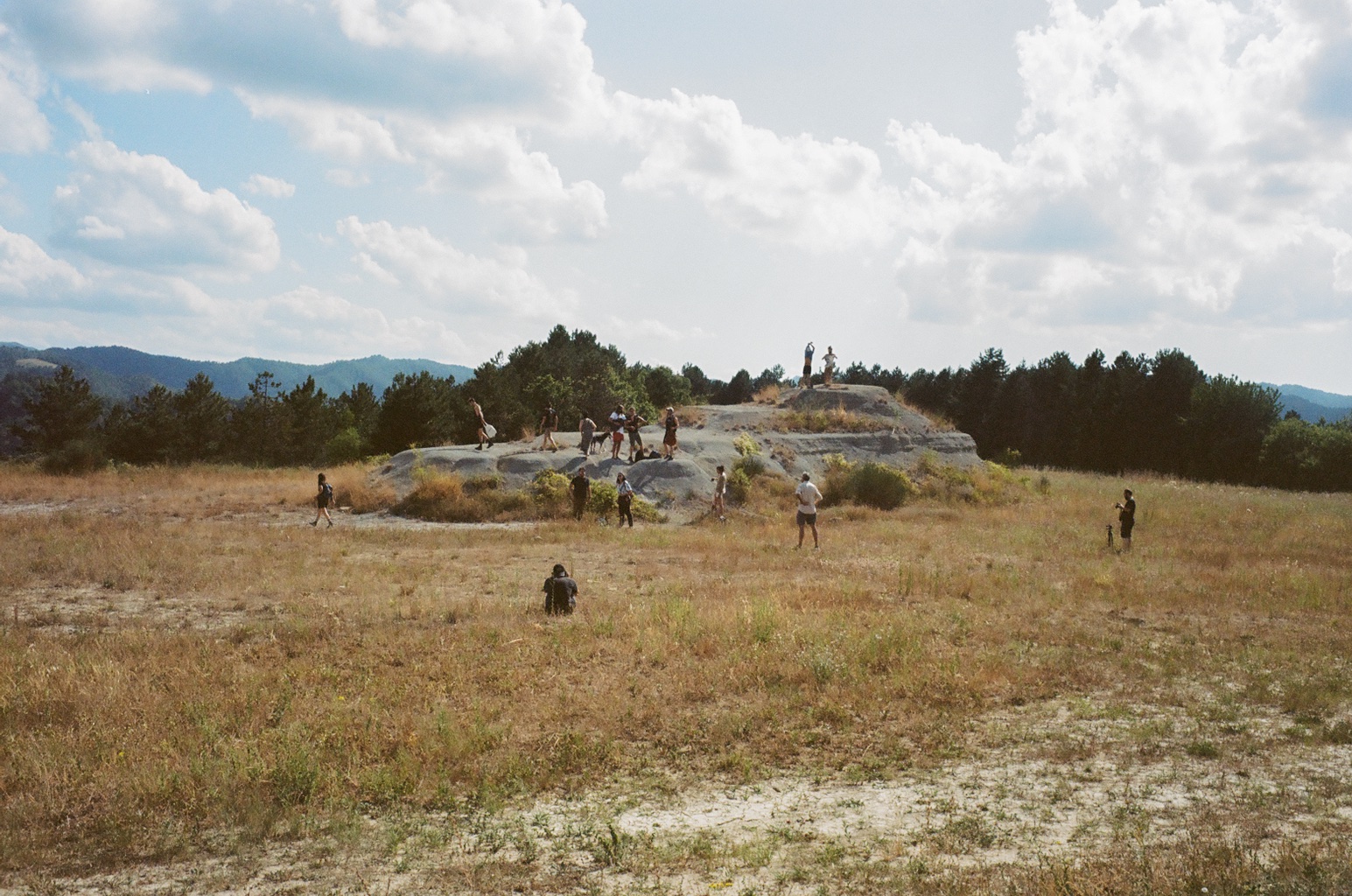
Habitat is a cult(r)ural settlement in the mountains of Tredozio, in the Northern Apennines. Founded in 2021, it operates as a residency program, production space and public platform connecting local communities with international cultural practices. Through residencies, workshops and public programs, Habitat activates underused spaces and fosters new forms of collective living in inland areas. Its approach combines cultural production, social engagement and low-impact practices.
Italy
Local
Tredozio, Portico e San Benedetto, Rocca S. Casciano, Modigliana, Faenza - in the provinces of Forlì-Cesena and Ravenna
It addresses urban-rural linkages
It involves other types of transformations (soft investment)
Yes
2022-01-03
No
No
No
Organisation
Habitat is an operational and curatorial collective active since 2021, working across artistic, spatial, and social practices in rural and mountain landscapes of the Northern Apennines. Starting from the Romagna–Tuscany Apennines (Forlì-Cesena province), it operates through a cultural and community hub, Cà de Monti (Tredozio), and a network of small municipalities dedicated to cross-disciplinary artistic practices.
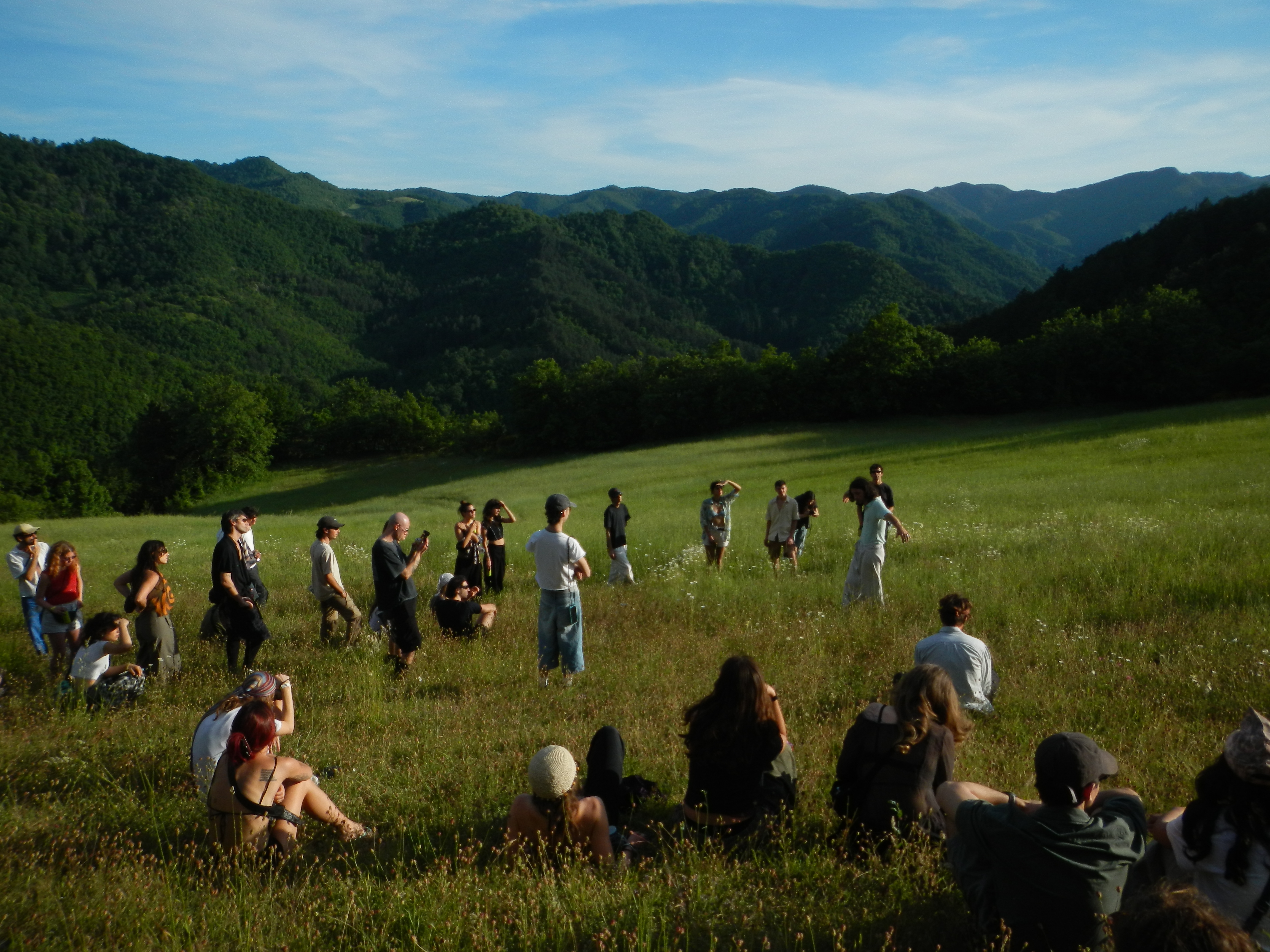
It manages Cà de Monti as a centre for artistic residencies and public programs in dialogue with local communities, stakeholders, and the surrounding environment. Habitat develops artistic residencies, public programs, and place-based initiatives, activating underused spaces and fostering exchange between local and international perspectives through workshops, debates, festivals, and shared practices, engaging intergenerational audiences.
This has led Habitat to host over 400 residents and engage more than 5,000 participants across over 200 events, contributing to the cultural activation of inland areas and strengthening local networks.
The collective combines artistic production, publishing, and research in collaboration with an international network of cultural practitioners, universities, and institutions. Its work supports new forms of cultural production and professional development in marginal contexts, expanding access to contemporary culture in territories often excluded from urban-centered narratives.
Habitat’s approach is grounded in continuous engagement and participatory processes, fostering inclusion, collaboration, and collective learning. It promotes open assemblies and works closely with local administrations and associations to co-develop projects rooted in community needs.
Acting as both platform and mediator, Habitat supports sustainable cultural development at the village scale, creating practices and infrastructures that can be adapted and replicated in similar rural contexts.
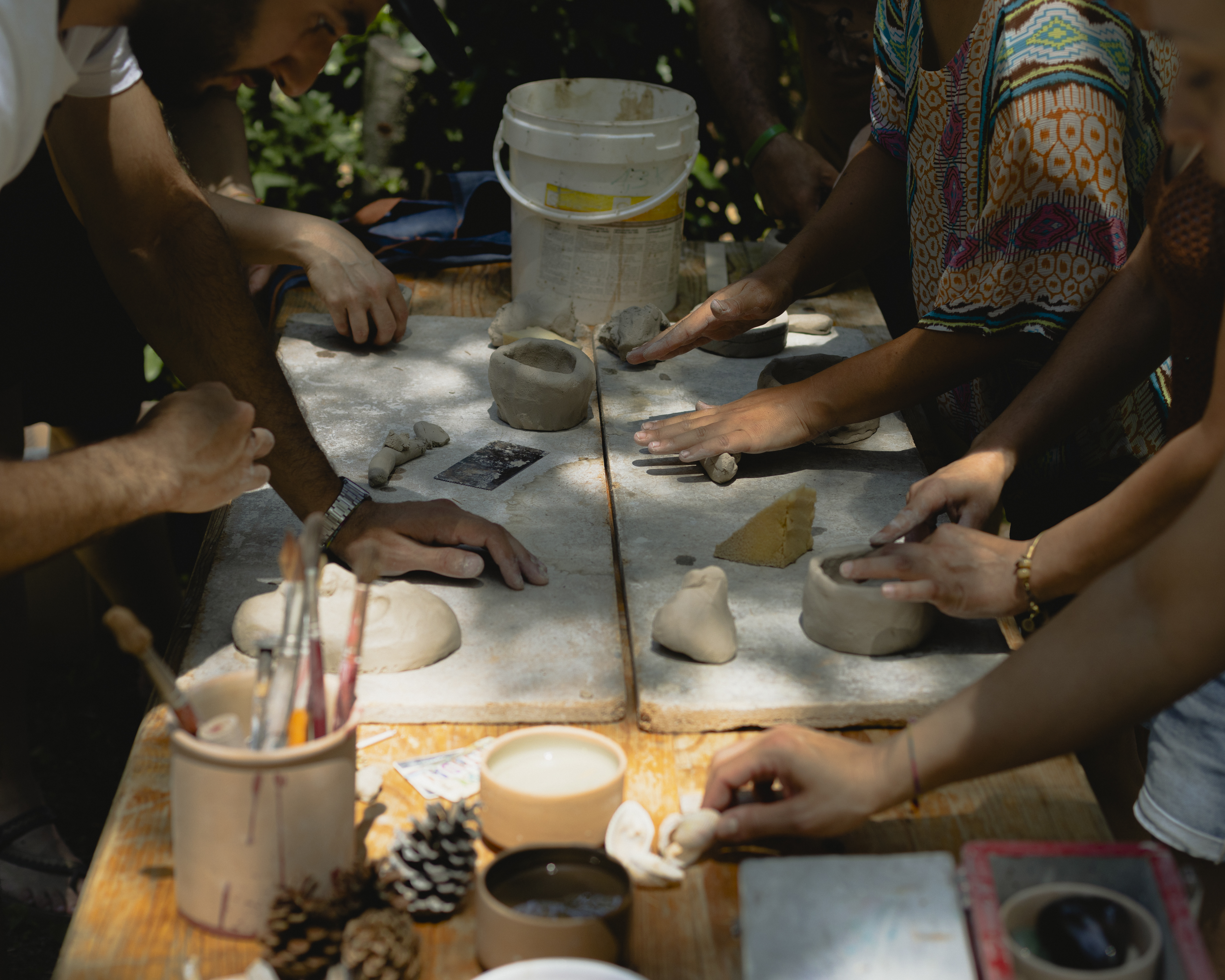
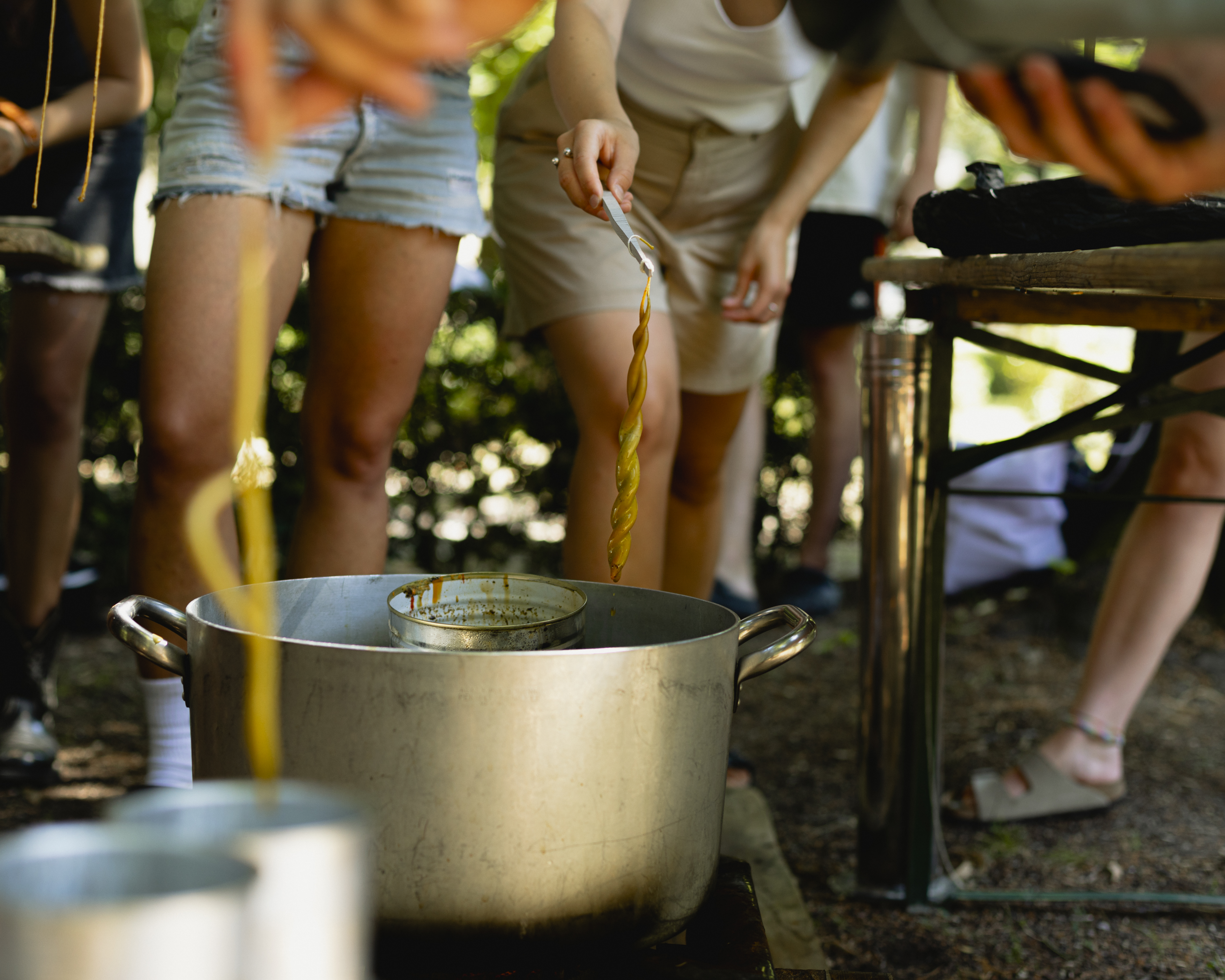
Habitat was founded in 2021 from a desire to experiment with contemporary artistic practices within the natural and human landscapes of mountain areas. What began as a summer residency program at the site of Cà de Monti, evolved through initial workshops and craft-based activities leading to the first residencies in July 2021.
From the outset, artists, collectives, and cultural practitioners were invited to engage with narrative and place-based practices, activating a dialogue between contemporary creativity and local contexts. Early collaborations with inhabitants, partners, and institutions shaped the project’s direction, leading to public events and shared experiences across nearby villages. What started as a temporary initiative quickly evolved into a permanent presence. Supported by the territory itself, Habitat established Cà de Monti not only as a cultural hub but also as a shared living space for part of the collective, embedding the project within everyday life.
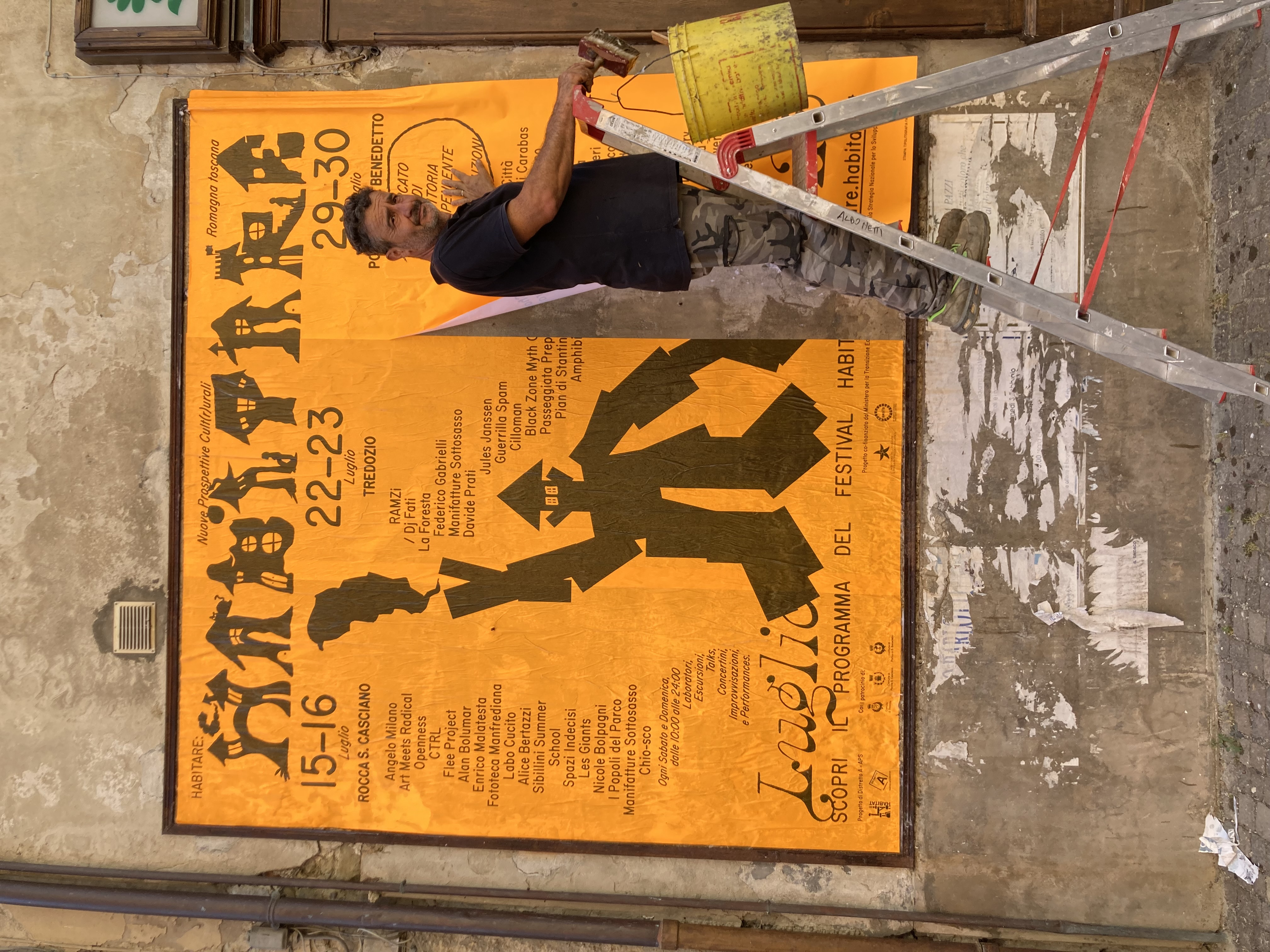
Today, Habitat operates year-round, curating residencies, public programs, workshops, and diffused festivals across the landscape. Since 2023, with the initial support of the Italian Ministry for the Environment and Energy Security, it has developed Habitare, a program of workshops, talks, music, screenings, and excursions exploring new ways of living and creating in mountain and Apennine contexts.
The project has grown through collaborations with municipalities, local stakeholders, and European universities, contributing to new cultural strategies for inland areas. Its methodology is based on continuous engagement, where hosting, production, and public activation form a cyclical process rooted in place. By fostering inclusive, intergenerational communities and connecting diverse practices, Habitat supports sustainable, collective, and place-sensitive ways of inhabiting rural territories, responding to contemporary social and environmental challenges.
Cross-disciplinary practices
Rural cultural activation
Artistic residecies
Collective living practices
Landescape-based sustainability
Habitat’s approach is grounded in cultural and environmental sustainability, embedded in its daily practices, activities, and long-term relationship with the territory and its communities.
At its core is the activation and maintenance of an inclusive cultural space in a mountain area, open and accessible to diverse audiences. By fostering encounters between local inhabitants and international participants, Habitat strengthens relational networks and supports cultural exchange across different identities, languages, and perspectives. In this way, it expands access to cultural experiences in rural contexts, where such opportunities are often limited, contributing to social cohesion and counteracting isolation.
Habitat brings together local communities and international participants, creating shared spaces where diverse perspectives engage with urgent contemporary issues such as environmental responsibility, decolonial perspectives, gender equality, participatory approaches to collective life, and the enhancement of local heritage.
Sustainability is also addressed through concrete, everyday actions. At Cà de Monti, shared living practices are designed to minimize environmental impact: food is primarily local or self-produced through a vegetable garden and small-scale farming; mobility is organized through car-sharing and the promotion of public transport; and resources are managed collectively.
Energy use is reduced through wood heating sourced from the surrounding forest, and a photovoltaic system is installed on site. This system also powers a local server hosting Habitat’s digital content and publications, proposing a small-scale, decentralized alternative to conventional data storage infrastructures. Through this combination of cultural, social, and environmental practices, Habitat develops a situated and replicable approach to sustainability, rooted in everyday life and adaptable to other rural contexts.
Habitat explores the relationship between contemporary creative practices and the cultural, social, and environmental fabric of rural landscapes. It brings artistic languages, themes, and practices - too often confined to urban contexts - into villages, generating new ways of experiencing and inhabiting rural areas.
Through a growing network of artists and cultural practitioners, Habitat develops projects that combine high-quality artistic research with the accessibility of unique natural settings. This encounter creates meaningful and inspiring experiences for residents, visitors, and the landscape itself.
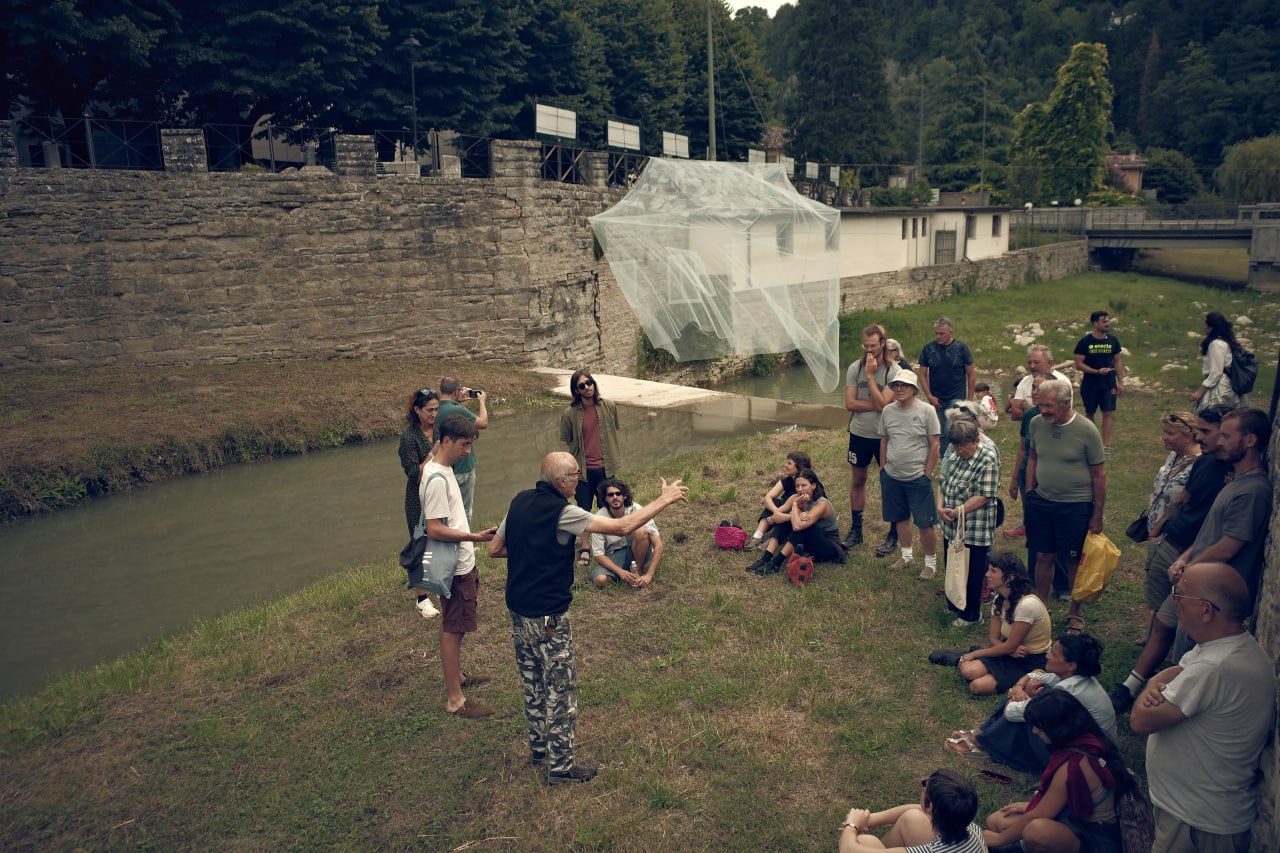
Habitat curates public programs and events that transform everyday spaces into collective cultural environments. These initiatives foster new ways of engaging with territories, highlighting their specific characteristics and traditions while opening them to contemporary interpretations.
Small mountain municipalities become spaces for experimentation, where new media, formats, and practices are tested in direct relation to place. In this process, artistic and cultural initiatives act as catalysts for informal yet meaningful community engagement, encouraging exchange between local inhabitants, visiting practitioners, and the collective.
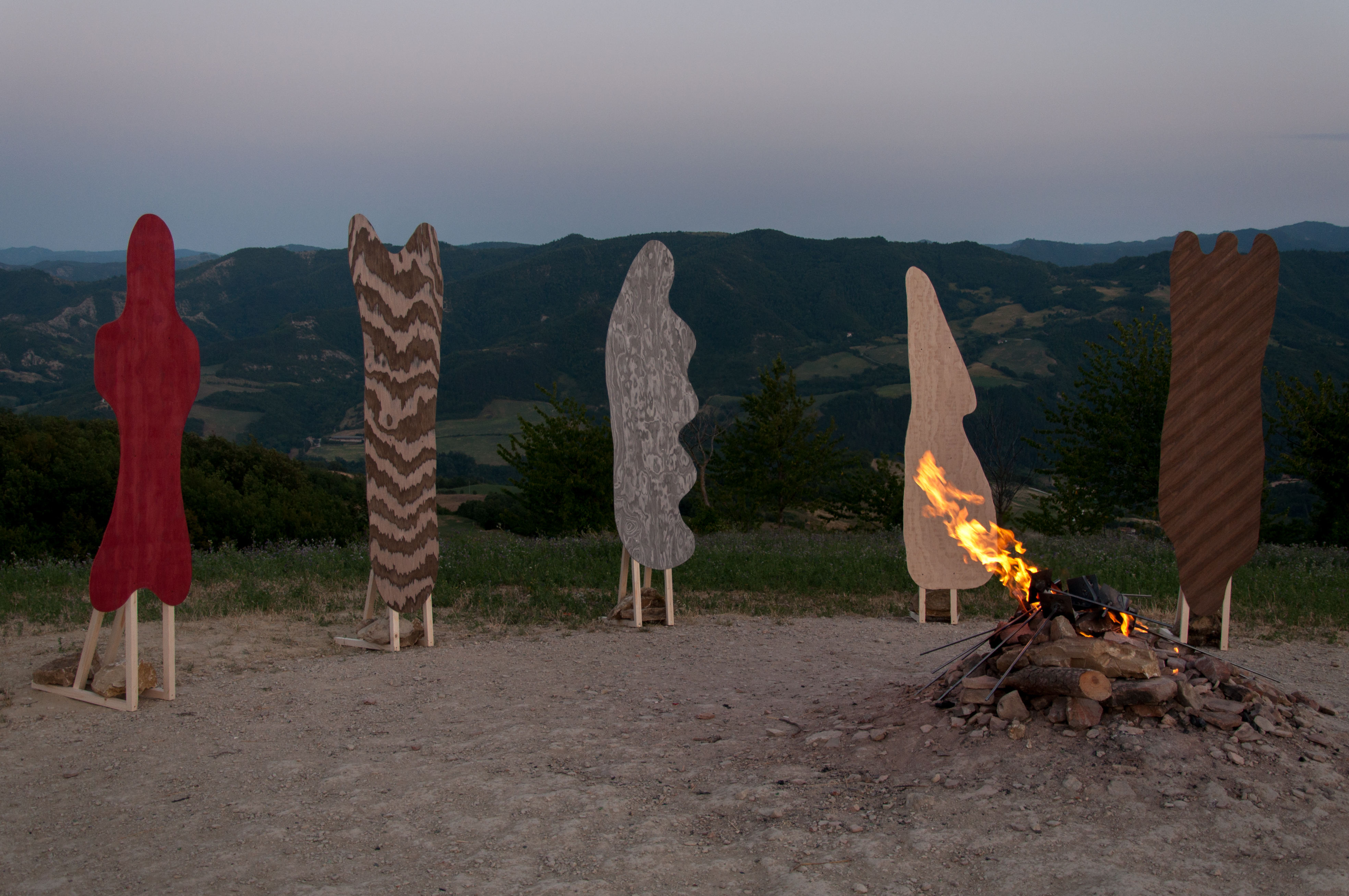
The project generates both temporary and permanent interventions across the valley, co-developed with local communities and embedded in shared processes. Outcomes include installations, publications, performances, temporary radio projects, and site-specific events, contributing to a layered and evolving cultural landscape.
Habitat is committed to building open, inclusive, and resilient communities in mountain areas, addressing social vulnerabilities and demographic challenges typical of inland territories.
Through the creation of permeable local networks - connecting residents, artists, and visitors - Habitat fosters dialogue, mutual learning, and shared ownership of cultural experiences. By bringing together those who live in the territory year-round with external perspectives, the project enables meaningful exchange and collective reflection on local identity, memory, and future possibilities.
The project develops diverse spaces and programmes designed to engage audiences across ages, backgrounds, and geographies, with particular attention to intergenerational participation. Workshops, artistic practices, and collective activities act as bridges between different experiences and needs, encouraging co-creation, curiosity, and social cohesion. Special attention is given to underrepresented and vulnerable groups - including older adults and residents of remote areas - ensuring their active participation in cultural life and public dialogue. Accessibility is addressed through open formats, low-cost or free activities, and the decentralization of programs across multiple villages.
Habitat operates through participatory governance, involving local communities, associations, and municipal administrations in the co-design and development of projects. This approach strengthens local networks, promotes equitable access to culture, and supports collective wellbeing.
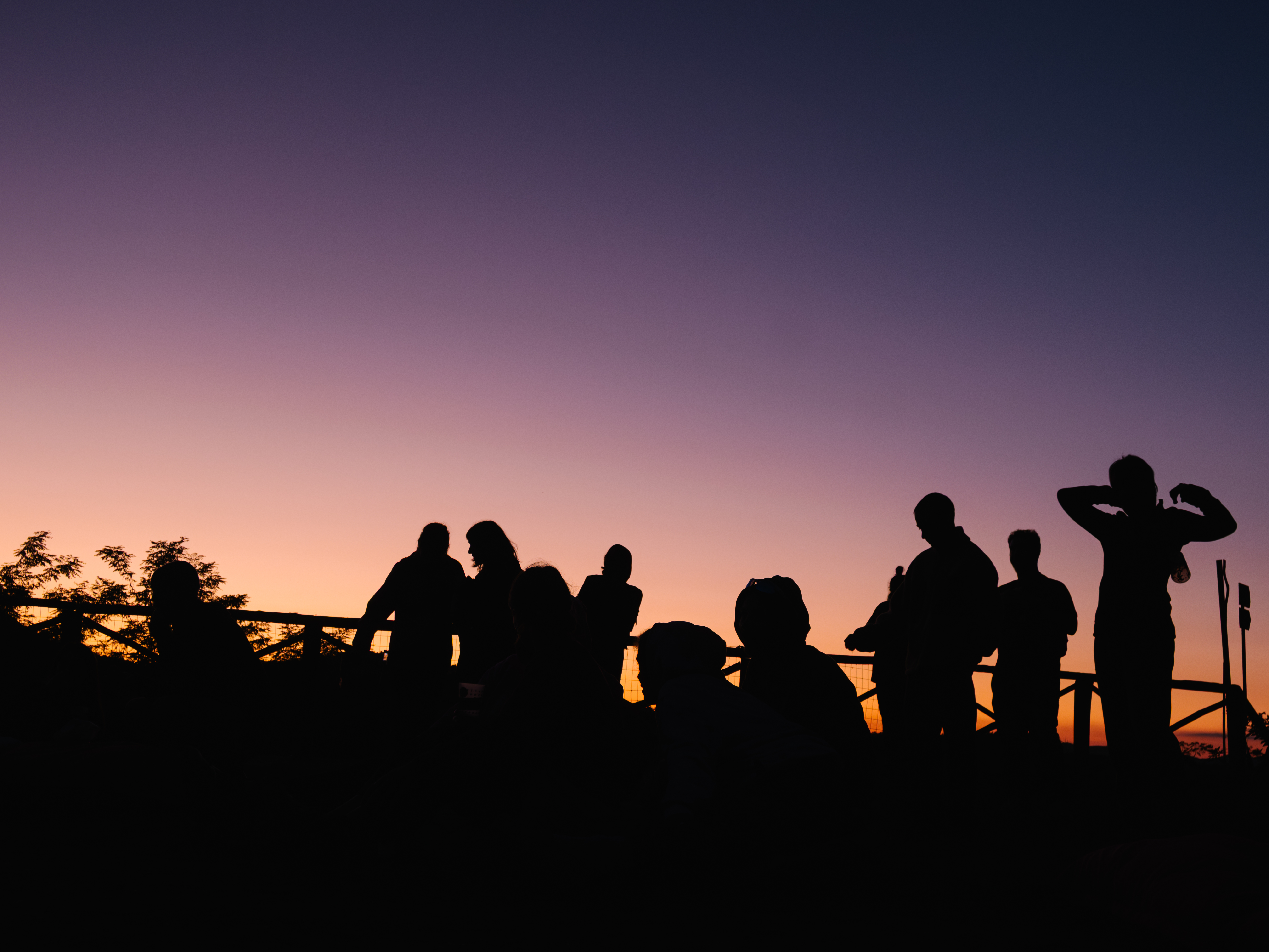
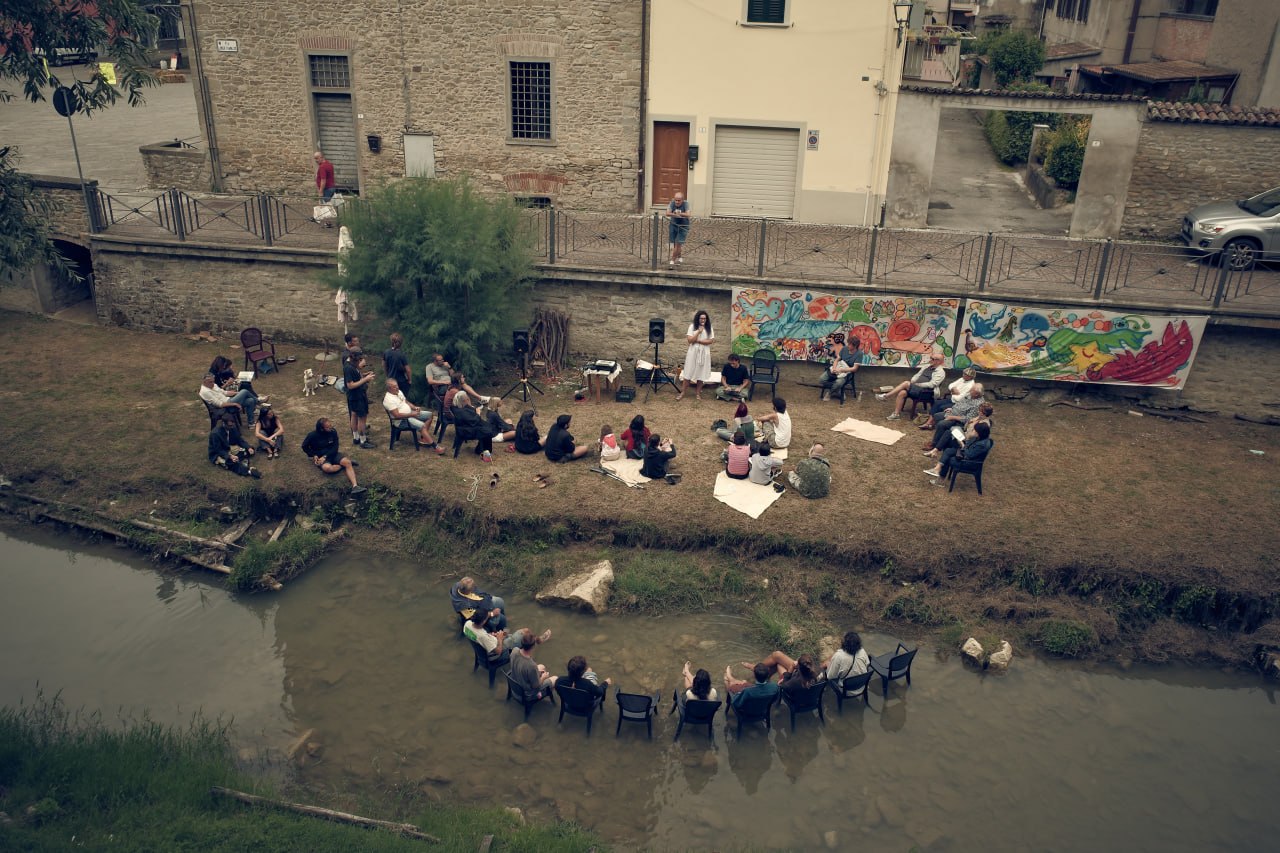
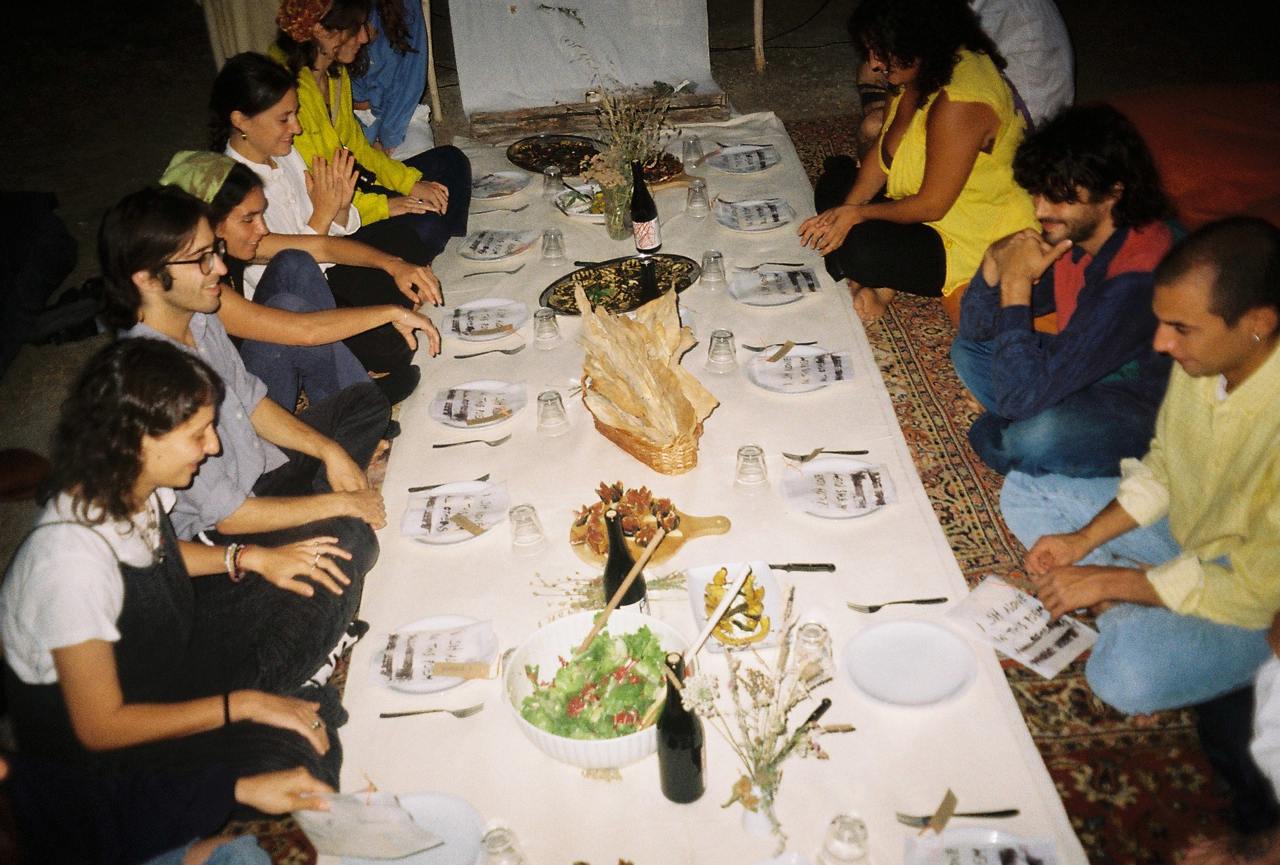
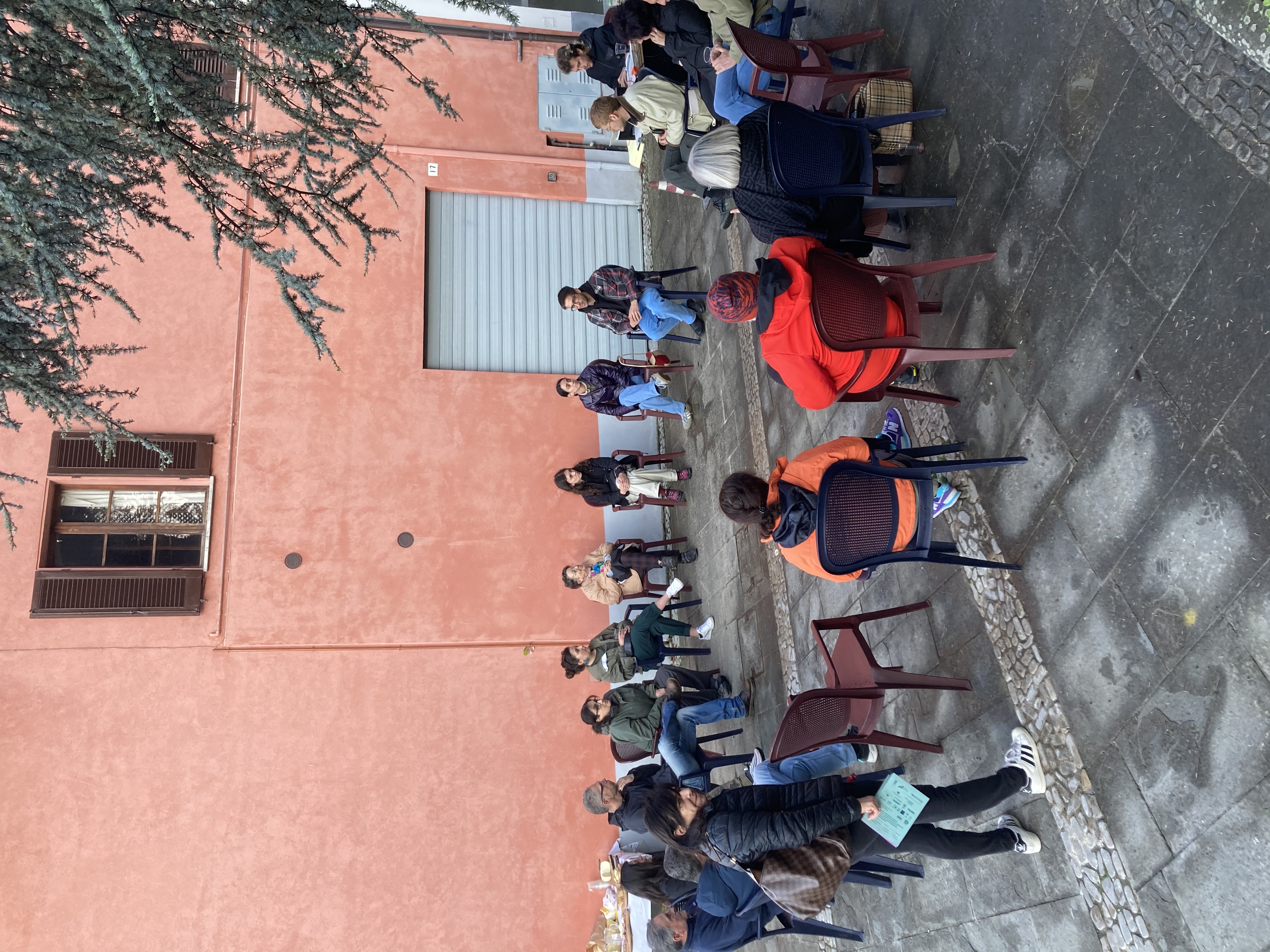
Moments of openness, conviviality, and public interaction - hosted both at Cà de Monti and across the territory -embed inclusion in everyday practices, fostering a shared culture of participation, care, and collective creativity.
Habitat’s relationship with the territory of Tredozio began through small public assemblies, introducing artists in residence and opening spaces for the exchange of stories, knowledge, and themes shaping artistic research and production. These initial moments evolved into a continuous, assembly-based dialogue that remains central to the project's development.
Participation in Habitat takes multiple forms, both formal and informal. Residents are involved in workshops, public programs, and co-developed projects, as well as in the everyday life of Cà de Monti. This creates forms of engagement rooted in trust, where local knowledge and lived experience are recognized as essential contributions. For example, elderly local artisans may take on active roles as mentors within workshops involving young international participants.
The project has progressively grown in synergy with local administrations and institutions, combining resources and competencies to support creative and sustainable local development. These partnerships enable the activation of public events and the implementation of both short- and long-term initiatives shaped by local needs and specificities.
Habitat’s participatory approach is an evolving process, whose impact has become increasingly visible over nearly five years of activity. It has contributed to strengthening local networks, activating new initiatives led by local actors, and creating shared spaces of encounter where practices, knowledge, and perspectives circulate. Through this process, citizens, communities, and organizations are not only beneficiaries but active contributors to the project.
Habitat fosters a sense of belonging, collective ownership, and agency, supporting forms of participation that are embedded in everyday life and capable of generating lasting social impact.
Habitat is an association-driven project fostering sustainable and creative development in mountain territories through a relational and participatory approach. Its governance operates across multiple levels, connecting local communities, municipalities, regional institutions, and European partners.
At a local level Habitat collaborates closely with a network of municipalities in the valley, co-developing projects, events, and strategies through participatory processes involving residents. This ensures initiatives are rooted in local needs, knowledge, and specific territorial conditions.
At a Regional level the project has expanded to include towns such as Faenza and Forlì, and institutions like ArtER. These partnerships support scaling initiatives, sharing resources, and integrating cultural practices into broader territorial strategies. Collaboration with schools, social services, and economic actors strengthens local value chains and links cultural production to socio-economic development. Partners such as Alpi Wood have further enabled the project to grow and generate professional networks.
At a European level Habitat engages with cultural institutions, artists, and universities including Piet Zwart Institute, Gerrit Rietveld Academie, Sandberg Institute, and ISIA. It develops residencies, educational programs, and collaborative projects with organizations such as Meakusma (Belgium) and Les Siestes Électroniques (France), fostering transnational exchange and knowledge circulation.
This multi-level model allows Habitat to operate as both a locally rooted initiative and an internationally connected platform, creating added value through shared practices and replicable cultural approaches for rural territories.
Habitat’s activities are grounded in the diverse expertise of its core team, spanning artistic practices, design, digital technologies, performing and musical fields.
This plurality of knowledge, combined with contributions from social and environmental domains, shapes Habitat's interactive and process-based approach. This interdisciplinary framework informs the development of workshops, tools, and formats focused on self-production, collective making, and shared learning, enabling participants to engage across different scales and practices.
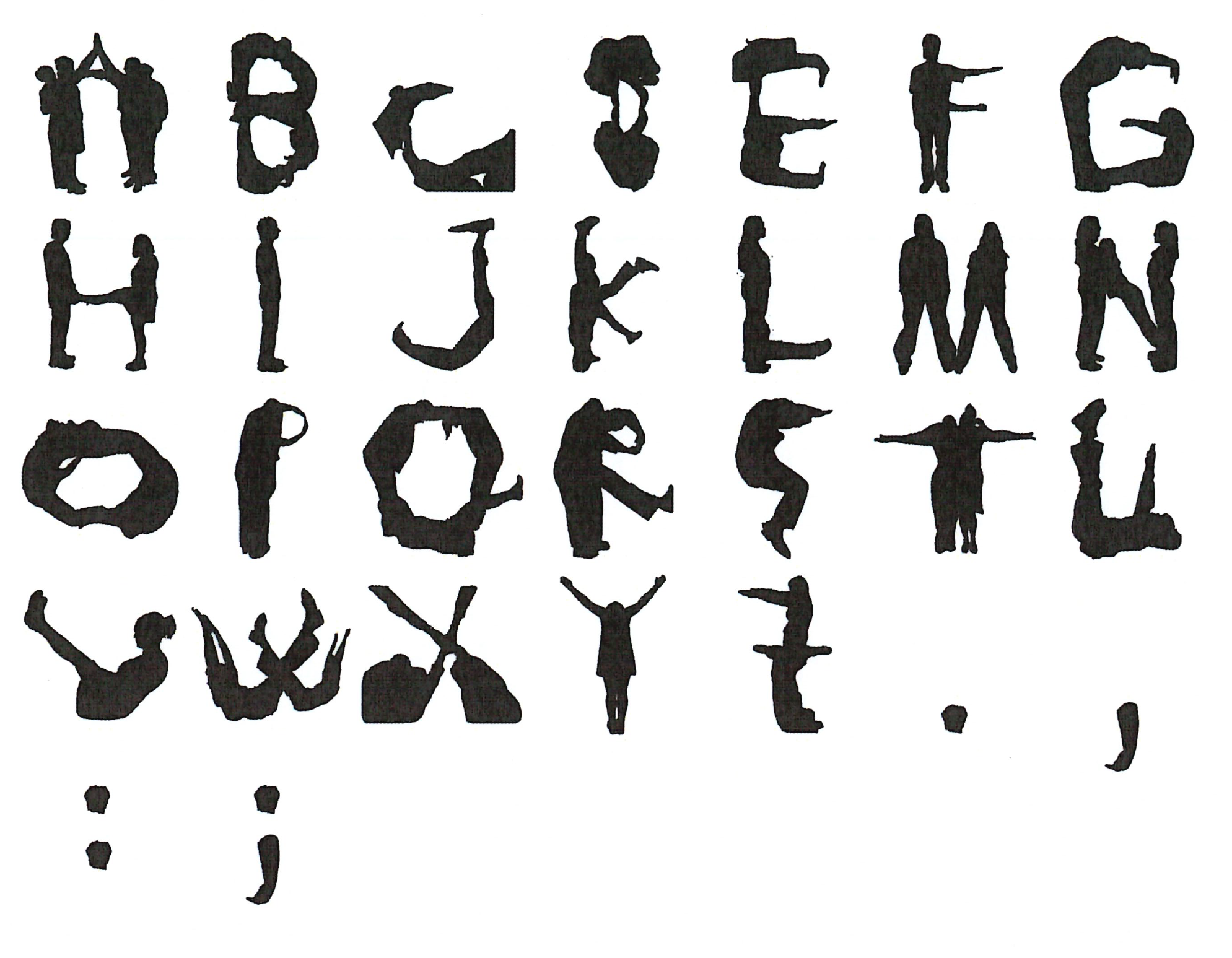
Visual, performative, graphic, and sound-based practices are central to Habitat’s language, outputs, and research. These are expanded through a strong focus on publishing, both physical and digital, supported by an in-house open-source digital ecosystem that enables global accessibility, circulation, and exchange of knowledge.
The project also contributes to the creation of tools and services that support the organization of public programs and events in resource-limited contexts, promoting efficiency, adaptability, and low environmental impact.
Habitat’s approach is further enriched by contributions from architecture, ethnology, history, environmental studies, craftsmanship, and computer science, reflecting a transdisciplinary and place-based methodology that connects cultural production with territorial knowledge.
Equally crucial is the team’s shared expertise in the curation, organization, artistic and scientific direction of public events. This integrated set of competencies forms the basis of Habitat’s public and interactive dimension, positioning it as a platform for experimentation and as a tool for social innovation by design.
Habitat is a non-profit project that reinvests its resources to strengthen the processes, activities, and communities it activates. Its economic model combines self-generated income, public funding, and collaborative support networks, ensuring flexibility, resilience, and responsiveness to local contexts.
Self-generated income comes mainly from public programmes and cultural activities, with a low-cost ticketing system supporting both event sustainability and participating artists. Additional income is generated through a small café and meals based on local products, reinforcing connections with the local economy. Habitat also runs open-call residency programs, where modest participant fees cover operational costs and access to workshops and shared facilities at Cà de Monti.
The project is supported by a network of collaborators and volunteers, many of whom are former participants returning over time, reflecting the long-term relational value generated by Habitat. Publishing, artistic production, and participation in European fairs, talks, and workshops contribute to the project’s visibility and open opportunities for collaboration and funding. Part of the core team is dedicated to securing regional, national, and European grants, developing projects aligned with Habitat’s vision and the needs of local stakeholders.
Through this hybrid and adaptive model, Habitat ensures economic sustainability while maintaining its community-based, accessible, and non-profit nature.
Over time, Habitat has developed methodologies, tools, and processes that can be structured and adapted to other contexts. These include residency-based production models, participatory formats, and small-scale infrastructures for cultural activation in rural and marginal areas.
Many tools, especially digital infrastructures and publishing formats, are designed to be transferable, forming a flexible and evolving “toolkit” that supports similar initiatives in different geographical and social contexts.
Habitat’s long-term vision is based on local cultural hubs as infrastructures for community care, inclusion, and collective production. This approach can be adapted in other territories facing marginality or transition.
Several of Habitat’s methods and operational processes are shared through open-source and copyleft approaches, ensuring free access, adaptation, and reuse. This allows other groups and communities to experiment with and apply the project’s practices according to their own needs.
Beyond its site, Habitat disseminates and tests its approach through collaborations with European partners, public programs, and research initiatives, supporting knowledge circulation and the development of new place-based cultural strategies across different contexts.