Enhancing Circularity, Sustainability, and Innovation
AERIAL
strAtEgie di biofabbRIcAzione per il recupero di sottoprodotti Lapidei
AERIAL offers a biotech solution to recycle "marmettola", a major waste byproduct from stone extraction, a particularly problematic material in Italy, particularly in the Carrara district. The project implements a transdisciplinar approach and uses a low-energy biofabrication process driven by photosynthetic microorganisms. The ultimate goal is to transform this marble waste into four innovative, sustainable products and semi-finished products for the green building and interior design sectors.
Italy
Regional
Tuscany
It addresses urban-rural linkages
It involves a physical transformation of the built environment (hard investment)
Yes
2025-12-30
Yes
ERDF : European Regional Development Fund
No
No
Organisation
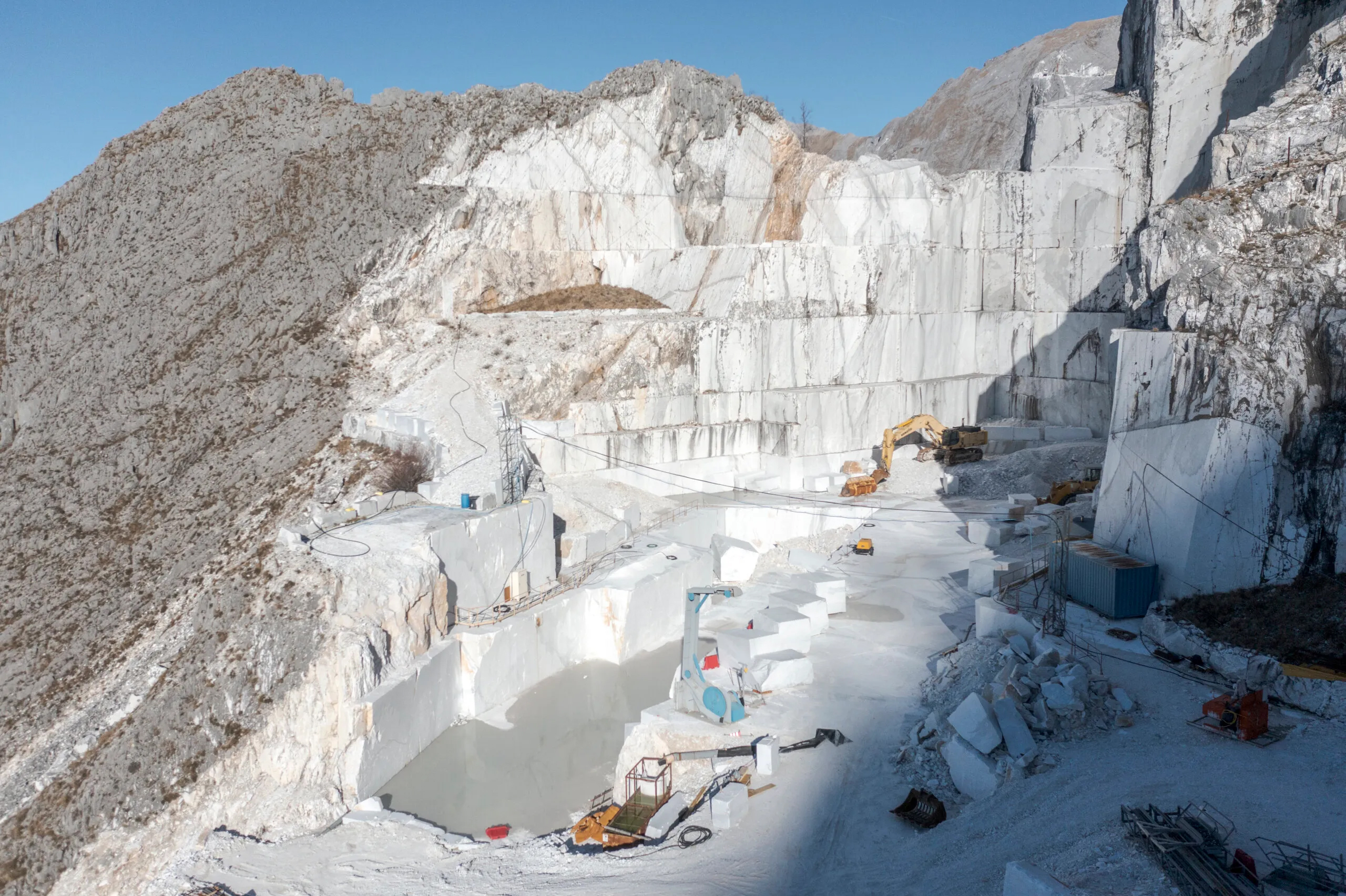
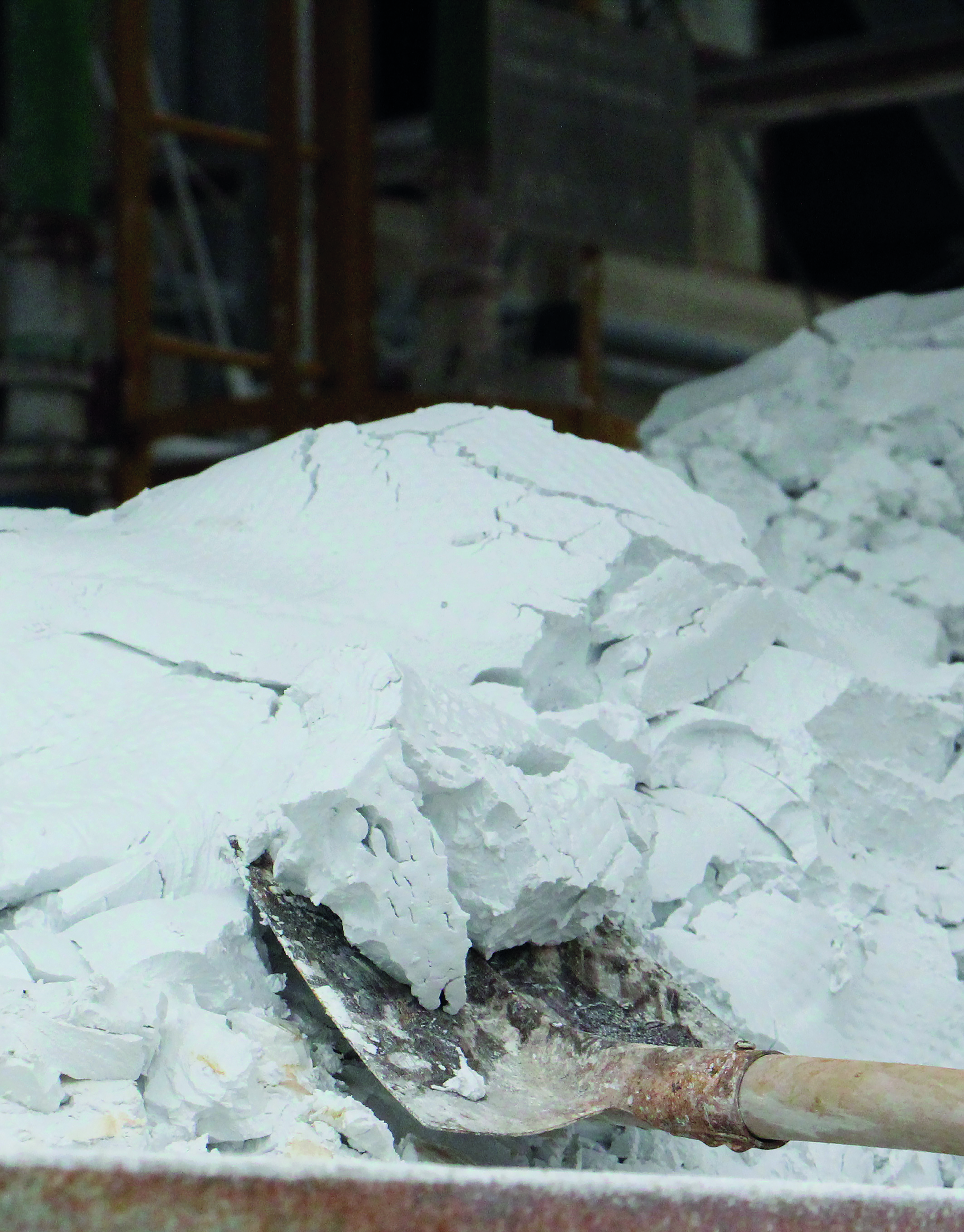
AERIAL (strAtEgie di biofabbRIcAzione per il recupero di sottoprodotti Lapidei - POR FESR 2014-2020), developed as a follow-up to the research project INERTIAL (funded by: CR Firenze and Next Gen EU) (Marseglia et al., 2026), proposes a revolutionary biotechnological solution for the ecological transition of the stone industry. The extractive industry produces enormous quantities of polluting waste: “marmettola”, one of the most problematic wastes for human and environmental health, reaches 200,000 tons per year in the Carrara district alone (Legambiente, 2025). By combining design and microbiology, the project transforms this waste into biofabricated materials for bio-construction and interior design.
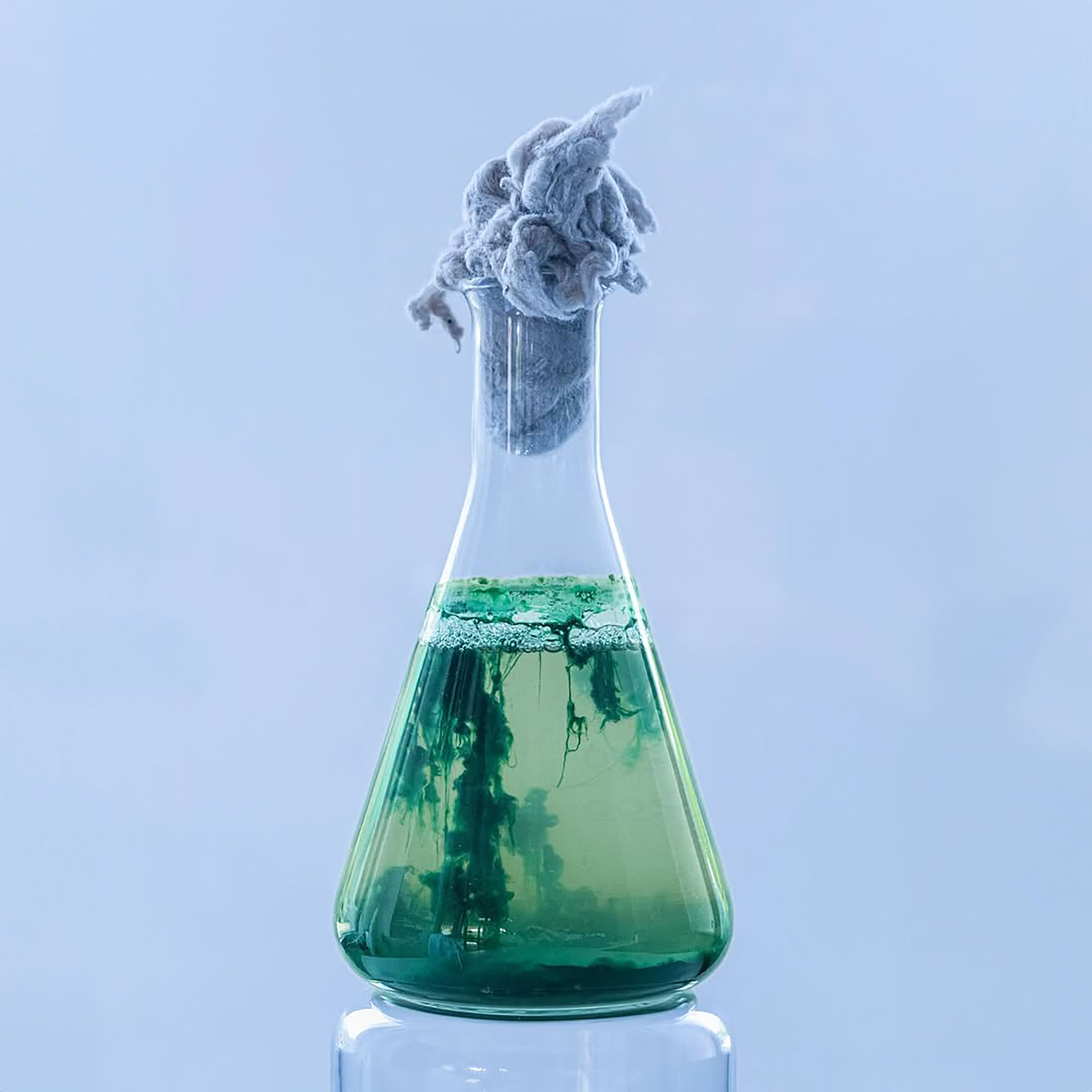
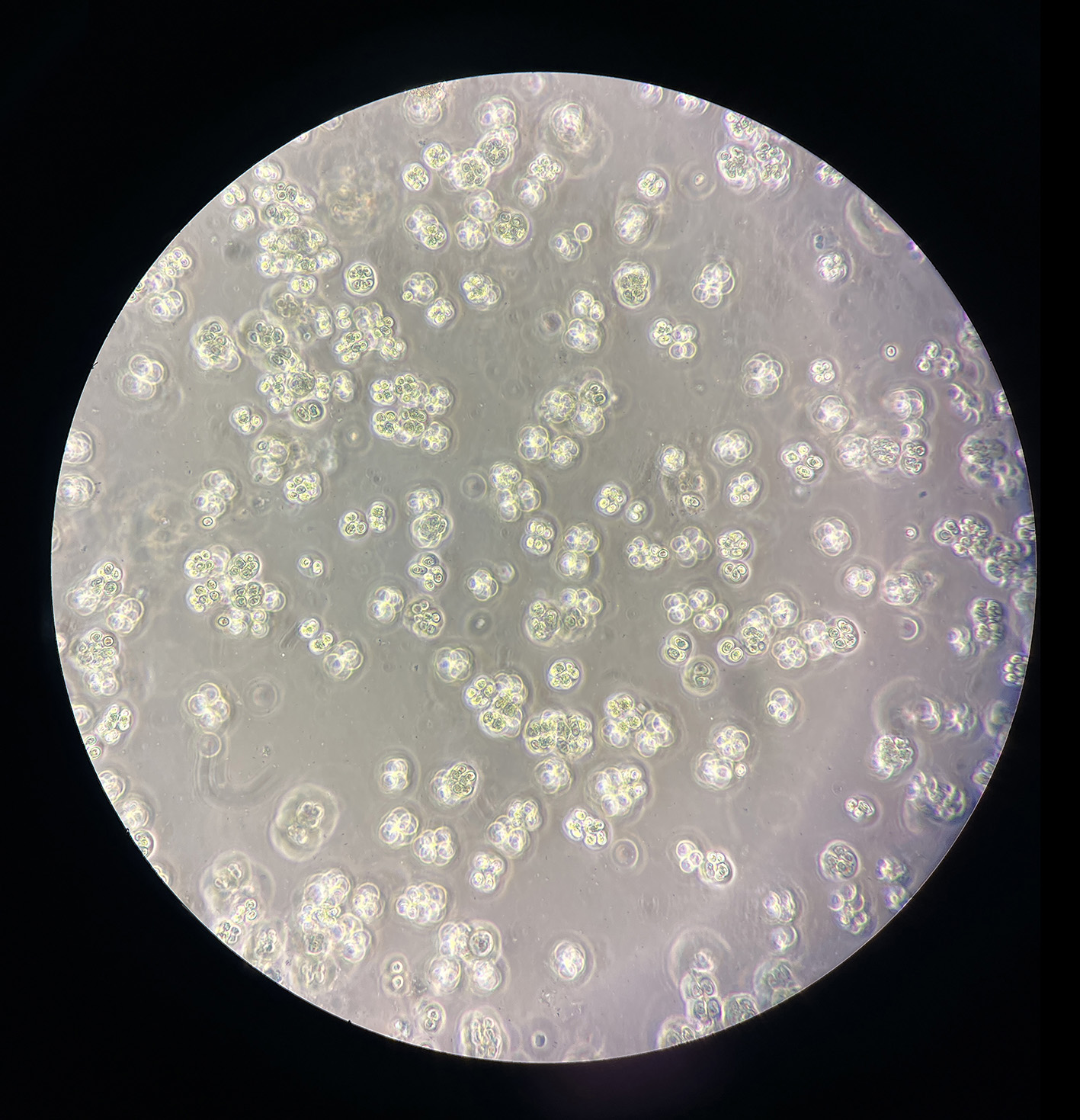
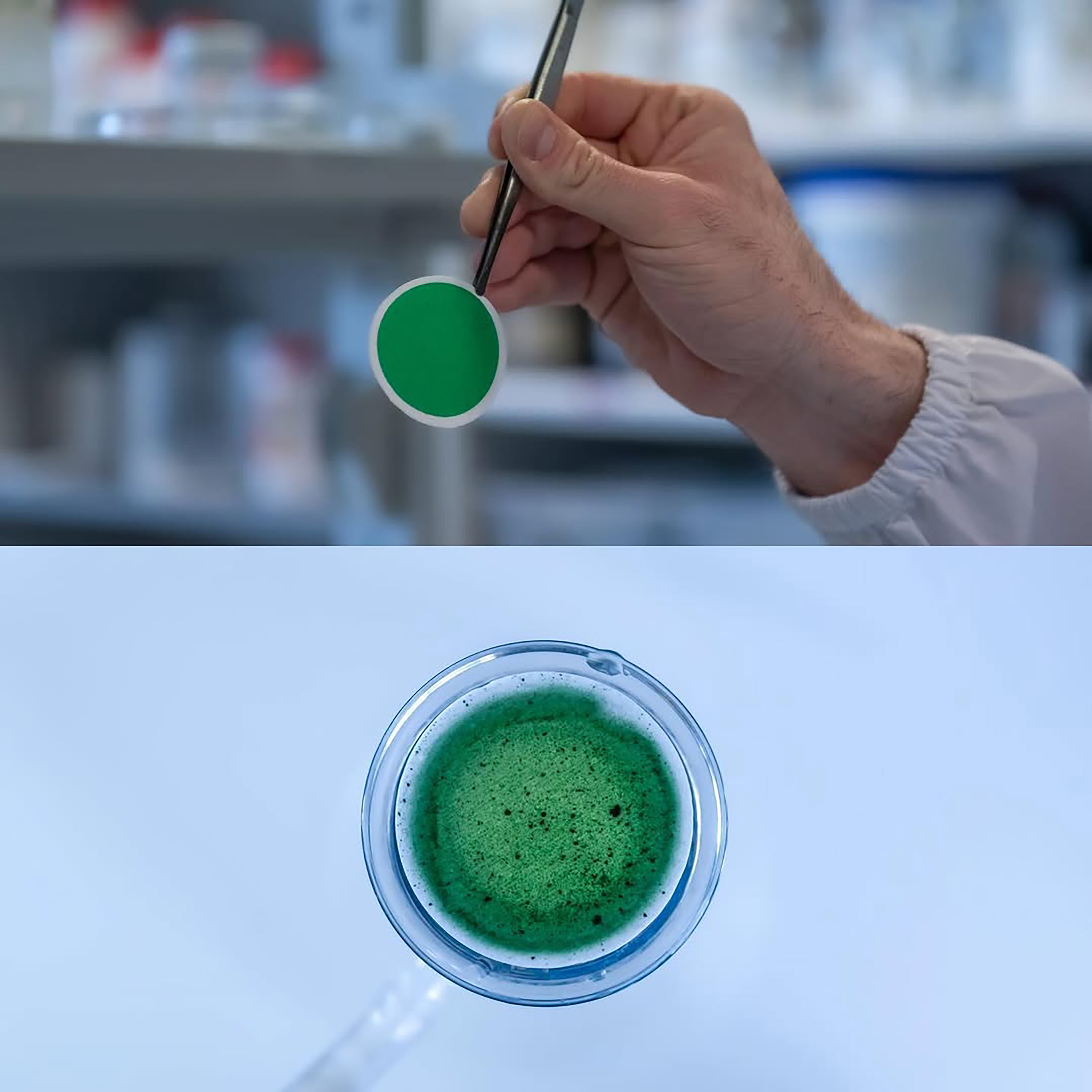
The process uses microalgae to induce the precipitation of calcium carbonate, generating the biomineralization of stone waste into highly performant products with low energy consumption. In particular, the project proposes sustainable, breathable, and insulating solutions for buildings. The executive design of a hybrid (mechanical–biotechnological) production plant is at an advanced stage and, with the support of the Florentine University Incubator (IUF), a business plan has been developed for the startup idea “Bioma Design Lab”. The results include international scientific publications and the nomination for the Compasso d’Oro ADI 2026 in the Research for Business category.
The project has a significant environmental impact as it contributes to reducing waste sent to landfills and to the development of sustainable construction materials. From an industrial perspective, the project develops a circular economy model that can be exported to other Italian and European territorial districts, capable of transforming high disposal costs into a resource. From a social perspective, the project contributes to a tangible improvement in public health for citizens of the involved districts and to the creation of healthy environments that enhance living well-being.
The initiative originates from the urgent need to reduce the significant environmental impact of the Apuan-Versilia stone district by sustainably recovering marmettola, the muddy waste produced during marble processing. The core idea is to transform this industrial waste into innovative materials for bio-construction and design through a biofabrication process.
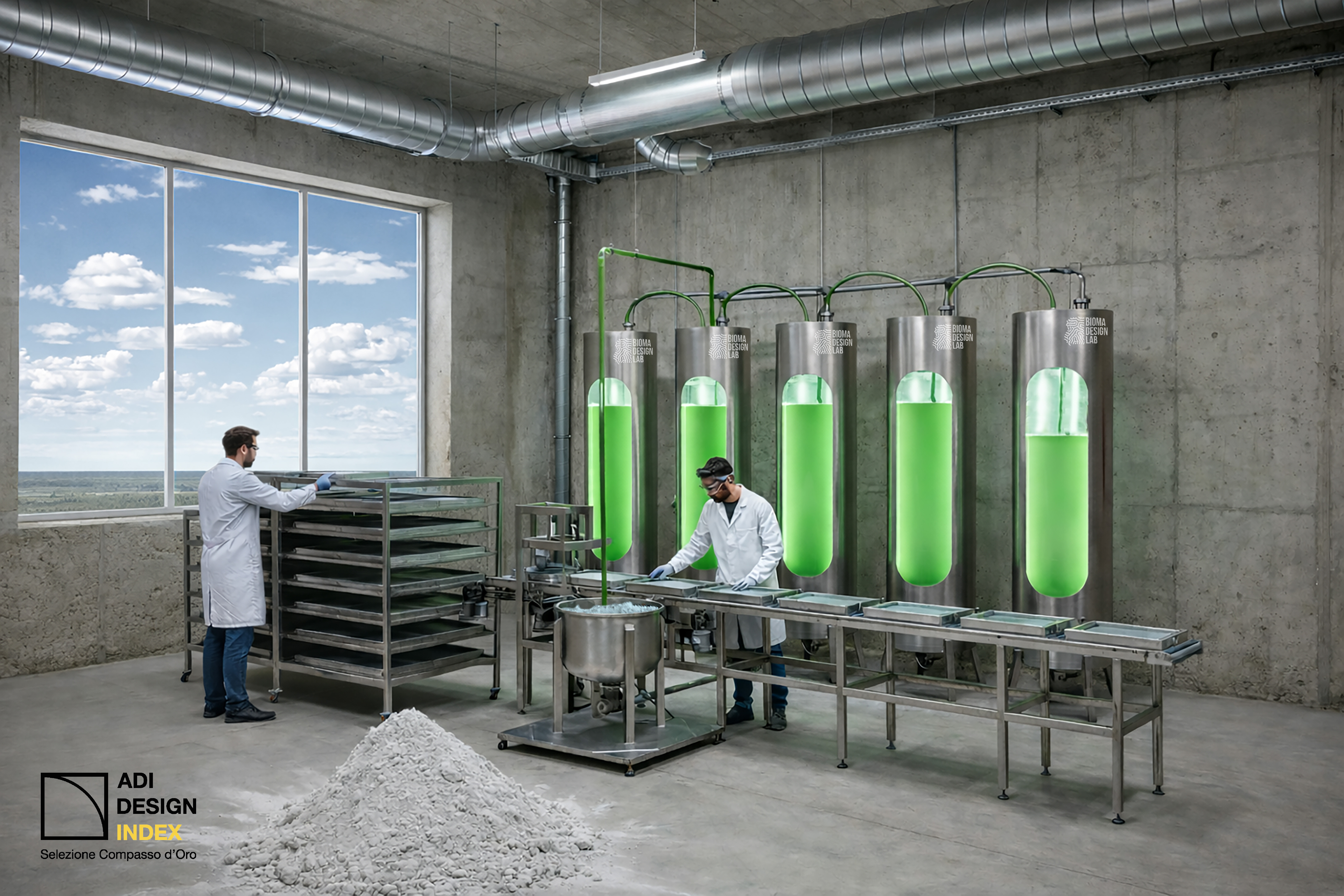
Regarding on-site implementation, the activities involve collaboration with the partner company Vetrugno S.a.s., which produces about 24,000 kg of marble sludge per day and has supplied pure, hydrocarbon-free material for testing. Marble sand has instead been provided by Marble Way S.r.l. (the main local consortium). The operational core of the entire implementation is the executive design and construction of a hybrid pilot plant, designed to process approximately 100 kg of marble sludge per day. This experimental pilot plant will subsequently be scaled up in size through the creation of a university spin-off. This structure combines mechanical systems - necessary for preparing aggregates - with specialized bioreactors intended for biomass cultivation, designed in collaboration with UTP S.r.l. , experts in mechanical design, and F&M Fotosintetica & Microbiologica S.r.l., a company specialized in the design and construction of pilot plants for biomass production.
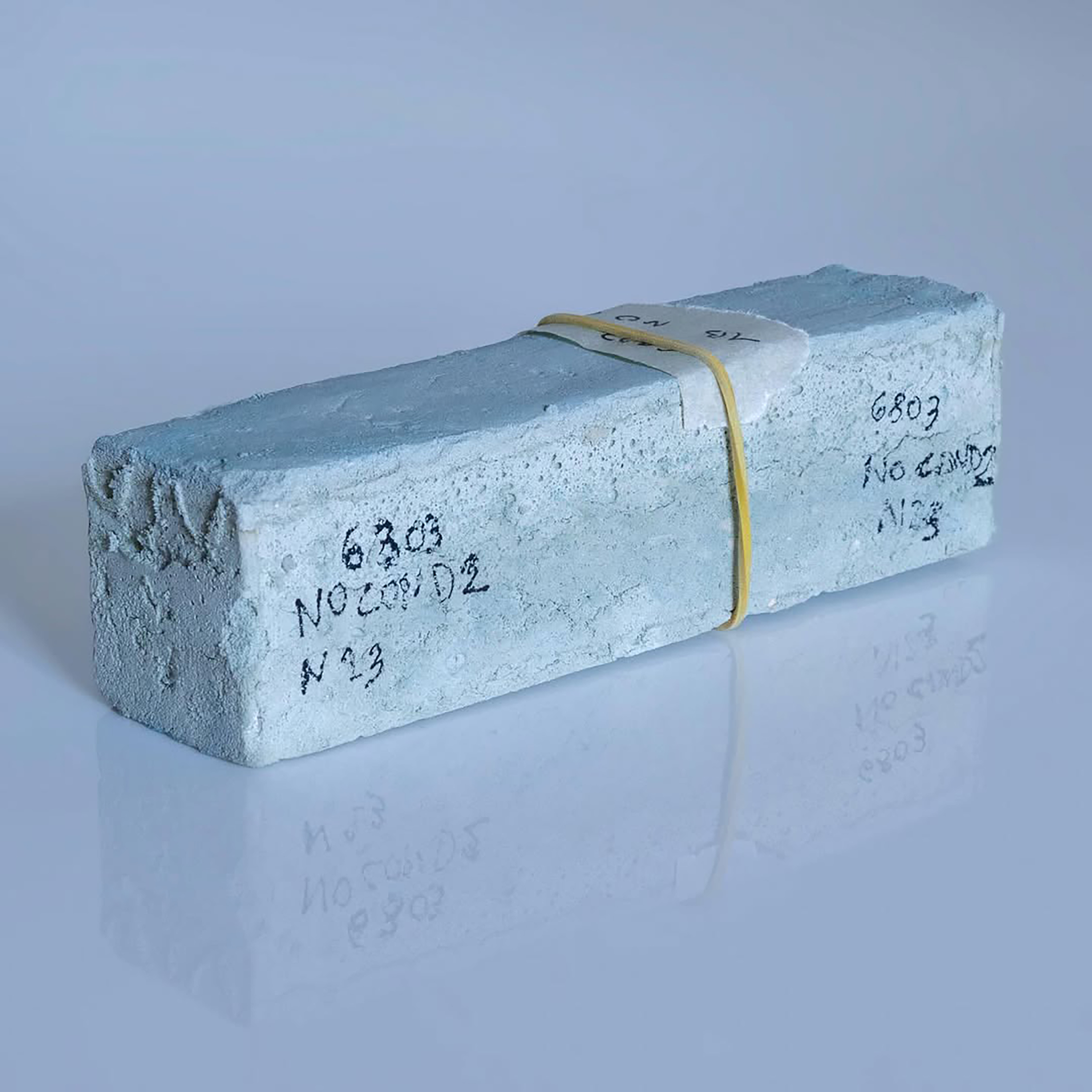
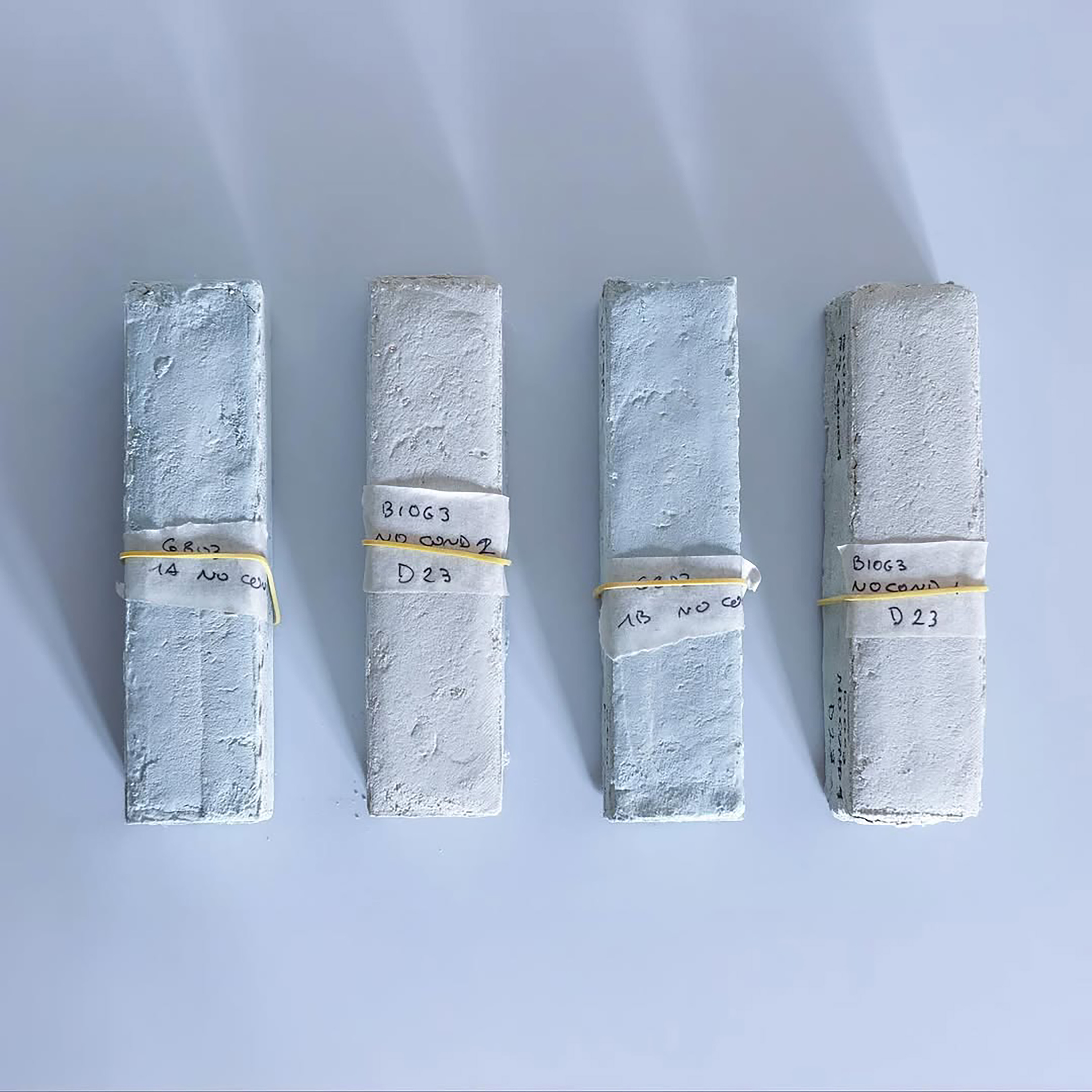
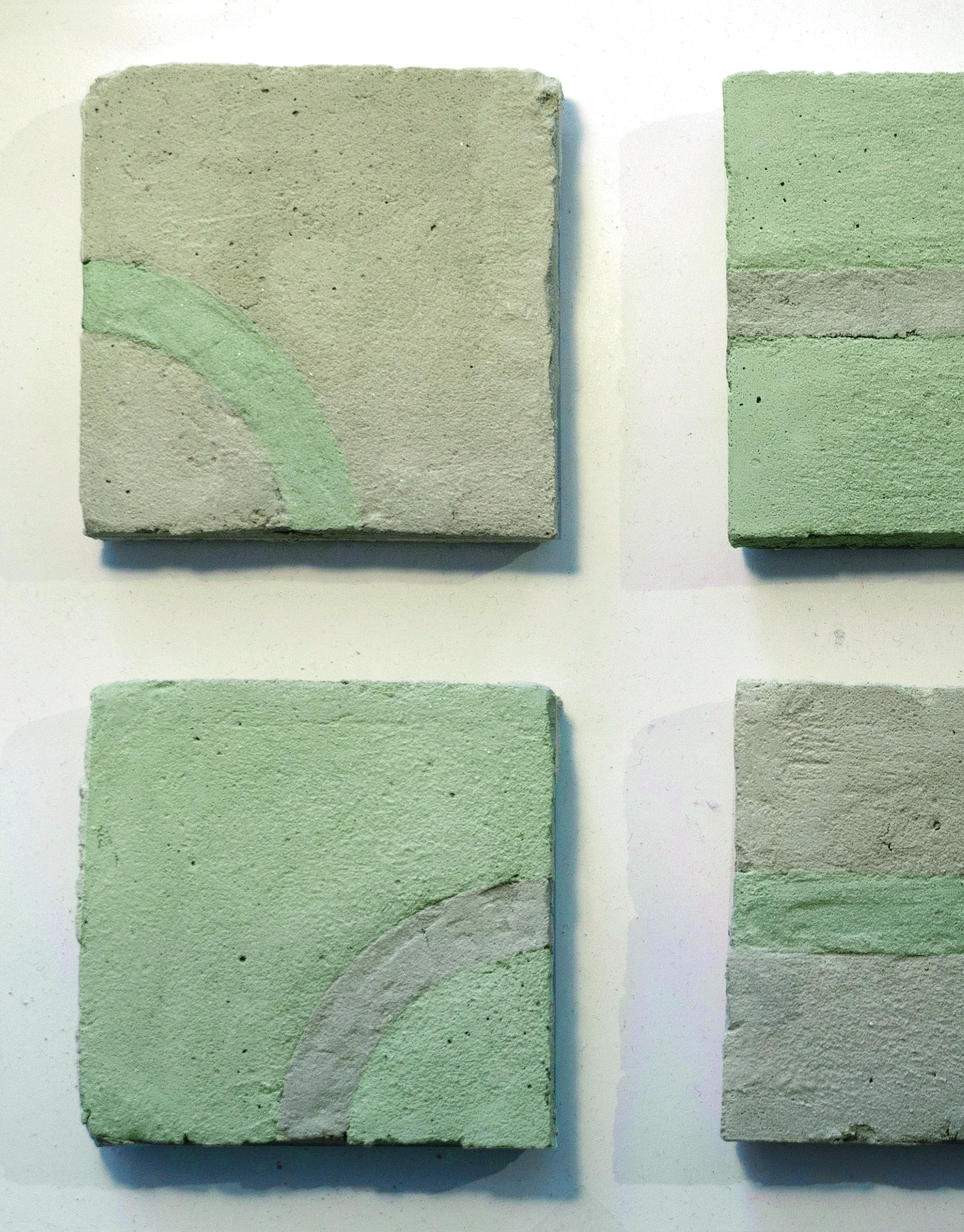
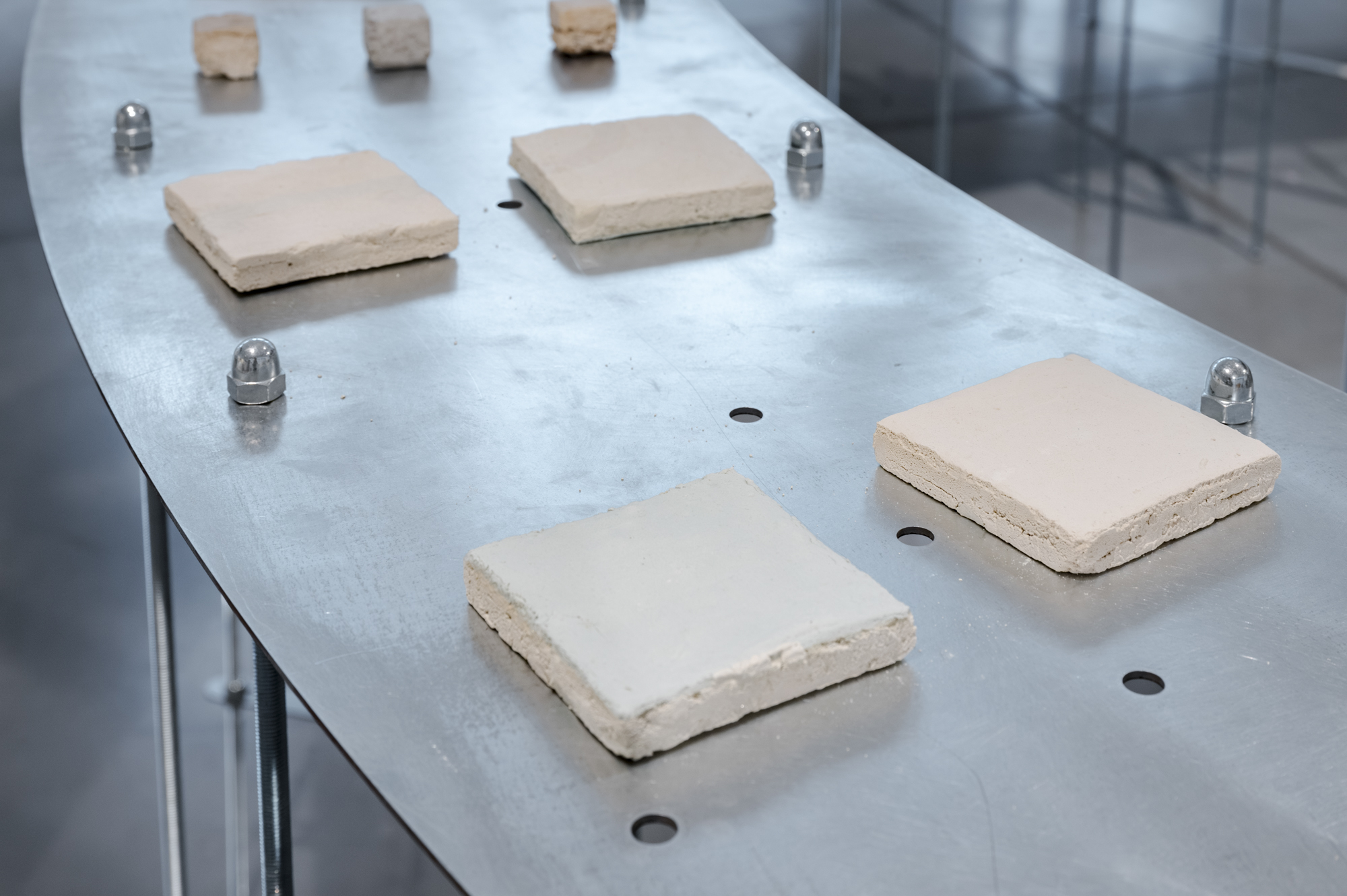
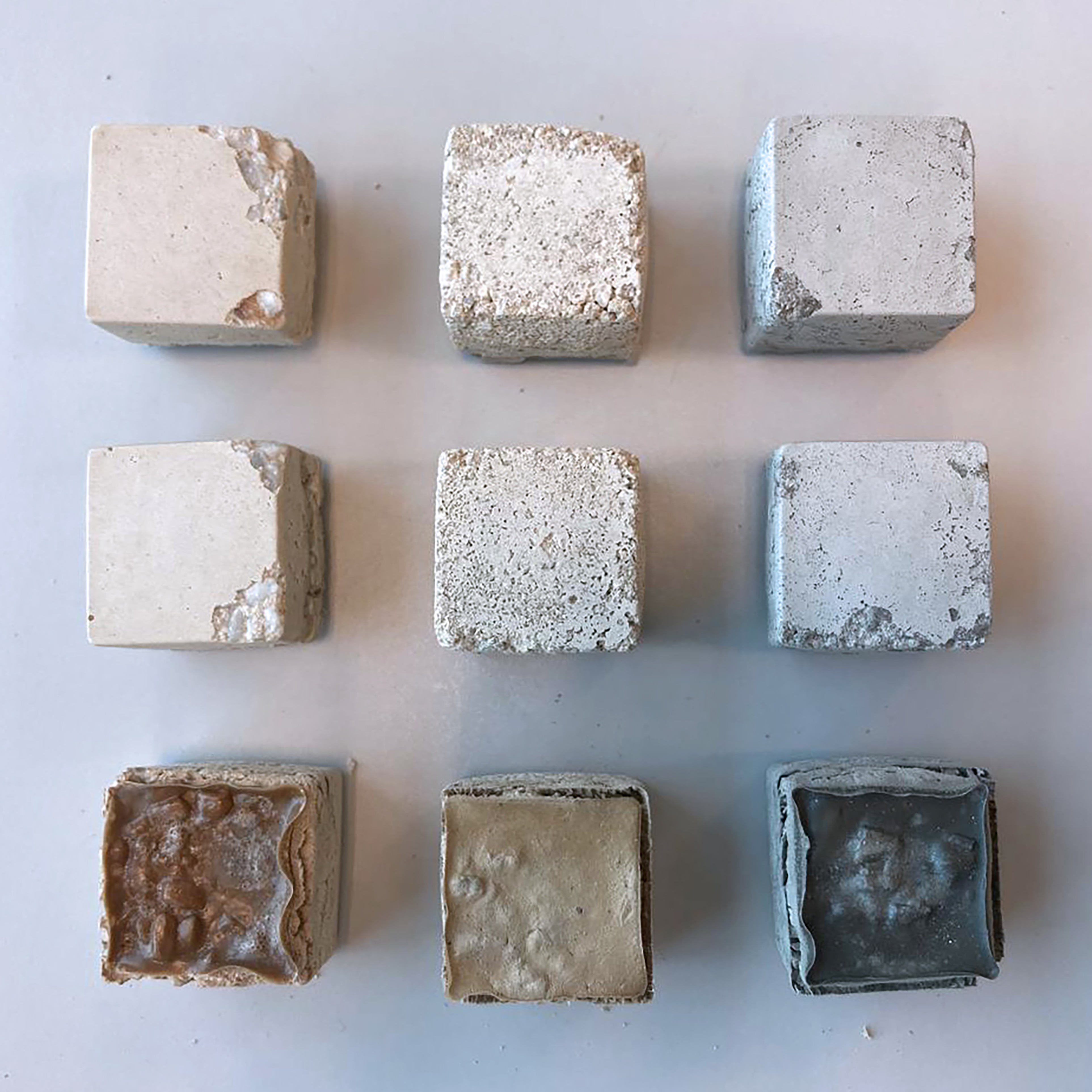
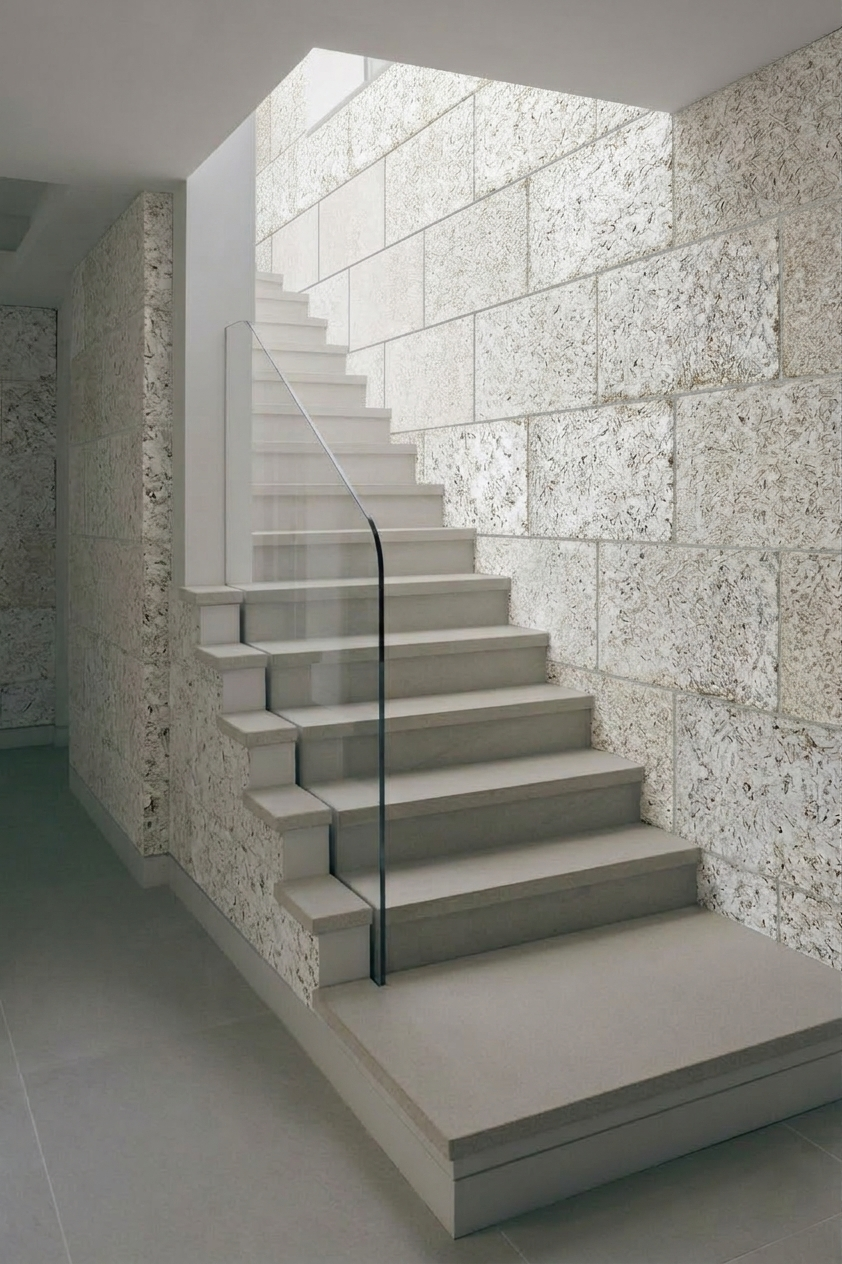
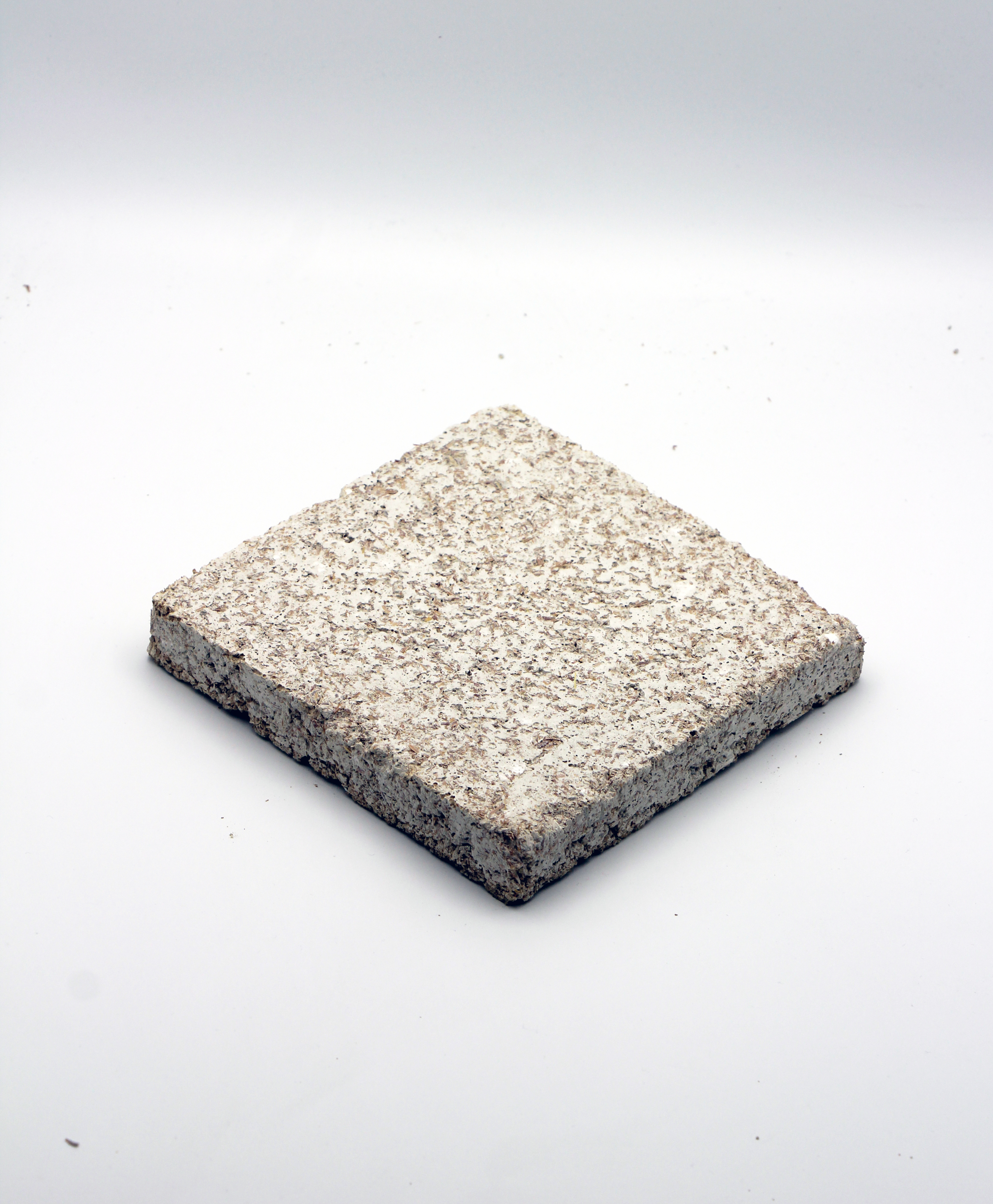
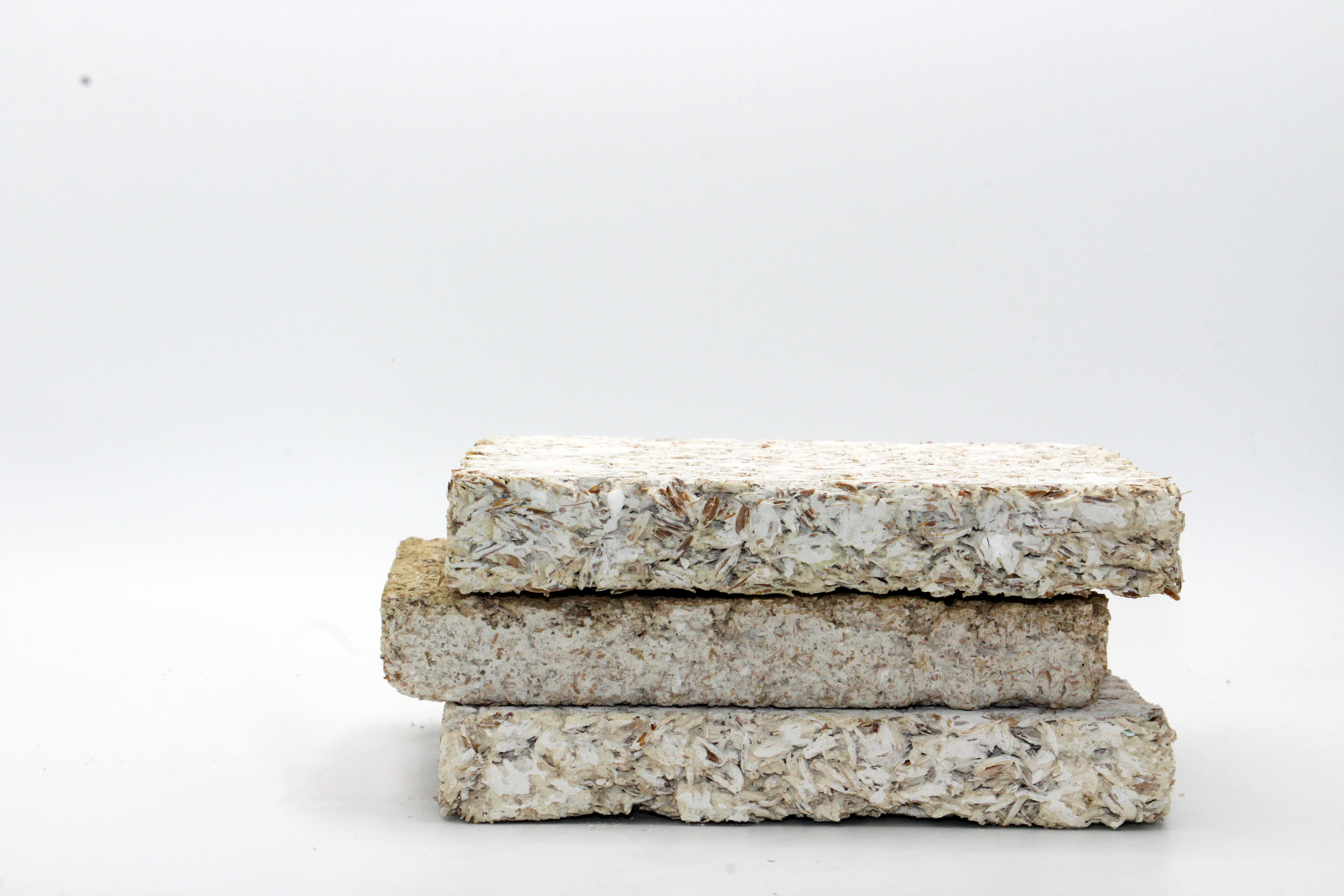
Thanks to these operational steps, several prototypes have been developed and tested, including innovative insulating blocks made from biomineralized marble sludge, lightened with circular plant fibers (such as rice husk and hemp), intended for use as wall infill elements. Finally, the implementation is strongly supported by local stakeholders, including Programma Ambiente Apuane, the local waste management operator acting on behalf of ALIA S.p.A., which has expressed its intention to directly host the pilot plant, laying the foundations for a concrete and long-lasting collaborative model of circular economy.
Circular Economy
Biofabrication
Green Building & Design
Sustainable Materials
Transdisciplinarity
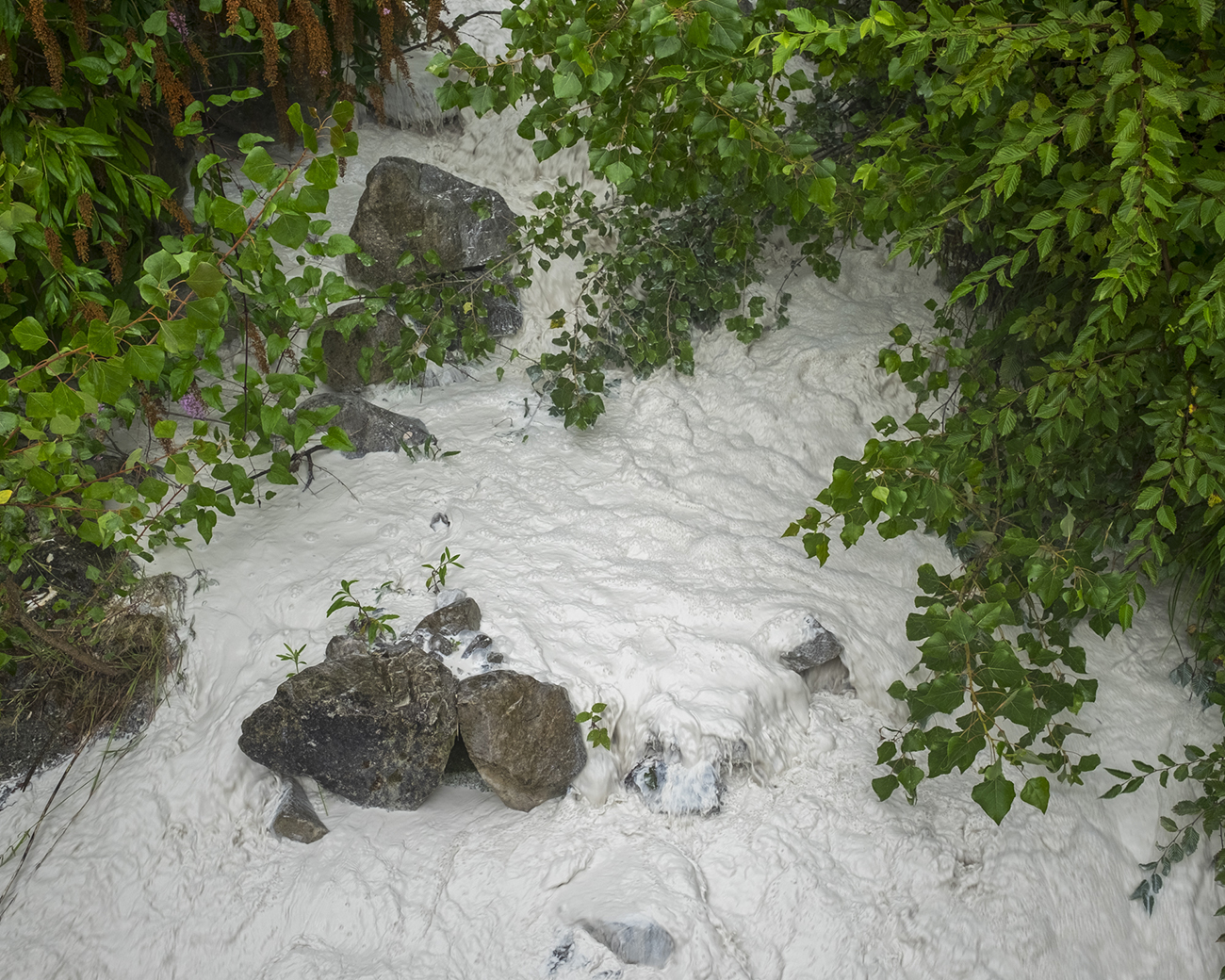
The AERIAL project addresses urgent environmental and climate challenges by proposing a radical ecological transition for one of the most impactful and traditional sectors in Italy and Europe: the extraction and processing of natural stone. In the Apuan–Versilia district alone, the stone industry produces enormous quantities of waste. In particular, regarding marmettola (marble sludge or mud), about 200,000 tons per year are produced in the Carrara district alone. If not properly managed, this waste pollutes both groundwater and rivers, profoundly altering the local ecosystem and biodiversity. The project operates within this context by transforming a serious environmental problem into an economic and circular opportunity.
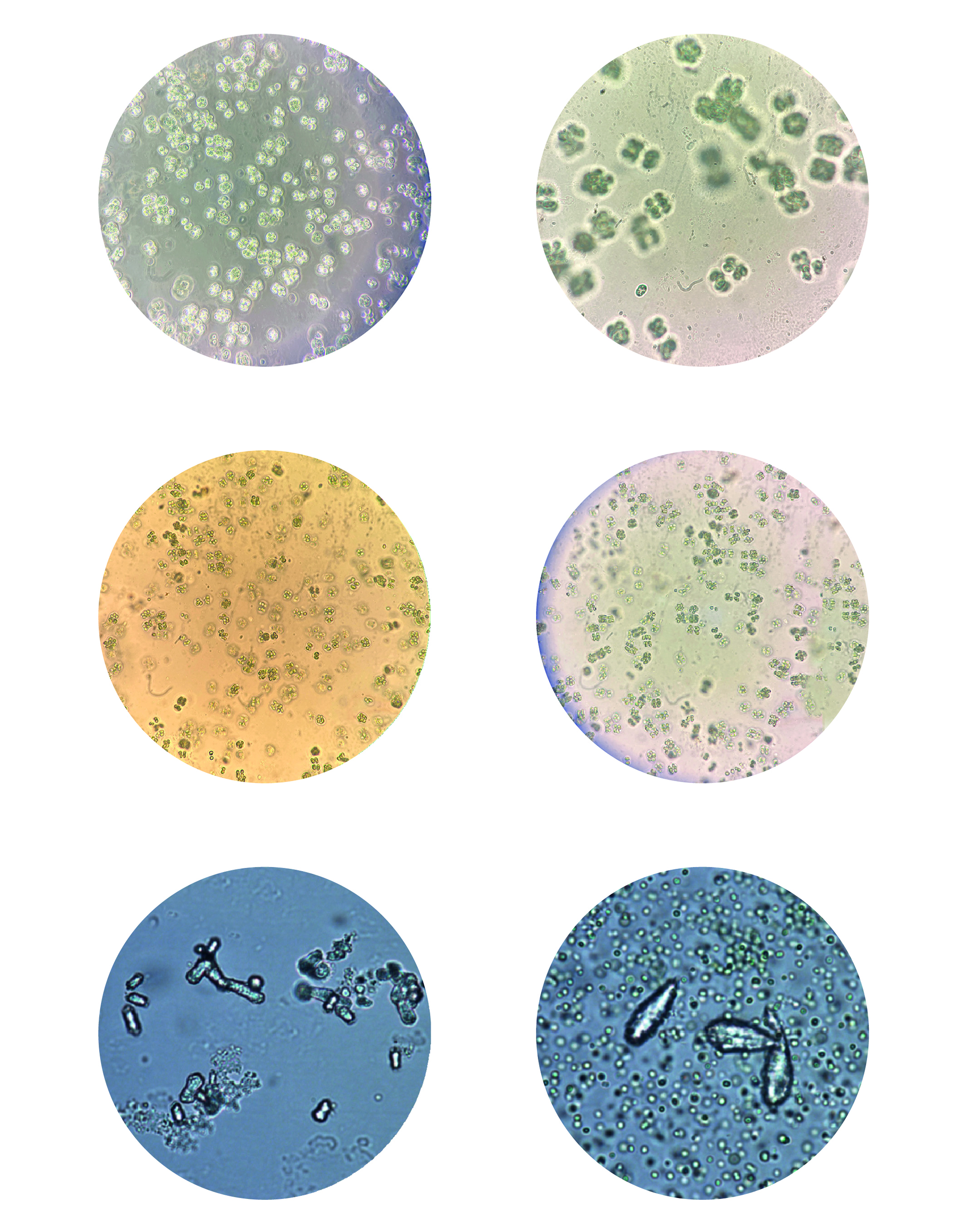
From the perspective of environmental sustainability, AERIAL stands out for its use of advanced biotechnological processes aimed at reducing energy consumption. Instead of relying on traditional production methods that are energy-intensive and highly emissive, the project harnesses the biomineralization capacity of photosynthetic microorganisms such as microalgae. Through the process known as MICP - Microbial Induced Calcite Precipitation, these organisms are able to produce calcium carbonate (CaCO₃), which acts as a binder among the stone waste used (Reali et al., 2022a; Reali et al., 2022b; Reali et al., 2024).
From an economic and social perspective, the project reverses the linear paradigm by reducing the heavy disposal costs for local companies and converting waste into high value-added semi-finished products for bio-construction (such as insulating blocks lightened with circular plant fibers such as rice husk and hemp) and interior design. This vision makes the project a scalable model that can be replicated in other extractive districts across Europe. Finally, the project has a local socio-environmental impact by improving the health conditions of grounwater and watercourses.
AERIAL embodies the values of the New European Bauhaus aesthetics by reinterpreting, in a sustainable way, the millennia-old tradition of Carrara white marble - a material that has shaped the history of art and architecture but is no longer compatible with the contemporary climate crisis. Through the methodologies of Material Driven Design and Biodesign, the project does not simply conceal waste within a recovery process; rather, it elevates it, giving it new forms, textures, and meanings to create a meaningful material experience.
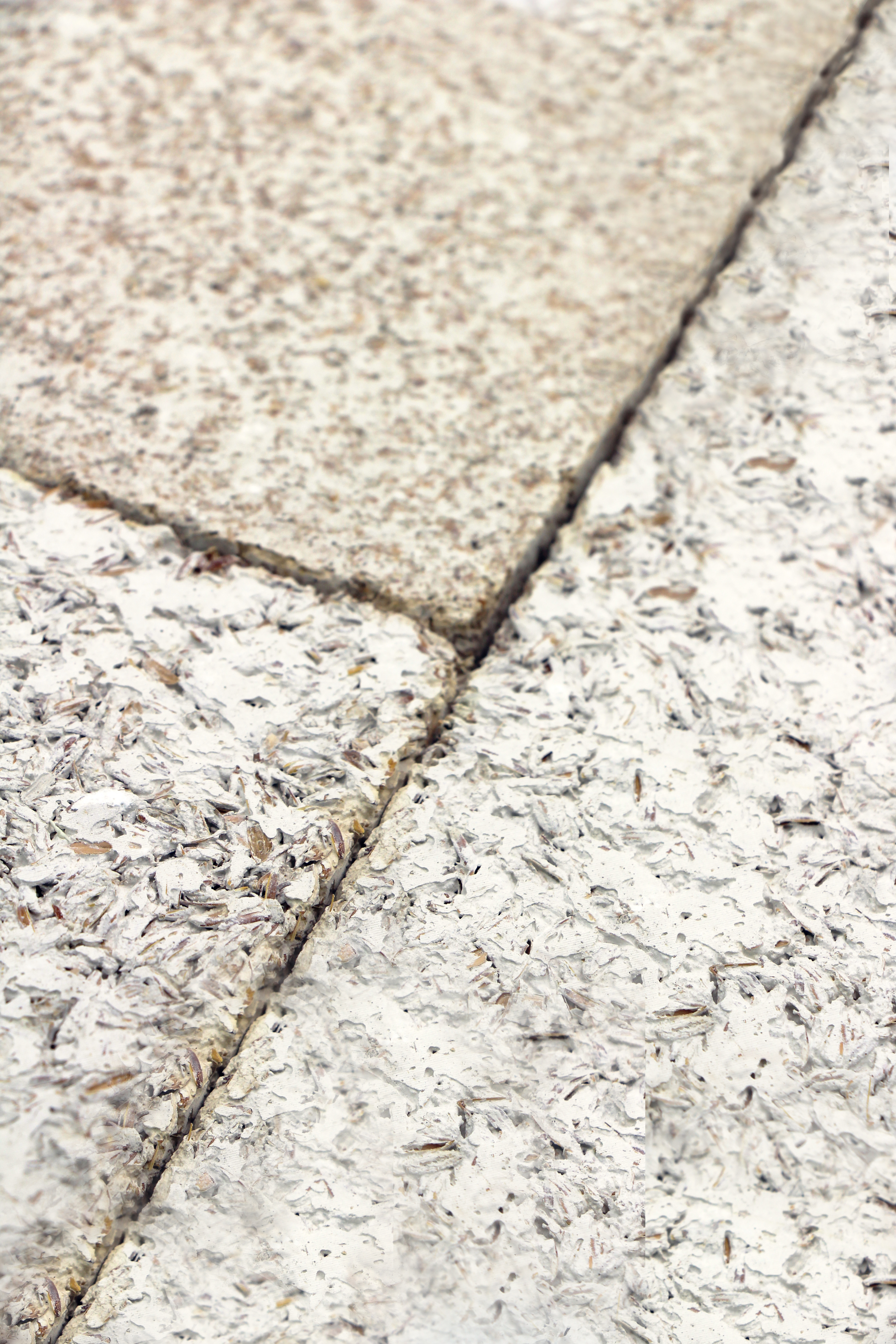
The muddy waste, usually perceived as an element of environmental degradation in the Apuan valleys, is reborn as innovative materials for bio-construction and interior design. These materials are characterized by an imperfect, organic, and porous aesthetic that faithfully reflects the biotechnological process that generated them. This contributes to making living spaces more beautiful, integrating the beauty of Carrara marble with the fascination of biological processes.
At a territorial and community level, the project restores beauty to the landscape by “healing” the scars left by extractive activities. One of the key hypotheses is to locate the pilot project within a disused quarry, thereby regenerating the site. The reduction of marmettola accumulation and airborne dust significantly improves the aesthetic quality and livability of the surrounding areas, which have long been characterized by strong tensions between local communities and industrial operators.
By promoting an aesthetics of care and regeneration, AERIAL strengthens the sense of belonging within local communities: citizens and workers no longer see their land solely as a place of extraction and consumption, but as a cutting-edge laboratory for innovation.
The value of Inclusion in AERIAL is expressed through the socio-ecological regeneration of a context that has long been marginalized and affected by conflicts and inequalities: the Apuan and Carrara stone extraction sector. In particular, the project promotes inclusion through the democratization of access to healthy and circular construction materials, and through the creation of new social and economic models for marginalized industrial territories. It also extends the concept of inclusivity to the non-human dimension, namely the local biodiversity that is severely threatened by the illegal dispersion of this waste.
Often, the ecological transition risks excluding small businesses because of the high costs required for adaptation. AERIAL, by contrast, adopts a bottom-up approach: it offers micro, small, and medium-sized enterprises in the stone sector - those that bear the extremely high costs of waste disposal - an accessible and clean technology to valorize their residues, transforming them into new sources of income.
This approach promotes an inclusive and distributed economic governance, which does not concentrate benefits and capital in large external industrial hubs but instead distributes them across the local territory, among those who experience the challenges of this production chain on a daily basis.
The construction blocks and panels developed within the project aim to reduce both environmental impact and energy costs, encouraging - unlike many synthetic materials - an affordable and healthy residential construction model, consistent with the principles of bio-building.
From a social perspective, the initiative also seeks to mitigate public health issues related to water pollution and airborne dust that have historically affected communities living near the quarries (Legambiente, 2025), safeguarding the universal right to a healthy environment.
From its earliest stages, the project has directly engaged with the real needs of the productive and social fabric of the Apuan-Versilia territory. The initiative has involved the active and direct participation of businesses and administrations that face the daily challenges related to the disposal of marmettola. Local companies such as Vetrugno S.a.s. and networks such as Marble Way S.r.l. have acted as true operational partners, opening their facilities for field analyses, supplying the material to be studied, and sharing their technical know-how on marble processing dynamics and waste disposal practices.
At the level of community and civil society, the role of Programma Ambiente Apuane, the local waste management operator acting on behalf of ALIA S.p.A., has been essential, as it concretely represents the collective interests linked to the protection of the territory. This organization has actively supported the initiative, expressing its willingness to physically host the hybrid pilot plant. In parallel, a dialogue has been initiated with the Province of Massa-Carrara and the Municipality of Montignoso, both directly affected by the issues addressed by the project. The involvement of CNA Massa Carrara and CSM-DID (Centro Sperimentale del Mobile - Distretto Interni e Design) also ensures that the project’s outcomes can be transferred to the broader network of the regional business system.
Moreover, during the project development phase, the research group engaged with key actors in the target market who are responsible for selecting materials and products used in bio-construction projects. This was carried out through semi-structured interviews with leading local architecture studios and bio-building experts to identify the main performance and aesthetic characteristics that influence material selection.
This participatory approach enabled the research to be oriented toward solutions that are both technically feasible and closely aligned with market needs.
The implementation of AERIAL is based on a multi-level governance structure that integrates industrial and academic stakeholders from the hyper-local to the European scale, ensuring both strong territorial grounding and international scalability. The project was incubated at the University of Florence, particularly within the University Incubator (IUF), by the research group of the Design for Sustainability Laboratory (Department of Architecture), and specifically by the Biodesign Research Unit. This unit involves collaboration across multiple departments and fields of expertise, including the Department of Agriculture (Agricultural Microbiology Lab), the Department of Engineering, and the Department of Chemistry.
At the local level, the project engages decision-makers and industrial operators of the marble and stone district (Vetrugno, Marble Way, Programma Ambiente Apuane), which provide the material resources and infrastructures necessary for the development and installation of the pilot plant. At the regional level, AERIAL is supported and co-financed by the Tuscany Region through PR FESR 2021–2027 funds and benefits from the support of institutions such as the Centro Sperimentale del Mobile (CSM).
At the national scale, the project aims to involve ANCE (Italian National Association of Building Contractors) to validate the practical applications of the new biomaterials within the large Italian construction market. At the European level, connections expand through strategic networks such as the AEC (Architecture, Engineering, Construction) international cluster, which includes more than 1,200 stakeholders.
The added value of this model lies in its ability to accelerate impact. The strong local anchoring allows the technological validity to be tested while solving a real-world problem, whereas the European institutional framework encourages and supports the internationalization of the emerging company, enabling the model to be replicated in other districts.
AERIAL originates from a deliberately transdisciplinary process, which is essential for addressing the complex ecological transition involved in the issue at hand, touching on social, cultural, and historical aspects as well as environmental and economic ones.
Within the Biodesign Research Unit, which led the project, design, scientific, and technical knowledge have been organically integrated, going beyond and effectively transcending the traditional boundaries of the design discipline. At the core of the project lies an unprecedented dialogue between Design (Department DIDA of the University of Florence) and Science (DAGRI), interacting through the project-based approach of biodesign. The team of designers did not limit themselves to conceiving the form of the products; by working physically in the laboratory, they implemented the dynamics of Material Driven Design to guide design decisions side by side with microbiologists.
This strong synergy is complemented by Mechanical and Industrial Engineering, represented by the lead partner Ottomeccanica 4.0 and the partners UTP, who validated the technology from a production and industrial perspective, and F&M (Fotosintetica & Microbiologica), which developed the biotechnological pilot plant.
These engineering competencies are crucial for technological scalability: they transform an experimental biological process into a hybrid mechanical-biotechnological pilot plant, capable of processing significant volumes of stone waste in an operational environment.
In addition, thanks to the contribution of the IUF (Florentine University Incubator), the project integrates economic expertise to define innovative business models and exploitation strategies through a dedicated Business Plan.
This transdisciplinary approach creates connections across academic silos, generating a shared vocabulary among biologists, designers, engineers, society and operators in the stone sector.
AERIAL’s business model takes shape through the path undertaken by the startup “Bioma Design Lab” to become a spin-off of UNIFI. At present, the project is validating a potential small-scale pilot plant (TRL 7). In the short term, financial sustainability relies on public funding, as the project has received European co-financing through the PR FESR 2021–2027 of the Tuscany Region and NextGeneration EU funds.
The project’s business model, however, aims for long-term financial sustainability through a B2B (business-to-business) approach with three main revenue streams—one upstream and two downstream within the financial flow. The model is based on a dual value proposition that targets two distinct markets, one of which is rapidly growing.
The two reference markets are, on the one hand, the stone extraction and processing sector. The project offers a more ecological and potentially more economical alternative for local companies, which currently have very limited freedom of choice in managing this waste (a highly constrained market), as almost all marmettola is currently sent to landfills. The other market is bioarchitecture. The project plans to produce products and semi-finished materials aligned with the needs of this sector. In fact, the products are circular and free from synthetic substances thanks to the innovative biotechnological process, and they also feature high value-added intrinsic properties, such as strong thermal resistance and good breathability.
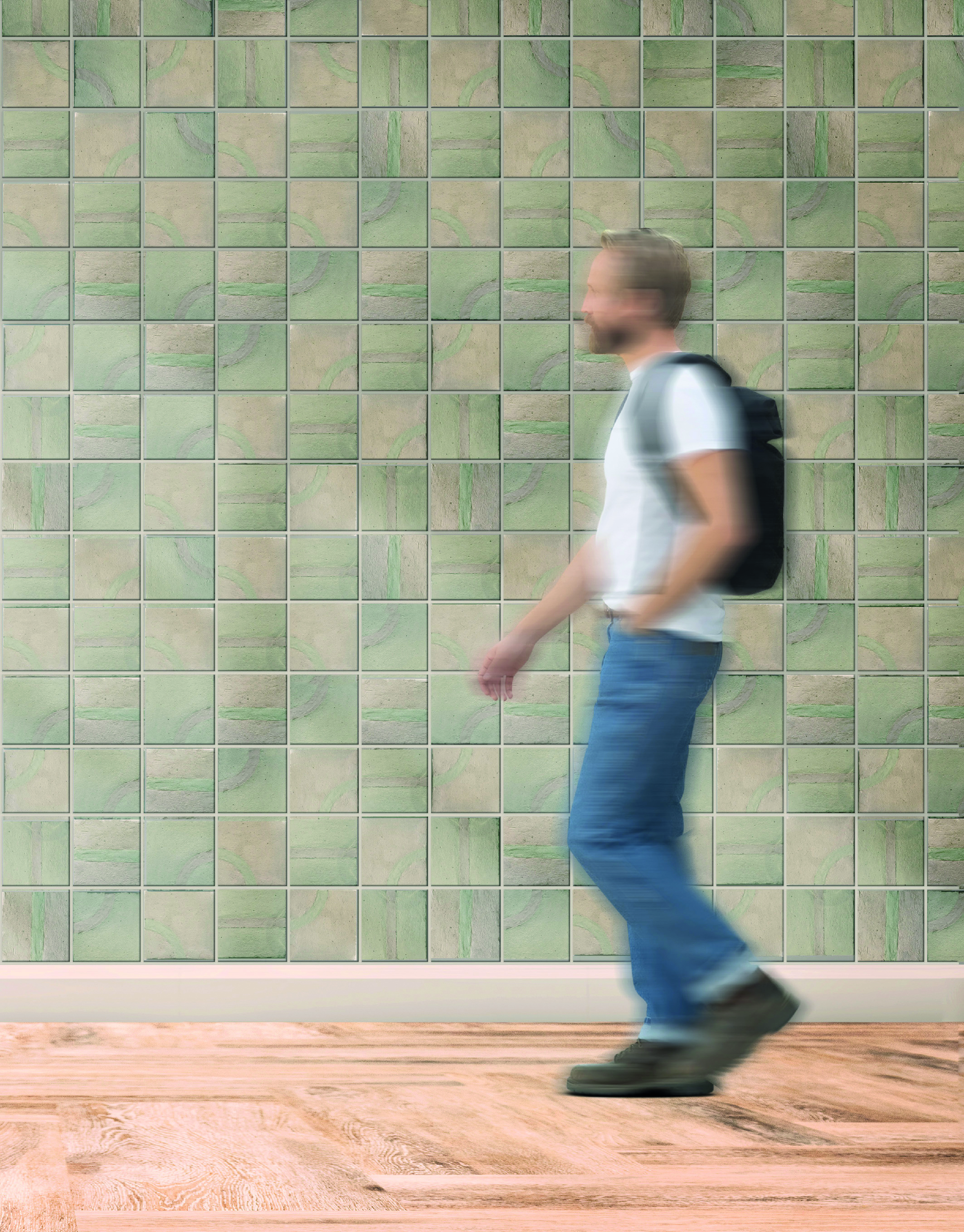
As mentioned earlier, the revenue model of the business idea includes three main sources of income. First, the project will generate revenue through the marmettola collection service. A second source of revenue will come from the sale of products for biobuilding and interior design, particularly the Insulating Bioblock, the Insulating Composite Panel, and the Multicolor Tiles. A third source of income will be the sale of the repair kit, since once installed, the products can be repaired directly on site.
The project has strong scalability potential, positioning itself as a replicable model for the ecological transition of industrial sectors related to extraction. Although it is currently specifically calibrated for the marmettola of Carrara white marble, this biological and production protocol is flexible and can be adapted for the treatment and consolidation of different types of stone waste, making it scalable and transferable to other national and European production districts.
Another key element of replicability lies in the architecture of the pilot plant. The executive design - which hybridizes mechanical systems for the preparation of aggregates with photosynthetic bioreactors for biomass cultivation - represents a significant added value to the project. This infrastructure can be reproduced and installed in other territories, offering a solution for extractive companies or waste management consortia interested in creating circular economy districts.
AERIAL, supported by a verified business model detailed in a dedicated deliverable, already identifies a natural and immediate commercial expansion toward the nearby Verona marble and stone district. However, the same biotechnological solution can be exported to any European or international extractive hub.
Furthermore, the biofabrication principle can be scaled to related industrial sectors: the same microbial cultures could be used to cement powders derived from construction and demolition waste or mineral residues of various compositions, thus expanding the potential market. Finally, the transdisciplinary methodology adopted by the project is also exemplary and transferable. The operational hybridization between designers and microbiologists - codified and validated as Transdisciplinary Material BioTinkering (TMBT) (Marseglia et al., 2025) - provides a replicable methodology that can be exported to academic contexts as well.