Enhancing Circularity, Sustainability, and Innovation
Urban Solid Waste
Solid Waste, Synthetic Visual Narratives: Surface Design, Culture and AI for Environmental Awareness
Is an artistic and educational project that transforms the environmental crisis of waste into visual storytelling. Combining Surface Design, Brazilian cultural semiotics and Artificial Intelligence, the project creates artworks inspired by marine biodiversity impacted by pollution. Through participatory workshops, communities explore cultural symbols and visual creation, promoting environmental awareness, cultural identity and innovative creative practices.
Brazil
National
Mainly urban
It involves other types of transformations (soft investment)
Yes
2026-02-01
No
No
No
Individual
Solid Waste, Synthetic Visual Narratives is an artistic and educational project that explores the intersection of environmental awareness, cultural identity and technological innovation. The project investigates the visual and symbolic potential of Brazilian cultural semiotics through Surface Design combined with Artificial Intelligence, transforming environmental concerns into compelling visual narratives.
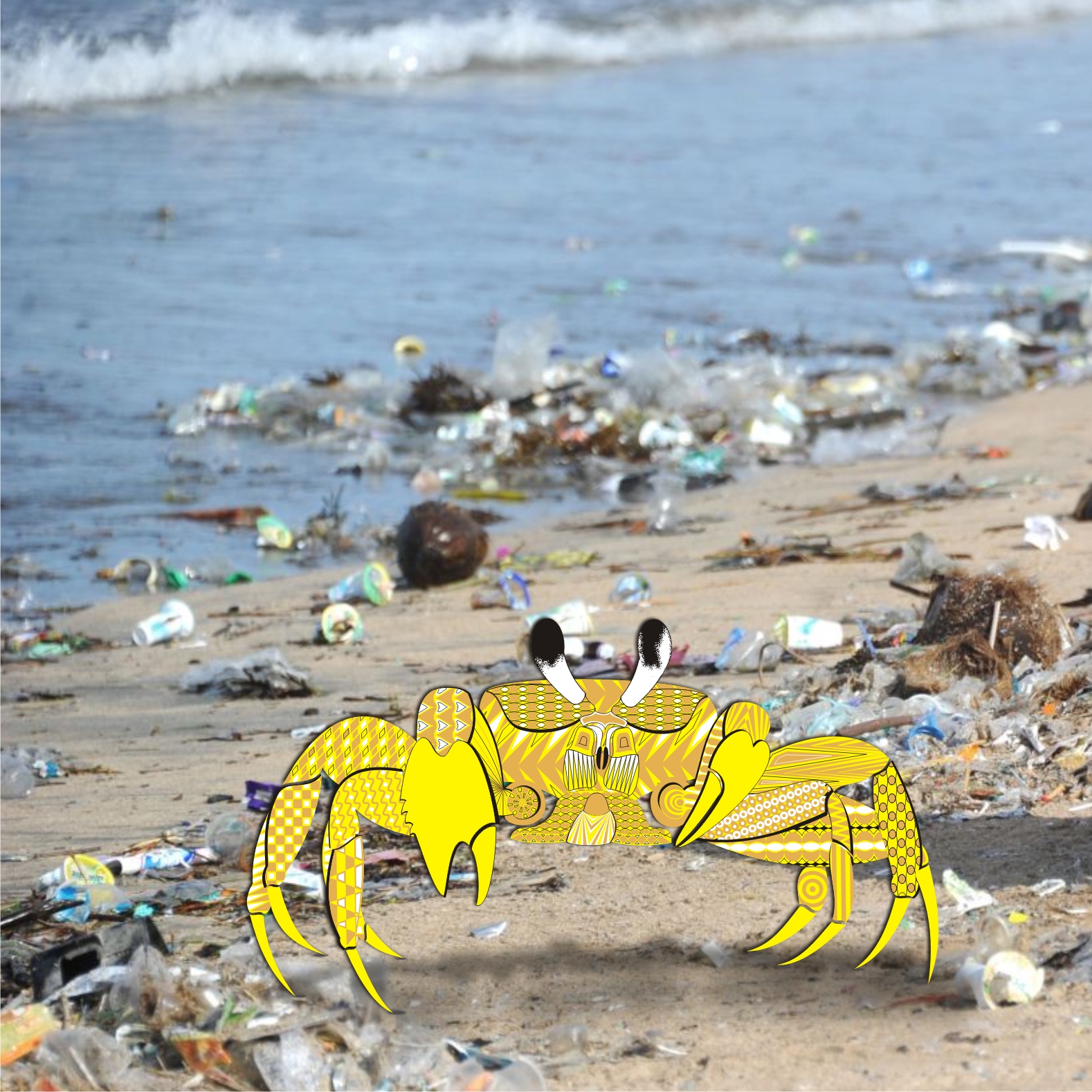
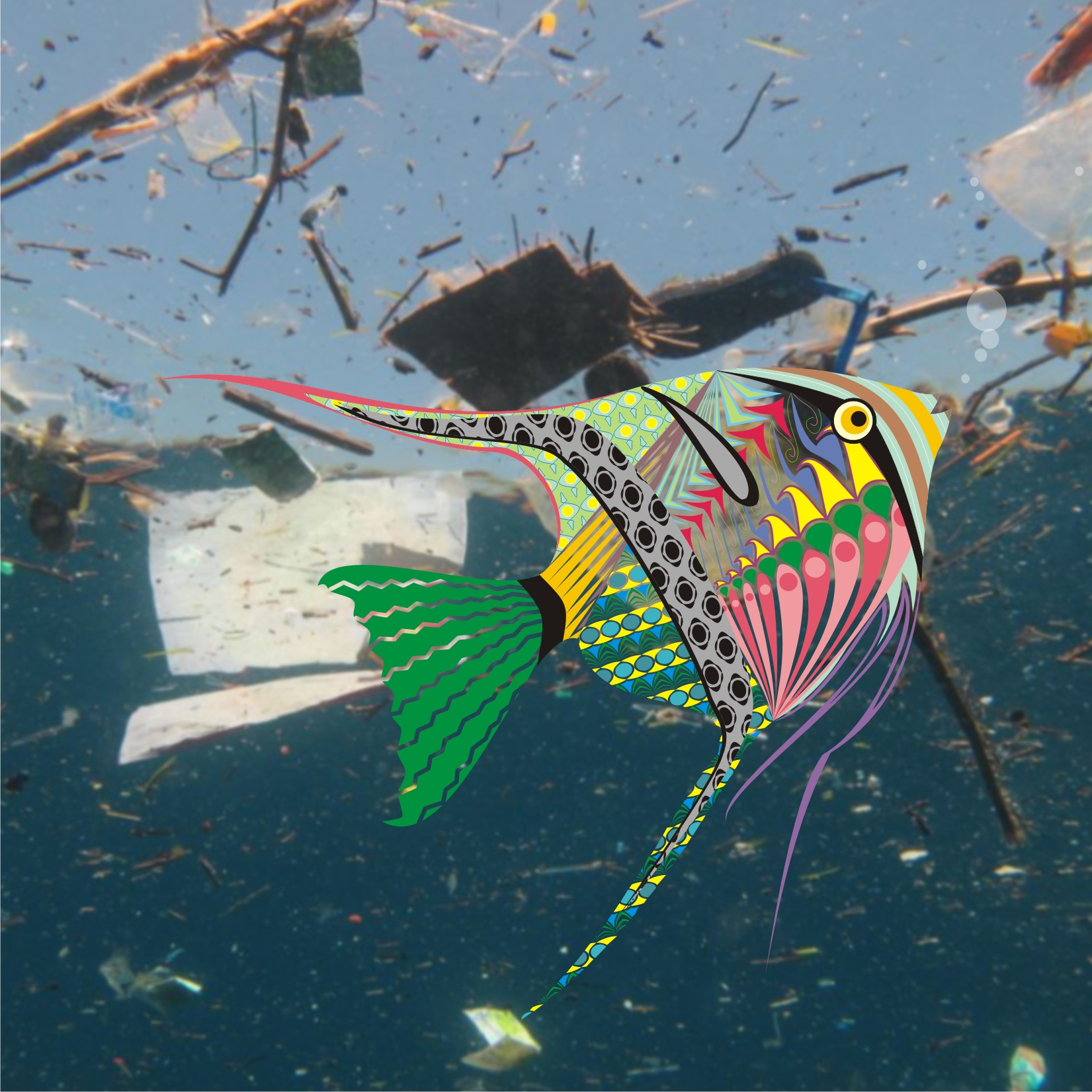
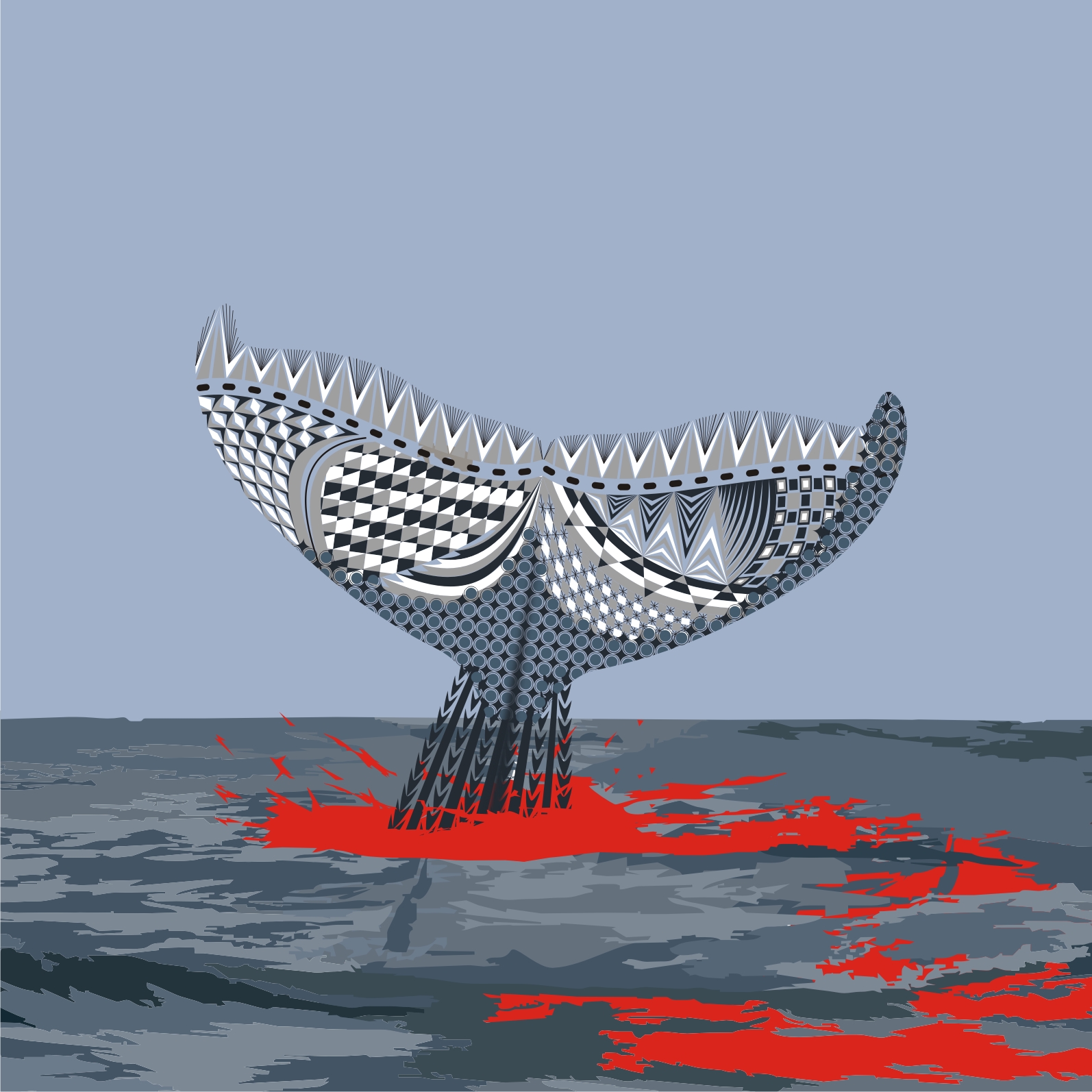
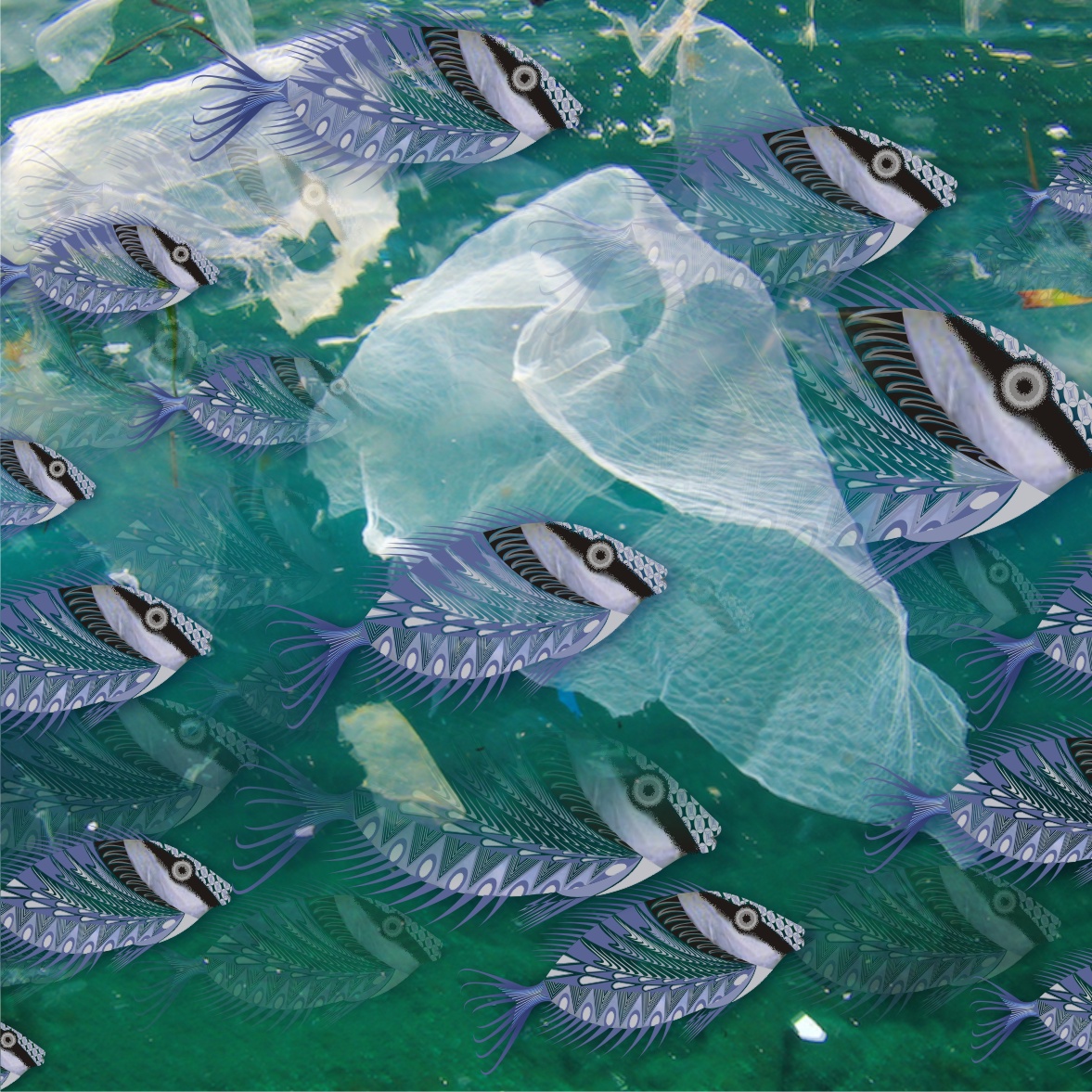
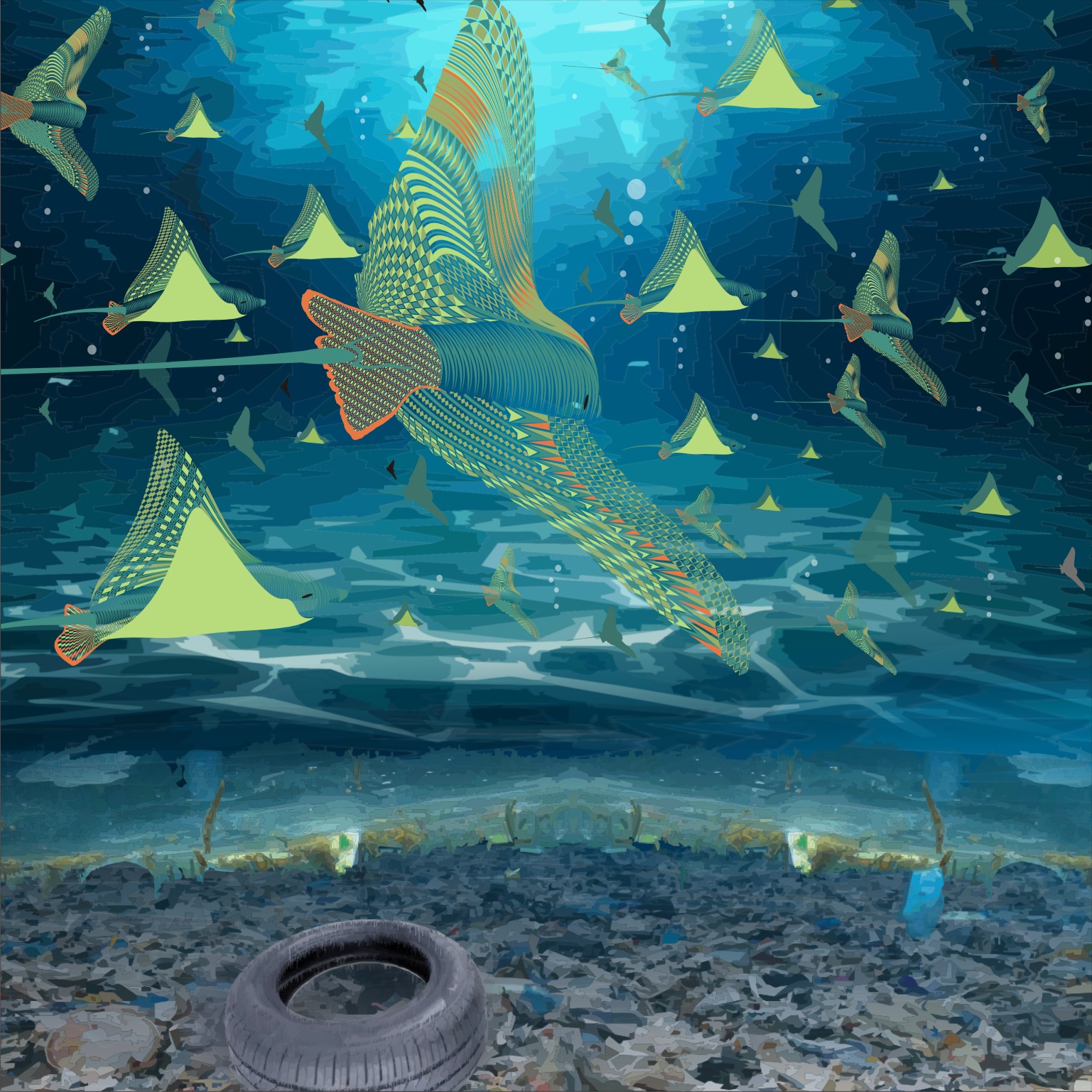
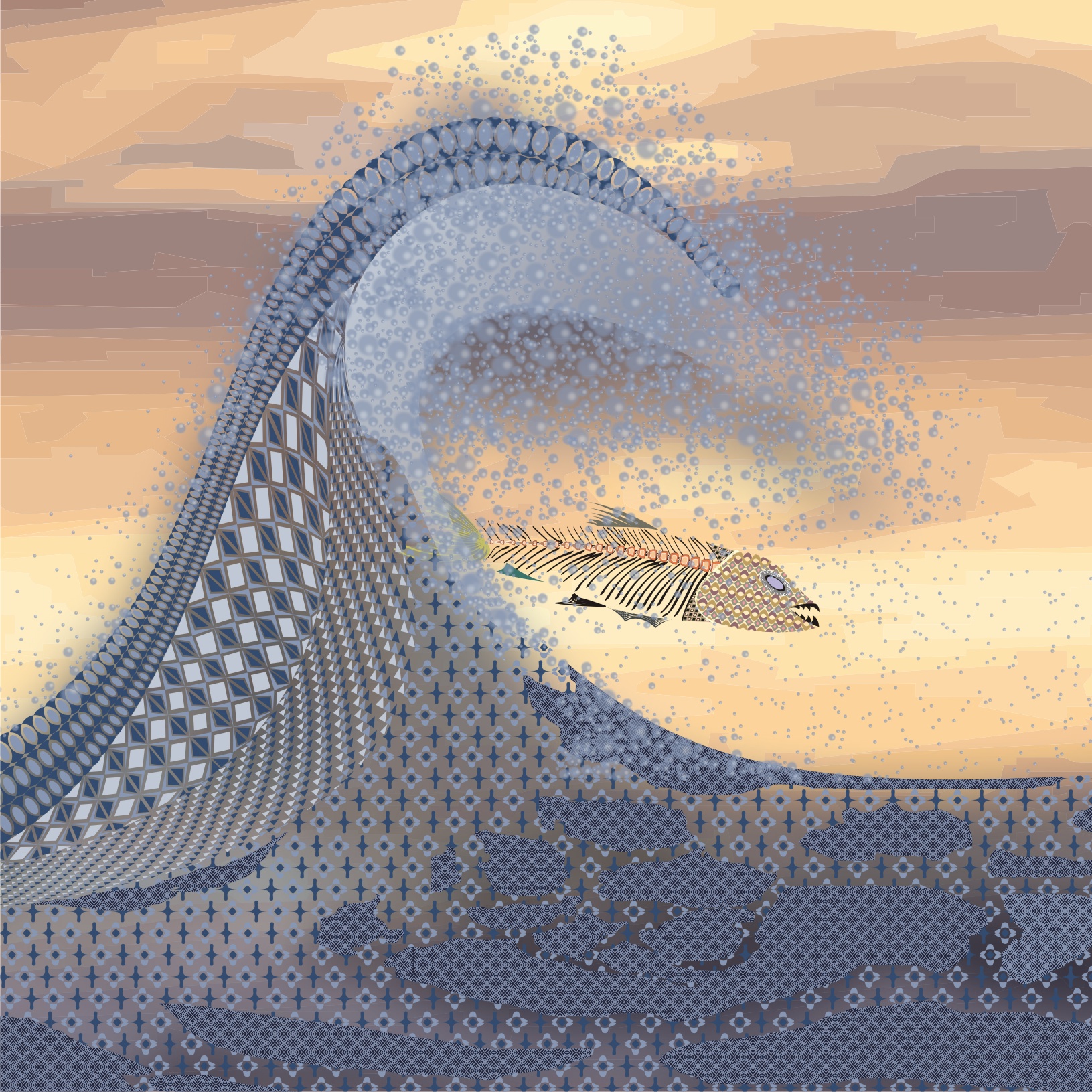
The artistic series “Solid Waste” presents visual compositions inspired by marine biodiversity affected by pollution, particularly plastic waste. Animals such as fish and crustaceans are represented through patterns derived from Brazilian cultural symbols, including references to indigenous graphics, popular ornamentation and traditional visual languages. These compositions create a visual tension between cultural beauty and environmental degradation, inviting viewers to reflect on the consequences of contemporary consumption and waste production.
Artificial Intelligence is integrated into the creative process as an experimental tool that expands visual exploration and enables new aesthetic combinations between cultural patterns, natural forms and contemporary visual languages. This hybrid methodology generates synthetic visual narratives that communicate environmental issues in an accessible and engaging way.
A central component of the project is the Surface Design Workshop, a participatory activity where participants learn to identify visual symbols within their cultural environment and transform them into creative patterns and visual compositions while reflecting on environmental responsibility and cultural identity.
The project has already produced artworks and educational experiences that promote environmental awareness through art and design. In the long term, the initiative aims to expand its digital presence, develop international collaborations and inspire creative practices connecting culture, sustainability and technological innovation.
The project began with a feeling that many of us recognise but rarely stop to face: the quiet discomfort of seeing nature slowly overwhelmed by what we discard. Walking along the coast and observing plastic fragments among shells and sand, I began to reflect on how waste had become part of our landscape, almost invisible in daily life. As an artist and researcher working with Surface Design, I felt the need to transform that silent reality into something people could see, question and feel.
From this reflection emerged “Solid Waste, Synthetic Visual Narratives.” I began to collect visual symbols from Brazilian culture—ornamental patterns, popular graphics, indigenous references and everyday visual signs—and reinterpret them through Surface Design. These cultural patterns were then combined with representations of marine animals affected by pollution, creating images that contrast cultural beauty with environmental fragility.
Artificial Intelligence later became part of the process as a creative partner, helping to explore unexpected visual possibilities and expand the dialogue between tradition and technology. Rather than replacing artistic intuition, it allowed new visual layers to emerge, revealing surprising connections between culture, nature and the contemporary world.
In practice, the project unfolds through the creation of artworks and through the Surface Design Workshop, where participants are invited to observe the symbols present in their own cultural environments and transform them into patterns and visual narratives. These encounters often become moments of discovery: people begin to recognise how deeply culture, memory and environment are interconnected.
Over time, the project has grown into a living process—one that brings together art, technology and collective reflection. Its long-term ambition is not only to produce images, but to inspire new ways of seeing the world and our responsibility within it.
Circular Economy
Surface Design
Cultural Semiotics
Artificial Intelligence in Art
Community Creative Participation
Sustainability, in this project, begins with a simple but profound reflection: what happens to the things we discard, and what does that say about the way we live in the world?
“Solid Waste, Synthetic Visual Narratives” emerged from the perception that waste is not only an environmental issue, but also a cultural one. What we throw away reveals our habits, our relationship with consumption and our distance from the natural systems that sustain life. Plastic fragments that reach rivers and oceans eventually become part of the landscape, quietly affecting ecosystems and biodiversity.
Through art and Surface Design, the project seeks to make this silent process visible. By representing marine animals through patterns inspired by Brazilian cultural symbols, the artworks create a visual dialogue between human culture and fragile ecosystems. Beauty is used intentionally as a language to attract attention and invite reflection, transforming environmental awareness into an emotional and aesthetic experience.
Sustainability is also present in the way the project is developed. Much of the creative process occurs in digital environments, combining artistic research with Artificial Intelligence to explore visual narratives without intensive material consumption. This approach reduces environmental impact while enabling the project to circulate widely and reach diverse audiences.
Equally important is the participatory dimension of the Surface Design Workshop, where participants reflect on the symbols and visual elements that shape their own cultural landscapes. By creating patterns and images, they begin to recognise that culture, environment and daily life are deeply interconnected.
In this way, the project aligns with the vision of the New European Bauhaus, proposing that sustainability is not only a technical challenge but also a cultural transformation — one that invites us to rethink our relationship with nature, creativity and the traces we leave behind.
In this project, beauty is not treated as decoration, but as a way of reconnecting people with the world around them. In contemporary life, many images, objects and landscapes pass unnoticed. At the same time, environmental degradation slowly becomes invisible, blending into everyday scenery. The project seeks to interrupt this indifference by transforming an uncomfortable reality — waste pollution — into a visual experience that invites attention, reflection and care.
In “Solid Waste, Synthetic Visual Narratives”, marine animals are represented through patterns inspired by Brazilian cultural symbols and visual traditions. Organic forms, cultural ornamentation and digital experimentation — including Artificial Intelligence — come together to create images that are visually attractive yet subtly unsettling. The viewer is first drawn by beauty, but soon realises that the image also speaks about fragility, pollution and responsibility.
In this way, aesthetics becomes a language that touches perception and memory. Cultural patterns evoke shared histories and identities, while the presence of threatened ecosystems reminds us that the beauty of the world is not guaranteed — it depends on care.
The project also cultivates beauty through participation. In the Surface Design Workshop, participants observe symbols present in their own cultural environments and transform them into visual patterns. Through this process, people often realise that everyday life already contains meaningful forms and stories waiting to be noticed
When individuals recognise these visual traces of their culture, a sense of belonging naturally emerges. The place where they live becomes more than a backdrop; it becomes a living cultural landscape
Aligned with the vision of the New European Bauhaus, the project proposes an aesthetic approach where beauty, cultural identity and environmental awareness coexist, encouraging people to look at their surroundings with renewed attention and care
Inclusion in this project begins with a simple conviction: everyone carries culture within them, even if they do not always recognise it. Symbols, patterns and visual memories are present in everyday life — in neighbourhood walls, textiles, crafts, street graphics and local traditions. The project seeks to reveal this shared cultural wealth and invite people to become active creators rather than passive observers.
In “Solid Waste, Synthetic Visual Narratives”, inclusion is realised primarily through participation. The Surface Design Workshop creates an accessible environment where participants from different backgrounds can explore visual creation regardless of previous artistic training. The methodology values observation, cultural memory and personal experience, allowing each participant to reinterpret symbols from their own social and cultural context.
Accessibility is also addressed through the project’s digital nature. Much of the artistic process and dissemination takes place online, which reduces barriers related to geography and resources. Digital tools and Artificial Intelligence are used not as specialised or exclusive technologies, but as creative instruments that can be shared, explored and adapted by different communities.
The project also embraces the idea that cultural identity is plural and evolving. By encouraging participants to observe the visual languages that shape their own environments, the workshops create spaces for dialogue between generations, cultural backgrounds and forms of knowledge. In this way, creativity becomes a bridge between individual experience and collective awareness.
Aligned with the vision of the New European Bauhaus, the project proposes inclusion not only as physical access, but as cultural recognition and shared authorship. When people see their own symbols, memories and landscapes reflected in creative processes, they realise that they are not only part of culture — they are also capable of shaping it.
Participation in this project begins with a simple yet profound idea: people need to feel part of the world they are trying to protect. Environmental issues are often discussed in abstract ways, distant from daily life. This project seeks to change that by inviting individuals and communities to observe their own cultural landscapes and transform them into visual narratives.
Through the Surface Design Workshop, citizens, students, designers and members of local communities are invited to explore symbols, textures and visual patterns present in their surroundings. Rather than starting with technical rules, the process begins with observation and dialogue. Participants reflect on the visual culture of their neighbourhoods, their memories and the signs that shape their collective identity.
From this shared exploration, participants create patterns and visual compositions inspired by these cultural elements. Some of these visual structures are later incorporated into artworks that address the theme of solid waste and environmental fragility. In this way, the works become collective narratives, where personal experiences and cultural memories are transformed into visual language.
Digital tools and Artificial Intelligence are also used as collaborative instruments, expanding creative possibilities and encouraging experimentation with new visual forms. The intention is not to replace human creativity, but to amplify it.
The impact of participation is both creative and symbolic. Participants often realise that culture is not distant or institutional — it exists in everyday life, in the visual traces surrounding them. This recognition can strengthen a sense of belonging and responsibility toward the places they inhabit.
Aligned with the vision of the New European Bauhaus, the project understands participation not merely as consultation, but as shared creation, where memories, symbols and perspectives contribute to a collective cultural dialogue.
The project began from a local observation, but with the understanding that environmental and cultural questions never belong to only one place. Waste, images and cultural symbols move across territories, connecting local realities to global challenges. For this reason, the project evolved through a dialogue between local experience and broader networks.
At the local level, the project is rooted in artistic practice, research and educational activities carried out with students, designers and community participants through the Surface Design Workshop. These encounters create spaces for reflection where everyday cultural symbols become starting points for visual experimentation and environmental awareness.
At the regional and national levels, the project connects with academic research, creative networks and cultural institutions interested in Brazilian visual culture, design and environmental discourse. These exchanges strengthen the methodological foundations of the project and expand its presence within educational and creative communities.
The digital dimension also allows the project to reach audiences beyond geographical boundaries. Through online dissemination and the use of digital and Artificial Intelligence tools, the visual narratives circulate internationally, opening dialogue with designers, researchers and audiences in different contexts.
In this perspective, the European level becomes an important horizon of exchange. Initiatives such as the New European Bauhaus create platforms where art, sustainability and reflection meet across continents. The project contributes to this dialogue by bringing perspectives rooted in Brazilian cultural semiotics and environmental awareness.
The value of this multilevel governance lies in connecting local knowledge with global conversations. The project begins with perception and community participation, gradually expanding into wider networks of creativity, research and shared responsibility.
The project was born from the understanding that contemporary challenges cannot be addressed from a single field of knowledge. Environmental degradation, cultural identity and technological transformation are deeply interconnected realities. For this reason, “Solid Waste, Synthetic Visual Narratives” was conceived as a transdisciplinary space where different forms of knowledge meet and interact.
At its core lies the intersection between art and design, particularly through the practice of Surface Design, which transforms cultural symbols and visual structures into expressive patterns. These artistic processes are informed by cultural semiotics, allowing the project to explore how visual languages communicate memory, identity and collective experience.
The project also incorporates perspectives from environmental studies, addressing the impact of solid waste on ecosystems and encouraging reflection on sustainability and human responsibility toward the natural world.
Another fundamental dimension is education. Through the Surface Design Workshop, participants engage in a learning process that combines observation, experimentation and cultural reflection. The workshop becomes a place where knowledge is shared horizontally, and where creativity becomes a tool for awareness.
At the same time, the project integrates digital technologies and Artificial Intelligence as experimental tools for visual creation. These technologies are not treated simply as instruments of production, but as mediums that expand artistic language and invite new forms of collaboration between human imagination and computational systems.
In dialogue with the vision of the New European Bauhaus, the project demonstrates how art, design, environmental awareness, education and digital innovation can converge. More than combining disciplines, it creates a space where different ways of understanding the world help illuminate one another.
The economic model of the project is based on a simple idea: culture and creativity can generate value while nurturing awareness and collective responsibility. Rather than operating as a conventional commercial venture, the project combines artistic production, education and cultural dissemination to create a sustainable ecosystem of activities.
One dimension of sustainability lies in the creation and circulation of artworks derived from the project’s visual research. These works can be exhibited, licensed or adapted for cultural and creative industries such as design, publishing, digital media and surface applications. In this way, artistic practice becomes both a cultural contribution and a potential source of income.
Another essential component is the Surface Design Workshop, which functions as an educational and participatory platform. Workshops, lectures and training programmes may be offered through partnerships with universities, cultural institutions, creative organisations and design schools. These activities generate revenue while expanding the social and educational impact of the project.
The project also benefits from public funding, cultural grants and international collaborations, particularly those that support innovation in art, sustainability and digital culture. Such funding allows experimentation and research to continue evolving.
Digital dissemination further expands sustainability by enabling new forms of visibility and collaboration. Online platforms make it possible to reach broader audiences, connect with creative networks and develop future partnerships.
Ultimately, the project’s sustainability does not rely on a single financial source, but on a hybrid cultural economy that combines artistic creation, education, collaboration and institutional support, in dialogue with the values promoted by the New European Bauhaus.
At its core, the project is built on a simple realisation: every place carries its own visual language. Symbols, textures and patterns emerge from local culture, daily life and collective memory. For this reason, the methodology developed in the project is not tied to a specific geography; it is designed to adapt to different cultural landscapes.
One of the most transferable elements is the Surface Design Workshop methodology. The workshop invites participants to observe their surroundings — architecture, crafts, urban graphics, natural forms and traditional visual expressions — and translate these elements into visual patterns. This process can be replicated in different cities, communities or cultural contexts, because it begins with what already exists locally.
Another scalable dimension lies in the integration of digital tools and Artificial Intelligence within artistic practice. These technologies enable the reinterpretation of cultural patterns and environmental themes through new visual narratives. Because digital tools are widely accessible, the creative processes developed in the project can be shared and adapted by educational institutions, cultural organisations and creative communities.
The environmental theme of solid waste and ecological awareness also possesses strong global relevance. Pollution and environmental fragility are shared concerns across continents, making the project’s visual narratives meaningful in diverse contexts.
For these reasons, the project offers a replicable framework rather than a fixed model. Its value lies not in reproducing identical results, but in encouraging each place to rediscover its own cultural signs and environmental questions through creative practice, in dialogue with the vision of the New European Bauhaus.