Enablers for New European Bauhaus Transformation
Revitalizing Gavalochori
Revitalizing Gavalochori: A Community Strategy to Bring a Village Back to Life
This is the story of a traditional Cretan village reclaiming its future. The project centered on a 2024 conference that brought together farmers, lace-makers, local shop owners, expats and local leaders to debate the village's survival alongside visiting experts. By listening to those who know the place best, the project transformed an aging settlement into a living laboratory for rural regeneration, resulting in a community-led 20-year strategy to keep the village active and working year-round.
Greece
Local
Gavalochori, Crete
Mainly rural
It involves other types of transformations (soft investment)
Yes
2025-05-01
No
No
No
Organisation
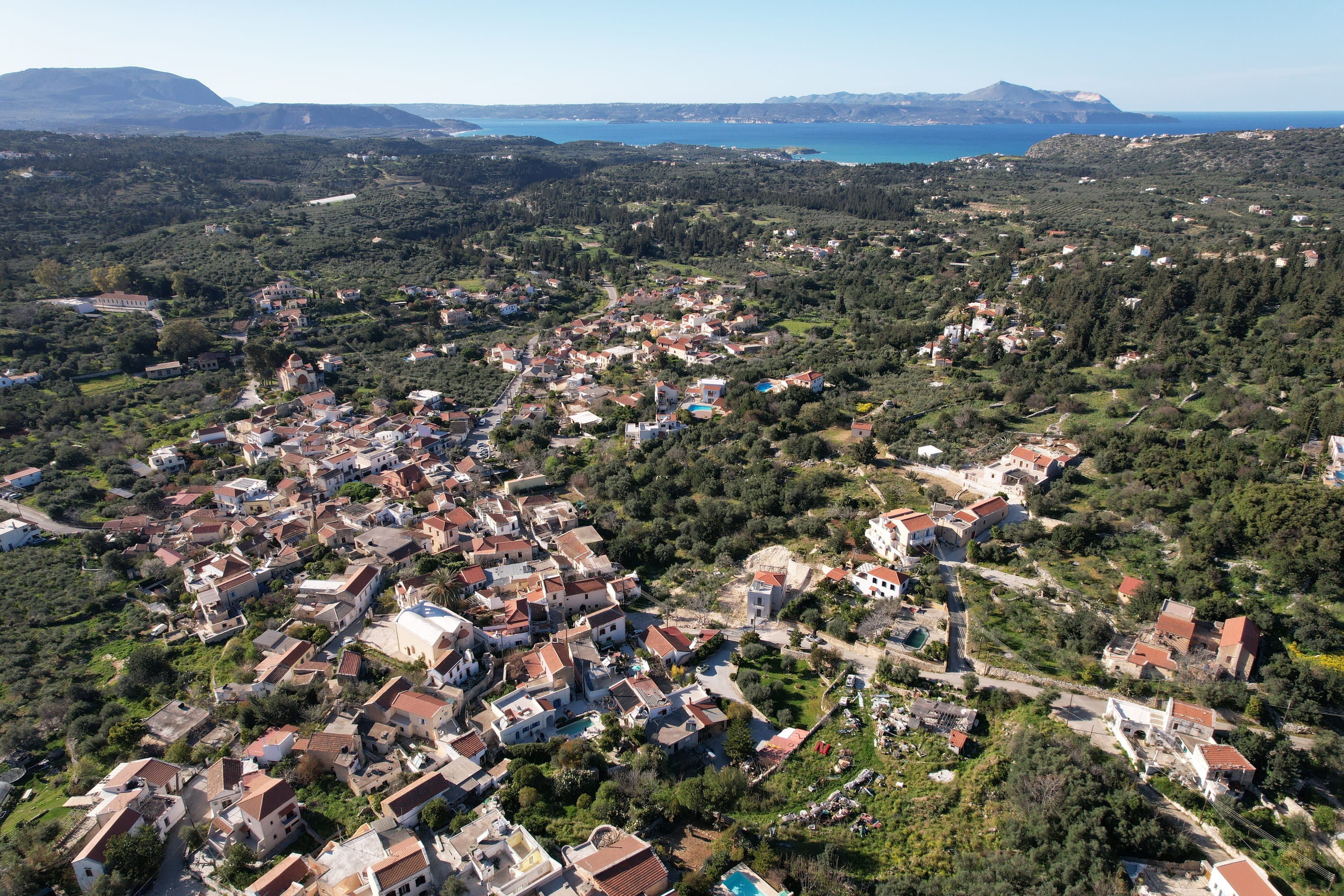
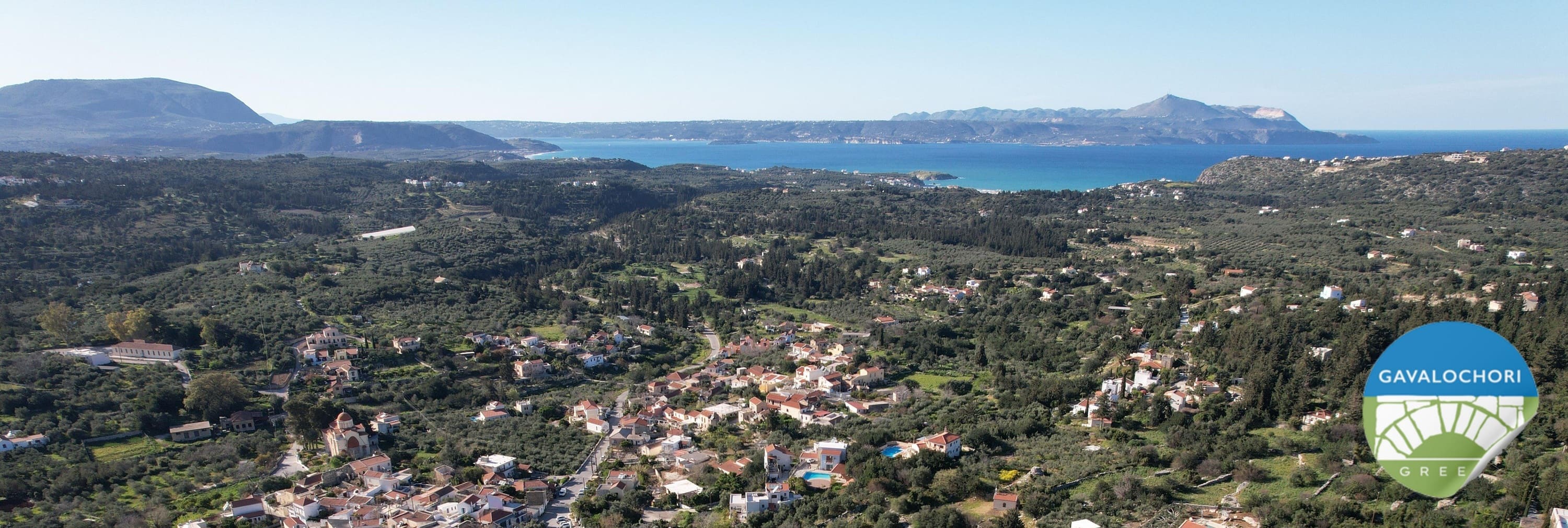
Gavalochori is a traditional village in Crete, once the economic and administrative center of Apokoronas region. Like many rural areas, it is facing a slow decline: younger people move away for work, leaving houses empty and storefronts closed. The Foss–Radich Foundation for Gavalochori started this project with a simple belief: any plan to sustain a village must come from the people who actually live there—the 400 residents who stay and work there.
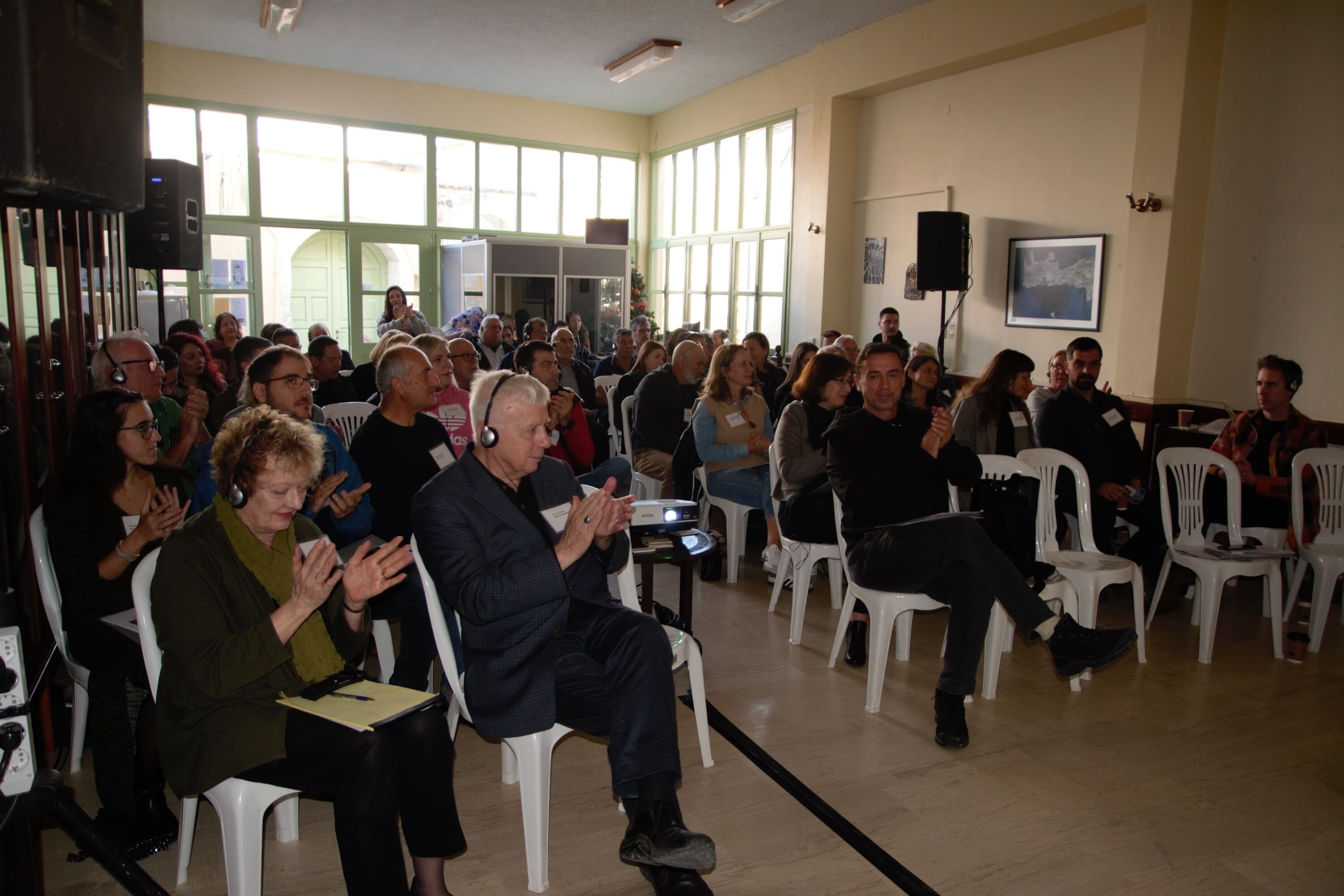
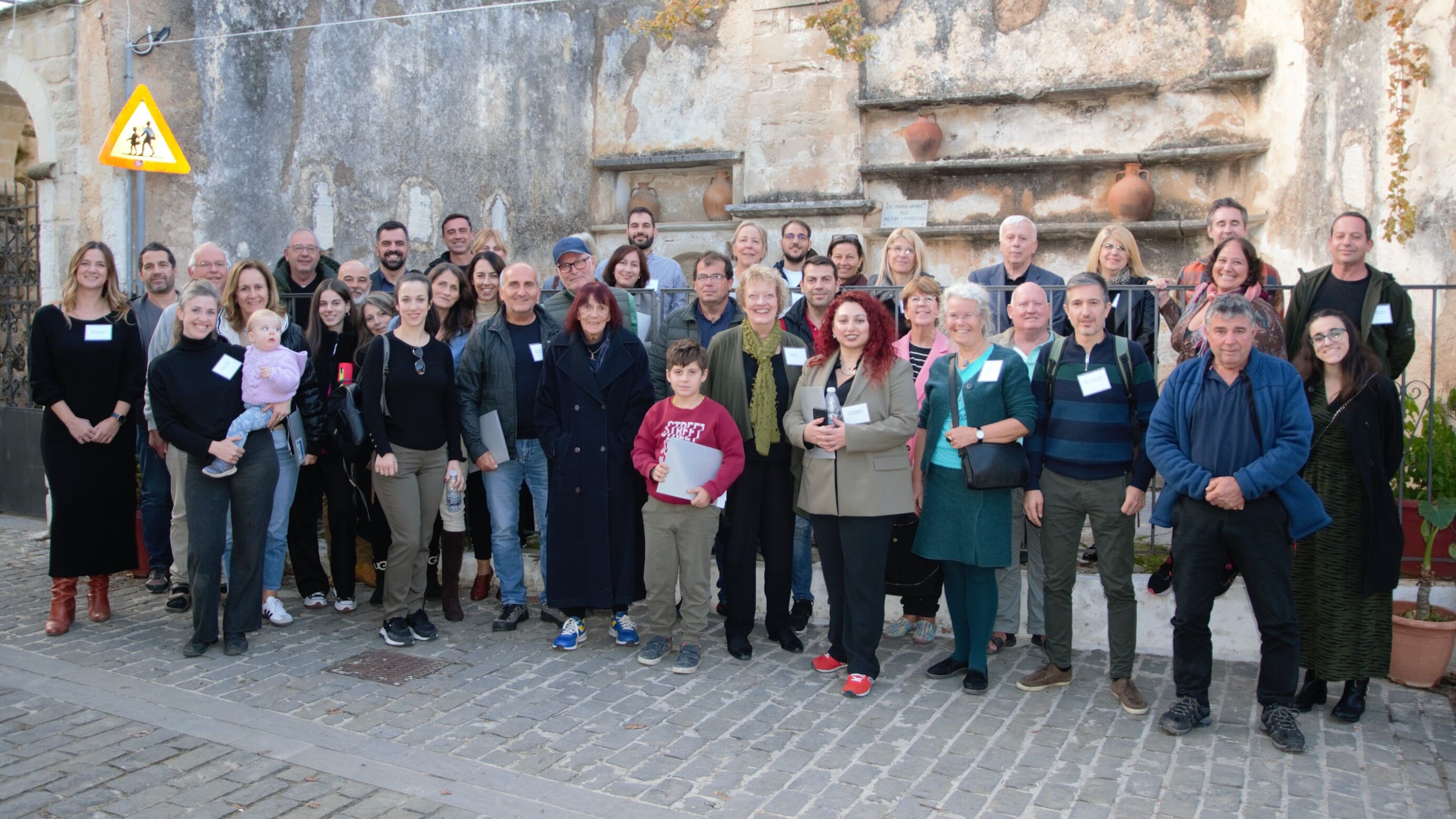
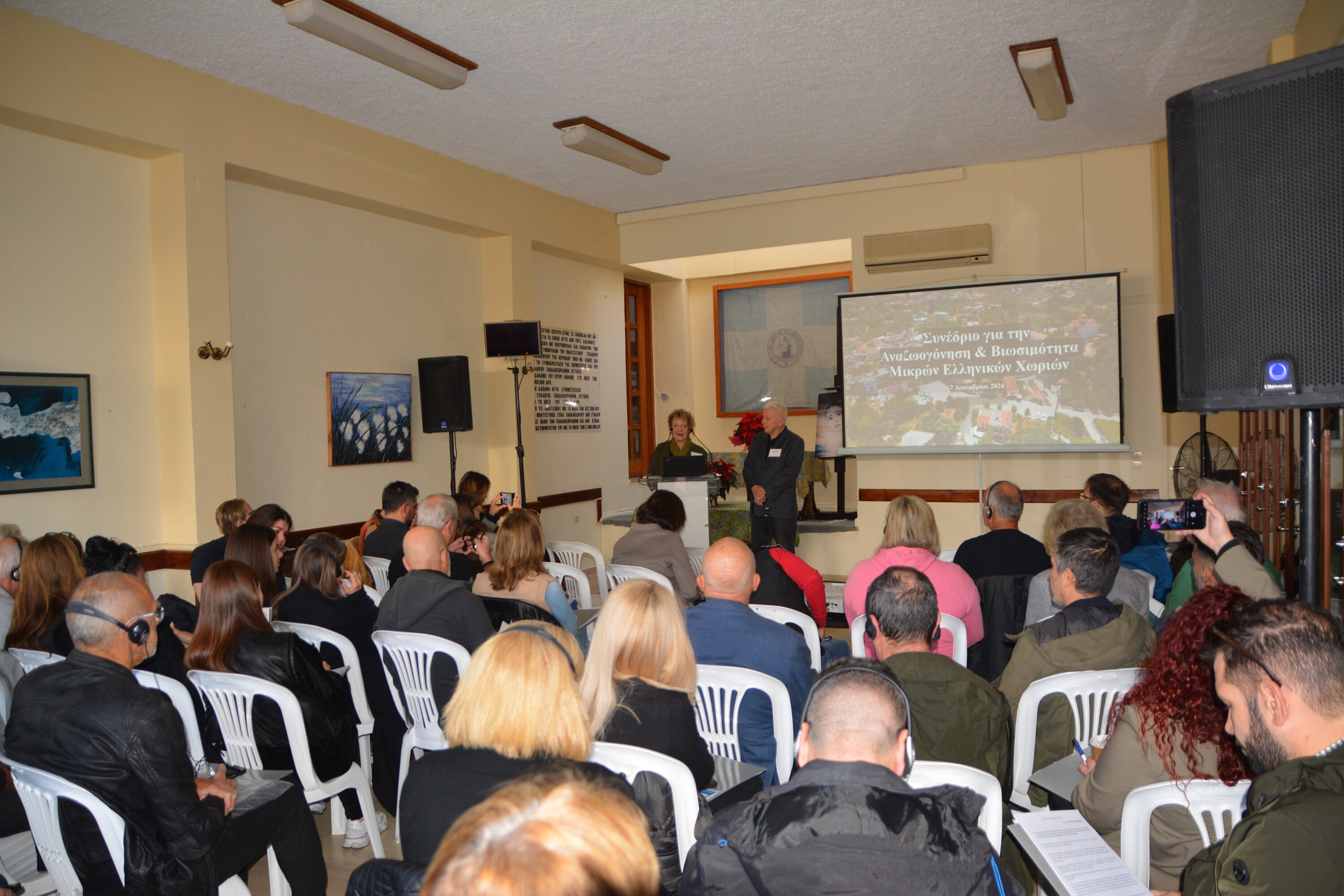
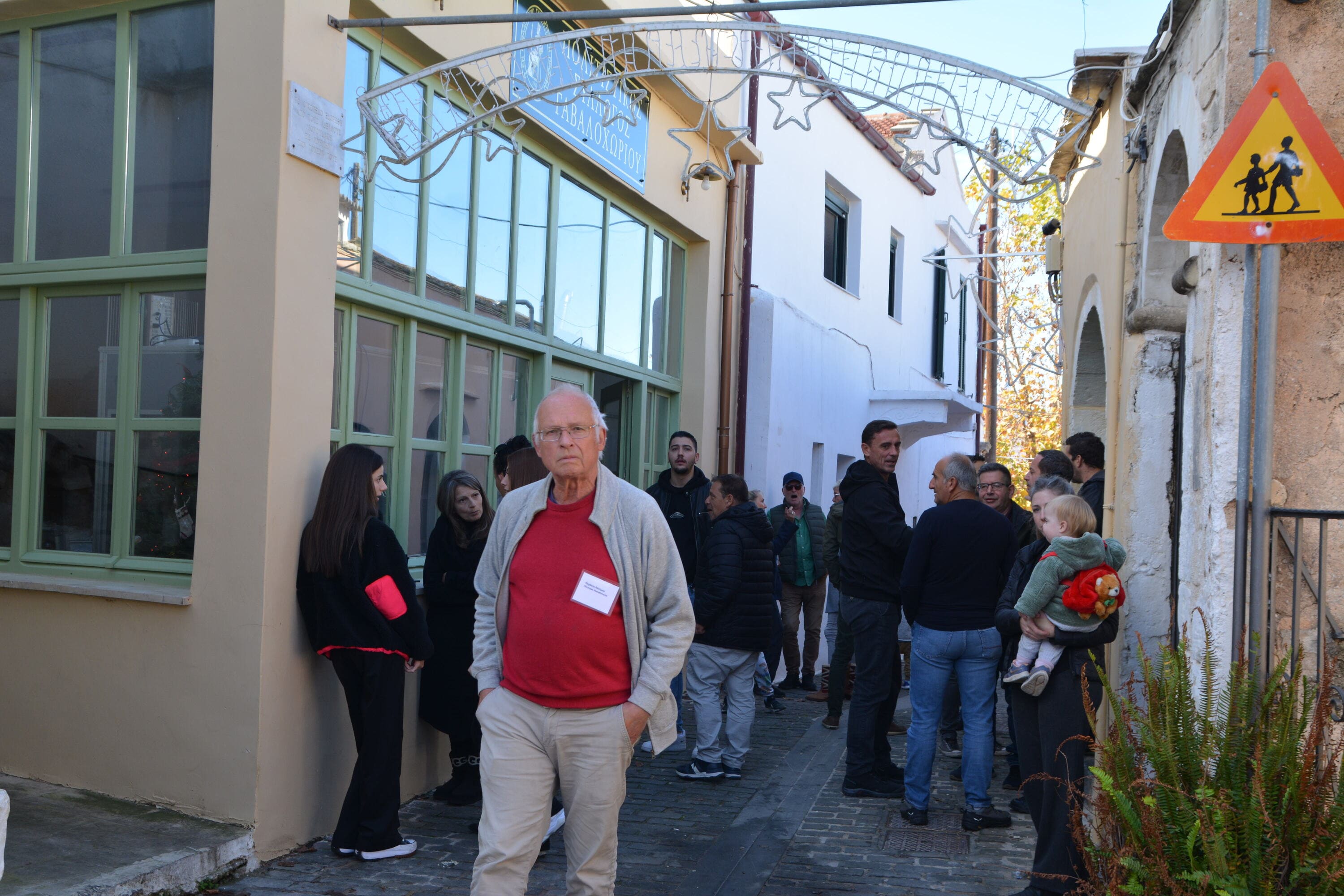
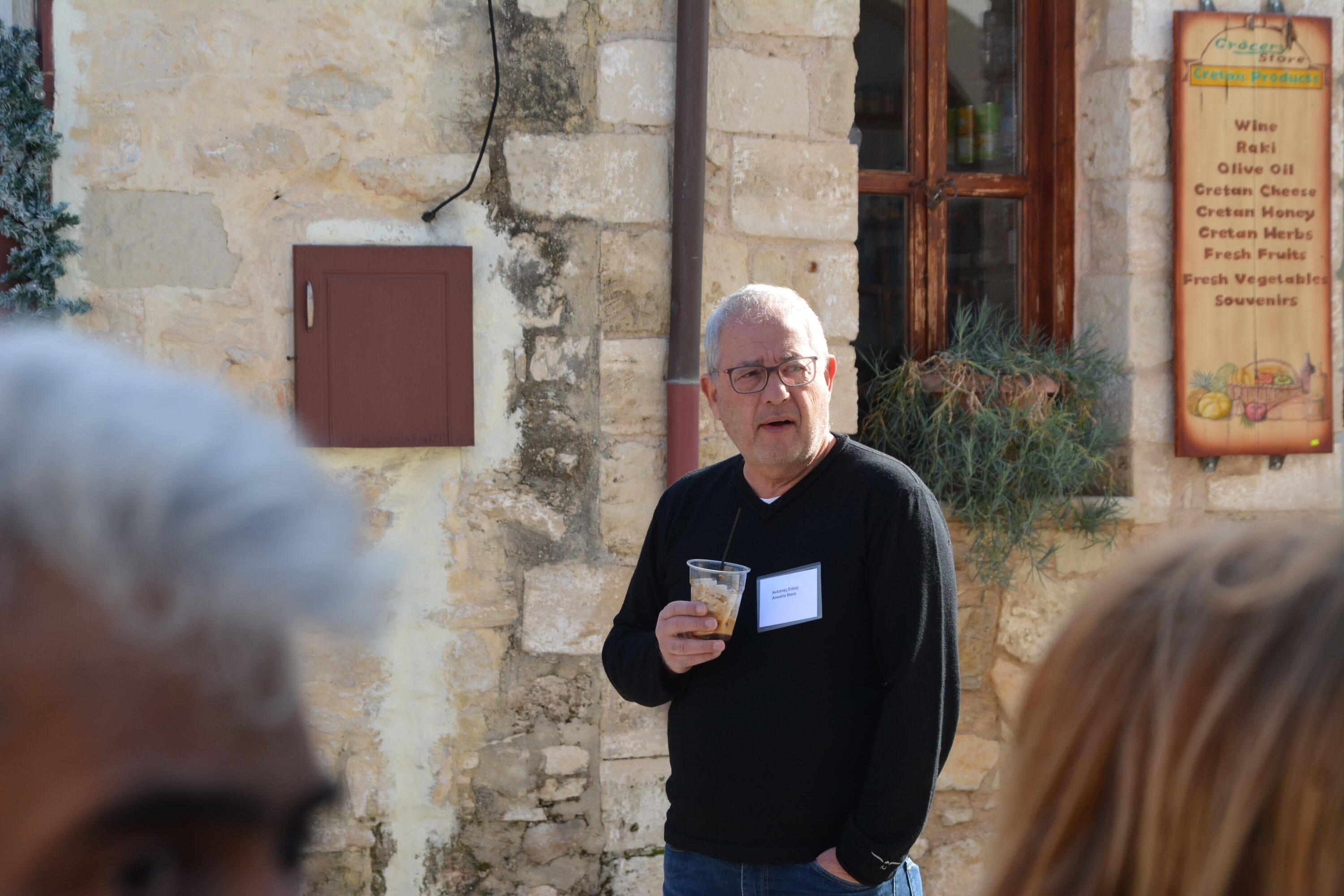
In December 2024, the foundation facilitated a conference in the village called “Revitalization and Sustainability of Small Greek Villages.” It brought together 65 residents— carob, olive and sheep farmers, village shop owners, international residents, lace-makers, artisans and local leaders—to talk with experts from across Greece and the UK. The agenda was not set by outsiders; it was based on 32 interviews held in village homes and shops a year earlier to understand what residents were actually concerned about. For two days, residents debated practical issues like waste management, local business, and the future of their children. It was the village’s first major collective conversation about its survival.
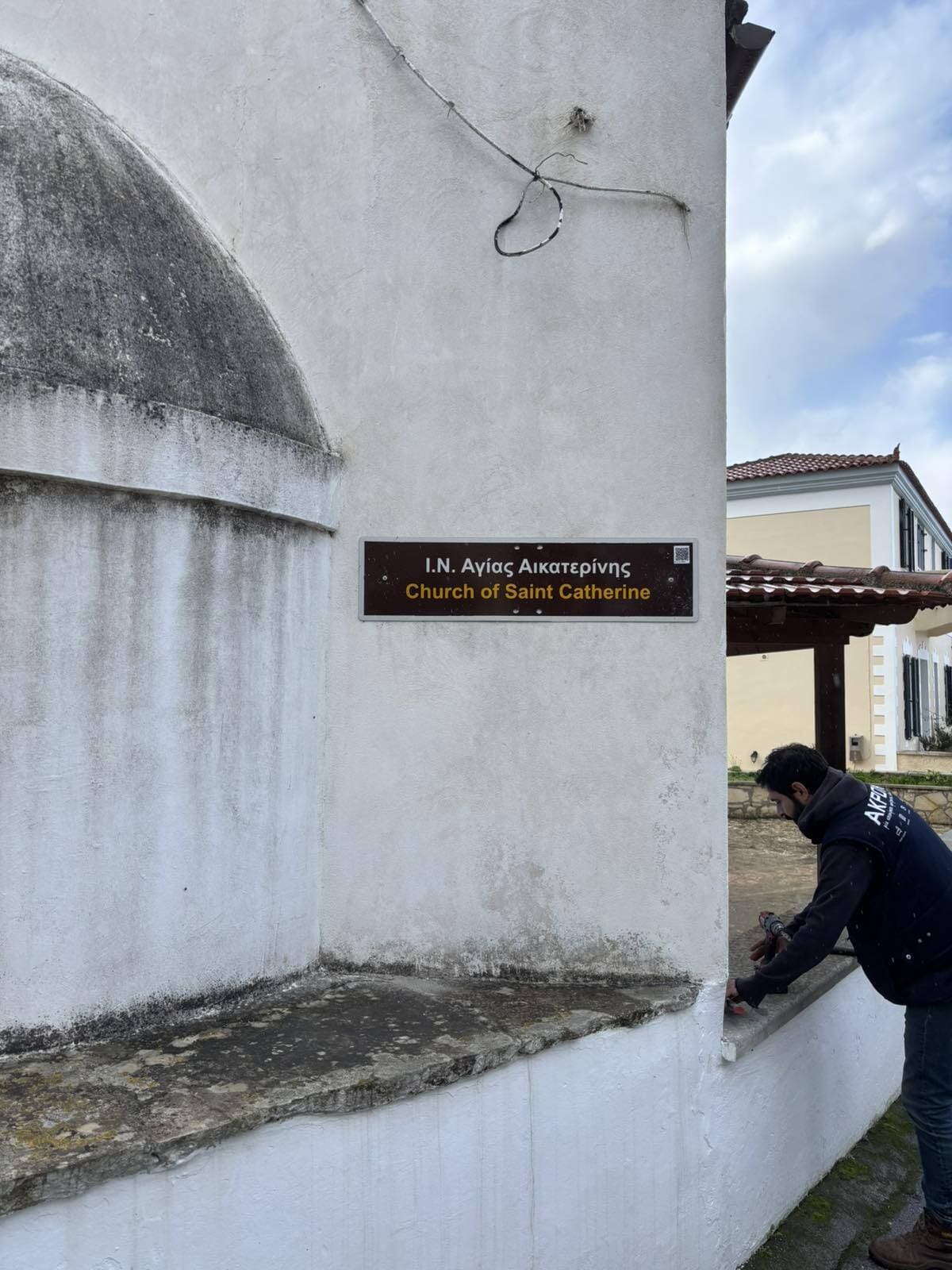
The direct result was a 20-year strategic plan (2026–2045), developed with village leadership to keep Gavalochori a living, working place. Several projects are already completed or underway: bilingual signs with QR codes sharing local history are now installed at all 12 churches, and designs for a new wooden playground are under review by the municipality. Researchers have also been engaged to explore how the disused 1913 old school can reopen as a community space, drawing on successful models from other Greek villages. By providing the professional groundwork and shared direction that small villages often lack, the project gives the community the means to carry its own future forward.
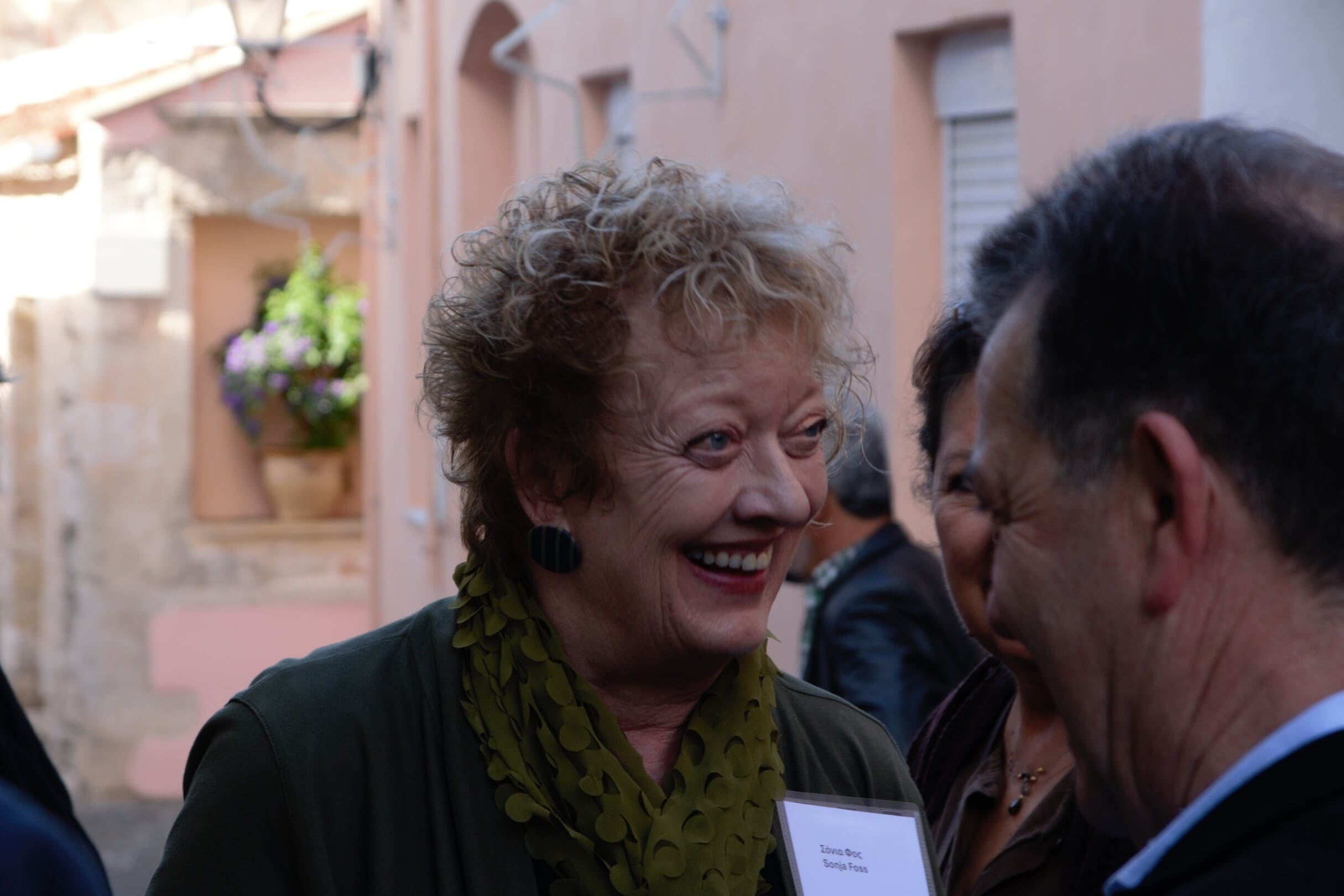
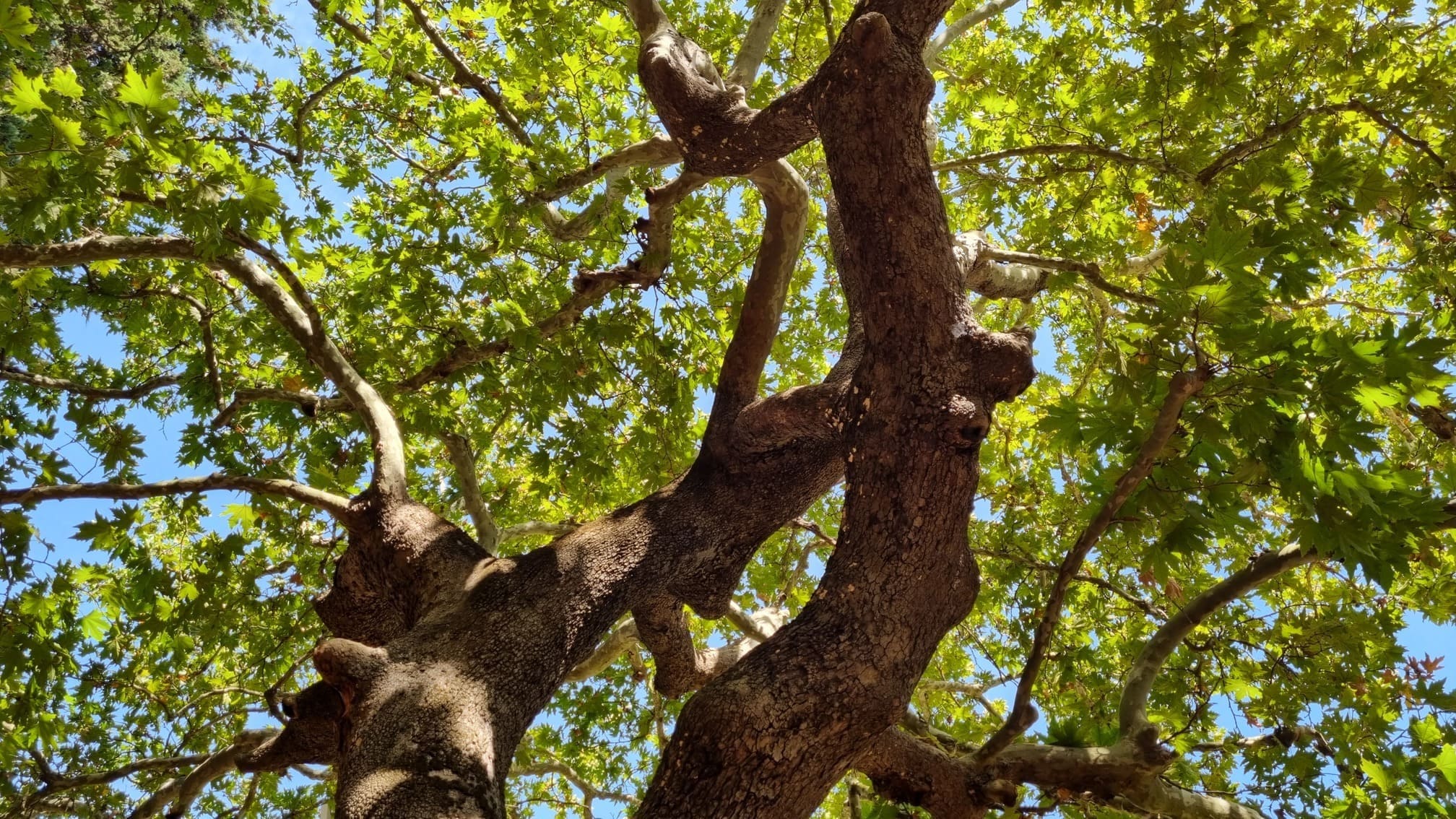
The initiative grew from the 20-year residency of its founders, Anthony Radich and Sonja Foss, in Gavalochori. After moving there in 2003, they noticed that the village was not accurately represented online and began documenting village history to create a more accurate archive of information. In 2019, the replacement of a historic plane tree showed that local action could reactivate participation and revealed the potential for a larger, organized effort. In the following years, Anthony and Sonja funded the square renovation, museum repairs, and the gifting of the archive and guide GavalochoriGreece.org to the village via the Cultural Association, while also establishing two legal nonprofits for Gavalochori to work in tandem - one in the US and one in Greece.
While individual actions were successful, they highlighted the need for a unified, long-term direction. To ensure the Foundation’s resources served the village’s actual future rather than just isolated projects, a formal collective dialogue was required to move to a community-led strategy, which led to the idea of a conference to define priorities and shape a long-term plan. The process followed 3 clear phases:
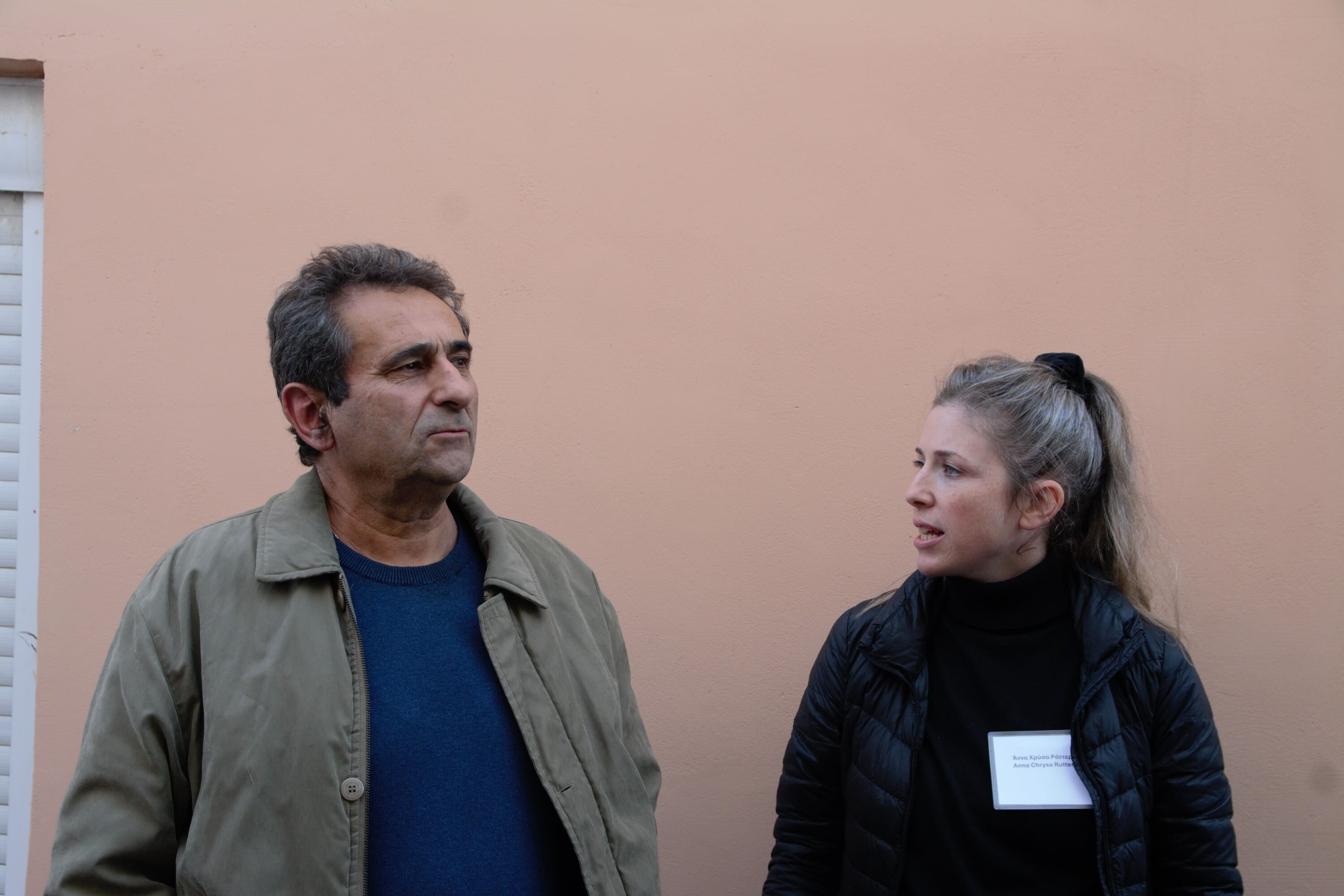
1: Consultation (Dec 2023): Seasoned nonprofit consultant Rosalyn Benjamin met with 32 residents to identify key issues. Her findings—including the need for year-round activity and the potential of the old school—directly informed the choice of topics for the conference. Anna-Chrysa Rutter, a bilingual resident and President of the Greek foundation, provided the essential local leadership to guide these efforts on the ground.
2: Conference (Dec 2024): This event was the direct response to the need for a shared vision. Working with village leaders like Katerina Bakatsaki, it brought together 65 residents and experts to debate ideas against daily reality.
3: Strategic Plan: The final step was the completion of a long-term plan, translating community priorities into a framework for survival.
Place-based Regeneration
Participatory Planning
Adaptive Heritage Reuse
Creative Placemaking
Social Inclusion
In Gavalochori, sustainability is about whether the village stays a working place or becomes a seasonal museum. The conference focused on keeping the community and the land connected, ensuring the village remains inhabited and active year-round. The approach prioritized reusing existing assets instead of building something new. Buildings like the old school and the olive press were not treated as ruins to be looked at, but as potential spaces for workshops, social centers, or small businesses. By emphasizing the restoration of existing structures, the project demonstrated how the village can avoid the environmental cost of modern development and keep its architectural character intact.
Economic survival depends on the land. For the farmers and local producers, the project identified sustainability as an economy that works at a local scale. The conference explored practical tools like microfinance, waste management, and better infrastructure to support small-scale work. The underlying logic remains that if a farmer can make a living and a young family can find a reason to stay, the village remains a living place. Socially, the effort aimed to keep local knowledge alive through daily use. Skills like dry-stone walling or traditional farming only survive if they are still being practiced. By creating the conditions for people to stay and work, the conference ensured the village is carried forward by the people who live there, not just stored in a museum. The goal was a balance that fits the local scale, allowing the village to change and sustain itself using its own resources.
Economic survival depends on the land. For the farmers and local producers, the project identified sustainability as an economy that works at a local scale. The conference explored practical tools like microfinance, waste management, and better infrastructure to support small-scale work. The underlying logic remains that if a farmer can make a living and a young family can find a reason to stay, the village remains a living place. Socially, the effort aimed to keep local knowledge alive through daily use. Skills like dry-stone walling or traditional farming only survive if they are still being practiced. By creating the conditions for people to stay and work, the conference ensured the village is carried forward by the people who live there, not just stored in a museum. The goal was a balance that fits the local scale, allowing the village to change and sustain itself using its own resources.
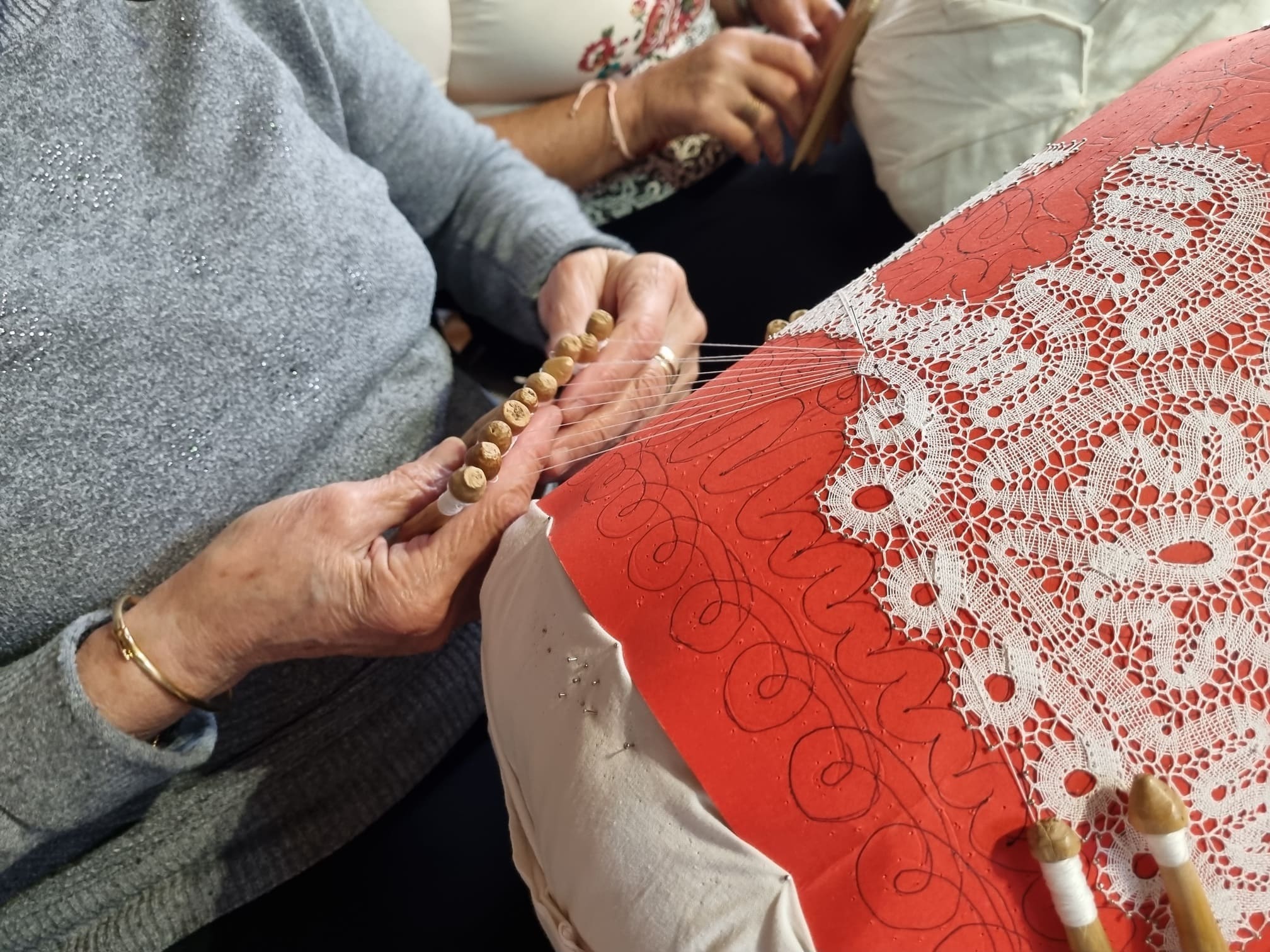
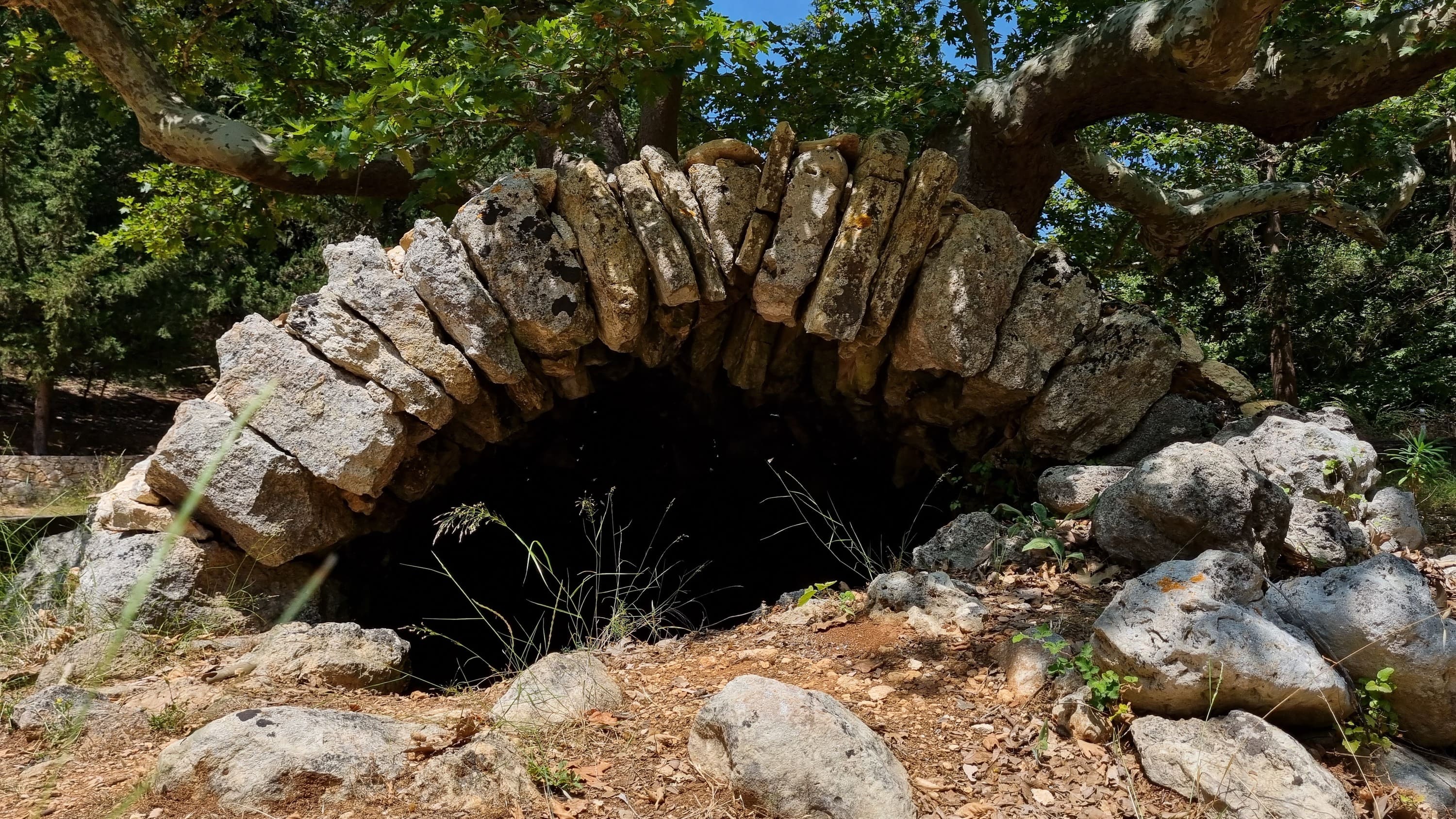
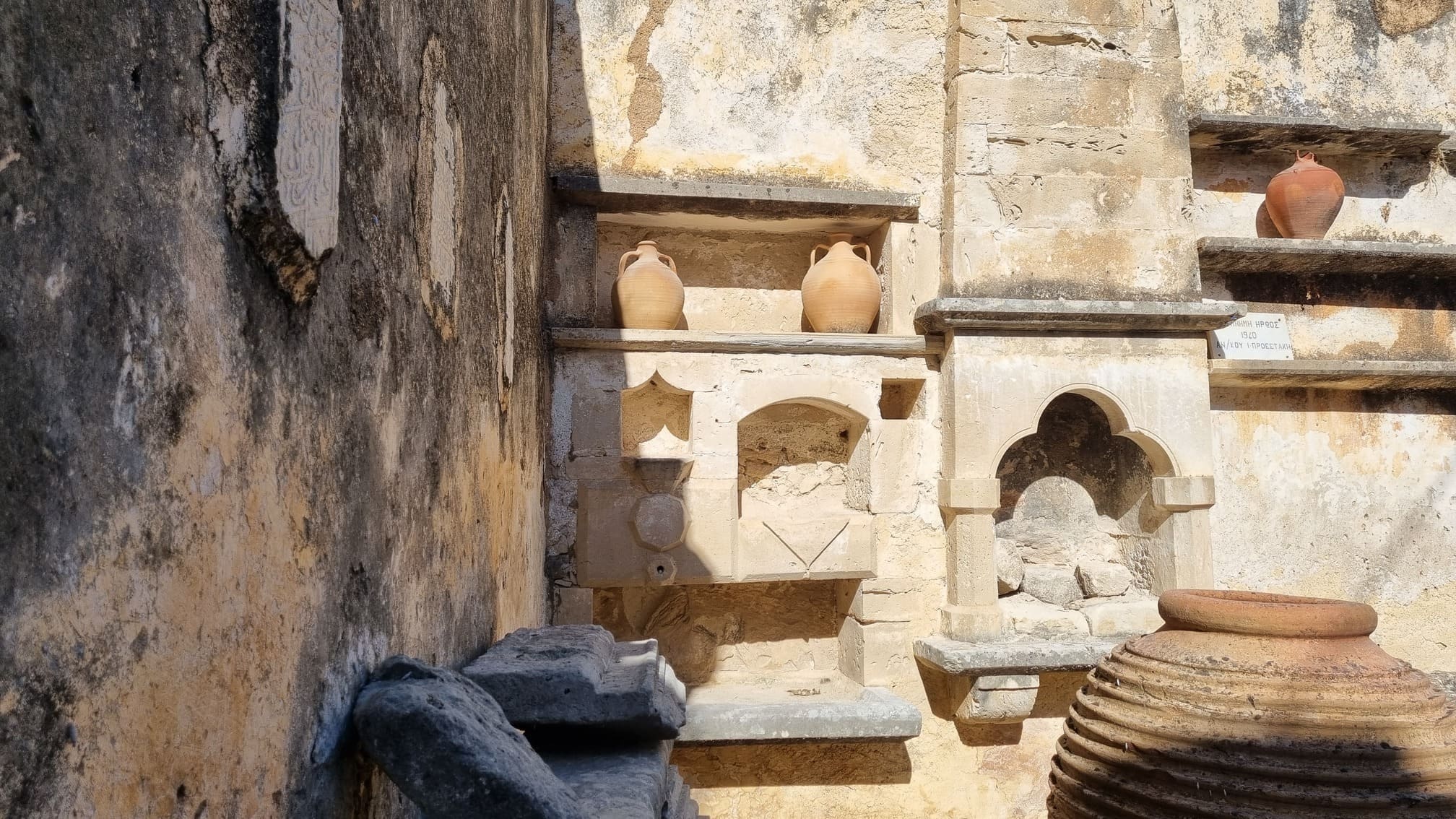
Put simply, beauty in Gavalochori is not decoration; it is the life of the place. Designated by the Ministry of Culture as a historic settlement and a landscape of outstanding natural beauty, it is a center of folk architecture and the home of Cretan bobbin lace, and has held a significant role in local history for a thousand years. The village is defined by its Venetian wells, its stone bridge, and the region’s crown jewel: the 1913 old school building, built by the residents themselves. For the Foundation, maintaining this beauty is synonymous with keeping the essence of Gavalochori alive.
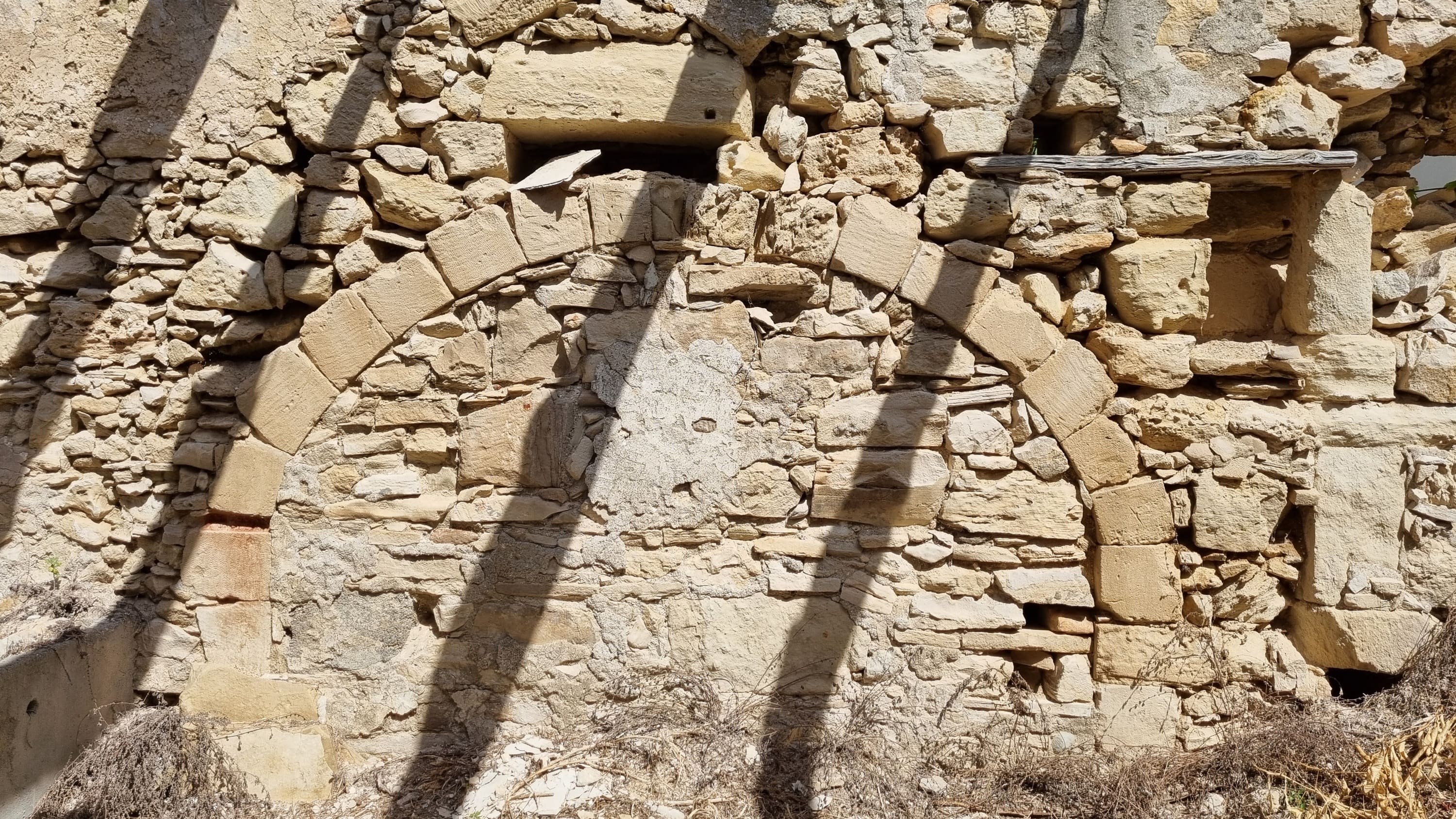
The project helped people see Gavalochori not as a problem to be solved, but as a place with deep, inherent value that is still alive but requires active support to endure. Beauty here is found in the details of the everyday: the texture of dry-stone walls, fields scented with wild herbs, the low hum of conversation at the main square's kafeneion, and the sight of women weaving Cretan lace outside the grocery store while their grandchildren watch.
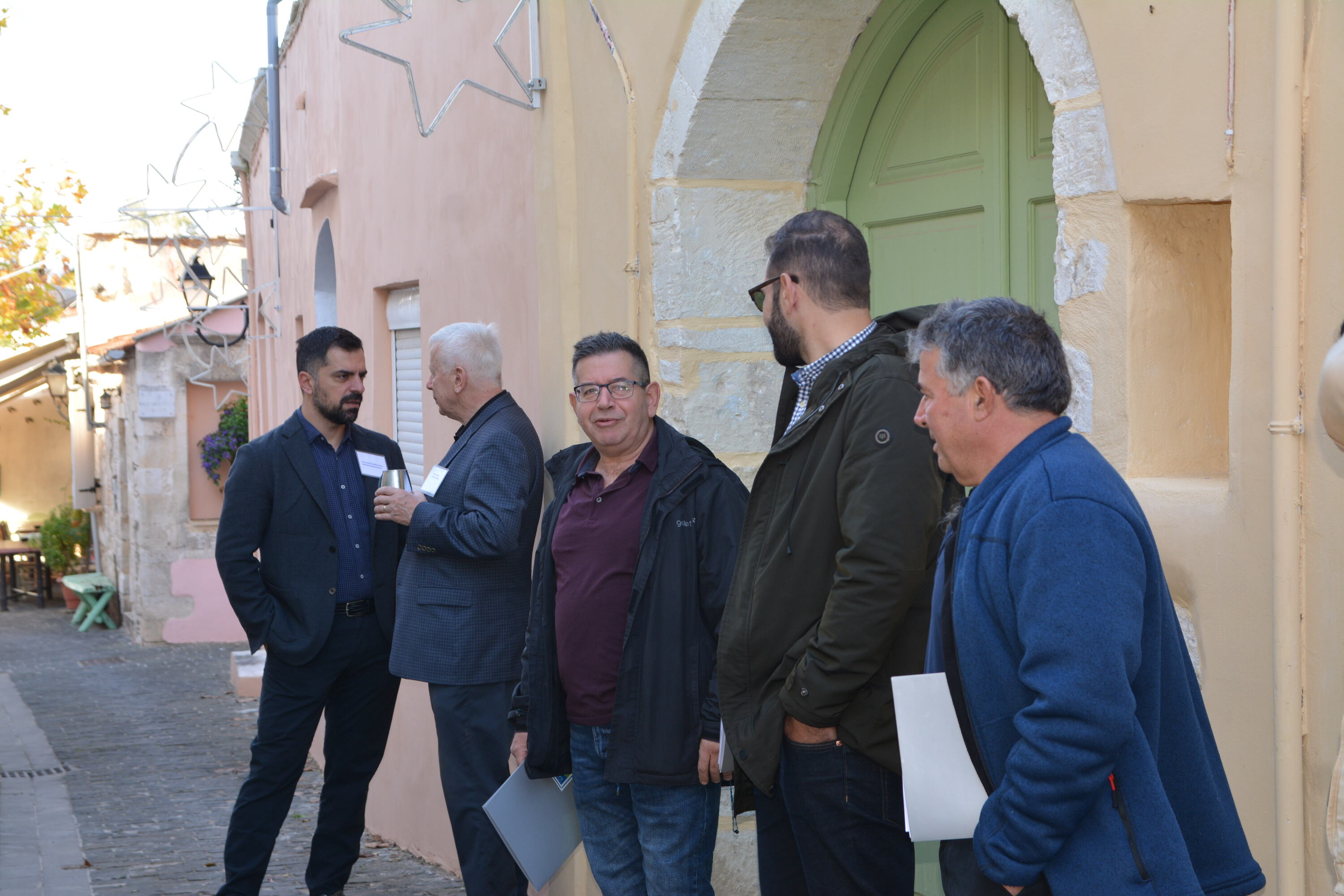
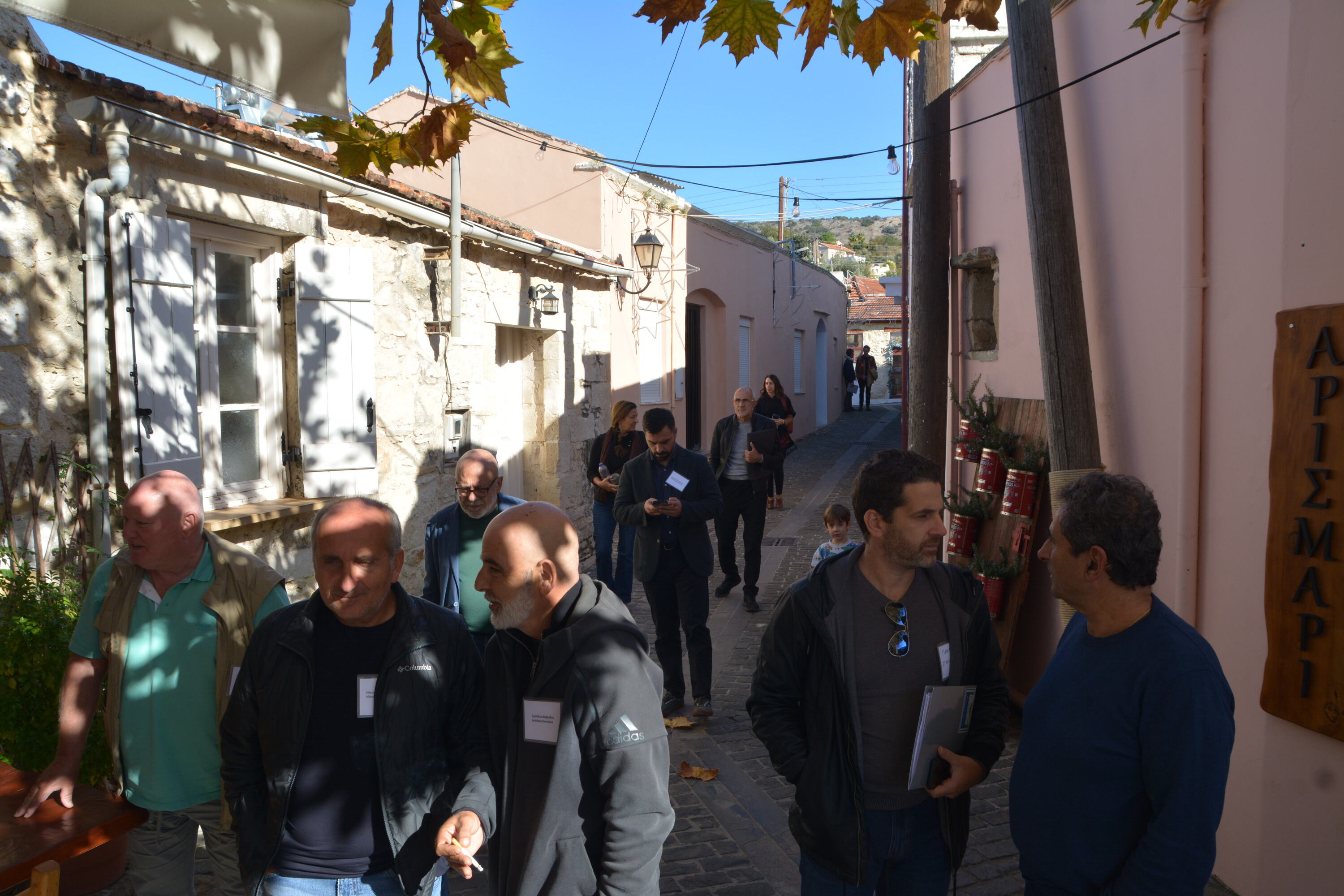
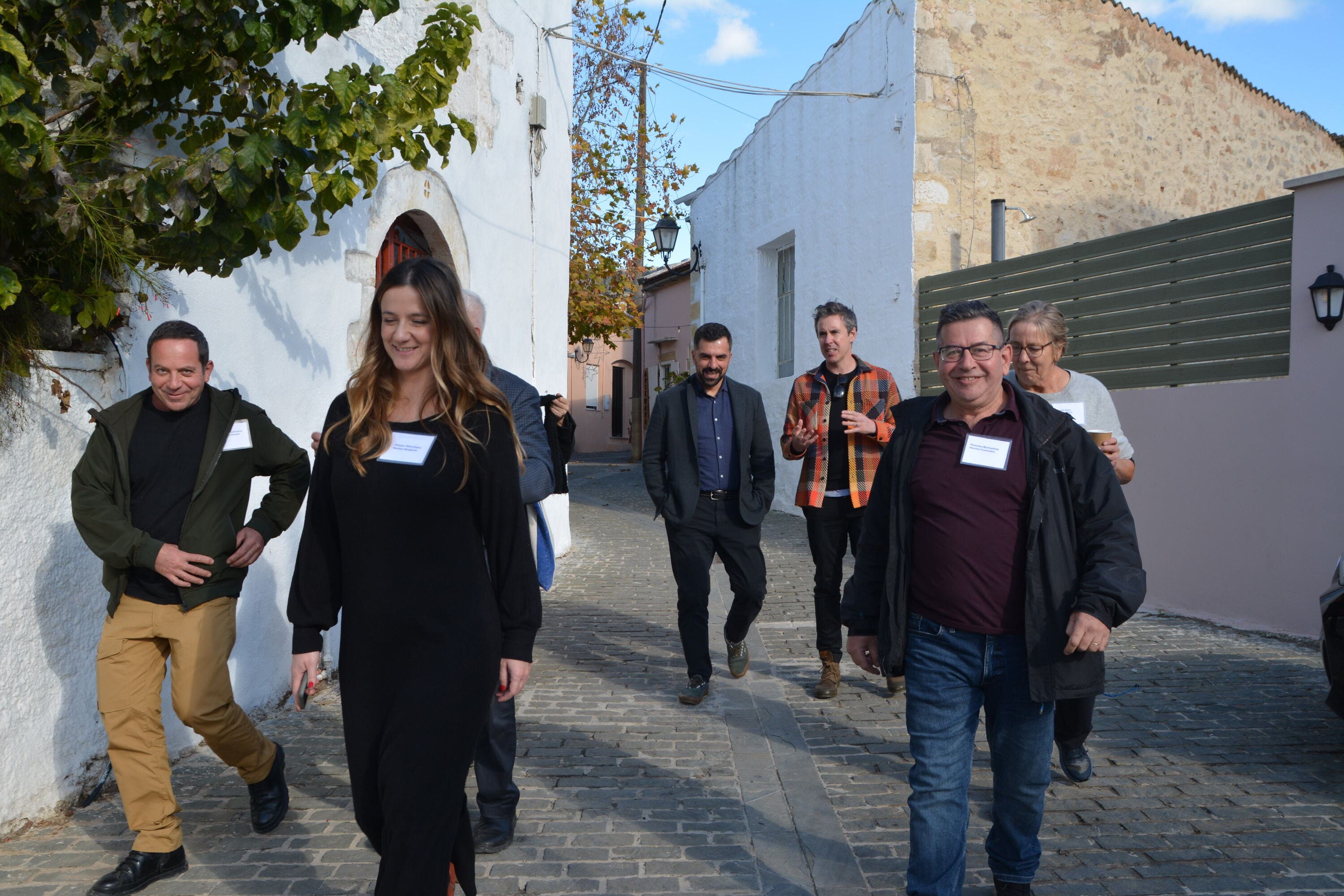
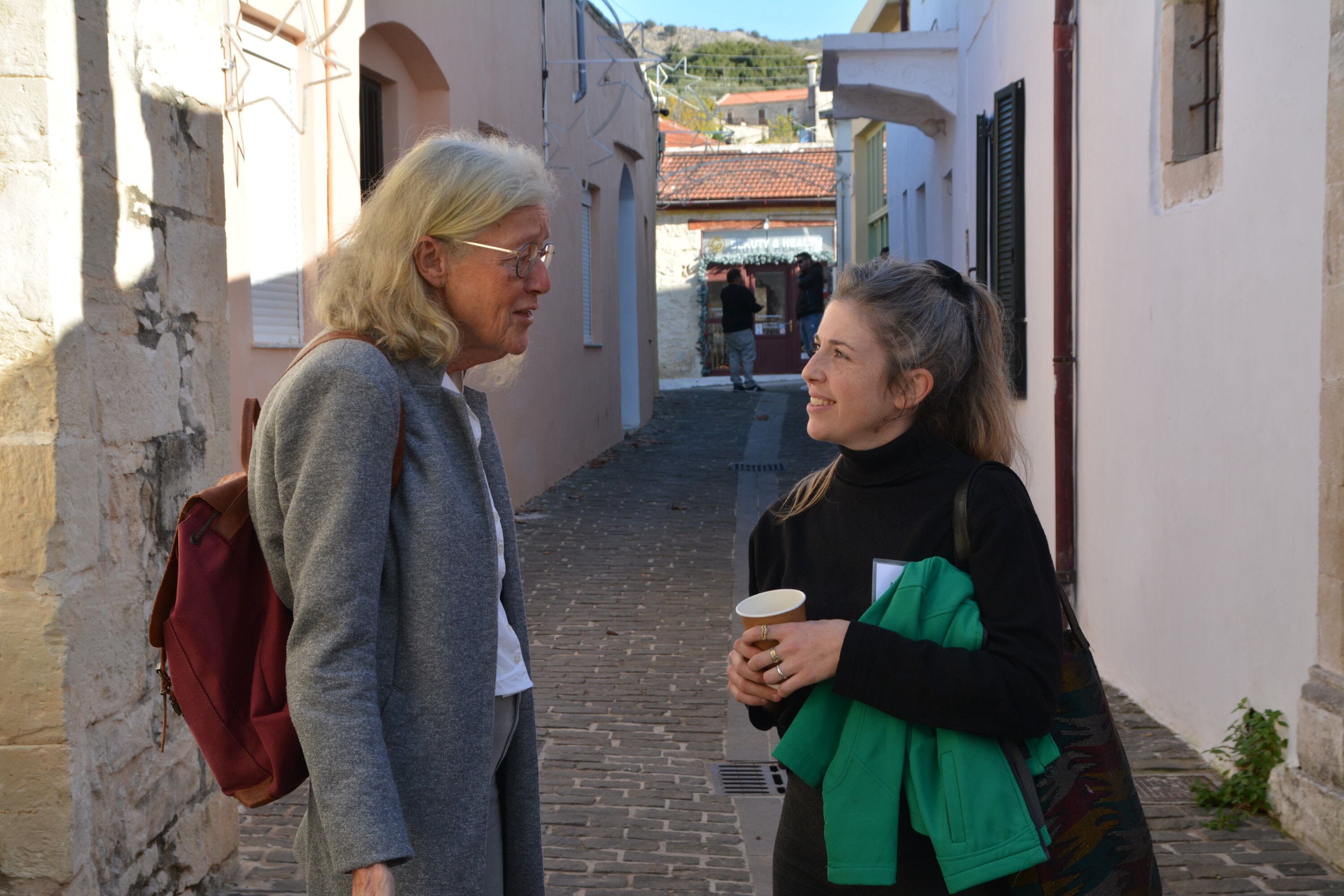
The way the event was designed reflected this in practice. It did not remove people to a neutral space but allowed the conference to unfold in the heart of village life and be part of it. Participants walked the cobbled streets, stayed in old stone houses, and debated the future while being physically in the heritage they are working to protect. The old school was not just an empty building; the olive press was not just a ruin. They became part of a living question: what continues, and how? The project worked by recognizing what is already here and allowing that to guide decisions, so that the village does not become something staged but remains something lived.
In Gavalochori, togetherness decides if the village remains a community or becomes just a collection of houses. The project focused on those most at risk of being left behind: farmers, the elderly, and young families. The Foundation continues this work to make sure that a small village does not mean a smaller future.
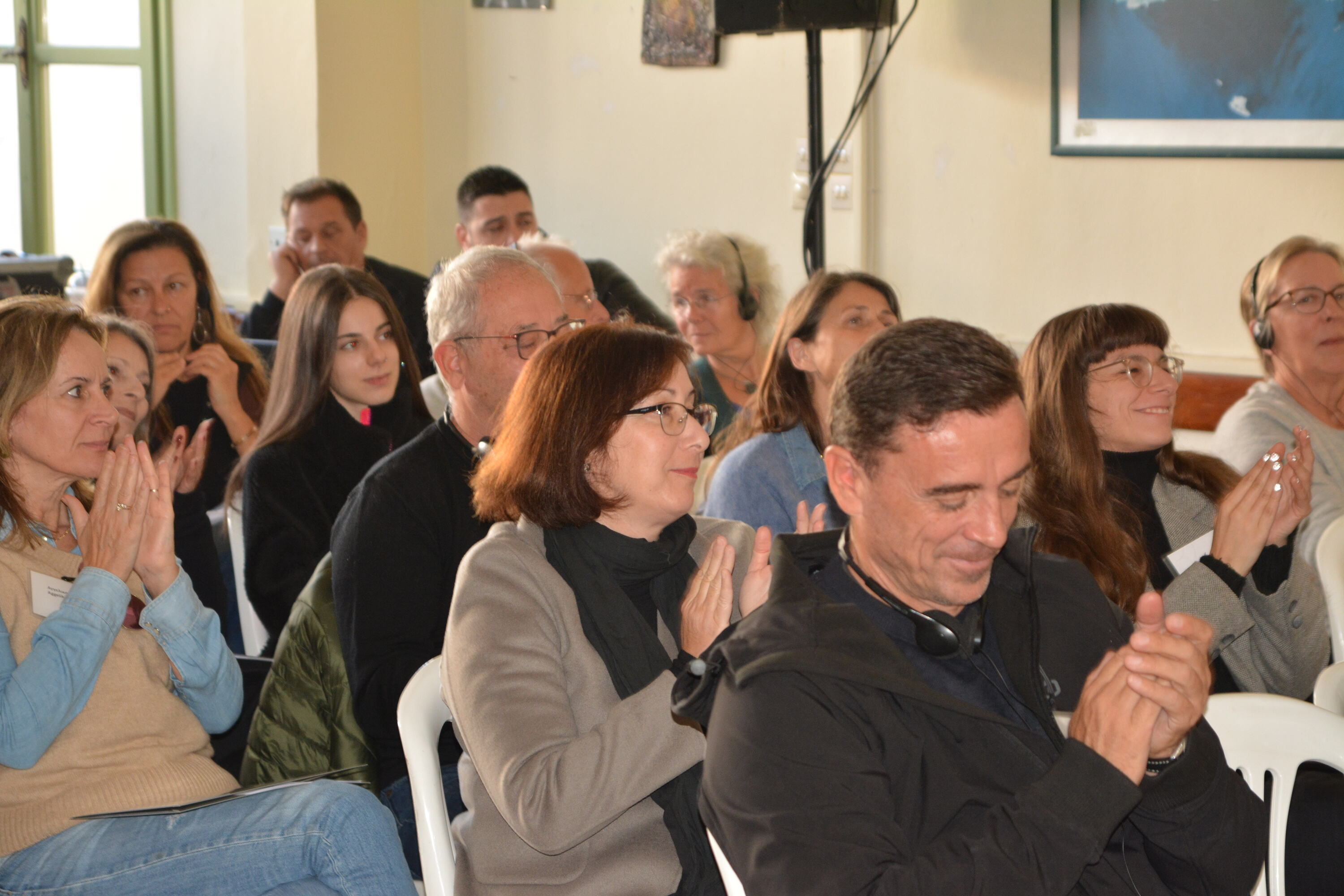
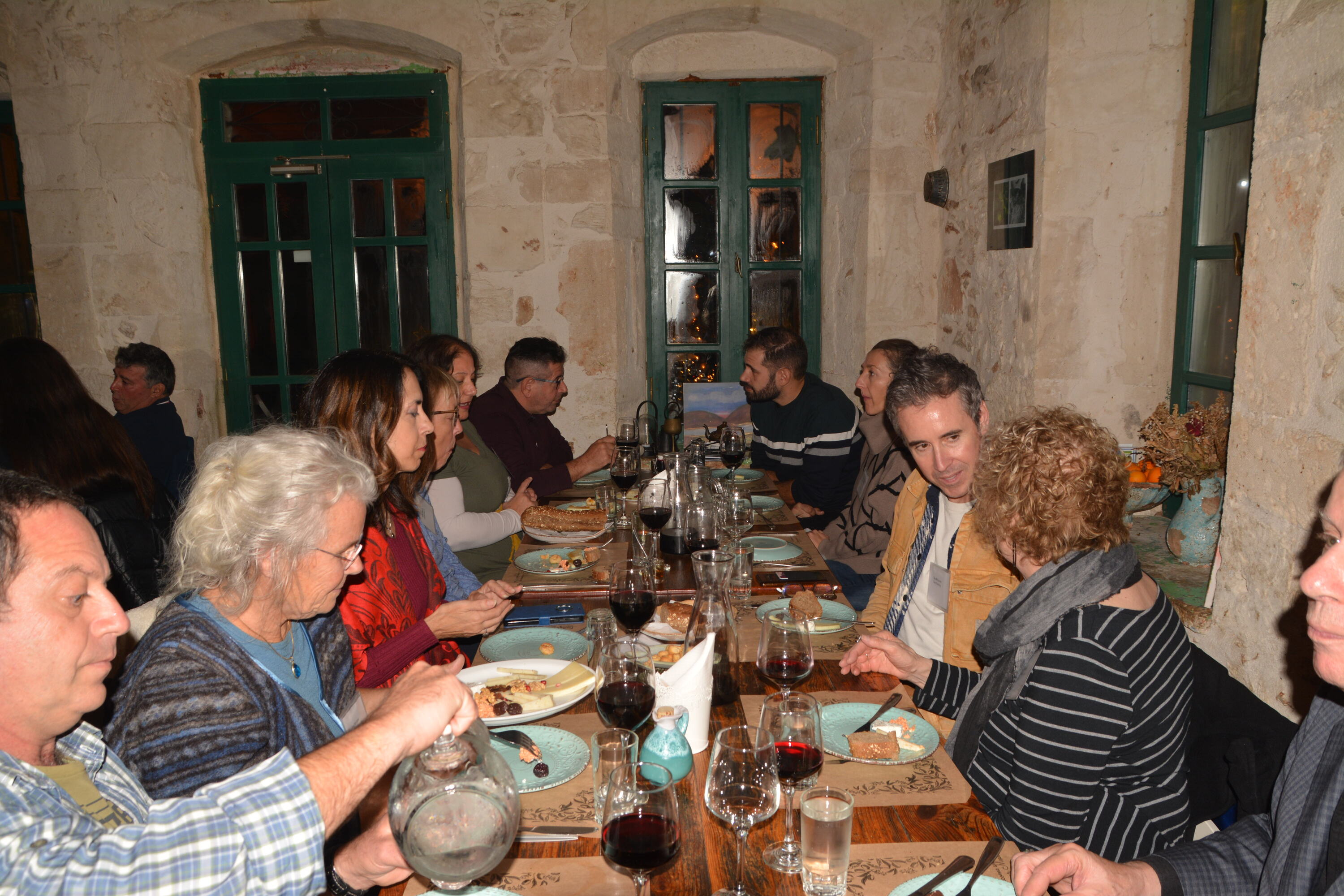
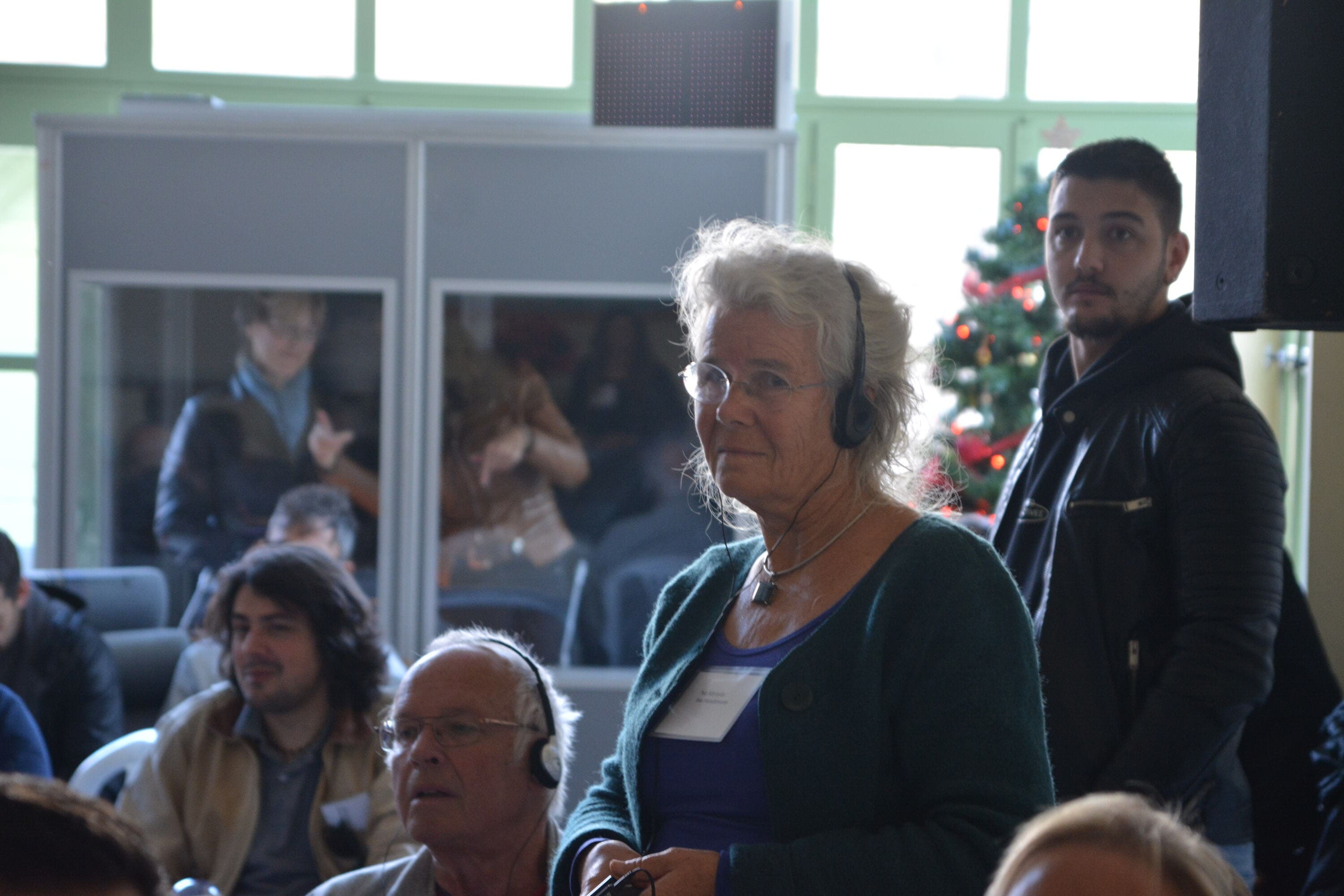
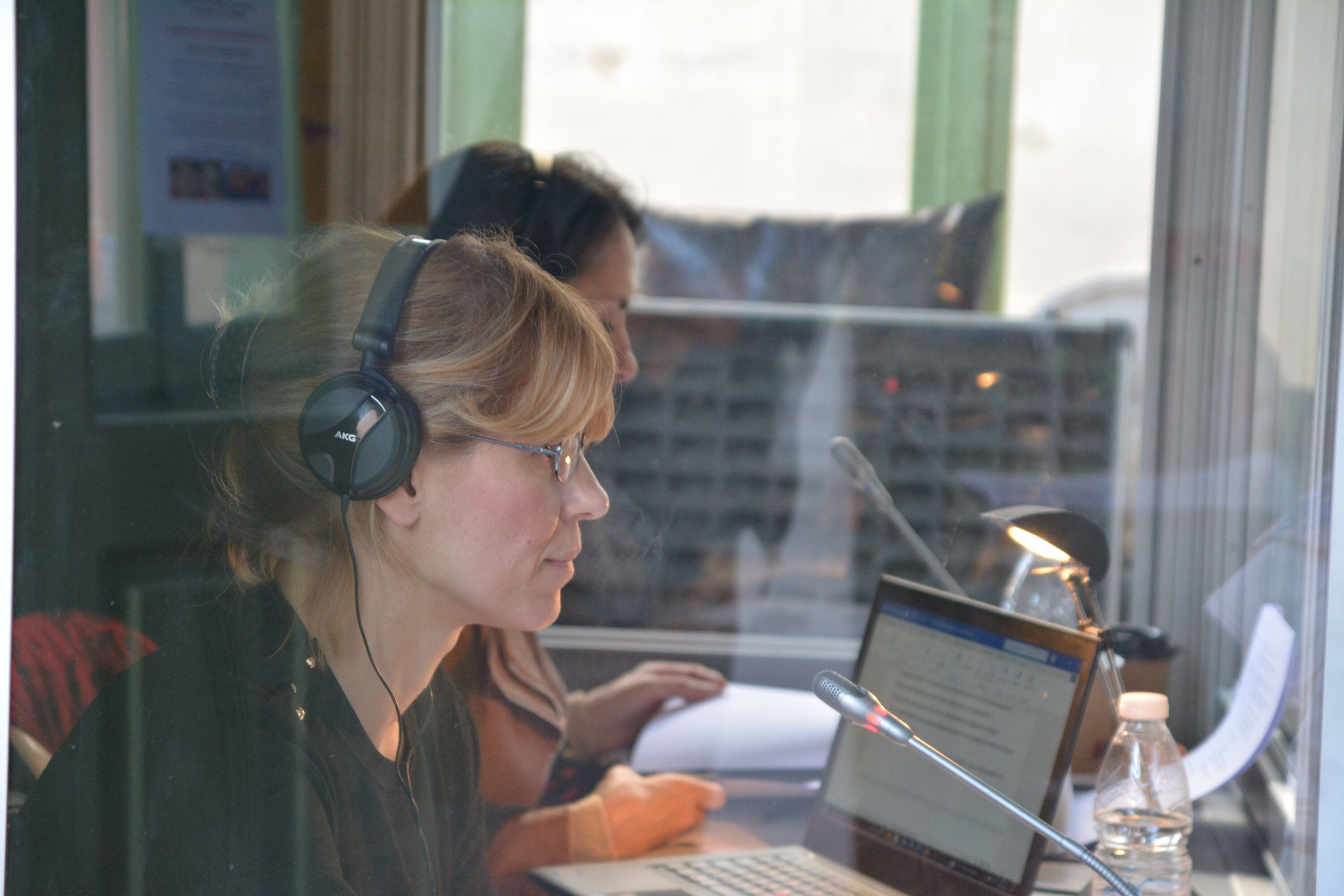
The conference was set up so everyone stood on the same level. With professional headsets and live Greek–English translation, the project removed the language barrier that often keeps older residents and farmers from taking part. Everything happened within walking distance, in squares and courtyards, so people could join in between their daily routines, as well as elders who don’t own a car. Participation had no cost. By using local houses for guests and local tavernas for meals, the project kept money in the village and supported the small businesses that keep it running. Different kinds of knowledge were treated with equal weight: a woman making lace or a carob farmer was heard with the same respect as a visiting professor. This shifted how decisions are made—starting from those who know the place best.
The conference was set up so everyone stood on the same level. With professional headsets and live Greek–English translation, the project removed the language barrier that often keeps older residents and farmers from taking part. Everything happened within walking distance, in squares and courtyards, so people could join in between their daily routines, as well as elders who don’t own a car. Participation had no cost. By using local houses for guests and local tavernas for meals, the project kept money in the village and supported the small businesses that keep it running. Different kinds of knowledge were treated with equal weight: a woman making lace or a carob farmer was heard with the same respect as a visiting professor. This shifted how decisions are made—starting from those who know the place best.
The project followed a "village-first" model where residents moved from participants to setting the direction.
In the Design Stage, 32 residents set the agenda by defining the village’s aspirations. Their influence was decisive: the conference themes—year-round activity, youth opportunities, and waste management—were not pre-selected by the Foundation. Residents effectively defined the topics that outside contributors were asked to address, essentially writing the syllabus for the project.
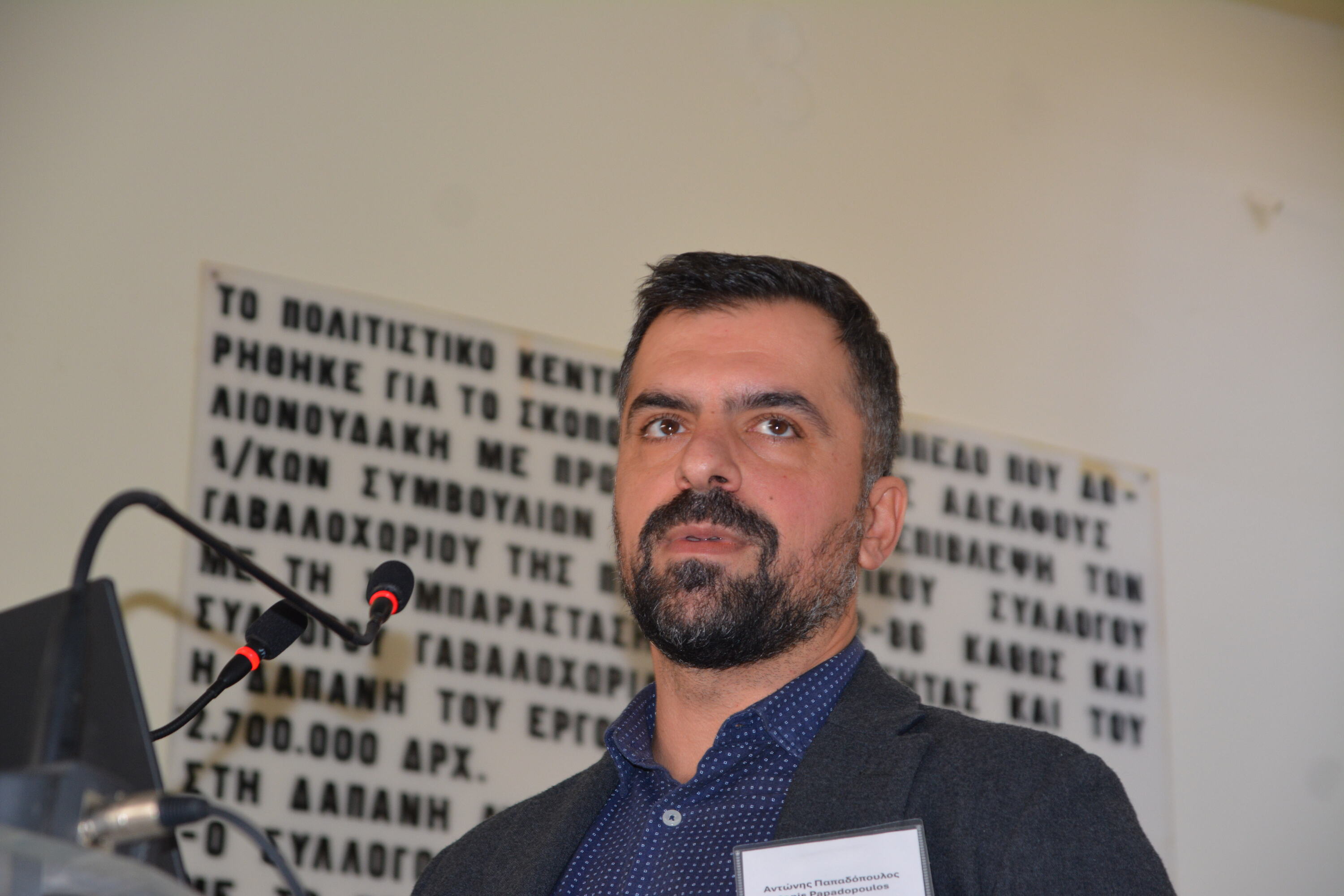
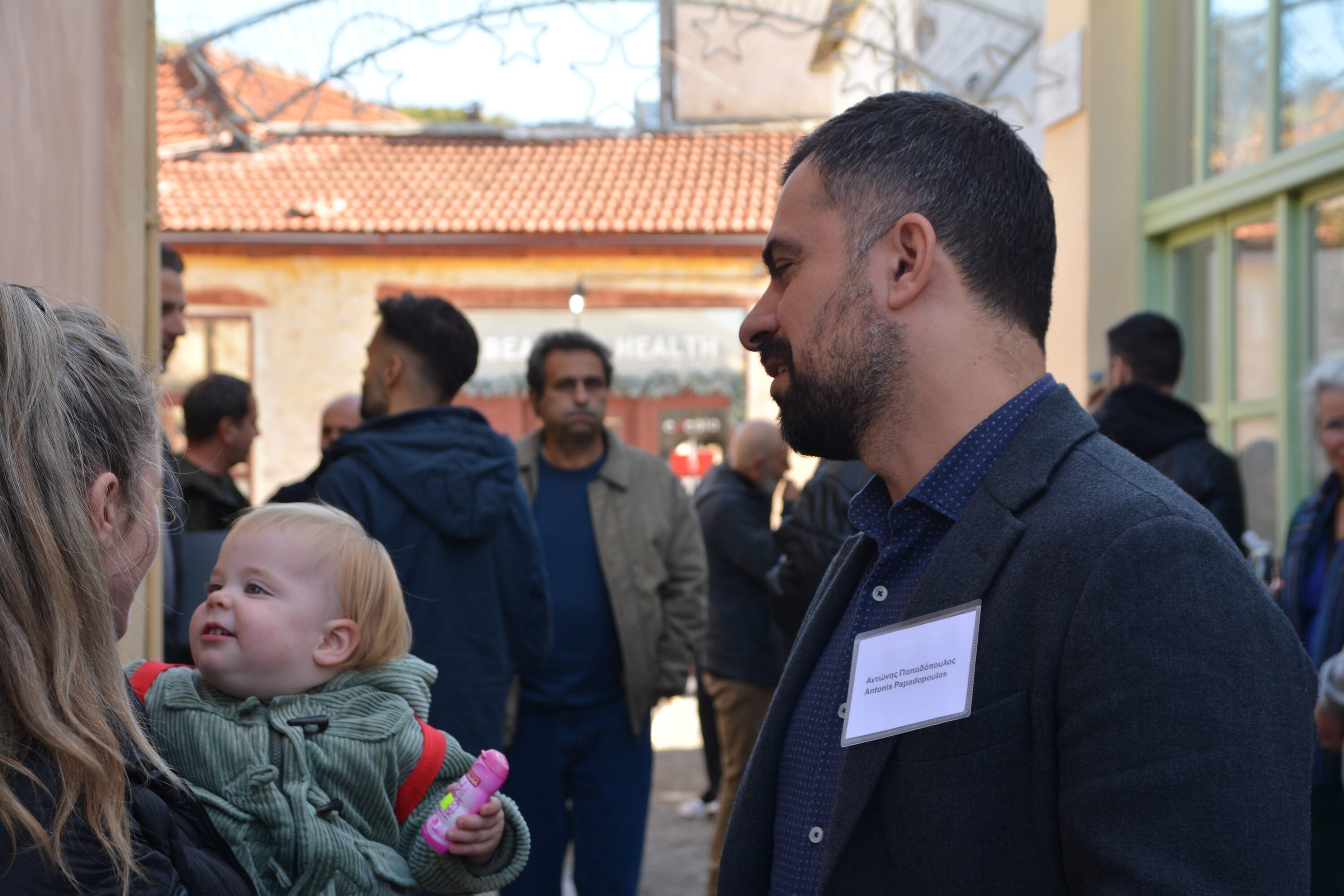
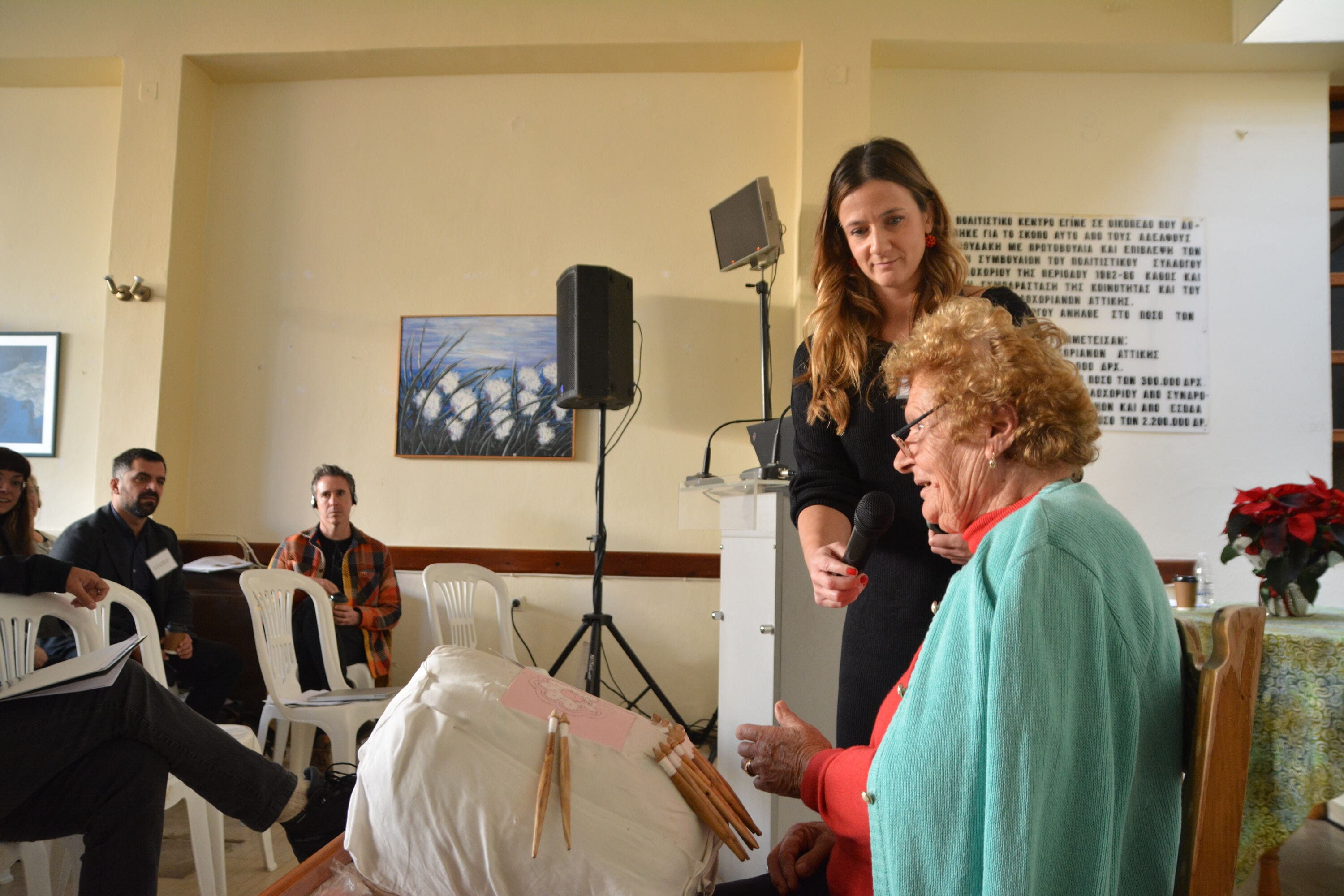
In the Implementation Stage, a structured conference with 65 participants: 9 public officials (Mayor of Apokoronas, Community President, and Vice-Mayors), 25 locals (including the bakery, pharmacy, and taverna owners, local farmers, village priest, the church council, and the presidents of the Cultural Associations of both Gavalochori and neighboring villages), and 31 international residents. The Cultural Association held a governance role, hosting the event and managing logistics, while a group of women gave a presentation on the art of kopaneli lace to the participants. To ensure equal opportunity and understanding, the Foundation provided translation headsets with live-translation, allowing a local shop owner and an international resident to debate issues in real time.
The outcomes of the conference have directly shaped the Foundation’s work and projects since. Participation has turned into concrete action: 18 museum volunteers recently identified 22 practical improvements now being implemented, while the church council guided the completion of bilingual signage for 12 historic churches. Since the agenda was set by those who live there, the 20-year Strategic Plan is grounded in local reality rather than outside guesswork. For example, current research into the old school building is not a top-down design, but a direct response to the community's request for a multipurpose hub. By working this way, outside expertise does not replace local know-how but responds to it.
The project started in the village and extended outward. At the local level, the Community Council and the Cultural Association helped shape the 2024 conference. The Church Council, teachers, artisans and shop owners ensured conversations reflected everyday life. Meals were taken in local shops and visitors stayed in village houses, supporting the local economy. At the municipal level, the Mayor and Vice-Mayors of Apokoronas took part in discussions to connect village priorities to areas like roads, waste-management and public services, and to lay the groundwork for future collaborations and partnerships on these critical rural topics.
At the national level, organizations such as AFI Microfinance and Impact Hub Athens contributed practical knowledge on small-scale finance and social enterprise. Rosalyn Benjamin helped connect these strands, making sure outside knowledge stayed focused on village needs, and helped bring in knowledgeable experts via her extensive network. At a wider level, contributors such as Tom Fleming (TFCC) and EU funding advisors showed how similar challenges had been approached elsewhere. Their role was to respond to what the village had identified, not to set the direction. Each level responded to the one below it: the village defined what mattered, the municipality connected this to public decisions, and national or external contributors brought the tools and access to resources required to move forward without the village losing control of its direction.
At the national level, organizations such as AFI Microfinance and Impact Hub Athens contributed practical knowledge on small-scale finance and social enterprise. Rosalyn Benjamin helped connect these strands, making sure outside knowledge stayed focused on village needs, and helped bring in knowledgeable experts via her extensive network. At a wider level, contributors such as Tom Fleming (TFCC) and EU funding advisors showed how similar challenges had been approached elsewhere. Their role was to respond to what the village had identified, not to set the direction. Each level responded to the one below it: the village defined what mattered, the municipality connected this to public decisions, and national or external contributors brought the tools and access to resources required to move forward without the village losing control of its direction.
The project’s design and implementation were built on the belief that a village’s future cannot be drawn from a distance; it requires an intentional collision of professional fields and local lived experience. The initiative brought together experts in social sciences, architecture, design, environmental sciences, digital technologies, arts, education, and economics to work alongside the residents. This collaboration began with a year-long "deep listening" phase in 2023. Using a social science methodology, the Foundation conducted 32 focus groups in the village to ensure non-formal knowledge partners co-defined the challenges. Through this process, a shared definition of the "problem" was reached that touched every corner of village life: the delicate balance of identity, the modernization of agriculture, creating professional paths for youth, managing tourism, and urgent improvements to public infrastructure and mobility.
To bridge the distance between an international academic and a local carob farmer, the 2024 conference was designed as a welcoming environment where separate lectures were replaced by shared tables. Translation headsets turned the room into a shared workspace where an unmediated exchange took place. This allowed a resident’s practical knowledge of the land to directly challenge and refine a professional’s theory in real-time. The resulting 20-year Strategic Plan (2026–2045) is a truly integrated roadmap, ensuring every technical proposal for Rural Living, Cultural storytelling, or Community Activism is anchored in the community's lived reality.
This approach has fundamentally changed the Foundation’s subsequent work. The Strategic Plan acts as a living bridge, ensuring that every initiative is born from this continuous dialogue, helping the village construct its own path forward.
The Foundation is focused on using its resources to help the village find its own footing.
The Foundation provides seed money for larger projects in order to help the village access larger funds. By paying for the professional feasibility studies and architectural designs that a small village often cannot afford, it prepares the high-quality proposals needed to apply for public grants. This work "de-risks" projects, making it easier for the Municipality or the Cultural Association to step in. For smaller community needs (e.g. village playground), a 1:1 matching model is used, and the Foundation matches what the community raises through local efforts, encouraging projects to be driven by the village.
To help the work pay for itself, the Foundation is exploring possibilities such as sharing the digital platform as a "blueprint" for other communities or restoring village assets for event rentals. The website aims to support its own costs by offering paid listings for regional services outside the village. The Foundation's work is currently sustained by the founders' annual contribution of €30,000–€60,000. Long-term stability is secured by a €2 million endowment, received as a legacy gift to implement the Strategic Plan. A growing 'Friends of Gavalochori' network is steadily establishing a support group for the village. By leveraging the philanthropic culture of international residents who have adopted the village, the initiative hopes to offer memberships, enable project donations, and host an annual gala for donors. The group will also serve as a bridge to invite the Gavalochori diaspora to reconnect with their heritage and contribute to the village's long-term sustainability.
The Foundation plans to integrate crowdfunding for the playground’s next phase. To inspire the next generation, it hopes to assist local entrepreneurs in launching their own crowdfunding campaigns, and hold a small business class to provide youth with seed money and investment training.
The project is designed as a repeatable model for other rural communities because it separates three distinct functions: local decision-making, professional technical preparation, and the mechanism for accessing funding. This framework combines a community-led structure that defines priorities, a neutral process of consultation (the Conference), and a supporting body (the Foundation) that handles the technical groundwork.
The process follows a specific, repeatable sequence. It begins with one-to-one conversations with residents, led by an external facilitator to allow priorities to emerge outside of formal settings. These findings shape the conference, where experts and residents meet on equal terms. The methodology prioritizes accessibility—using familiar village spaces and removing language barriers—to ensure that academic theory and local experience carry equal weight in the discussion.
What makes this model transferable is this focus on the "pre-work." The Foundation handles the early-stage research and architectural designs that small municipalities often cannot afford to produce, resulting in the high-quality proposals required to access funding. This is paired with adaptable tools: a digital platform for documenting local knowledge and a structured framework for diaspora engagement. Because the approach focuses on this repeatable sequence rather than a fixed outcome, it can be applied to any rural context. Finally, the methodology incorporates targeted programs to infuse the youth with the motivation for entrepreneurship, ensuring the village’s long-term sustainability is driven from within. Each village defines its own priorities, but works through the same sequence: listening, shared discussion, project preparation, and long-term planning, along with deliberate youth entrepreneur support.