Enhancing Circularity, Sustainability, and Innovation
FROM CERAMIC WASTE TO LIVING SURFACES
FROM CERAMIC WASTE TO LIVING SURFACES: MYCELIAL SKIN IN BIO-DIGITAL FABRICATION
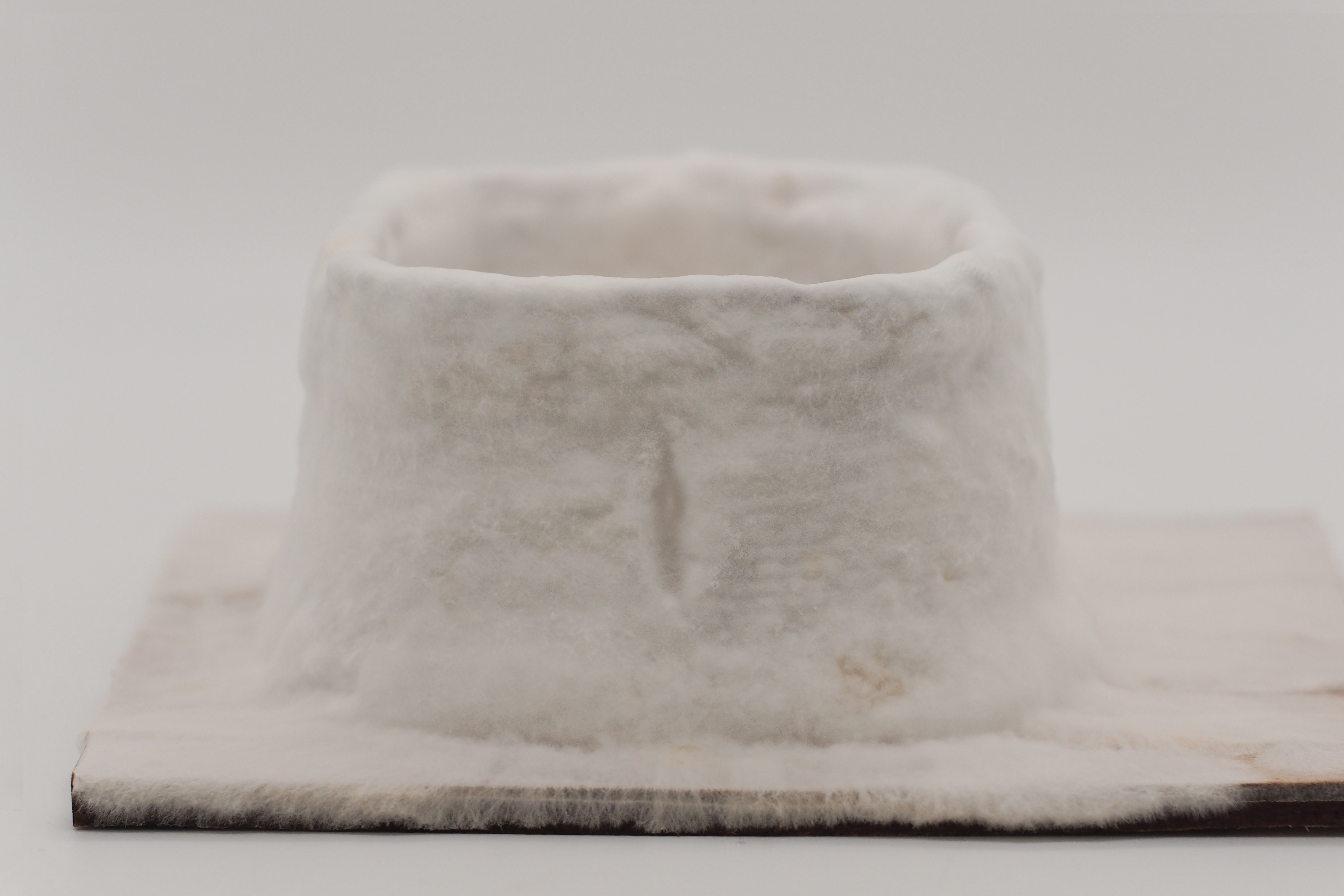
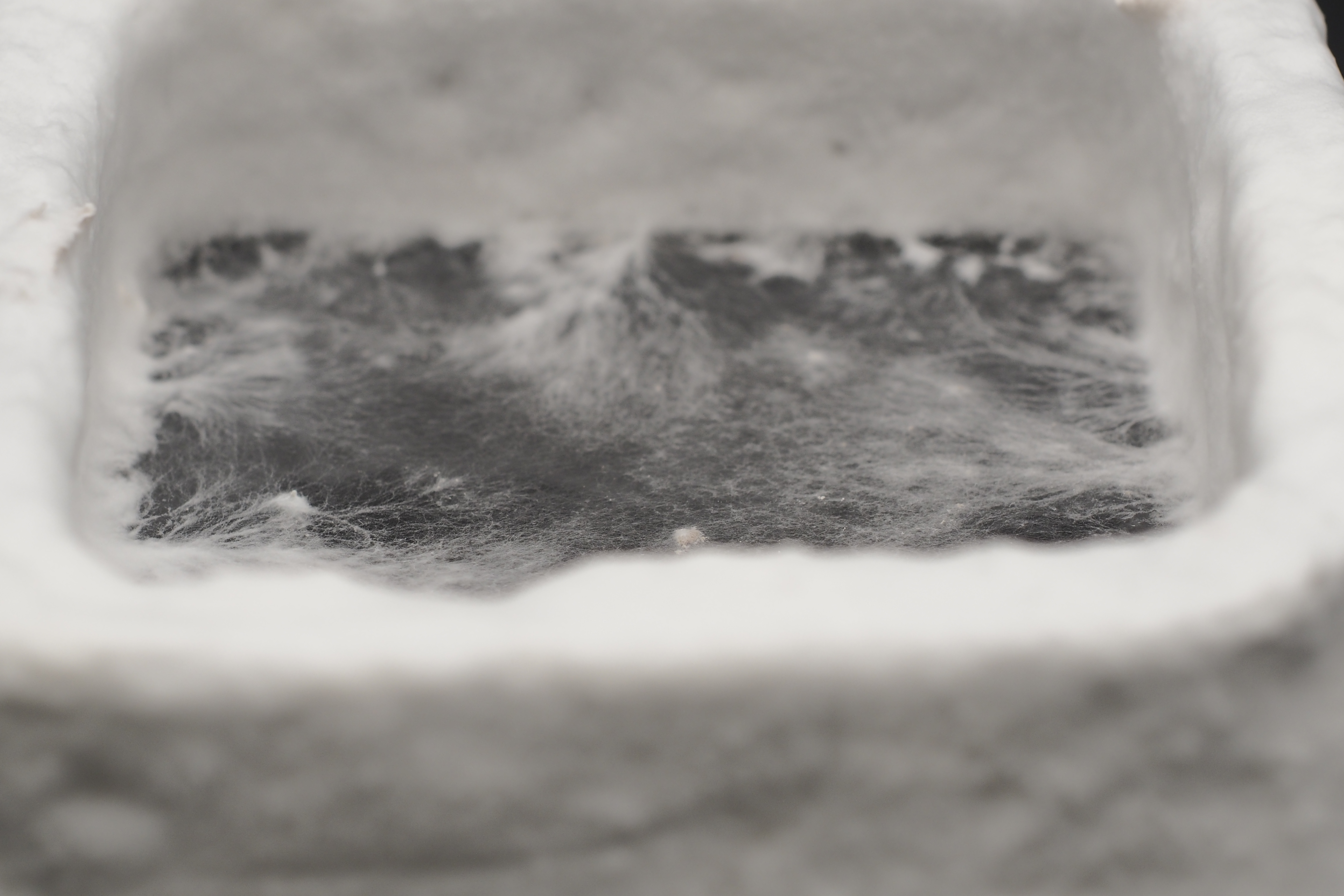
Fired ceramic waste is difficult to recycle and often ends up in landfills. This project explores a novel upcycling approach combining digital fabrication and fungal growth. A thin “mycelial skin” forms across clay structures, reinforcing the material while creating living textures. The resulting clay–mycelium composite suggests a circular material for architecture and interior spaces.
Netherlands
National
It addresses urban-rural linkages
It involves a physical transformation of the built environment (hard investment)
Yes
2025-07-05
No
No
Yes
Individual
Each year, over 100 million tonnes of ceramic waste end up in landfills worldwide. It is challenging to recycle ceramic waste since the high-temperature firing process irreversibly transforms clay into a dense and inert material.
Innovationally, our project proposes a bio-integrated strategy to upcycle this waste by taking the advantage of fungi, which can enhance the binding of ceramic particles. Our core innovation lies in engineering the mycelial skin to act as a living binder and structural enhancer.
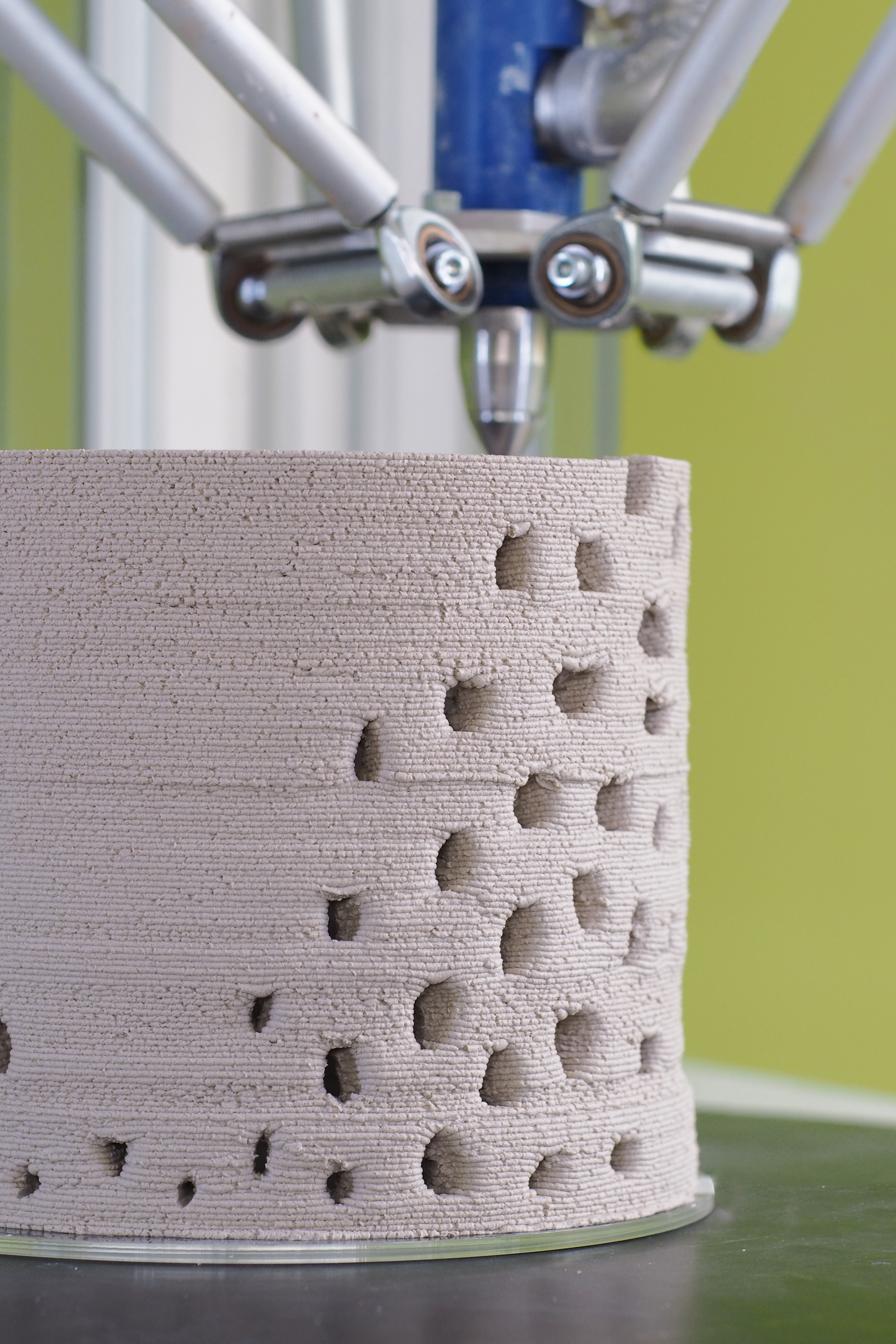
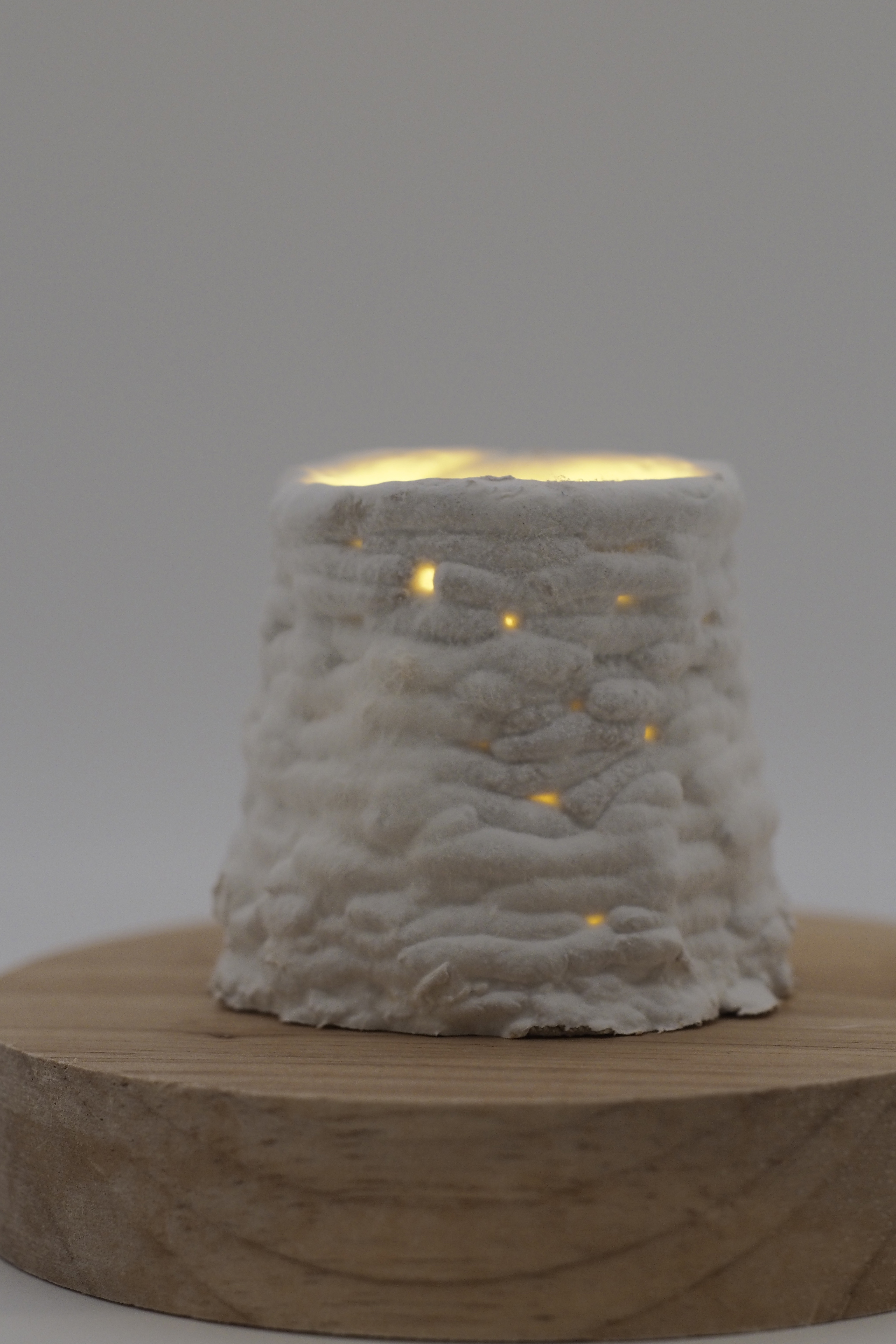
The novel route enables us to combine up to 35% recycled ceramic with the controlled cultivation of Ganoderma mycelium through clay 3D printing. The digital fabrication method allows precise control over structural parameters. As the fungi colonizes the porous, 3D-printed bodies, it bridges openings, reinforces the surface strength, and creates naturally pigmented textures. Growth parameters such as additive concentration influence the thickness and appearance of the mycelial skin.
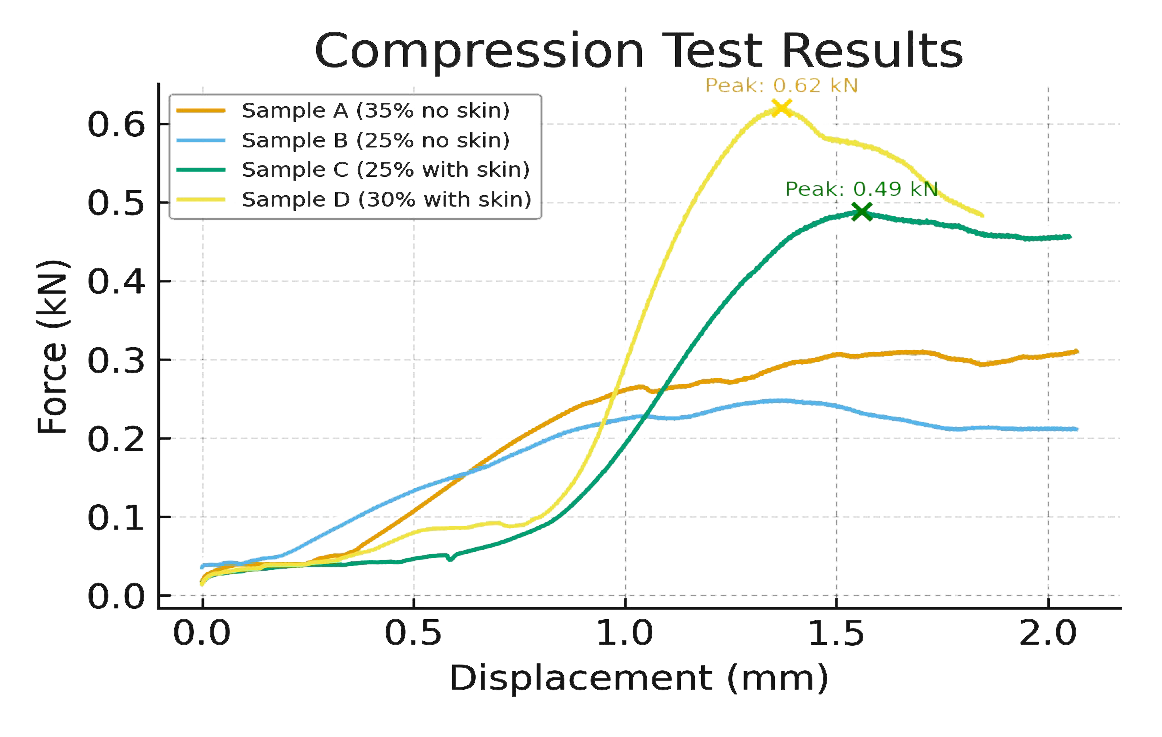
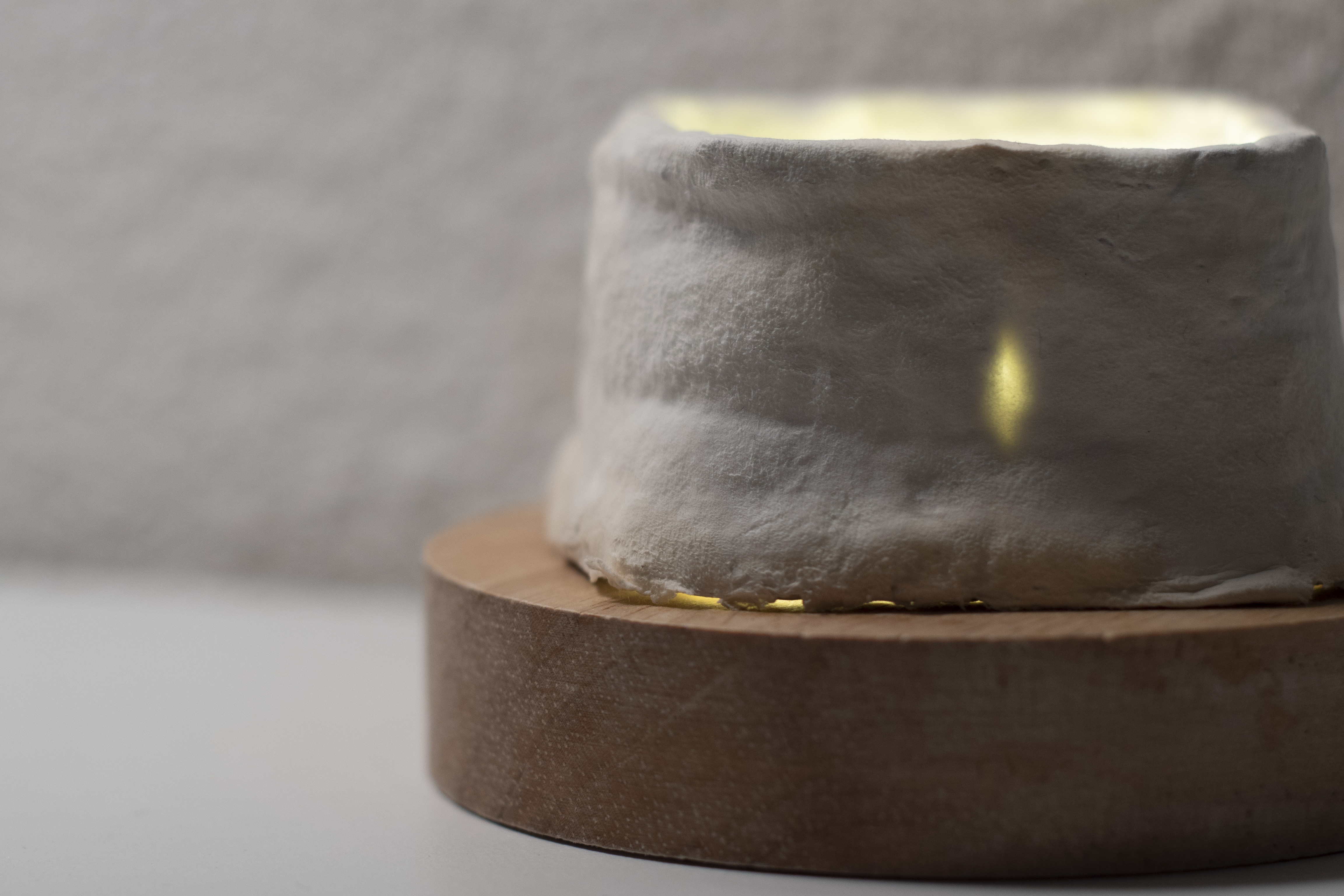
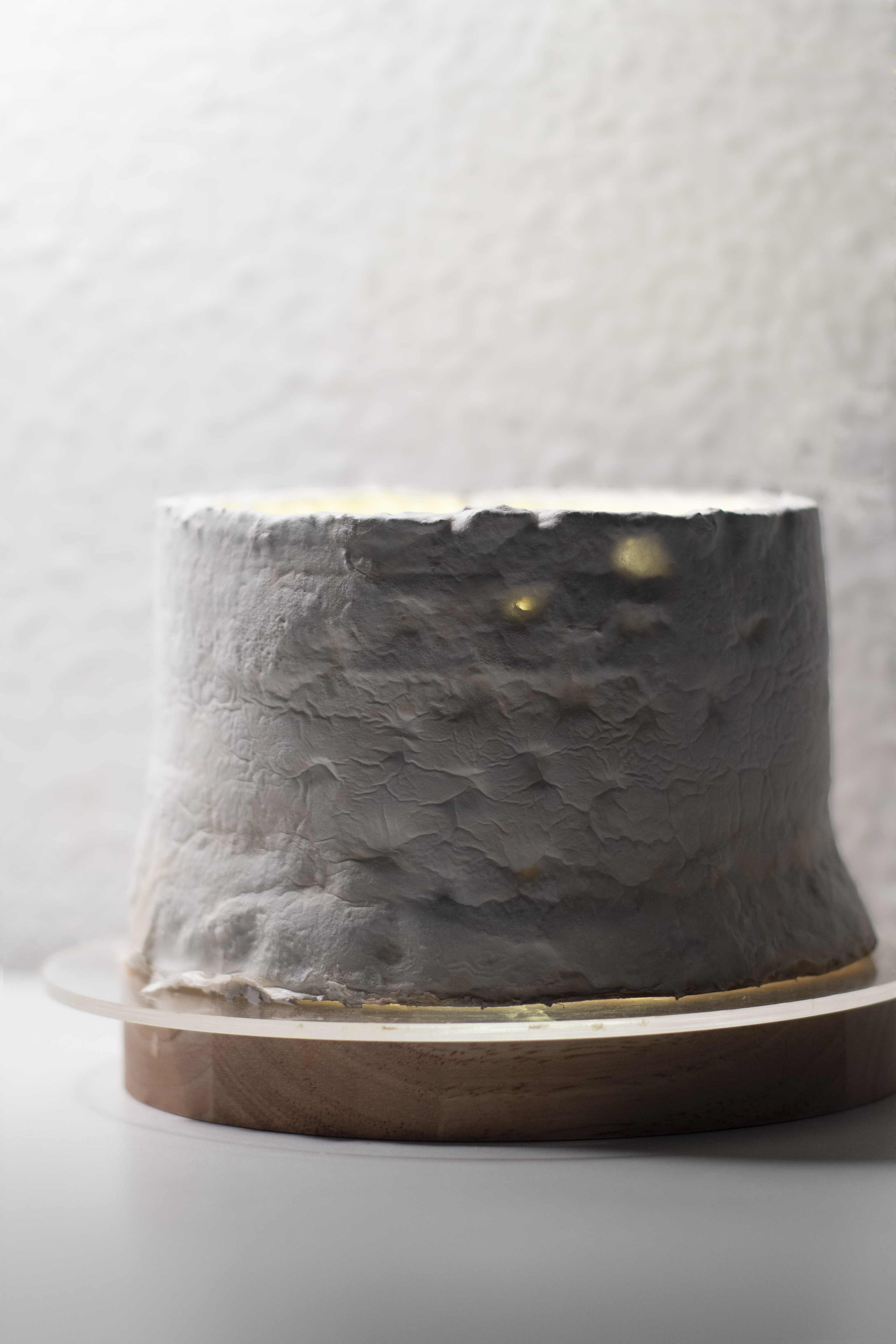
The technology enables the shaping of hybrid structures for recycled ceramic substrates. The resulting material shows up to 166.8% higher compressive strength than uncolonized samples. The translucent layer over porous geometries creates light-diffusing interface suitable for interior components.
Overall, this material could support circular construction and low-carbon architecture, where porous structures combined with mycelial skins act as light-diffusion, and structurally reinforcement while reducing industry waste.
The story of our project began with a fundamental material paradox: fired ceramics are among the most durable materials in human history, yet this irreversible firing process makes them notoriously difficult to recycle. Each year, over 100 million tonnes of inert ceramic waste end up in landfills worldwide. As a team bridging speculative bio-design and structural engineering, we sought to challenge this linear life cycle. what if we could use living biological systems to reactivate and bind this dead industrial waste into a new architectural material?
The waste was locally sourced from ceramic studios in Amssterdam. Our implementation started on the ground in the cross-disciplinary laboratories of TU/e. Bridging the lab research and industrial design, we initiated a bio-digital fabrication workflow. We began by milling discarded fired ceramics, subsequently developing a novel clay paste incorporating up to 35% of this recycled waste. To transform this inert mixture into a living composite, we introduced the controlled cultivation of the fungi.
We used parametric clay printing to precisely extrude customized, porous geometries. This digital approach allowed us to tailor the structural parameters necessary for the fungus to thrive.
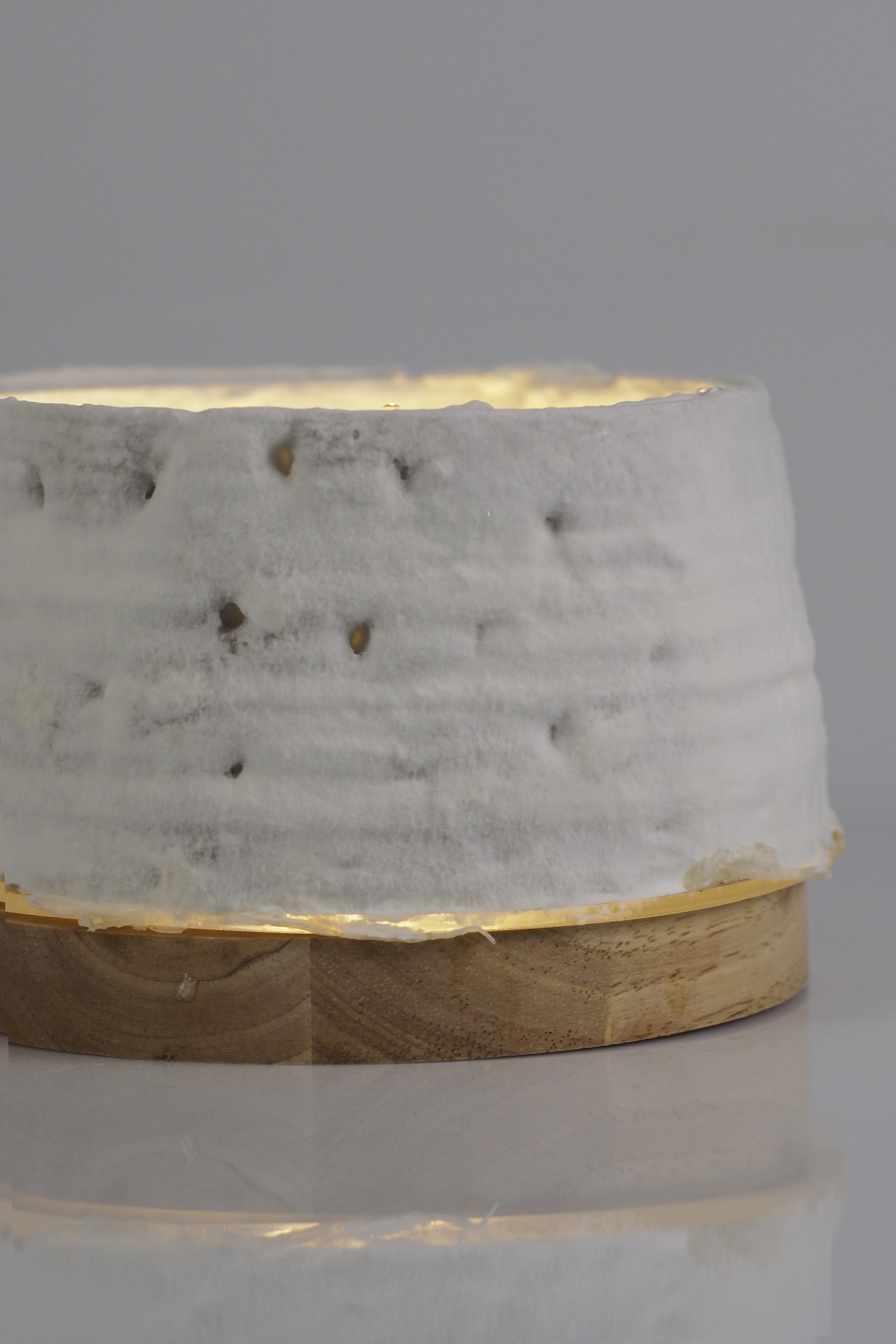
The physical results were transformative. The living mycelium colonized the printed substrates, acting as a biological binder. It formed a continuous skin that successfully bridged the perforated gaps in our 3D-printed designs. Crucially, mechanical testing revealed that this fungal skin increased the compressive strength of the recycled clay components by 166.8%. Beyond structural integrity, the mycelial layer introduced a striking organic aesthetic, offering translucency and light-diffusing qualities. By merging biology, digital fabrication, and waste upcycling, our project provides a tangible blueprint for circular architecture, transforming an industrial burden into sustainable, functional beauty.
Design with waste
Circular economy
Mycoremediation
Biofabrication
Regenerative material
Fired ceramic waste is widely produced in construction and demolition processes but is difficult to recycle due to the irreversible transformation caused by high-temperature firing. As a result, large quantities of ceramic debris are often downcycled or sent to landfills. This project addresses this challenge by developing a bio–digital fabrication approach that transforms recycled fired clay into a regenerative hybrid material.
The method combines computationally designed clay geometries with fungal colonisation. Porous clay structures are fabricated using digital clay extrusion, creating controlled cavities and surface conditions that support the growth of fungi. During incubation, the mycelium forms a cohesive “mycelial skin” that binds particles and bridges perforations across the clay substrate.
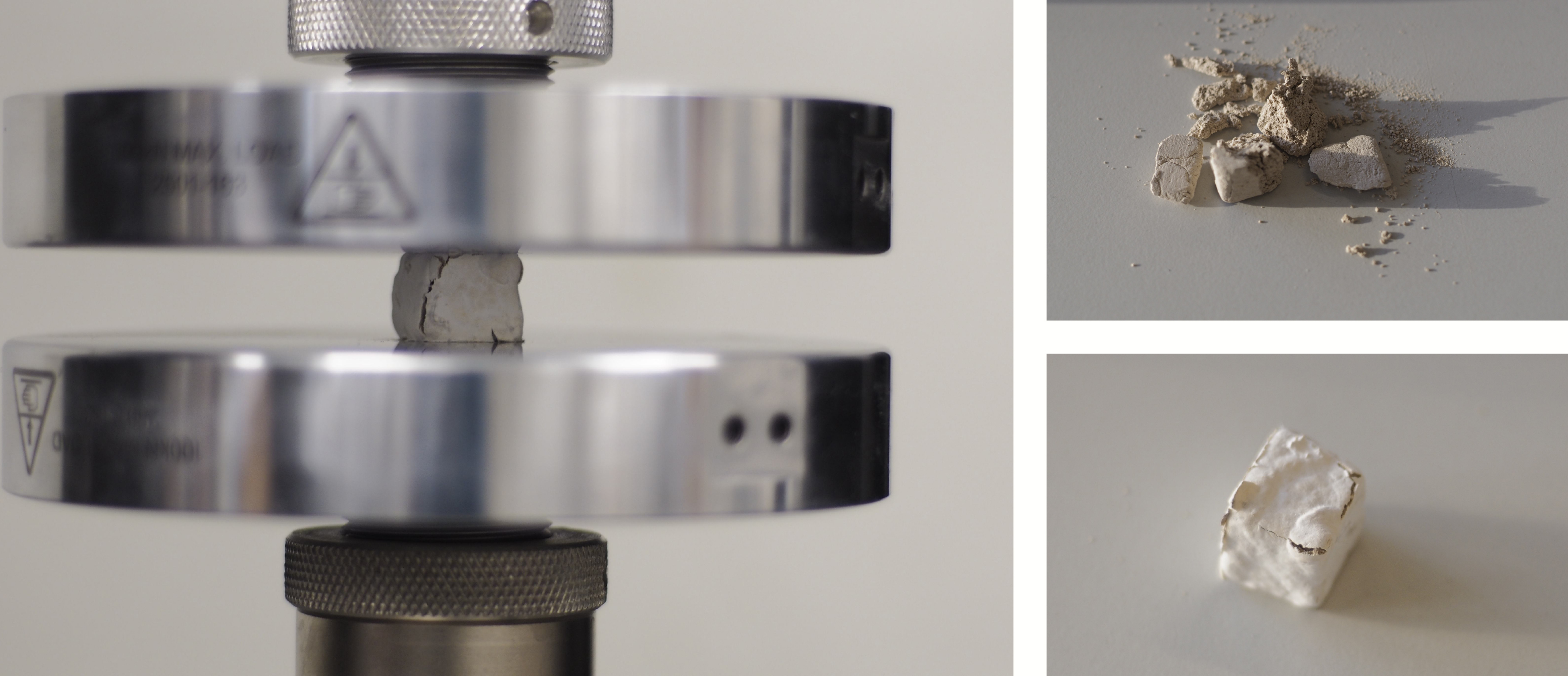
Experimental testing demonstrated that this biological layer significantly enhances material performance. Compression tests showed that samples with mycelial skin exhibited up to 166% higher compressive strength compared to uncolonised recycled clay structures. The fungi acts as a load-distributing shell, improving cohesion and limiting crack propagation.
Beyond improving material performance, the project proposes a circular construction material system. By transforming recycled ceramic particles into printable clay pastes and enabling biological reinforcement through fungal growth, the approach reduces reliance on energy-intensive industrial recycling processes. Instead of re-firing ceramics, the material gains new structural capacity through biological process.
The project therefore demonstrates how bio-integrated fabrication can transform inert construction waste into functional architectural materials, offering a low-energy pathway toward circular building practices and regenerative material systems.
This project explores how regenerative materials can introduce new aesthetic expressions in architecture by integrating our nature into fabrication processes. Rather than treating sustainability and beauty as separate concerns.
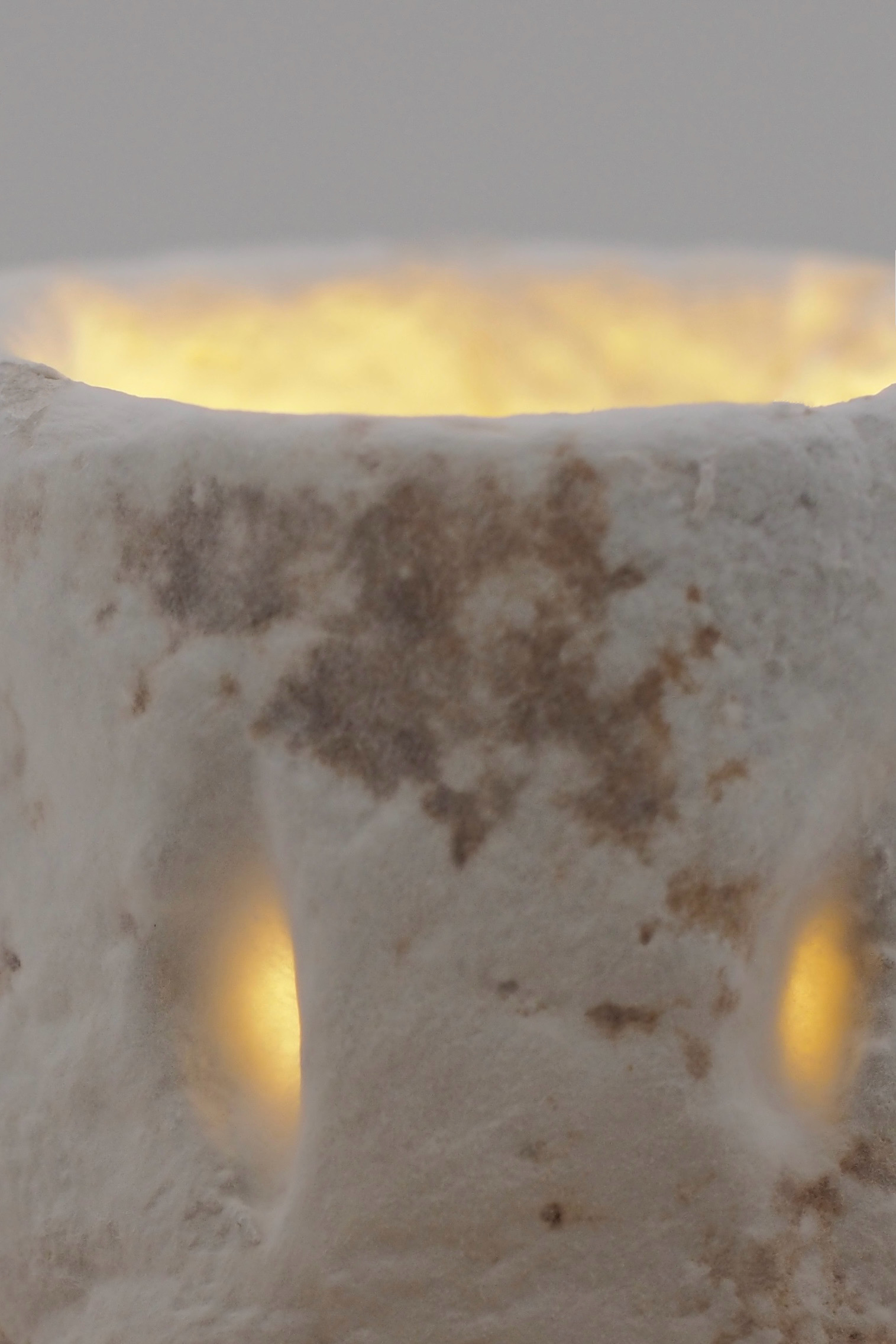
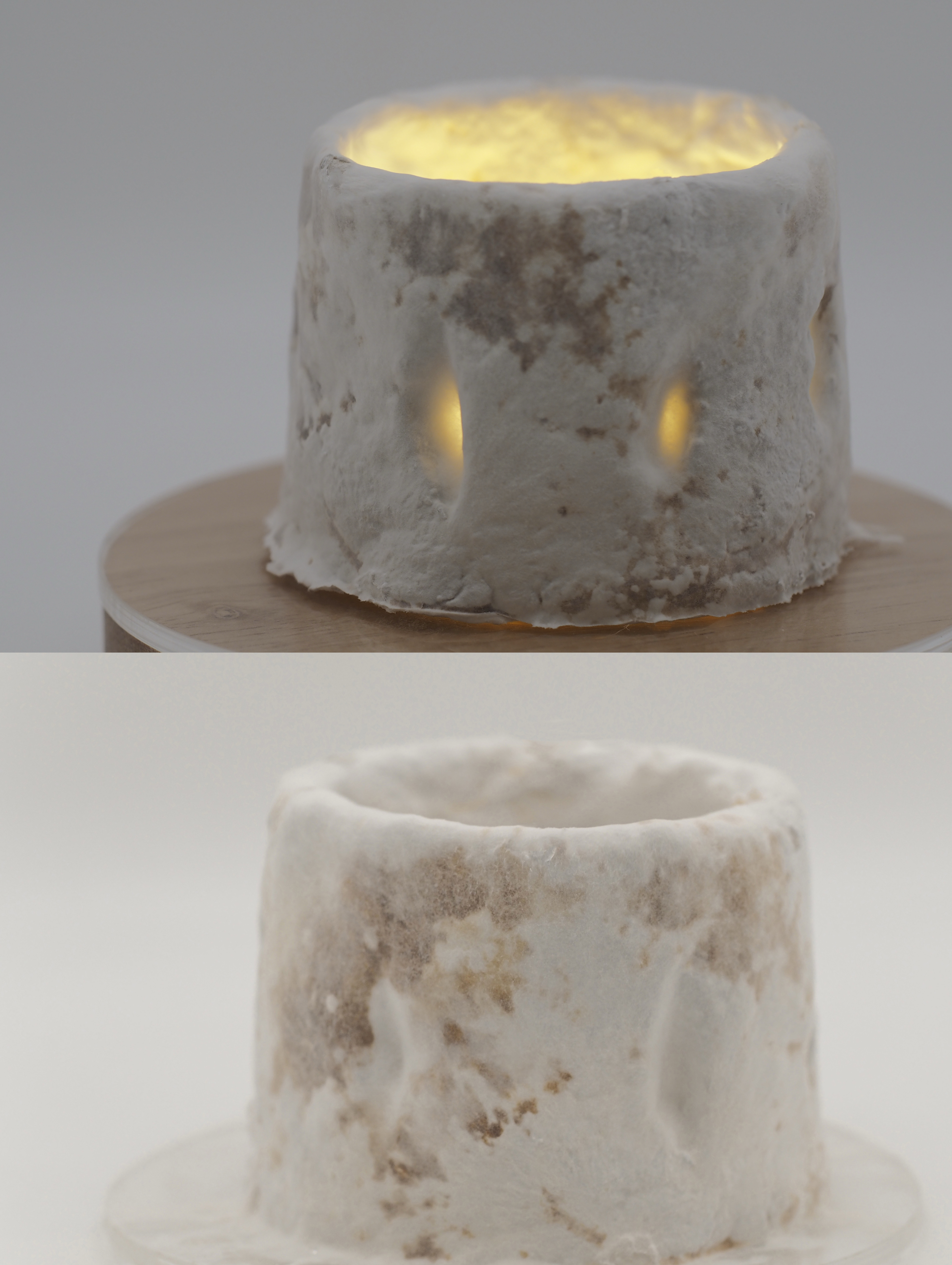
As mycelium colonises the clay structures, it forms a organic layer that transforms the visual and tactile qualities of the material. Due to the properties of negotiation between livingness and waste, the result often come across subtle uncertainty even the parameters are uncontrolled, these imperfection aesthetics resonate with Wabi-sabi concept in design context. During growth, the surface develops soft, velvety textures that contrast with the rigid ceramic substrate. After drying, the mycelial skin becomes more compact and leather-like, creating a tactile hybrid surface that combines mineral and biological qualities.
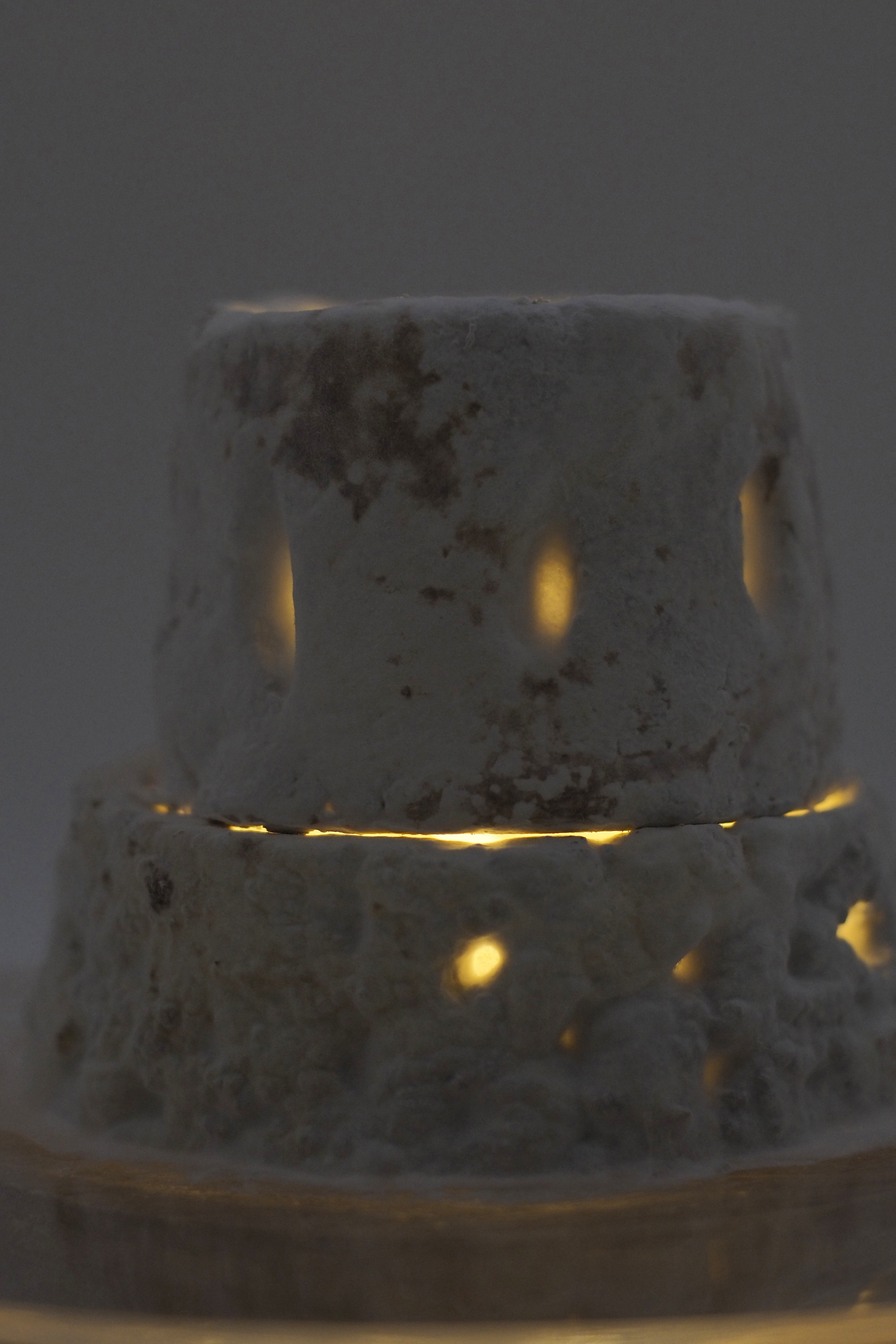
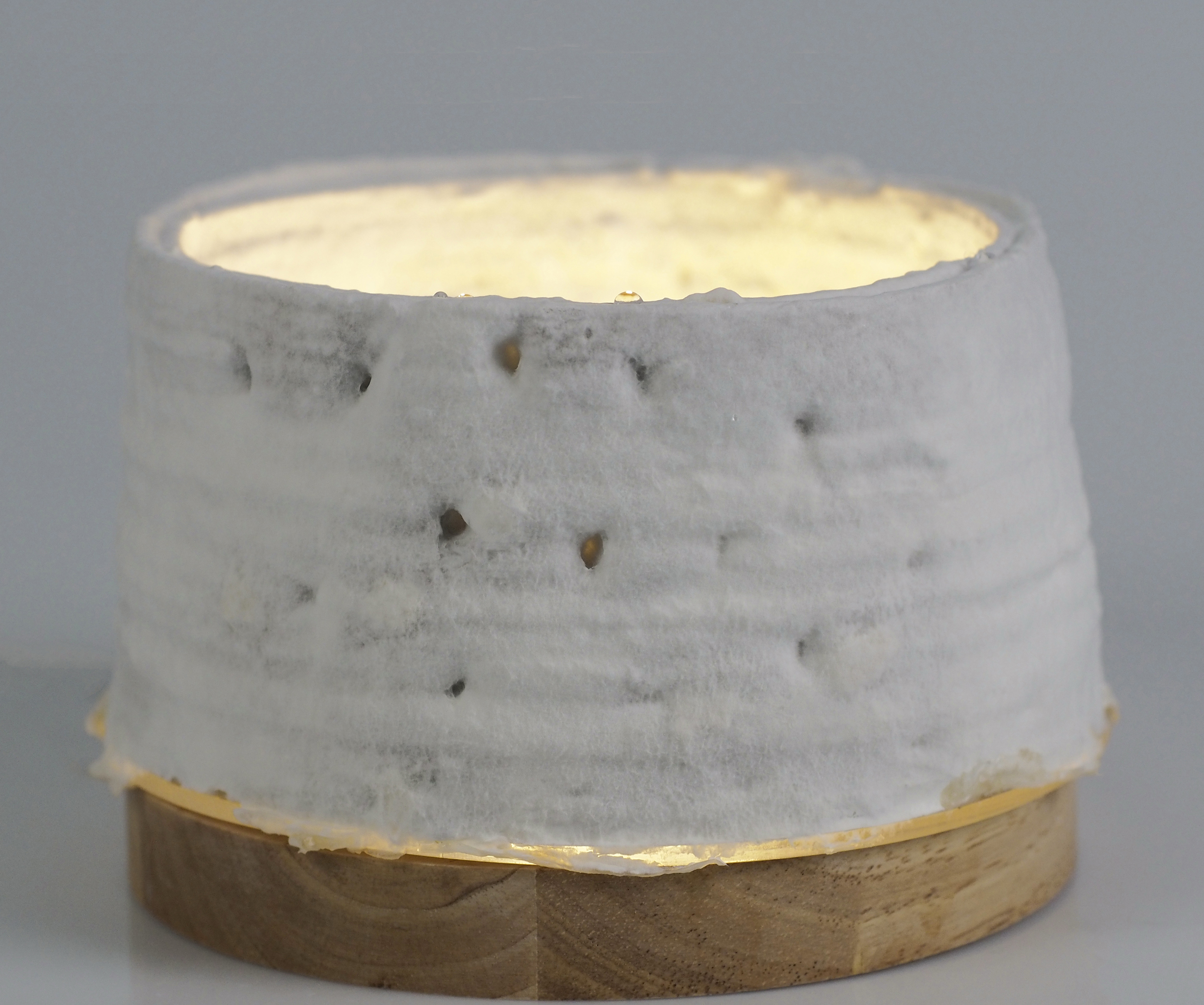
The mycelial skin is capable of bridging perforated geometries, forming translucent layer across openings. When backlit, these surfaces reveal subtle gradients of light and shadow, producing spatial atmospheres that cannot be achieved through conventional manufacturing. Variations in pigmentation and surface patterns emerge during the growth. These organic irregularities introduce a dynamic aesthetic, reflecting the living processes behind the material’s formation.
By making biological growth visible within fabricated structures, the project proposes a new aesthetic language for architecture, one that celebrates transformation, material ecology and the collaboration between digital design and living systems. In this way, beauty arises not from decorative finishes but from the visible interaction between natural processes and human design. In the longer term, it fosters a sense of care for the local environment by transforming discarded resources, into functional architectural elements.
The project contributes to inclusive and accessible material systems by proposing a method that enables the local reuse of construction waste. Fired ceramic debris is widely available in urban environments, yet it is rarely reintegrated into new building processes due to technical and economic barriers. By transforming this waste into a printable clay substrate that can be biologically reinforced, the project suggests a new pathway for decentralized material production.
The fabrication process combines relatively accessible technologies—such as clay extrusion and controlled biological growth—with locally sourced recycled materials. This opens the possibility for small-scale workshops, maker spaces, or community fabrication labs to produce bio-hybrid architectural components without relying on energy-intensive industrial infrastructure.
Because the reinforcement mechanism emerges through fungal growth rather than additional industrial processing, the approach has the potential to reduce both material costs and environmental impact. The resulting clay–mycelium composites could be used for interior elements, architectural surfaces or lightweight structural components, making regenerative materials more accessible to a wider range of users and contexts.
Beyond technical accessibility, the project also promotes a cultural shift in how materials are perceived. By revealing the processes of growth, decay and transformation within built objects, it encourages greater awareness of material cycles and ecological interdependence. In doing so, the project contributes to a broader vision of architecture in which communities actively participate in circular material ecosystems rather than relying solely on extractive production models.
Our project's participatory approach actively engages local ceramic practitioners, the primary community affected by ceramic waste, and the broader public.
We collaborated with ceramic studios in the Netherlands to address their real-world challenge of disposing of irreversible fired clay. Rather than acting merely as material suppliers, the artisans were involved as contextual experts. They helped identify, process, and understand specific local waste streams. The involvement addresses actual industrial disposal needs rather than theoretical problems.
We collaborated with ceramic studios in the Netherlands to address their real-world challenge of disposing of irreversible fired clay. Rather than acting merely as material suppliers, the artisans were involved as contextual experts. They helped identify, process, and understand specific local waste streams. The involvement addresses actual industrial disposal needs rather than theoretical problems.
As an early-stage micro project, we focused on vertically connecting local SME practices with formal institutional frameworks, while aligning our outcomes with broader European sustainability goals.
At the local level, we engaged small-scale stakeholders, primarily ceramic studios in Amsterdam. Their role was to provide the practical context and raw material (ceramic waste). The added value of their involvement rooted our research in a local problem, ensuring our fabrication approach was designed to process actual industrial waste streams.
At the institutional and regional level, the project leverages the formal academic infrastructure of TU/e. As a research institution, TU/e provided facilities for structural engineering validation. The added value here was translating a local, craft-based waste problem into a scientifically validated material.
At a broader level, while our physical implementation is currently local, the project’s framework is explicitly aligned with European Circular Economy Action Plan By operating at the intersection of local craftsmanship and formal institutional research, we established a scalable blueprint. This multi-level connection ensures that a localized solution to fired clay waste can eventually be replicated in other regions facing the same challenges.
Our project is fundamentally transdisciplinary, integrating bio-design, digital technologies, material science, and structural engineering to create a regenerative material.
We leveraged parametric modelling software to engineer specific porous geometries and generated customized toolpaths for extrusion-based 3D printing. This digital fabrication approach allowed us to precisely control the physical micro-environments and void sizes required for the next discipline. Drawing on applied mycology and bio-design, we integrated the controlled cultivation of the fungus Ganoderma lucidum directly into the fabrication workflow.
To bridge these digital and biological processes, we formulated a hybrid paste combining up to 35% recycled fired ceramic waste with organic additives, successfully balancing the rheological demands of mechanical 3D printing with the nutritional needs of the mycelium. Finally, structural engineering methodologies were employed to validate the material. By conducting uniaxial compression test, we quantitatively proved that the biological growth enhanced the material's compressive strength by 166.8%.
By combining these diverse fields, the project moves beyond a conceptual material experiment, offering a tested, bio-integrated system for sustainable architecture.
The project explores the development of a bio–digital fabrication system that transforms waste into a new circular material. The business model is based on combining material innovation, digital fabrication services, and circular construction solutions.
At the core of the model is the production of clay–mycelium composite derived from recycled ceramic waste. These components can be used in lighting fixtures, interior architecture, acoustic panels, facade systems or spatial installations. Their unique combination of structural reinforcement, low-carbon production and distinctive biological aesthetics positions them within the growing market for bio-based and circular building materials in Europe.
Revenue streams could emerge through several complementary activities. The fabrication of bio-hybrid components for designers, architects and cultural institutions seeking sustainable alternatives. Second, the development of design collaborations and research partnerships with studios and public institutions working on sustainable building innovation.
Because the material system relies on widely available construction waste and biological growth rather than energy-intensive industrial processing, the production model has the potential to operate at local and distributed scales. This creates opportunities for regional circular material ecosystems while reducing transportation costs.
In the longer term, the project could evolve into a platform that connects waste material streams, digital fabrication infrastructure and biological material growth, contributing to regenerative construction systems. By aligning with the circular economy, it aims to demonstrate how material innovation can strengthen both environmental sustainability and competitiveness in the future construction sector.
The project has potential for transferability as it is based on widely available materials, adaptable fabrication processes and biological growth systems that can operate in diverse environments.
The core material resource, fired ceramic waste is produced globally through construction, demolition and manufacturing processes. Since ceramic debris is commonly downcycled or discarded due to recycling challenges, the proposed approach could be applied in many contexts where such waste streams are present. The methodology of converting crushed ceramic fragments into printable clay substrates can therefore be adapted to local construction waste systems. The rest additive are commonly used in everyday life.
Second, the fabrication workflow combines digital design with relatively accessible clay extrusion technologies. Digital modelling allows structural geometries to be tailored to different local materials, while clay printing or extrusion can be implemented in a range of fabrication environments.
The biological reinforcement process relies on fungal mycelium, which is a globally distributed organism capable of growing on a wide variety of substrates. Because mycelium-based material systems have already been successfully cultivated in different climatic conditions, the “mycelial skin” reinforcement strategy could be adapted using locally available fungal strains.
Beyond architecture, the approach may also be transferable to other sectors that require lightweight structural materials or sustainable composites, such as interior design, furniture, acoustic panels or exhibition structures.
Taken together, these elements suggest a replicable framework for bio–digital circular material production, where local waste resources, digital fabrication tools and biological growth processes can be combined to create regenerative materials in different regional contexts.