Strengthening Local Democracy and Inclusion
CEF – Cultivating Empowerment & Futures
CEF – Cultivating Empowerment & Futures: Inclusive School Gardens for Youth Leadership
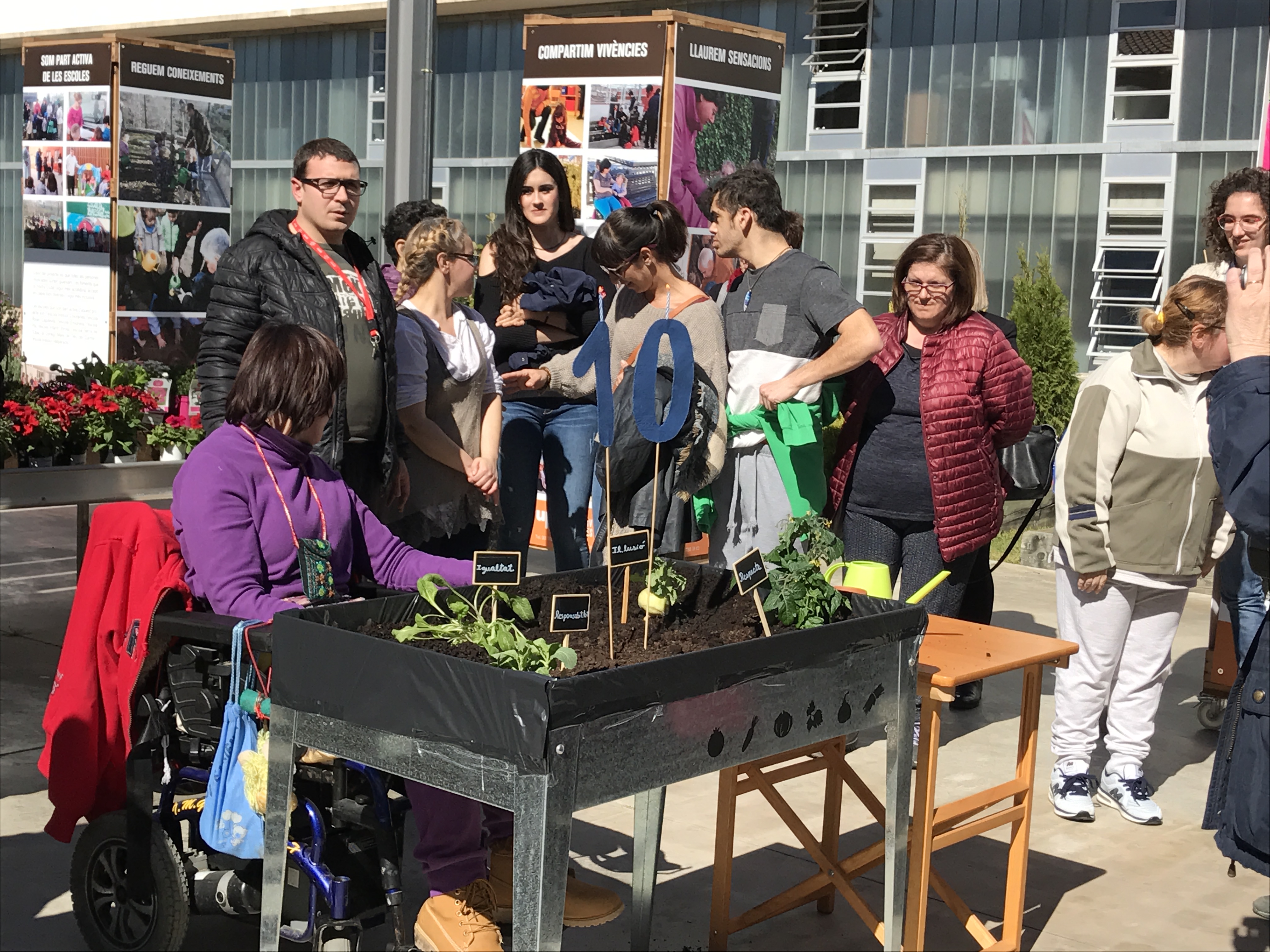
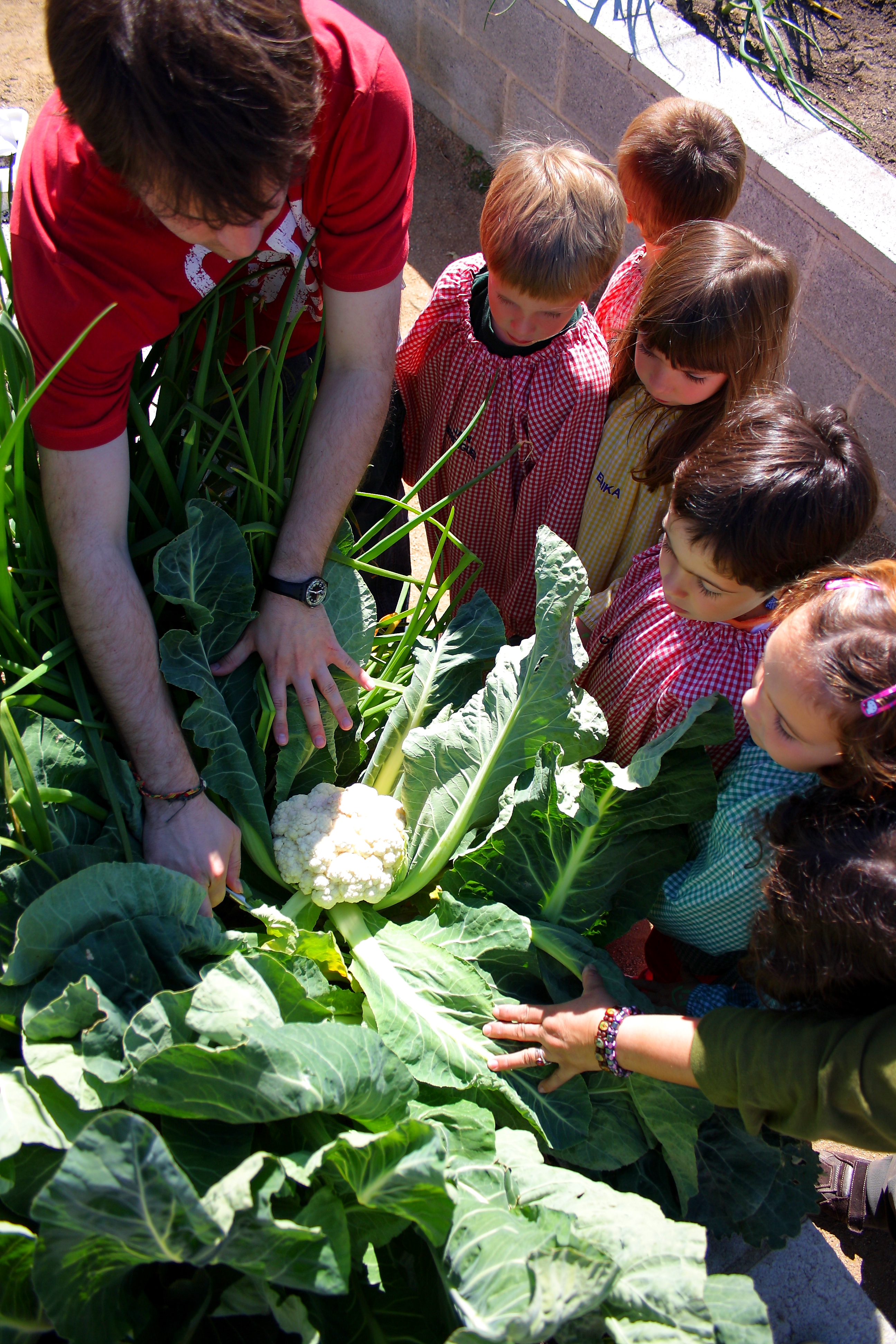
CEF transforms school gardens into living classrooms where children learn sustainability, healthy eating, respect for nature, and appreciation of diversity. Young people with intellectual disabilities lead activities as garden educators, while teachers and families engage in decisions and project development. The initiative promotes youth leadership, social inclusion, and community cohesion through a replicable model of experiential environmental education.
Spain
Local
Terrassa, Catalonia, Spain
Mainly urban
It involves other types of transformations (soft investment)
Yes
2025-12-15
No
Yes
BBVA
No
Organisation
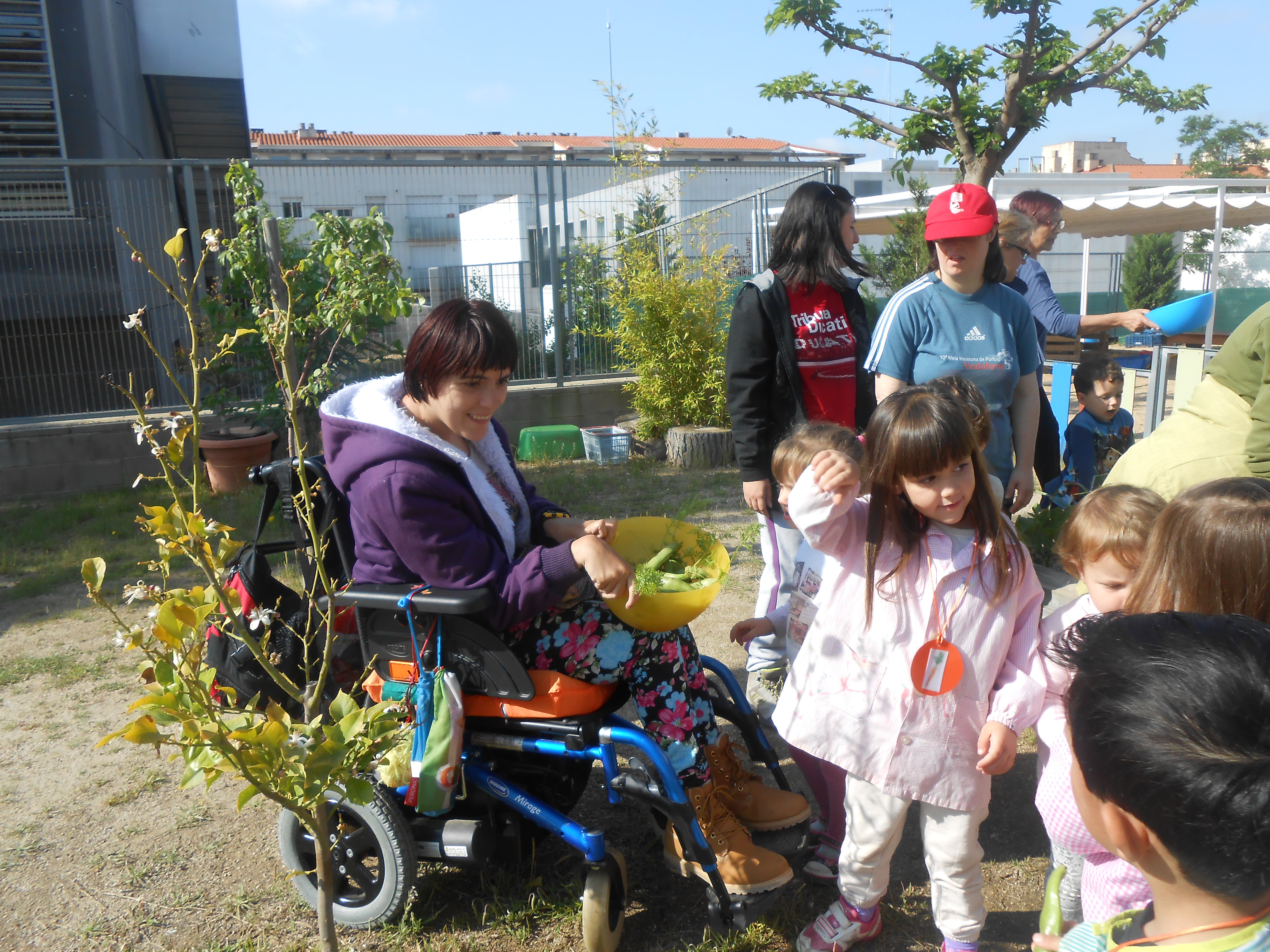
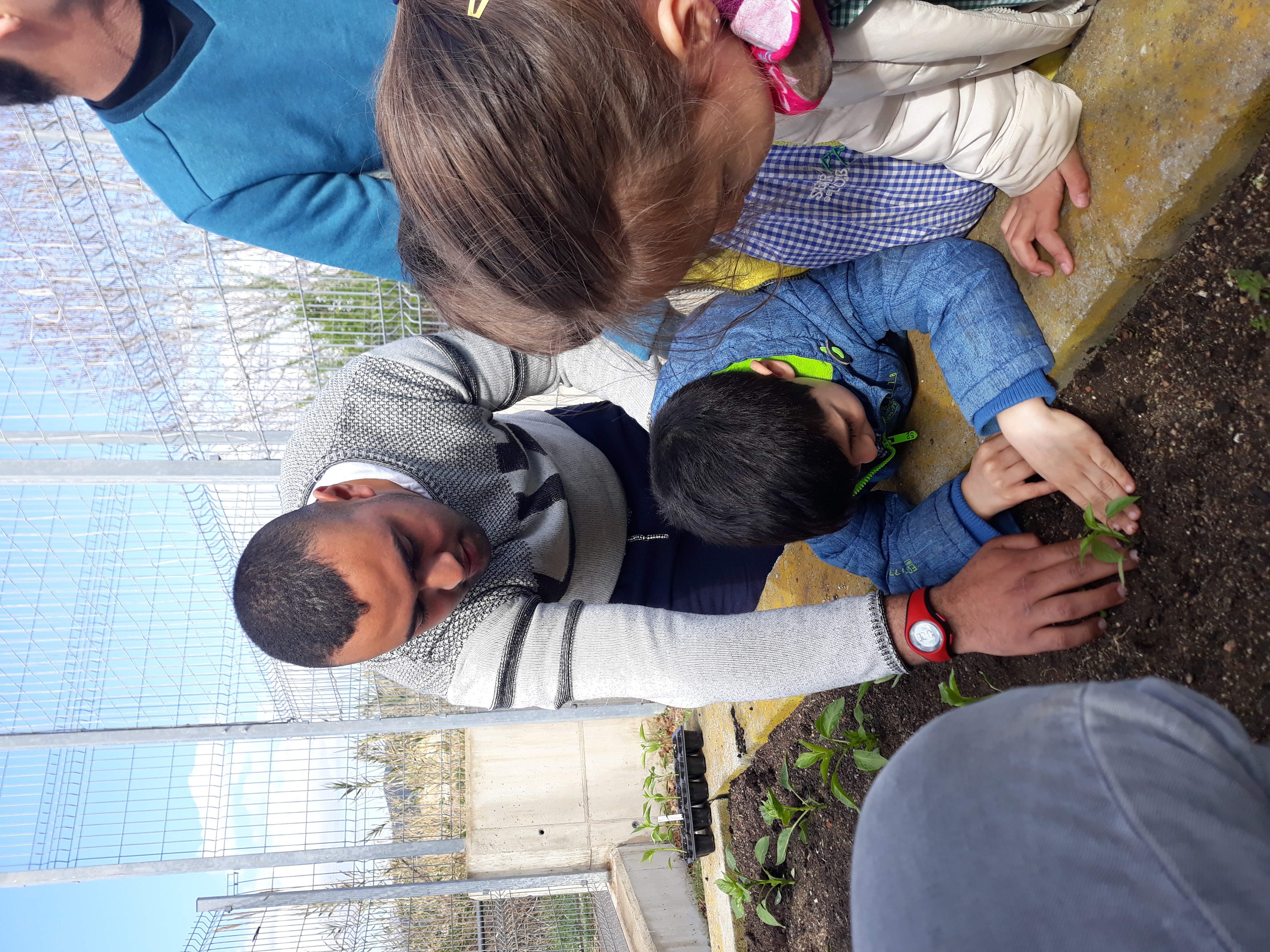
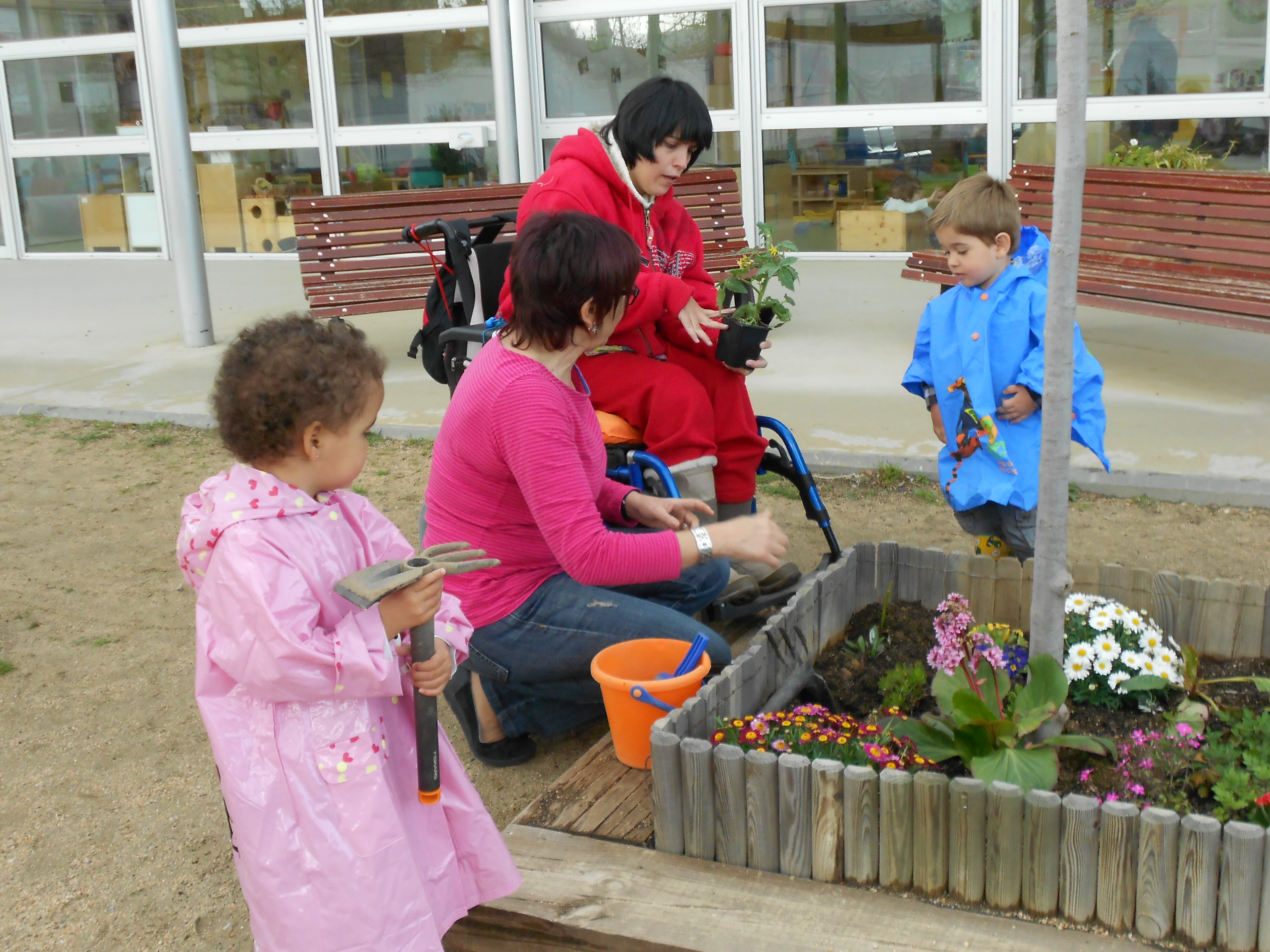
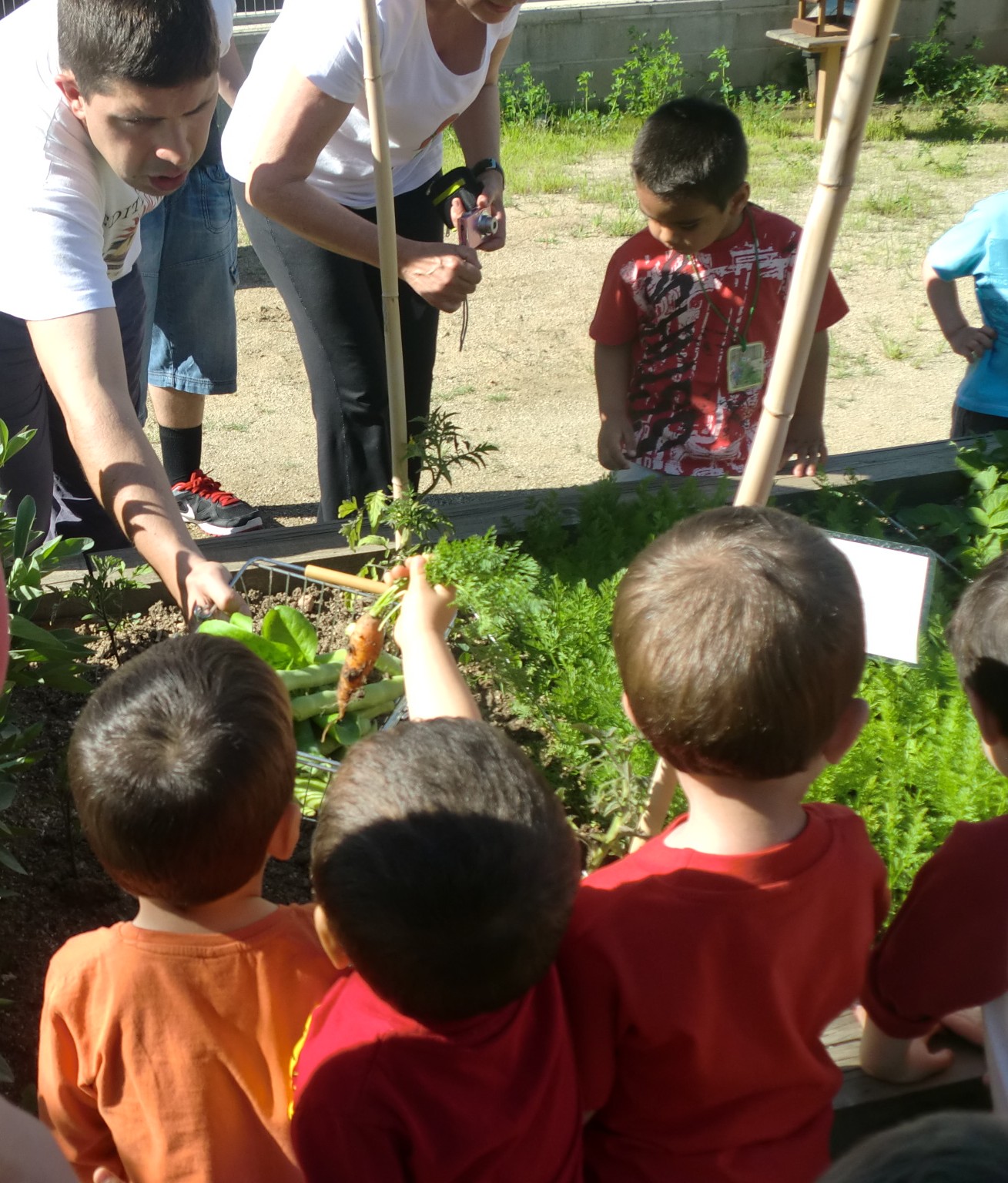
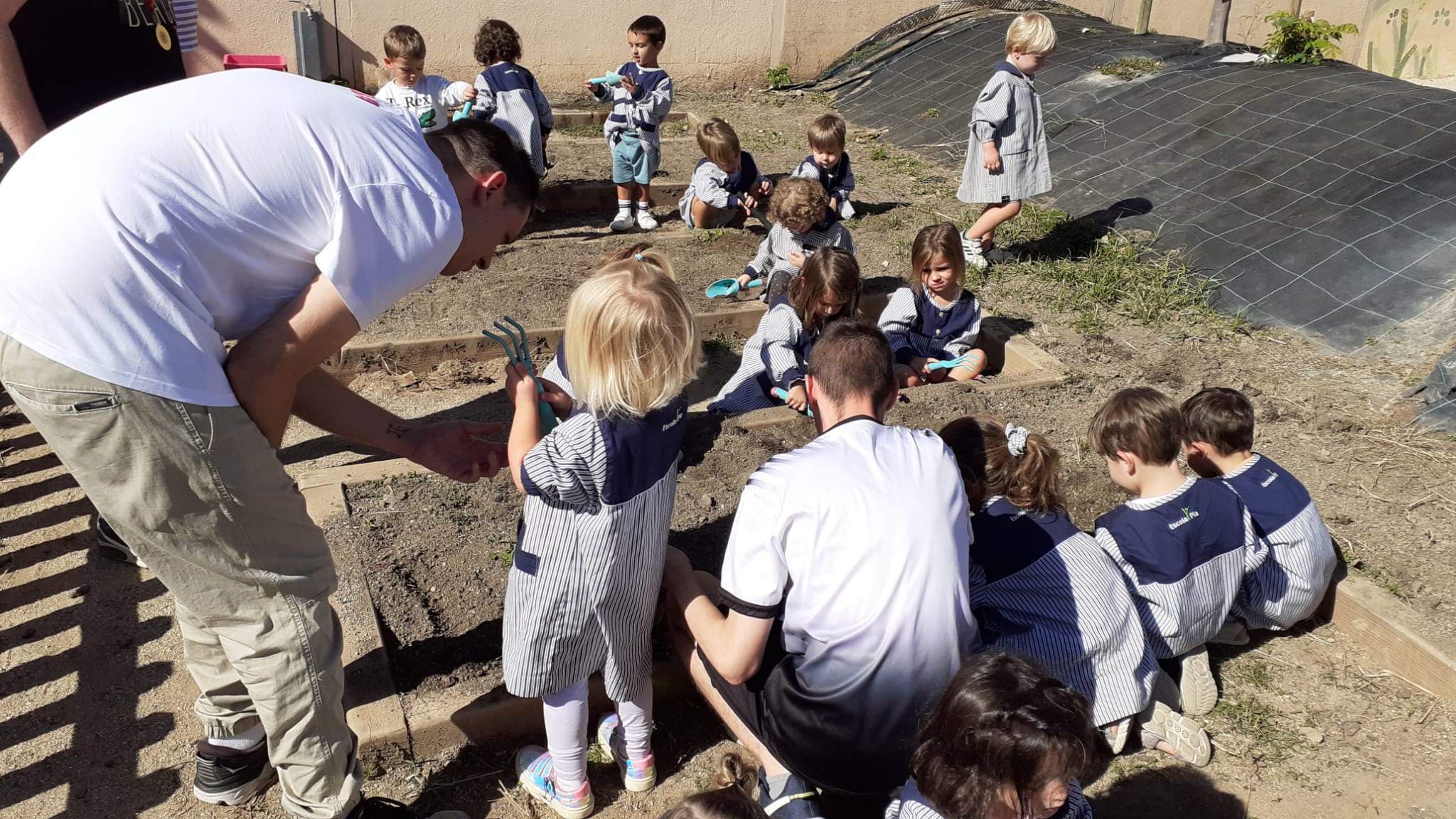
CEF – Cultivating Empowerment & Futures – was a service-learning initiative that transformed school gardens into living classrooms for social inclusion, environmental education and community cohesion in Terrassa (Catalonia, Spain). For more than twenty years, young people with intellectual disabilities from LaFACT led weekly educational activities in schools, guiding early childhood students in planting, caring for and harvesting crops. Families, teachers and schools also participated in decision-making and planning, promoting local democracy and shared community responsibility.
The project integrated school gardens as learning environments, combined with specialised training for young leaders, partnerships between social organisations, schools and local authorities, and structured community participation. Through this approach, young educators strengthened skills such as autonomy, leadership, communication and teamwork, while children learned about sustainability, healthy food and respect for diversity. These experiences fostered environmental awareness and inclusive values from an early age.
Each year, CEF involved hundreds of children and dozens of young people with disabilities, while generating wider impact among families and the educational community. The presence of young people with disabilities in visible educational roles strengthened self-esteem, promoted social recognition and helped break stereotypes.
The initiative became a consolidated local programme supported by public funding, municipal collaboration, organisational resources and private partnerships. Its model demonstrated strong potential for replication in other cities and educational contexts.
CEF illustrated the values of the New European Bauhaus by combining environmental and social sustainability through urban gardens and experiential learning, improving school environments and promoting inclusive participation through collaborative governance and transdisciplinary practices.
CEF emerged from a shared need identified by social and educational actors in Terrassa: to make visible the abilities of young people with intellectual disabilities, promote their inclusion through active social roles, and offer children experiential learning connected to nature. The school garden was identified as a common space capable of bringing together inclusion, education and sustainability.
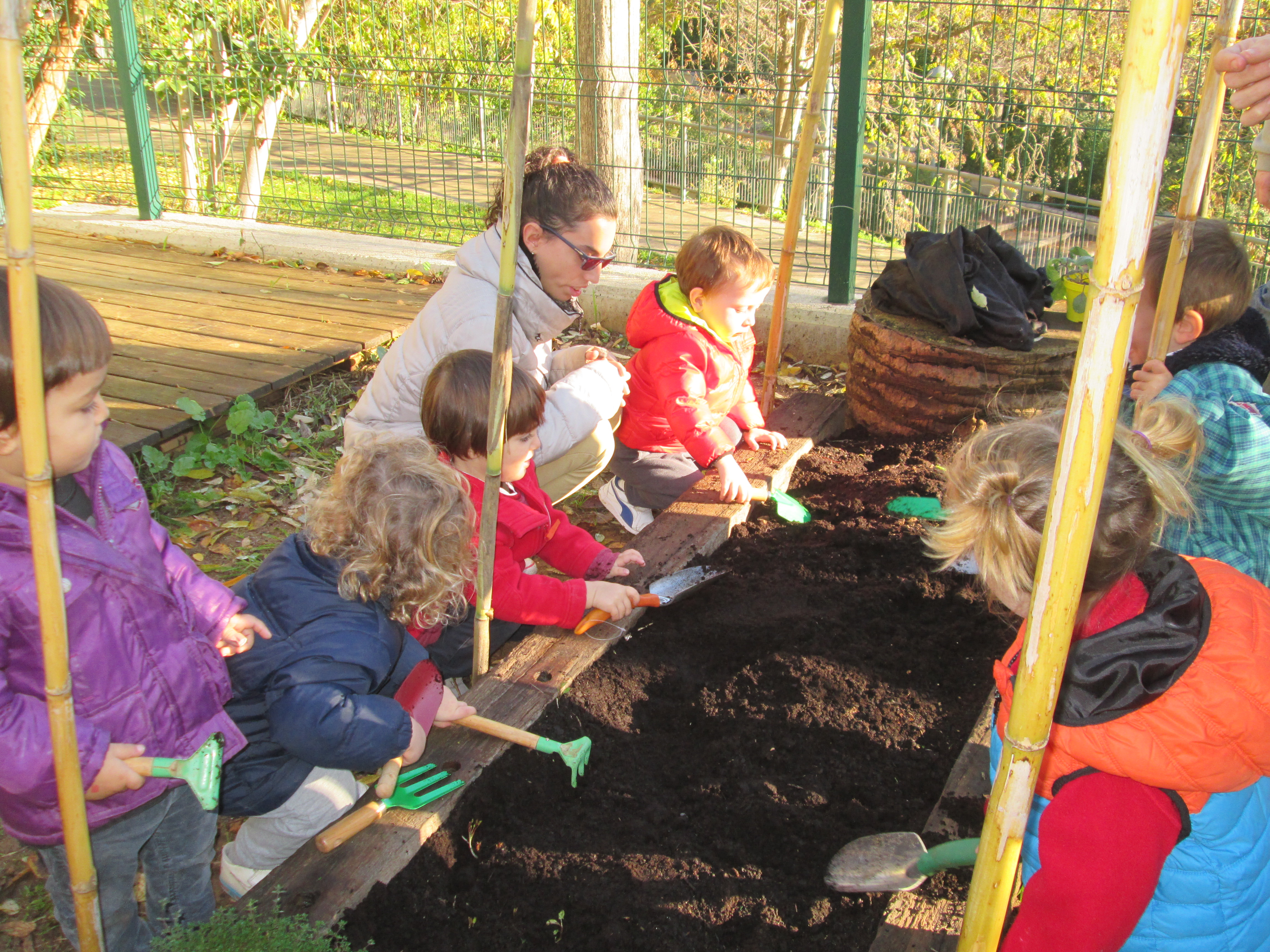
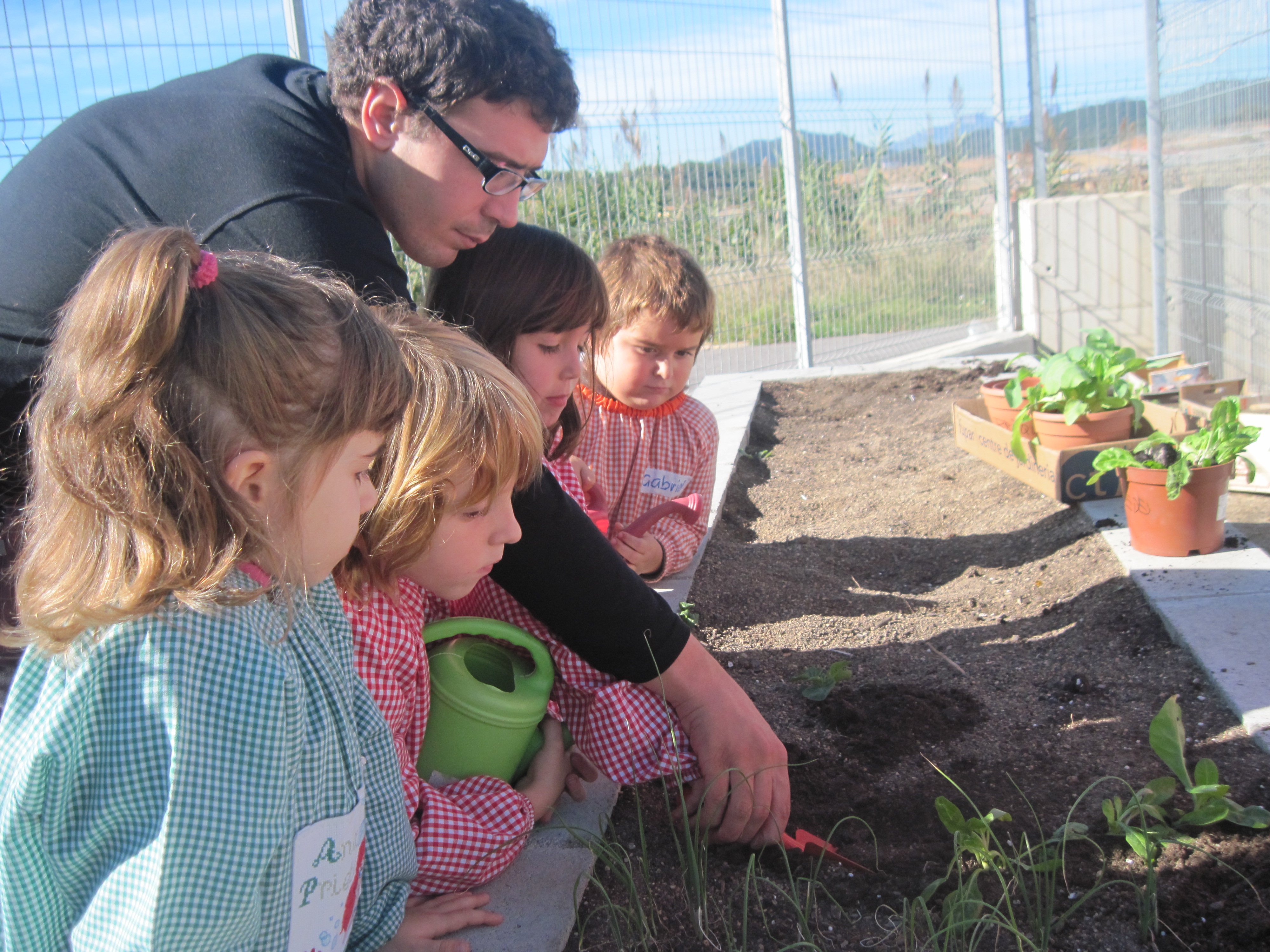
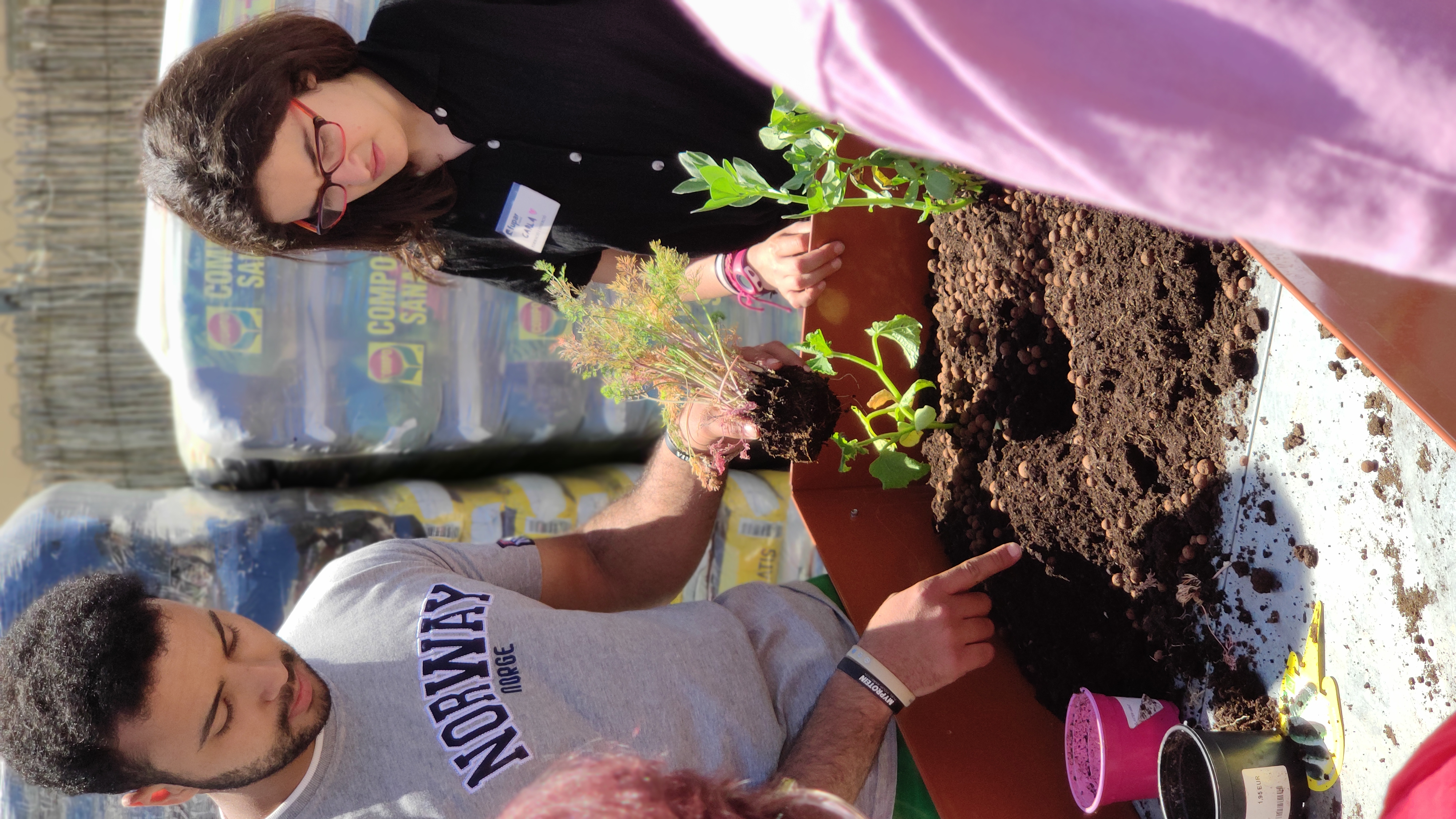
LaFACT trained young people with intellectual disabilities in urban horticulture, social skills and educational facilitation, enabling them to take on meaningful roles within the project. Partnerships were established with local schools to integrate the initiative into everyday school life. Participants gradually assumed the role of garden educators, guiding pupils in practical activities such as planting, caring for crops and harvesting, while teachers, families and schools participated in decision-making and planning.
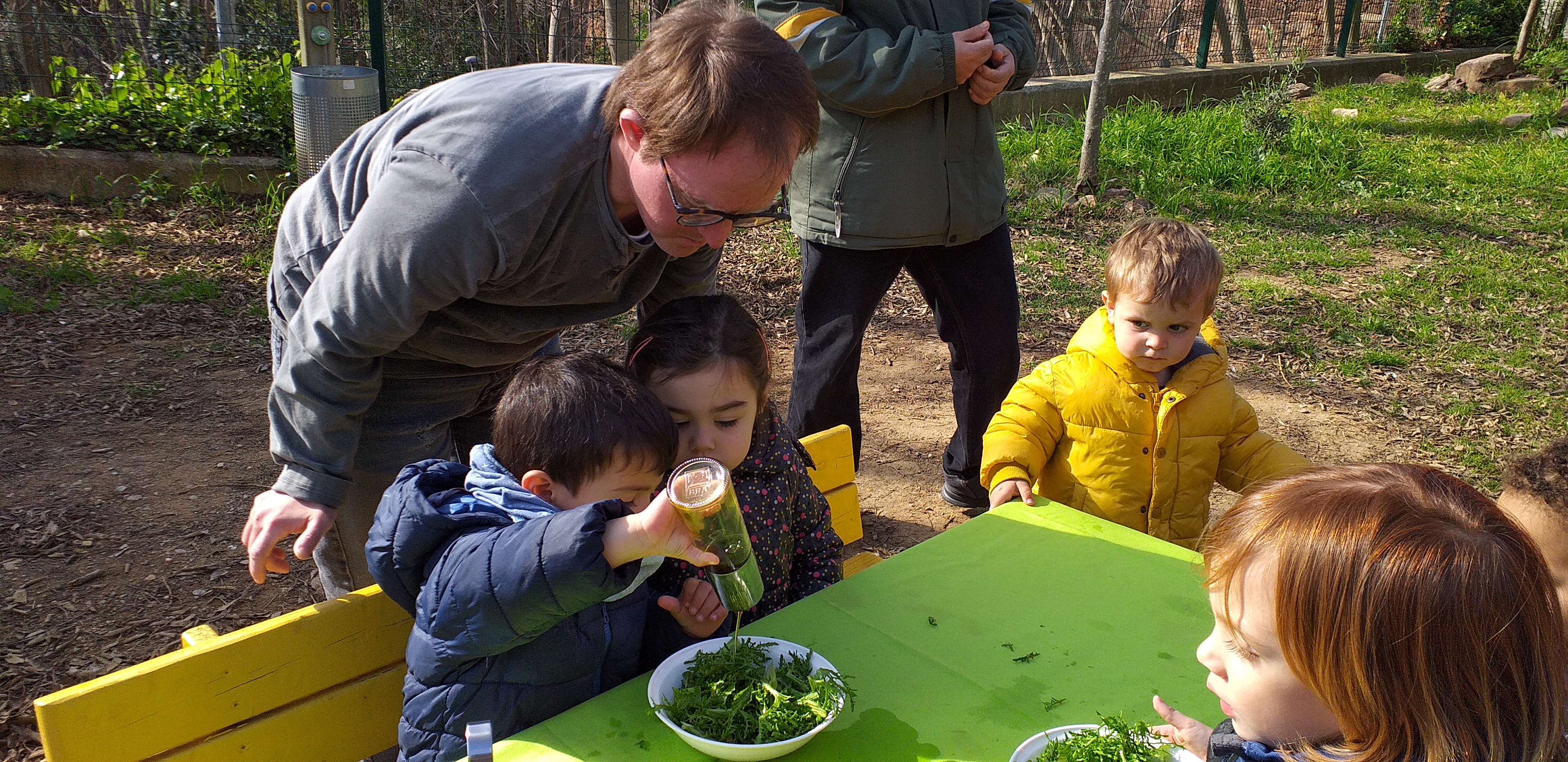
Through these regular sessions, the garden became a living classroom where children develop environmental awareness, healthy habits and values of coexistence and respect for diversity. At the same time, young educators strengthen autonomy, communication, teamwork and leadership skills while gaining recognition within the community.
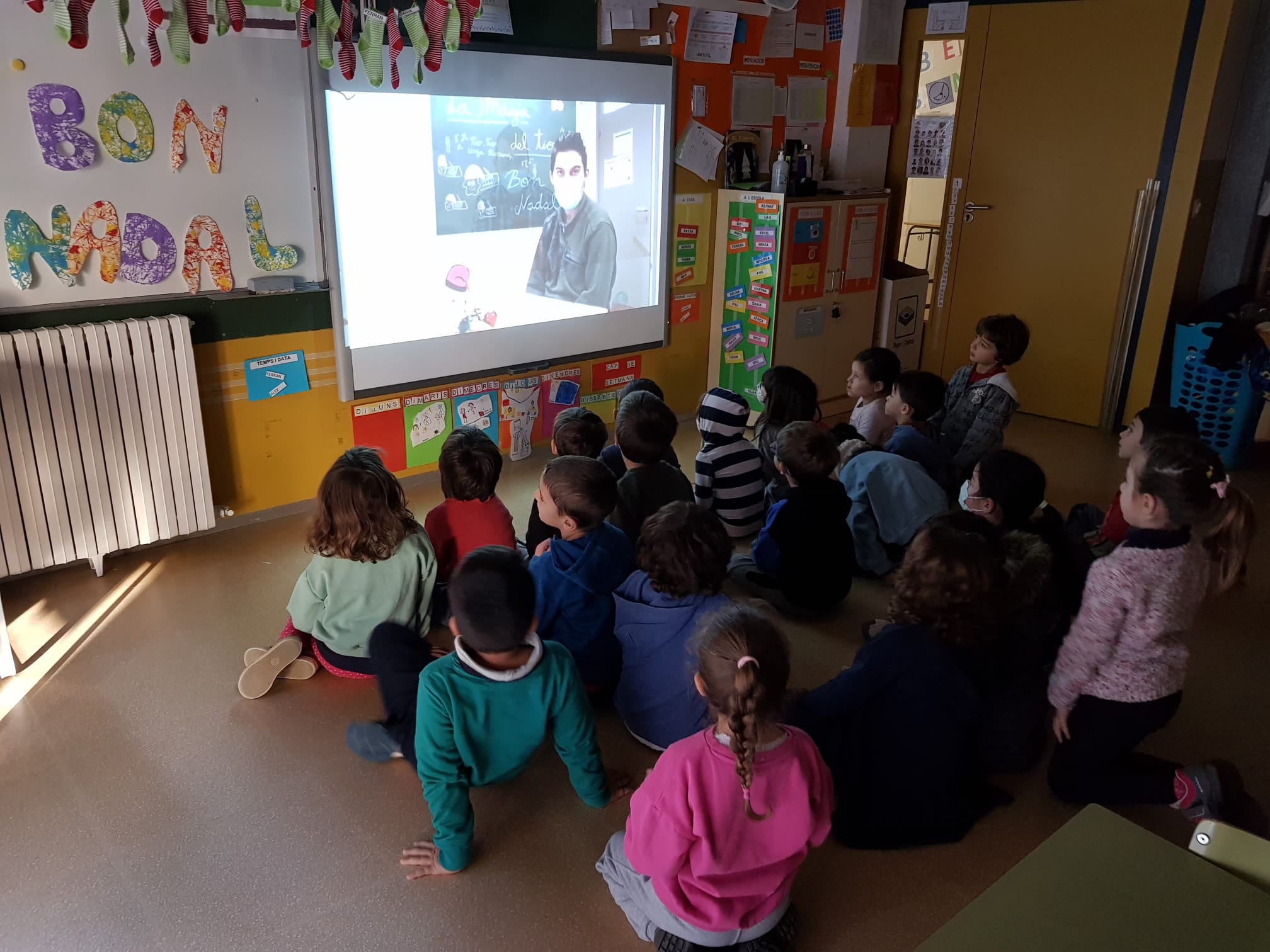
During the COVID-19 pandemic, the project adapted by developing pedagogical and audiovisual materials to ensure educational continuity. Accessible tools, including easy-to-read resources and pictogram-based guides, were created to guarantee participation and leadership of young people with intellectual disabilities.
After more than twenty years of development, CEF is deeply rooted in the local community and recognised as an innovative and replicable model that strengthens community cohesion, social inclusion and environmental education.
Social inclusion
Nature-based education
Youth leadership
Community co-creation
Urban sustainability
CEF integrates environmental and social sustainability through nature-based education and inclusive community participation.
From an environmental perspective, the project promotes urban ecological gardening in school environments and introduces children to sustainability from an early age. Through practical gardening activities, pupils learn about natural cycles, the origin of food, seasonal crops and responsible use of natural resources such as water and soil. The initiative encourages composting, reduction of organic waste and respect for local biodiversity, fostering environmentally responsible behaviour.
From a social perspective, CEF contributes to reducing inequalities by creating meaningful roles for young people with intellectual disabilities within mainstream educational settings. As garden educators, they guide children in environmental activities, strengthening their autonomy, confidence and participation in community life.
From an economic perspective, the model is efficient and sustainable. It builds on existing school infrastructures, uses local resources and relies on stable collaboration between social organisations, schools and local authorities. This structure ensures long-term continuity while generating strong social and environmental impact.
By combining inclusive education, environmental awareness and community engagement, CEF demonstrates how nature-based learning can become a sustainable driver of social transformation.
CEF improves everyday life by transforming conventional school spaces into vibrant green environments that promote wellbeing, learning and community connection.
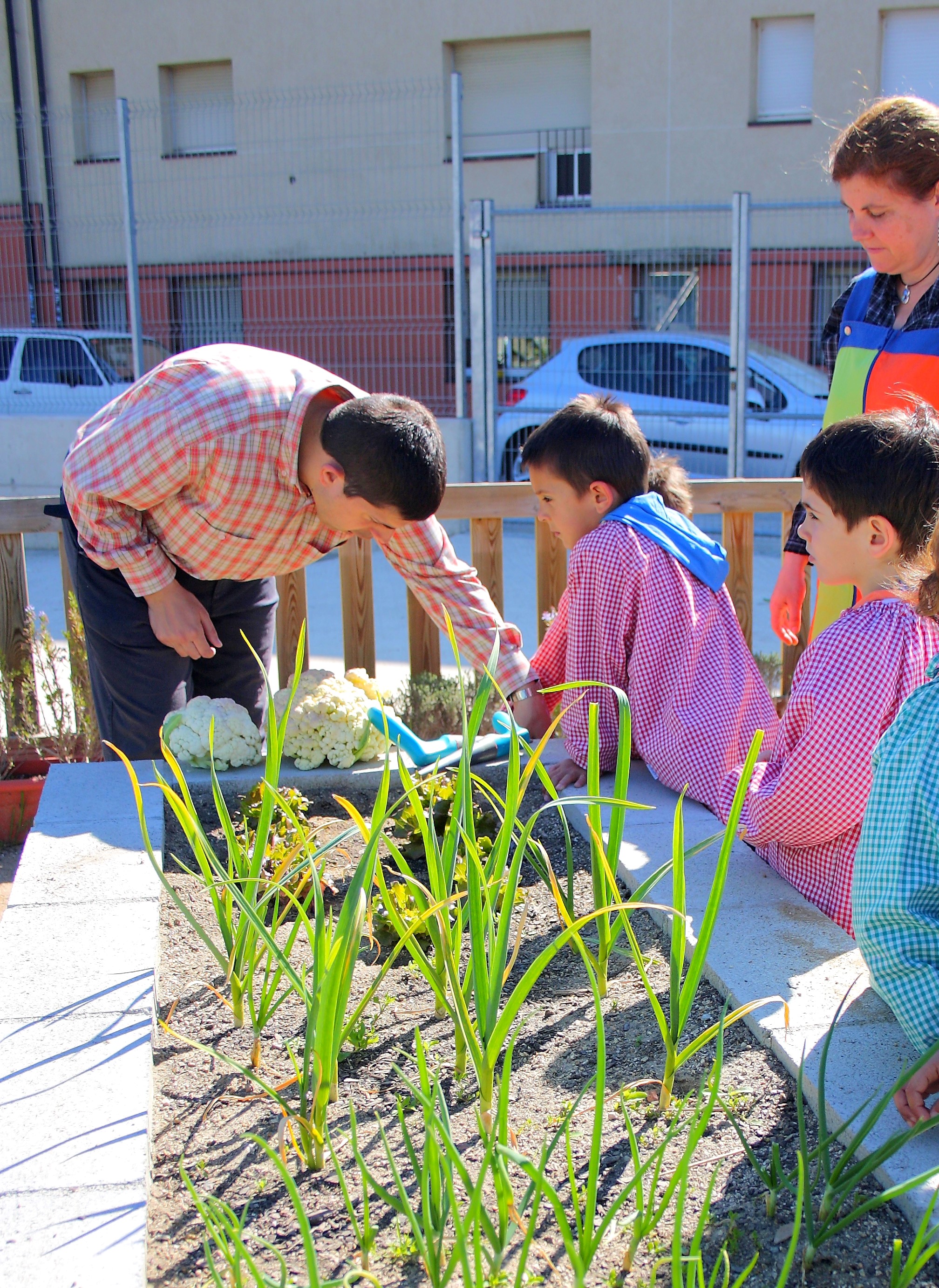
School gardens introduce colour, seasonal change and natural textures into schoolyards, creating welcoming and stimulating environments where children interact directly with nature. Watching plants grow, harvesting vegetables and caring for living spaces generates emotional wellbeing and strengthens the relationship between people and their surroundings.
The collective care of the garden transforms these spaces into places of encounter, shared learning and intergenerational exchange. Teachers, families, children and young educators collaborate in maintaining the garden, creating a sense of belonging and pride in the space.
The aesthetic dimension of the project is also social. The visible presence of young people with intellectual disabilities in educational roles contributes to a culture of diversity, dignity and inclusion within everyday school life. Their leadership challenges stereotypes and promotes a positive image of diversity in the community.
Through these transformations, the school garden becomes a place of beauty, belonging and collective care, where environmental awareness and inclusive social relations grow together.
Inclusion was the central and transformative axis of the project, promoting the active participation of young people with intellectual disabilities in mainstream educational environments, where they assume visible and socially recognised educational roles.
From the outset, the initiative aimed to integrate young people with intellectual disabilities as active educators within ordinary school settings, challenging structural social barriers and fostering everyday interactions based on respect, collaboration and mutual learning.
The project implemented adapted pedagogical methodologies, personalised support and individual mentoring to ensure accessibility for all and full participation of everyone involved. Educational activities were designed according to inclusive and “design for all” principles, allowing participants with different abilities to engage meaningfully in the programme.
The initiative also promoted relational inclusion. Continuous interaction between children, young educators, teachers and families generated mutual recognition, reduced stigma and strengthened social cohesion within the school community.
Inclusive governance was another key element of the project. Stable cooperation between the social organisation LaFACT, schools, families and the local administration ensured that different stakeholders were involved in the design, implementation and development of the initiative.
In this way, inclusion was experienced as a shared daily practice rather than a one-off action, reinforcing community belonging, democratic participation and social cohesion. Through this approach, the project offers an exemplary model of inclusive social innovation aligned with the values of the New European Bauhaus.
The project was co-designed and developed together with members of the local educational and social community.
Students, teachers, school leaders, families and the social organisation actively participate in all phases of the initiative: planning, implementation, evaluation and continuous improvement.
Children are not passive observers but active caretakers of the school garden. They engage in practical decisions, gardening tasks and educational activities, developing responsibility and environmental awareness through direct experience.
Young people with intellectual disabilities play a central role as garden educators, leading activities and supporting pupils. Their role ensures meaningful participation in community life while promoting inclusive interaction.
Families are involved through school activities, information sessions and community events, while teachers and school leadership integrate the project into pedagogical planning and contribute to its organisation and evaluation.
This participatory approach strengthens shared ownership, responsibility and long-term engagement.
The impact of participation is multi-layered. Young people with intellectual disabilities have increased autonomy, confidence and leadership skills, while gaining visibility and recognition, helping to break stereotypes. Children develop environmental awareness, healthy habits and inclusive values through interaction with diversity. Families and schools show greater involvement and stronger connections, contributing to a cultural shift towards inclusion and sustainability. At community level, the project fosters social cohesion, active citizenship and a replicable model of inclusive, experiential learning.
CEF was implemented through a strong multilevel governance model involving local, regional and institutional actors. LaFACT, as the promoting organisation, coordinated closely with schools, families and the Municipality of Terrassa, ensuring alignment with local policies on social inclusion, sustainable education and community cohesion.
Schools played a central role by integrating the project into their pedagogical planning and providing spaces and resources for the activities led by young educators with intellectual disabilities. Teachers and school leadership collaborated in the planning, implementation and evaluation of the gardening sessions, embedding the initiative within everyday school life.
The local administration provided institutional support, public visibility and connections with broader territorial strategies, reinforcing the legitimacy and long-term sustainability of the project.
This multilevel collaboration between the social organisation, educational institutions and public authorities enabled the consolidation of the initiative and its expansion across the city and its educational network. It also strengthened organisational stability and ensured continuity over time.
The involvement of actors at different governance levels facilitated knowledge transfer, reinforced the replicability of the model and increased its potential for scaling to other cities or regions. Through this collaborative governance approach, CEF demonstrated how inclusive and sustainable educational initiatives could build stable community networks and generate long-term social impact.
CEF integrated multiple fields of knowledge through a transdisciplinary approach in order to generate educational, social and environmental impact. The project combined early childhood education, applied pedagogy and service-learning methodologies with urban horticulture, sustainable agriculture and environmental sciences, creating practical learning experiences connected to nature.
It also incorporated elements of community social work and social inclusion, ensuring the active participation of young people with intellectual disabilities and fostering intergenerational interaction within the school community. This combination of disciplines made it possible to design inclusive educational activities adapted to different abilities and learning needs.
Through gardening activities used as living classrooms, children developed environmental awareness, responsibility and healthy habits, while young educators strengthened leadership, communication and teamwork skills.
This holistic and applied approach connected education, sustainability and social action within a single initiative. By integrating environmental knowledge, inclusive pedagogy and community engagement, CEF demonstrated how nature-based education can contribute to social innovation and community transformation.
The transdisciplinary model developed through the project also showed strong potential for replication, illustrating how education, sustainability and inclusion can be combined to address social and environmental challenges while aligning with the values of the New European Bauhaus.
CEF was based on a sustainable social business model combining public funding, municipal support, organisational resources and private collaborations. The initiative relied on strong institutional cooperation and optimised the use of existing school infrastructures and local resources, reducing operational costs while maximising educational and social impact.
The project was supported through partnerships with schools and the Municipality of Terrassa, which contributed to the implementation and long-term continuity of the initiative. Additional support came from public programmes, organisational resources and private sector collaborations.
CEF also benefited from institutional recognition, participation in public events and support from private organisations, including competitive awards funded by corporate foundations such as BBVA (Banco Bilbao Vizcaya Argentaria). These partnerships reinforced the visibility, credibility and sustainability of the initiative.
This diversified funding structure ensured financial stability and operational continuity over time. By relying on existing infrastructures, community collaboration and efficient resource management, the project maintained low operational costs while generating significant social and educational impact.
In addition, the model demonstrated strong potential for scalability and transferability to other cities, regions and educational contexts. By combining service-learning methodologies, youth leadership and school gardens as living classrooms, CEF created a financially sustainable and replicable approach that integrates social inclusion, environmental education and community engagement.
CEF demonstrated strong potential for replication across other territories, educational systems and social inclusion programmes.
The project applied a service-learning methodology combining experiential education, social inclusion and youth leadership through school gardens used as living classrooms. In these spaces, children and young educators developed practical competences related to sustainability, teamwork and environmental responsibility.
Key transferable elements of the model included:
Service-learning methodology: integrating school gardens as living classrooms combining environmental education, youth leadership and active participation.
Training of young leaders: capacity-building programmes in urban horticulture, social skills, applied pedagogy and educational facilitation, enabling young people with intellectual disabilities to take on meaningful educational roles.
Structured community participation: co-design mechanisms involving students, families, teachers and schools, promoting local democracy, shared responsibility and community ownership.
Inclusion and accessibility tools: adapted materials such as easy-to-read resources, pictograms and personalised mentoring to ensure full participation of people with disabilities and other vulnerable groups.
Institutional collaboration networks: stable partnerships between social organisations, schools and local authorities that ensured the legitimacy, sustainability and long-term impact of the initiative.
These components can be implemented in different urban or (rural) educational contexts without requiring major infrastructure investments, as the model relies on existing spaces and local resources.
As a pioneering initiative in the region, CEF became a reference for organisations seeking to combine environmental education, social inclusion and community development. Its structure allowed adaptation and scaling to other territories while maintaining educational, social and environmental impact.