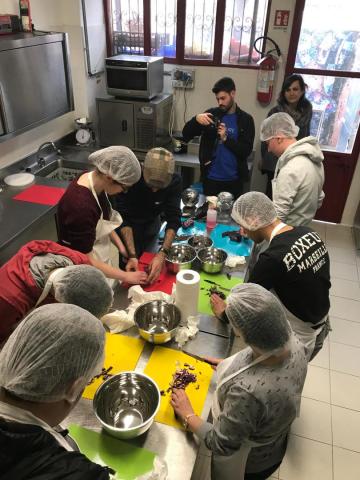
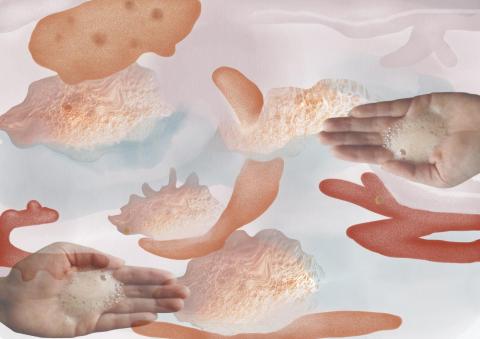
The artistic research Flavour of Compassion explores compassion through the medium of food. We transform public spaces into sensory playgrounds and literally use food as an icebreaker in order to reconnect citizens to curiosity - both their own and others. Exploring food as a universal language reactivates stories of culture & heritage. We invite you to eat your words and build an archive of acts of compassion with us, where mindful actions are the base of socially sustainable communities.
NEB Prizes 2021: All Applications
Filter by
Applications (2025)
Showing results 1331 to 1340
The story and life of the Bračak Energy Center forms a project
wholly central to the New European Bauhaus.
A manor that had different uses during its lifetime but with an inherent
cultural heritage that only ten years ago was left to decay. It has been
revitalized through implementing the latest construction techniques to
attain the standard of low-energy buildings, becoming a social stronghold of
the region and a national and European lighthouse of sustainability and
energy transition.
OpenAgri seeks to improve interaction between traditional knowledge holders (agricultural communities) and other more innovative actors (Research Centres, business accelerators); to favour connections between sectors (agriculture, food industry, culture, etc) and the hybridization between them (SMEs, NGOs, Public Administration) aiming to experiment with a model of innovation and inclusive growth, taking a step forward in the process Milan Municipality has started to increase urban resilience.
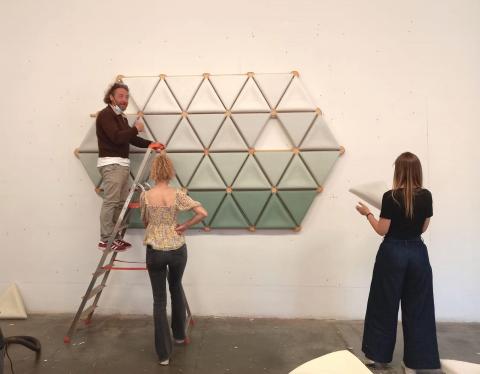
Biodesign company Mogu has partnered with design and built environment consultancy Arup to develop an interior fit-out system, made entirely of natural, renewable materials with significant acoustic qualities. The FORESTA system brings Nature back into the spaces we inhabit. Inspired by the unique sensation of walking through the woods, this product combines timber with the radical innovation of Mogu Acoustic panels, made from mycelium - the living organisms of mushrooms - and waste materials.
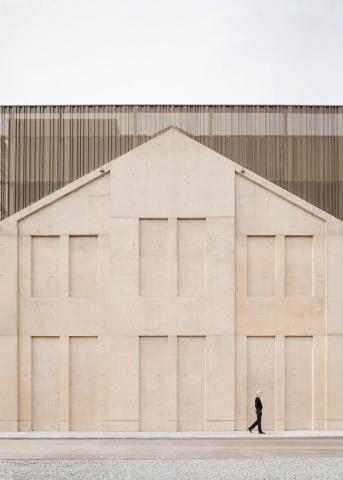
Aalen’s industrial history and the architecture of the 21st century are brought together in the new cultural centre “Kulturbahnhof”. The town wanted a “beacon for culture and creativity” on the site known as the Stadtoval, which was previously occupied by railroad tracks and later used by a construction steel company. The Kulturbahnhof now plays a central role. It not only houses diverse cultural institutions and catering facilities, but also has a major radiant effect throughout the region.
DE_FORMA is a project born in Politecnico di Milano as a collaboration between a group of design researchers and PhD students.
The project aims to explore the boundaries between Bio-fabrication and Digital Fabrication of organic, bio-based, and sustainable growing materials.
DE_FORMA is a project funded by the Department of Design with basic research grants for young researchers.
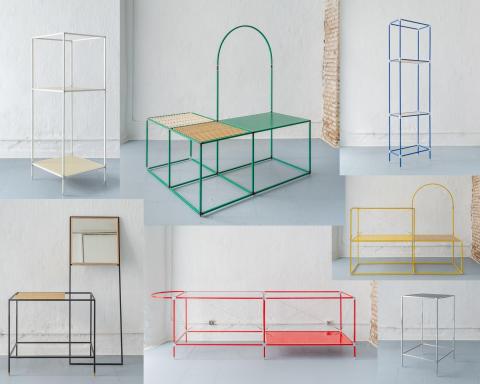
Standard, the new and simpler modular system to build pieces of furniture.
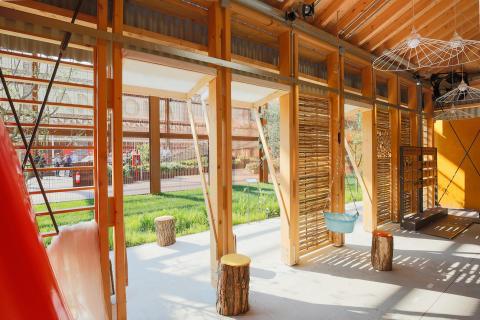
Save the Children Pavilion for EXPO 2015 was conceived to be fully adaptable to further uses after the international exhibition. Starting from its layout, organized in a flexible constellation of small pavilions, the building is devised to be dismountable and rebuildable, reusing up to 90% of the components, including the structure, the roof, the panels and windows, and all the screws. After EXPO 2015, the pavilion has been readapted as a school in the Al-Marj Syrian refugee camp in Lebanon.
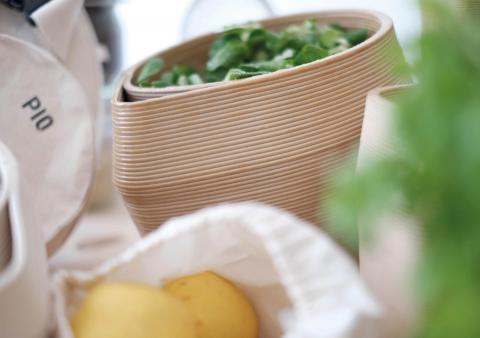
P0 is a zero waste storing- and shopping solution for food; a combination of 3d printed ceramic vessels, textile pouches and bags. P0 aims to greatly reduce food consumptions co2e emissions by helping the user switch to and maintain a plant-based diet, reduce the amount of wasted food, reduce packaging waste and inspire others to do the same.
Cooperation Textile: Jana Köstler
Cooperation 3D-Printing: StoneFlower3D
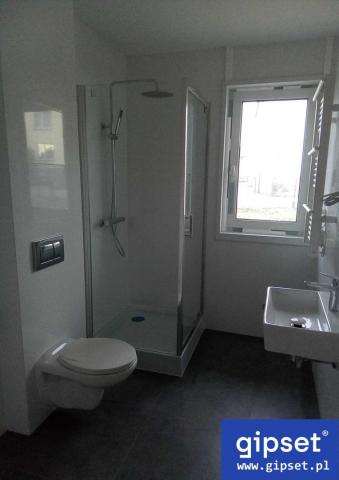
"gipset bath" is an innovative approach to finishing and renovating bathrooms - a patented technology that makes it possible to manufacture bathroom elements off-site and then simply and cleanly install them in just 48 hours. This results in a complete, fully equipped rooms covered with classic tiling. The gipset bathrooms can be quickly and easily dismantled, refreshed, and reused without any loss of their properties.