STANDARD
Basic information
Project Title
Full project title
Category
Project Description
Standard, the new and simpler modular system to build pieces of furniture.
Project Region
EU Programme or fund
Description of the project
Summary
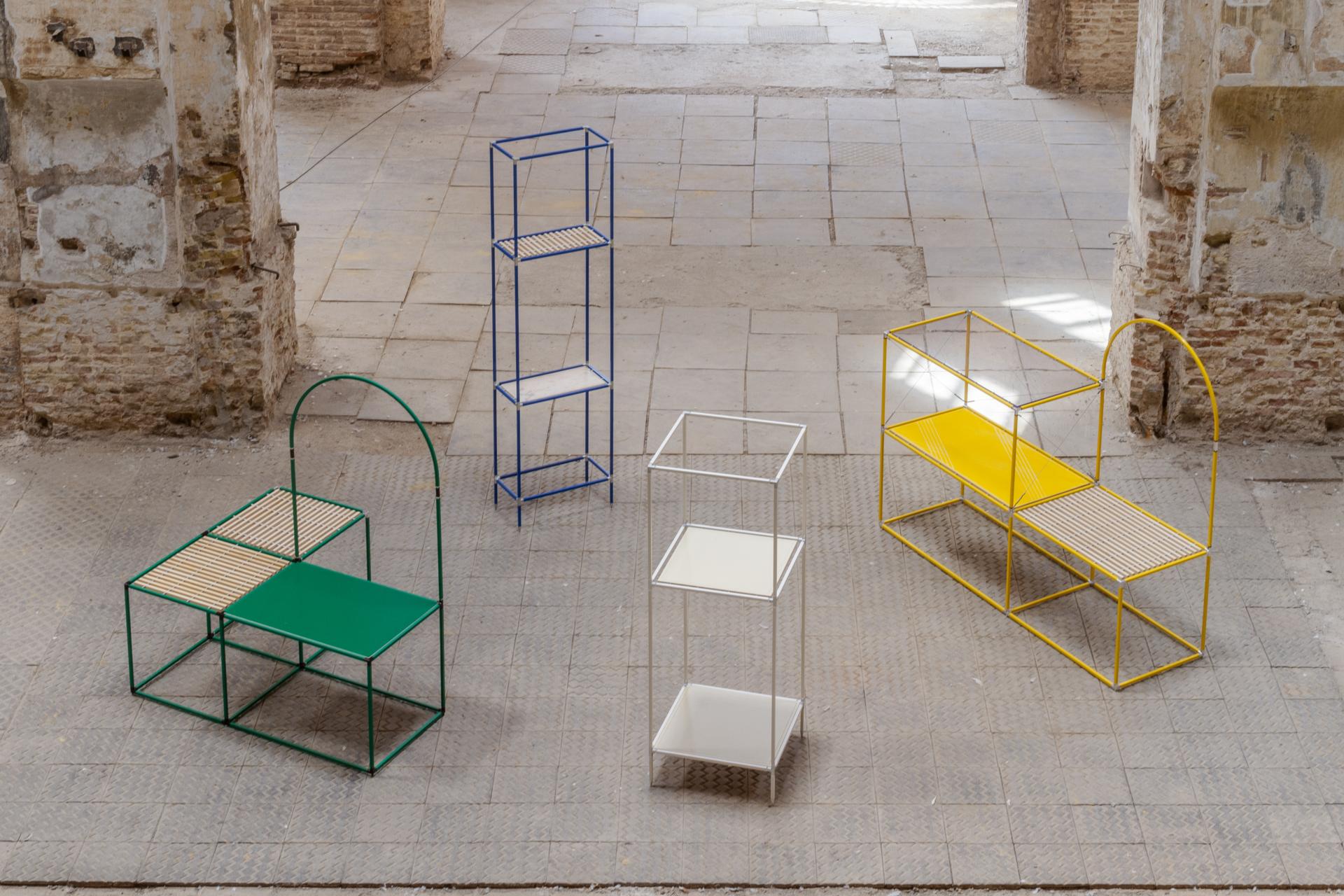
Standard is a new modular constructive system that offers solutions of use for domestic, public and commercial spaces, based on a standard.
The system was created to provide everyday solutions compatible with many popular lifestyles today, solutions designed by the user that change with their needs and tastes. Standard is designed to accompany us all our lives.
Although, initially, its use is focused on furniture construction, the system is designed as a creative tool for designing and building in many other areas. The wide variety of options in terms of finishes and materials available means that the result of each piece can be singular - obtaining, if possible, a unique object from the standard.
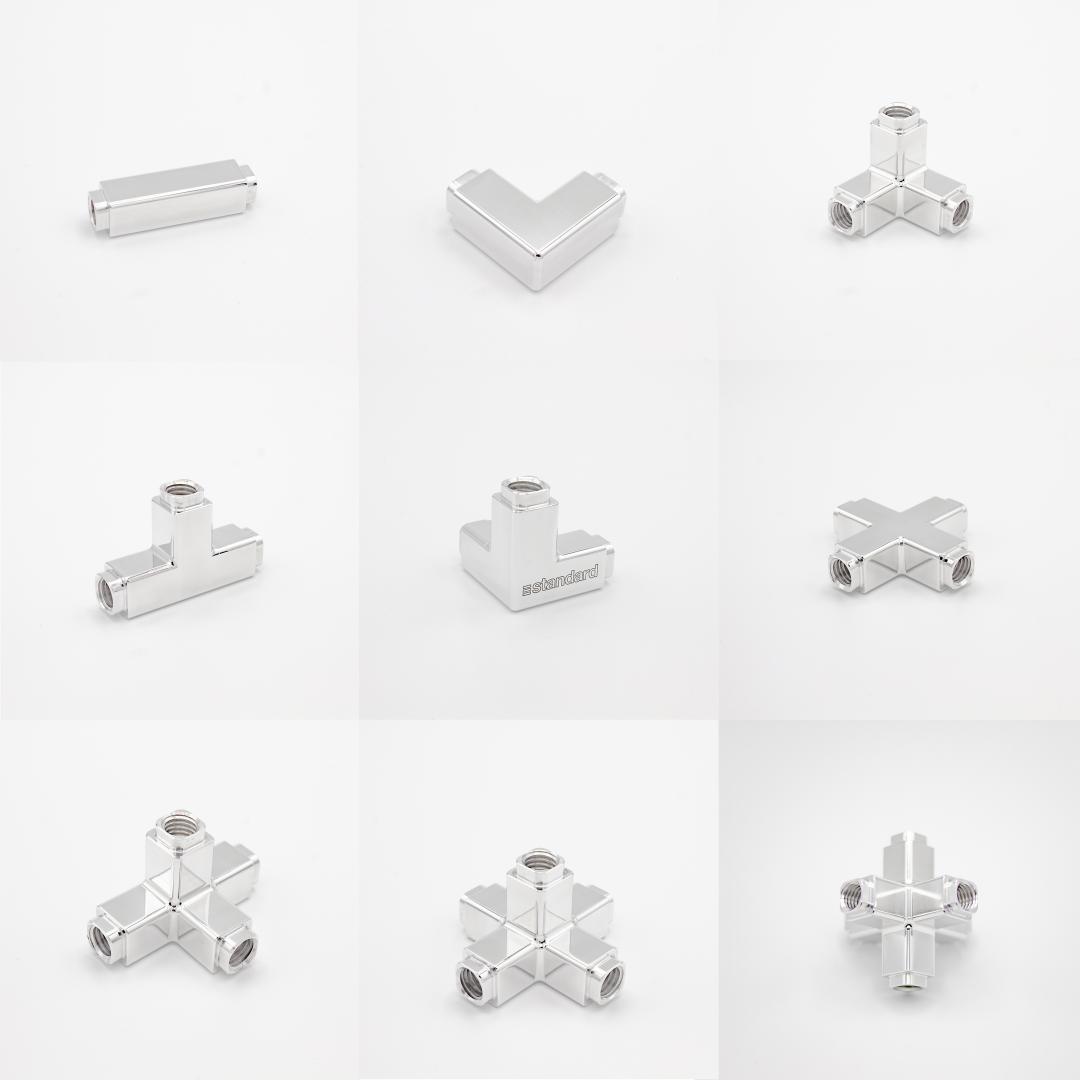
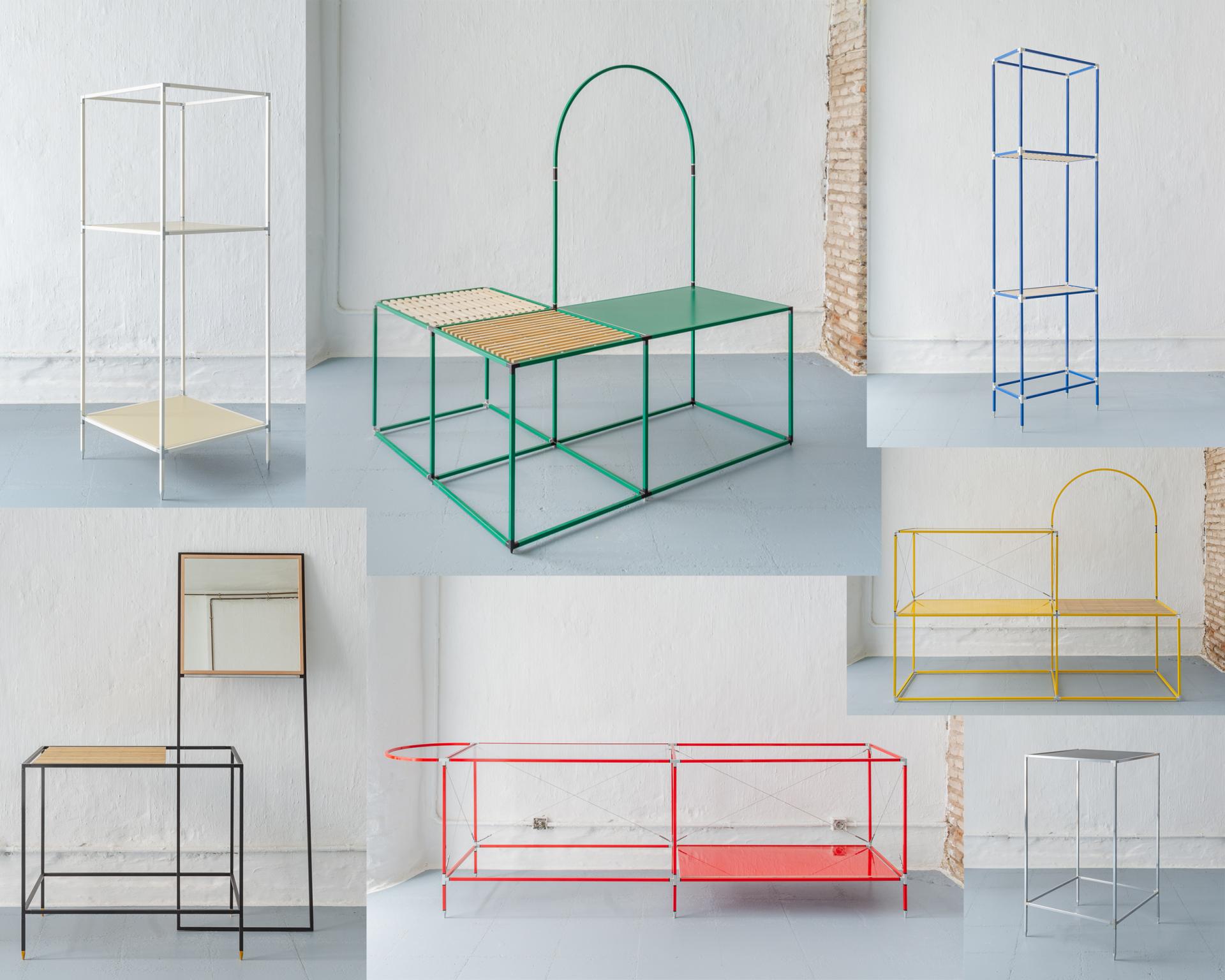
The standard proposed by the system is made up of 8 types of connections and 8 beams with different sizes, which make up the structure. In addition to the structural elements, there are the accessory elements, which complete the aesthetics and morphology of the system.
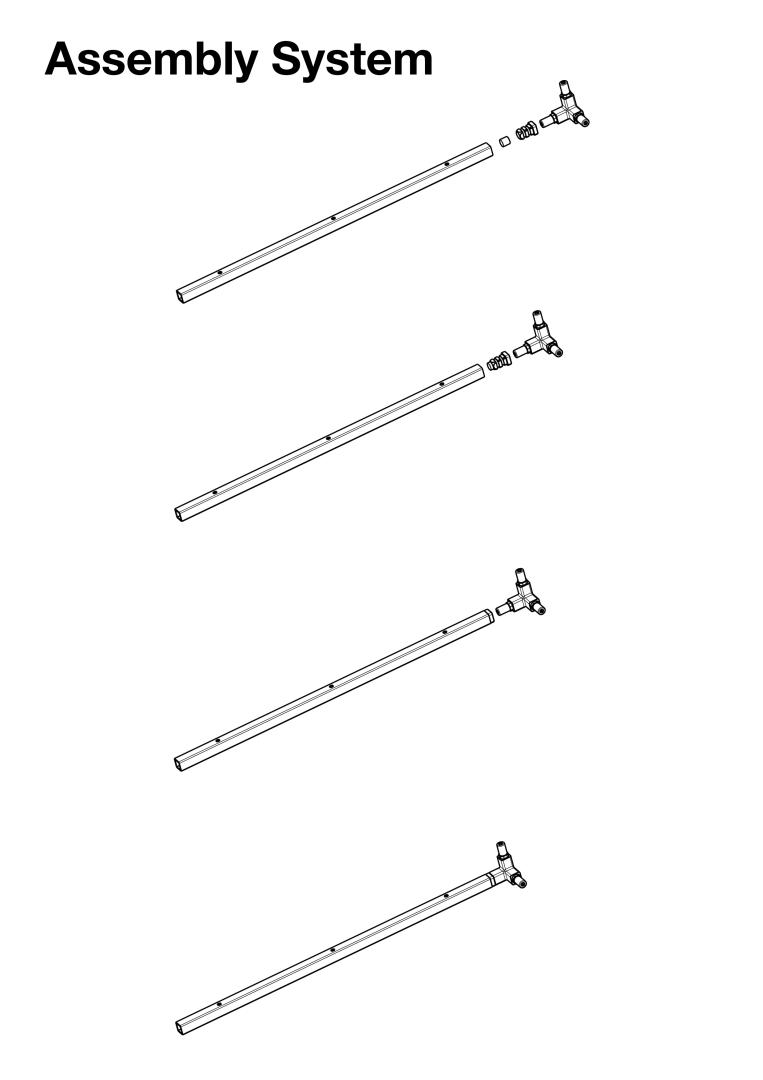
The way to build with the system is by connecting the longitudinal members through the connections. The assembly of the connections with the beams is magnetic, which simplifies the assembly and disassembly process in an innovative way.
The basic construction unit is the module. A module is constructed by combining the different links and longitudinal members. The combination of modules is the way to build structures, as complex as necessary to solve each problem.
Standard is a definitive system that offers solutions for everyday use.
Key objectives for sustainability
The key objectives in terms of sustainability are waste reduction, upcycling and quality, the latter understood in terms of functionality and resistance.
The system: it is designed to last, functionally and aesthetically. Its modular nature; versatile and easy to assemble, allows the furniture to evolve over time and adapt to our tastes and needs.
Manufacturing: we apply quality standards (ISO EN9100) and management techniques (5s) aimed at reducing waste.
Consumption: a parts exchange programme allows the system to be transformed efficiently. When a piece of furniture evolves for the user, the Programme collects the parts that are no longer needed, recycling them and preparing them for a new use.
The materials: many of them inherited from the aerospace industry, give the system lightness and resistance.
Transport: The reduced volume that the system occupies before assembly and/or once disassembled, reduces transport costs and the environmental impact in terms of carbon footprint.
Key objectives for aesthetics and quality
Standard's key objectives in terms of aesthetics and user experience, beyond functionality, is to obtain personalized answers to specific problems and to the gamification of the processes of solving these problems.
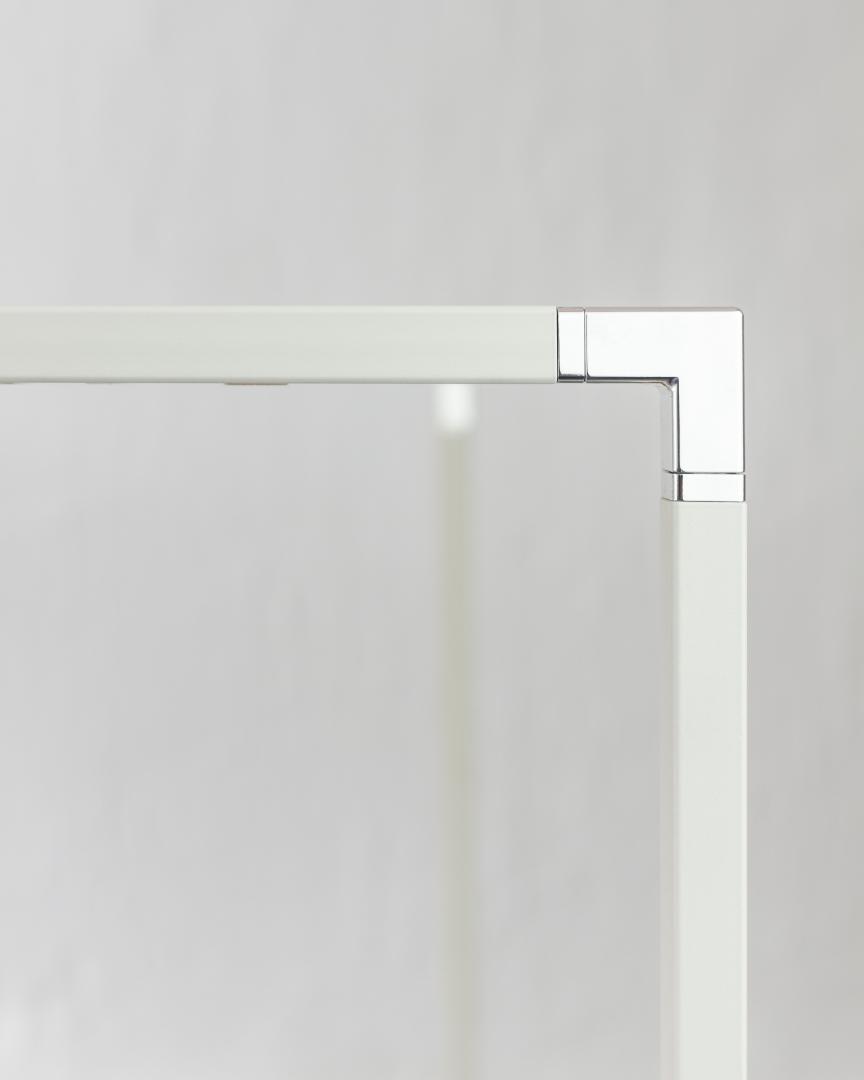
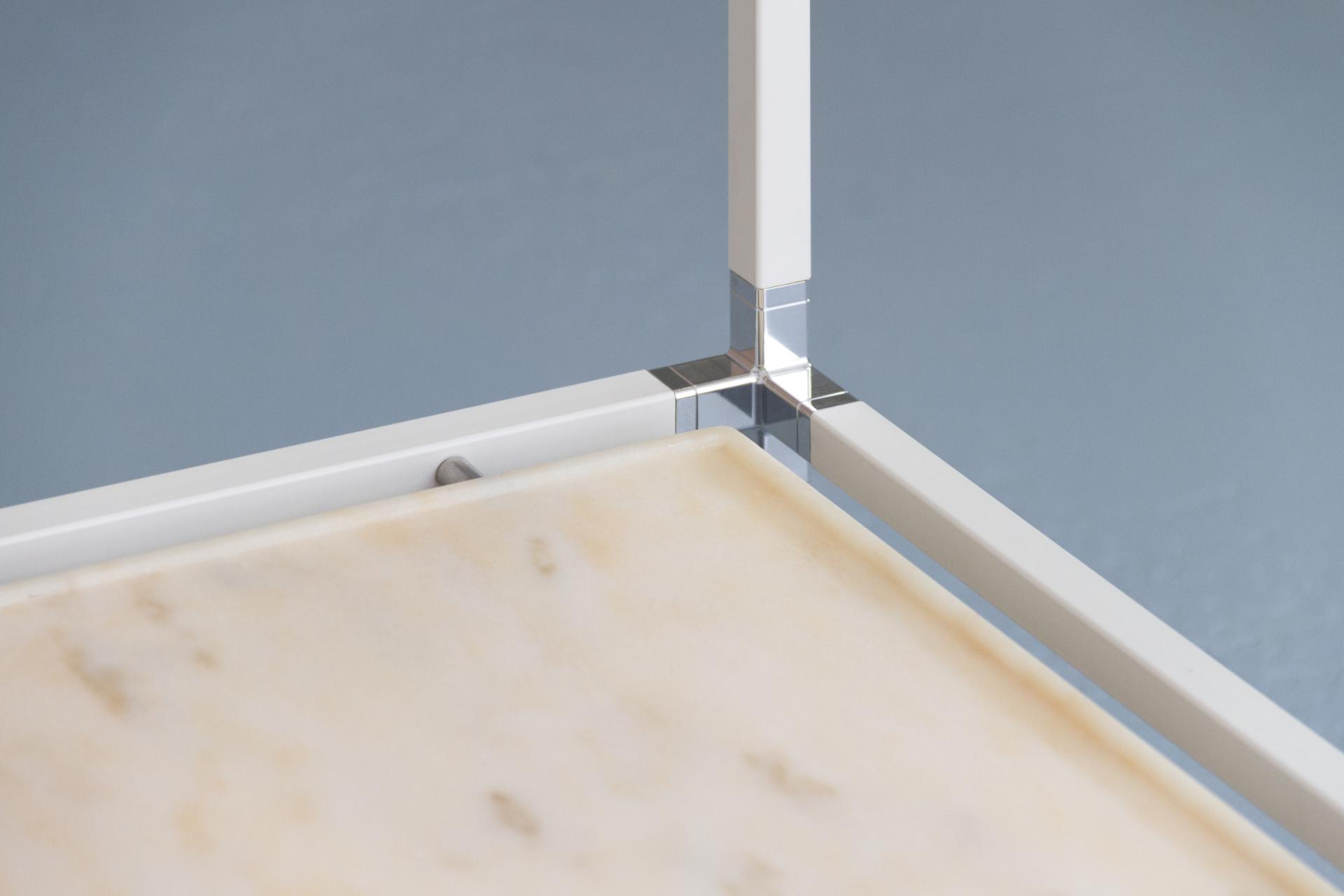
The lightweight, unobtrusive and timeless style of the system can coexist in very diverse and changing environments. The structural elements are produced in a variety of colours and finishes. The accessory elements are manufactured in different types of materials, both natural and industrial, which gives the system a versatility in terms of style. These combinations allow the system to harmonise with all types of environments, spaces and atmospheres.
The design is participative, as it is the user who decides the final result. The multiple configuration options of the structure and the wide variety of accessories allow the user to choose the solution that best suits his or her solution.
Standard is designed to transcend the product level and become a tool. In the same way that there is no single solution to a single problem, Standard encourages each user to develop their own solution. The multiple configuration and customization options, and the ease with which it is designed and built, make solving a problem a game. To improve the quality of the user's creative experience, Standard is working on a digital user interface to structure this task and make it accessible to any audience.
Key objectives for inclusion
Standard's key objectives in terms of inclusion are accessibility and affordability.
Considering accessibility as usability, the system is designed to be easy to use, both in the design and assembly phases. We envisage that anyone can design and build with this system; Standard's ambition is that users' proposals will be as surprising as their personalities.
To improve user interaction in the design phase and increase performance, Standard is working on the development of a digital interface to support the user in creative development.
Considering affordability, Standard is an affordable product in terms of durability and longevity. It is a product designed and manufactured to accompany us throughout our lives and to adapt to the different and changing situations that may arise. This durability must be understood in technical terms (that it will not break) and aesthetic terms (that it will not go out of fashion).
Results in relation to category
Standard offers solutions to real problems of our time.
Functionally, it proposes a modular, versatile and easy to assemble system, capable of adapting to dynamic and changing spaces.
Aesthetically, the system has the virtue of fitting with all types of environments, spaces and atmospheres.
In terms of innovation, a patent pending formula is used to assemble the structure, which simplifies the way of designing and building with the system.
Dynamic; the system can be transformed to adapt to many of the situations that our lifestyles bring about. In addition, its small size once disassembled allows it to be easily transported.
How Citizens benefit
Standard une la necesidad y el consumo a través de la gestión de la configuración.
In the social sphere, Standard proposes new habits that link circular consumption and creativity.
On the one hand, choosing Standard requires a commitment that will be rewarded by the values that the product embodies. The Standard user recognises these values, shares them and is willing to commit to them. This paradigm shift in ordinary consumption is necessary for the protection of our planetary resources.
On the other hand, there is no single way to solve the same problem. Thus, the system invites each user to solve his or her problem in the way he or she understands best. We propose a system with which the user can combine the different components and their options, to arrive at unique solutions, the best for the designer.
Standard brings together need and consumption through configuration management.
Innovative character
Standard is the result of integrating utility and beauty through technology.
More than 20 years of experience in the aerospace sector and the use of its technology have enabled the development of a new modular system in the process of being patented in which functionality and aesthetics are given equal value. The innovation that this patent seeks to protect is a magnetic-type assembly that makes it possible to assemble and disassemble the system without the need for tools.
As described above, the innovation Standard introduces brings value in the areas of design, aesthetics, functionality and sustainability.