P0
Basic information
Project Title
Full project title
Category
Project Description
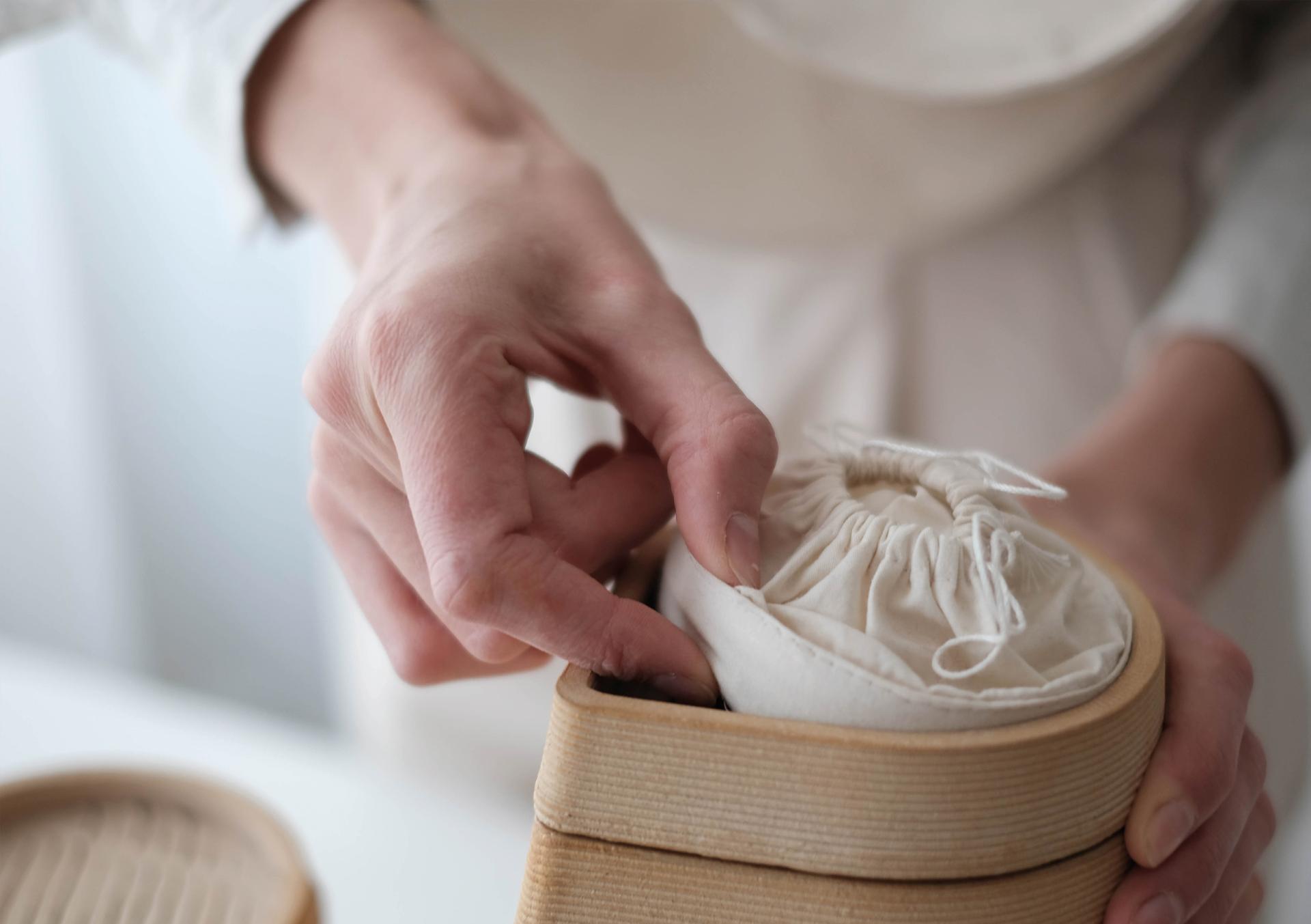
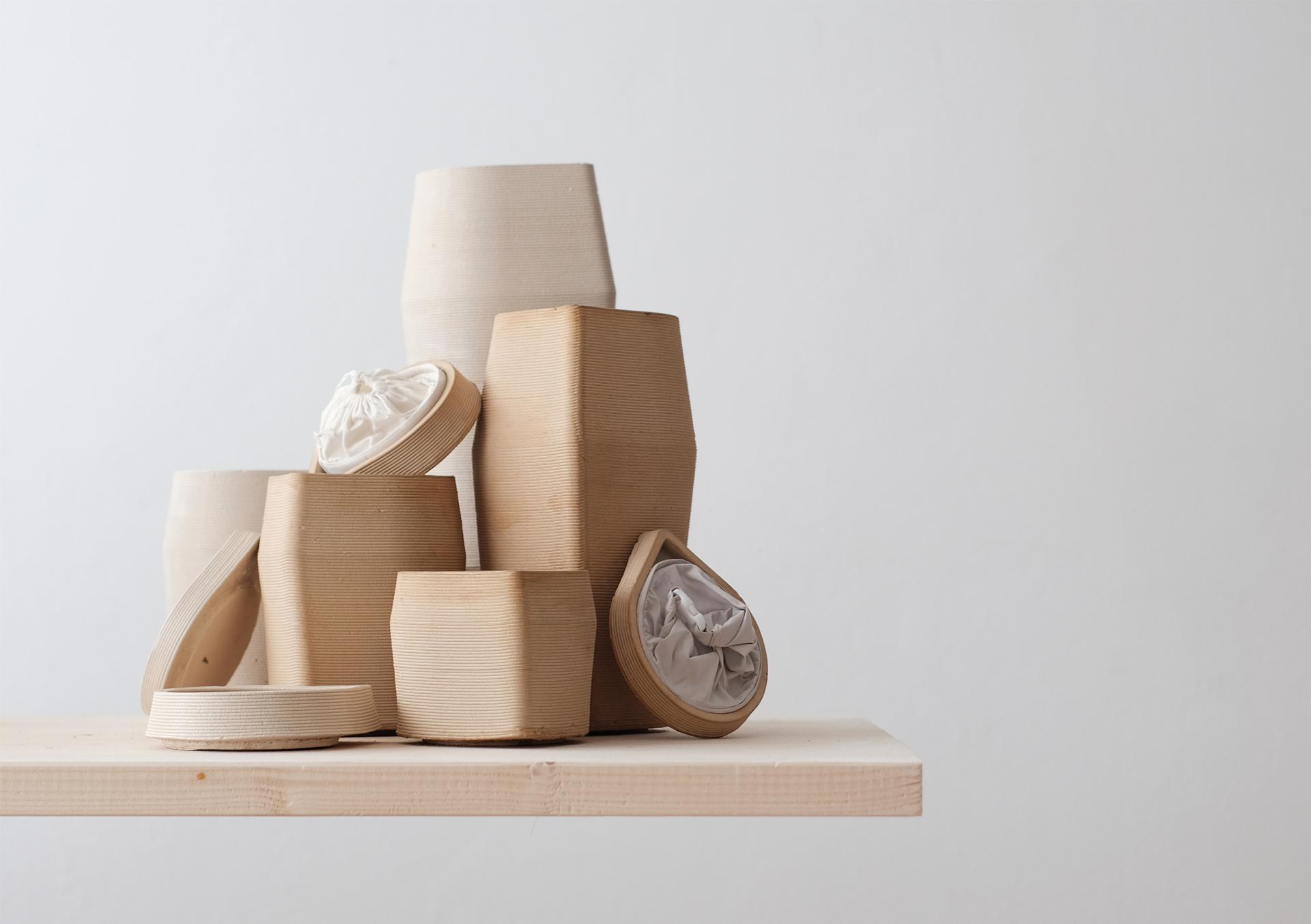
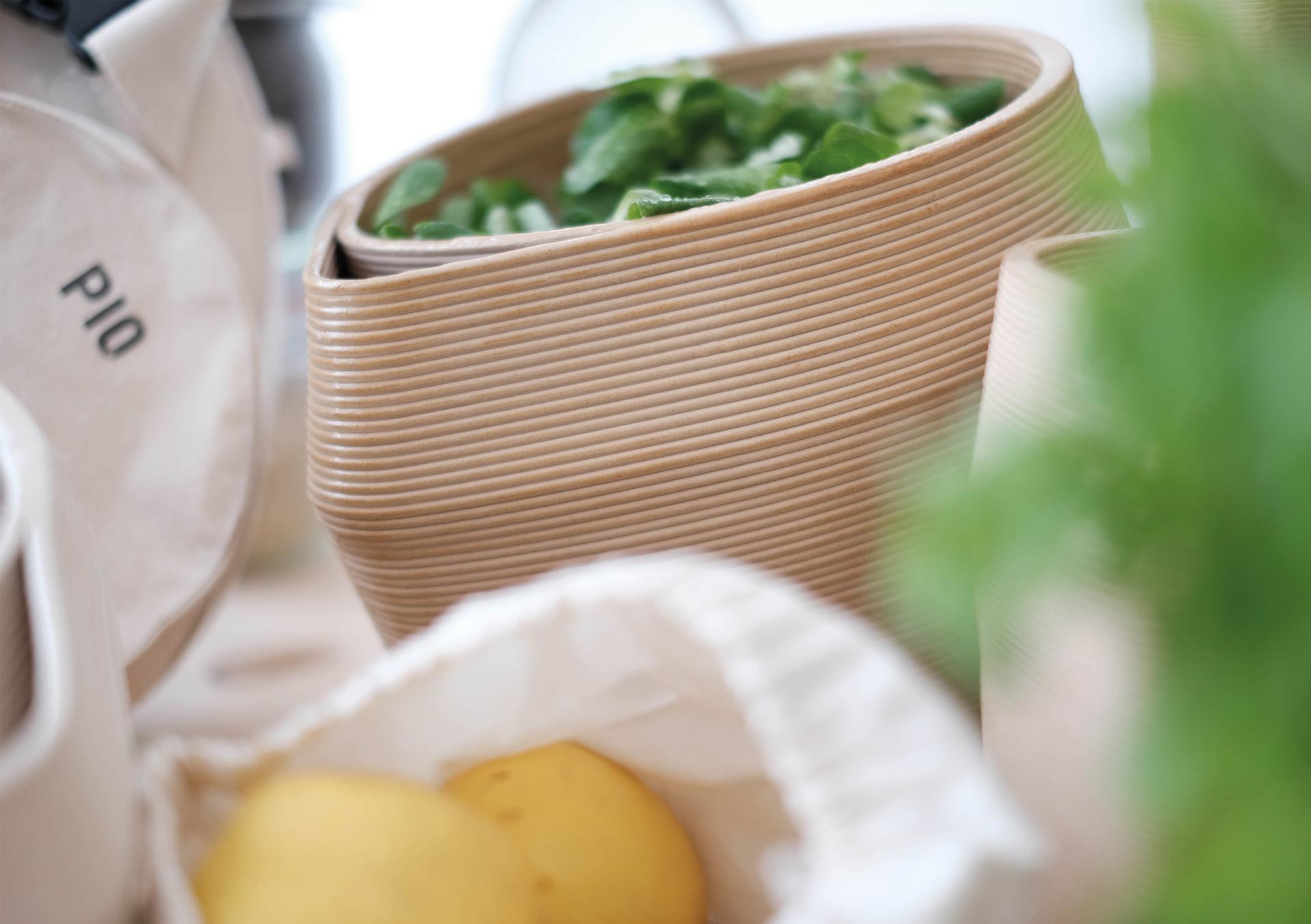
P0 is a zero waste storing- and shopping solution for food; a combination of 3d printed ceramic vessels, textile pouches and bags. P0 aims to greatly reduce food consumptions co2e emissions by helping the user switch to and maintain a plant-based diet, reduce the amount of wasted food, reduce packaging waste and inspire others to do the same.
Cooperation Textile: Jana Köstler
Cooperation 3D-Printing: StoneFlower3D
Project Region
EU Programme or fund
Description of the project
Summary
P0 is a zero waste storage and shopping concept for groceries that takes shape in a combination of 3D-printed ceramic vessels, textile bags and bags. P0 is the first overall concept that combines both sustainable shopping and storage and helps to reduce personal greenhouse gas emissions (Concept Video: https://www.youtube.com/watch?v=ng2NBTKOcEw, Instagram: https://www.instagram.com/project_pio/). The sector to which P0 is dedicated is responsible for 5.6 Gt of CO2 equivalents (CO2e) or around 10% of annual greenhouse gas emissions worldwide. P0 supports users in realizing a plant-based diet. Switching to a plant-based diet reduces up to 2 tons of CO2 emissions per person per year. It is also possible to reduce food waste by up to 50 kilograms per year and person. This corresponds to a CO2 saving for the user of 125 kg and approx. 160 €. These savings are achieved through the sensual and emotional interactions between food, containers, users and their fellow human beings, which promote food appreciation and planned shopping. The bag system makes reducing packaging waste elegant and easy. Up to 75% reduction in personal packaging waste is possible. This corresponds to around 75 kilograms per year and person. The users not only actively cause fewer emissions themselves, but also inspire and motivate people to become P0 customers by making their efforts - especially when shopping - unobtrusive and visually attractive. In this way, they also passively generate a positive impact on the environment. The project has already received three young design awards - IF Design Talent Award, Creative Conscience Award, bdia recognized! and is currently on the shortlist of ein & zwanzig - world's finest design talent 2021.
Key objectives for sustainability
PLANT BASED DIET: Food-specific containers and bags encourage consumption of specific foods, primarily vegetables, fruits, legumes, and grain-based foods such as pasta and corn. For the customer, this means that it is easier to turn to a low-emission, healthy, vegetarian / vegan lifestyle and potential savings of up to 2 tons of CO2e emissions
FOOD WASTE: The multitude of sensual and emotional interactions between food, vessels, users * and their fellow human beings, which promote food appreciation and planned shopping. Grocery consumption is made more conscious by purchasing the exact amount of food with the bags, and the food in ceramic vessels can be stored for a longer period of time. Avoiding food waste leads to lower spending. This results in up to 50 kg less wasted food per year and person and savings of up to 125 kg CO2 or 160 € / year.
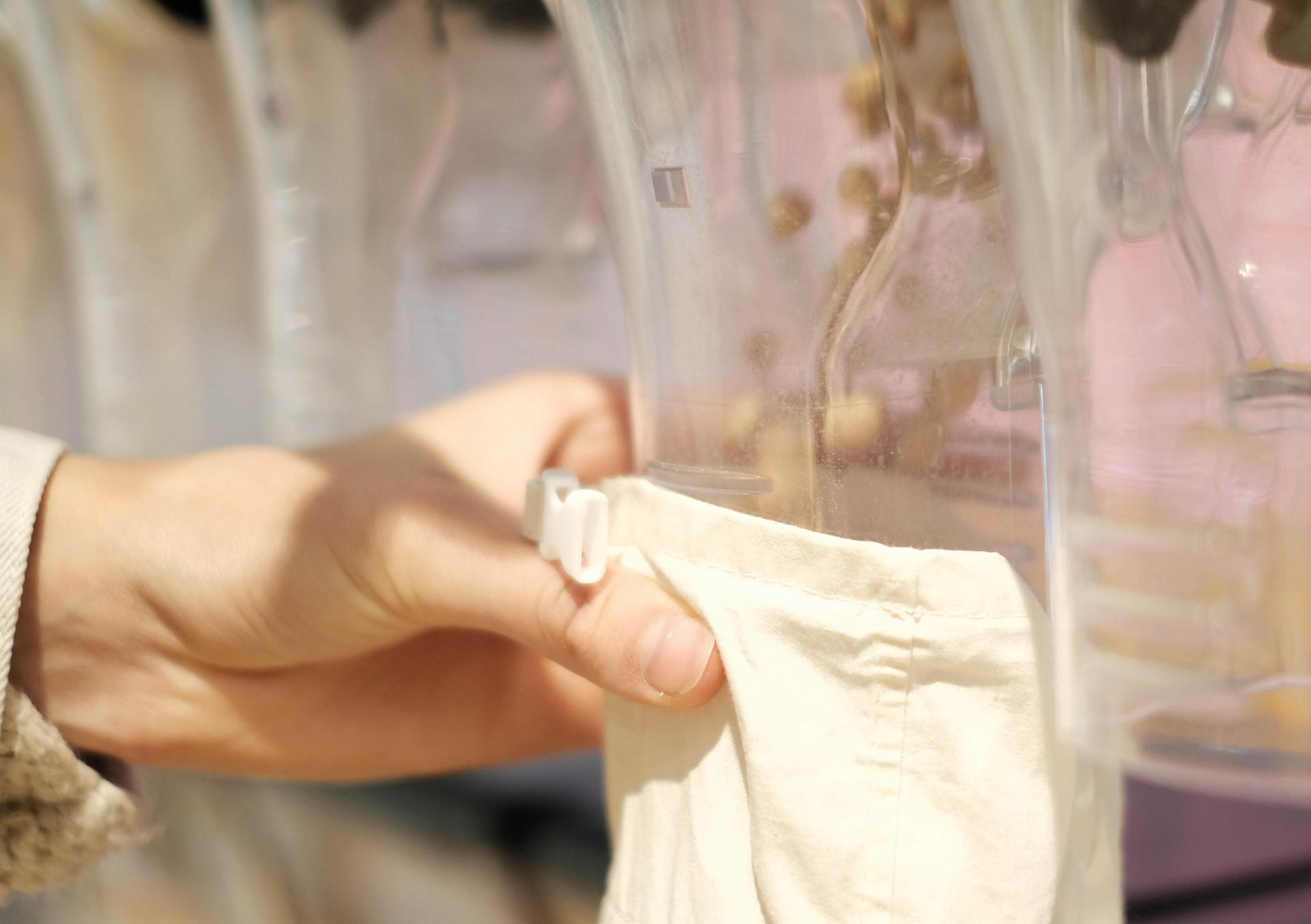
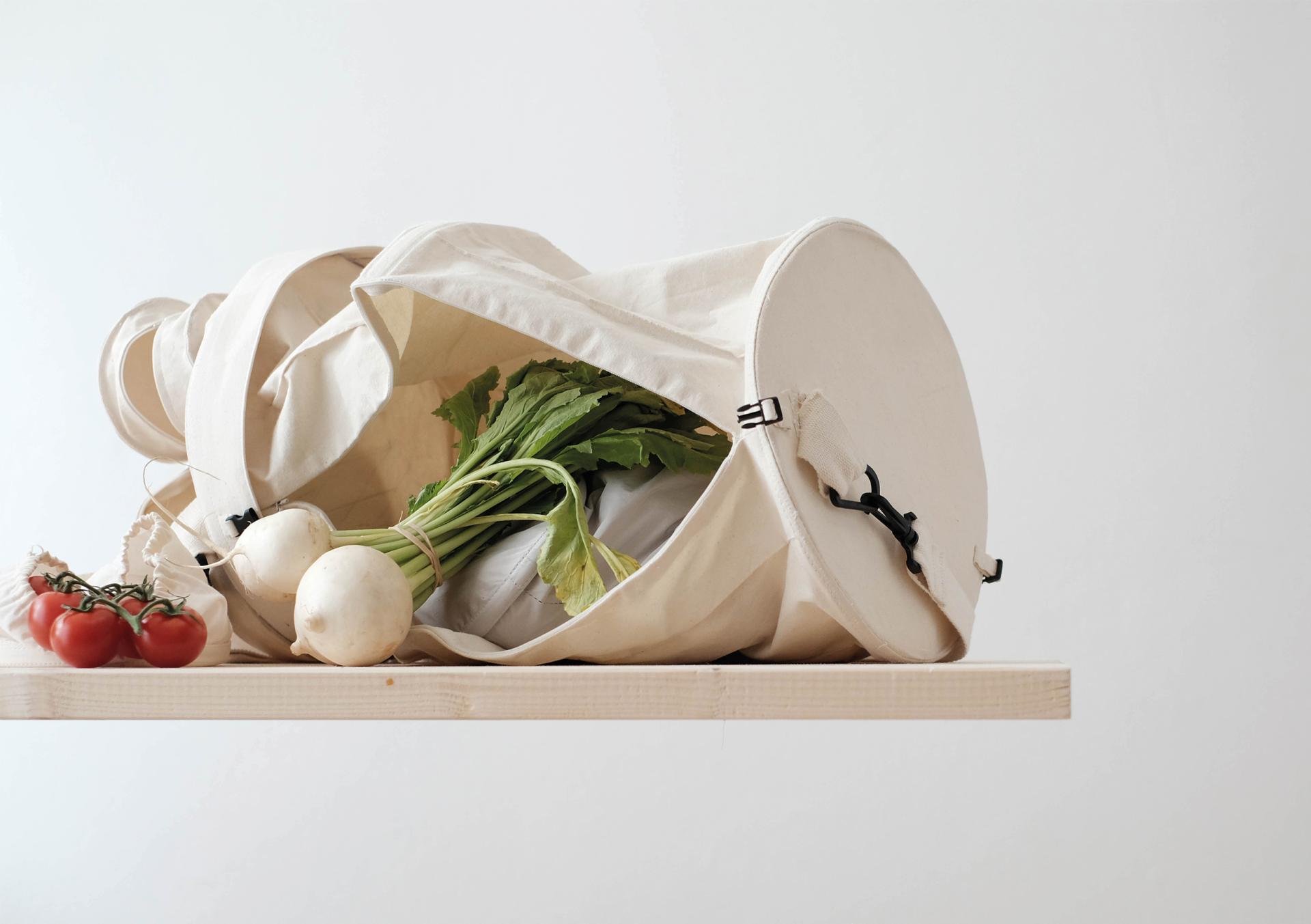
PACKAGING WASTE: Instead of having to plan for bulky preserving jars or cans as a customer of unpackaged shops, the packaging-free purchase of bulk goods can be carried out easily and unplanned at any time by the customer using the space-saving bags of the containers that are empty as " Shopping reminder ”in his Pac / Pouch. The bag and pouch system makes reducing packaging waste child's play. Up to 75% reduction in personal packaging waste is possible. This corresponds to around 75 kilograms per year and person
INSPIRING: The users not only actively cause fewer emissions themselves, but also inspire and motivate people to become P0 customers by making their efforts - especially when shopping - unobtrusive and visually attractive. In this way, they also passively generate a positive impact on the environment.
MATERIAL: Usage of plant based and or recycled materials. We have won over 2 industrial cooperation partners who will help us in this sourcing process, WITGERT (Clay) and the DITF (German Institutes for Textile- and Fibre-research)
Key objectives for aesthetics and quality
The key objective of P0 in terms of aesthetics and quality of experience beyond functionality were to create a timeless, modern, neutral and yet special appearance, that combines functionality and visual joy. This way the combination and unity of the specific, sculpural, parametric ceramic bodys and their textile equivalents can become a visible, meaningful part of the users living spaces as well as his visual identity; the goals for a sustainable future are strengthened, manifested and the mission becomes visible to others. The interplay of materiality, tactility, manufacturing process (clay-3d-printing), the unique combination of ceramic and textile elements, the simple but distinctive shapes lead to P0's aesthetic.
Key objectives for inclusion
The key objective of P0 in terms of inclusion is to make a bespoke product, a customizable product that specifically fits the user's needs accessible to the many. This is achieved with the technology of Clay-3D-Printing / LDM, that offers a high freedom of form and printing speeds of 100mm/s.
Innovative character
To date, there is no sustainable concept that links shopping bags, transport options and food storage options. There are vessels, shopping bags and carrier bags, but there is no way to combine them in the way P0 realizes. The production process makes the vessels special, as no 3D-printed clay vessels for everyday food handling have yet been successfully marketed and produced - On the one hand, the bags offer space for everything that is usually carried in the handbag: wallet, mobile phone, keys, etc. At the same time, they also offer the possibility of doing zero-waste shopping easily and practically. P0 is not only practical and meaningful, but corresponds to a modern way of life. It is a design concept that has the potential to create a new kind of status symbol that distinguishes you not through its price, but through its positive impact on the world. P0 can increase your own positive impact on the environment. In this way, they also passively generate a positive impact on the environment.
The process innovation is the development and construction of a production facility for the industrial production of functional 3D printed ceramics in the extrusion process are possible with the 3D printing technology developed by StoneFlower 3D (Berezkin) and available to IRD3N as the first user. In addition, only ingredients and fabrics made from recycled and / or plant-based raw materials are used for P0's textile products.
Thanks to the double-walled printed cool containers, food can be cooled down to the dew point without electricity.