Master in Eco-Social Design
Basic information
Project Title
Full project title
Category
Project Description
The 2-year transdisciplinary and practice-based study course is an educational framework for designers aiming to contribute to more sustainable, resilient and solidary futures — both locally and trans-locally. Working on »real world« projects with external partners is central, enabling communities of practice, circular economies and transformative institutional arrangement. The project development is underpinned and reflected by the knowledge and methods from social sciences and socioeconomics.
Project Region
EU Programme or fund
Description of the project
Summary
The 2-year practice-based and transdisciplinary study course is an educational framework for designers that aim to contribute to more sustainable, resilient, solidary and just futures — both locally and trans-locally.
Eco-Social Design is not only about more eco-efficient products and services, but about social-ecological transformations towards future-viable modes of production and living. Based on these general aims and values the design or facilitation of relations, processes, spaces, objects, services and cross-media communication is understood as an integrated task.
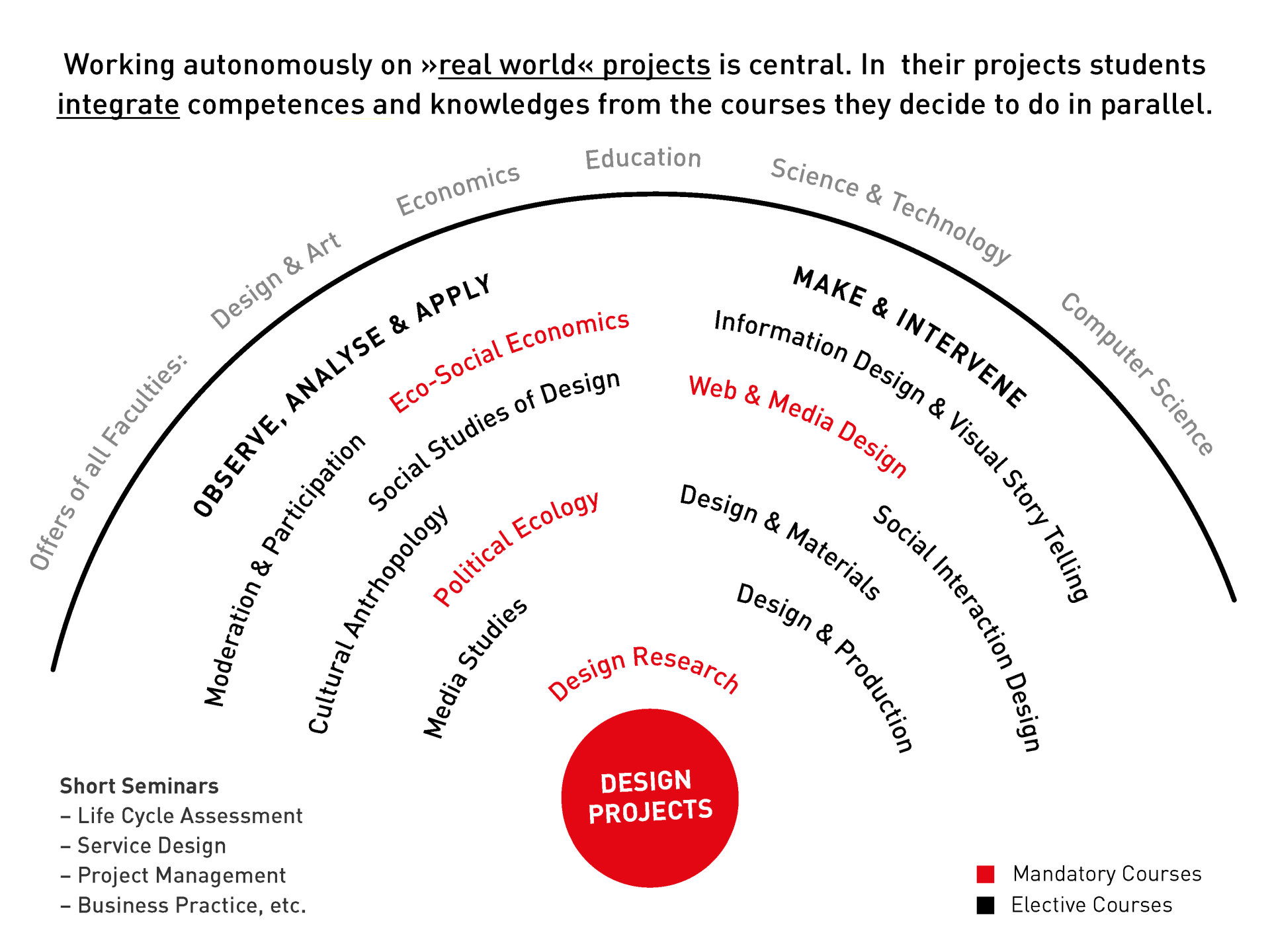
Students are developing projects in teams with partners from ‘the real world’, approaching issues effectively by (co-)designing concrete future-viable practices today and visions for tomorrow. This is deeply interwoven with courses in design research, and accompanied by a range of courses in two areas. The area ‘Observe, Analyse & Apply’ consists of courses in social sciences and socioeconomics, while the area ‘Make & Intervene’ offers courses in diverse design disciplines. Additionally, there are short seminars, conferences, excursions, extracurricular workshops and relevant courses at other faculties. The diverse disciplines are interconnected, among other by shared events and activities of teachers and students across courses. A convivial culture of doing together is facilitating synergies and peer-learning. The flexible structure of the study course provides the possibility for students to set their own focus and priorities.
The continuous collaboration with external partners has led to a network of more than a 100 partners. The spectrum includes public entities, research institutes, schools, vocational education and social work providers, NGOs, citizen cooperatives and groups and businesses. Real transformation is enabled through returning partners, by student projects building up on each other and by interconnecting partners, which are otherwise not cooperating.
Key objectives for sustainability
Sustainability is one of the core concerns in the study course. Two courses focus particularly on sustainability in the use of material and of production processes. Both inform the larger projects students are working on in teams.
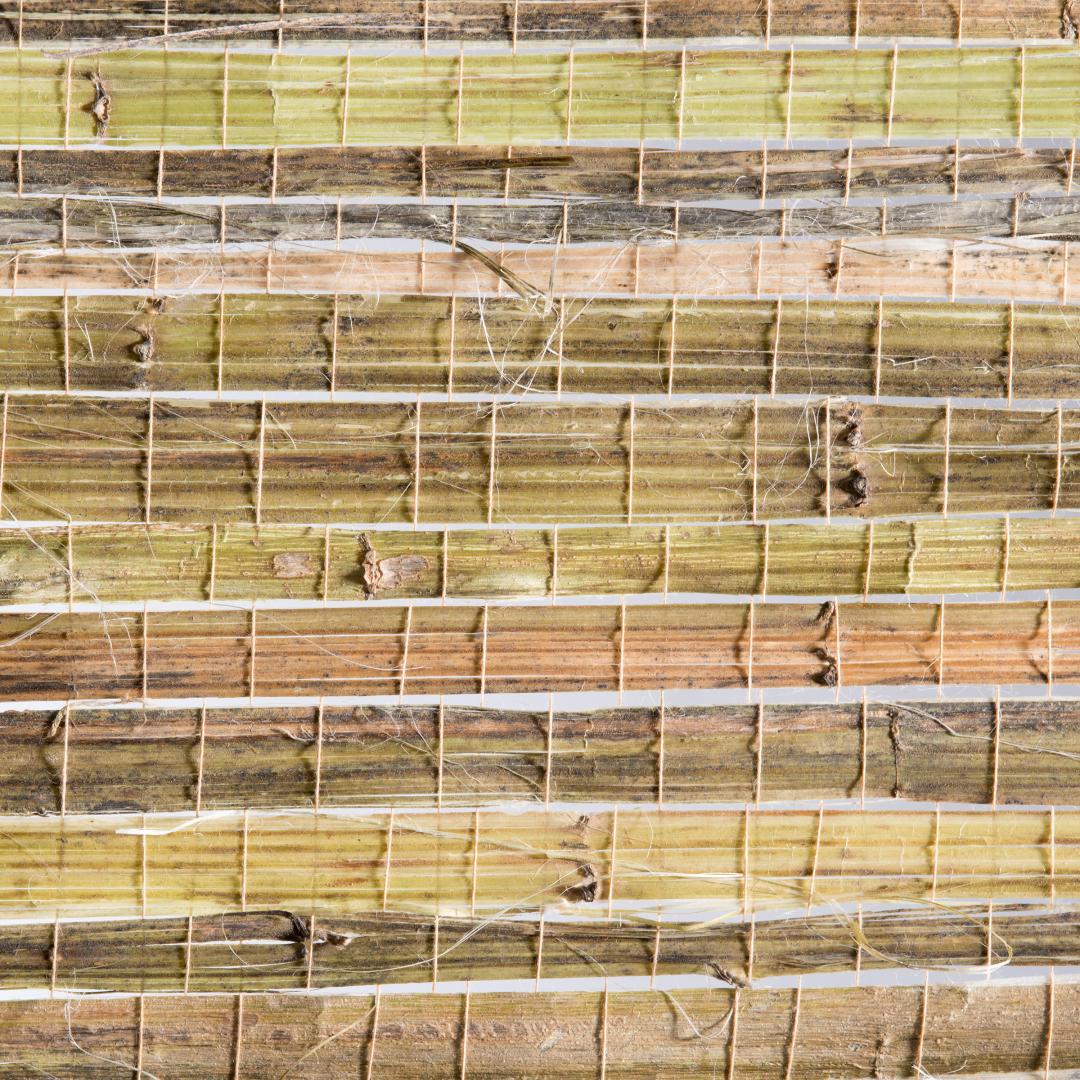
The course ‘Design & Material’ supports the development of practical skills and knowledge, aiming to build up a base of knowledge and understanding concerning the world of materials with a focus on Circular Design and Bio Economy. Understanding materials requires personal engagement with matter. Therefore the course focuses on the creation and adaptation of materials and material qualities exploring the mutable character and formability of matter. To go beyond surface and finishing, this course involves the creation of so-called do-it-yourself materials (working with ingredients and recipes) and the adaptation (changing the material properties) of existing materials in order to understand their (mutable) character. This hands-on approach of working with materials will support our sensorial skills to better understand, create and select appropriate materials for design projects. The industrial processing of materials (involving extraction, production, distribution, consumption, disposal and/or recycling) is reviewed in the context of bio-based cycles where composting often closes the cycle. The course includes an outlook to emerging materials and processes (such as bio-fabrication) where growing processes are part of its creation.
The course ‘Design & Production’ builds upon the aforementioned. It maps the landscape of selected manufacturing processes available as industrial solutions, in-house faculty workshops, and do-it-yourself solutions. Through a systematic overview by clustering, comparing and reviewing selected production methods it can be understood how to adapt traditional processes and explore alternative ways of creation within a more eco-social future
Key objectives for aesthetics and quality
Aesthetics play an important role in interventions motivating people to participate in change processes, in creating visual narrations, which make complex issues tangible, in designing spaces for dialog and creative collaboration, for generating lightness and empowerment within heavy realities, and much more. This can be seen in the student projects and the artifacts they create. Aesthetics are not an end in itself. In the assessment of projects they are one out of five criteria (see criterium 2)
- Eco-Social agency
Impacts and potentials for positive eco-social change - Qualities of designed artefacts
Aesthetic and technical qualities, and in how far these qualities foster the eco-social agency. How they build upon the state of the art in your chosen field and (design) disciplines. Boldness and vigour of experimentation and design exploration. - Conceptual framing, reflection and future perspectives
A visual map of ‘state of art’ setting out the terrain of a project. Critical analysis, synthesis, reflection and evaluation. Understanding of iterative development and future perspectives. - Relations, processes and organization
Understanding and managing relations and processes with the team, collaborators, partners, stakeholders and other actors. Project management. - Storytelling
Effectiveness and potential in communicating the project to relevant publics. Quality and effectiveness of presentation techniques and narrative. How well the story attracts attention, convinces and touches audiences.
The aesthetic dimension is supported in main projects by a teaching team of design practitioners from diverse fields. The project team is supported by collaborations across courses, including courses in design disciplines such as Web & Media Design, Social Interaction Design, Information Design & Visual Storytelling, Design & Materials and Design & Production of the area ‘Make & Intervene’. All use aesthetics for/in diverse purposes and ways.
Key objectives for inclusion
Facilitating participation and social inclusion is key in moving towards more solidary societies. Many student projects are focussing on community development in neighborhoods, villages or whole regions, where the inclusion of diverse actors and individuals is essential, in particular the inclusion of underprivileged persons and groups. Especially the knowledge, methods and practices learned in the courses Design Research, Social Interaction Design, Moderation & Participation, Social Studies of Design and Cultural Anthropology are supporting and enabling inclusion and participation. Students apply what they learn in these courses to their projects, and the teachers of these courses actively support the project development. The learning across the diverse study offers and disciplines is enabled also by many shared activities and events. Beyond this, our understanding of transdisciplinarity always includes the knowledge of all involved actors. Eco-Social Designer design with people, not only for people. Therefore, methods of co-design and participatory design are used. This way of designing is itself a form of social inclusion, which is taking people seriously as individuals, citizens and communities, not only as users or target groups.
Results in relation to category
Some impact can be expressed in numbers, others are of qualitative nature.
Since its start the applications to the study course are rising from 33 in 2015 to 147 in 2019 (Covid19-induced decrease to 107 in 2020). This results in around 30 new students per year from all over the world. Not all students have a background in design, but among others in Landscape Ecology, Cultural Sciences, Social Innovation, Urban Planning, Sustainability Science, etc. The diversity is enriching. Another indicator is the growing network of project partners and the fact that many partners are returning year after year. This also enables long term learning effects and real transformation, which goes far beyond what can be done in the limited time span of one semester.
The collaboration among teachers of diverse disciplines with different languages and traditions improved a lot. Out of the misunderstandings and frictions of the first years grew a shared language and team spirit. This is reflected by the intensifying peer-learning among students and between students and teachers.
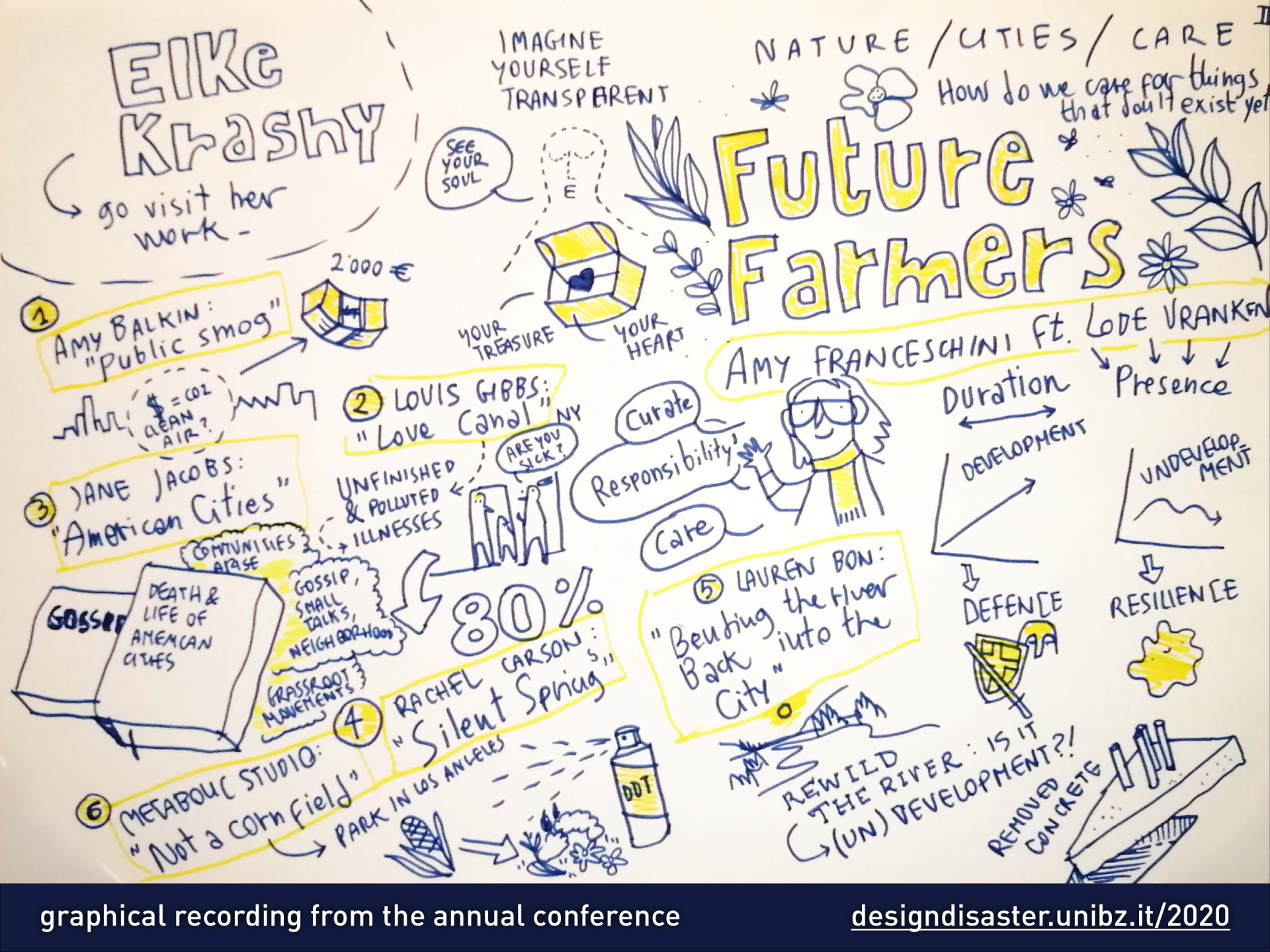
Many activities play out in the public. This generates positive resonance in the local, and on international conferences and networks, also facilitated by the annual conference of the study course By Design or by Disaster, the social media work, the newsletter and the blog. The outreach of all this together is constantly growing, which nourishes the excellent findability via search engines. Therefore, even persons from far away regions discover the study course, just by searching ‘Master’ + ‘Social Design’ or ‘Sustainable Design’ and alike.
Altogether this generates real and growing agency for positive change towards sustainability, aesthetics and the quality of experience beyond functionality and social inclusion. More and more talented students go through the intense and ever better learning experience of the study course. They leave equipped with tools and capabilities needed to act as agents for positive
How Citizens benefit
On one hand a growing number of ever better equipped students are leaving the study course engaging professionally in projects with NGOs, social cooperatives, citizen groups, communities, neighborhoods, regions and other actors of civil society.
On the other hand students and teachers/researchers are constantly involved in participatory and inclusive projects and practices during the study course (see above). This is not only a great learning experience for students, but also for the involved actors. By the shared practices with students and teachers/researchers they learn how to organise real participation, and how to facilitate social inclusion. They become empowered by new instruments and above all by the experience of being able to act together, and through this make a real difference.
Innovative character
Not only the content and the challenges tackled in the study course are innovative and timely, but also the way teaching and learning is organised and performed. Teaching and learning together transdisciplinary, practiced-oriented and research-based design is really lived and improved day by day in the study course. This includes conflicts and frictions, but above all a strong motivation to move forward together and a convivial spirit. Together we develop innovative formats for teaching, learning and doing design. We create formats, such as ‘Community Learning Sessions’.
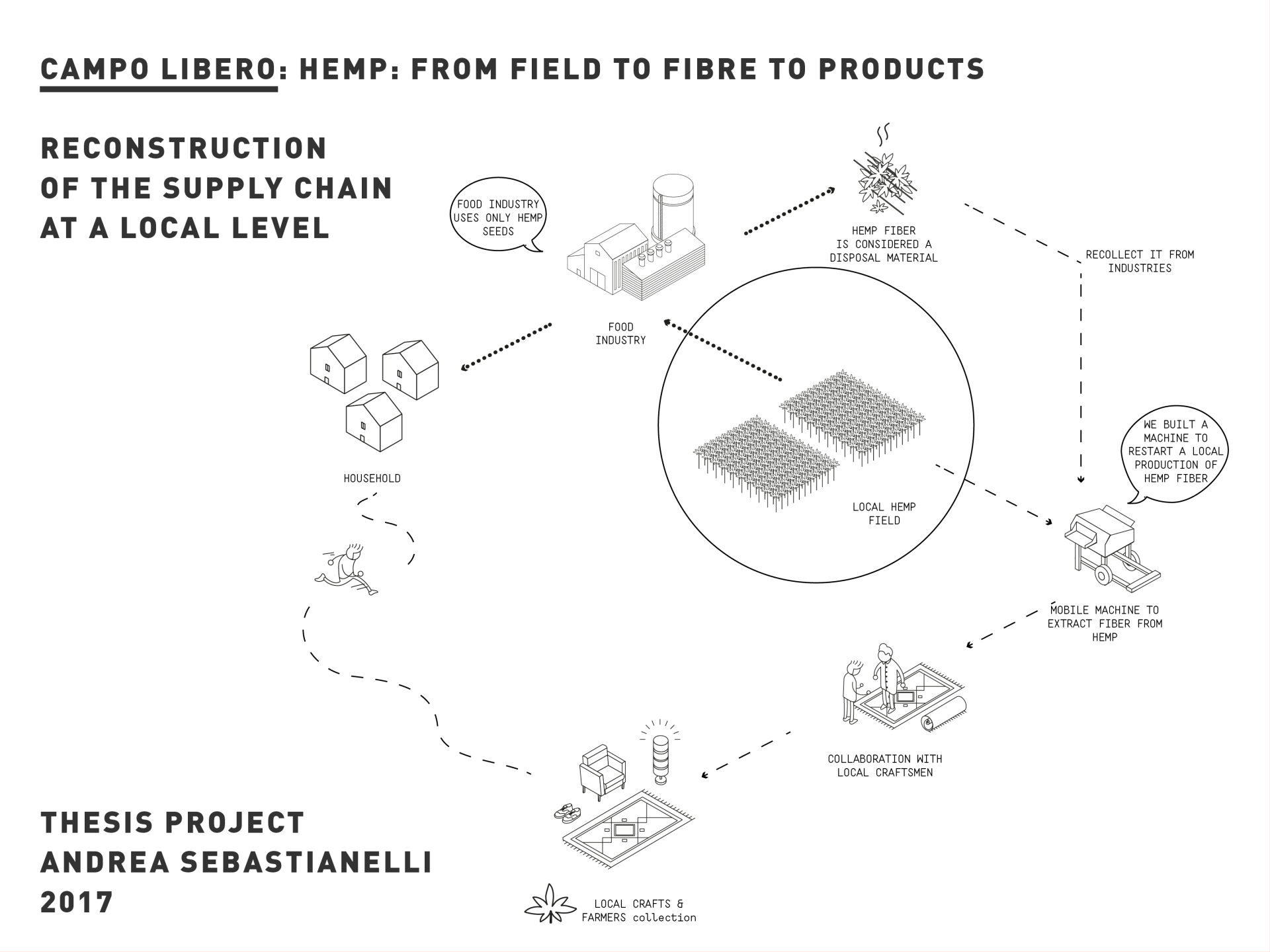
Also, we change the stereotypical ideas on what designers do among a broad range of actors by collaborating with them. The collaborations lead to innovative institutional arrangements. Through them actors discover shared interests in ‘doing good’ and create unconventional alliances, for example a social cooperative together with neighborhood initiatives partnering with the municipality and the foundation of a bank. Or a big commercial company joins forces with small alternative farmers, craftspersons and designers to enable regional circular economies