itthon.
Basic information
Project Title
Full project title
Category
Project Description
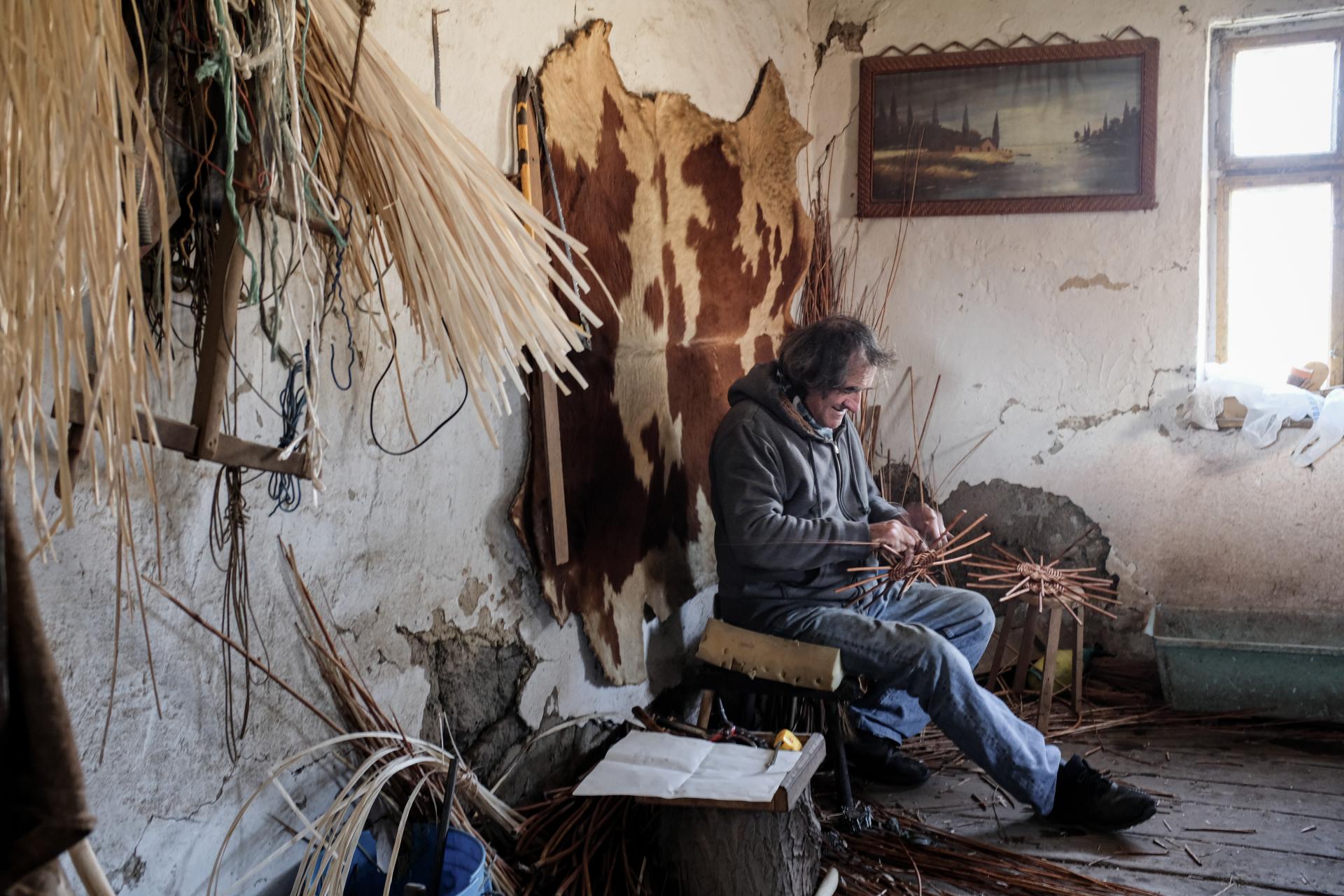
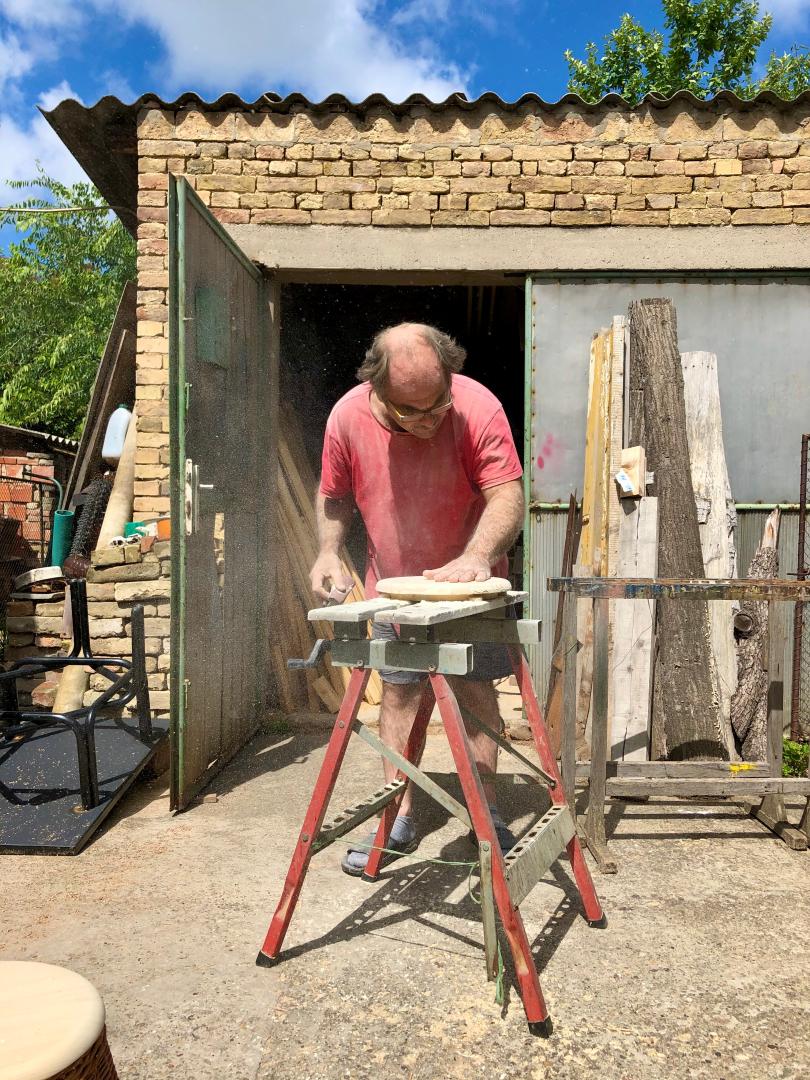
Itthon. is a brand that is based on the handicraft traditions of Vojvodina with the objective of providing new, creative opportunities for the local artisans. We address low-technology workshops that have accumulated huge experience and expertise.
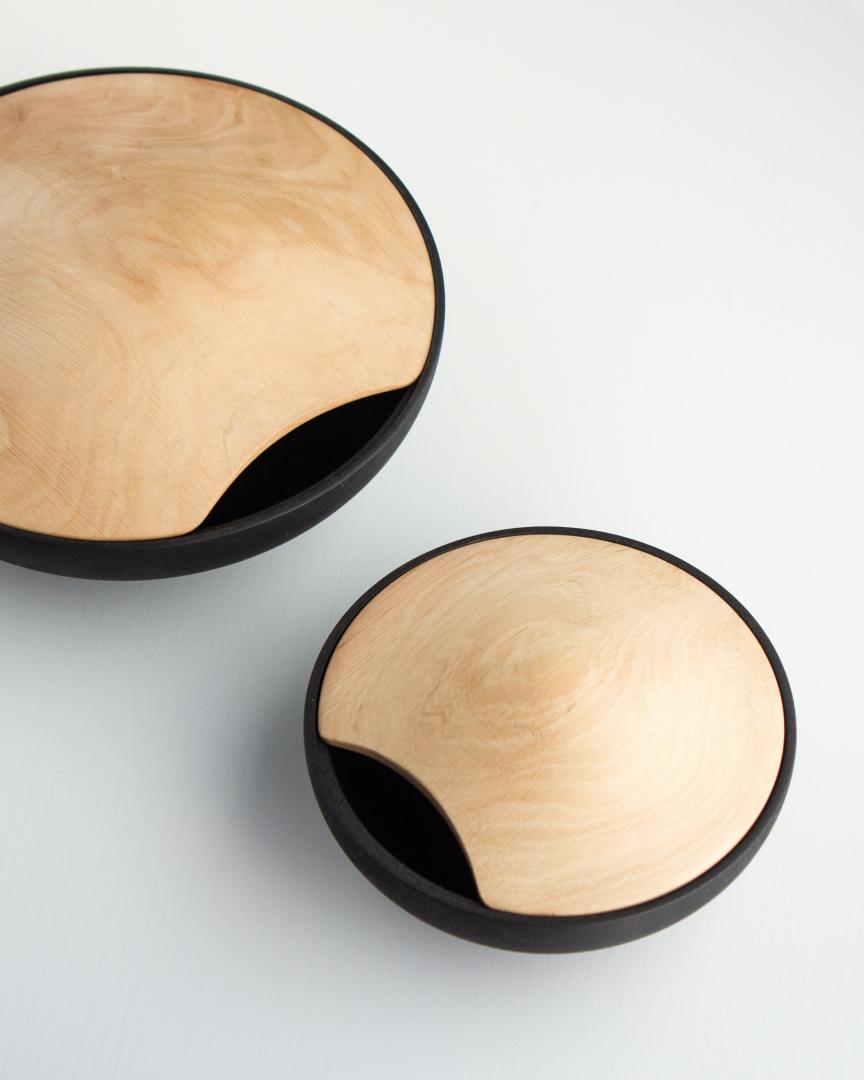
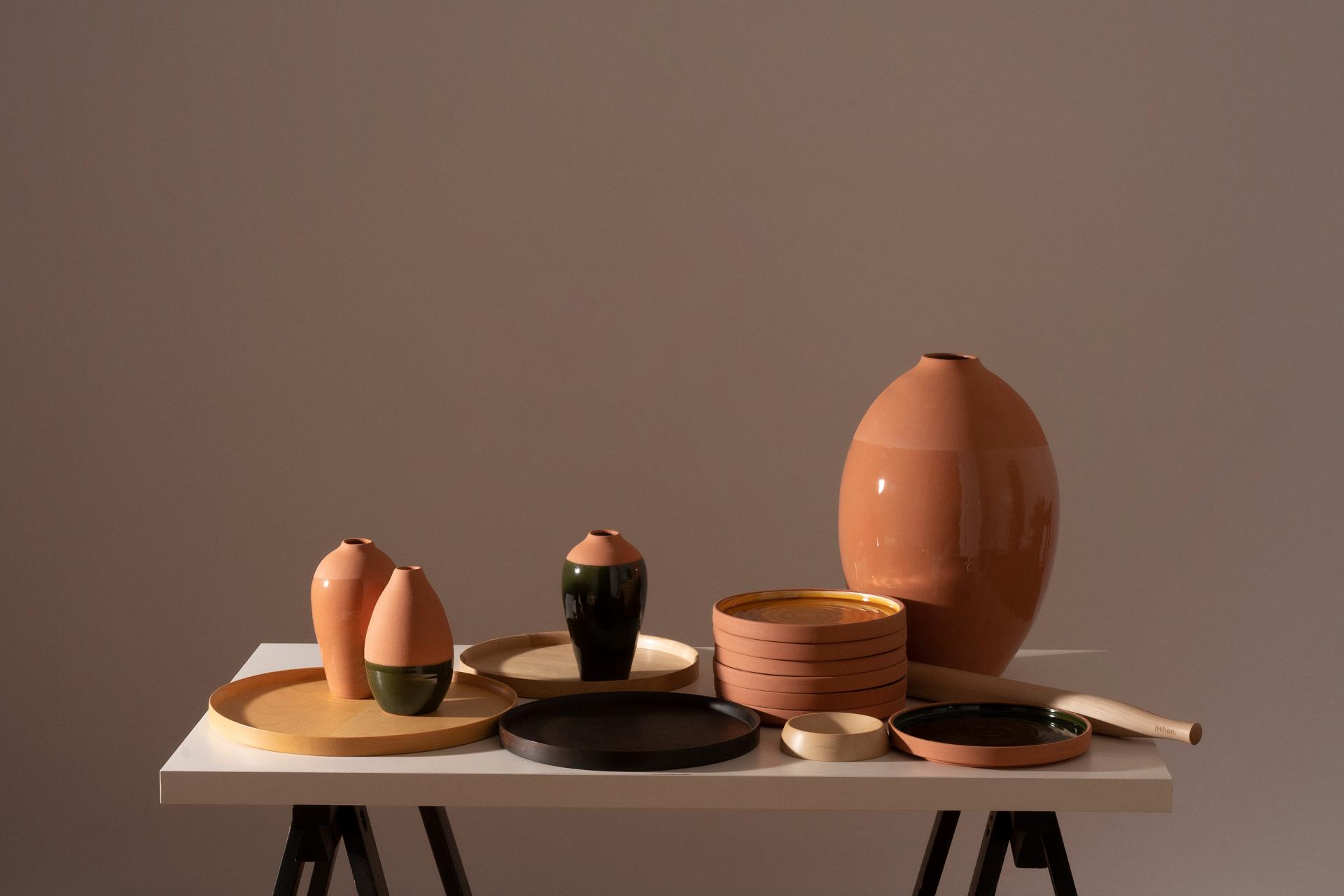
Our first collection is inspired by the moderate common sense of peasants’ culture and the colours of the land. The products are long-lasting, small-series everyday objects made from local base natural materials, like wood, cane and ceramic.
Geographical Scope
Project Region
Urban or rural issues
Physical or other transformations
EU Programme or fund
Description of the project
Summary
Strengthening the local craftsmen community
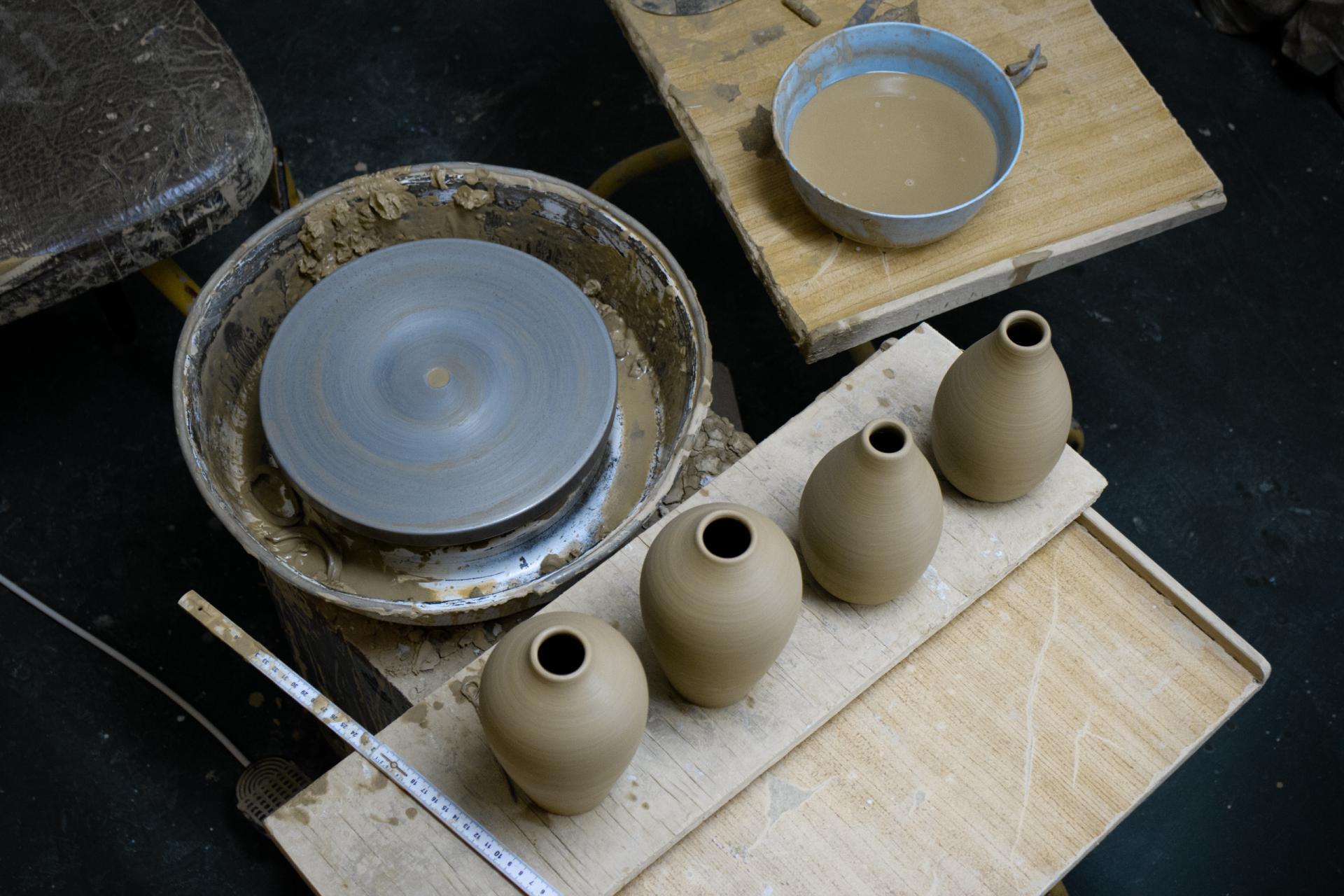
With itthon. we intend to broaden the possibilities of craftsmen living in Vojvodina while relying on the traditions and know-how of small-scale industries. We address low-technology workshops that have accumulated huge experience and expertise, to create a collection of objects together.
Our first collection is made in collaboration with local craftsmen around Vojvodina. The collection is inspired by the moderate common sense of peasants’ culture and the colours of the land. The products are long-lasting, small-series everyday objects made from local base natural materials, like wood, cane and ceramic. The objects combine local values and know-how with the tools of contemporary design, which creates new market opportunities for the community. But more importantly we aim to form a community of object makers. Given that, the creation of a single product may consciously call for the joint work of various workshop.
We are convinced that designers can play a catalytic role through community projects that create positive social impact. Throughout our project we aim to motivate the community to use their artisanal heritage. We want to highlight their opportunities to turn this know-how for their advantage, prospering in a more sustainable future.
Key objectives for sustainability
The collection consists of small series, handmade home goods striving minimal economical footprint. If possible, the objects are made from local base natural and sustainable raw materials. Like wood that was cut out in the neighbourhood, homegrown cane and clay that’s been the traditional material of pots and cookware for centuries. In terms of afterlife each product is made of 100% degradable materials, and the makers use all natural oils and colourings. Some of the makers use up even the leftover raw materials, for example the wood chips that goes to the stove. The project aims to ensure fair working conditions and pricing, so the makers set their own prices. This way the craftsmen has the opportunity to work in a field that is their passion and profession.This project cannot only preserve the local artisanal and craft heritage but by providing fair working opportunities, it could also reduce the rate of migration that is so typical of the area today.
Key objectives for aesthetics and quality
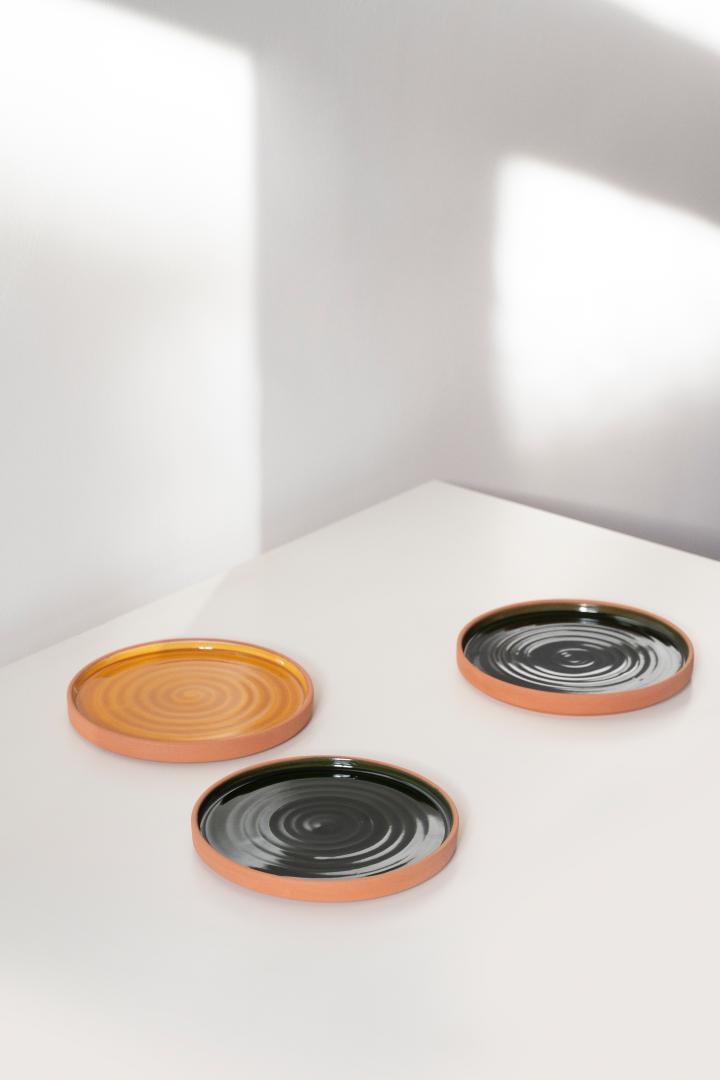
The collection builds on traditional techniques and therefore inspired by the moderate common sense of peasants’ culture. The objects are a redefined versions of their ancestors that perfectly fit to a modern home in terms of function and aesthetics. The collection contains different plates and vases, a rolling pin and a versatile woven piece that functions as a storage or a small stool.
itthon. is dedicated to preserving artisan knowledge, drag attention to cultural roots and shaping local identity.
Key objectives for inclusion
From the craftsmen to the home
Honest and transparent communication is a fundamental aspect of the brand. The project’s initial goal is not only show the origins of the production and the materials but very much to highlight and introduce the makers behind the collection. Through their personal stories the customers can relate even more closely to the objects which is a key element of the items longevity. Our most important message is that these objects are not coming from the other side of the world from an unknown and hardly trackable origin but from a recognisable place and person, as a result of careful and accurate handcrafting process.
itthon. aims to build a community of makers in addition to generating economic profit. Given that one of the project objectives is to establish contact between local makers, the creation of a single product may consciously call for the joint work of various workshops, due to the choice of materials. A long lasting cooperation between the craftsmen would build a community amongst them that could change the general public mood too
The evaluation of the area and the lack of job opportunities very much defines the general public mood. Still we believe that there is great potential in the infrastructure and know-how left there and with our project we can bring positive changes.
Results in relation to category
This project cannot only preserve the local artisanal and craft heritage but by providing fair working opportunities, and bringing respect for the artisans, it could also reduce the rate of migration that is so typical of the area today.
How Citizens benefit
We address low-technology workshops that have accumulated huge experience and expertise, to create a collection of objects together.
The items have an individual character, bearing the mark of their makers’ hands, and exude high quality, a unified image and, not least, cosiness.
Physical or other transformations
Innovative character
Relying on local know-how, local materials and local traditions, this project provides answers for contemporary and global problems such as pollution, emigration or our disappearing cultural values.
On such a small scale, big companies cannot deal with local expertise because it is economically incomprehensible to them.
Through the tools of design we can turn this heritage for the benetit of the local community.
Learning transferred to other parties
Next to the artisanal traditions there are many other disappearing cultural heritage in Europe. By involving designers and transporting these methods that the project uses we could preserve this common cultural knowledge.