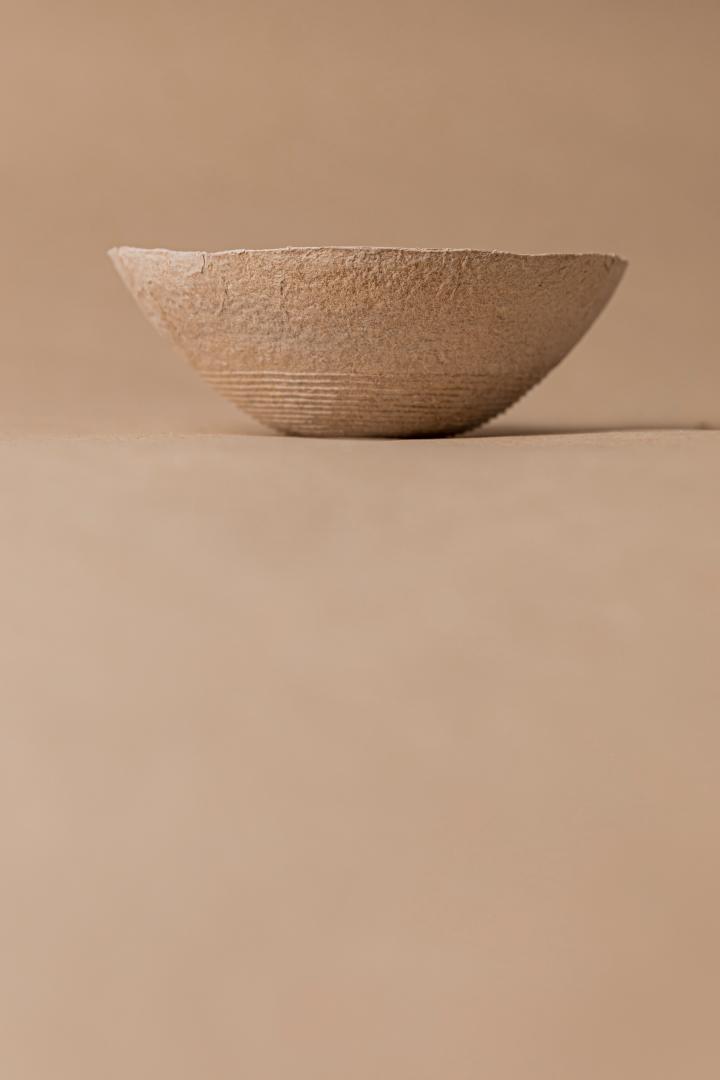
The Alder Project
Basic information
Project Title
Full project title
Category
Project Description
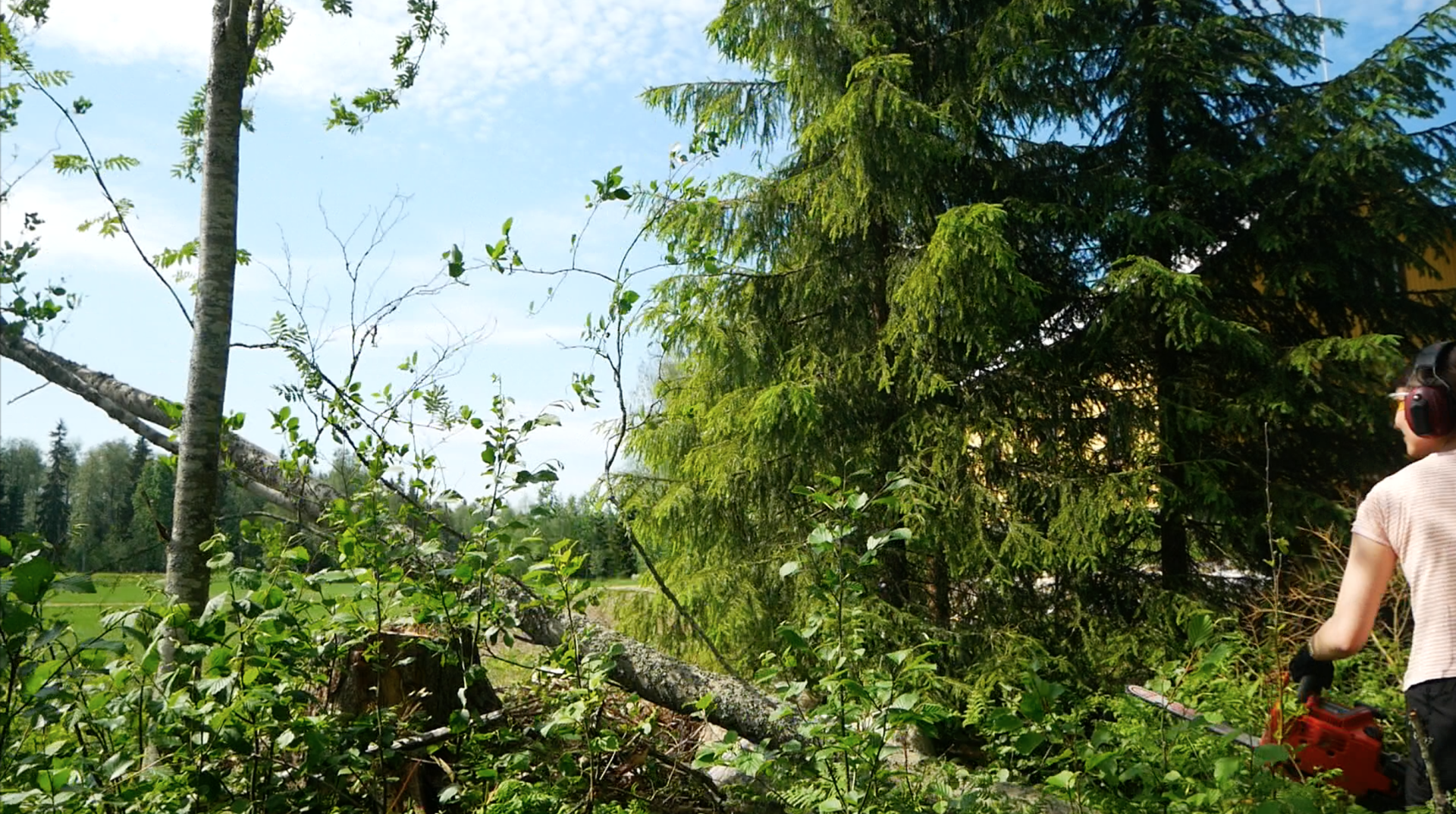
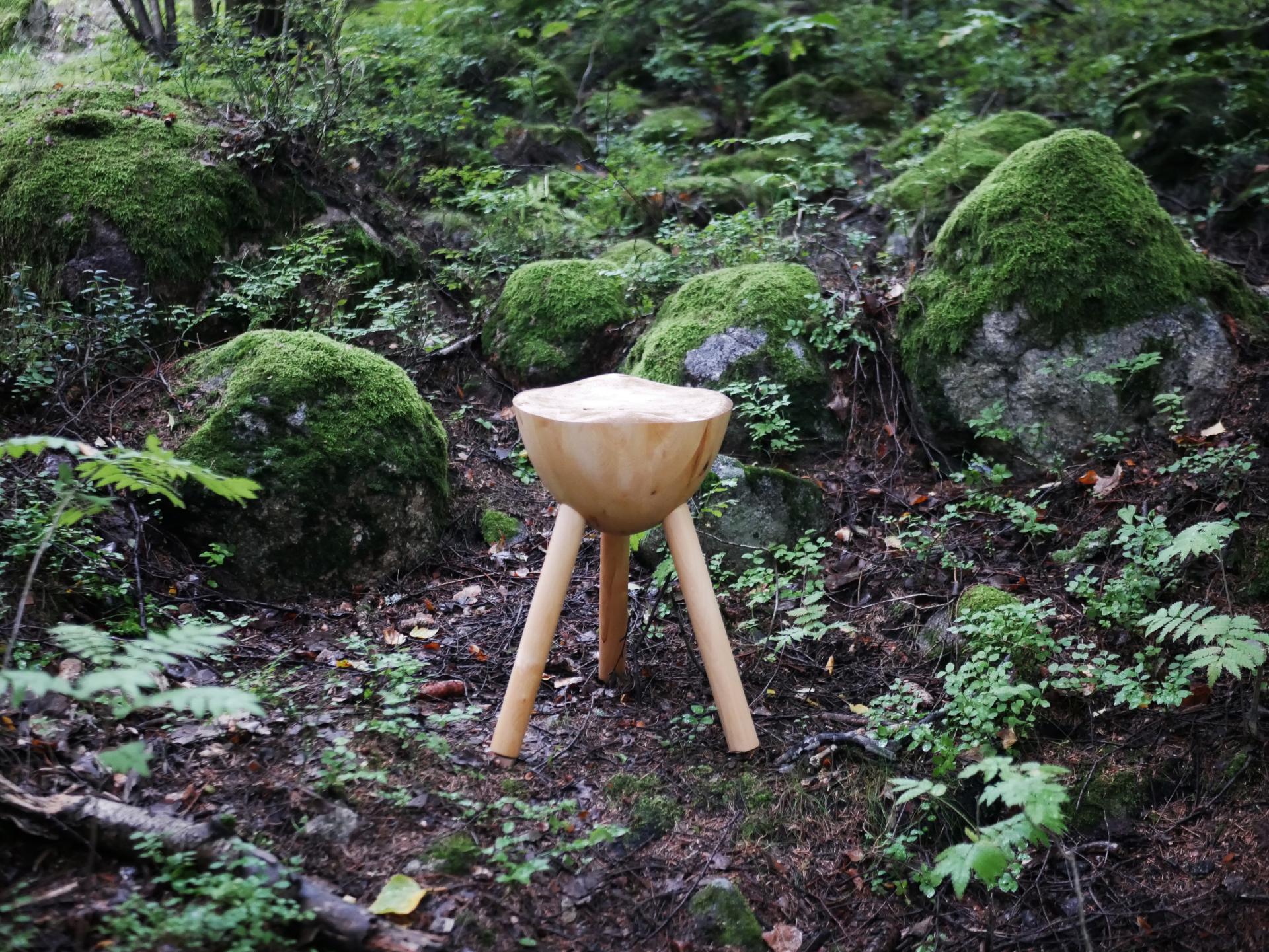
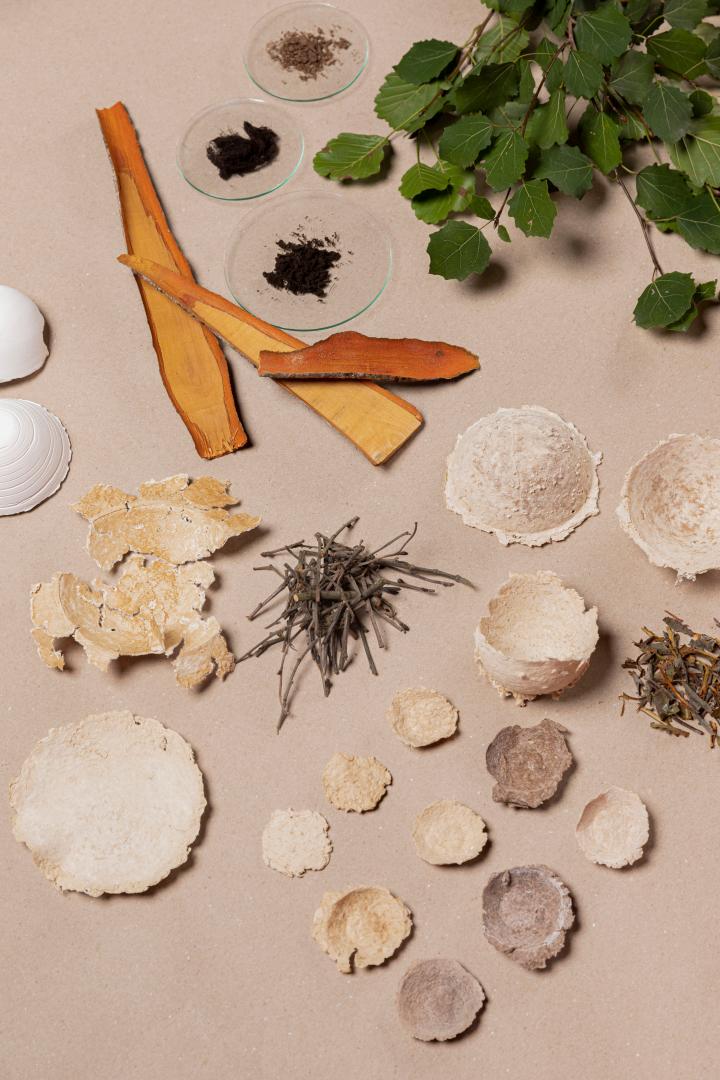
The Alder Project is a deep dive to understand and research the tree as a being and material to be used in design practices. During the project forest trips are made and documented, an alder tree is cut down, used for furniture and the leftovers are researched as a new wood based biomaterial. The project ties together the sustainability and moral questions behind material use, aesthetics of the forests and beauty of the forest-human relationship we are all part off.
Project Region
EU Programme or fund
Description of the project
Summary
The Alder Project is about understanding the forests first hand. During the process forest trips are made and documented, an alder tree is cut down, used for furniture and the leftovers researched as a new biomaterial. Wood is studied as a living tradition with modern possibilities and knowledge.
The Project includes:
1. Gaining an understanding of forests:
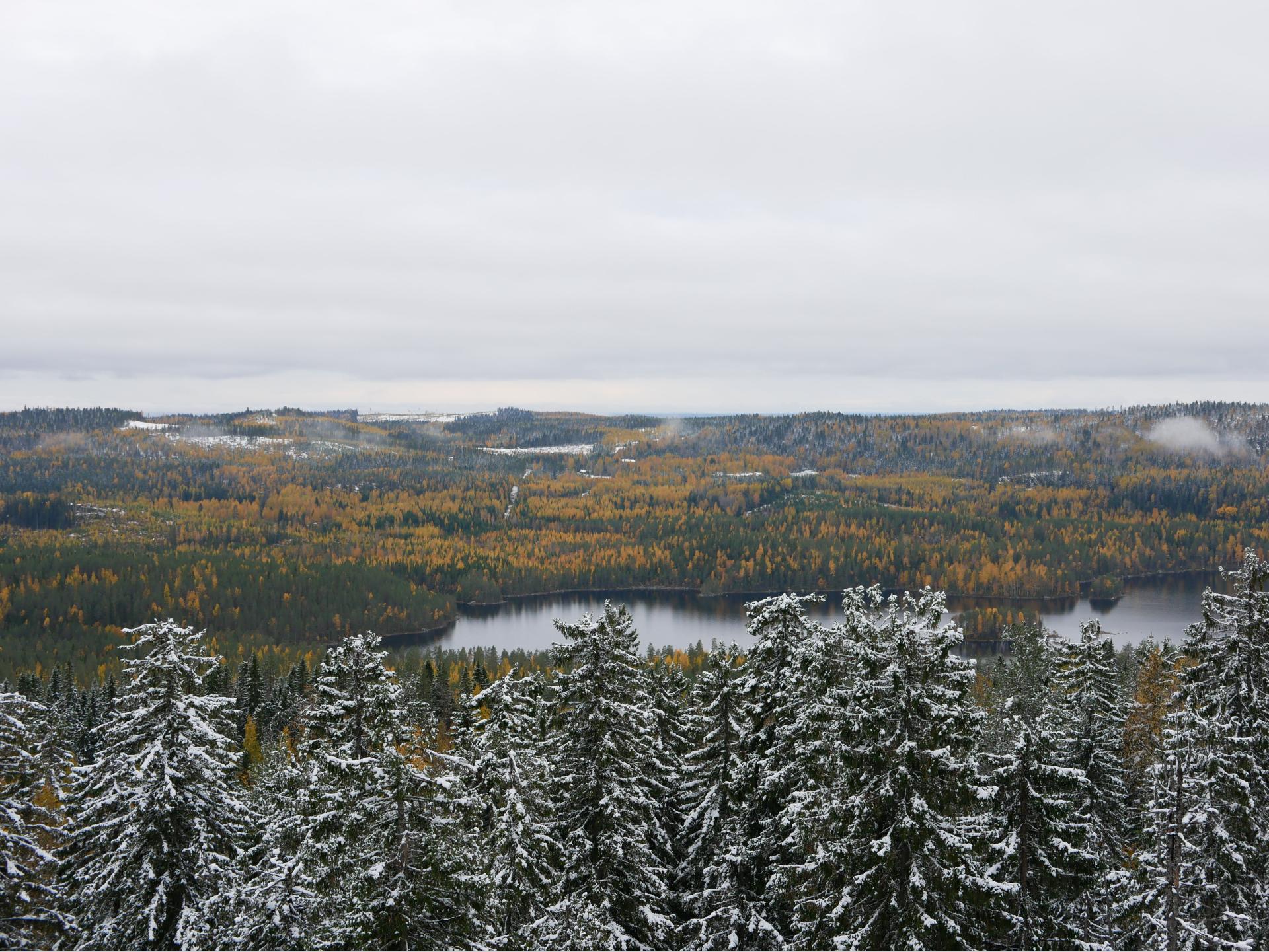
Providing a collected outline of todays scientific understanding of Forests, while through personal journey gaining understanding by observing and documenting different forests of Finland.
2. Following the journey of the material:
Showing the journey from cutting down an alder tree to studying and processing the wood. The Wood material is sawn, dried and used for furniture. The leftovers are researched as a new bio-based material, which is used for design process.
3. Arousing the conversation and communication on Forests:
Organizing a public exhibition and listening to and collecting the thoughts of different people on Forests. An Online Forest Conversation is held to gather together wood specialists and designers. The Project will extend on arousing the conversation, thoughts and knowledge on forests.
Why is this important?
• The Forests and our relation with them is one of the biggest issues of modern time. It effects the living conditions and concerns the other species we are sharing the planet with. 80% of all the terrestrial species are living in forests. The key is understanding.
Working group:
• Saara Kantele, Architect, MA graduate on Contemporary Design, Aalto University
• Interdisciplinary theme combining design, research and chemistry with ecology and craftsmanship
Partners:
• Added to the department of design, the multidisciplinary discussions and help from the Forestry Department of
University of Helsinki, The Department of Chemistry and Wood sciences and Traditional woodworkers have
given the project
Key objectives for sustainability
Forests and use of wood has everything to do with sustainability and resource wisdom. We need to have the conversation and find the ways to design and use forests without compromising other values.
• The forests and use of them is one of the biggest issues of modern time. It effects the living conditions of present and the future and concerns the other species we are sharing the planet with. 80% of all the terrestrial species are living in the forests. The way we cultivate and use wood is unsustainable. It should be developed with full understanding and participatory conversation on forests.
Key objectives for aesthetics and quality
•There is beauty beyond imagination on the Forests. They provide aesthetic and almost divine experiences to human and other species. The relationship we have with the forests can be beautiful and balanced.
• The key, to healthy relationship is understanding. We need to look at the forests as a whole, as a living environment and source of biodiversity, actor at the war on climate change and healing environment for humans, at least as much, as we now concern the economical and industrial aspects. Important is to justify and be clever on how and for what we use forest. - In this project I tie together the knowledge and understanding of different aspects of a forests and an individual tree to combine with skills of a designer, researcher and practitioner
Key objectives for inclusion
• 600 000 Finnish people own forest and this scales up to the European level. The climate, the forest stabilizes,
concerns the rest of us. The humane understanding of forests, and more considered use of it, should be scaled to the whole population, for the generations to come to equally have the choice. We should include the viewpoint of nature and the future generations in the forest policies of today.
• The project provides conversation: different outcomes and alternative ways of design using wood. It challenges the conventional way of thinking about forests. We cannot have two different conversations: while speaking of wood design and architecture, we’re also speaking of forests and their habitat.
Results in relation to category
Forest-friendly design – how to design using wood without compromising other values?
• Impact: How should design address the diverse values of the forests while using wood as material? Forests are still seen too often solely as material source. This is changing, however. We need to think, how this new world view affects our design conventions. We need to re-think design of wood.
• Forest-friendly design is all about material wisdom, and thoughtful use of wood. We need to change the way we think and use forests.
How Citizens benefit
Forests and use of them affects us all, the designers, the consumers and the inhabitants of the world.
The community has been engaged by organizing a public exhibition and collecting the thoughts of different people on Forests. An Online Forest Conversation is held to gather together wood specialists and designers. People have been engaged to the project and forest conversations, and new thoughts have been triggered. The Project will extend on arousing the conversation, thoughts and knowledge on forests.
Innovative character
In the Alder Project different fields and tradition and modern techniques are combined innovately.
The project combines scientific information on forest, laboratory processess and designers expertise to fully produce a material design cycle from the start. The project utilizes new fields of Biomaterial research as a means to fully utilize the leftover materials of a wood based design process. The project uses zero-waste approach to tackle the question: What is waste and what is material?