Jericho
Basic information
Project Title
Full project title
Category
Project Description
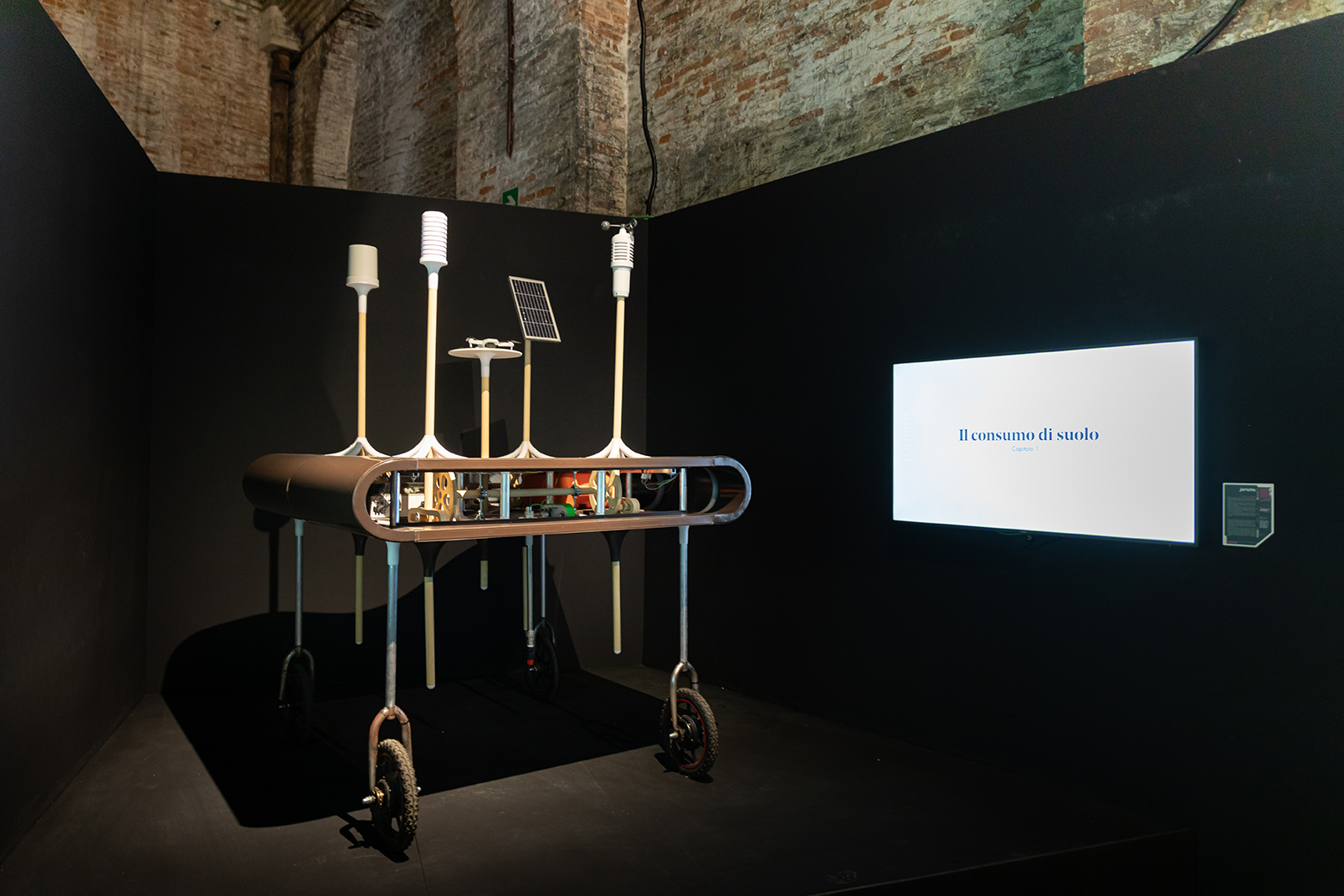
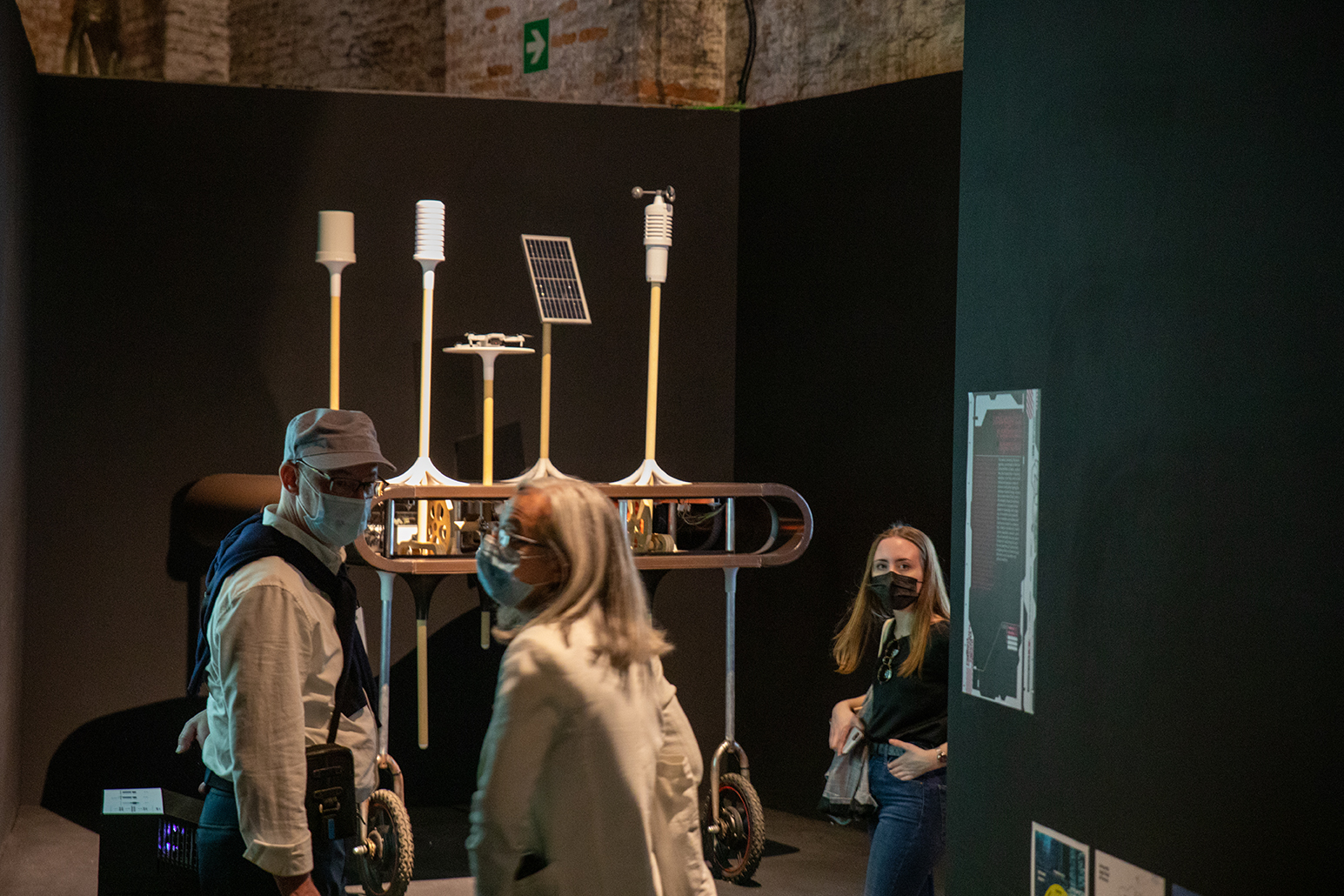
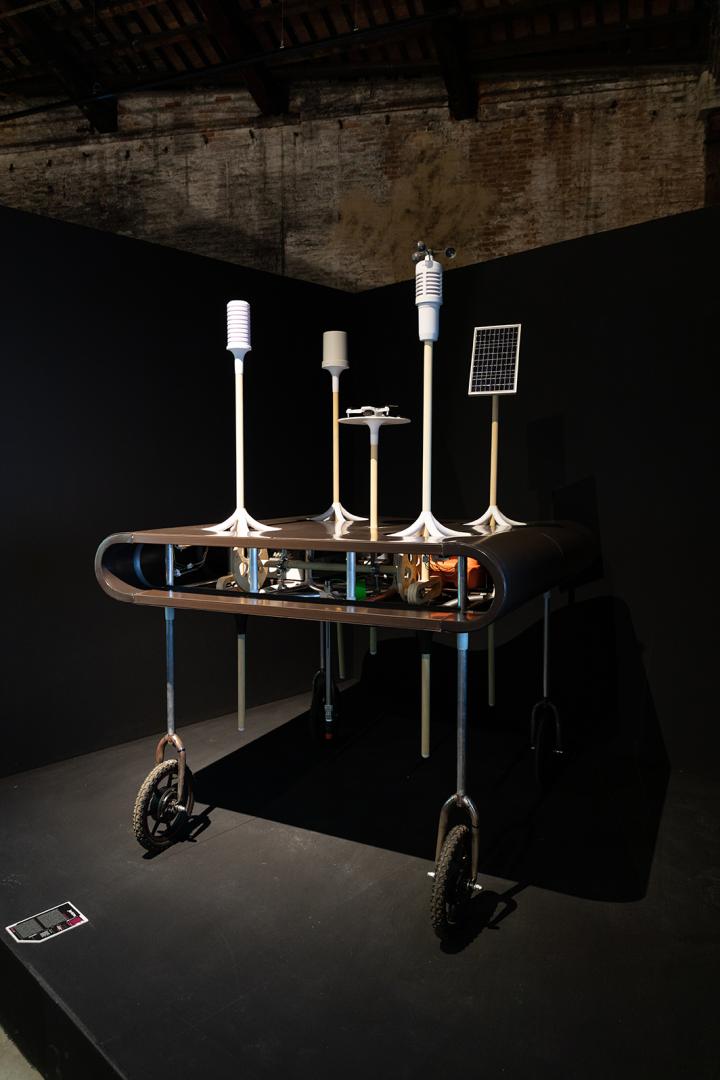
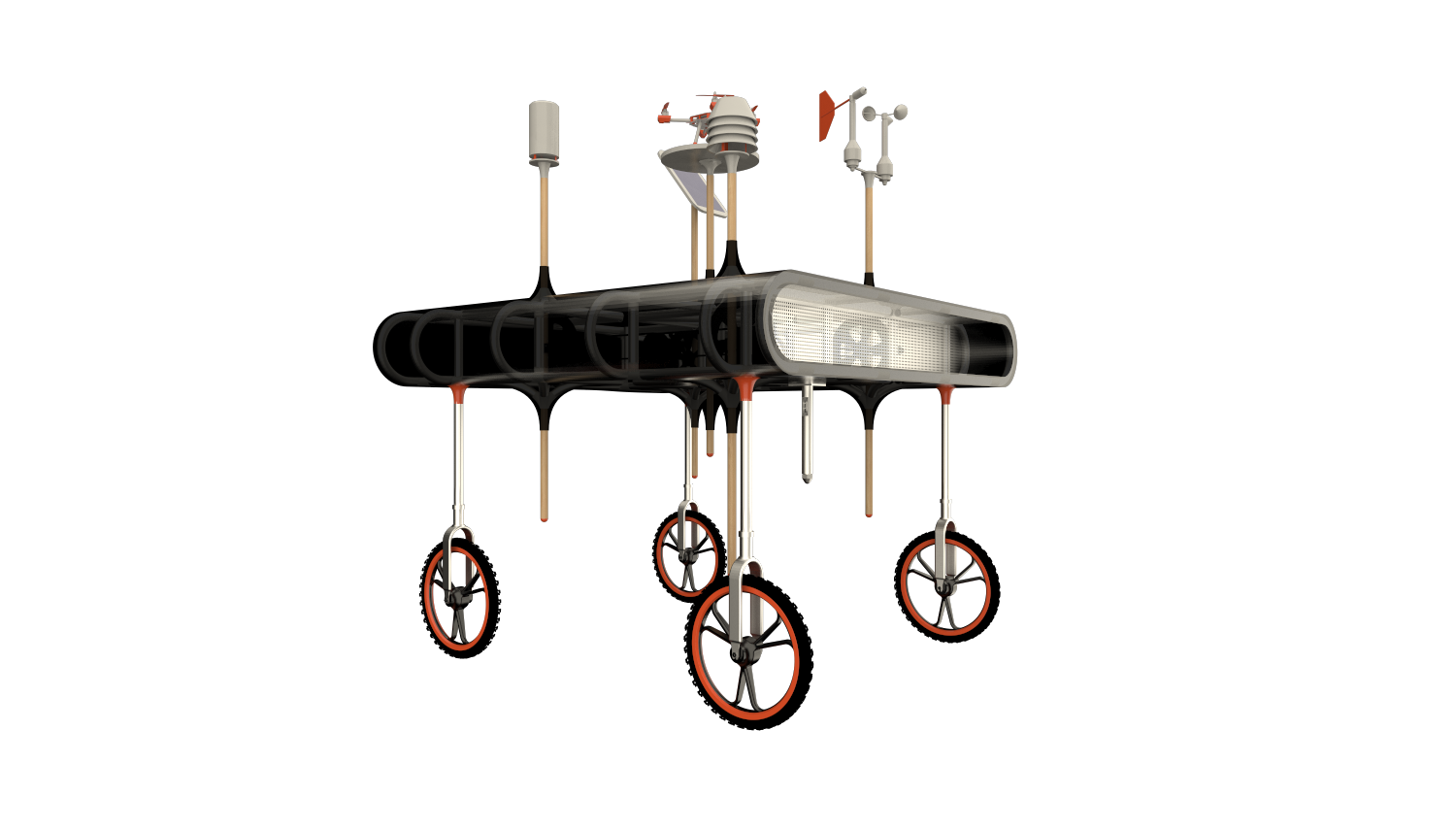
Jericho is an initial response to the problem of increasing soil consumption. It's a project of a terraforming architecture: a mobile mechano-biological device with an aim to fertilise and re-naturalize the land that has lost its productive capacity.
Through an integrated ecological process, Jericho transforms the soil harmed by human actions into a productive and habitable state once again, restoring it to its natural cycles related to its ecosystem and biodiversity.
Project Region
EU Programme or fund
Description of the project
Summary
The latest studies of the Ipcc of the United Nations have confirmed it for some time: Italy is a hot-spot of climate change and, in particular, the Euro-Mediterranean region is particularly exposed to the risk of desertification due to the tropicalization of its average temperatures.
The European Union, with President Ursula Von Der Leyen and even more as a result of the pandemic crisis, through the strategy of land degradation neutrality have proposed, therefore, the goal of zero land consumption by 2050, identified as one of the most impacting forms of irreversible alteration of a non-renewable resource such as soil.
From these premises, therefore, and with the idea of operating in the dictates of the circular bio-economy, with an approach that is as pragmatic as it is holistic, an interdisciplinary team has created Jericho, a terraforming machine that aims to restore the health of urban and extra-urban ecosystems while transforming them into new social and cultural hubs.
Key objectives for sustainability
Specifically, Jericho aims to realize the strategic vision of an integral ecology inspired by Pope Francis' Laudato Si starting fromthe fact of a finite natural resource such as soil to be cared for and preserved.
It proposes both the recovery of its fertility or naturalness for quality food and to elevate it as a priority tool for adaptation to climate change in the Mediterranean area. The sustainability that is intended to be achieved, therefore, is not only environmental, but also social and cultural, in an ecosystemic vision oriented to widespread wellbeing.
Key objectives for aesthetics and quality
Architecture and nature must be increasingly integrated and be the two sides of the same coin: that of a reality that must be increased by the authentic experience of those who live in or pass through contemporary places and in which they seek prolonged conditions of well-being.
Nature heals, as more and more doctors say, also because of the physical and psychological effects induced by the pandemic crisis and in this reconstruction also spiritual, and not only material, architecture will take on an increasingly essential and fundamental role because from the reconfiguration of its geometries can emerge new utopias.
Even architecture, therefore, will have to take advantage of the radical season of ecological transition crossed for an ethical conversion of its ethical and pedagogical mission so that the urban space, more and more naturalized, becomes a place of proximity and sustainability.
Key objectives for inclusion
Jericho stems from some ecosystemic devices for communities, tested over the years in Sicily and in particular in the city of Favara, a recognized hub of urban regeneration and social innovation in which is particularly pronounced the need to de-waterproof the soil and de-densify the huge existing building stock to generate new spaces of sociality thus promoting social inclusion and inter-generational participation which is necessary for the construction of a different vision of the territory today marked, moreover, by widespread poverty and inequality.
Jericho, therefore, starting from its pragmatic and holistic vision, through the sewing together of city and countryside, wants to make of the interstitial or periurban urban spaces new micro-hubs of community and proximity to be correlated among them according to the functions that can be realized in each of them on the basis of the demand of the citizens of the territory of Favara. With this model naturally replicable and exportable elsewhere for place-based models, but also nature-based.
Results in relation to category
Urbanization represents in Italy one of the worst forms of soil degradation. Soil consumption is mainly due to the construction of new residences, more than to the realization of infrastructures. Despite the fact that Italy and Sicily are losing population, we continue to transform the soil, even in the absence of a national law to protect them, because there is not yet widespread awareness that soil provides fundamental ecosystem services essential for our survival.
Jericho, as part of the paradigm of urban regeneration and place-based social innovation, aims to make the territories in which it intends to operate "resilient communities" because only by putting people and their right to live in healthy environments at the center of every agenda we can achieve integral human development and "make peace with nature", as stated by the Secretary General of the United Nations Antonio Guterres.
How Citizens benefit
FAO reminds us that 95% of the food we consume comes from the soil.
According to the European Environment Agency, today not even 20% of European soils are healthy, but this percentage will have to rise to 75% by 2030 both to achieve sustainable development goals and to generate new welfare economies.
The pandemic crisis has shown that the social crisis and the environmental crisis are not separate, but are interconnected. Everything is related. It is therefore necessary to promote the emergence of the "one health" approach at the center of which, starting from the city, the rights of citizens must be placed.
With Jericho, therefore, citizens will not only be able to experience the benefits of recovered and regenerated soils, drawing widespread environmental benefits, but also social benefits that will remain constant over time because new platforms of community and proximity can be created around it.
Innovative character
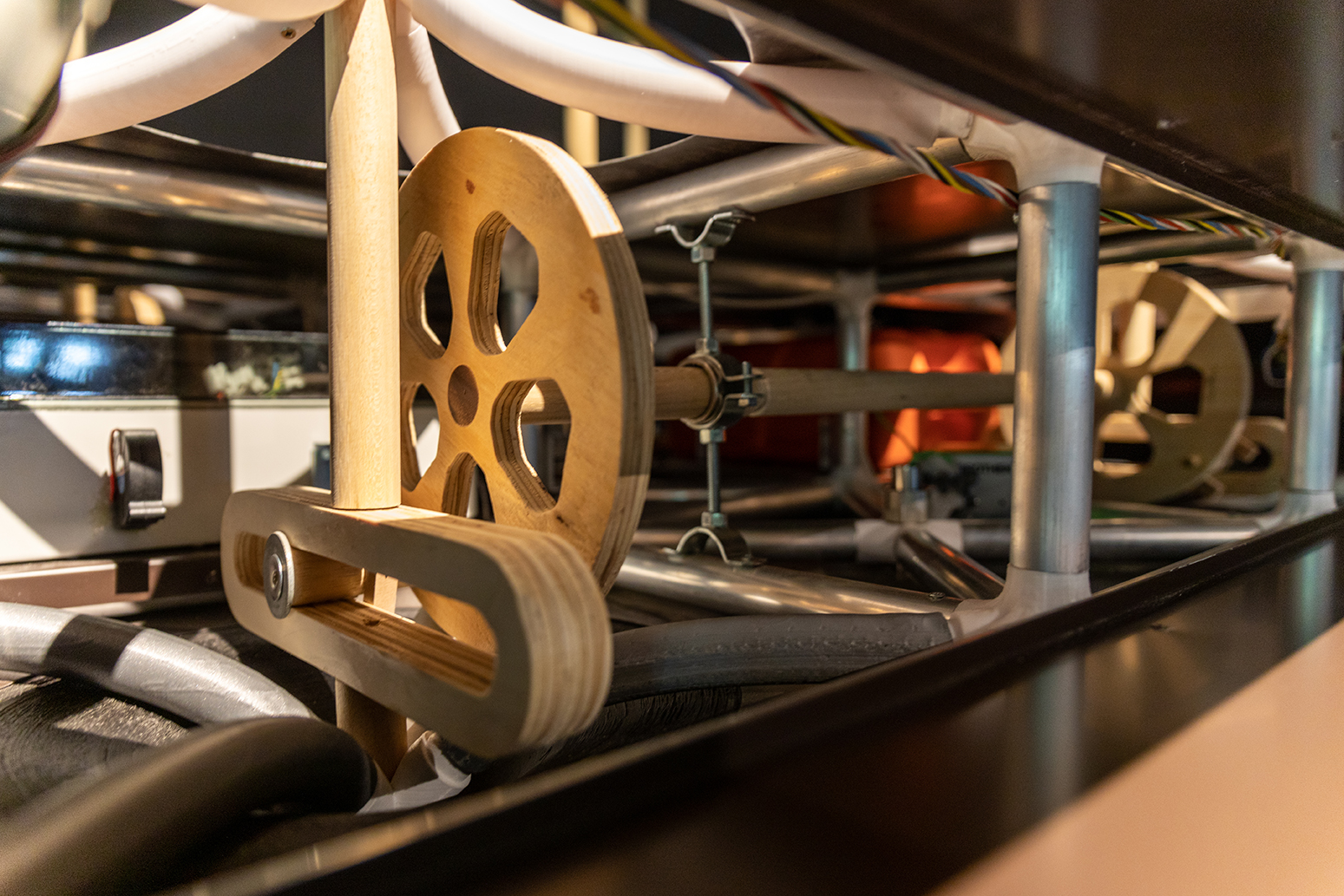
Jericho, whose name derives from the rose of jericho to emphasize the desire to be a symbol of rebirth and hope, is not only a mechanical-biological prototype of the latest generation, but is an experimental device that wants to weld technology with ecology.
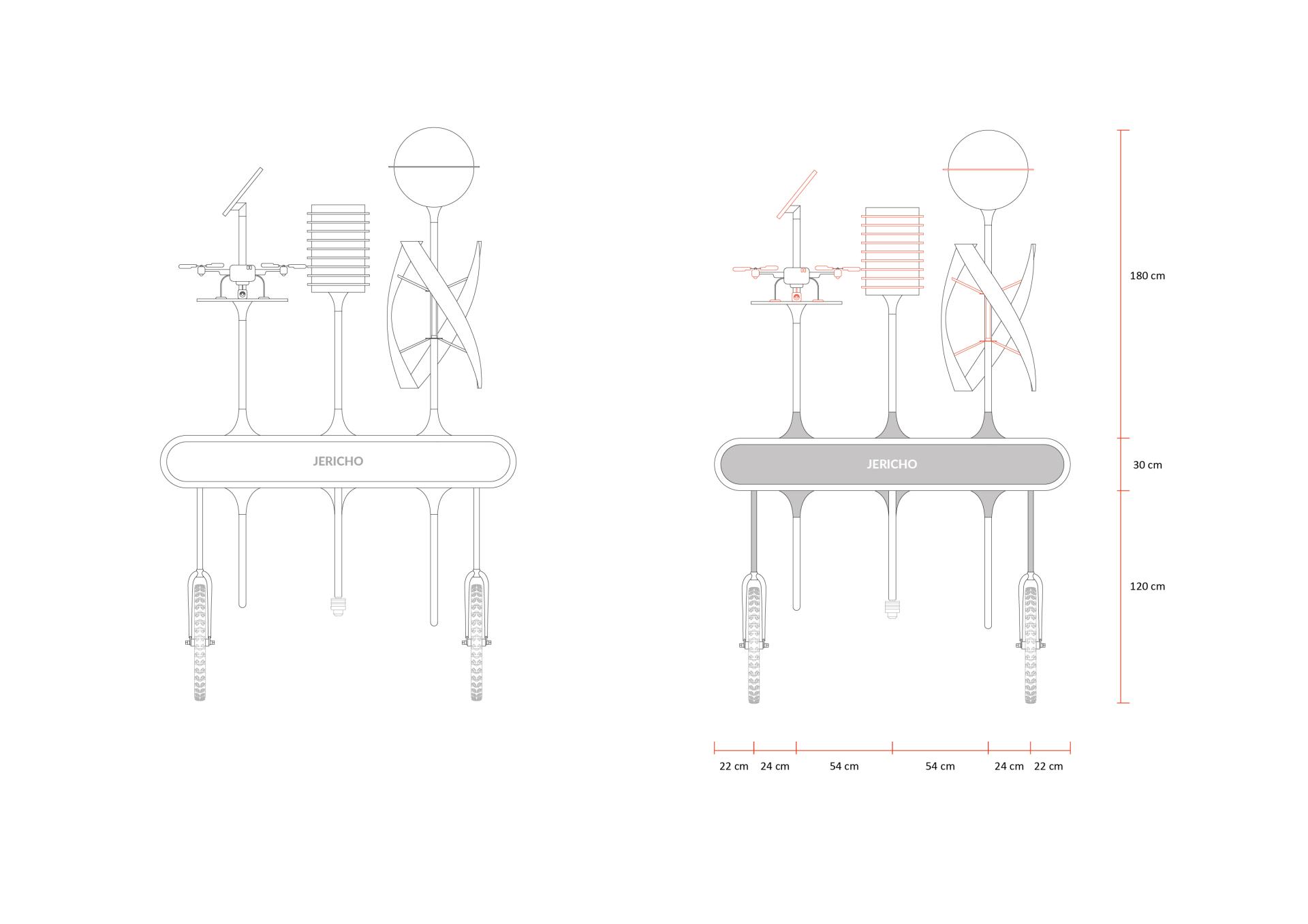
Jericho, in fact, in addition to a mini weather station energetically self-sufficient for the presence of a micro-panel photovoltaic, currently has an Arduino board that calibrates the operation of its various devices, not forgetting, moreover, the presence of a hyperspectrum drone that allows a diagnostic of the soil to recognize the health status and their pedological configuration in order to then correctly predict what solution based on nature or what care will be provided for the restoration of the area under study.
In the case of Favara we use mycorrhizas and local natural substances, well adapted to the semi-aridness soils.