Smart and sustainable bike rest stops
Basic information
Project Title
Full project title
Category
Project Description
The “Development of the bicycle rest areas and infrastructure on bicycle/thematic trails in the Split-Dalmatia County" project showcased how smart and yet simple solutions can contribute to the revitalization of the territory and bringing together the local community, while sustainable reinvention of derelict areas into an attractive rest stops for cyclo-tourists supported the concept of green mobility as one of the key sustainable development goals of the country.
Project Region
EU Programme or fund
Description of the project
Summary
The project was realized in 2015 using an interdisciplinary approach. It had a regional character and included multiple stakeholders, each contributing from their area of expertise. The project holder was the Split-Dalmatia County which designed and implemented the project in partnership with the Ministry of Tourism and Sport that financed the project, the Municipality of Dugopolje, the Tourist Board of Split-Dalmatia County, and the Croatian Cycling Federation as primary end-users.
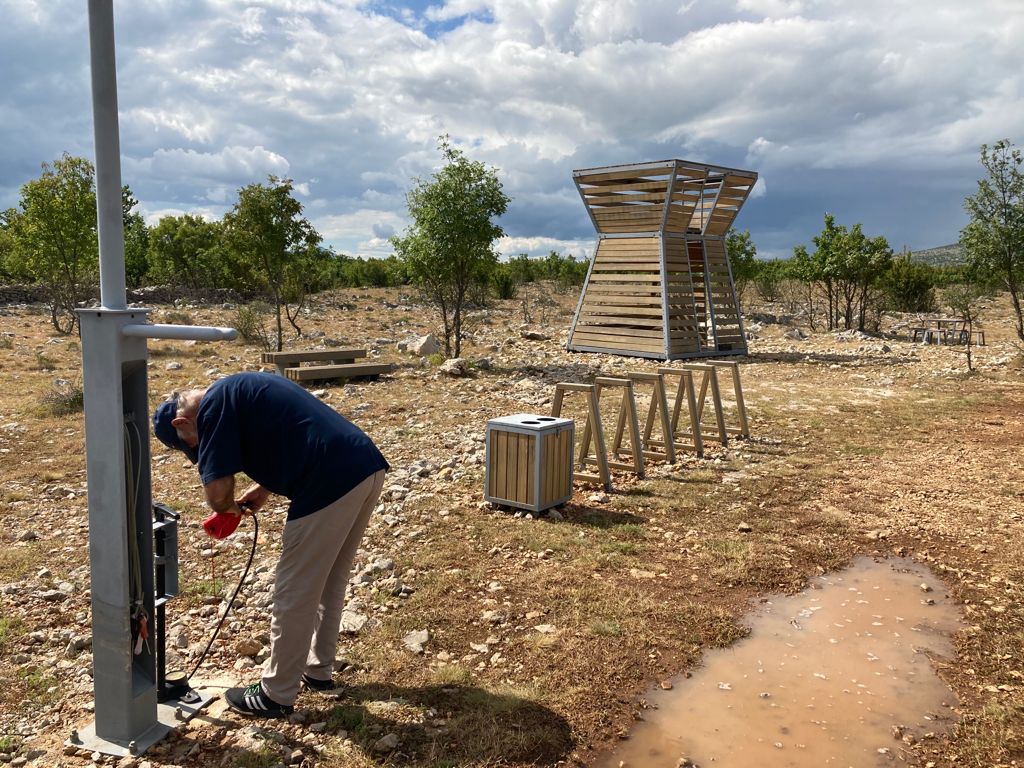
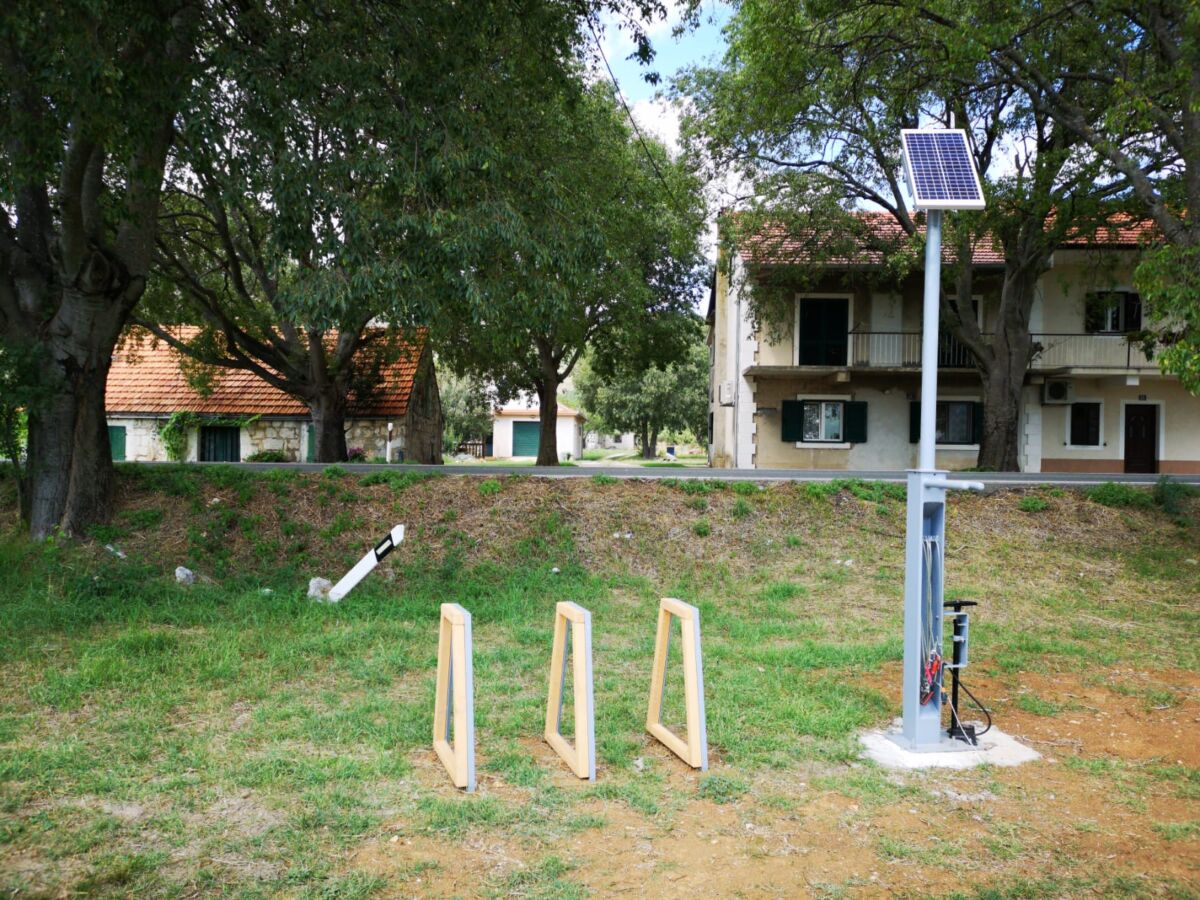
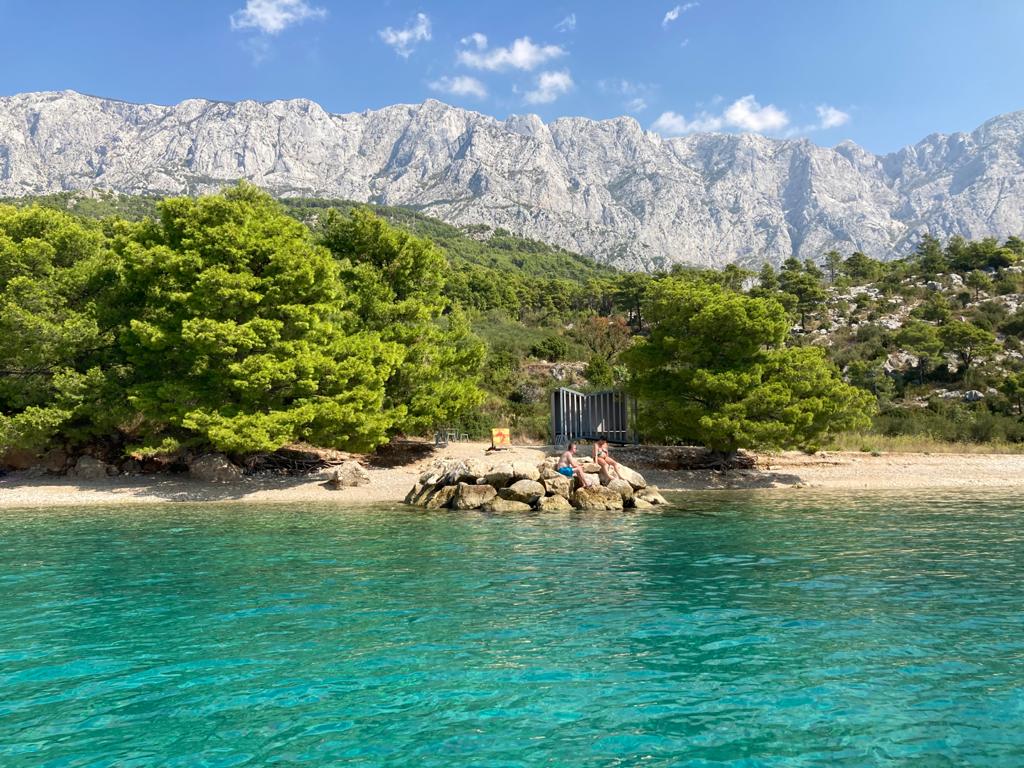
The aim of the project was to systematically integrate the cycling tourist product through the construction of the rest areas in different locations and by installing amenities in the form of chairs, waste bins, and electronic charger systems devices using renewable energy solutions. Rest areas were meticulously planned and selected through methodology with an objective for the locations to not simply be en route of the bike trails, but to encompass natural and cultural attractions of the area (Vranjača cave, Biokovo mountain, archaeological remains) and to connect visitors to the local community as well (i.e. near housing and local children playgrounds). Likewise, the trail signalization was devised which increased visibility of the bike trails and enabled further development of local cyclic manifestations on the national and international level.
The long-term goals of the project were to strengthen the tourist product of rural parts of the Dalmatian Hinterland based on sporting events and improvement of infrastructure focusing on active rest and recreation.
Key objectives for sustainability
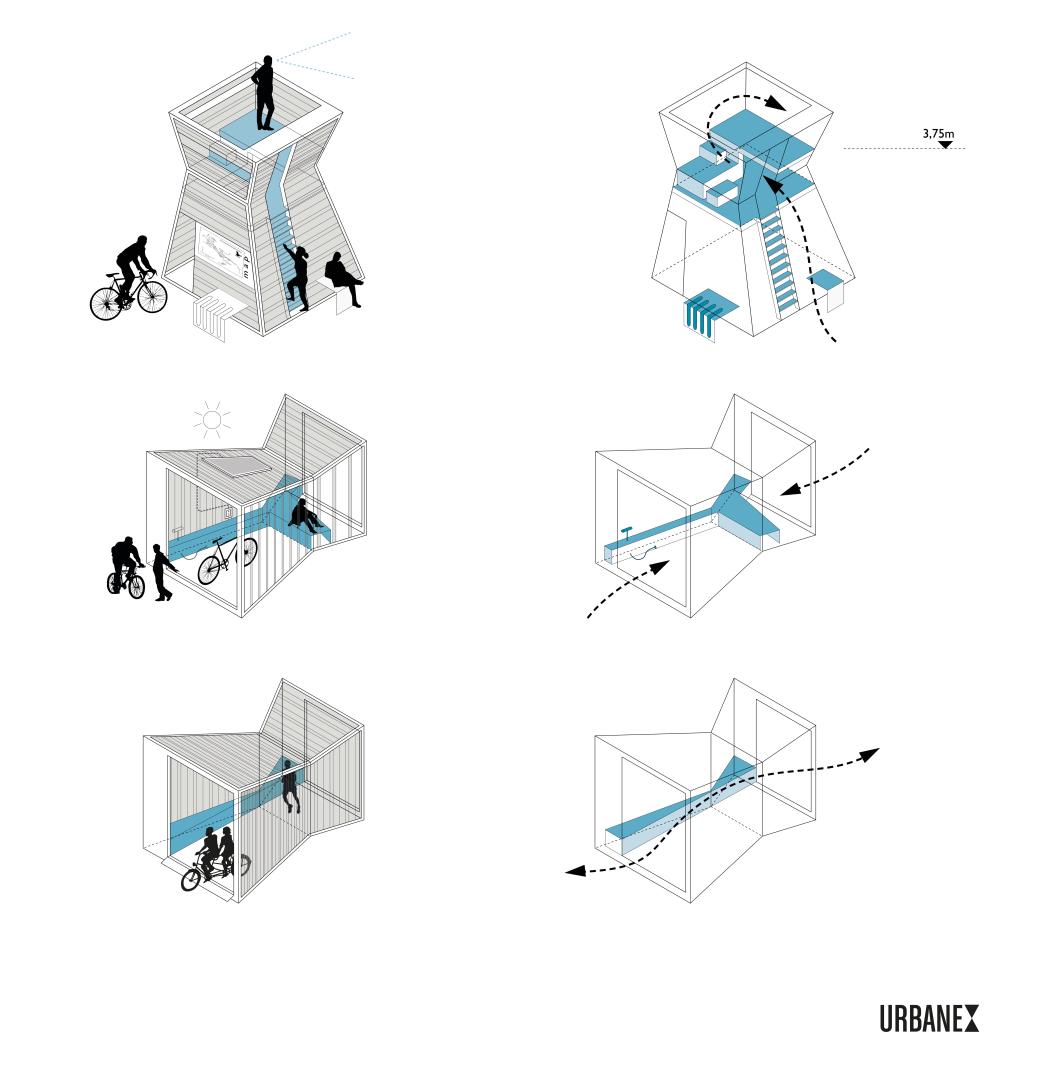
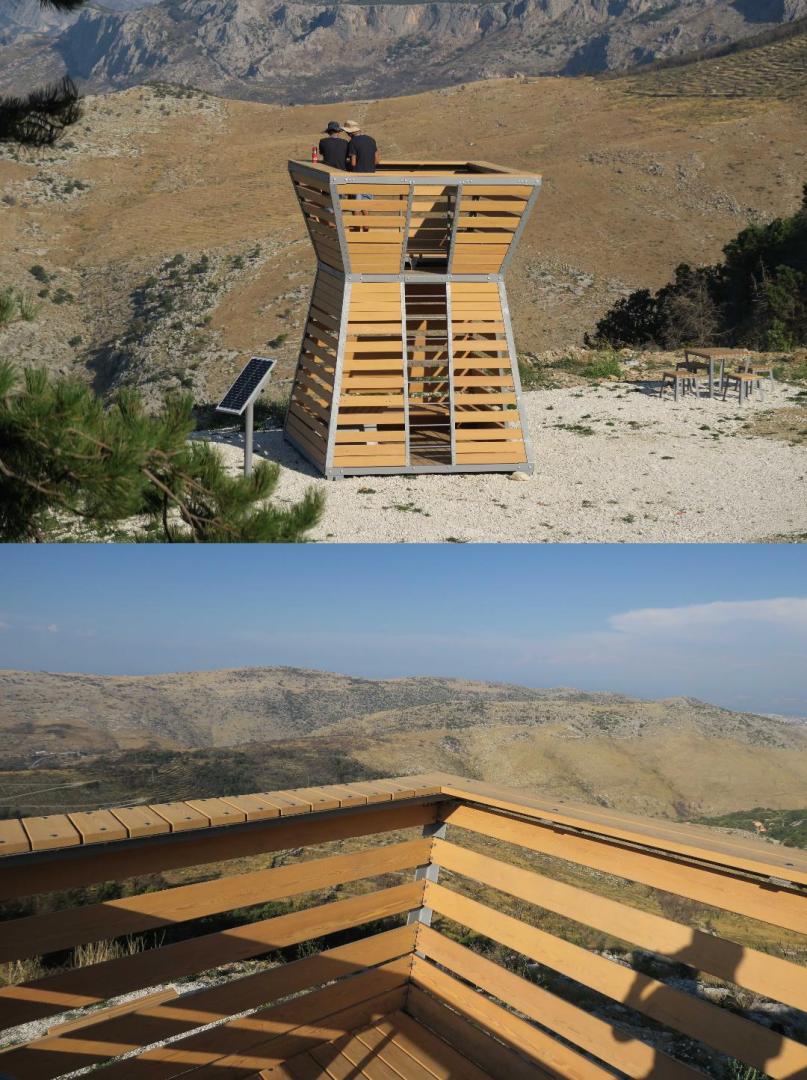
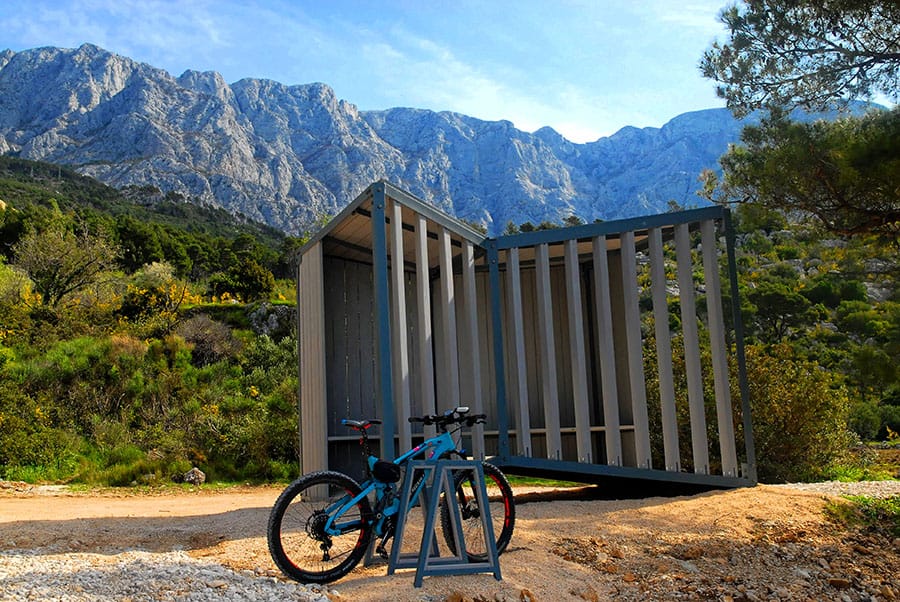
The rest areas set in different locations have been designed and constructed in accordance with the local landscape context, use and needs. Therefore, there are three different types of rest stops, that is an open space lounge, a bike pit stop with repair service and a belvedere. Facilities at the rest areas are equipped with electrics powered by solar panels in order to, in a sustainable way, adapt to the needs of mobile technology users. Rest stops are all made out of recyclable material with minimal treatment, i.e. wood, metal., that ought o be refreshed and renewed every couple of years. The engaging local community in the maintenance of the bike rest stop could contribute to development of the circular economy of the area.
In addition, the project was consistent with the “Croatian Tourism Development Strategy until 2020” and complementary to the ongoing national “Croatia 365” project, both aiming to enhance the tourist offer through a smart approach to more sustainable actions and green mobility. Developed rest stops elevated the content of the bike trails they were set on, making them more attractive and thus engaging more tourists to consider cyclotoursim in other less renowned and hidden locations of Dalmatian Hinterland. This enabled alleviating the tourist flow pressure from the famous macro locations such as Šibenik and Split and offered the development of well-balanced and sustainable tourism in Split-Dalmatia County. Likewise, enhancement of the cyclotourist offer contributed to higher use of the green concepts of mobility which is an extremely important feature for the sustainable development of the region that is heavily dependant on tourism.
Key objectives for aesthetics and quality
The simple, smart and sustainable design of the bike rest stops unobtrusively elevated the landscape and offered both passersby and the local populace an innovative feature. Realized design of the rest areas integrated the sustainability of selected construction material and the multi-purpose of the structures in combination with attractive architectural design. The facilities are designed as to pyramids facing each other at the peak. Such form is implemented in three types of rest stops, while in the lounge-type the shape is placed horizontally, whereas in the belvedere type the shape is vertically set. The ability to use the same design form for various types of facilities shows its multipurpose character and its design value. The simplicity of the construction itself corresponds to the traditional minimalist aesthetics of the Dalmatian Hinterland. The bike rest stops are constructed from wood and metal in a colour palette that fuses with karst and macchia surroundings, while its geometrical form still offers a sort of eyecatching excitement and attracts the passerby to stop and rest.
Key objectives for inclusion
Realized rest stops were designed to, particularly, enhance the possibility of using bicycles and theme trails for the elderly and children. Such an approach expanded the visitor demographic and thus increased the number of users who can participate in active and sustainable tourism in the area. Since these rest stops have been designed likewise with consideration of the local populace and their needs, their accessibility contributed to the inclusion of all social groups in the local community making these rest stops a new gathering focal points in certain areas.
Results in relation to category
The project outputs resonated on local, regional, and national level. Aside from their intrinsic purpose for cyclotourists, realized rest stops evolved in gathering areas for the local community. The project showcased how smart and yet simple solutions can contribute to the revitalization of the territory and bringing together the local community, while sustainable reinvention of derelict areas into attractive rest stops for cyclo-tourists supported the concept of green mobility as one of the key sustainable development goals of the country. Considering positive feedback that the constructed rest stops had at the municipal level, the County has acknowledged the Project and realized additional rest stops throughout the county. Therefore, there are so far in total 8 rest stop in Split-Dalmatia County and several more are planned to be installed in the country.
How Citizens benefit
The project contributed to territorial regeneration by alleviating tourist flow pressure from macro-destinations in the area and by setting focus on less developed and rural parts of the Split-Dalmatia County in the Dalmatian Hinterland and thus strengthening its local tourist offer as a generator of the area’s development. Likewise, project activities stimulated co-operation between the County and local municipalities in establishing cyclotourist infrastructure and developed deep involvement of the citizens and all stakeholders.
Outdoor amenities of the bike rest stops create a space for socializing and conversations. The sites themselves have become a gathering place outside the urban centres for young people living in rural areas and a contact zone with new and different cultures of visitors and adventurers. The alienation of the population of the Dalmatian Hinterland due to poor connectivity is one of the main problems of the demographic decline of the area. Therefore this project encouraged sustainable mobility and inclusion of the local population through constructing bike rest stops in abandoned areas.
Innovative character
There has been no such attempt before in the County to use cycloturism infrastructure to try to regenerate to undeveloped and rural parts of the Dalmatian Hinterland, while at some time taking into consideration the ecological, cultural and economical sustainability of the area. The project aimed to include these rest stops not only as needed content en route the bike trails, but also to design them according to the needs of local communities. That resulted in the active, all-year-long use of the rest stops.