TreeHouse Place
Basic information
Project Title
Full project title
Category
Project Description
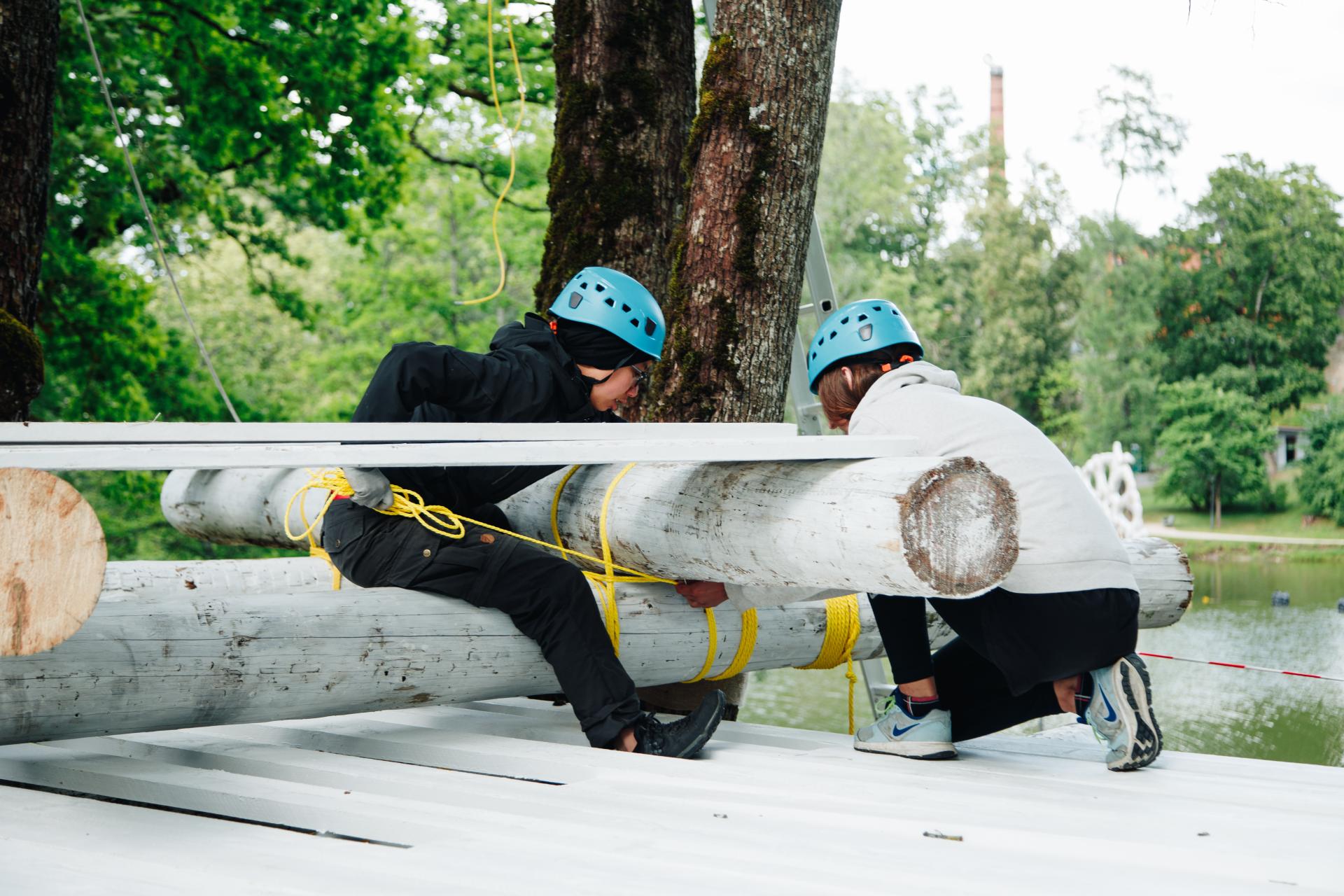
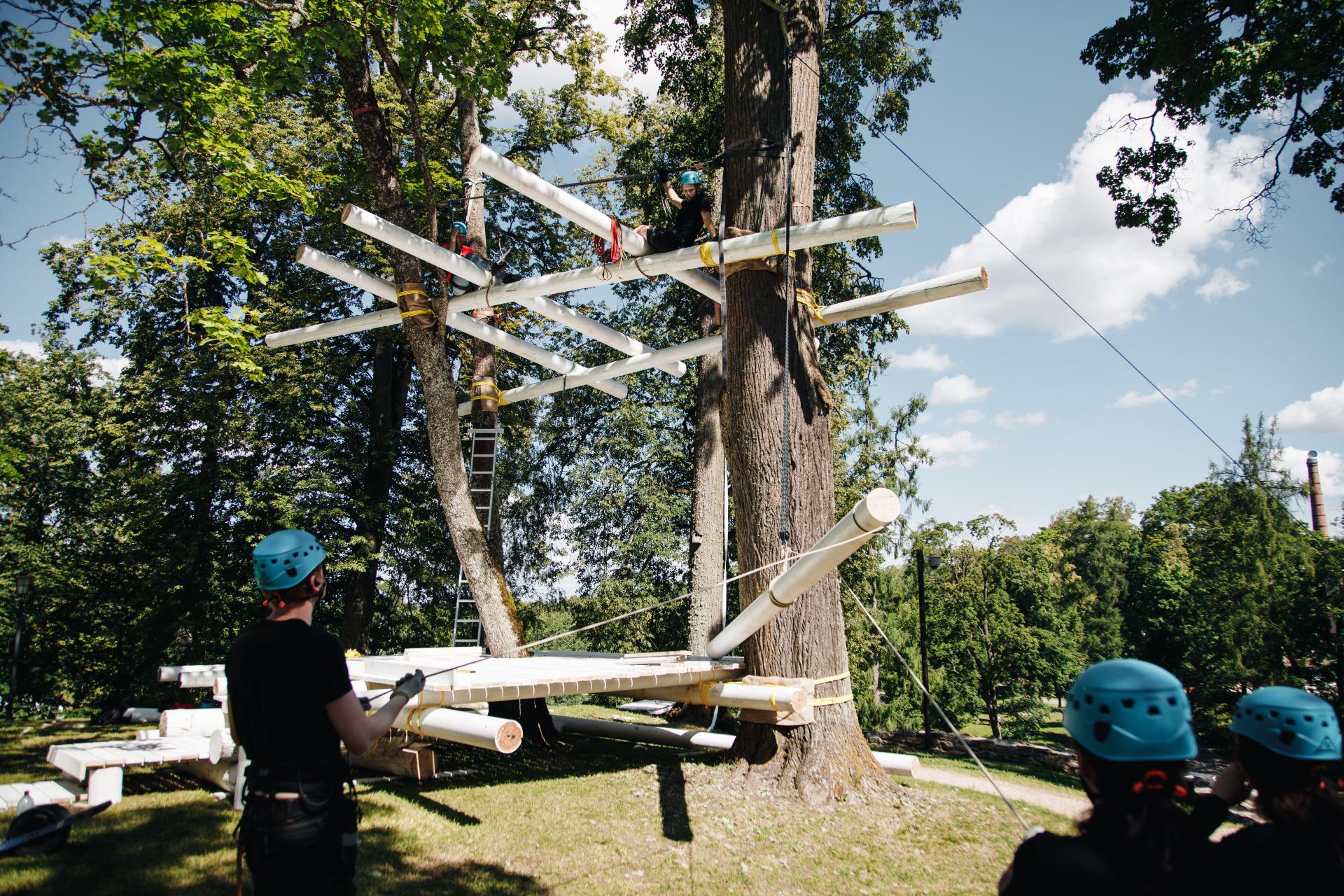
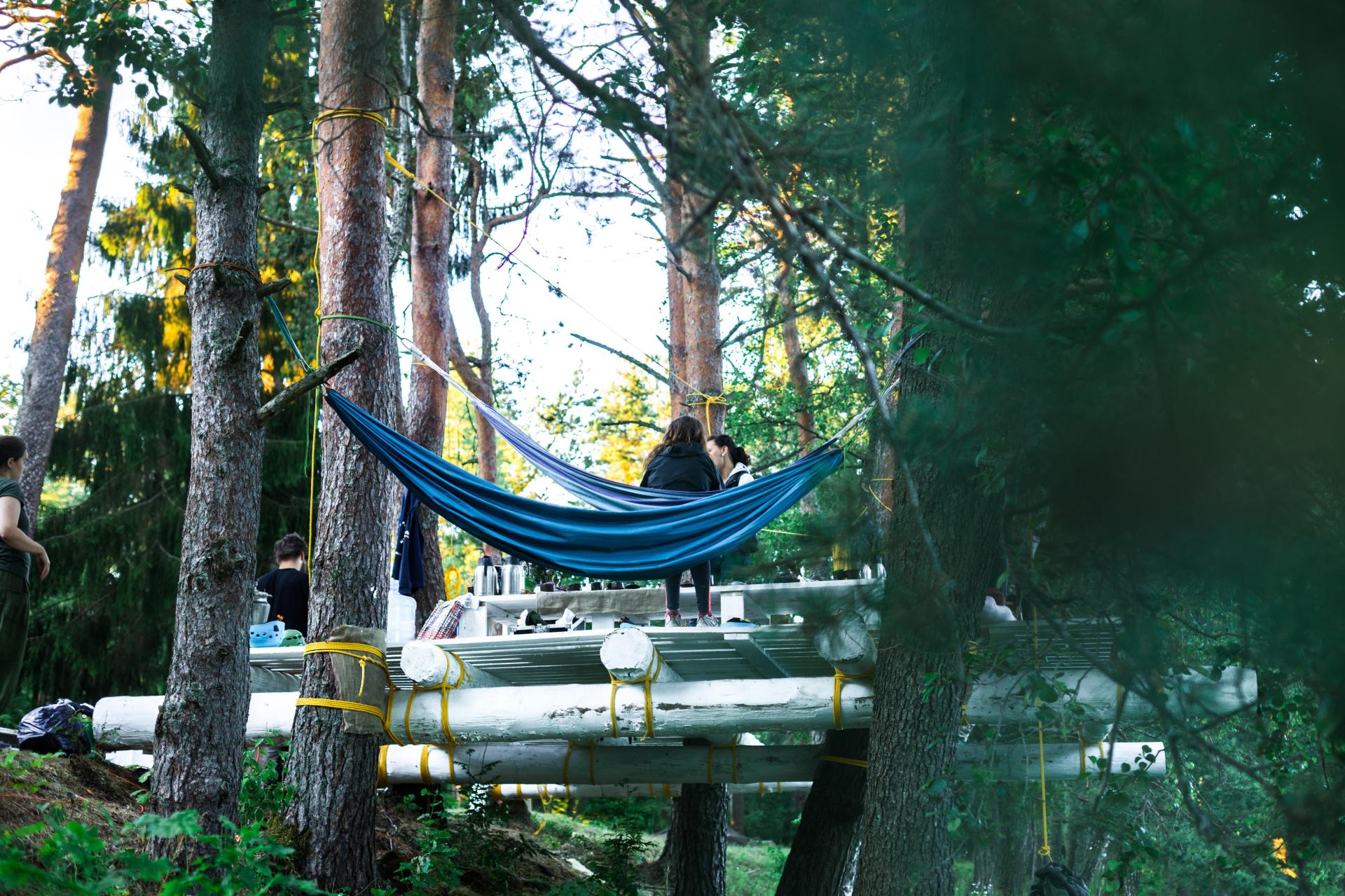
Join a greener future among the treetops with TreeHouse Place - a teambuilding placemaking activity to reconnect with nature and local communities. Build nature friendly tree house platforms using natural supports, analog rope, knot and pulley systems that don't leave any marks on trees. As opposed to traditional construction this method is quiet, meditative and enjoyable, showing that development can be an open, sustainable and participatory learning activity!
Project Region
EU Programme or fund
Description of the project
Summary
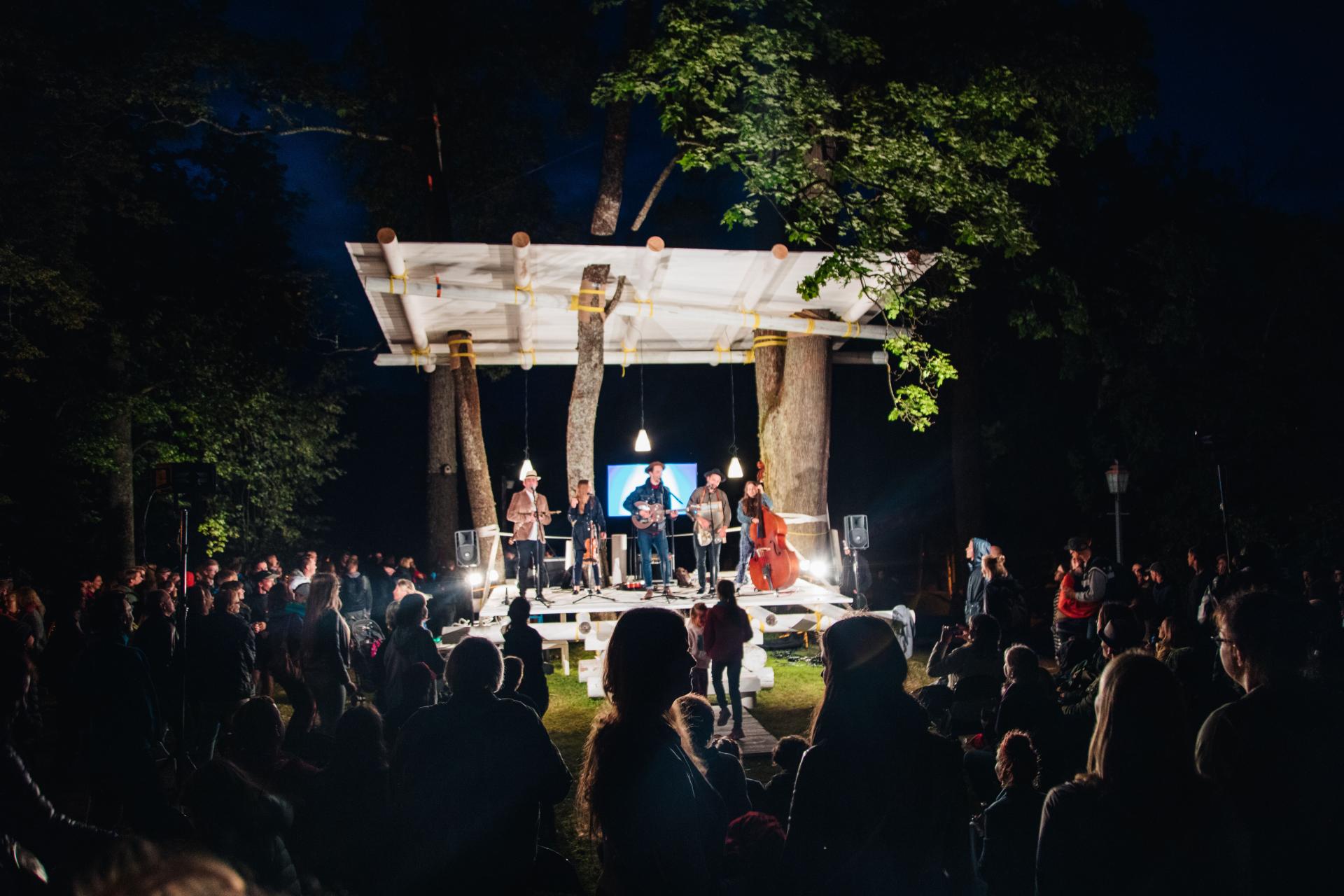
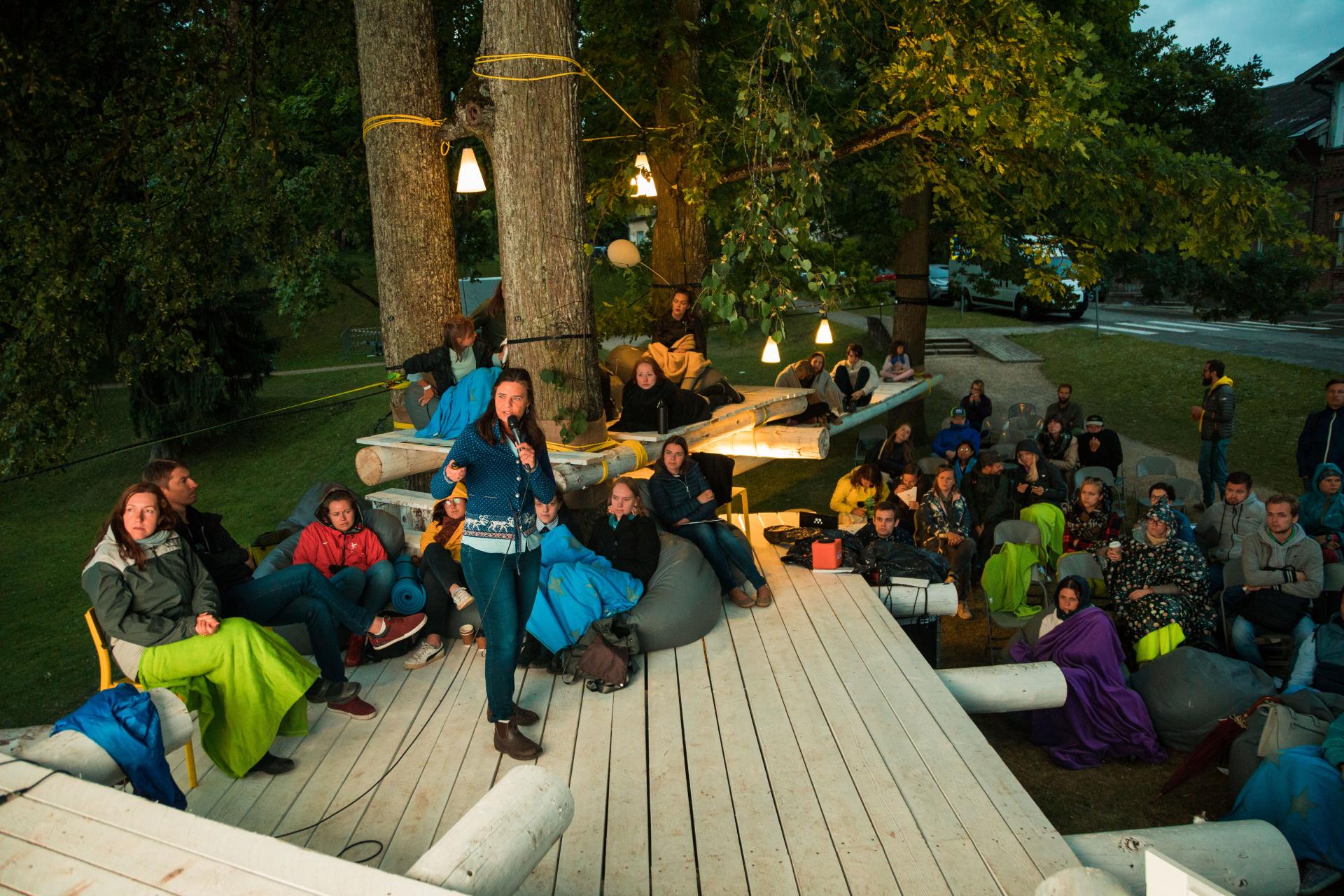
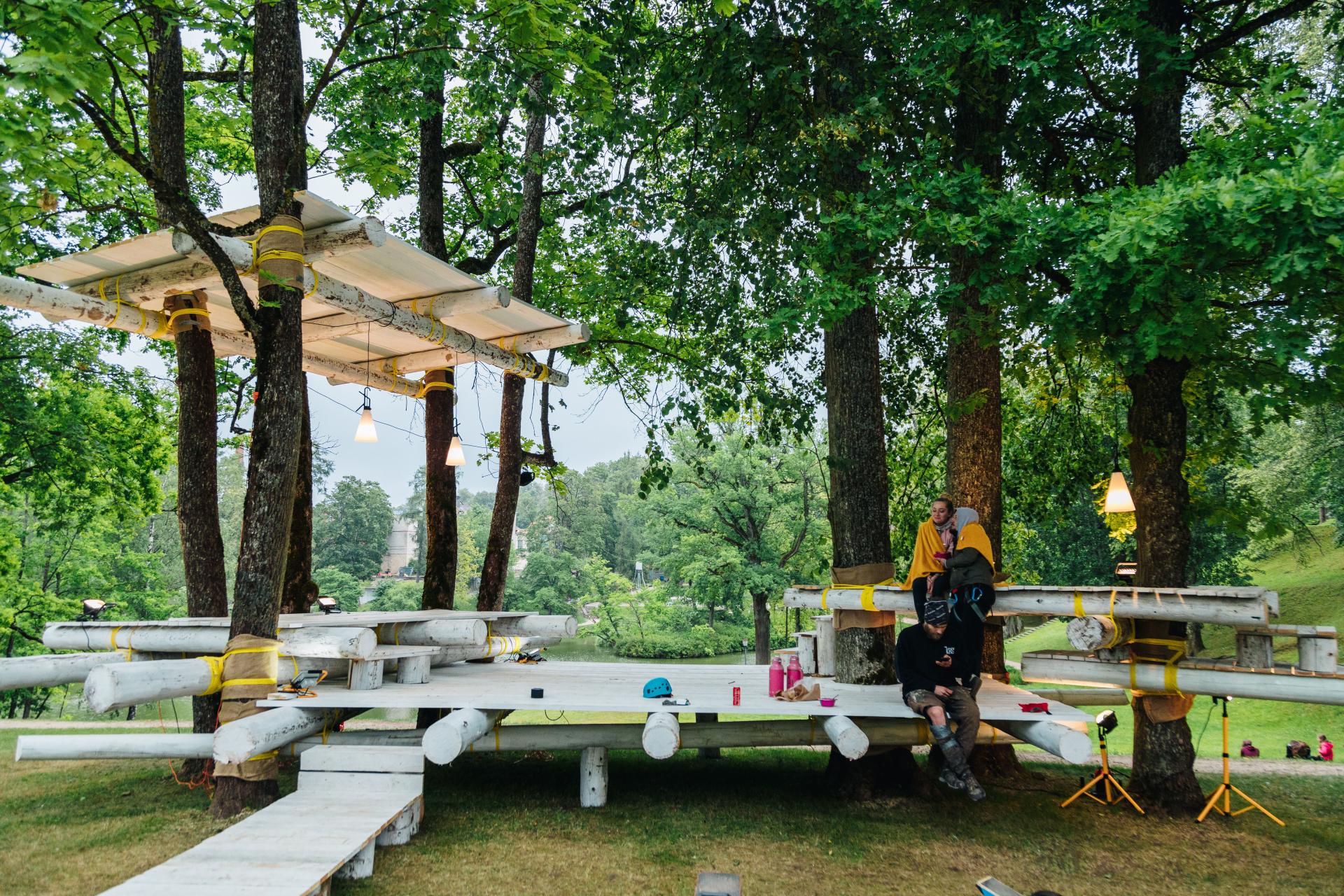
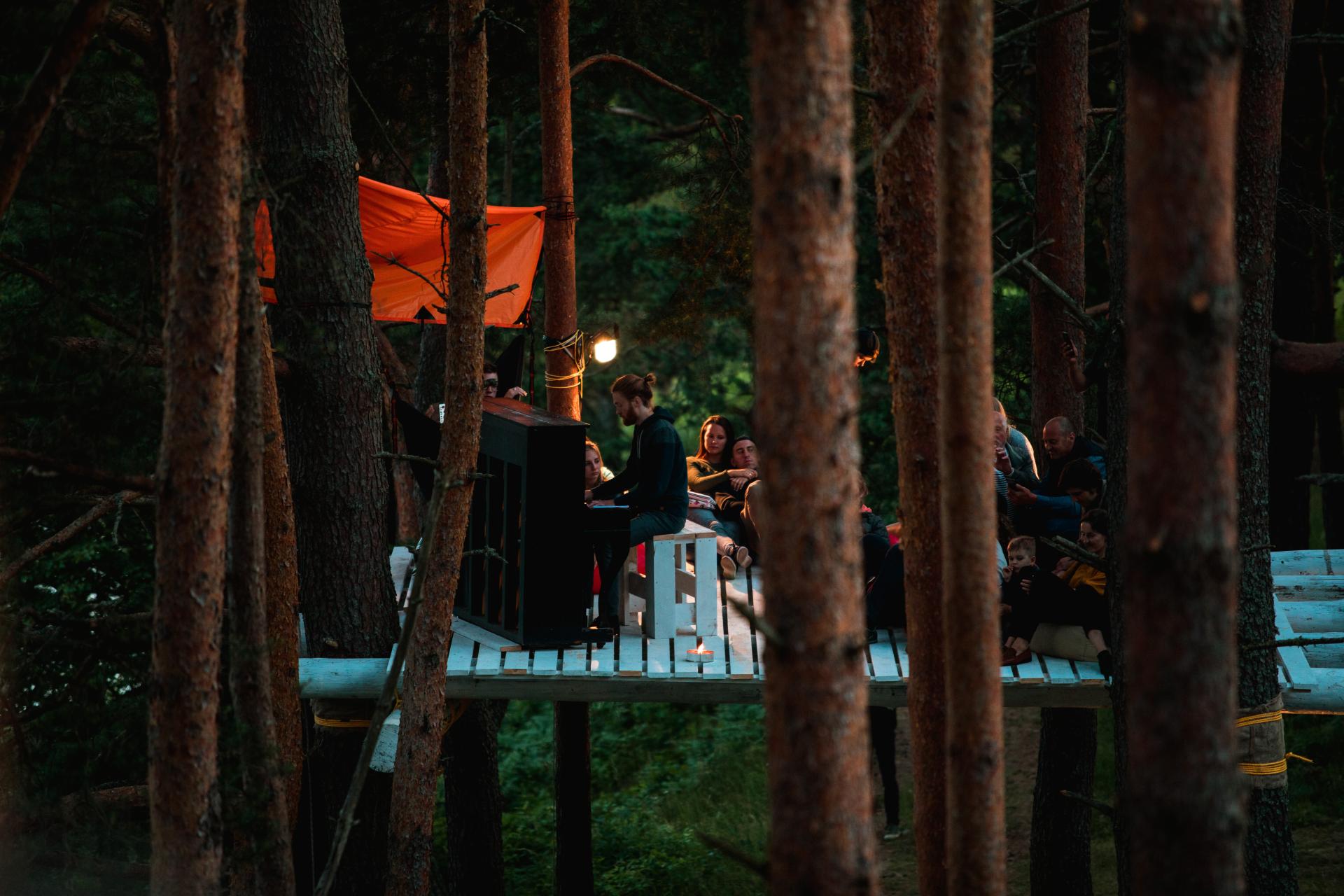
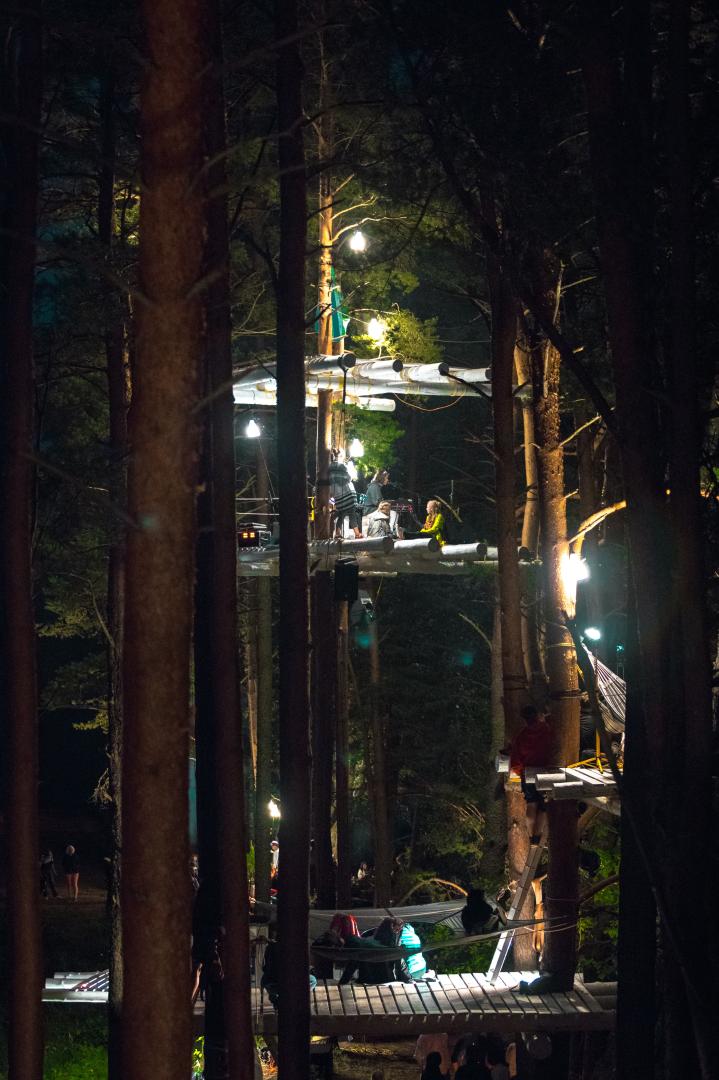
We propose Treehouse workshop as a teambuilding activity and process to reconnect with nature. Treehouse platforms can be built using an integrated rope, knot and pulley system without leaving any permanent marks on the trees. In this process only natural supports are used that leads to nature shaped architecture. Participants role is to select trees and to find patterns that work best for the intended project purposes. In order to protect the tree trunks all treehouses are dismantled after the allowed use period, determined by tree growth speed. Afterwards the treehouses are rebuilt in different configuration, thus encouraging exploration of possibilities of space, activity and recurring visits from the attendees. Our current prototype projects show that more than 90% of materials can be reused. After the construction workshop is completed treehouse platforms can be used as performance spaces, concert areas, outdoor movie theaters and nature hotels. Use cases also involve pop-up cafes, nature restaurants and even impromptu watchtowers for bird and nature observation.
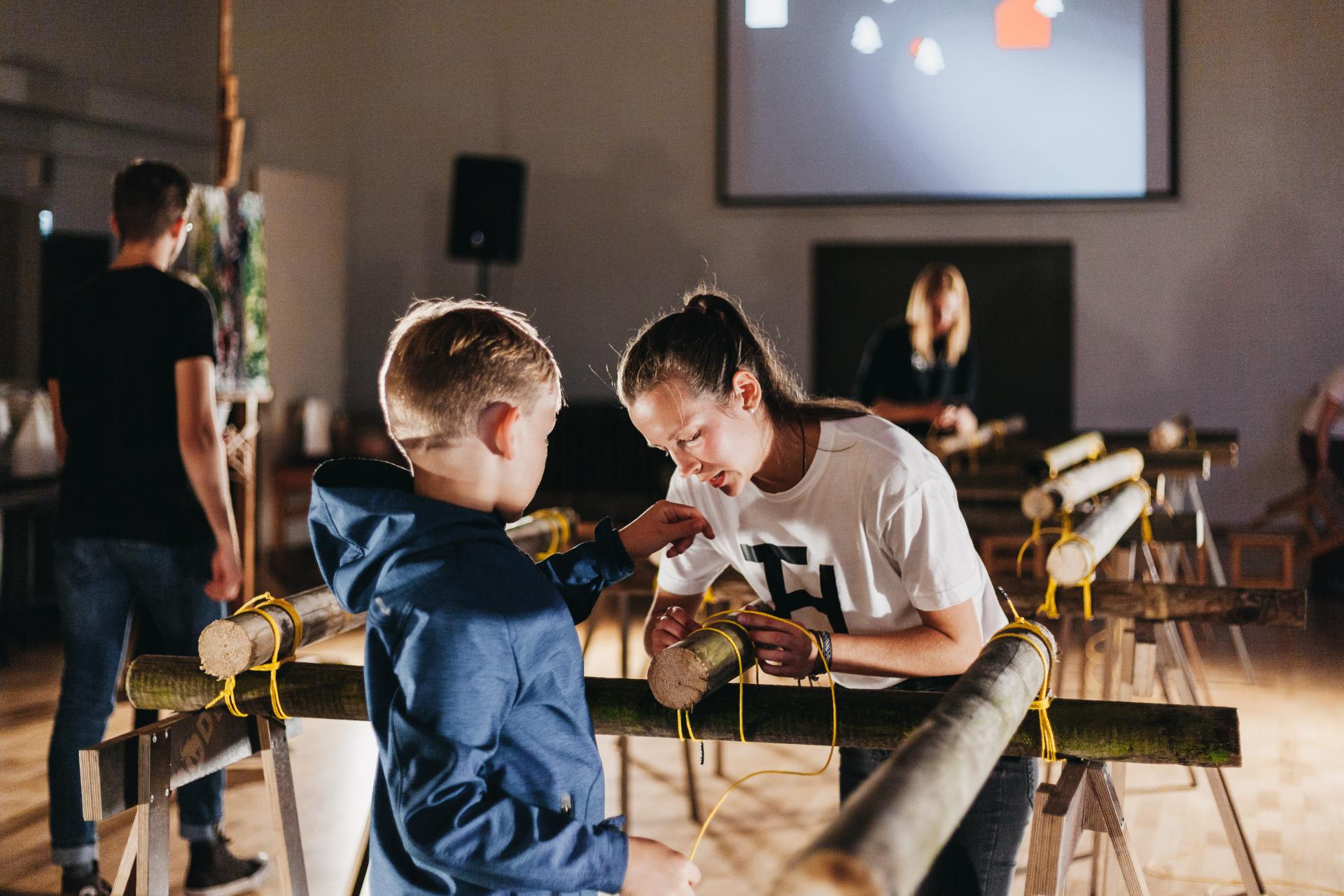
Our aim is to show that tree house construction, tourism and nature can co-exist as an enjoyable and mutually beneficial experience without the need for invasive action, large steel structures and permanent modifications and alterations of tree geometry. Through use of knots, pulleys and ropes our proposed approach finds elegance and meditative beauty in the construction process itself and allows development in nature areas where such activities are usually prohibited or limited. After the workshop concludes, most of the material, beams and ropes are reusable in next Tree house platforms. Given that the construction method is streamlined, it can be taught during a one or two day training seminar and with appropriate overseeing the building process is as enjoyable as the end result.
Key objectives for sustainability
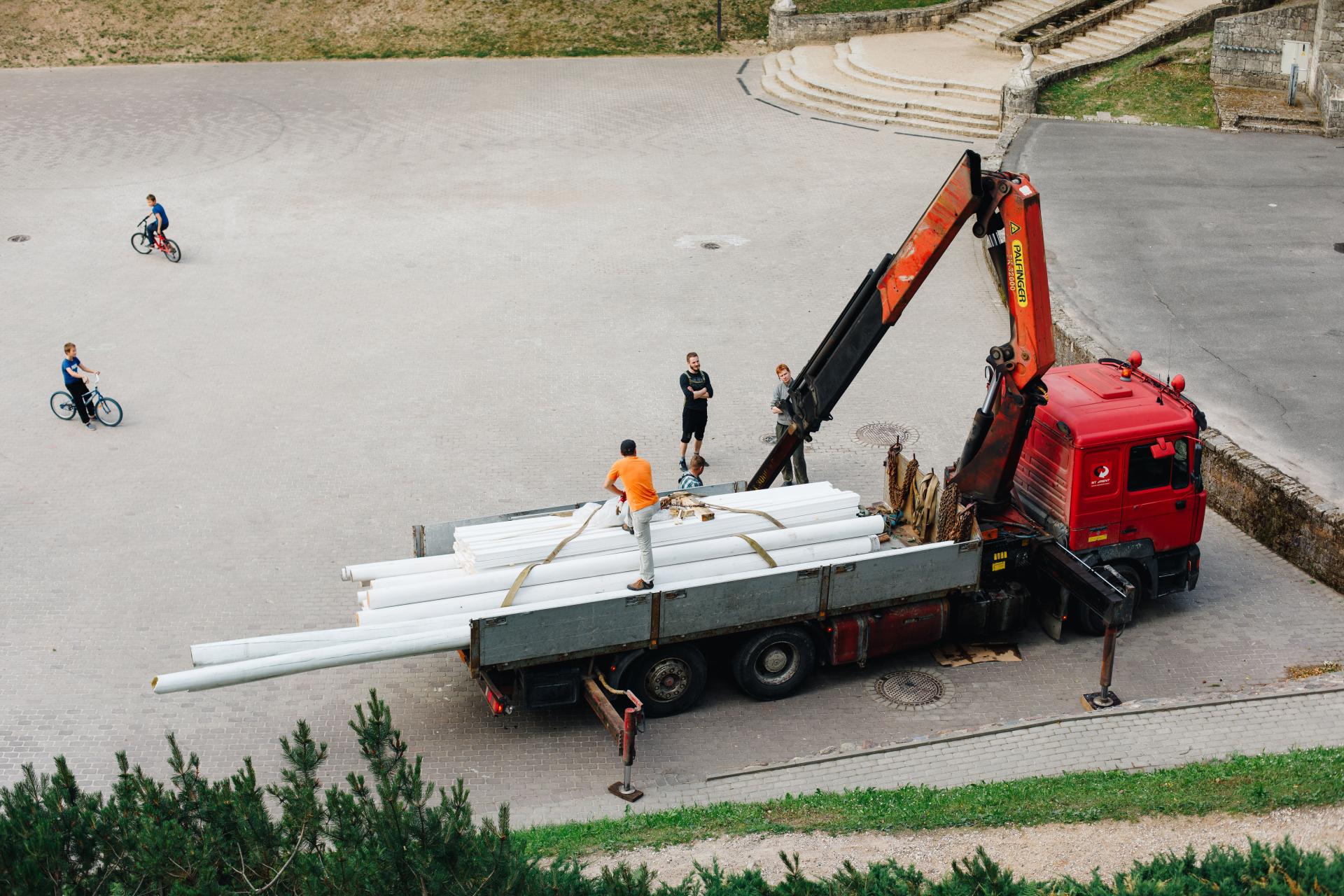
The key objective of this initiative is to promote biophilic design methodologies among young people and nature tourists while reducing CO2 emissions. This project puts high emphasis on reusability of construction materials. Due to tree growth, each treehouse platform can be used for approximately 12 months, then it needs to be dismantled and reassembled in a different height or arrangement so different parts of the tree are in connection with the man made structure. Our early stage prototypes after testing for strength were also able to use old phone line poles and beams from existing construction sites thus further exploring ways of reconnecting to nature by utilizing thrown away debris and lower quality timber.
In traditional construction materials are usually viewed as disposable and not always reusable. Their connections are permanently glued, nailed or welded together. In contradiction the modular treehouse platform principle utilizes an approach similar to LEGO where each of the standardized treehouse elements can be reused in multiple further treehouse iterations without any degradation to its form and quality. Instead of looking to it as a detriment we have found that this repeating cycle of iteration provides higher rate of interest from returning visitors and workshop participants, given that the place is also changing along with the nature and seasons.
Key objectives for aesthetics and quality
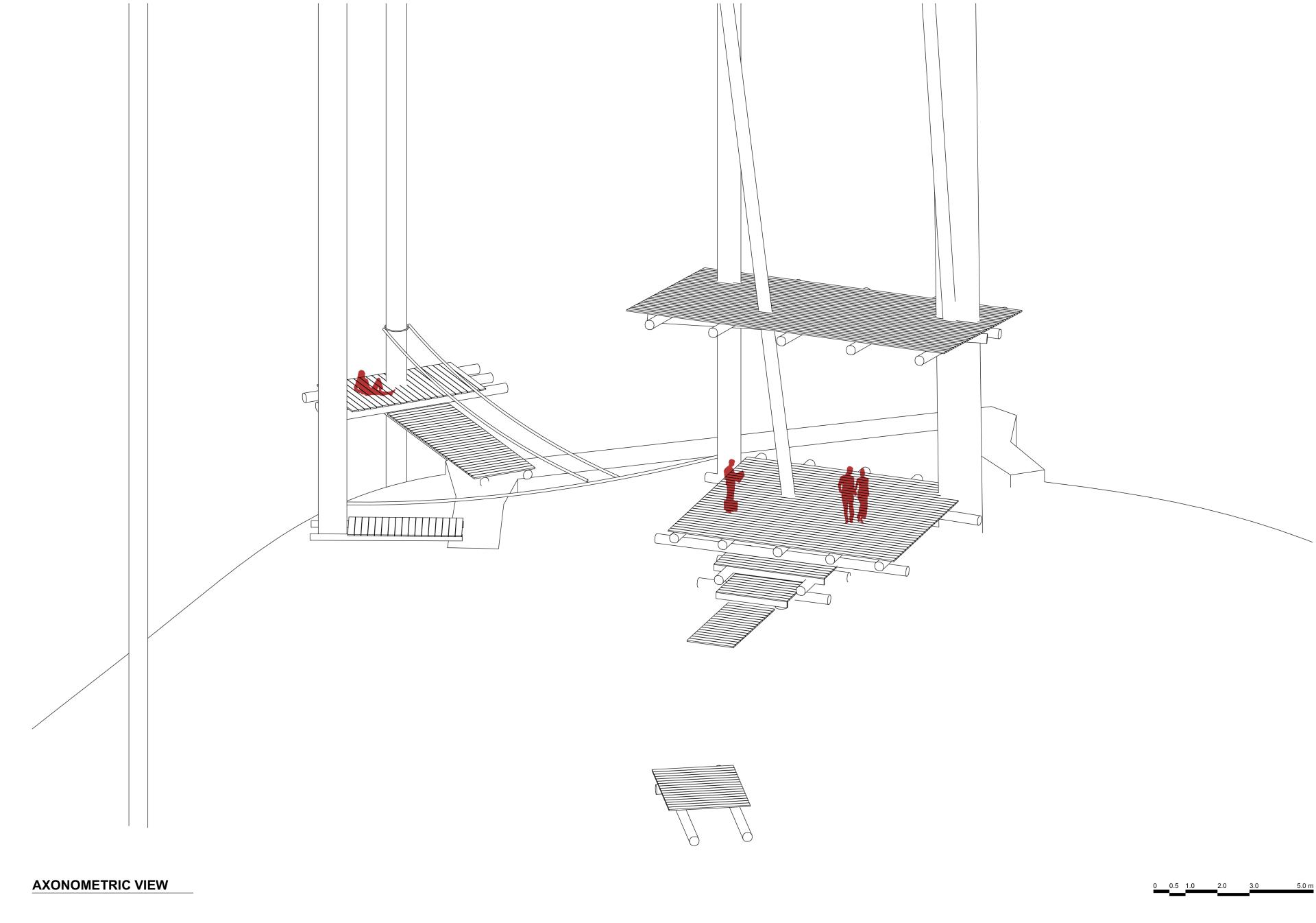
By combining the set modularity of treehouse platforms with unlimited patterns of tree arrangement we marry form and function in creating new spaces among treetops for human activity. Our main priority is placing larger emphasis on designing in sync with nature and adapting to its set boundaries. In order to achieve this aesthetic goal we are bound by existing tree structure as our foundation. This starting point is then further explored through use of modular design approach to bring selected area to life. We develop the chosen plot during the workshop by using standardized lengths of treehouse platform modules (3, 6 and 9m) which allow workshop participants to find patterns and connections in existing tree geometries. This also ensures that although similar in their modular approach, no treehouse is the same and each project is different and unique as dictated by tree arrangement on the selected site by allowing nature to take the lead in design decisions of the space developed.
Key objectives for inclusion
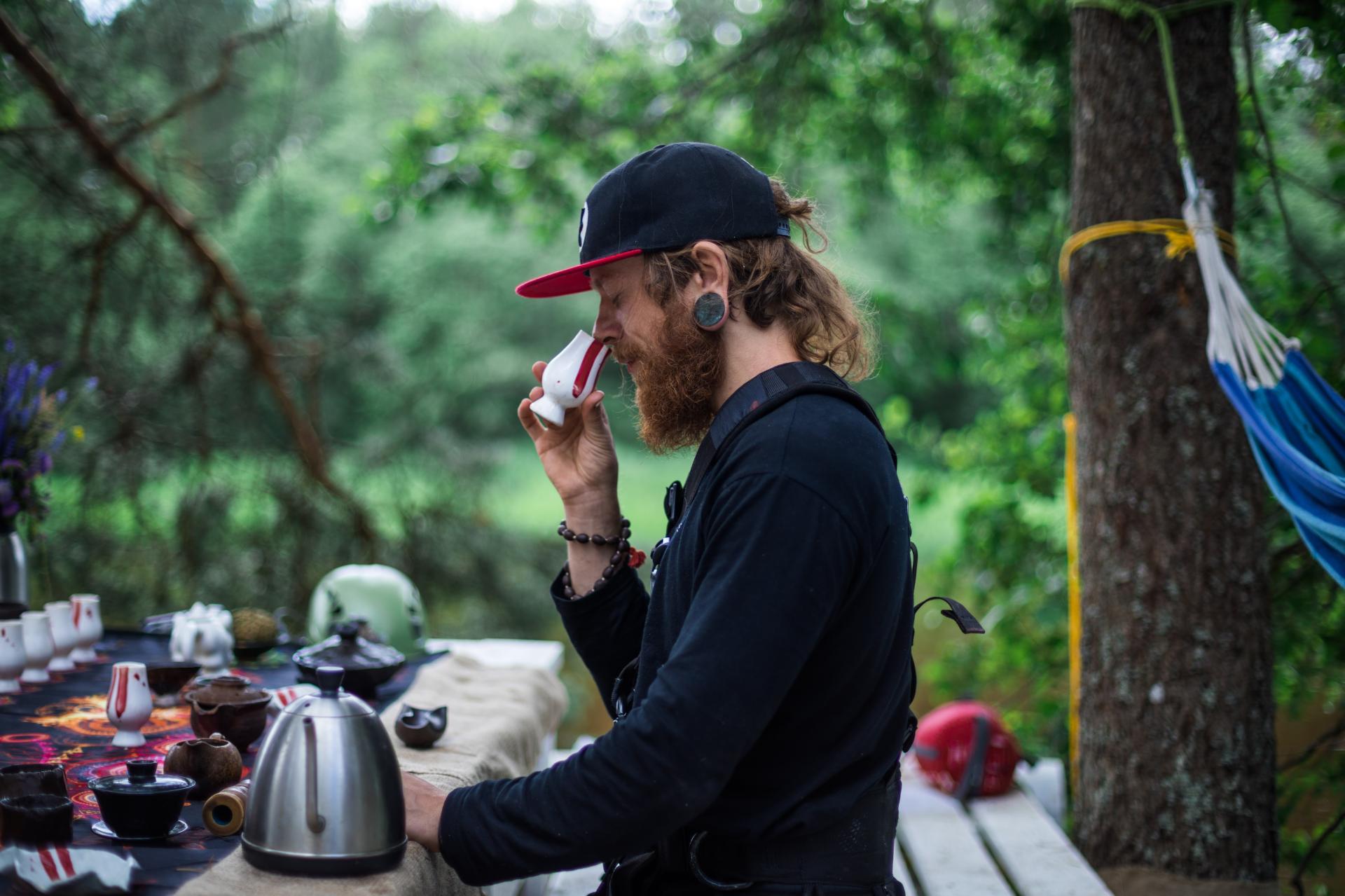
Inclusion aspects are ensured by tying treehouse project to local communities. The aforementioned workshops are organized in close collaboration with local communities but even more importantly the treehouse platforms themselves are transferred for use to the local communities to highlight their craft, hobbies and traditions. From our early prototypes this has resulted in local tea gathering ceremonies, nature restaurants, pottery classes, outdoor concerts and improvisation theatre workshops as well as new outdoor places for local events and celebrations. In some way the main result of treehouse workshops is not the created platforms themselves but the fostered interactions and activities brought forward from the local municipalities and their residents.
Through these objectives we aim to create a sustainable place that adds value to the local municipalities in Latvia, that in comparison with the mainstream tourism areas around the country are usually less visited by nature tourists. Experience and education tourism represents a significant opportunity for the future growth of nature tourism. By diversifying the experience gained, regional revitalization as well as promotion of local and rural entrepreneurship we can create more decentralized activity points that help cope with overtourism in existing nature tourism prime areas that have seen exploding demand in last years.
Our treehouses are easy to supplement and use both seasonally and throughout the year highlighting local natural landscapes with minimal environmental impact. Seasonal and temporary treehouse construction is usually faster and more budget-friendly, allowing testing the viability of the site before making a larger investment. Results from first practical workshops show high levels of user satisfaction and the ability to use seasonal construction sites in nature parks where traditional construction methods are harder to implement and more destructive to the local environment.
Innovative character
Our treehouse place modular assembly workshop methodology brings innovation to design approach by using on site modelling as well as a new nature friendly way of designing community places and neighbourhoods in Latvian municipalities using local knowledge and materials. By encouraging direct design, activity and assembly involvement from local participants unique and highly customized public activity zones can be achieved. Compared to traditional construction methods our knot and rope system is quiet, meditative and enjoyable in itself. Instead of closing the area for construction we are turning the building process itself in a participatory learning activity that encourages place making and envigorates the area through the full building cycle.