Socalco Nature
Basic information
Project Title
Full project title
Category
Project Description
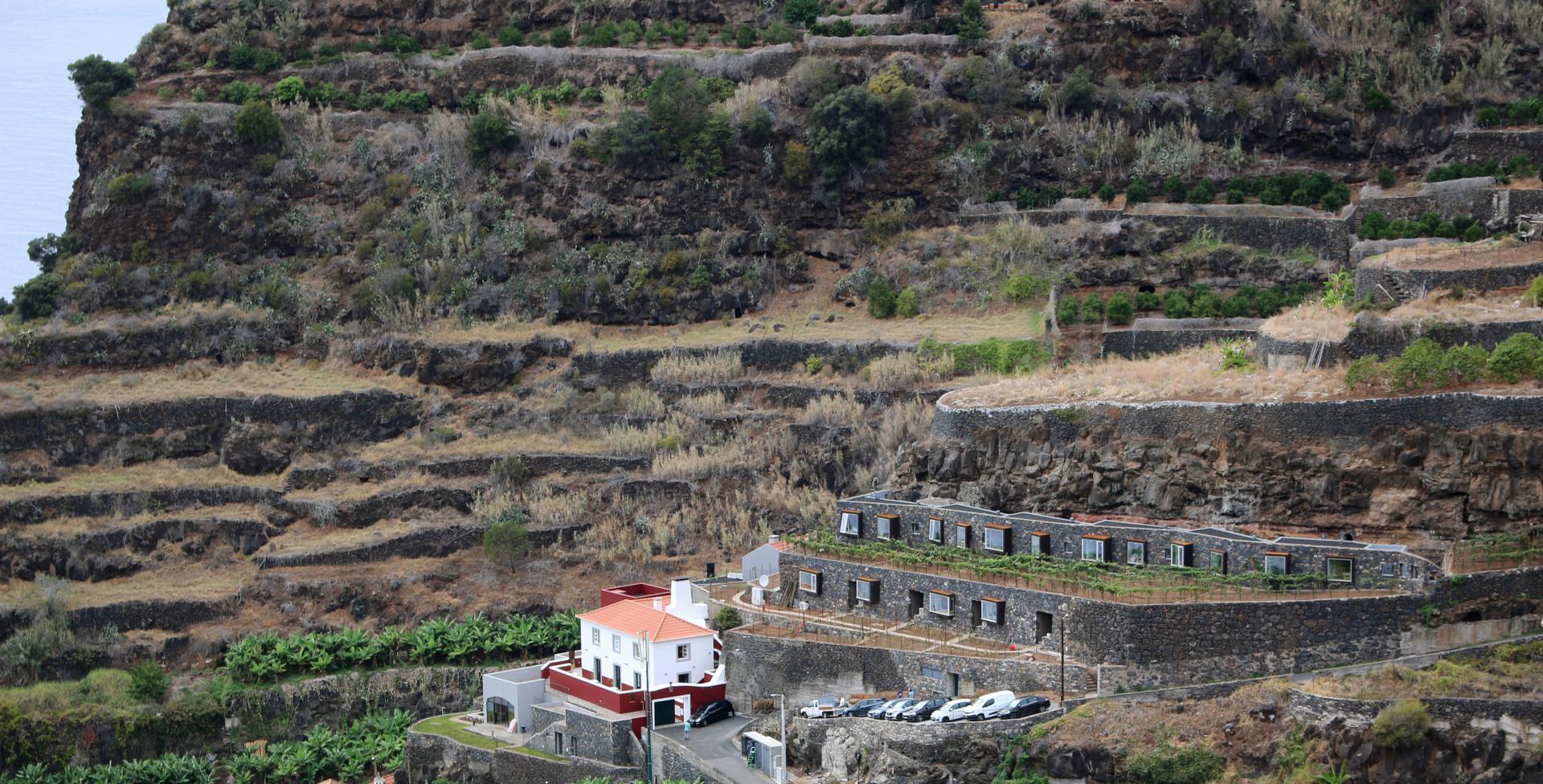
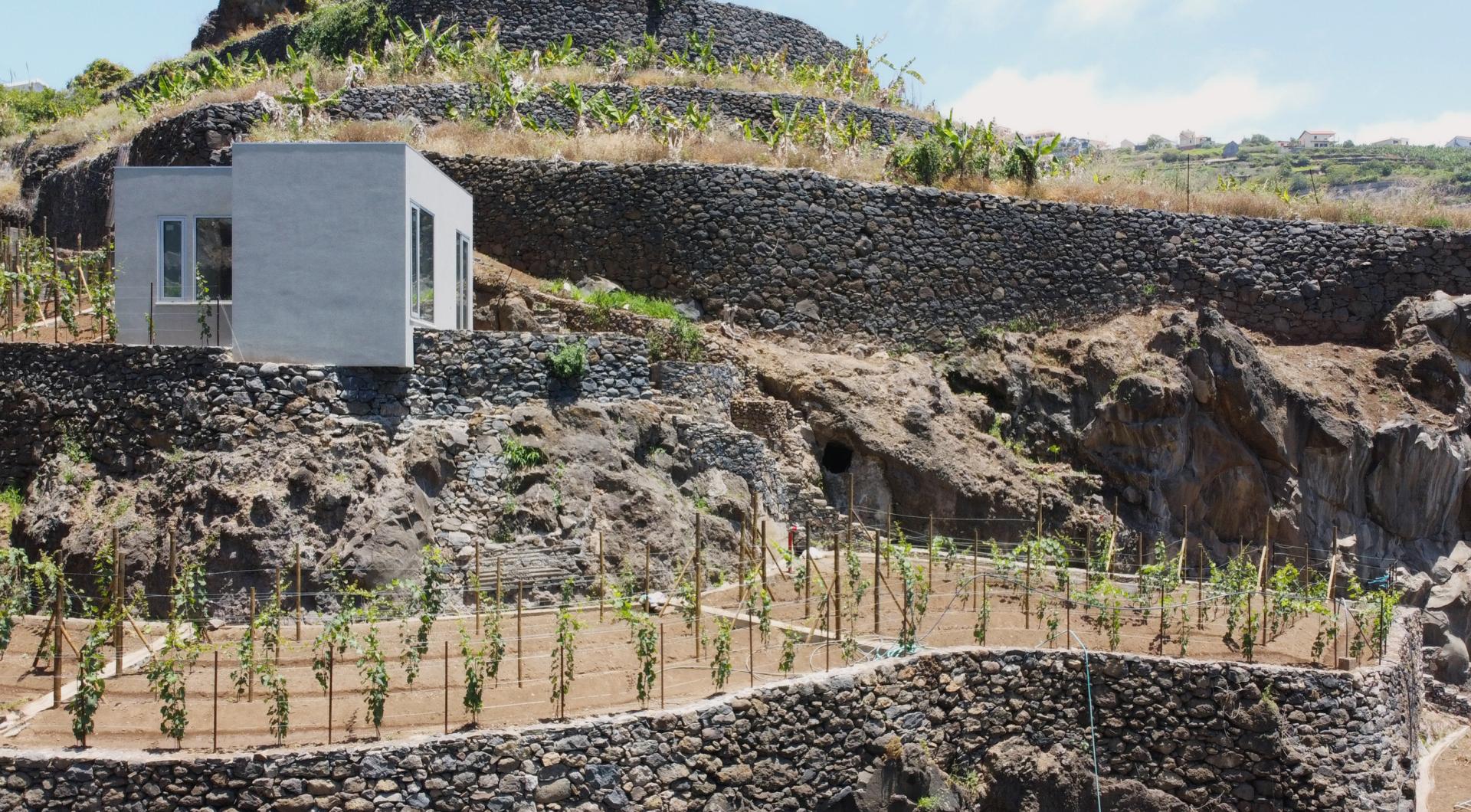
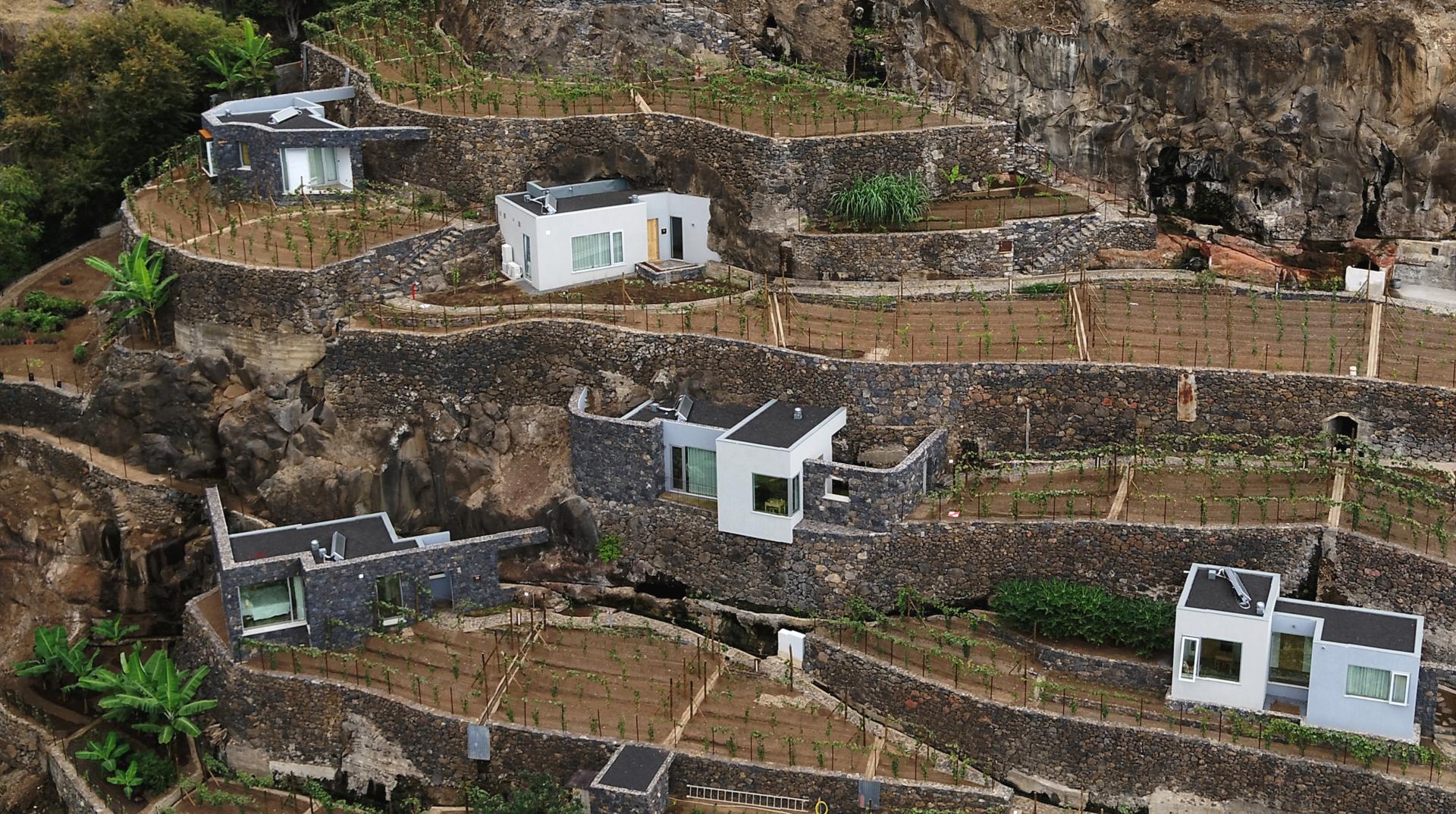
Socalco Nature is an agro-tourism project combining a gastronomic and wine experience. 20 accommodation units blend harmoniously into the coastal slopes south of Calheta, a secular territory, whose human action in search of land cultivation areas, transformed the topography of this place through the construction of basaltic stone walls, called terraces or poios. The integrated architecture, not evasive, intended to sublimate this primordial integration attitude of a complex geological heritage.
Project Region
EU Programme or fund
Description of the project
Summary
Socalco Nature is an agro-tourism project combining a gastronomic, farming and wine experience. 20 accommodation units blend harmoniously into the coastal slopes south of Calheta, in Madeira Island, a secular territory, whose human action in search of land cultivation areas, transformed the topography of this place through the construction of basaltic stone walls, called terraces or poios. This was the only way to create platforms of "flat" territory to plant horticultural products, and with the Atlantic ocean nearby, anything grows. The main concern was that architecture happens as a sublimation of this territory and at the end it would pass unnoticed, integrated, assimilated. Here, the protagonist is not the Man, but the Nature. And that’s what this special project is about.
Key objectives for sustainability
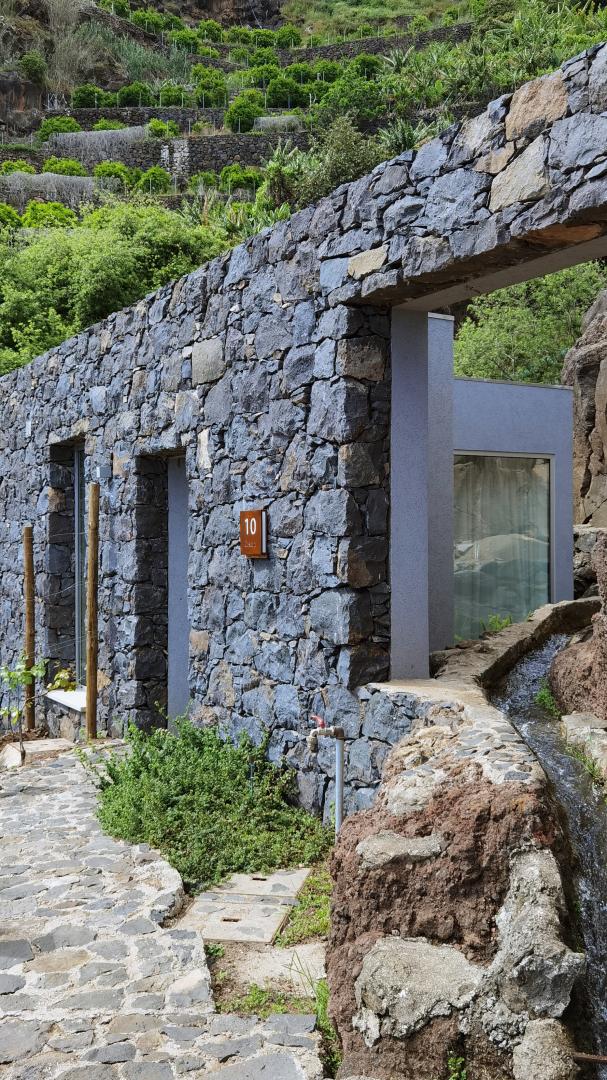
Socalco Nature Calheta stands out for being also a sustainable agro-tourism unit, with only 20% of the land used for construction, with the remaining 80% belonging to nature. The building material was preferably the one found on the land, stones, wood, remains of demolitions and fires that consumed old houses and an old convent above. Everything, whenever possible, was recycled with love, imagination and respect for history of this landscape. The buildings were adapted to the terrain without destroying anything, preserving the character and identity of the place. Terraced houses were built with centuries-old stone walls and, around them, agricultural production resumed. Vineyards have been rehabilitated and all users are encouraged to harvest what they are going to eat or drink, consume whatever the land gives them that day, that time of the year. The project's identity is “give back to nature", whatever it may have dictated over time. The "levada" (water lines) branching was also successfully rehabilitated, and the water from the stream and the springs is now used for agriculture irrigation after a long time being disabled. The units have solar panels for heating water, and the construction system avoids the need for artificial heating or cooling of the environments. The land is fertilized with the eligible kitchen scraps and liquid waste is treated in order to return clean water to the sea. The built environment contributes to the protection of nature and biodiversity, taking into account cultural and social needs.
Key objectives for aesthetics and quality
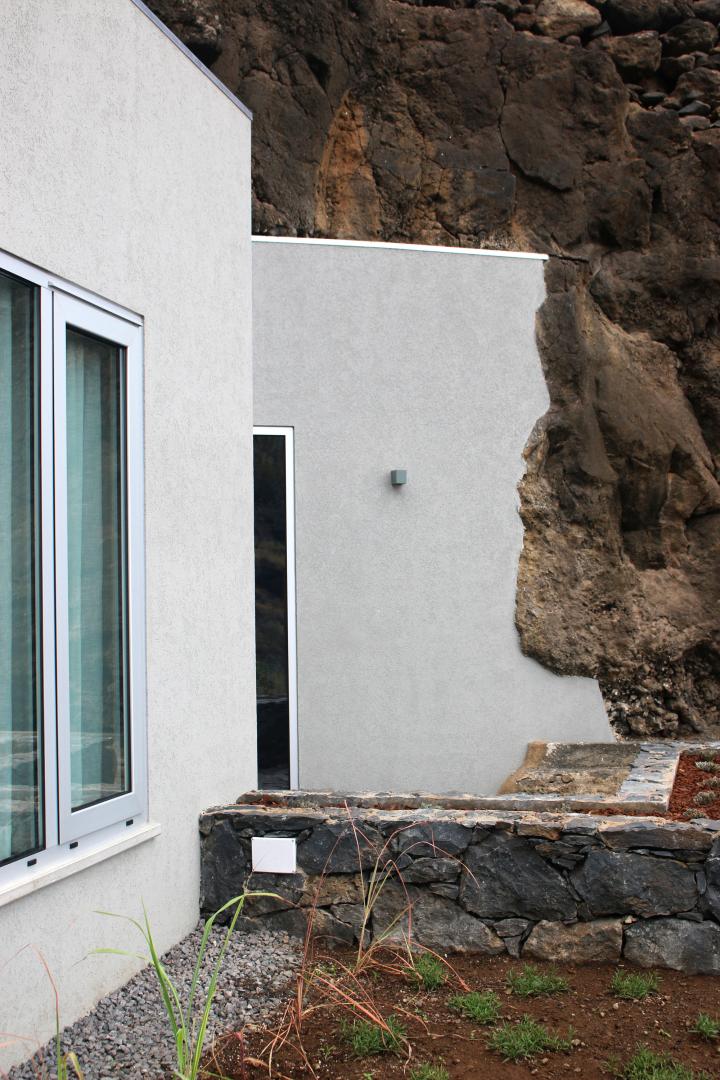
The integrated architecture, not evasive, intended to sublimate this primordial integration attitude of a complex geological heritage in a simple, natural and intimate language, guiding the view, provoking sensations, connecting with the interior of the land, providing the unique experience of inhabiting inside the earth, inviting one to sleep in an old animal shelter cave and to be completely surrendered to nature. There was a respectful blending of buildings in this special landscape and integration of living nature in construction. When someone experiences this architecture, the sensations of belonging are activated along with the sensitivity and return to the primordial purpose of dwelling. The landscape and the sound of nature are unique and proliferate here (birds, insects, water cascades and channels) and therefore an integral part of the memories that the visitors take with them. Despite the differences in architecture and sun exposure, all units have a living room, equipped kitchenette, patio, large windows to let in natural light, comfort and colors aligned with the landscape - from pastel green to terracotta bordeaux. Raw, primitive materials were used, such as wood (especially pine), oxidized iron, stones, simple cement floors. The paintings are made of lime and most of the roofs have been covered with stone. When one looks at this project one doesn't notice at first glance where construction begins and ends, or what is old and what is new.
Key objectives for inclusion
The original house, dating from 1685, was one of the most ancestral in the area and the farm was abandoned for decades. Octavio the owner and a well-known Chef realized that this was the right place to realize his dream of combining gastronomy and agriculture with accommodation, in a unique symbiosis. In these terraces there are no machines, it´s the local laborers who dig the land and help with the harvests. Also, during construction, local stonemasons, artisans were employed, passing on their rich skills for posterity. Locals are invited to share their knowledge and experiences on fishing, apiculture, basketry, tapestry, pottery...Octávio's father, Sisaltino Freitas, takes care of the gardens around the lodgings and from where vegetables come out to supply the restaurant, as well as fruits and aromatic herbs. The project also took advantage of existing paths and stairs, has maintain the mill that tells the stories related to the “Vindimas” (grape harvest). Most of this family came to work in this project and felt enchanted by it.
Results in relation to category
The achieved built environment of this project has contributed to protect nature, biodiversity, promoting water and soil conservation, taking into account cultural and social needs, not only in the small Calheta village, but the whole island and its countless visitors. The architecture is totally integrated into the landscape.
The motto is not to destroy but to create, taking advantage of the existing, the accommodation units fit in its terrace in a harmonious way, respecting the shape and dimensions of the existing land, paying attention to the beauty of the place. Regarding the design and architecture, Socalco - Nature combines the timelessness of the traditional with the comfort of modernity. The combination of vintage furniture is sought, with technological notes that differentiate these accommodation units and, above all, contemporaneity does not compromise the past and the history of the place, the space, the island. The scenery is, in reality, the great protagonist of Socalco - Nature preserving and respecting the vegetation, the natural springs, the caves, the "levadas", the vineyards, the gardens and orchards that this land provides and that it only adds value to this project. Visitors have been captivated by this concept and many have been inspired to promote similar concepts, on the island or in their homelands. The locals have continuously developed their arts and businesses driven by this philosophy of life, promoting the return to land and some jobs that had been lost in the past due to lack of incentive, have bloomed. Young architects have made this a case study for this type of territory that should be part of a world heritage site.
How Citizens benefit
This tourist accommodation project arises from the will of the Madeiran Chef, who has always been linked to tourism, in conducting kitchens in hotel units, wished to bring to the regional tourist a differentiated experience of accommodation, and also all the surrounding and gastronomic richness of the island of Madeira, "in its purest and most real form: close to nature, harvesting and cooking what the land gives us".
This agricultural tourism unit offers eight isolated houses, all different, adapted to pre-existing terraces, between centuries-old stone walls, dating from 1685, and even inside caves. These houses are joined by 10 standard rooms with views of the Atlantic Ocean and the vineyards with the varieties Boal and Verdelho.
In the main house, an old manor house, was now recovered.
The whole of civil society has been pleasantly contagious by the return to nature that this project promotes and has changed some mentalities highlighting the added value of simple, sustainable and inclusive materials and solutions, in the concept that less is more. There is a clear intention to continuously educate for simplicity and authenticity.
Innovative character
To inhabit the terrace, experience the land from the point of view of the seed, the source - to privilege the essential of life.
Respecting the environment, the natural products, dignifying its quality while being a financially business success.
It is also very important to say that this concept arises in a complex pandemic year, being visionary regarding to the visitors safety, distance, aeration of spaces, short handling of individual products and services, with great autonomy from the user's point of view.
A meal is always a surprise: it changes every day depending on the season and what's in the garden. Chef Octávio Freitas prefers “to respect the products and their origin to the maximum”. He intends to value regional cuisine and healthy cuisine, with freshness being the main criterion for choosing the ingredients.
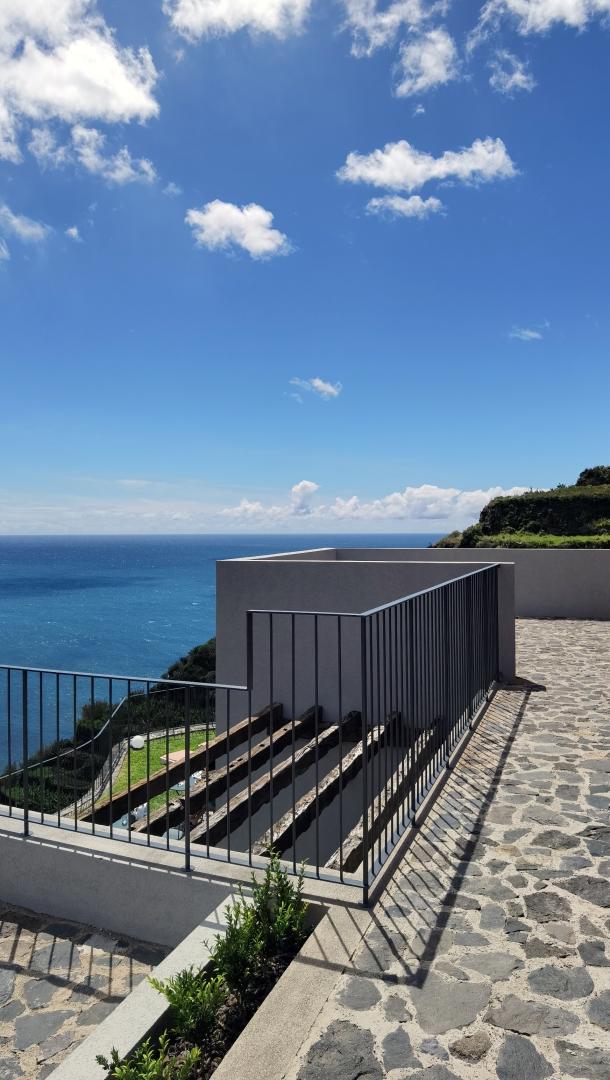
Dwelling in Socalco Nature is to enjoy the best nature, sky and sea view while taking advantage of a unique privacy. This should vary according to the geography and the sun exposure of the land, favoring nature and the terraces. The guest should realize that the position of the walls, openings and furniture has not been left to chance. Mixing leisure areas with vegetation, fruit planting, vegetables and aromatic herbs makes every path a surprise. Each unit has its own vegetable garden dedicated to a different product.
Each guest is unique and can experience in such a short piece of territory an incredible range of biodiversity including a rich geological site that the architecture project has highlighted.