Lanxmeer eco-neighbourhood
Basic information
Project Title
Full project title
Category
Project Description
Lanxmeer functions as a building bloc example for a sustainable city. Developed out of a private initiative, it takes the concepts of the city-landscape as inspiration and brings them into reality. The project gives attention to both technical and social sustainability by dealing with flows of water, energy, food, materials, traffic and biodiversity, the values of nature and landscape,social cohesion and above all the importance of the direct and continuous involvement of the ínhabitants.
Project Region
EU Programme or fund
Description of the project
Summary
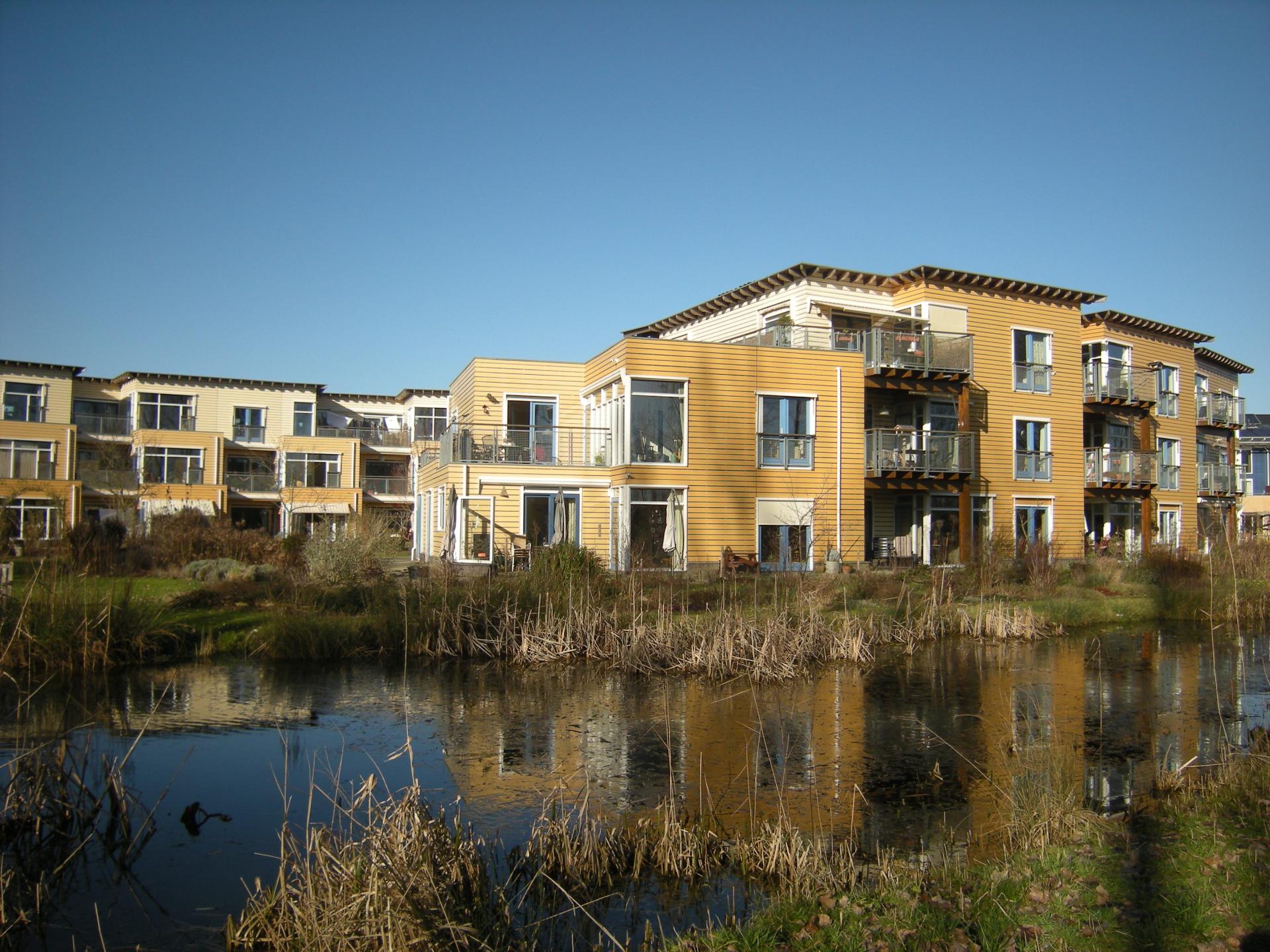
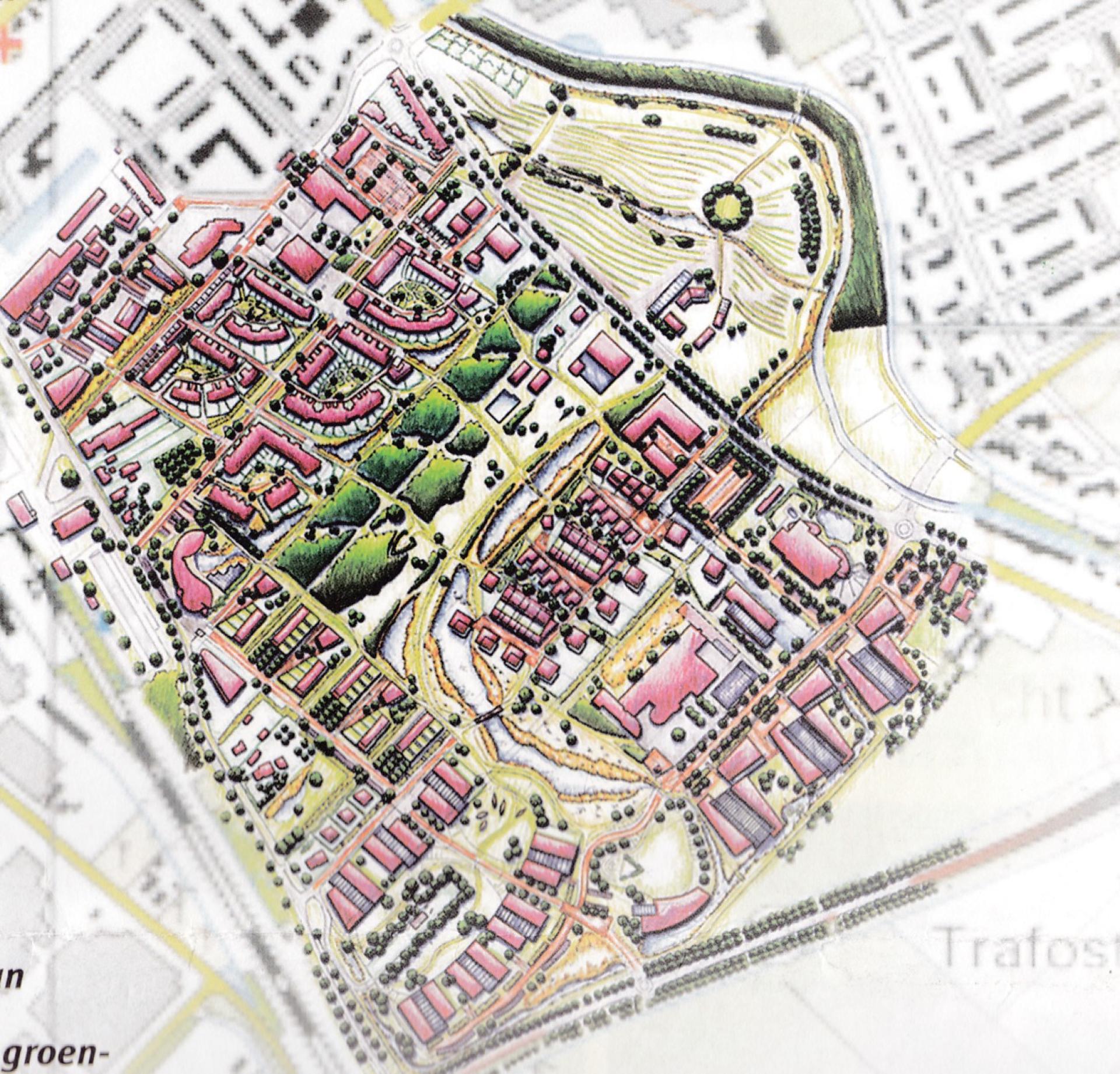
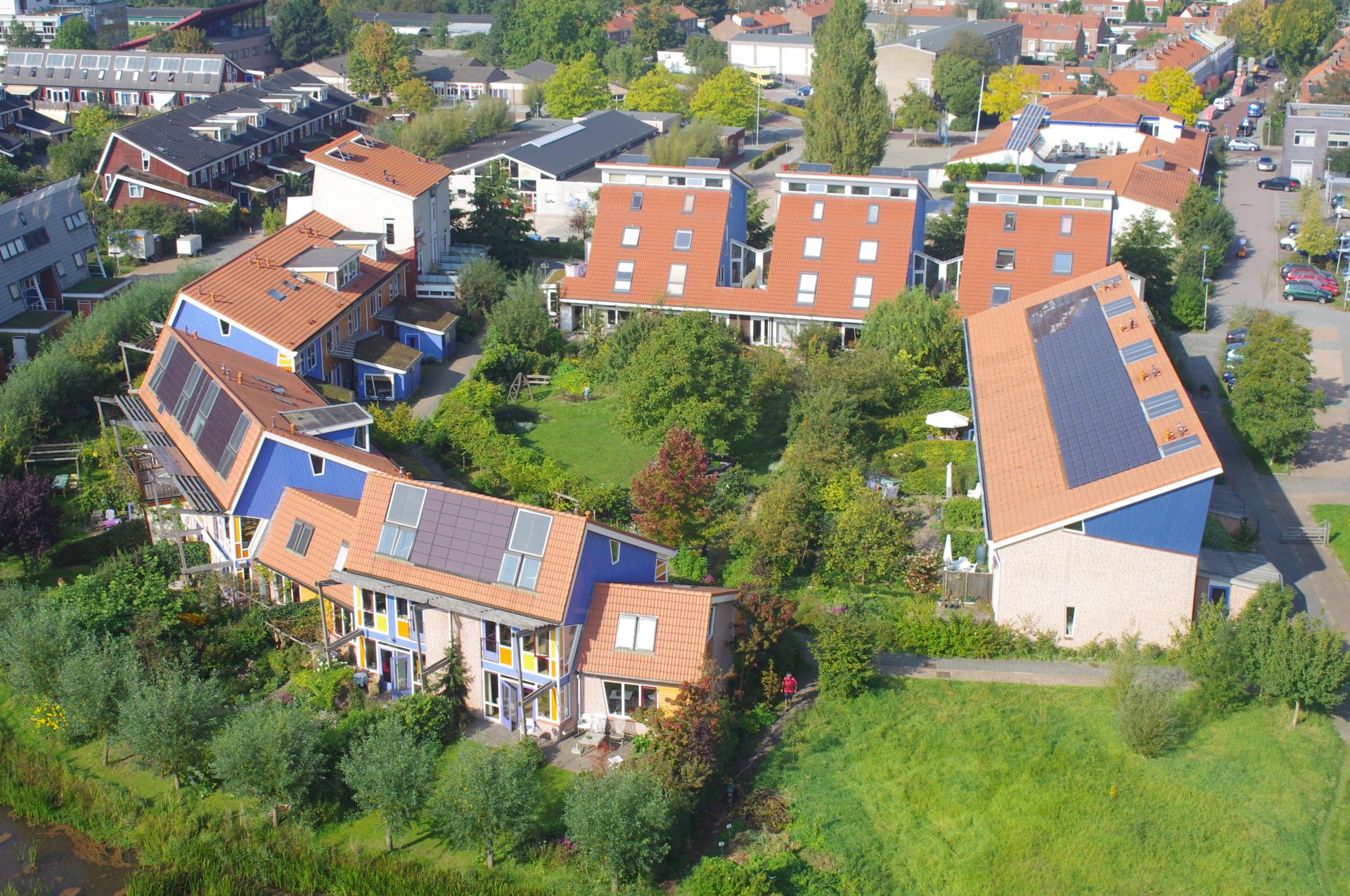
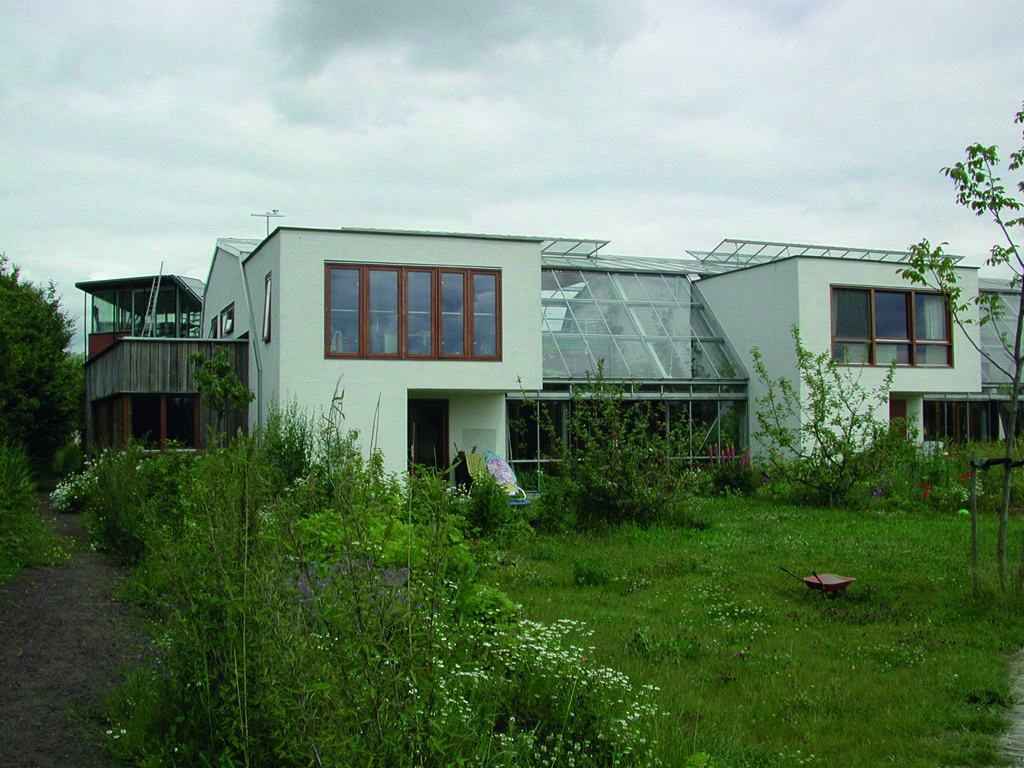
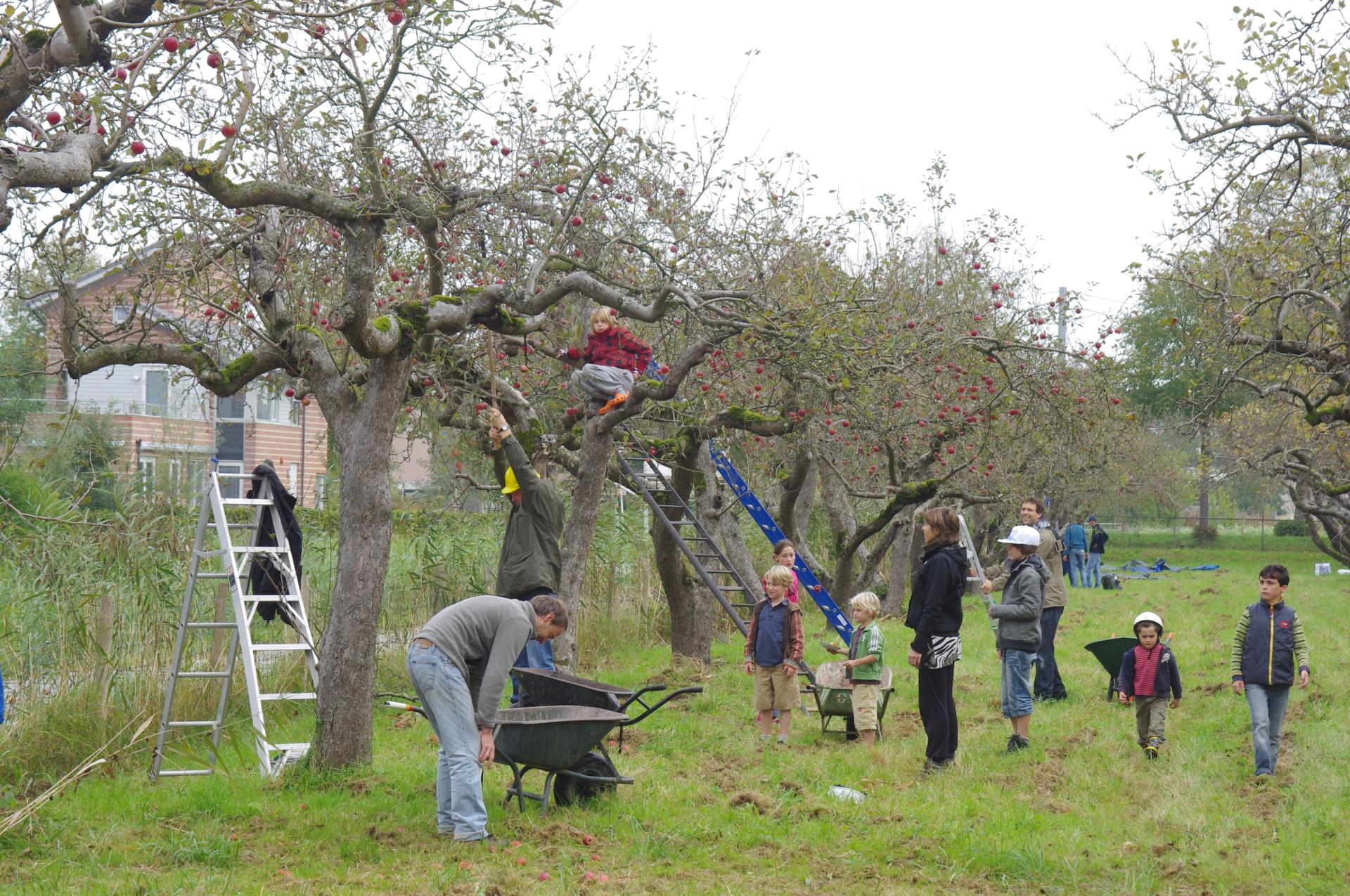
Eva-Lanxmeer Culemborg is a integral designed and managed neighborhood with dwellings, businesses and offices in a sustainable urban landscape. It is an outstanding example of sustainable and participatory urban development based on a integration of ecological building, organic design, permaculture principles in designing vital urban eco-systems. This enlivens the neighborhood en creates possibilities to combine work, care and leisure. In the design the steering of flows such as water energy and traffic was fundamental. From early on the development was a co-production of a civic initiative, foundation EVA with the City Council and later on the future inhabitants, who united in the BEL association. The residents play a crucial role in the further development and management of the neighborhood. They own the energy facility Thermo Bello and maintain the collective landscape and fruit orchard and support other collective actions such as a car sharing system. An urban farm forms an fully integrated part of the project and delivers services on the scale of the town. Most of the ecological and social targets have been reached and Lanxmeer still attracts interested visitors from all over the world.
Key objectives for sustainability
The project developed out of an private initiative of the energetic society, taking the concepts of the city-landscape vision as inspiration and bringing them into reality. The project gives attention to both technical and social sustainability. Guidelines are dealing with the flows of water, energy, food, materials, traffic and biodiversity and futhermore with the values of nature and landscape, cultural history, social cohesion and above all the importance of the direct and continuous involvement of the (future) inhabitants.
Program
400 houses and apartments (30% social housing), 1 urban farm and 1 community orchard, ecological office and business buildings (4,5 ha and 1,5 ha mixed) , 2 primary schools, 1 energy production unit, regional water production unit, secondary school (preexisting). Sustainable participatory building, design and planning with attention for hydrological, energetic (max. 40GJ p.u.), mobility, material use, health, biodiversity, amenity, history and social aspects.
Site Area: 30 hectares, Culemborg, Netherlands
Design Period: 1993 first ideas, 1996 start projectteam EVA Lanxmeer. 1998 zoning plan, building started 2000 and is more of less finished.
Awards:
- Example project 2000 Stimuleringsprogramma intensief ruimtegebruik
- Nomination Duurzaam Lintje EVA Centre 2001
- Nomination Glass Award 2002 KWSA glashouses fase 1
- Terra Bella: Golden Milieukeurmerk Terreinbeheer 2005
- Sustainablity Award Duurzaam Lintje for Marleen Kaptein 2008
- Nomination P-nuts award for Thermo Bello 2011
- Golden Award 2014 World Green Design Forum
- Nature quality prize, Bird Life protection 2021
Key objectives for aesthetics and quality
Guidelines are dealing with the flows of water, energy, food, materials, traffic and biodiversity and futhermore with the values of nature and landscape, cultural history, social cohesion and above all the importance of the direct and continuous involvement of the (future) inhabitants. (Landscape) architectonic quality was one of the key criteria. Arhctects choice as doen by the community and the (future) inhabitants. The development of plans and realisation was with master classes and charettes. The city council protected the amenity plan. Genius of the place and the nature and landscape quality were important on all levels.
Key objectives for inclusion
the inhabitants were instigator of the project and ere involved from the beginning. 30% is social housing.
Results in relation to category
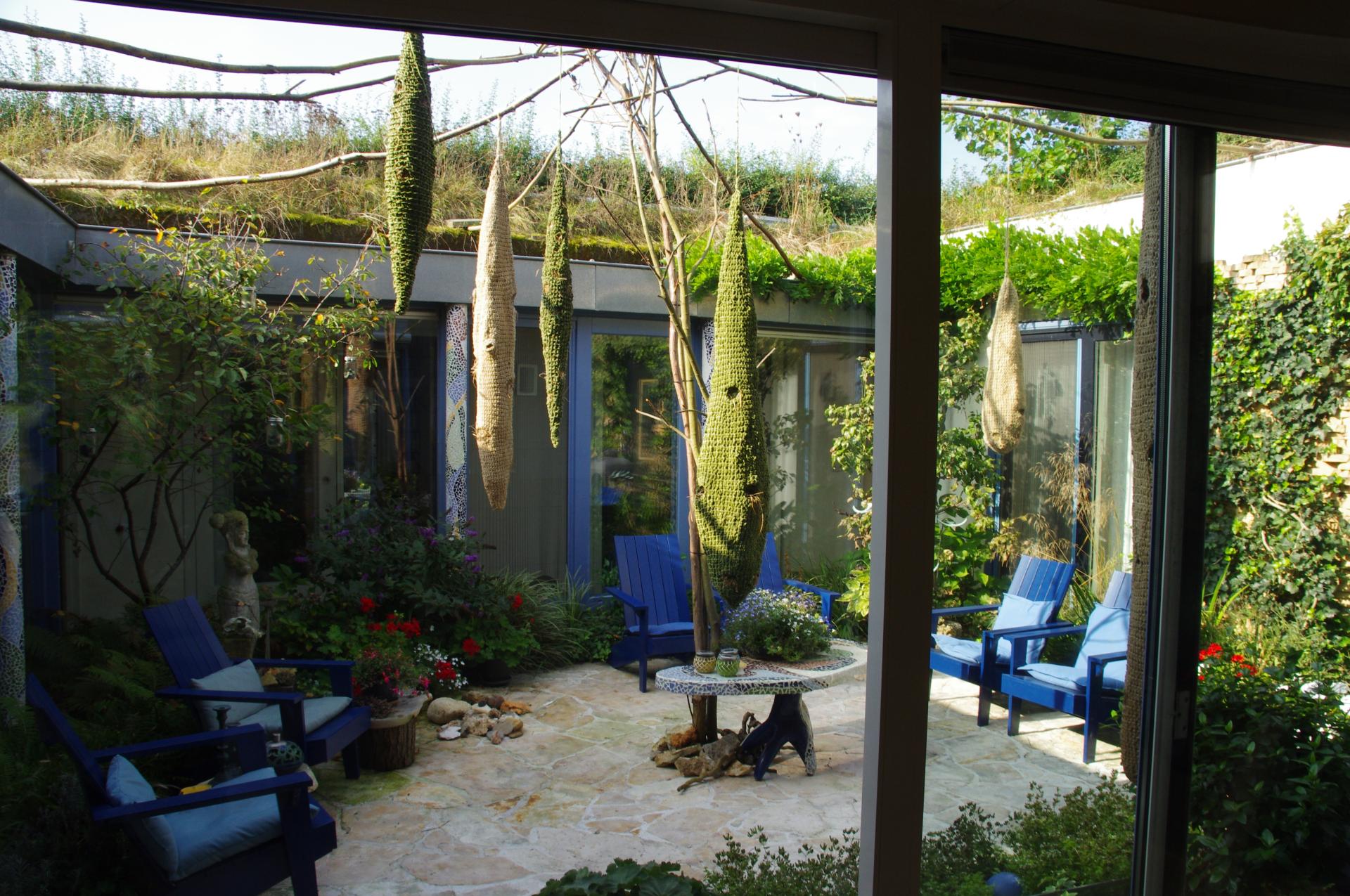
The nature quality and biodiveristy is excellent and realised and maintaned by constant citizens involvement. It is also monitored by the inhabitant themselves with help of students and professionals
How Citizens benefit
Citizens were involved from the begining the idea up till present time in the development of the project. Reslt is technically very good but also we have good social results especial because of the combination of both, we can reach high sustainabilty and livelability sstandards combined with a new aesthetics
Innovative character
We have lots of technical innovations but especially the co design and involvement from the begining of the inhabitants and the prolonged involvement in the mainantance is revoltionary.