Domaine de Boisbuchet
Basic information
Project Title
Full project title
Category
Project Description
Domaine de Boisbuchet
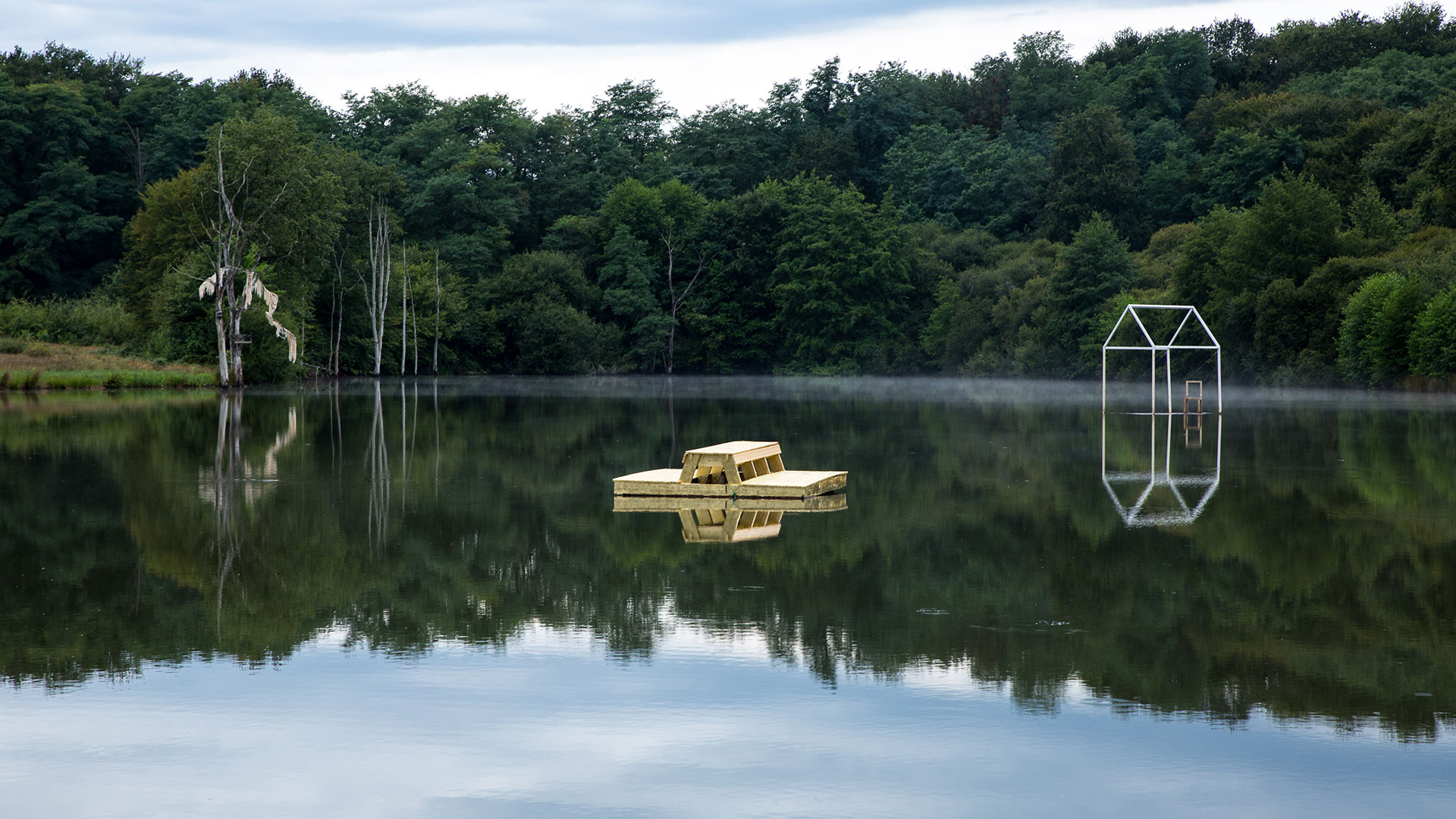
Founded in 1986, Domaine de Boisbuchet is an international research center for design, art and architecture. The campus is surrounded by 150 hectares of protected nature in southwest France and comprises an architectural park of historic and contemporary buildings. Boisbuchet's workshops, exhibitions, residencies and events as well as an outstanding design collection and library serve professional guests and visitors from the neighboring and global community alike.
Project Region
EU Programme or fund
Description of the project
Summary
The Domaine de Boisbuchet is an international centre for workshops, research and education on sustainably innovative design and architecture. Created in 1986, it is located in the southwest of France on 150 hectares of protected nature and ecological agriculture. Boisbuchet is run by a team of cultural entrepreneurs, scientists, architects, and designers and gathers participants, visitors, and partners from all over the world.
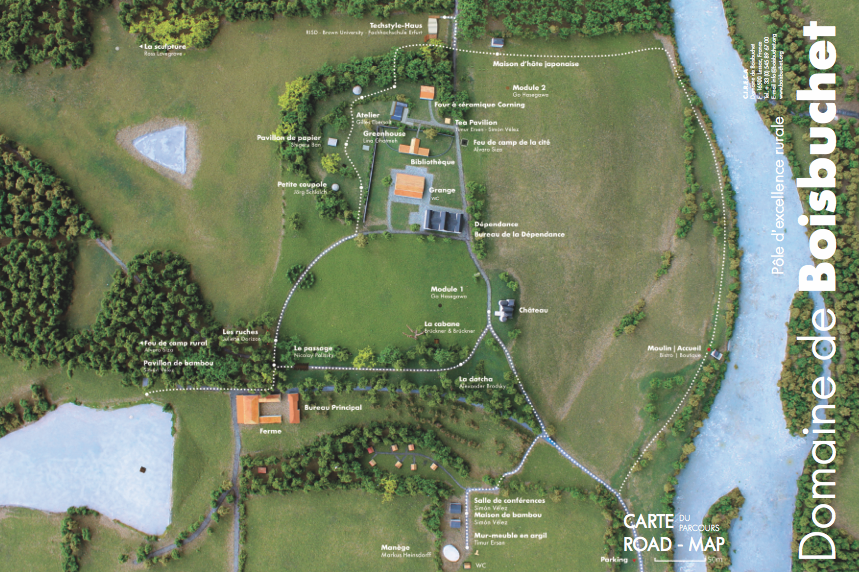
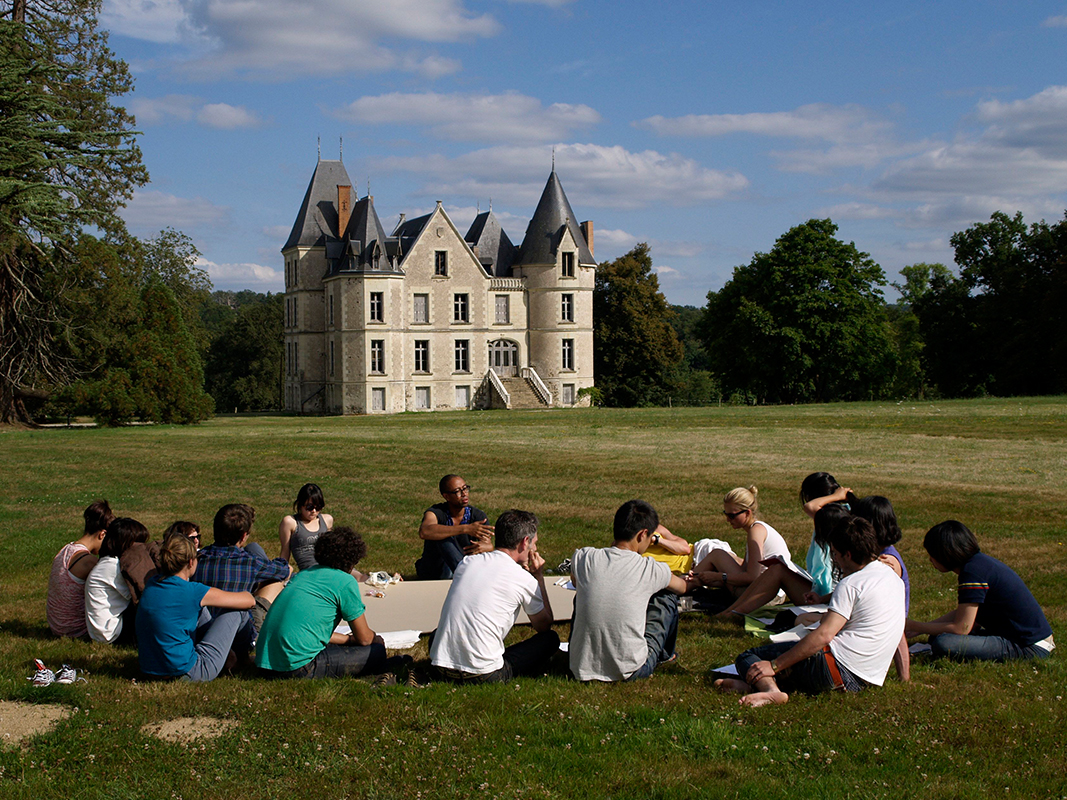
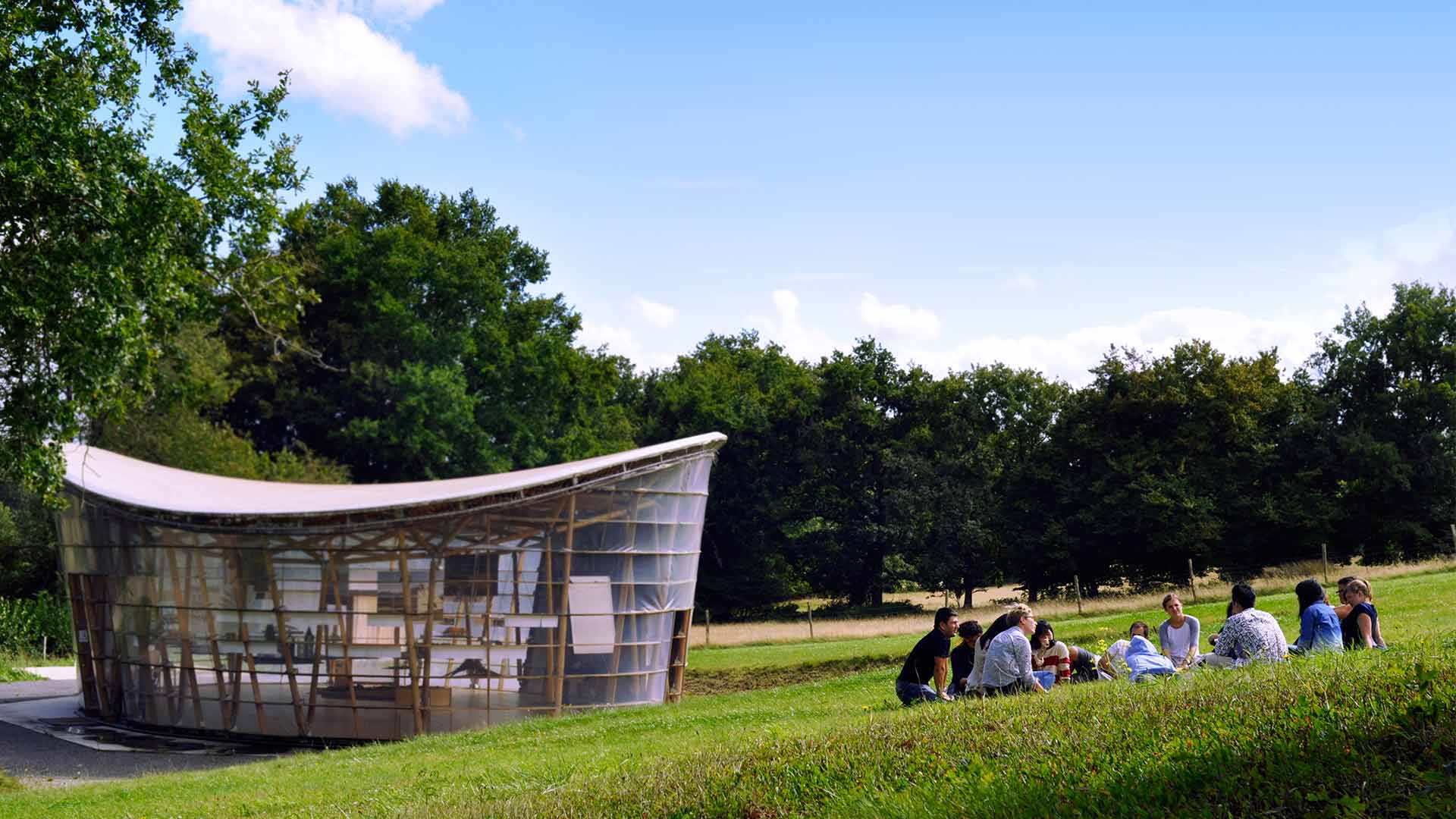
At the core of the Domaine's site is a 19th century chateau with adjacent historic buildings in a landscape park overlooking the river Vienne. Renowned contemporary architects have realized over 20 innovative buildings on this terrain, which today constitute a unique architectural park that provides exceptional locations for various events. Furthermore, a distinguished collection of over 2.000 design objects and 25.000 volumes on design, architecture and art contribute to the centre's facilities.
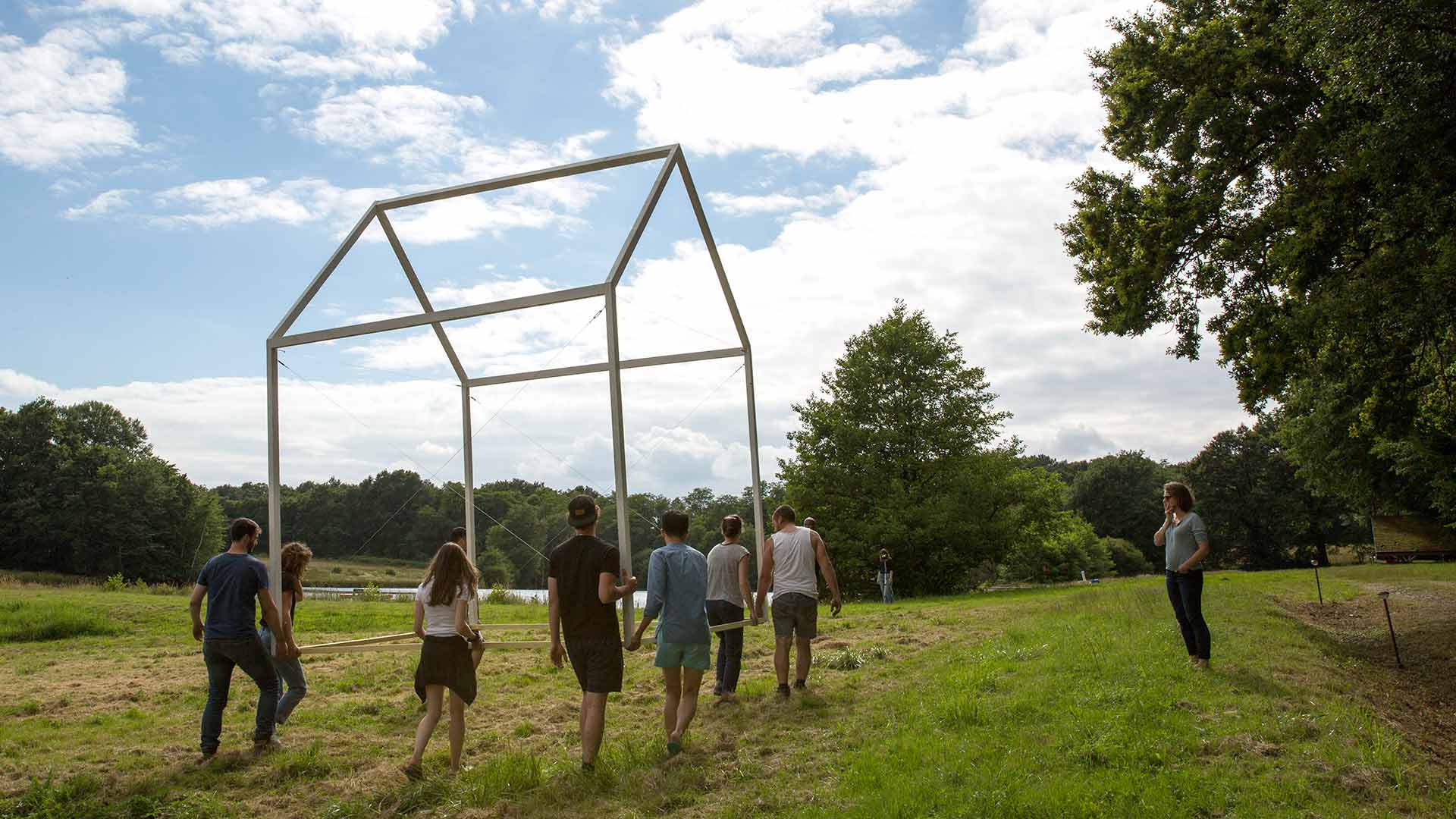
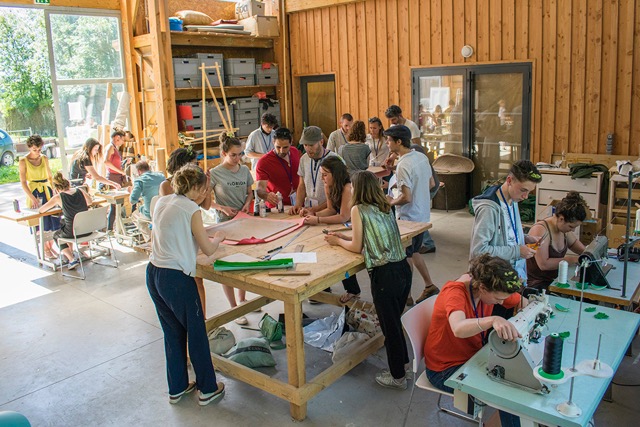
Designing across innovation and heritage Boisbuchet's core activity are workshops for professionals and students in all kinds of applied arts – from craft to industrial design and engineering, from photography to scenography or curating, and from food to fashion and architecture. Internationally renowned pioneers in their fields direct these workshops offering practical experiences in all aspects of the creative process.
Boisbuchet's environment and cross-cultural team connect nature and culture with manifold opportunities of learning by doing together. It facilitates teamwork, collective care, or big audiences as well as personal freedom, individual support, and intimate conversations.
Key objectives for sustainability
The richness of Domaine de Boisbuchet lies in sharing and putting into practice the common ideal that animates and inspires all its visitors: combining contemporary architecture and design with the fundamentals of sustainable development. As the inexhaustible source of inspiration at Boisbuchet, nature provides the anthem for the works of art and creations that mark the grounds of the Domaine.
There is another ‘glue’ at Boisbuchet that binds nature and culture as well as the past, present, and future of this place: agriculture. The Domaine de Boisbuchet’s historical purpose was agricultural production, and Alexander von Vegesack’s intention has always been to continue that activity and integrate it into the cultural and educational aims of the institution, ultimately to achieve a self-sustained whole, a sort of autonomous laboratorial community.
Key objectives for aesthetics and quality
Adhering to the learning-by-doing movement, the centre stands as another example of modern experiments that question the lack of hands-on activities of traditional educational systems. Just like the Bauhaus, the Black Mountain College or the Cranbrook Academy of Art before it, Boisbuchet puts hands-on-work, nature, cross-disciplinarity and collectiveness at the centre of its discourse.
The Bauhaus’ interest in bringing together all different crafts, for example, and creating a holistic education for the creation of future society. ‘From the spoon to the city’ – and to the countryside, we should add – is something Boisbuchet wholeheartedly embrace. They are therefore often trying to integrate various disciplines such as pottery, glass, metal work, stage design, choreography, or architecture, and all of these have also worked together at the Bauhaus.
Other similarities between the Bauhaus and Boisbuchet can be found in the circumstances and atmosphere. The living together of different cultures and ages in shared rooms, for instance, fosters a positive and productive discussion and that sense of community is a very important element for Boisbuchet.
Key objectives for inclusion
Boisbuchet takes a multi-disciplinary approach to its residencies and workshops. Participants and visitors are able to connect and share their ideas, whilst at the same time take inspiration from our natural and architectural surroundings. Therefore, Boisbuchet welcomes participants from all backgrounds and disciplines as this sparks the exchange of cultures and ideas – which is the backbone of this place. From architects and designers (graphic, product, industrial, fashion, sustainable, biological, or theoretical), and visual artists (painters, sculptors, filmmakers, or multimedia and conceptual artists), to writers (playwrights, screenwriters, novelists, journalists, essayists, or poets), and performers (musicians, actors, dancers and choreographers, or performance artists), Boisbuchet thrives on artistic and cultural exchange and cross-pollination.
As people share meals, bedrooms and bathrooms, gather around fireplaces and swim in the estate’s lake, Boisbuchet's ephemeral community is not just about the sharing of a common interest in design and architecture, but much more about establishing relationships, share intimate experiences and face disagreements.
For the past 30 years, Boisbuchet has brought together participants from all over the world in its activities. From Japan, Taiwan or Korea, via the Middle East, Europe, Oceania or the Americas, from Canada to Argentina, every summer around 300 participants from all over the world have been able to take part in Boisbuchet's workshops and activities.
The Domaine, although physically located in the French countryside, represents an island where anyone, regardless of nationality or gender, can easily find their place. Participants of more than 100 different nationalities have forged the character of Boisbuchet over the years.
Results in relation to category
Boisbuchet offers a most relevant supplement to academic education. University curriculums are becoming increasingly expensive, streamlined, and competitive, yet they lack attention to practical experience, context, relevant examples, and links to personal life. It is important to use time and space outside the control of university authority if we are to discover genuine and lasting ideas and positions. Teamwork is likewise necessary if we want to acquire social competence and build up firm value systems. Our minds must be open to holistic views that yield unexpected connections, and case-study experimentation enables us to learn from our mistakes.
With the aim of being a meeting point for design, creativity, sustainability, and education, Domaine de Boisbuchet holds different summer workshops every year, led by architects, artists, and designers from all over the world and offering practical courses with a learning by doing processes
Among the designers, architects and artistis that have worked at Boisbuchet along the years are Ron Arad, Maarten Baas, Shigeru Ban, Sam Baron, Yves Béhar, the Bouroulllec brothers, Andrea Branzi, the Campana brothers, Nacho Carbonell, Matali Crasset, Michele De Lucchi, Tom Dixon, Freitag, Sou Fujimoto, Konstantin Grcic, Martì Guixé, Jaime Hayón, Benjamin Hubert, James Irvine, Kengo Kuma, Max Lamb, Ross Lovegrove, Ingo Maurer, Jasper Morrison, Fabio Novembre, Raw Edges, Oliviero Toscani, Patricia Urquiola, Simón Vélez, and Marcel Wanders.
How Citizens benefit
In the past thirty years more than 400 workshops have taken place at Boisbuchet, transforming the site into a large research center for design and architecture, where often various disciplines and cultures from all over the world cooperate or inspire one another: architects meet filmmakers, product designers mix with sociologists, dancers with biologists. The challenge is always to work from ideation up to a three-dimensional realization of the ideas in real scale. Amazing architecture has come out of many such processes, in what today is an architectural park visited by locals and international guests alike, and used by new generations of experimental creators.
The binding element between all these projects is how they look to the environment as source of inspiration, as material and human resource, and as legitimation for any realization. Boisbuchet believes that ideally, all material artifacts should be conceived in this way: considering not only sustainable means of production but also use and maintenance, adaptability, and even eventual dissolution into something else. This as a lesson taught by nature and history which is far too often ignored.
Throughout their lifespans, from ideation (which is an identification of a need far transcending any fantasy) up to the end of the process or up to the change of purpose, these architectures seek to remain socially and environmentally relevant.
Innovative character
Boisbuchet integrates innovative architecture and design into the splendid setting of a 19th century estate. Boisbuchet invests in a culture that respects the past and builds for the future, researches into a sustainable relationship between the natural and the man-made and offers a creative environment for people of all cultures to share.
Renowned experts from all disciplines of design and architecture come to Boisbuchet to inspire and collaborate. Its exceptional environment is conducive to innovation and contributes to the development of ideas for the improvement of our daily lives. Set amidst the lush green meadows and well preserved forests of the Charente-Limousine, this Domaine has become a site of pilgrimage for established artists and designers seeking to share their talents with students interested in enriching their own artistic sensibilities.