Stanisław Wyspiański exhibition
Basic information
Project Title
Full project title
Category
Project Description
"Wyspianski" and „Wyspianski. Unknown” exhibitions at the National Museum in Krakow were the the largest in the history of this museum (2360 sqm) and contained almost 1000 artworks by Stanislaw Wyspianski - one of the most important Polish artists. The exhibition was extremely succesful with over 350 000 visitors and it also had an educational aspect, introducing this unique art to broader audience, also the younger generation.
Project Region
EU Programme or fund
Description of the project
Summary
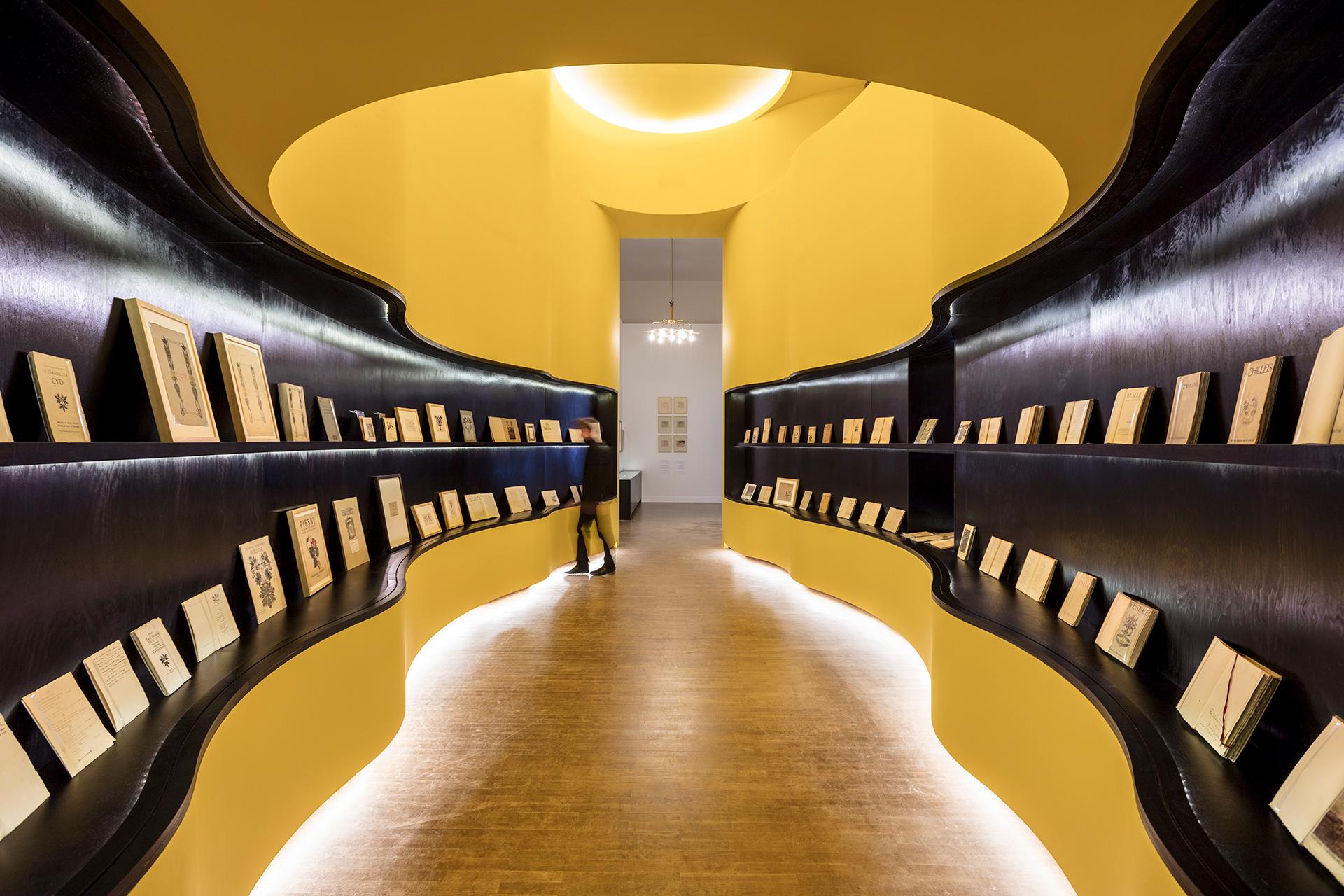
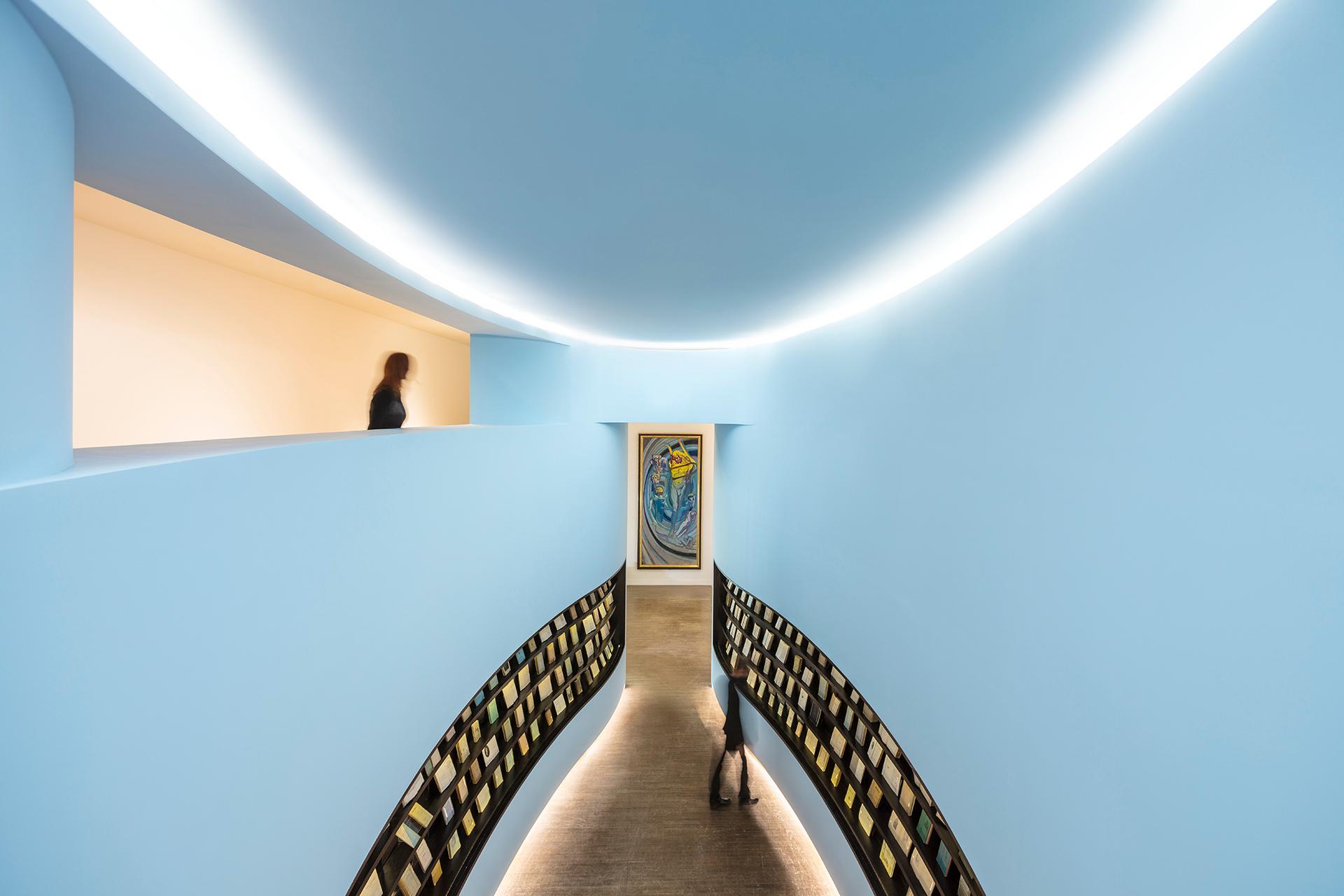
Joining the project of arranging the exhibition of Stanisław Wyspiański's works from the collection of the National Museum in Krakow, we have tried to maintain a balance between the neutral background for the exhibits and a unique set design emphasizing the artist's genius. The varied nature of each of the seven rooms corresponded to the chronological and thematic narrative, following the concept of “gradation of impressions” – like in a film or theater scenario. The possibility of confronting our design vision with the work of one of the most outstanding Polish artists was a great honor and a challenge for us. In our project we tried to produce a scenario of space in which supporting roles – layout and design, lighting and étalage – contributed to the leading role – the multidisciplinary work of Stanisław Wyspiański. This architecture, which remained in the shadow of the brilliant artist, was visible though, stimulating dialogue between artworks and their surroundings and the viewers.
Key objectives for sustainability
In our project we suggested mostly ecological materials and paints, LED energy efficient lighting, we also reused and redesigned some of the exhibition stands from the museum's assortment and most of the structural elements were recycled from the previous exhibition walls.
Key objectives for aesthetics and quality
Most of the exhibition rooms were kept in a more subdued style of white boxes – the so called white cube; however, each of them was distinguished by different ways of arrangement, adapted to the specificity of individual parts of the exhibition. In most of the exhibition spaces on the museum’s second floor we proposed the removal of redundant partition walls, aiming to restore the interior to its original layout. Finishing numerous view axes crossing the amphibious sequence of rooms with selected works of art underlined the impressive scale of exhibition, suggesting the direction of the visit. Starting with the first room – "At My Place" we have ensured the consistent, minimalist character of all parts of the exhibition.
Key objectives for inclusion
All exhibition spaces were adapted to the needs of people with physical disabilities. The exhibition was accompanied by an extensive educational programme, also for people with different kinds of disabilities, and catalogues, extending the knowledge about Wyspianski's art.
Results in relation to category
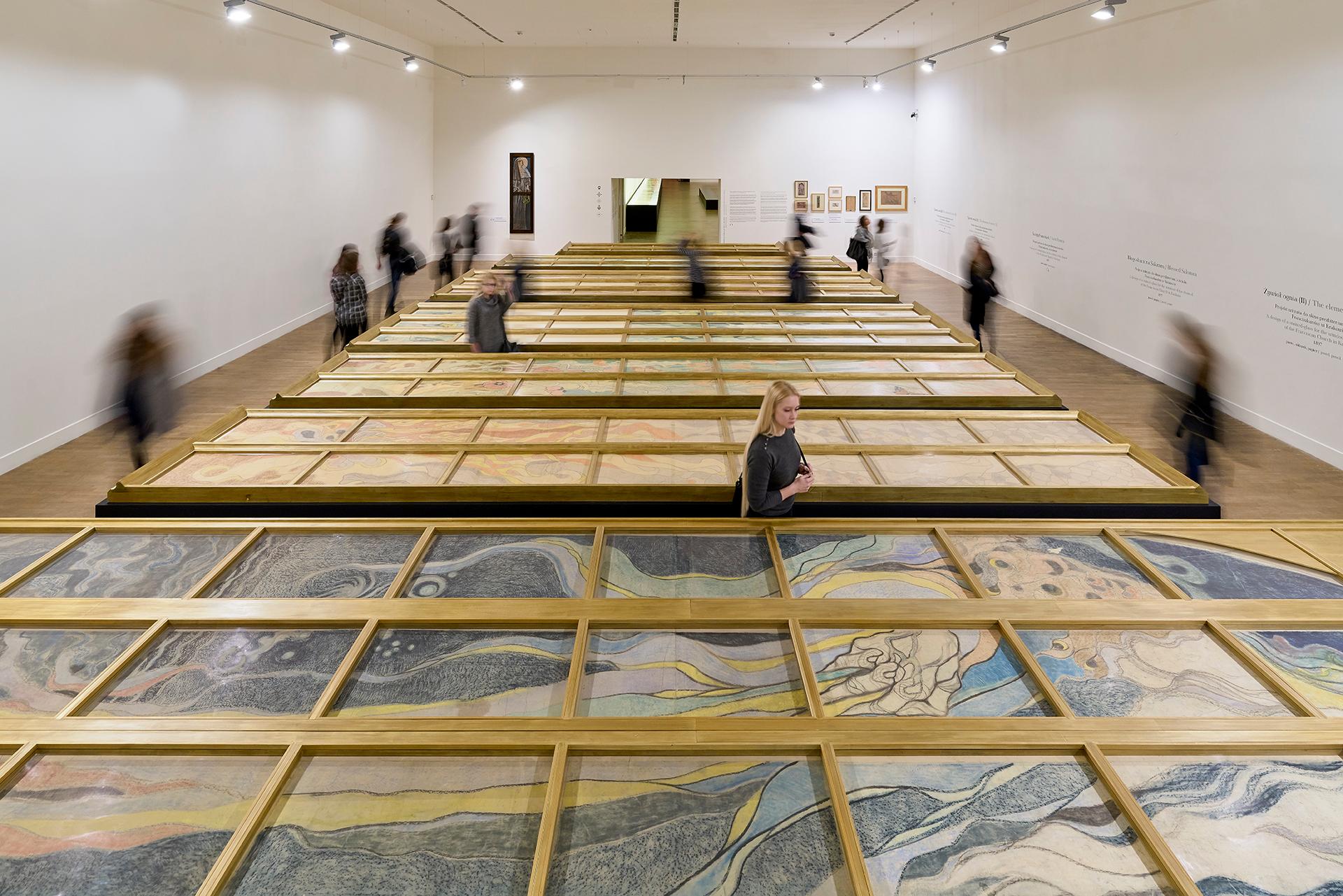
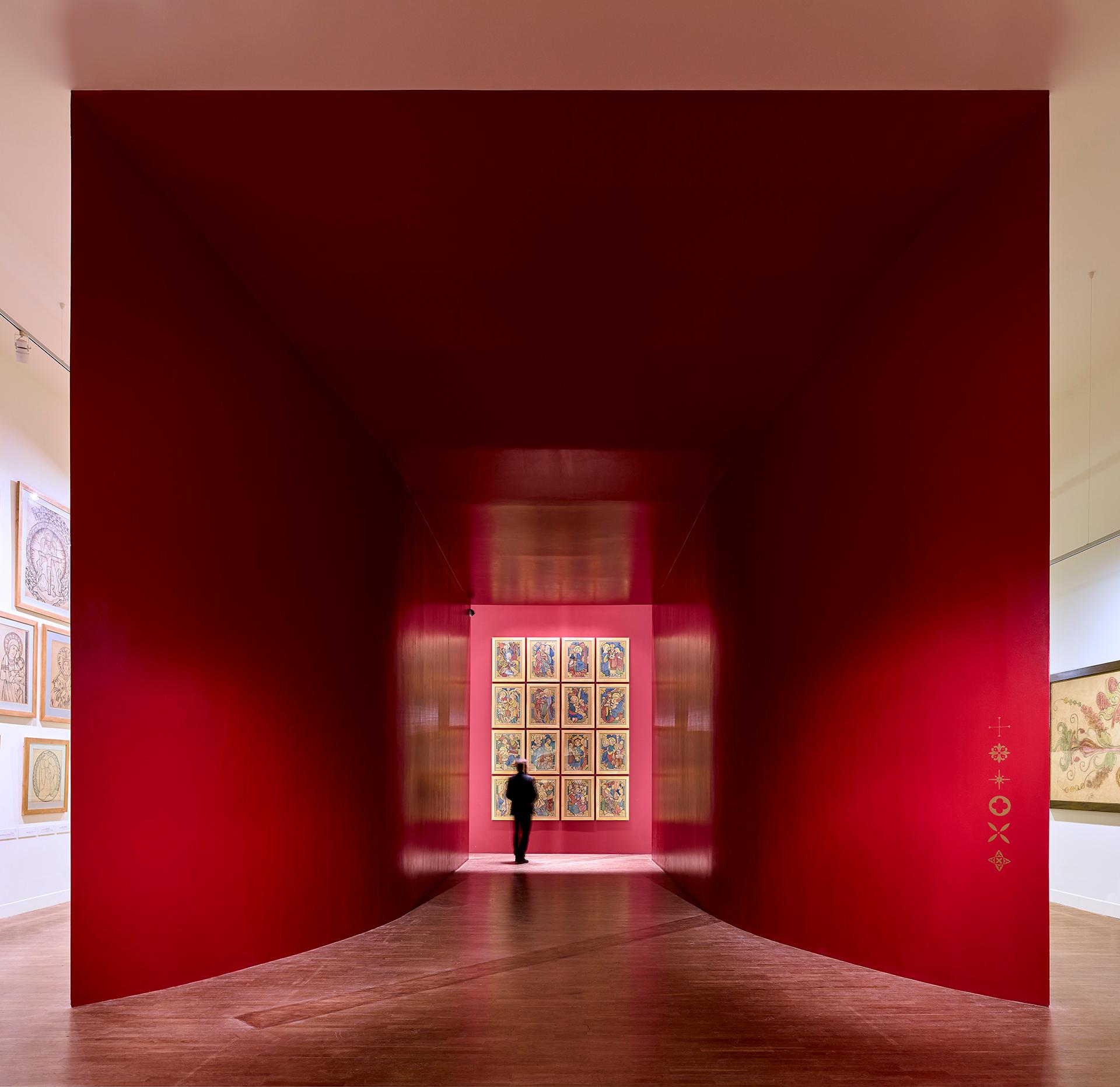
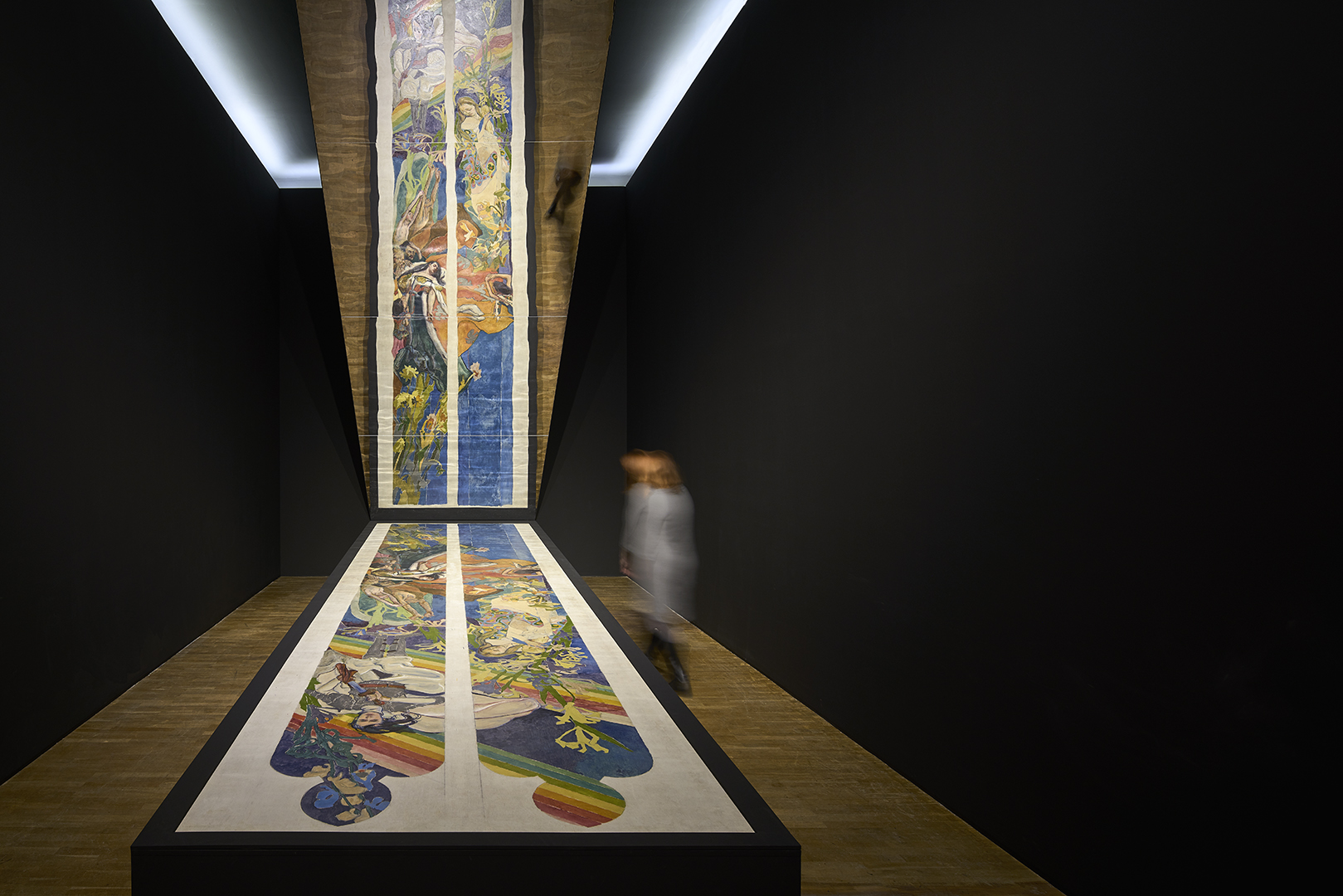
Important aspect we have devoted much attention to were varied ways of perceiving Wyspiański's works. We wanted the viewer to see them in the same way as the artist once did. Hence, the decision to place stained glass designs for the Franciscan church in Krakow on the pedestals in one of the first exhibition rooms. This composition of seven horizontally arranged works of art could also be viewed from an elevated platform. In the other of the two spaces with the common name “Polychromes of Franciscan Church” on display was not only the final result of Wyspiański’s work, but also the whole creative process. In the display cabinets on the ground floor and the mezzanine one could see pounced drawings – templates, which, thanks to indirect lighting, showed the mysterious composition of crosswise hand-crushed tracing patterns. On the main wall of this room there was also a monumental mosaic composed of several dozen polychrome sketches for the Franciscan church. It could be seen from two different levels, including the mezzanine additionally equipped with magnifying glass, which allowed you to explore the details of multi-colored pastels. As part of this impressive collage of 15.0 x 5.0 m in total, historic paintings created a surprisingly contemporary composition. In the next rooms there were further characteristic features of the exhibition – the so-called “chapels”. These were three free-standing cuboids for the exhibition of large-format works, which Wyspiański made for churches in Krakow and in Lviv. Unfortunately, most of them have not been implemented at their destination, so we have tried to design contemporary spaces dedicated to these works. These three “chapels” were an illustration of the desire to interpret the idea of the sacred in architecture, at the same time being unique examples of interiors designed exclusively for the exposition of individual works of art.
How Citizens benefit
The project was one of the main parts of „Wyspiański Year” in Poland. It played an important educational role, not only in terms of disseminating the work of Stanisław Wyspiański, but also presenting non-standard exhibition methods with the use of contemporary architecture. It was the most extensive exhibition of the artist's works so far (a total of almost 1,000 works of art), and at the same time the largest exhibition in the history of the Krakow museum, also record-breaking in terms of attendance - it was visited by over 350,000 people. In February 2020, this project won the first prize in the national competition "Interior of the Year SAW" (in the category of public interior for the years 2015-2018) organized by the Association of Interior Architects, it was also the subject of numerous publications in the country and abroad, contributing to the popularization of creativity Wyspiański also outside Poland. This project was also, in a sense, a prelude to the creation of a new Wyspiański Museum in Krakow (an international competition for its design was announced and settled in 2019), it also started a kind of fashion for the work of this outstanding artist among young people, as evidenced by the extensive documentation of the exhibition m .in. on popular social networks.
Innovative character
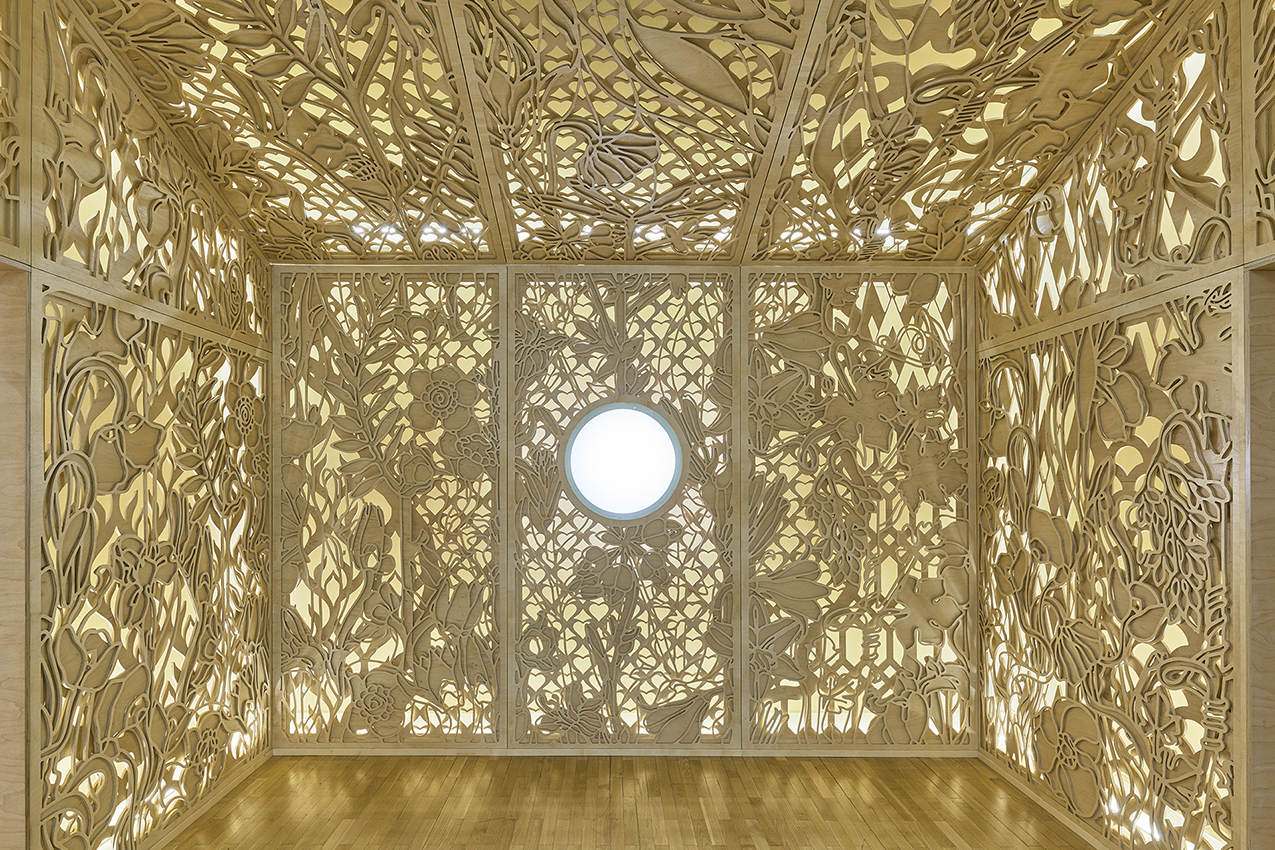
Instead of literal quotations from Wyspianski’s work, we have proposed its modern interpretation, obtained with the use of advanced technologies (design and execution) and modern materials. The best example of this was the “vestibule” of the exposition enclosed entirely with perforated plywood panels. Digitally cut in modular elements, patterns were based on artist’s sketches, but their accumulation and multiplication in the form of a three-tier structure can also bring to mind contemporary art. In the context of current design and art trends it was a proof of the timelessness of Wyspiański's vision. The room “introducing” the audience into the exhibition space was therefore an attempt to transfer his unrealized ideas into the architecture scale, but it could also be perceived as an autonomous work of art.