DesignLibrary Kaunas
Basic information
Project Title
Full project title
Category
Project Description
DesignLibrary Kaunas is a cultural project aimed to diffuse design culture and build a community around design. Established in 2016 at Kaunas university of technology-KTU (Lithuania) in collaboration with Italian partners. It is not 'just a library,' but a living cultural laboratory, where people from different disciplines meet, experience, and develop design. The library has become an exemplary case of how design culture can be built and developed in places far from design culture.
Project Region
EU Programme or fund
Description of the project
Summary
DesignLibrary Kaunas is the 4th branch of DesignLibrary Network. The other 3 libraries are located in Milan (primary location founded in 2006), Shanghai (2007), and Istanbul (2009). Kaunas library was founded in collaboration between Kaunas University of Technology (KTU) Design centre (Lithuania) and DesignLibrary cultural association (Italy).
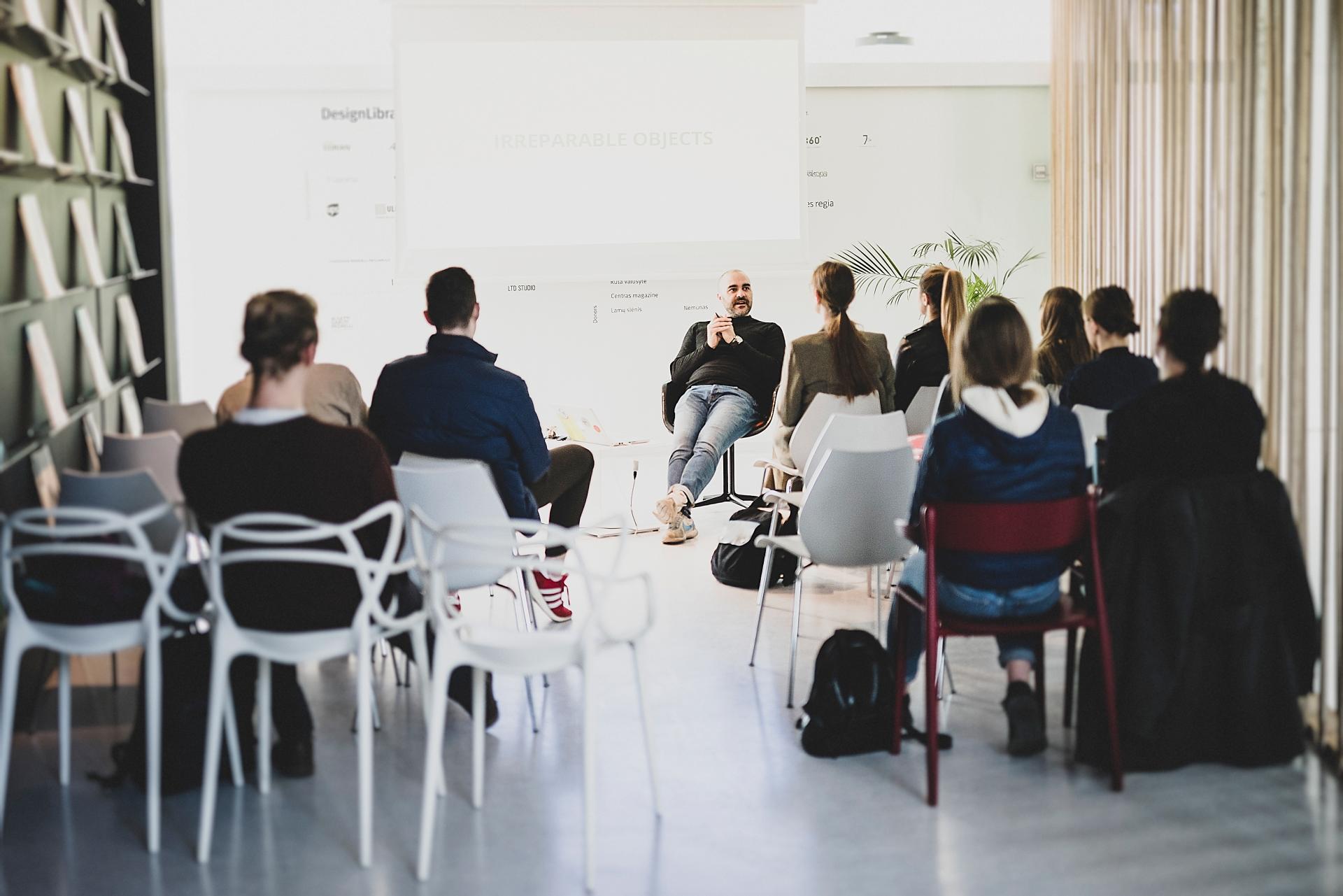
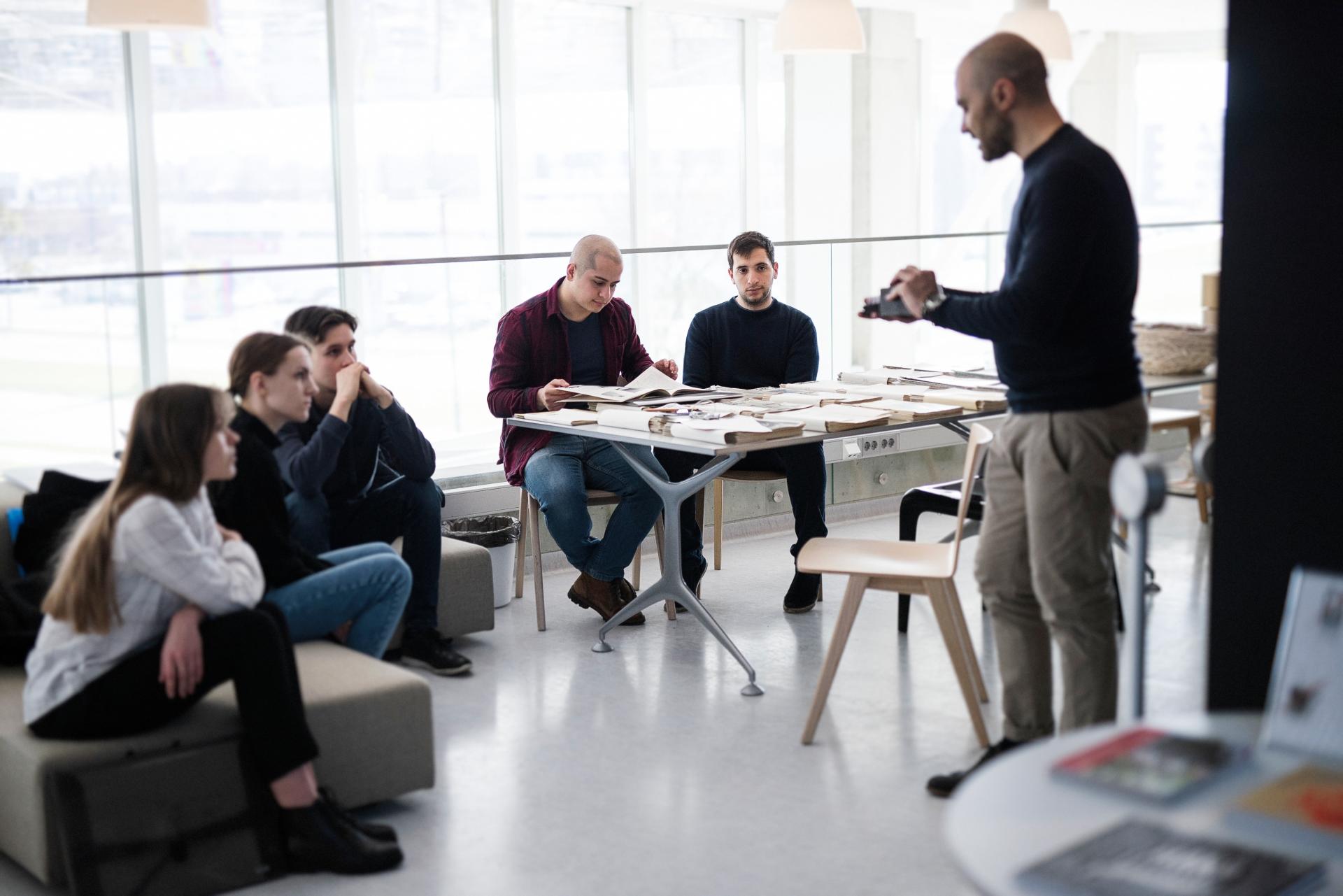
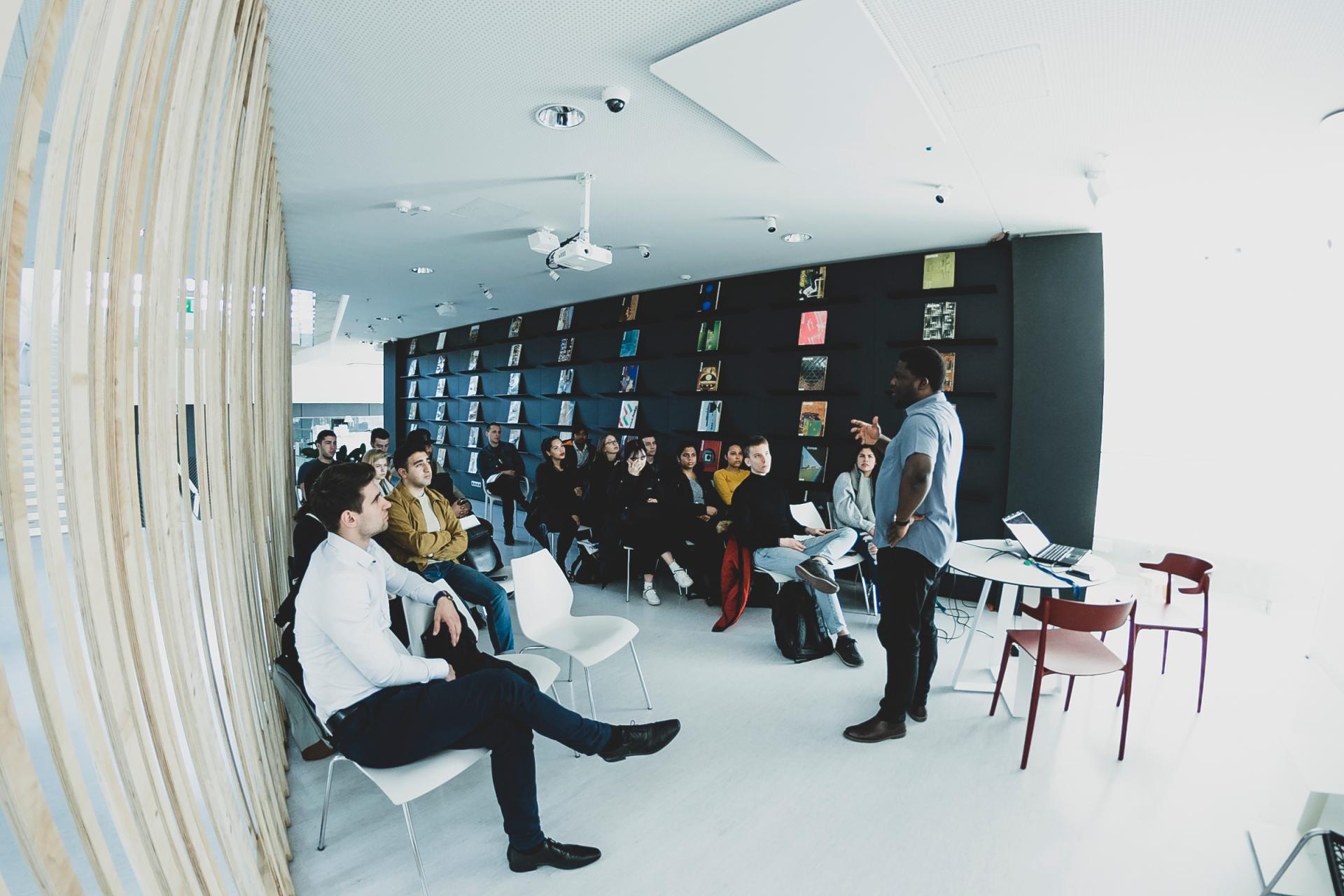
The mission of DesignLibrary is to diffuse design culture and build a community around design - it is not just a library but a cultural and community project. Main activities: 1) Design Thursday events (storytelling); 2) Co-working and networking; 3) Design library – a design-intensive environment with a unique selection of design volumes and artifacts, 4) Design consultancy and R&I activities.
The Library in Kaunas, established in 2016, follows the Italian model and expands it with research activities to collect evidence on how design culture can be developed in places far from design culture (Lithuanian branch as a case). Together with cultural activities, a research project was conducted in Kaunas (2016-2018). The findings show the positive effects of design culture experience on non-designers in developing design-related skills, which are recognized as crucial factors for developing the circular economy and sustainable ways of living.
By involving designers and non-designers who have become members of the project, a vibrant community was formed, where ideas, experiences, projects are shared. As of 2020, KTU Design Centre has initiated few projects related to circular design and sustainable development thanks to the ecosystem built.
DesignLibrary Kaunas includes all core values of NEB: Sustainability - in terms of the business model and overall approach to project delivery; Aesthetics - in terms of its environment and cultural experience as an aesthetic way of living; Inclusion - in terms of the mission and inclusion of different actors in co-design of the library activities.
Key objectives for sustainability
The project key objectives in terms of sustainability are two: 1) the delivery of an open-access business model based on a yearly membership, which supports the cultural activities of the library and contributes to the cultural mission; 2) the overall approach to the delivery of the project by including local actors in the partnership and co-design of the library location and its activities.
DesignLibrary Kaunas is located in KTU Santaka Valley in Kaunas, Lithuania - an integrated science and business centre built in 2014. Given the growing need for design in this high-tech environment, in 2016, KTU Design centre suggested redesigning two empty floors of this science valley, primarily thought to be empty landing areas, into a physical platform for design community-oriented cultural activities. Instead of employing other resources to build the location from scratch, the library was established in an already existing empty space. Most of the library furnishing and equipment were donated by Lithuanian and Italian companies and designers as a supporting gesture to the diffusion of design culture. The archive – a unique selection of volumes (books and magazines) and design artifacts are donated by publishers and collectors—design artifacts (designed objects) - donations resulting from cultural events. The artifacts support storytelling about design and, at the same time, constantly grows the DesignLibrary collection and the environment.
The project is a non-profit cultural project, where the active membership model is promoted. By being actively involved, members get their best of the network and show participatory collaboration, one of the main features of sustainable ecosystems. Active contributors associate themselves with the project - it is the first step in building a sustainable community.
In closing, the furnishings and other goods may be returned or donated to different cultural and design centres without causing unnecessary waste.
Key objectives for aesthetics and quality
The project's key objectives in aesthetics are reflected through its environment and overall cultural experience as an 'aesthetic' way of living: aesthetic = balanced = sustainable.
First of all, the project promotes design culture, which is associated with an 'aesthetic' way of doing things, doing things with purpose, searching for balanced and sustainable solutions, having fun in the process, making less, living more, and doing things people and the planet. This is the primary cultural purpose achieved mainly by design storytelling.
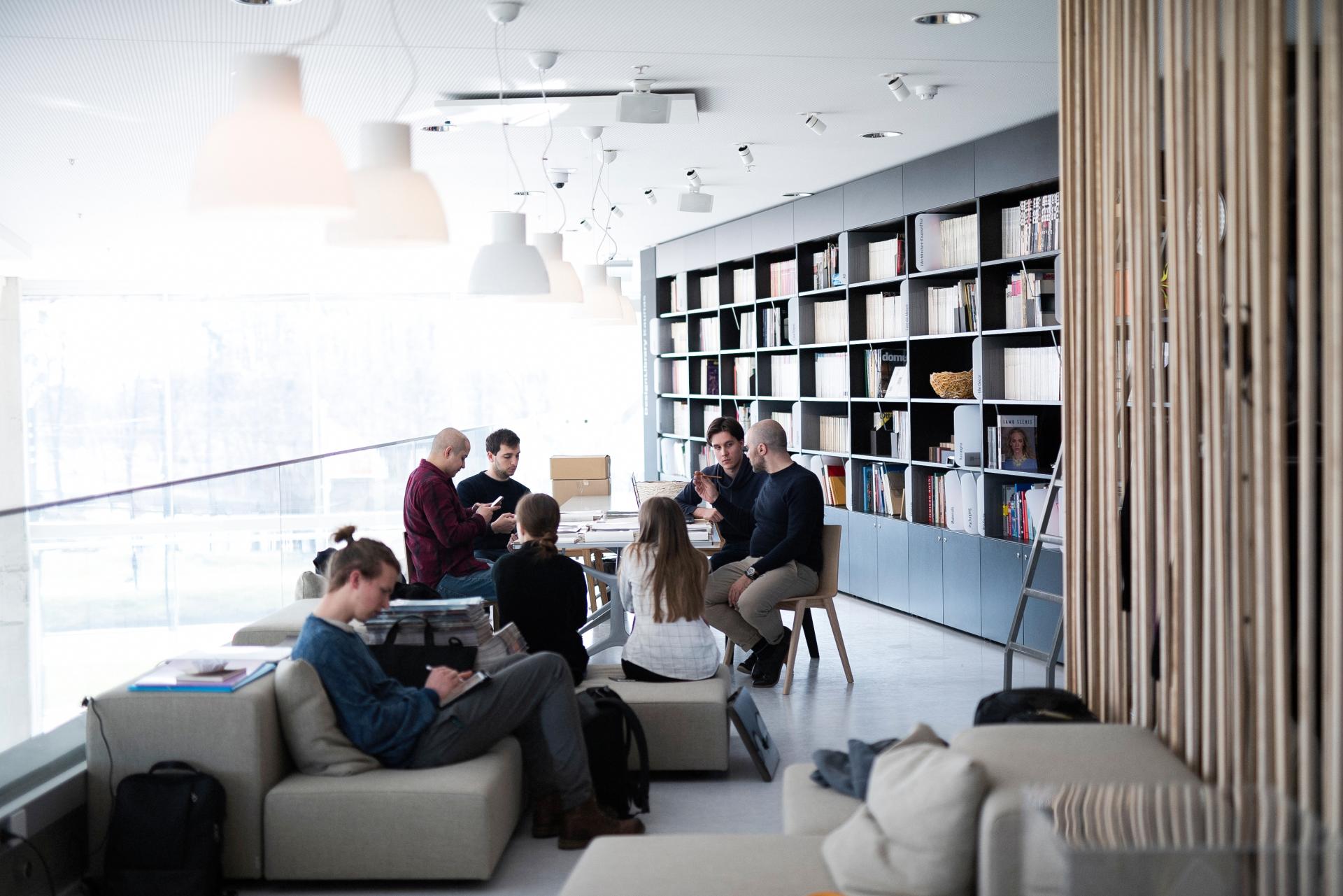
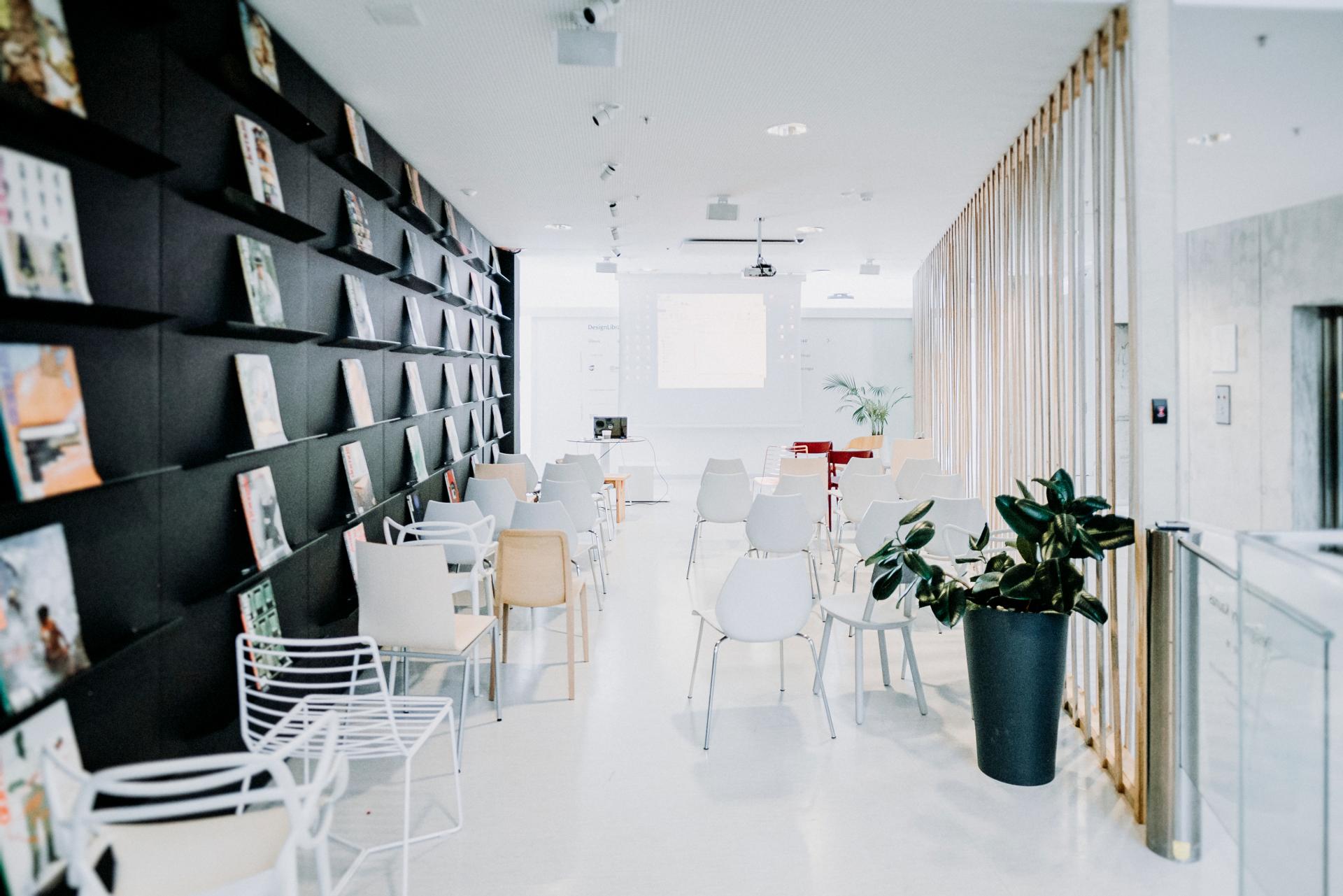
Secondly – the physical environment and its aesthetic features become a part of the design culture experience build by the project. It follows the main Italian headquarters visual identity and interior design scheme, characterized by various design pieces, books, artifacts ranging from the '50s until today. Therefore the physical environments are mainly aesthetic and original. The planning scheme comprises three main areas: the reading area, event area, co-working area. Sitting and relax areas in between. It is an open and dynamic scheme representing an in-between balance culture, work, social life, and comfort. As a result, space brings both aesthetic and functional value to the science and business centre building while enhancing the experience of the project members. The project community shows interest and active support to promote the space itself, sporadically picked for team meetings and presentations, photo shooting, and filming for the private and public sectors. Being located in a business and research centre whose primary cold colors are grey and white, adding a different palette of various cold and warm colors and shades forms a disruptive aesthetic solution, representing the project's unique character and mission. The aesthetical feature of the environment becomes a tool for attraction and activator of design culture experience.
Key objectives for inclusion
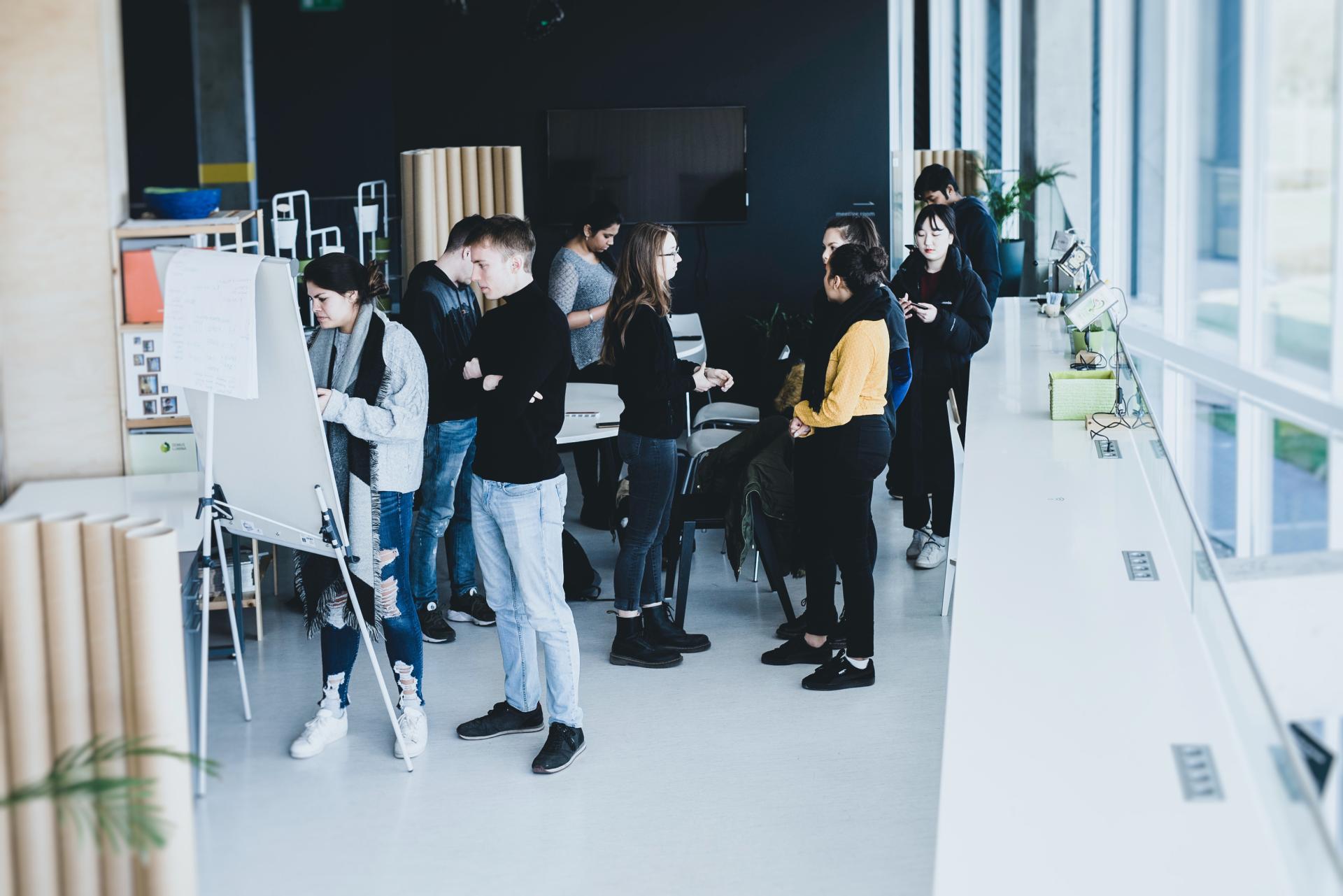
In Kaunas library, a particular focus is given to design as a bonding tool between different disciplines and innovation actors: R&I, companies, students, and individual designers, artists, innovators. The main goal was to transition from the diffused approach in building closed disciplinary design communities to building inclusive and participatory communities driven by design. Therefore, there is no hierarchy in this project in regards to the members. All of them have the same possibility to co-design cultural content or other design-related R&I initiatives. As already mentioned above, the project promotes an inclusive and active membership model, which becomes the primary community-building tool. The inclusion of different actors and fields is a core value of this project.
Until today DesignLibrary members have contributed to the launch of over 35 "Design Thursday'' events in the period of 2016-2020, bringing their know-how related to a variety of topics on design history, interior, product, fashion, graphic, UXD, service, strategic, food, packaging, music design. Cultural events format has shown to attract stakeholders and professionals interested in serving the community, supporting the project by aggregating other members. Variety of content builds a unique experience and guarantees a diversity of members within the community.
To guarantee its international profile, communication in Lithuanian and English languages has been chosen to solve sustainable multilingualism within the community. The physical space is functional and accessible to people with special needs (the building has two elevators and opening automatic doors). The Kaunas library belongs to a more extensive DesignLibrary network, whose aim is to provide its members free access to all libraries all around the network. DesignLibrary Kaunas contribute to and benefit from this model.
Results in relation to category
As of 2016, until the time of the submission of this application, the project has counted:
- over 35 sponsors, i.e., companies and design studios, have actively contributed to the establishment of the library. As a reward, the contributors have been provided networking opportunities and brand awareness, both locally and internationally, within the network.
- A total of 600 active members belonging to the following categories: design and architecture, culture and arts, business and management, engineering and technologies, and others (e.g., a minor number of professionals coming from the field of education, philosophy, communication). These are students, teachers, researchers, freelancers, company owners or employees, opportunity-seeking professionals.
- 35 “Design Thursday ''events organized as monthly and/or quarterly program events open to all the members. 4 design exhibitions organized to support the Lithuanian Design Week.
- Almost 100 guest speakers invited and contribute with their presentations to “Design Thursday” events and deliver design storytelling.
- 3 private companies involved in design-related R&I projects; 7 innovation voucher projects delivered in 2017-2018 with local companies.
In 2016-2018, research performed on design culture experience effects on non-designers had statistically proved that design culture experience contributes to developing design-related skills among non-designers: collaboration, integrative thinking, creative confidence, and others.
In 2020 KTU Design Centre has started a few projects related to circular design and sustainable development involving active members of the DesignLibrary community, ranging from university researchers to individual designers.
The following two are recognized as the main results achieved by the project as of 2016; DesignLibrary Kaunas is a living case on how cultural design activities can activate design-driven innovation within places far from design culture.
How Citizens benefit
The project activities have been based on the community's contribution, which has actively responded to dedicated calls and attracted more potential members to the project. By building a community of design enthusiasts, members have developed a sense of belonging to the local and international design community and showed interest in renewing their yearly membership, thus acknowledging the space as a point of reference in the design sector. With no platform for designers and design enthusiasts in Kaunas, in 2016, the city has seen the start of a living community consisting of the quadruple helix framework representatives: civil society, academia, industry, and government. From each category, the project has gathered members who took part in activities with different needs and wished outcomes, varying from internship opportunities within the international platform or the project itself, network opportunities for partners or collaborators search, design services, and archive consultation. Being a platform from the community to the community, the project has evolved through the community by offering needed content from the members and involving them as speakers, audience, interns, or visitors. Through design culture, arts have been displayed through the crafts and interpretations of design enthusiasts, enriching the intercultural dialogue about design and its impact on society.
Innovative character
Being the first library dedicated to design in Kaunas and in Lithuania, the project represents the first community-oriented platform to raise awareness through design culture in a non-design environment. Initiating an interdisciplinary dialogue about design, the need of a community and the variety of members has shown to be an effective solution to gather content and launch new ideas and projects on design locally and internationally. Lithuania counts several active design organizations (Design forum, Lithuanian Design Association, Ekoda, Design block, Dizaino fondas) and several universities involved in design education. The innovative character of DesignLibrary Kaunas is the context in which it is delivered - an extremely technological 'hard science' environment with no use of design. DesignLibrary Kaunas became both a physical platform, a cultural content catalyzer, and a member community connecting actors from design and non-design fields.