NEB, CULTURAL ECOLOGY & PEDAGOGY
Basic information
Project Title
Full project title
Category
Project Description
A project of research, pedagogy, and curatorship of debates & displays with a framework for cultural ecology with digital technology as part of the New European Bauhaus agenda. It involves the colaboration of Cies / Iscte-University Institute of Lisbon, ESAD.CR - Higher School of Arts & Design / Polytechnic of Leiria, and cultural spaces including Joana Vasconcelos Studio & the Project Travessa da Ermida in Lisbon.
Project Region
EU Programme or fund
Description of the project
Summary
«New European Bauhaus, cultural ecology & pedagogy» brings a cultural focus to a new area of studies, education and debate about NEB taking account of challenges and transitions in Europe. It is a multi-faceted approach on cultural ecology to clarify meanings and uses of ecology & digital technology in cultural spaces. That is, in agenda-settings, locations & facilities, and in the own ecologies of creativity using “ecological imagination” in works with reference to the nature and environmental issues. As said below about the innovative contribution of the project, although the cultural focus seems to narrow the content and goals of NEB, it provides a new conceptual and pedagogical framework for cultural ecology. Itself a polysemic concept that articulates several levels.
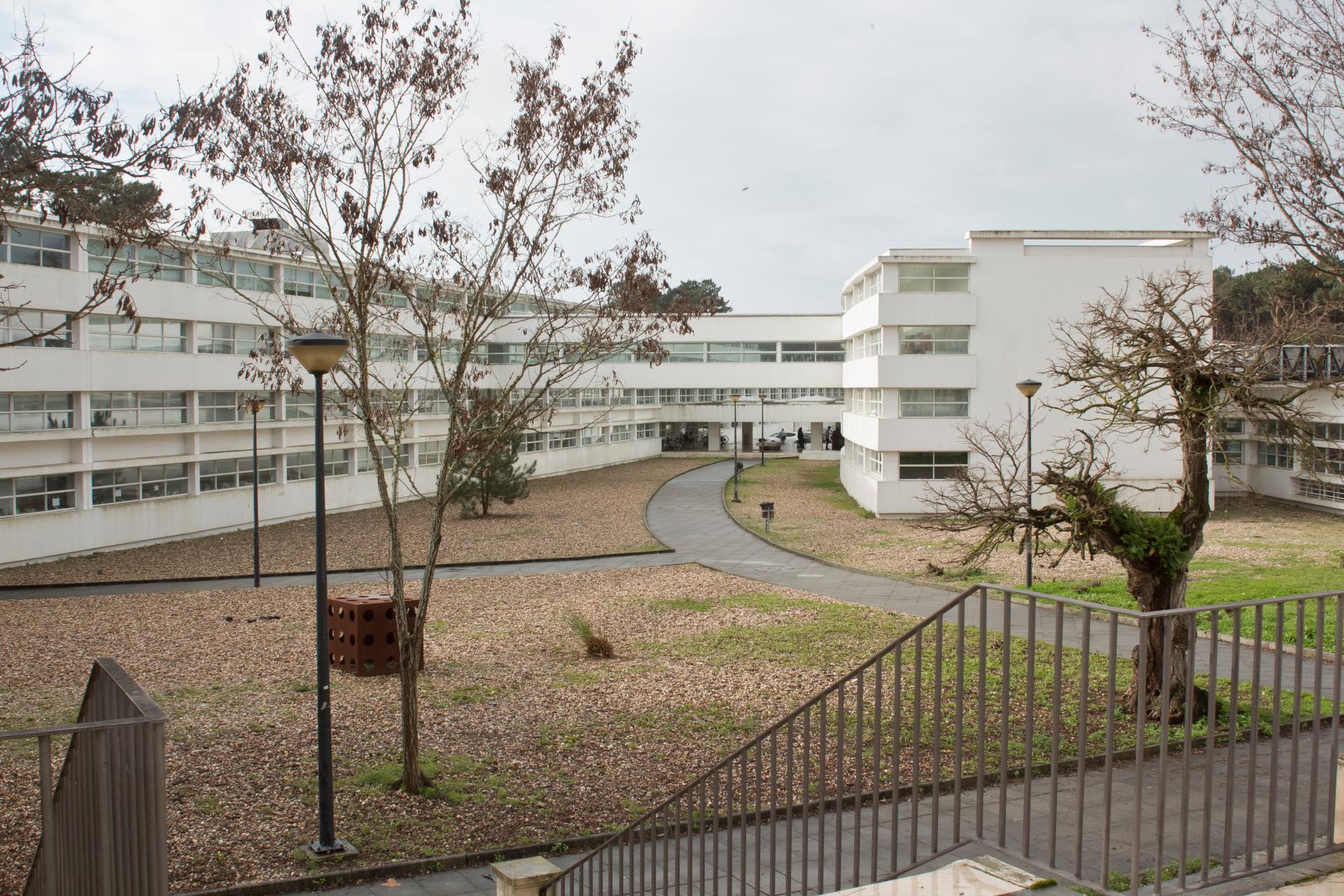
The project is inter-institutional and with wide scope, based main references, cases and illustrations, that come from the umbrella research on cultural agendas in Europe (submitted to the Foundation for Science & Technology since February 2021). This research strand runs in Cies/Iscte-University Institute of Lisbon while the pedagogical strand is carried out in ESAD – Higher School of Arts & Design/Polytechnic Institute of Leiria that supports this application. The City of Leiria is as well candidate to European Capital of Culture. ESAD has created already the first chair in Portugal dedicated to NEB in the course on Graphic Design & Multimedia. «New European Bauhaus: co-design & transdisciplinarity», a co-teaching platform I participate. The third strand of the project involves the curatorship of debates & displays beyond academia to foster wider citizenship involvement in public spheres. The series of initiatives anchors in cultural spaces in Lisbon. As indicated in a section below they belong to a route in constitution titled «NEB & Cultural Ecology: a new agenda in Europe».
Key objectives for sustainability
One issue concerns the sustainability of this project. It begun on 21 February and has been sustainable thanks to the network of partnerships, with some friends, voluntary work, part of self-funding. Also because the first 3 months were mainly dedicated to the research strand, parallel to pedagogical activities. Other issue is how sustainability is lectured in the pedagogical strand having in view NEB, Europe and the ecological emergency. Students have the introduction to the multidimensional concept of sustainability. A balance in eco/human systems that involves the environment, economy, technology, politics, culture, education, dialogue, inclusion, in short, citizenship in changing modes of life. After this introduction and explaining the option for green & circular economy and “smart” solutions, is given the basic information about EU plans & programs for the ecological and economic transition. The «Green Deal» aims to make Europe the first climate neutral continent with no net emissions by 2050. Huge goal that obliges the EU countries to cut gas emissions, invest in green technologies, protect the environment also while boosting the economy recovery. «Just Transition Mechanism» provides financial and technical to this paradigm shift and “leaving no one behind” is the imperative of inclusion. Mesures include the «European Climate Law», the «2030 Biodiversity Strategy», even the «Farm to Fork Strategy» for the food system. Still under the «Green Deal», there are the «Renewation Wave Strategy» (RWS) for the energy performance of buildings & decarbonisation of heating/cooling systems, and part of the RWS, the «Affordable Housing Initiative» for urban revitalizations, seeking for smart, circular and modular solutions for neighborhoods with digital technologies and eco-design. Therefore, in line with NEB, besides the cu
Key objectives for aesthetics and quality
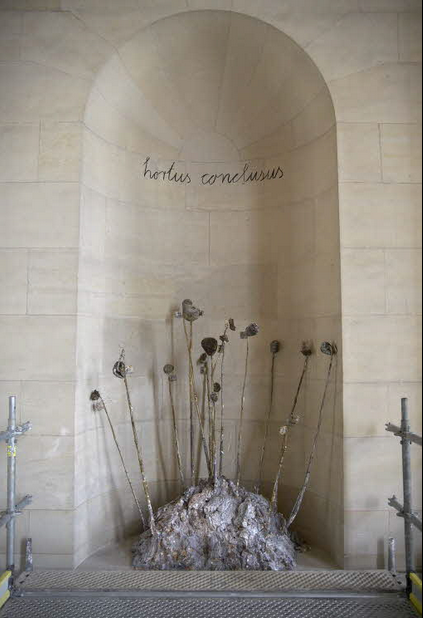
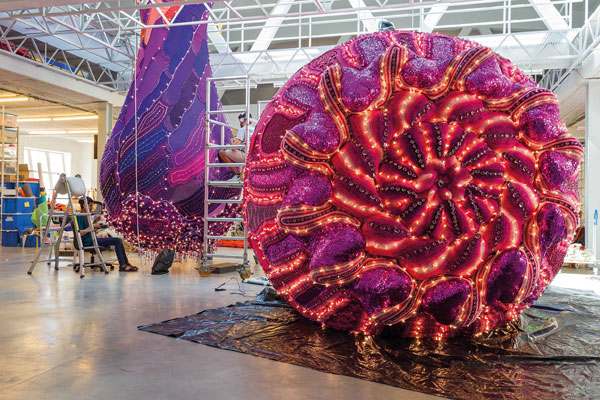
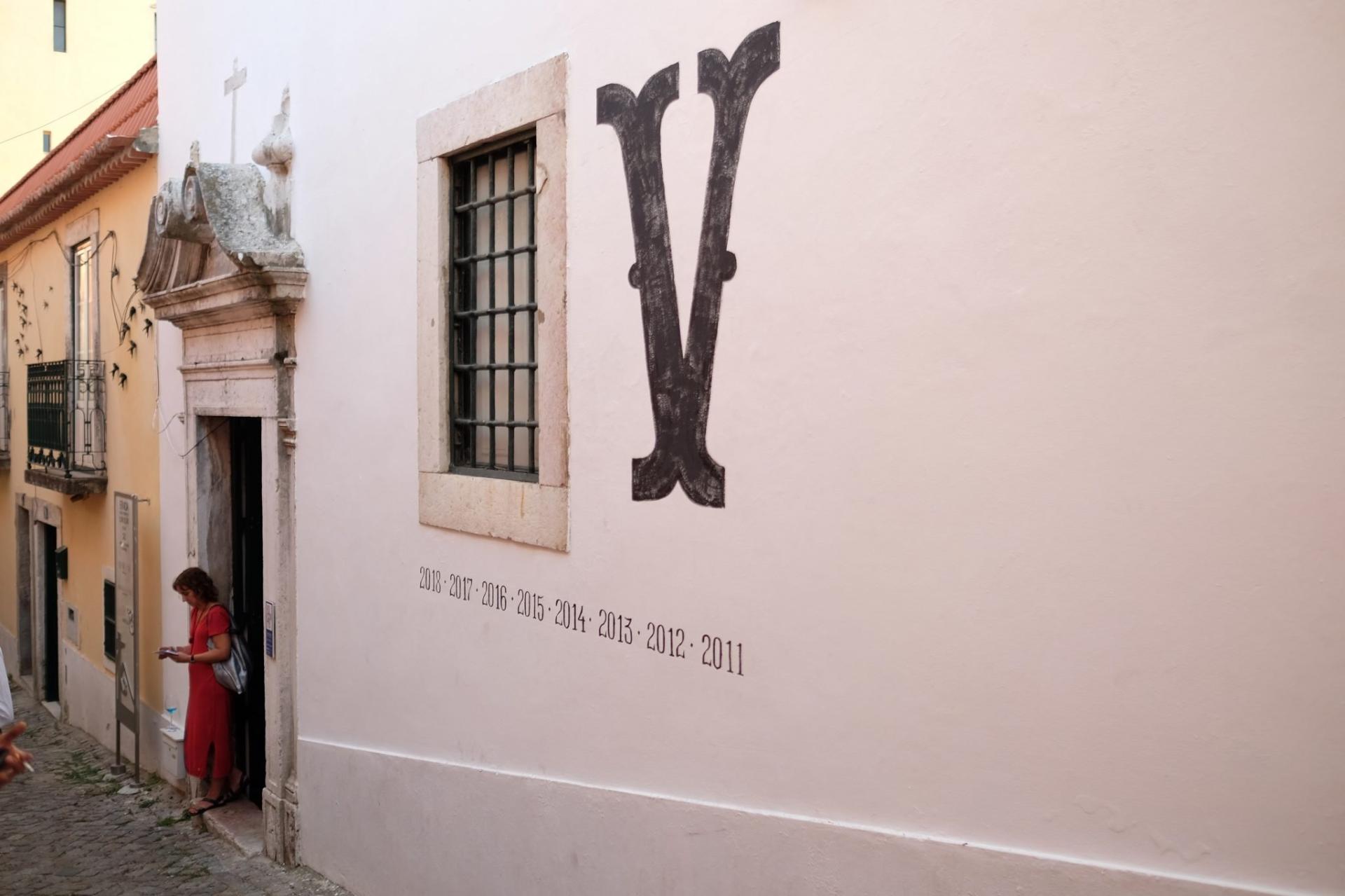
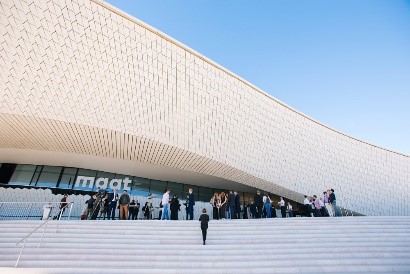
Actually, due to its cultural focus and incursion into ecologies of creativity surveying forms of ecological imagination, this project is almost a redundant approach beauty in (and beyond) the NEB’s trilogy of criteria for projects: sustainable, together, beautiful. Moreover, the pedagogical strand is committed with students of art & design, and part of the curatorship strand runs in artistic spaces. As in the case of the Joana Vasconcelos Studio, the most international artist in Portugal, enown for the scale, uniqueness and glamorous creativity of her arworks. The second space of contemporary art is the Project Travessa da Ermida, also in Lisboa, that hosts exhibitions and interventions of reference. A third example is the proposal of initiatives for MAAT – Museum of Art, Architecture and Technology in Lisbon. Indeed, the project is quite embedded in art. Even a part of the conceptual framework for cultural ecology was constructed with iconographies from ancient to contemporary art, eg. landscapes and nature in Renaissance painting vs. representations and abstractions of the same referents in our time.
Saying this, beauty is at stake also under interrogations, following postmodern shifts even face to the modernist aesthetics of Bauhaus and its international style in architecture. However, for the pedagogical strand it matters to deal with the issue in two ways. On one hand, to explain beauty in NEB’s rationale, understanding it as a dimension of quality of life. On de other hand, approach the subject pluralizing notions and questions, having in mind many kind of beauties across the diversity of arts, cultures and aesthetics in Europe. Even the NEB question, “can art and culture help us solve the climate challenge?”, does not have a unique answer in creative ecologies. Some produce literally activist ecological art while others remain with their "thick signs"; artworks with specific complexity or ambiguity.
Key objectives for inclusion
For the issue of inclusion arguments about citizenship are repeated in the sense that it has the same reflexive importance and ethical centrality, but this is not tailored to promote,a specific inclusion by one intervention. Furthermore, inclusion has several kinds, since for ethnic minorities, migrants, refugees, to more transversal cleavages, inequalities or differences of gender and sexual orientation, class, and between generations. As it broke out in the pandemic crisis as well as the imperative of generational solidarity. With regard to issues adressed in the project, we still have the call for a large inclusion with sense of emergency as enlistment of everyone on the route of the new paradigm. To a certain extent, from the economic and ecological point of view, algo a pragmatic and instrumental sense; no one to be left behind to ensure both survivals. In parallel, the sense of a dialogical and civic inclusion of the communities that organize themselves to solve common problems, sharing and circular economy at local scales. This inclusion is close to the "together" in the NEB process. It seems sociologically a pull to neighborhood societies, towards a more communal citizenship, subtracting the usual political rhetoric about the European citizenship(s).
For the project the subject is interesting as a trend in contemporary Europe and global arenas, also expessing effects of the pandemic. With regard to other inclusions, this project claims for them, it is totally democratic and inclusive.
This point will better and extensively approached.in the documents online from the project (in my profile at academia.edu)
Results in relation to category
The main result is that the research strand is already almost completed, written, available online (in Portuguese, my profile at academia.edu). Although to be translated it is possible to see the framework for cultural ecology with the respective references and visual documentation. Also with impact, as I have 31 581 visualizations of my profile/documents at academia.edu and they increased I posted online this work since last week.
The work corresponds to a part of a book in progress about the project in which also reappear the 4 items lectured in the pedagogical strand. They are mentionned below and repeated here: 1) References to contextualise NEB in the EU, challenges and transitions, notably about the ecological and digital agendas; 2) Examples from a set of European projects already undertaking NEB processes, from architecture/housing to community interventions in urban, rural and cultural spaces. These examples come from assets of EU programs: Creative Europe, Horizon Europe, related to structural funds or specific, eg. for cultural heritage and the digital strand, including Europeana, 3) Key topics on trends, events, prizes, etc. in Europe relating ecology & technology in the arts, architecture, design, cultural heritage, and others. 4) A frieze of cases to illustrate cultural ecology in those areas.
As I am applying for a pedagogical category this result/impact seems already quite satisfactory, But the project is in progress and only has 3 months mainly dedicated to the research strand. So, more results/impacts will come soon and along this year.
How Citizens benefit
The research & pedagogy strands approach the issue of citizenship taking account changes the notion from the legal frame and national grounds to social and multicultural or transcultural and global citizenship in the contemporary world. Nevertheless it is rather a reflective way to call the issue than a project working in citizens field for which there are other kind of research projects or projects of intervention.
Anyway, to expand the relation with citizens beyond academia, the third strand promotes debates & displays about NEB and Europe in public spheres. Despite being anchored in cultural and artistic locations, they are open spaces, crossed by streams of reflexivity and also interventions. In fact, a part of of contemporary arts is committed to the relational aesthetics with emancipatory purposes. Also civic activisms in debate in those spaces. Some are listed below.
Besides this issue it matters the core of our project, cultural ecology, for which are expected circulations of artworks and exhibitions at least between two spaces in Leiria (ESAD.CR) and Lisbon (Travessa da Ermida). In the Joana Vasconcelos Studio we have more a international platform sharing part this ranking with the Lisbon Architecture Triennale. The project expects to be one its "associated projects", including the Triennale in the route «NEB & Cultural Ecology».
ESAD.CR – Escola Superior de Artes & Design IPL (Caldas da Rainha)
Rua Isidoro Inácio Alves de Carvalho, Campus 3, 2500-321 Caldas da Rainha
T +351 262 830 900 Fax +351 262830904
https://www.ipleiria.pt/esadcr/
esad@ipleiria.pt
Atelier Joana Vasconcelos
Edifício Gonçalves Zarco Rua da Cintura do Porto de Lisboa, Doca de Alcântara Norte, 1350-352 Lisboa
T +351 213 951 545
atelier@joanavasconcelos.com
Projecto Travessa da Ermida
Tv. Marta Pinto 21, 1300-469 Lisboa
T +351 21 363
projectotravessadaermida@gmail.com
https://www.facebook.com/travessadaermida/
Innovative character
The project contributes to open in Portugal a new area of studies, education, creativity and debate about NEB, grounded in the main challenges and transitions in Europe. It is a perspective with more focus on cultural and creative dimensions that embrace also the issue of environmental, digital, artistic and cultural literacy at large. It is a inter-institutional project with three strands: research, pedagogy, and curatorship of debates & displays addressed to ecology and culture. The research strand (previously submitted to the Foundation for Science & Technology) runs in Cies/Iscte-University Institute of Lisbon. The pedagogical strand is carried out in collaboration with ESAD.CR - Higher School of Arts & Design/Polytechnic Institute of Leiria that supports this application. The City of Leiria is as well candidate to European Capital of Culture. ESAD.CR has created already the first chair in Portugal dedicated to NEB in the course of Graphic Design & Multimedia. «New European Bauhaus: co-design & transdisciplinarity» as a co-teaching platform in which I participate.
Beyond academia, to foster wider involvement, the third strand (see section above) has the curatorship of initiatives titled «NEB & Cultural Ecology: a new agenda in Europe».
With regard to the innovative character of the project, besides the multi-faceted approach it anchors in solid research about Europe on broad and specific perspective. A topic from my PhD (2014) to two academic aggregations (2020-21). Although the cultural focus seems to narrow the content and goals of NEB, it provides a new conceptual and pedagogical framework (also very illustrated) for cultural ecology. It clarifies meanings and uses of ecology & digital technology across agenda-settings of cultural programming, locations & facilities, and the own ecologies of creativity using “ecological imagination” in works with reference to the nature and environmental themes.