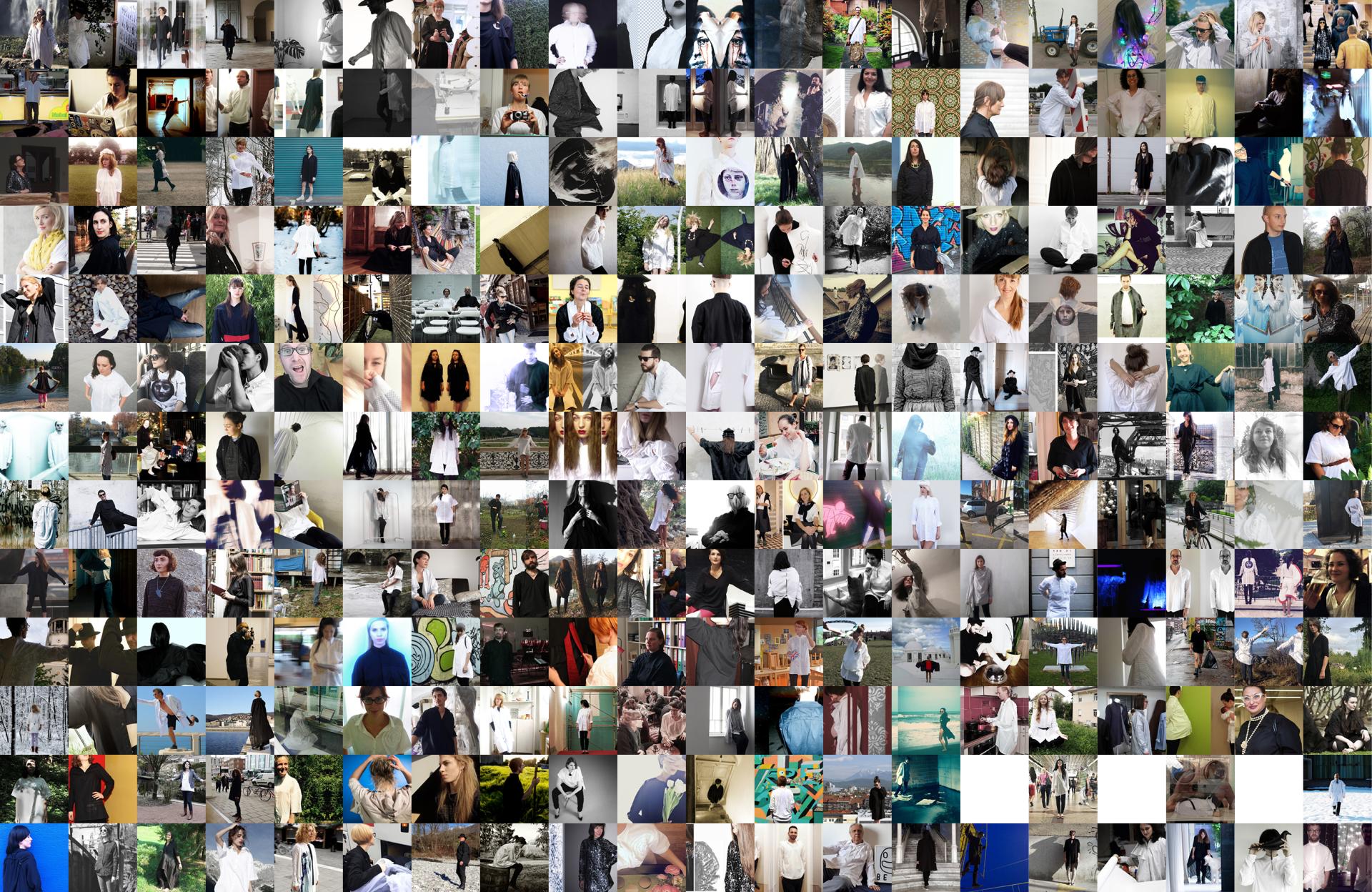
shirting...
Basic information
Project Title
Full project title
Category
Project Description
shirting… is a sustainable fashion platform. The project forefront is an alternative sustainable model of circular clothing sharing. That is implemented through ethical and ecological design principles and by fostering a personal relationship and responsibility towards clothing. We reshape the paradigm of accessibility of high-quality designer products. shirting... platform presents unique designer shirts, designed by local designers which are available to wider community.
Project Region
EU Programme or fund
Description of the project
Summary
shirting... is a sustainable clothing project from Slovenia, running since 2014. It is based on the model of sharing unique designer's shirts and on participation of designers and users. The product base is a shirt that circulates between different users. This project develops a special and deeper sense of managing resources and reminds us to our social and environmental responsibilities.
“shirting…” derives from the idea of a “shirt” as an object and “sharing” as a process. However putting an –ing after a “shirt” makes it also an action. shirting … thus represents a process which includes participation, activity and continuity that evolved through eleven consecutive editions, which is indicated by three dots “...”.
shirting... has received three major awards: 1. for the best project on 24th Biennale of Design BIO 50:NOW; 2. overachievement in design award given by Designers Society of Slovenia: 3. ChiMERA for the best startup of the year in the field of creative and cultural industries.
Our core values stand on quality and accessibility of design products to a wider community based on the principles of sharing economy and responsibility of the community. The project bases on affordability and accessibility of design products as slow, responsible, ethical and ecological fashion. Through the shirting... platform high-quality design shirts are available for different people to wear for a defined period of time (usually three weeks). After this period each user has to pass the shirt to the next one, and so on.
Through shirt sharing, the project advocates the idea of an active user over ownership, and therefore focuses on the users' experiences and their participation. The role of each user is thus altered from a passive consumer to an active participant.
Key objectives for sustainability
The fashion industry is the second biggest polluter of the environment and as such creates many social problems. Slow and socially responsible fashion should be preferred. Clothing sharing has proven to be a good solution, as it extends the life of clothes and broadens their usability. The purpose of this project is raising the awareness among the general public and professionals about the sustainability in clothing. We want to make fashion available to those who may need it most, the less-wealthy, or to those who want it, but they can't afford it, while making it sustainable at the same time.
We are focusing on socially responsible design and implementing a holistic approach to sustainability which takes into account all four pillars of sustainability: environmental, social, economic and socio-cultural. In this way we ensure the principle of circularity (C2C principle). With different sustainable approaches (redesign, reusing, recycling, one size fits all, gender fluid, sharing etc.) we not only save on the raw and textile materials, but also reduce water, energy and time consumption, eliminate the need for toxic processes, and reduce the amount of required chemicals and wastewater. All shirts have been made localy and ethnicaly. This approach enriches local production and breathes new life to fashion philosophy in the local fashion system. Final results are sustainable high-quality designer shirts with added value based on sustainable circular system.
We are implementing sustainable circular systems on two levels: in production process and in consumption/use. shirting… explores social dimension and its products have positive effects that encourage local designers and producers, active citizenship and responsible decisions. Our mission is to create conscious and sustainable fashion taking into account its environmental costs, and not simply passing it to the future generations to solve.
Key objectives for aesthetics and quality
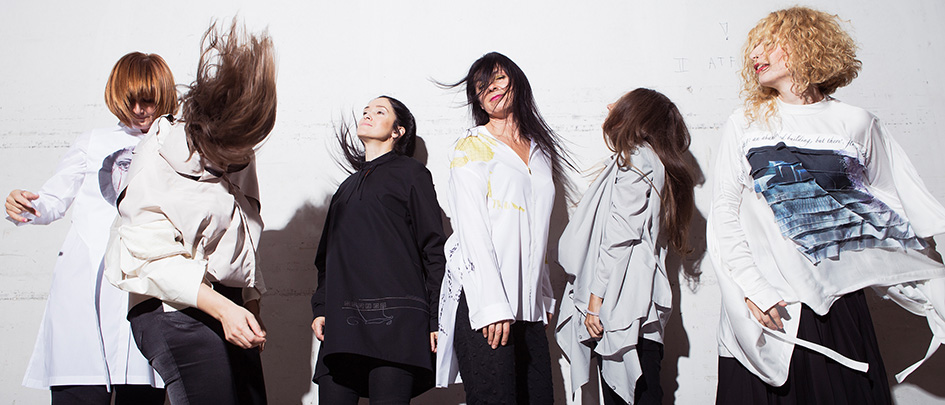
The product base is a shirt that circulates between users - one shirt, many users; one garment, many experiences. This project promotes high quality clothing and designs that are made from superior materials. Shirts are unique, designed by a local designer and made by a local producer. However, they differ by their aesthetic and artistic sophistication and message. Each designer focuses on the beauty of creating an unique clothing product and expresses her/his aesthetics. Shirts represent the identity of the designer or brand.
Some shirts reflect local identity and tradition, others innovations and current cultural events.We forefront the quality of workmanship and support good local designs to exceed global trends of uniform and impersonal design. Our ambition is to open wider space for design and for creative expression in general.
shirting… makes a shift form from quantity-based agenda to quality one. shirting... shirts are based on 3Q strategy: quality design with high added value, quality materials, and quality production.
shirting… is not a subject of fashion trends, which means that there is no aesthetic obsolescence. Shirts are designed to be modern and timeless, with an extended lifespan.
So far, 11 editions have been launched. We have collaborated with more than 40 Slovenian fashion designers, 5 London-based fashion designers, Upasana design studio from India and 5 Bolgarian fashion designers. All together they created more than 60 unique shirts with great care and love to the design process, textile materials, shapes, details, colors and patterns. Some include traditional textile techniques (such as embroidery or lace) while other innovative technologies (such as digital printing or laser cut), combining aesthetics and high quality.
Key objectives for inclusion
shirting… contributes to the diversity of cultural life with concrete events and activities: with exhibitions, international partnerships, by connecting with similar platforms for the exchange of design objects, by sharing experiences, knowledge and skills between people from different social groups, professions and interests, etc. Interactive approach - exchanging shirts – enables us to create the community of different social, age and ethnic groups. shirting… is a sustainable design movement with emphasis on social dimension - making well-made sustainable cloths available also to lay people, to students and to other people who can afford it.
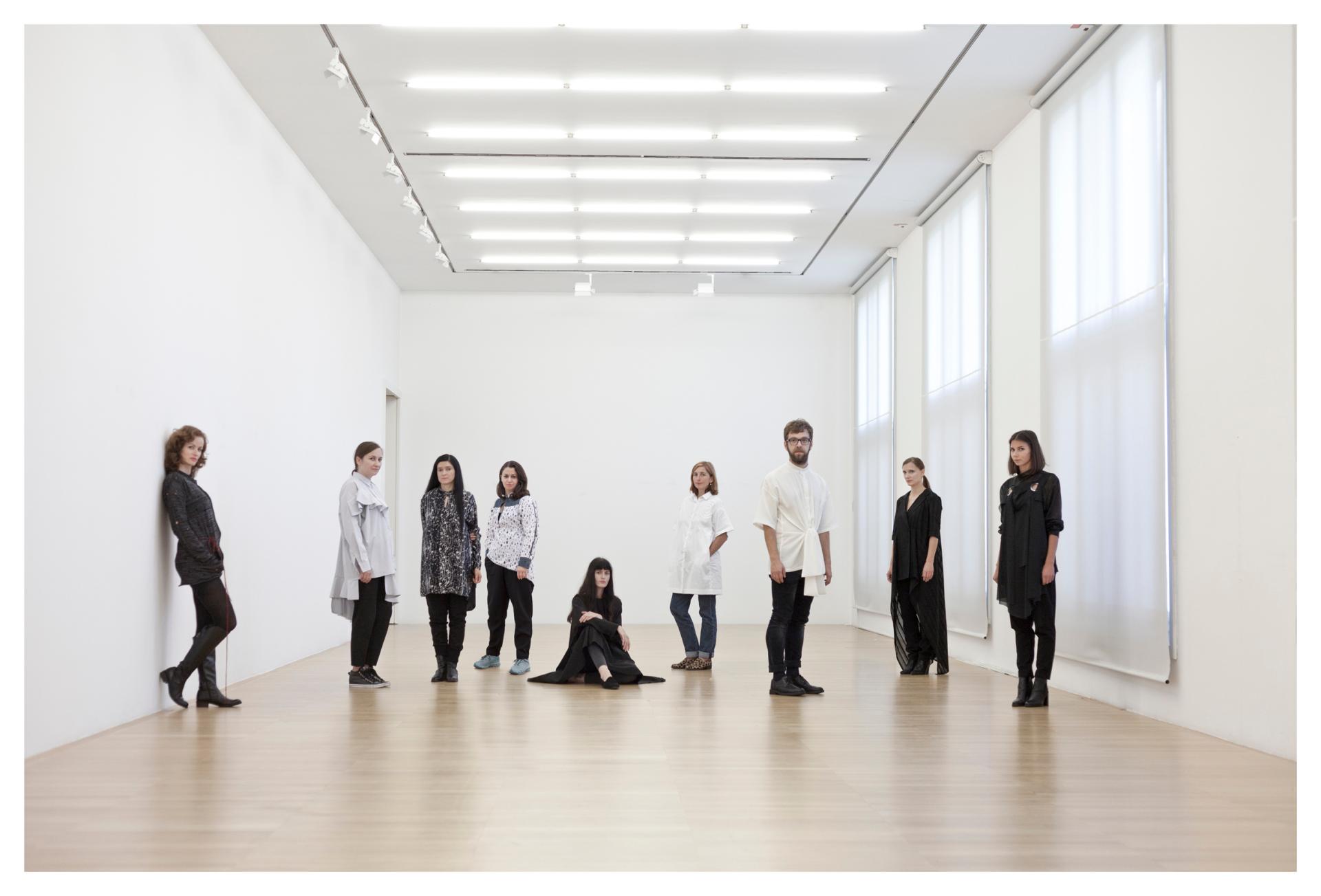
We are collaborating with local fashion designers, those well-known and also the emerging ones. Over the years, shirting… has become an open community and a creative network of designers, photographers, artists, users and all-round supporters. One of its main principles is inclusion: our users come from different social groups, they are of different nationalities, genders and sexual orientations etc. Slowly we are raising awareness about these issues also among the younger generation.
shirting…’s shirts are available to everybody who wants to have an experience and who wishes to participate in the shirting movement. Our research shows that the project mostly attracts people from creative fields, artists, designers, students and active youth, those ecologically aware and those wishing a social climate change. This project is open to everyone who wishes to experience quality local fashion design and was so far unable to do so, and we do not exclude people based on any agenda. Our goal is to offer people a new experience of wearing a quality design, of sustainability and of community.
Results in relation to category
shirting … as an alternative fashion model that encourages public to rethink and redefine fashion as we know it. Project has been creating a positive impact on the notion of fashion sustainability in Slovenia and abroad. Our approach offers an unique experience and message about green fashion, resulting in shifting the idea of cloths from owning to borrowing/exchanging. It also has positive impact for designers of shirts since it promotes their brands and products at different fashion occasions at home and abroad.
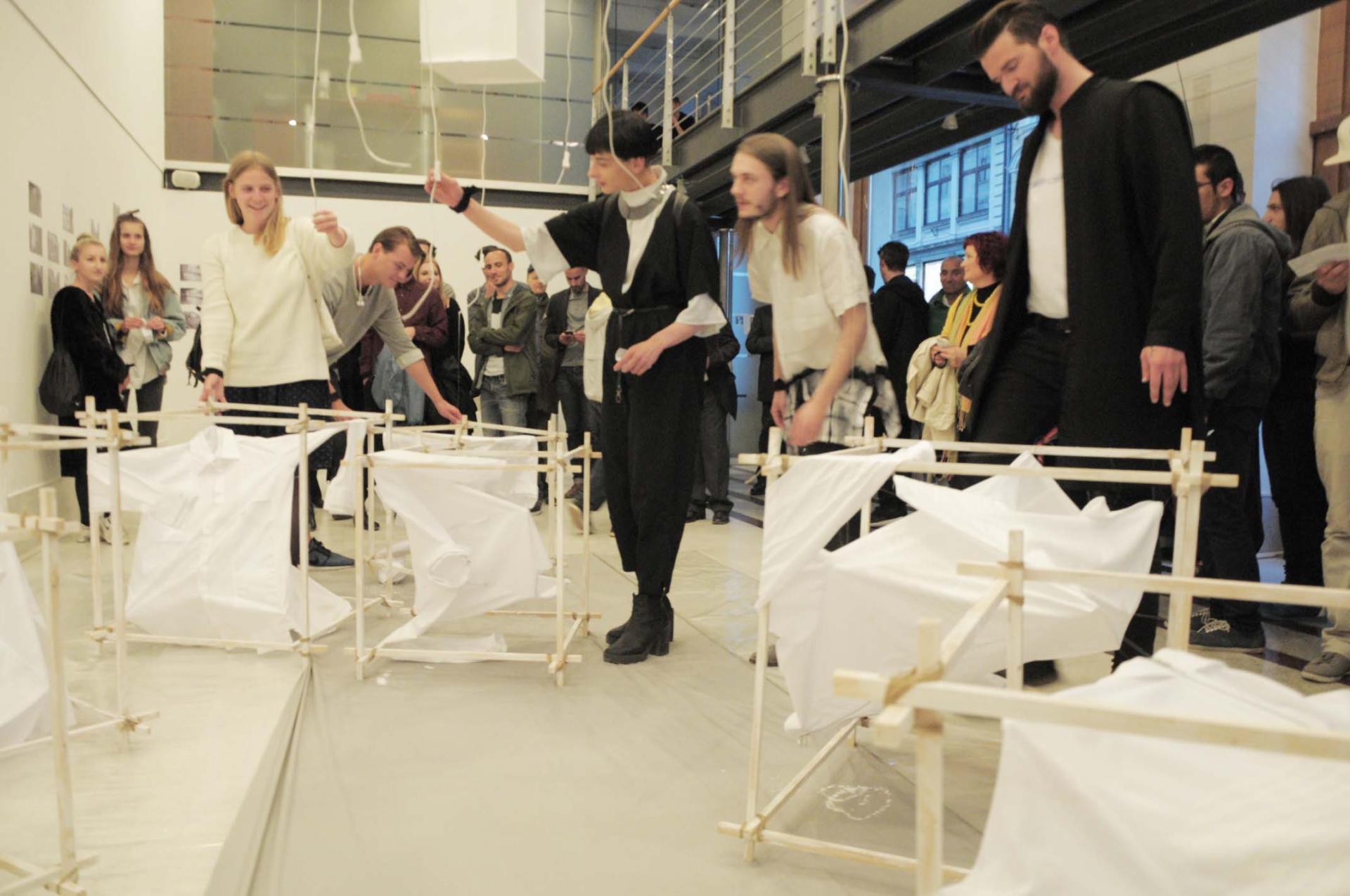
The numbers of participating designers and users' testimonies prove the success of the project. During eleven consecutive editions we engaged more than 50 designers and 600 users wearing 60 shirts all over the world. We organized various exhibitions and performances (in Ljubljana, Slovenia; London, UK; Auroville, India), sip – shirting info point (physical location in Ljubljana and India), round table discussions (Creative Brain Drain), not to mention different workshops and lectures. Shirting 05 included active participation of visitors in designing shirts at the opening event. We firmly believe that collaborations bring valuable experiences and co-create successful projects with other designers, artists, creatives, studios, initiatives etc.
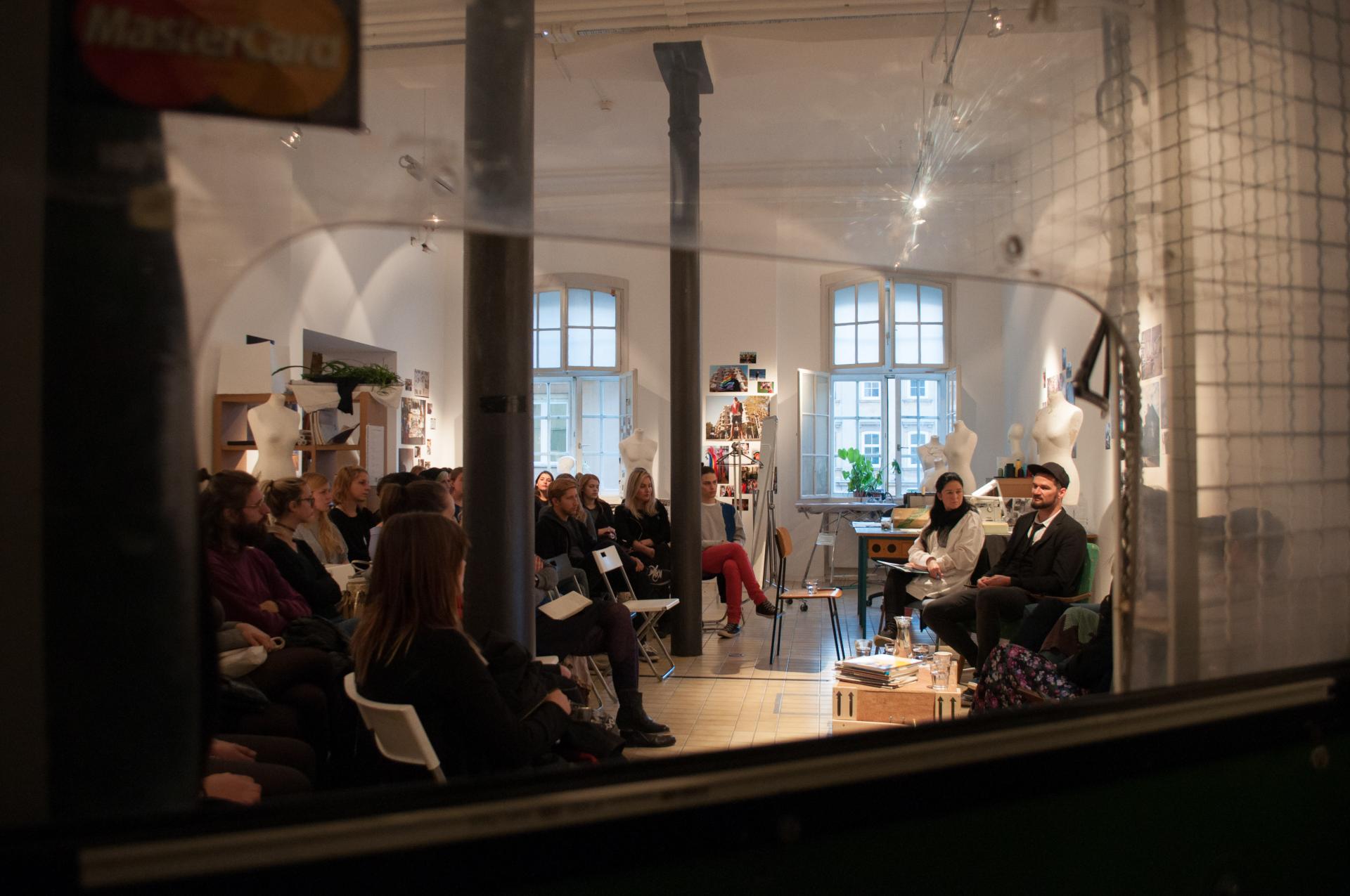
An important topics was opened in the edition shirting 07: Creative Brain Drain that was supported by the City of Ljubljana We have organized an exhibition that showcased work and lives of Slovene fashion designers that live and work abroad, accompanied with open discussions and round tables where guests openly talked about the position of fashion in Slovenia, reasons for their emigration and about ways and measures how to change this creative drain. Our project stimulates people towards:positive social value, active citizenship, environmental preservation ...
How Citizens benefit
Everyone wears clothes, everyone is in one way or the other affected by fashion culture, so our project has wide potentials. It shows how to reduce waste, improve working conditions, open new creative opportunities and make sustainable fashion accessible to masses. It enables designers to promote their sustainable products and brands, while it offers users a unique experience of wearing quality design product and to subvert the existent fashion system.
Messages and statements can be expressed through clothes. shirting... is not only about wearing a shirt: it is a process that creates an opportunity for a different type of community, which is based on principles of mindfulness and taking care of the people and the environment. A community that rethinks and re-values the accepted fashion norms and creates relationships outside the logic of consumerism.
We believe in design for change, in sustainable future through fashion, in creating clothes that go beyond fashion. shirting...'s mission is to make sustainable clothing by taking care of our environment. Here, design is creative, responsible, problem-solving. shirting... considers contemporary social issues a space where paradigmaticchanges must happen.
shirting...'s shirts are social objects that connect people and create a community. They are re-shaping the fashion system and existing social modes from linear to circular, from passive consumers to active users, from “to have” to “to experience”, from buying to sharing, from dividing to connecting, from competition to collaboration, from quantity to quality, from luxury to affordability.
Innovative character
The biggest change shirting... offers is the move from owning to sharing. It opens the possibility for the human behavior change.
Innovative characters of the project are:
_ building the community,
_ reduction of waste and sustainability,
_ opportunity for new business models in fashion,
_ reshaping the fashion system:
- from linear to circular,
- from passive consumers to active users,
- from having to experiencing,
- from buying to sharing,
- from dividing to connecting,
- from competition to collaboration,
- from quantity to quality,
- from luxury to affordability,
- from exploitation to empathy.
shirting… promotes a holistic approach to sustainability based on participatory design and co-design with the cooperation and connections through exchange/sharing principles. All this encourages the quality of the product and mindful human interaction versus mass production of waste and monetary-based exchange.
shirting… makes a shift in the concept of ownership and gives access to quality design products to a wider circle of people including those who usually could not afford them. It encourages positive social values such as participation, collaboration, responsibility and ethical consciousness, all of which are lacking in today’s society.