Kalnciema Quarter
Basic information
Project Title
Full project title
Category
Project Description
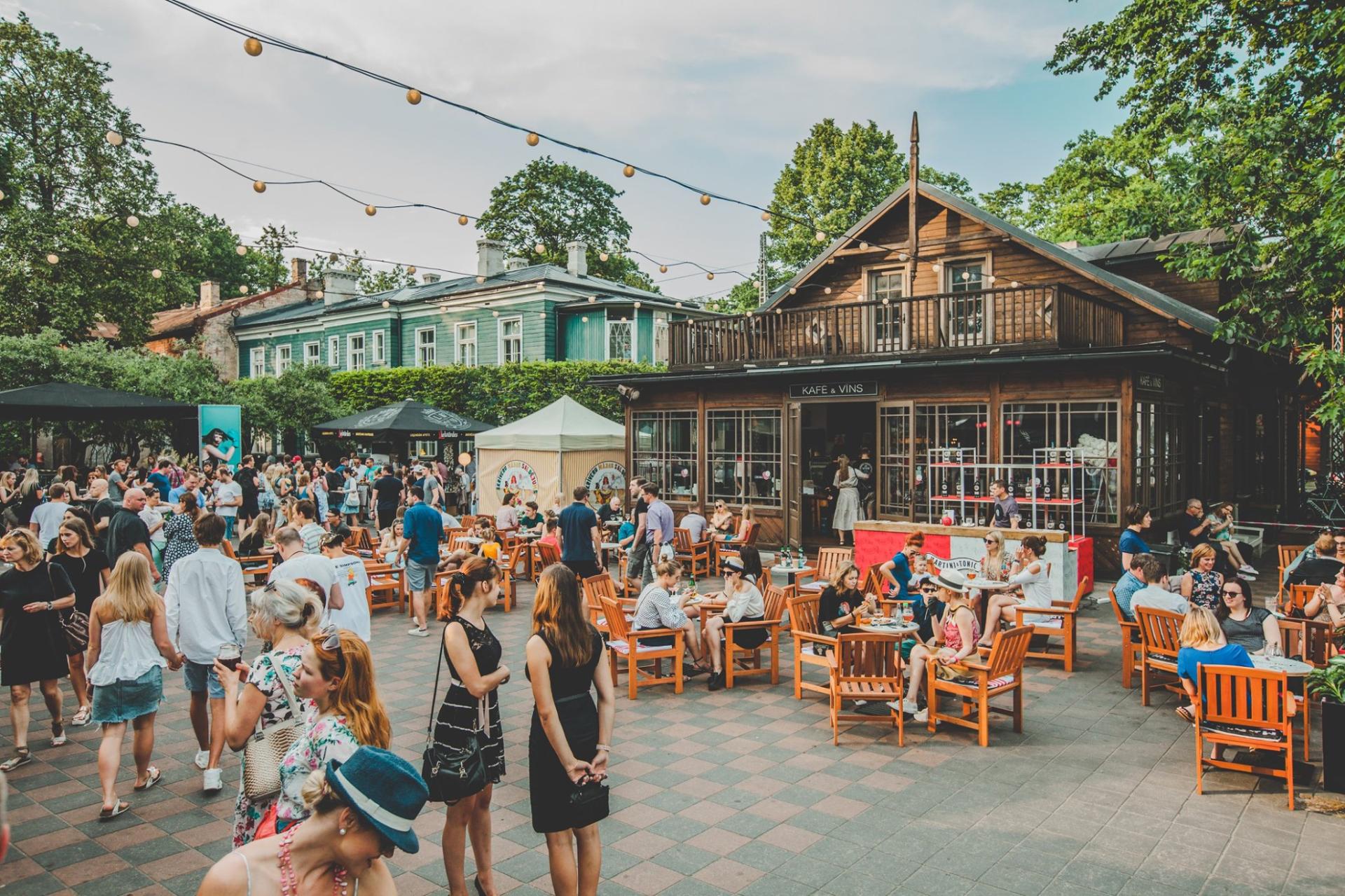
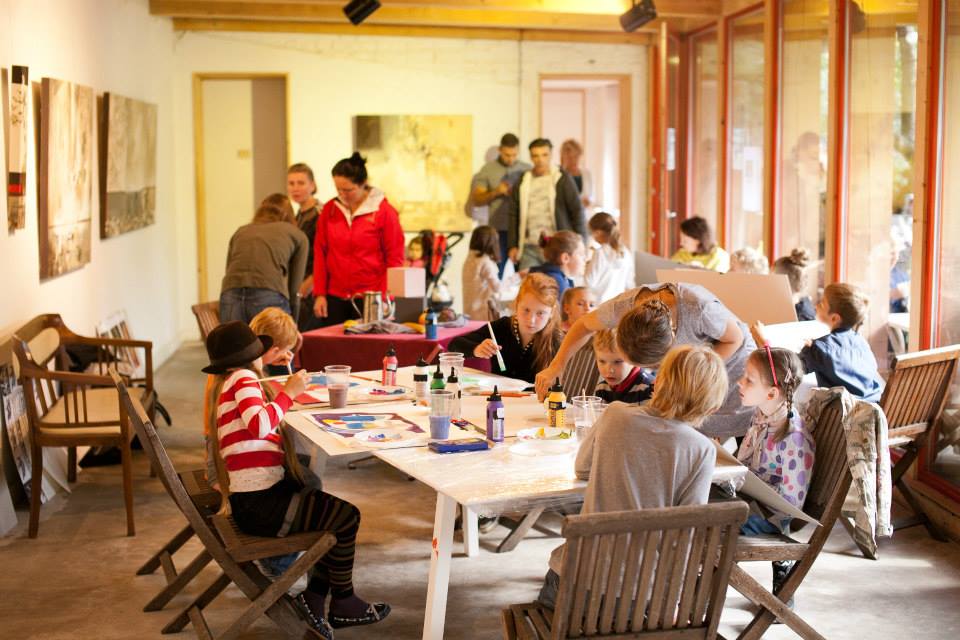
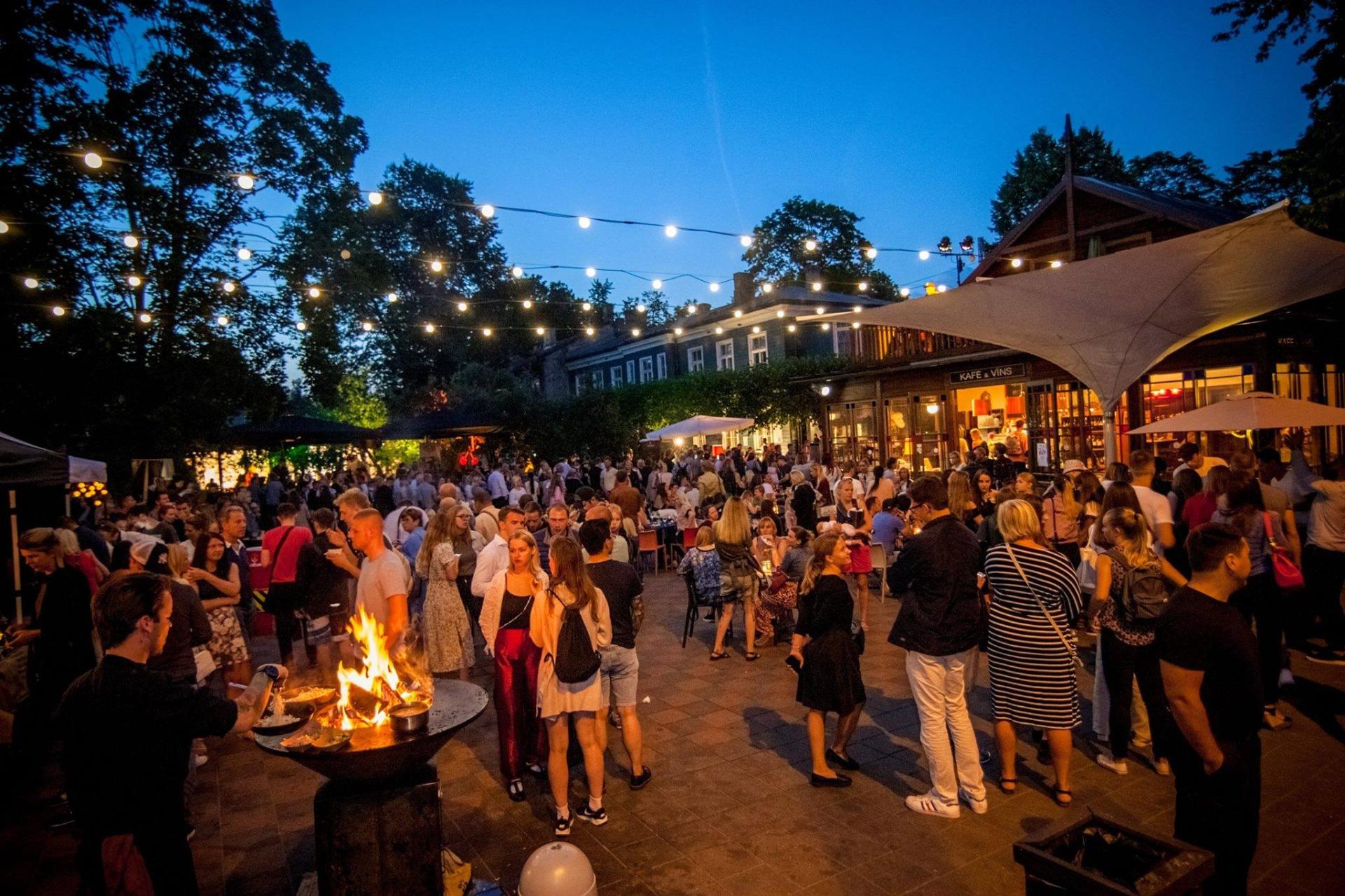
Kalnciema Quarter in Riga is a bright and vibrant urban quarter of renovated 18th-19th century wooden buildings, engaged with local markets, cultural and creative economy activities. Kalnciema Quarter has been open to the public for more than 10 years and hosts a series of cultural and social events – local food and crafts markets, concerts, festivals, workshops, lectures, performances, cinema, exhibitions, etc.
Project Region
EU Programme or fund
Which funds
Other Funds
Horizon 2020 IN-HABIT program
Description of the project
Summary
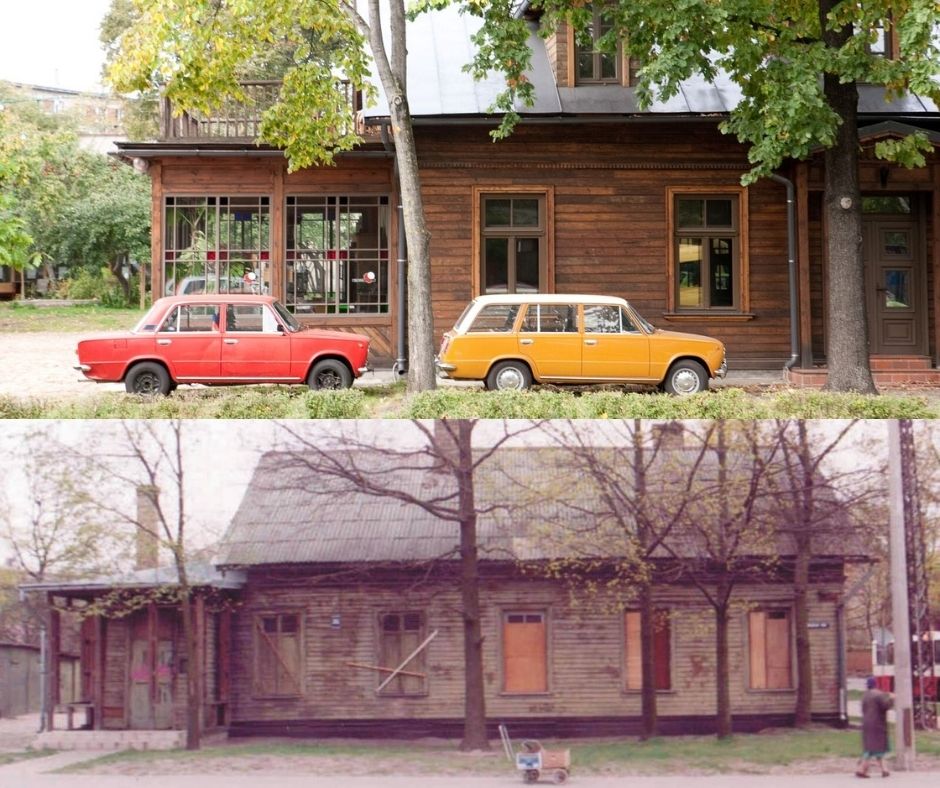
Kalnciema Quarter in Riga is a bright and vibrant urban quarter engaged with local markets, cultural and creative economy activities. The quarter is an ensemble of historical renovated buildings representing 18th-19th century wooden architecture. Throughout the Soviet period and after its collapse the wooden buildings have been degraded and abandoned. The renovated Kalnciema Quarter has been open to the public for more than 10 years and hosts a series of cultural and social events – local food and crafts markets, concerts, festivals, workshops, lectures, performances, cinema, exhibitions, etc. Kalnciema Quarter is an example of a new and lively multifunctional urban space that provides a platform for diverse social, cultural, and economic activities promoting healthy and sustainable habits, integration, and cohesion.
Kalnciema Quarter has expanded the concept and prospects of the wooden architecture heritage by infusing the buildings with contemporaneity and making them publicly accessible. For more than 10 years Kalnciema Quarter has been actively working in the engaging local community, organizations, local actors, and especially socially vulnerable groups by providing an open, educational, interdisciplinary, and experimental space where they can exchange knowledge, experiences, and ideas to collectively produce new knowledge as well as to increase cultural engagement within the local community in the neighborhood.
In May 2018 the team of Kalnciema Quarter won the rent rights from the Riga City Council to undertake another urban revitalization project in the heart of the neighborhood - a renovation of the second largest and oldest market in the city - Agenskalna market that has a status of a national monument of culture, with a vision to create it as multifunctional, sustainable food hub connecting science, education, culture, and innovations.
Key objectives for sustainability
For over 10 years Kalnciema Quarter has been working to create an open and inclusive space and providing integrated activities to make the neighborhood inclusive, safer, greener, and liveable under sustainable lifestyle practices. One of the main objectives of our work is how sustainable food systems and healthy lifestyles can interlink with cultural and social life and cultural heritage promoting environmental awareness and inclusive community through the participation of local citizens and activists, organizations, and other stakeholders from the neighborhood and beyond.
Kalnciema Quarter serves as a platform for supporting new initiatives and introducing them to a wider public through diverse social and cultural activities and addressing topics like sustainable production and locally grown food, fair trade, zero waste, and environmental consciousness, education, science and innovations, preservation of cultural heritage, social equality, contemporary culture, health, and wellbeing. We focus our actions on vulnerable social groups and on the integration of visionary solutions articulated around heritage and culture (as a nexus for inclusive societies), food (nurturing daily healthier lifestyles), culture, and environment (to connect places and people).
Kalnciema Quarter has a status of social entrepreneurs and actively supports initiatives that help to solve environmental and social issues through practices that promote, prevent and mitigate socioeconomic inequalities in the access to health, culture and wellbeing among the local population through green and sustainable activities (urban gardening, food waste management, upcycle/recycle fashion, slow food etc.). In long-time cooperation and co-deployment, we have created a community that works together towards a sustainable neighborhood and lifestyle.
Key objectives for aesthetics and quality
The quarter has a long history considering aesthetical value in the neighborhood. Seven wooden houses of the late Classicism period, built at the turn of the 18th and 19th centuries, are a unique feature of Riga – not represented at such a scale in any other city of the world. Kalnciema Quarter team ventured to give a new life to the abandoned wooden buildings, whose façade and interiors were ravaged by time and unkind treatment. All the buildings have been renovated, using traditional materials and technologies, with modern conveniences built-in and adjustments to the contemporary lifestyle. After thorough research of the renovation methods and hard work, the area was ready to be opened for the public.
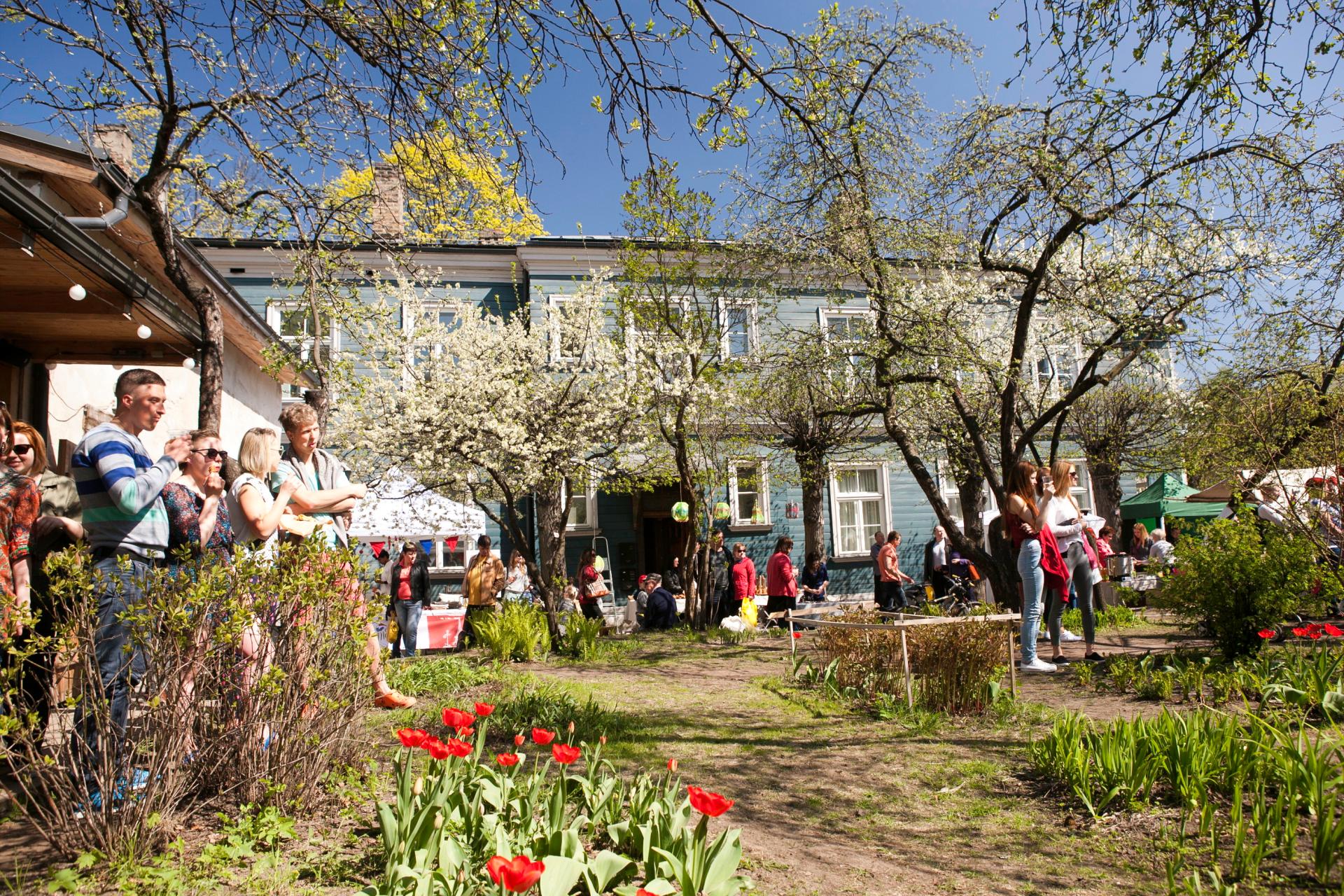
The whole renovation process was implemented with deep and profound respect towards the cultural heritage and local context, recognizing and preserving its historical and aesthetical value. Even though certain solutions were more costly, time-consuming, and less functional, the team of Kalnciema Quarter’s architects and renovators intentionally upcycled the old wooden materials, kept the historical planning and details of the houses, and preserved the 20th century’s apple garden as a green space.
We value the quality and recognize uniqueness, and keep this philosophy by supporting local farmers, craftsmen, designers, and artists. Promoting an unhurried and profound attitude towards food, culture, and other things, the atmosphere of the quarter echoes the robustness of its wooden buildings. We also react to the current environmental situation and integrate it into our work by supporting actors who implement aesthetical and upcycle/recycle methods and ensure interdisciplinary innovations through our markets, exhibitions, and experimental workshops. We actively work on renovating wooden buildings and share our expertise by giving free consultations, lectures, masterclasses on restoration and renovation of wooden buildings, and guided tours to preserve the heritage.
Key objectives for inclusion
Kalnciema Quarter is one of the main cultural and social places in the historical Riga's neighborhood bringing together people of different socio-economic backgrounds, cultures, and generations and strengthening the sense of local community, embracing the heritage of the neighborhood. We recognize that severe limitations are particularly visible in the case of urban spaces, whose design, functions, and management schemes may favor the health and wellbeing of those groups with higher economic, social, and political power. That is why most of our activities are free of charge to be accessible to all the population and especially most vulnerable social groups like women, children, students, elderly, persons with mental and physical disabilities, ethnic minorities, migrants, and refugees who are at risk of exclusion and most in need of public interventions to guarantee fair and equitable access to health, culture, and wellbeing. Also, this openness is a new concept for the wooden suburbia, jealously guarding its privacy and hiding its old facades and gardens behind fences. We believe that such space should be open and accessible to a wider public.
We see our responsibility for providing communal space for interaction that includes integrated recreational initiatives and combines diverse sorts of activities suited to different social groups. It is aimed to be inclusive social cohesion putting people at the center of innovative solutions and mobilizing existing undervalued resources, culture, food, and environment that traditionally has been used separately, to foster wellbeing and healthier lifestyles of local inhabitants with an inclusion approach. We work to empower and integrate those voices who have been marginalized and invite them to share knowledge and experiences through different cultural practices like workshops and masterclasses, common cooking, music jams, thematic markets, art activities, improvisational theater, interactive discussions etc.
Results in relation to category
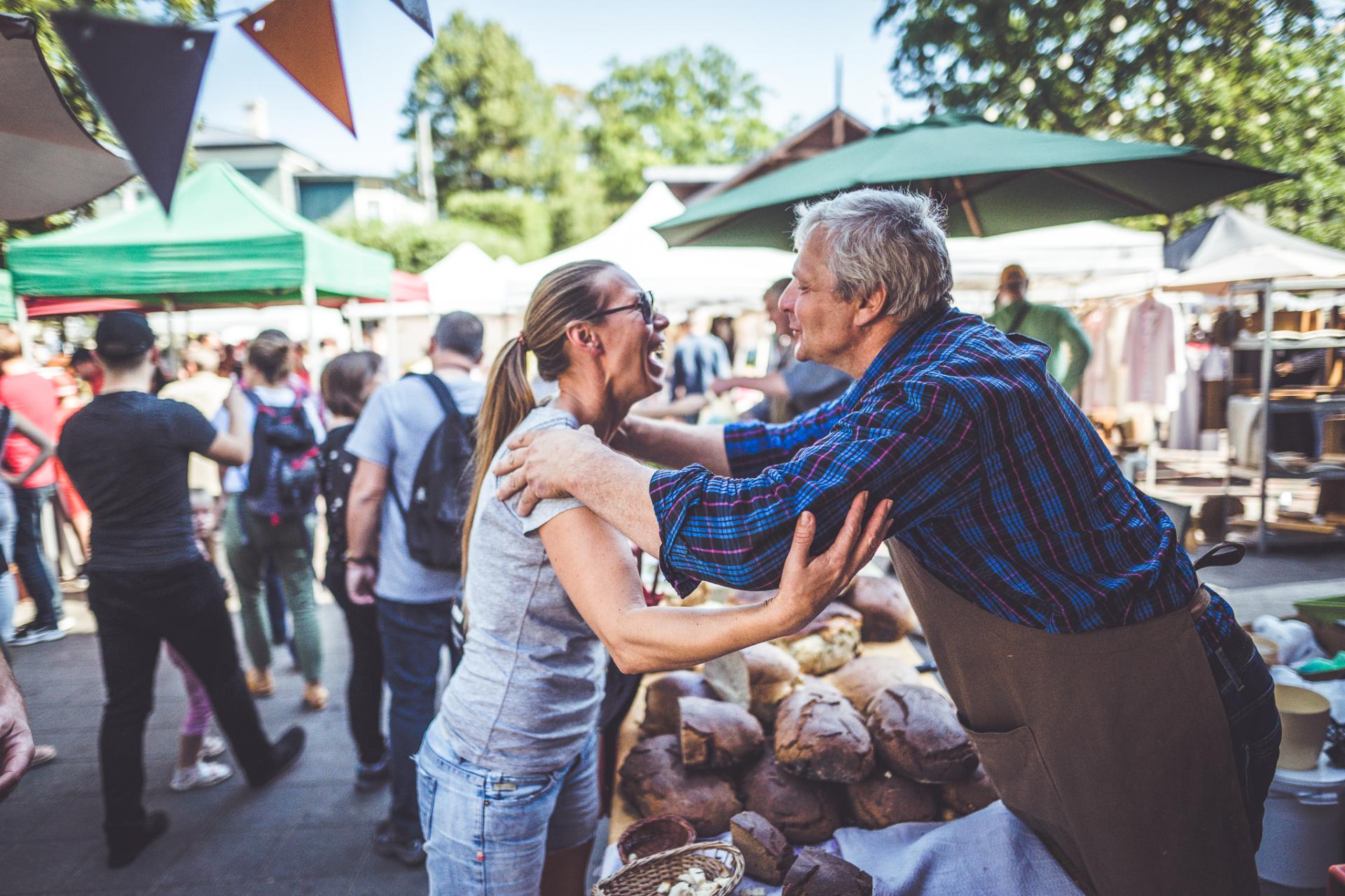
Throughout the whole year, Kalnciema Quarter hosts more than 300 free of charge events per year with around 100k visitors per year (in COVID-19 times we have found solutions to adjust our activities and offered digital solutions, the courtyard and the space remained open and accessible to people according to safety measures). Kalnciema Quarter is acknowledged as one of main Riga's cultural urban spaces and most known markets in Latvia gathering more than 150 farmers and craftsmen each week as well as more than 100 contemporary artists and musicians each year.
We have received the Ombudsman's Office annual award in the nomination “Educator” for active contribution to representing persons with disabilities, their rights, and interests and European Medical Association (LAB) Annual Health Award for Sustainable Urban Environment. Kalnciema Quarter is also a part of UNESCO cultural heritage and has been nominated for the Annual Award in Riga Architecture. We are also active participants of the Social Entrepreneurship Association of Latvia, promoting social entrepreneurship in Latvia. Kalnciema Quarter has participated as a part of the Riga European Culture Capital 2014 and as a speaker of a good example at the London Market Conference 2019.
We have an active community on social media: 58k followers on Facebook, 17,4k on Instagram, and 56k on Twitter.
Kalnciema Quarter has been recognized internationally:
Forbes, June 11, 2019, “Cultural Regeneration Drives Economic Renewal in Riga, Latvia”: https://www.forbes.com/sites/deborahtalbot/2019/06/11/cultural-regeneration-drives-economic-renewal-in-riga-latvia/
The Guardian, 2014, “Riga, a city revelling in its culture”: https://www.theguardian.com/travel/2014/apr/06/rigalatvia-city-of-culture-2014
Kalnciema Quarter Market on Euronews (in connection with SUPURBFOOD project), 2016: https://www.facebook.com/pg/Kalnciemaiela/videos/?ref=page_internal
How Citizens benefit
Through its active work, Kalnciema Quarter covers a broad range of urban problems, health, economic, and wellbeing issues. This space is open and accessible to everyone, especially to vulnerable populations, responds to citizen needs, and creates diverse quality experiences and opportunities for social engagement, economic opportunities, empowerment, access to culture and health, and ownership. The quarter contributes to green space availability, safety, accessibility, resilience, and inclusiveness in an urban area, increasing the capacity to respond to mobility, recreational, security, and socio-economic needs of vulnerable groups as well as enhancing the wellbeing and liveability in the neighborhood itself. It is community-driven, ecologically sustainable, and answers the very human impulse to seek and create beauty in our everyday surroundings, providing the primary foundation for resilient spaces and resilient communities.
Since the 2008 economic crisis, it has served as a support system to local small businesses, artists, and musicians, promoted the development of new initiatives, connected the city and nature, and made health and culture more accessible. It is actively involved in local activism and is a part of the neighborhood association. For instance, through a common project together with the Agenskalns neighborhood association and the support of local inhabitants we have received a Riga City Councils’s financial funding for the improvement of Agenskalns market forecourt to create it as a safe, green, and accessible open space with drinking water, green plants, environmentally friendly playground, and installations, creating a successful example of private-public partnership.
Innovative character
Most urban innovation actions are focused on the needs of large urban areas, but urban solutions are context-specific, especially in the actual scenario of deep uncertainty about the future, environmental crisis, and social inequalities. We believe that such open urban space that lives for more than 10 years, reacts to social processes, integrates interdisciplinary practices, and offers locally-based solutions and innovations with the engagement of the local community has the potential to affect processes on a global scale. The originality of Kalnciema Quarter food and crafts market concept and nature of innovation builds on associating short-chain delivery with other cultural and economic activities and new urban social movements. Kalnciema Quarter gathers the creative minds and practices through spheres that often have been used separately – we believe that such an integrated, sustainable approach together with local and international cooperation creates innovative solutions. Through the participation of the local community and interdisciplinary innovations, we create new knowledge and solutions that can be applied worldwide.