Halle de Calais
Basic information
Project Title
Full project title
Category
Project Description
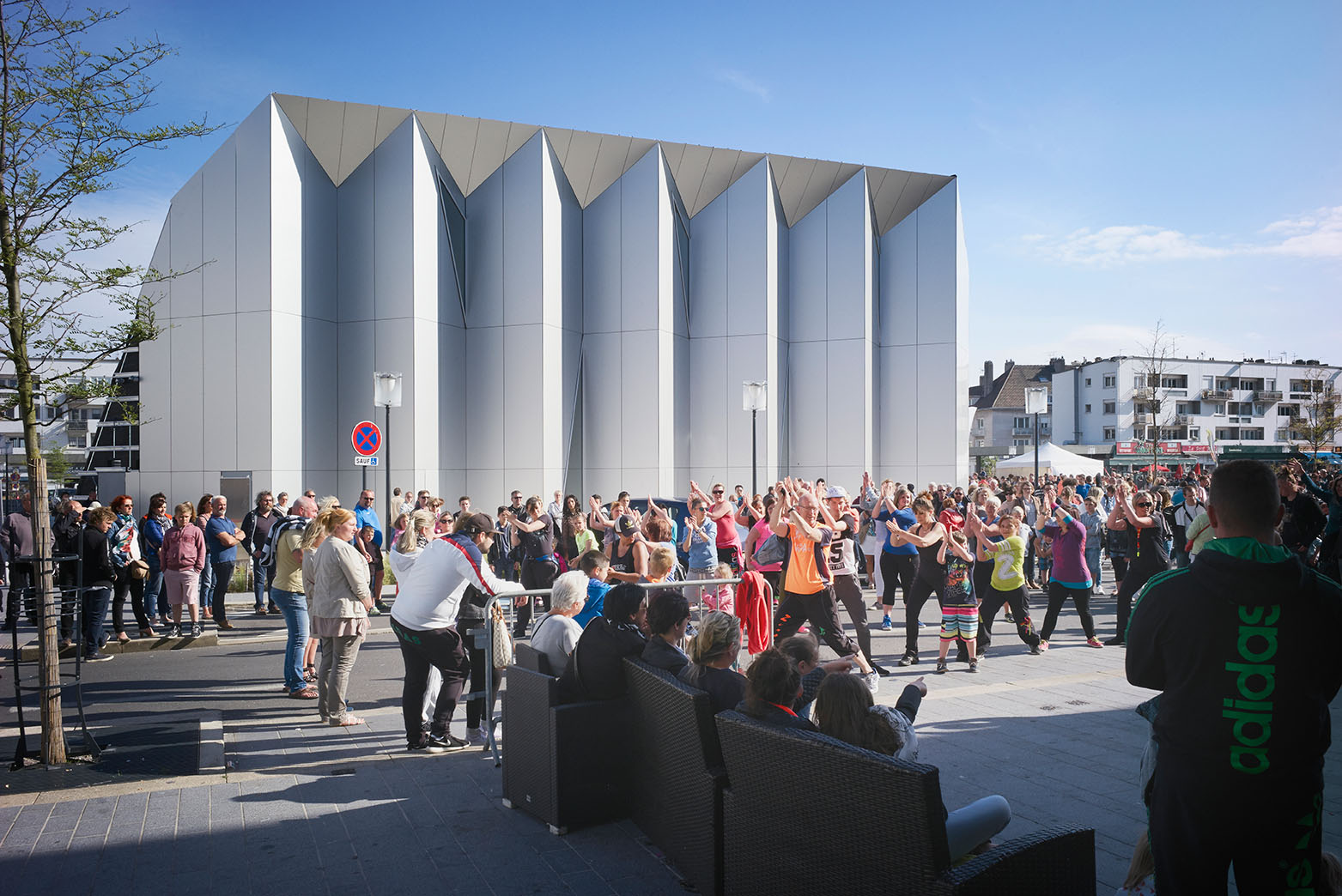
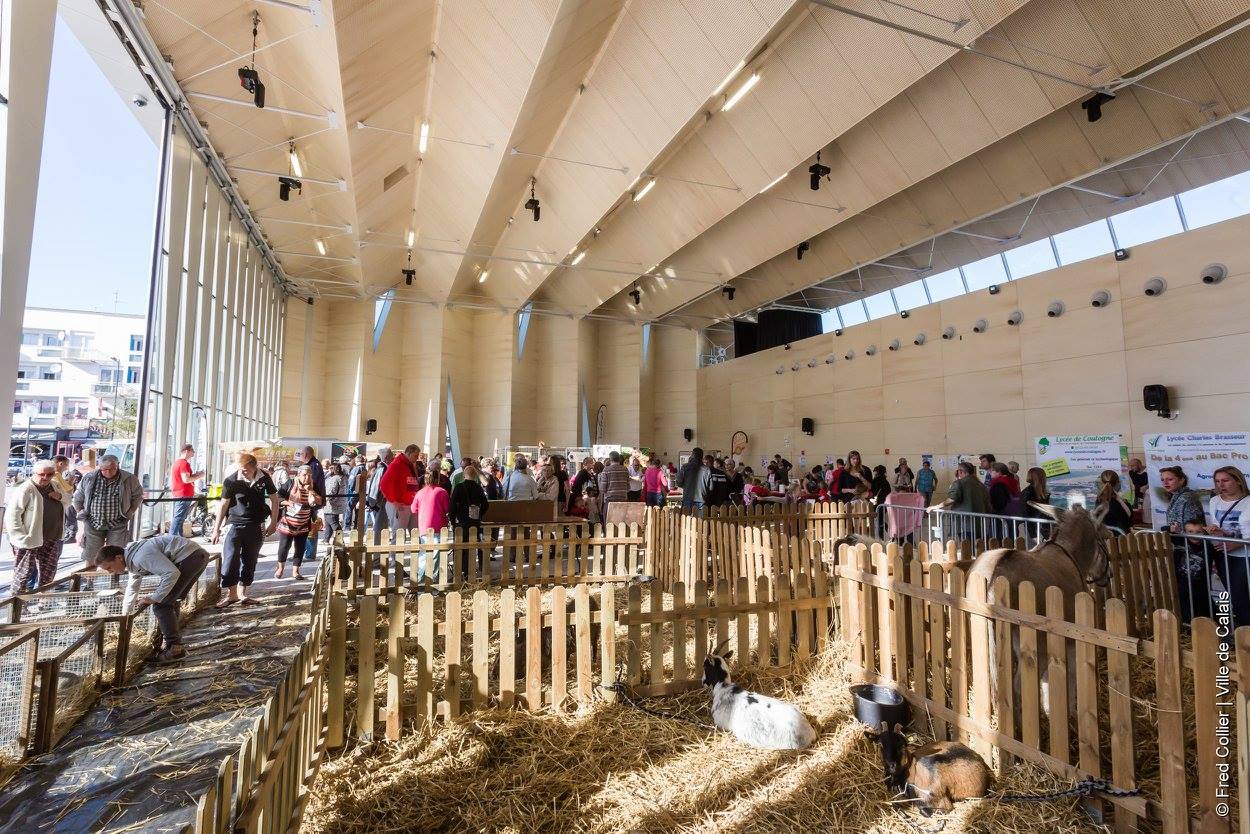
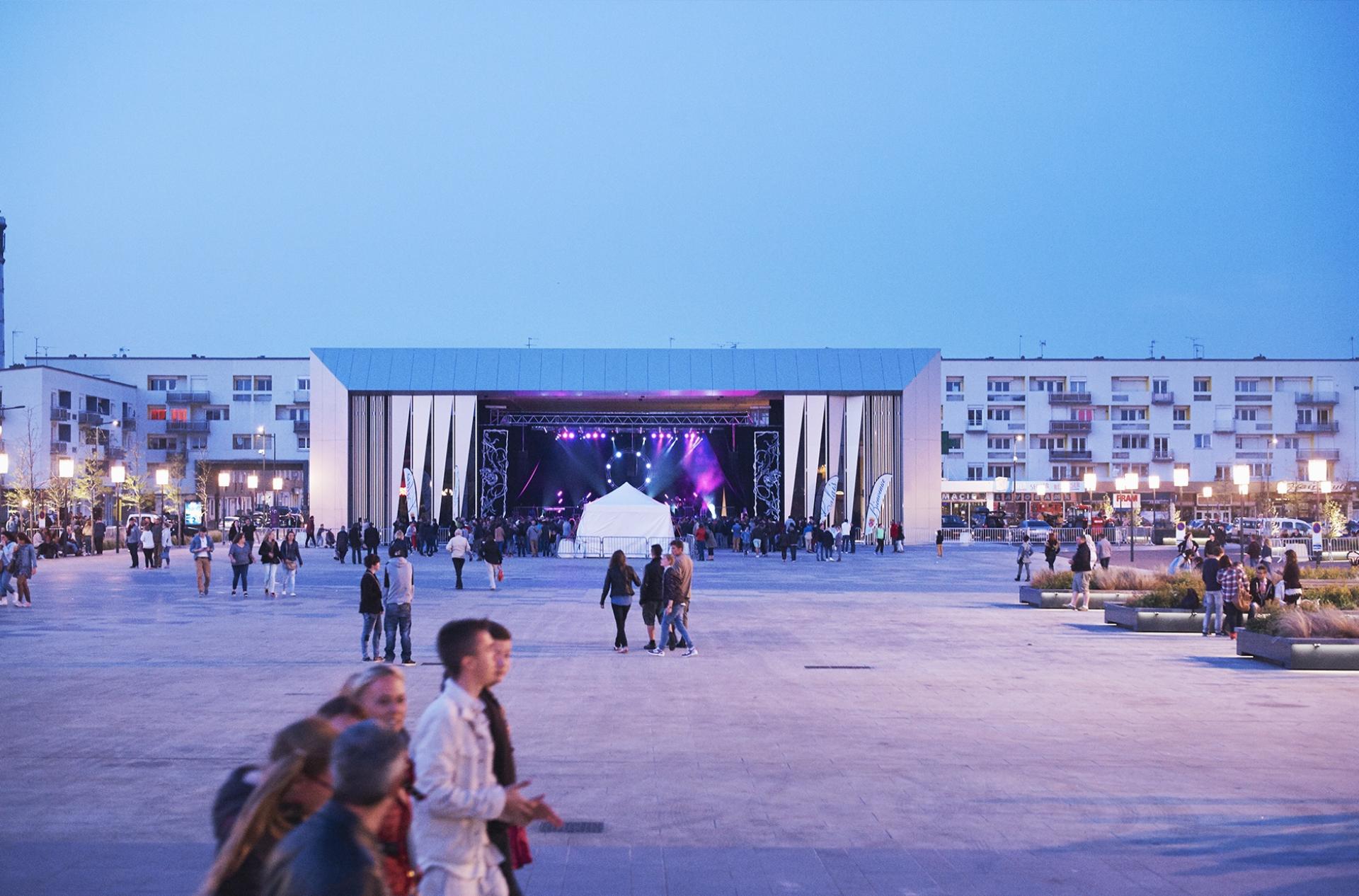
The modular multipurpose covered hall on the Place d’Armes in Calais, France is composed of a large-span, light, and warm structure. Its large accordion door opens like a pleated theatre curtain, forging an intimate relationship between inside and outside space. Completed in 2015, the Halle de Calais has served the community as a space that adapts to their needs and evolves with the daily routine of the inhabitants.
Project Region
EU Programme or fund
Description of the project
Summary
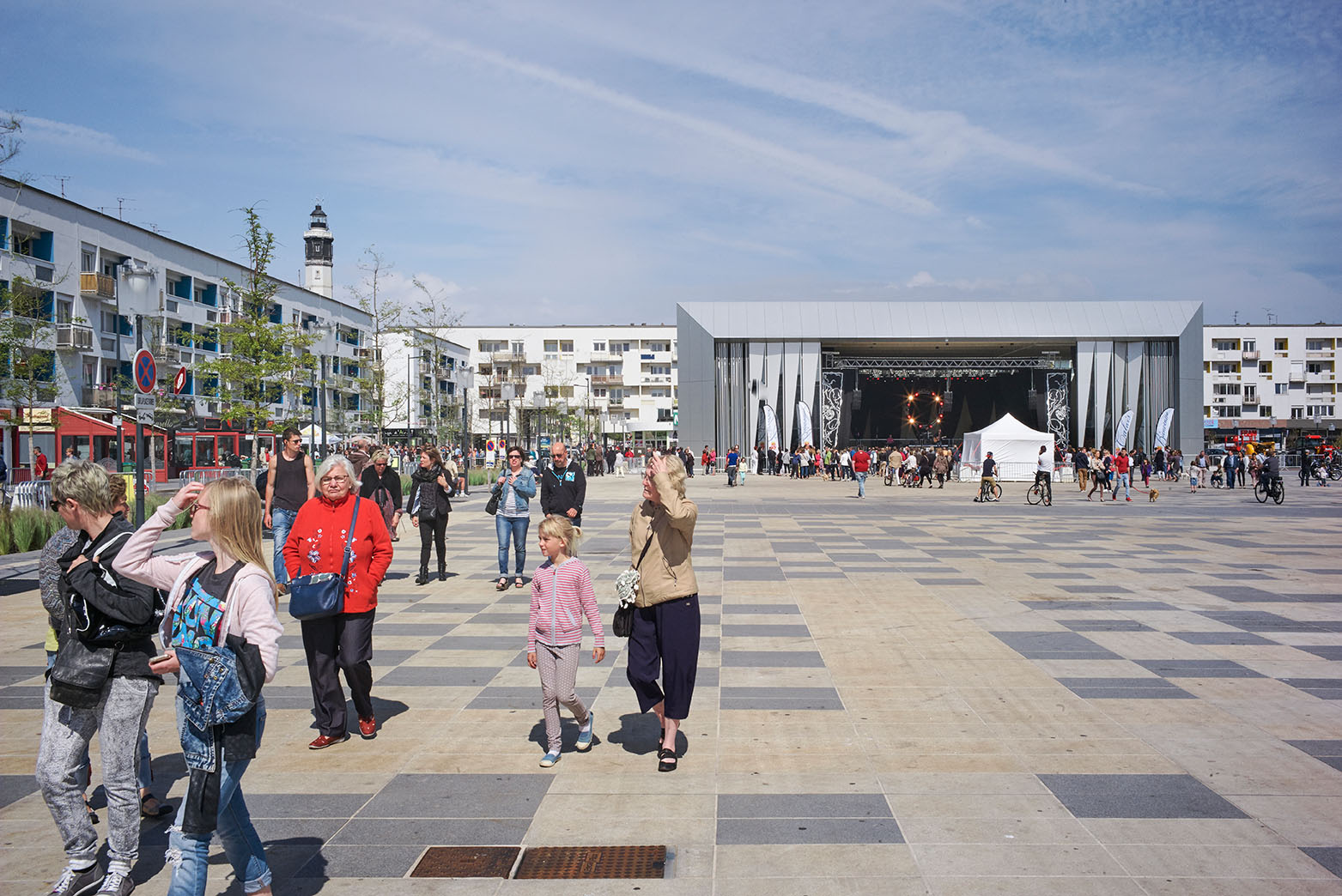
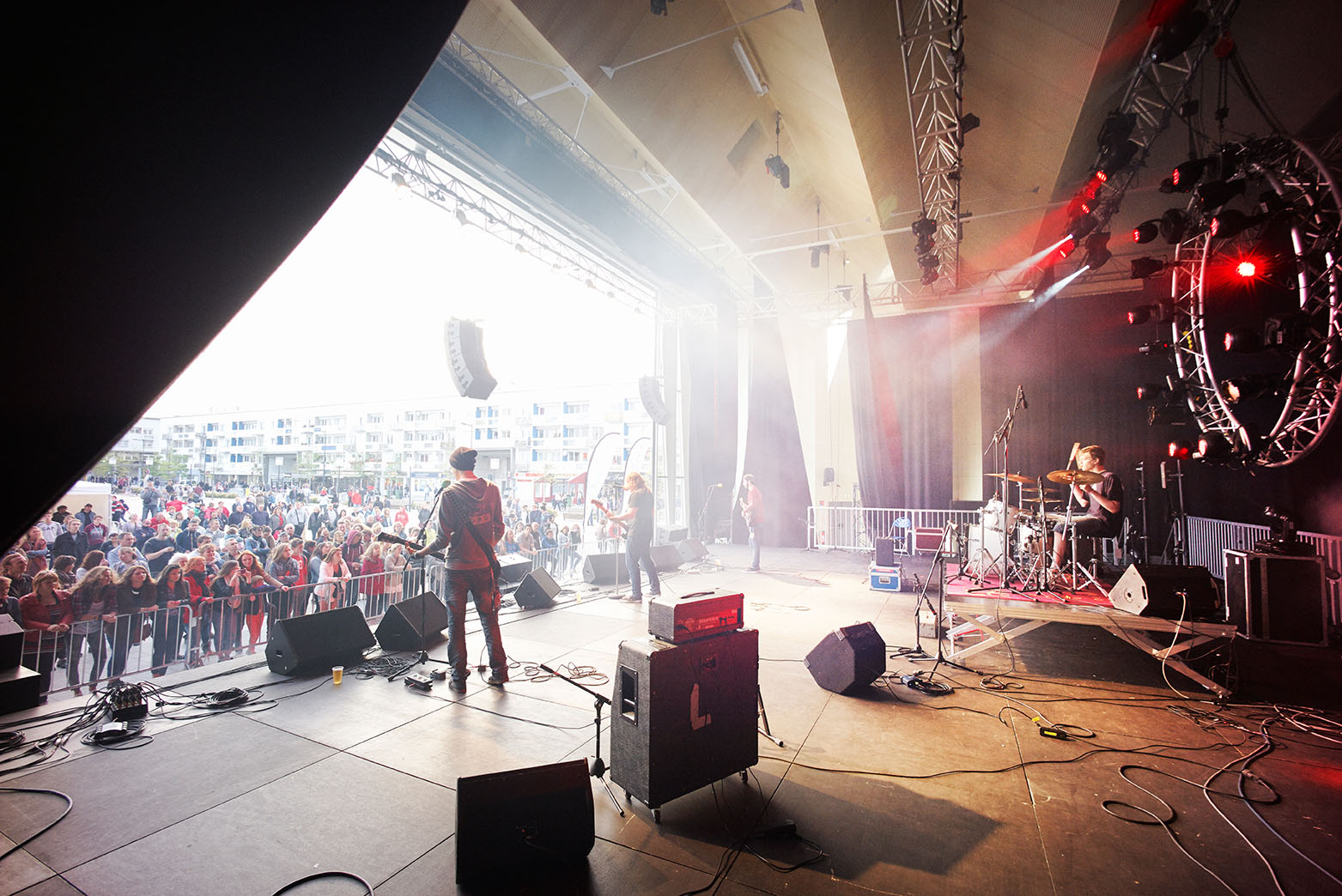
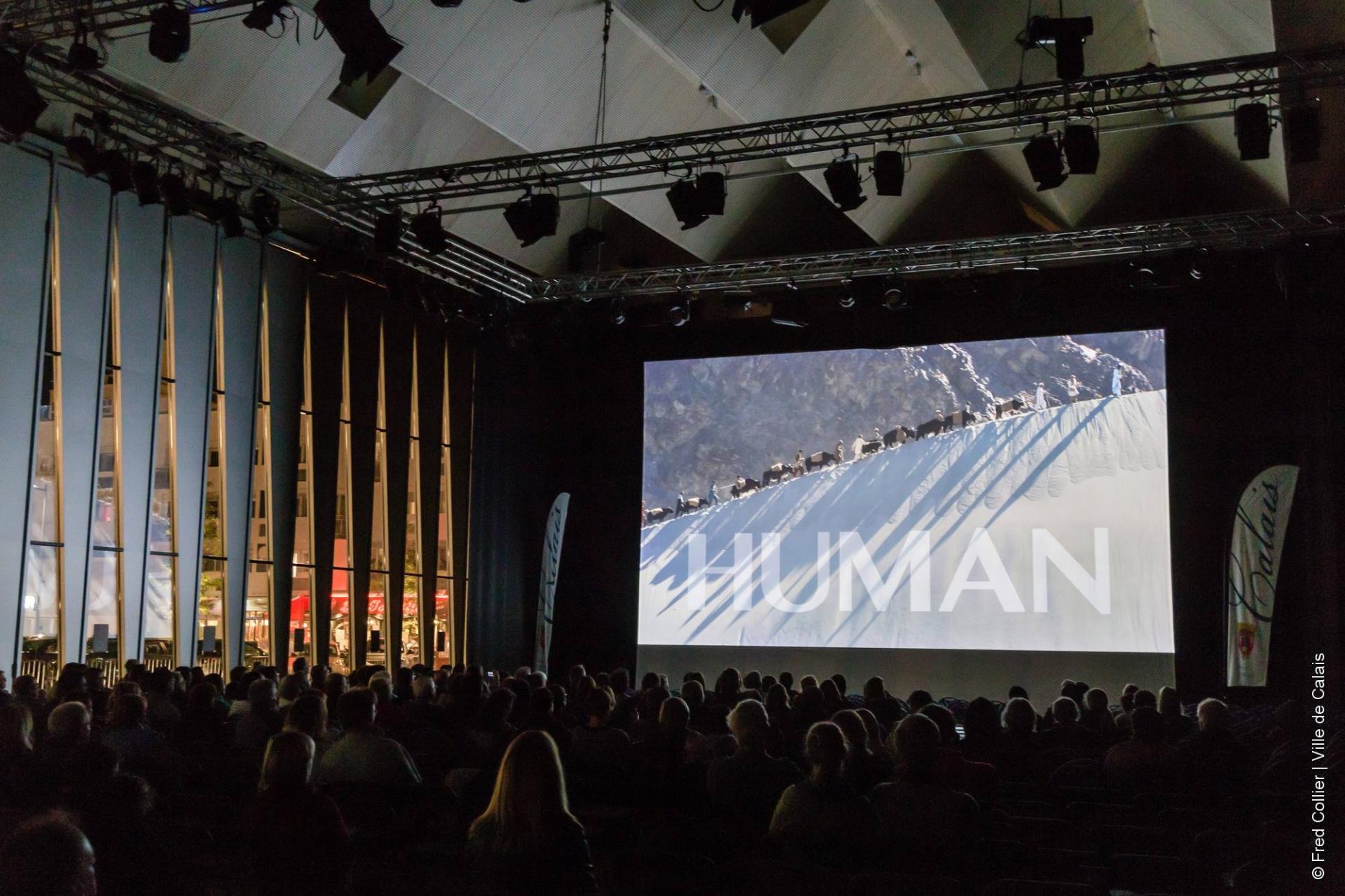
A pliable covered hall on the Place d’Armes of Calais; held by a light long-range structure stating a horizontal line while the tower of the Place stands high in the background; the architecture offers wide openings and great adaptability to different employ. The large accordion door opens like a curtain to a stage to reveal partially or completely the life inside. The hall establishes its role as a vibrant urban architecture. When it is completely closed, wide glass breaches integrated into the folding door offer a constant view inward and out, and let the natural light flood in.
Key objectives for sustainability
A contemporary hall
Place d'Armes is located between the extension of the port and the historic district of northern Calais. The hall is made up of a large-span, light and warm structure, stretched horizontally when the watchtower rises vertically. Between sea and land, the project evokes both the world of docks, large spans, sailing with its pleated wooden hull, but also the world of events.
The hall, theater, an event machine.
From the rue Royale, a major traffic axis connecting the city to the seafront, the hall is set in the grand perspective of the vast mineral plateau in bluestone. The hall seems to "absorb" the ground inwards. The large opening expresses the function of this real event machine and its great modularity.
Key objectives for aesthetics and quality
A contemporary hall in wood and aluminum. The hall asserts its horizontality while playing with soft, pleated, light shapes that contrast with the urban enclosure. The folds of the aluminum facade and the multiple openings of the large western accordion door, play with reflections of the trees, the sky and the environment. The hall illuminates the public space, it seems to open up, the light seems to pass between the "pleated curtain" elements. The scale of the hall is balanced by the lightness of its structure and its aluminum casing. Aluminum panels are thick and impact-resistant. Their level of reflection is light. The wooden "hulls" are made in a workshop similar to shipbuilding and assembled on site.
See more : TANK - Halle de Calais
Key objectives for inclusion
Our strategy in the design of the Halle de Calais has developed along the lines of an environmental approach aimed at reconciling integration, comfort, and building quality. With the aim of integrating the building as well as possible into the square's development project, consideration was given to the modularity of the building, with the possibility of opening the west facade in an accordion to a height of 10m. The openings are positioned on the west, north, and south façade. The "buffer" rooms such as technical rooms and toilets have been positioned to the east of the plot. Natural light enters deep into the spaces.
Results in relation to category
The question of the post-occupancy of a project for us is a very important one. How can we make places where people can live? How can we occupy a site most effectively? For us, a project doesn’t end with its completion. The aim is not necessarily to produce a revolutionary building but to work on notions of simple daily use. During the concept stage of the design, we imagined a variety of activities that can inhabit the space, but the building really did create its own life and has been used over the years as a cinema, a concerts hall, a sports hall, an event space, a daily market, a place for everyone.
How Citizens benefit
The project was designed for the residents of Calais to be able to reappropriate their public space.
Innovative character
The hall is completely mutable. The choice of wood gives great guarantees of corrosion resistance and durability of the equipment installed in this thickness. The hall will be regularly subjected to bad weather, frost, thaw, humidity. We designed a building with a minimum overall cost over 10 years. We have optimized by choosing the most durable materials possible:
- Aluminum facade claddings guaranteeing almost zero maintenance costs.
- The roof waterproofing membrane requires little maintenance other than an annual cleaning visit.
- The large door on the main facade is designed on rollers (and not rails) to avoid the usual malfunctions encountered on the rails (accumulations of waste and other plants, etc.).
- The choice of aluminum joinery allows zero maintenance.
- The contributions in natural light give it a great luminous autonomy.