Critical "Sandbox"
Basic information
Project Title
Full project title
Category
Project Description
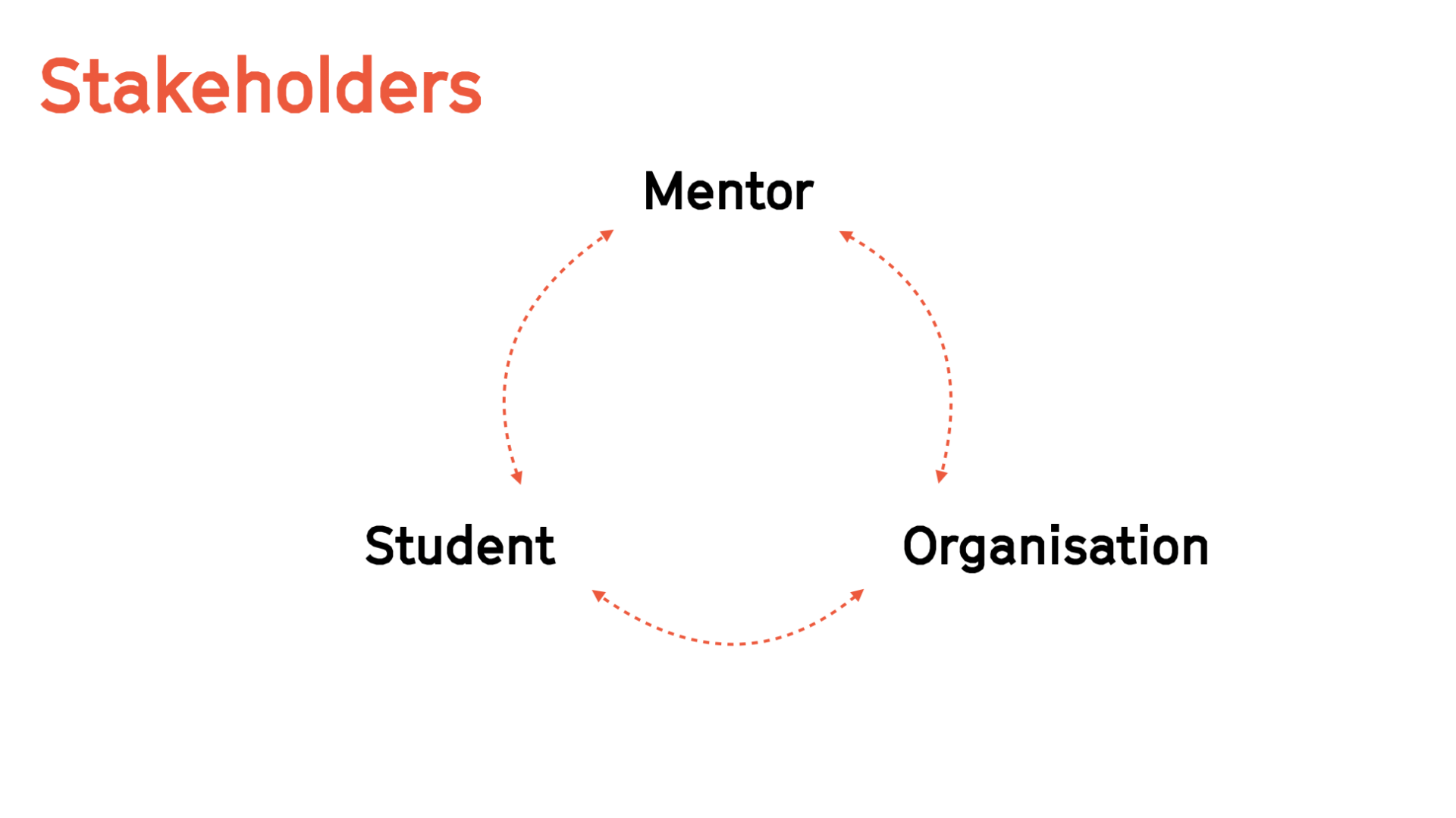
Students are getting mentorship and real-life case to solve, NGO organizations are getting new visual identities or websites at professional level for free, mid-level designers are getting efficient raise of qualification. The new framework of the graphic design course which is saving energy, time, and other resources by fulfilling the needs of three different types of audiences and solving three relevant and real issues at once.
Project Region
EU Programme or fund
Description of the project
Summary
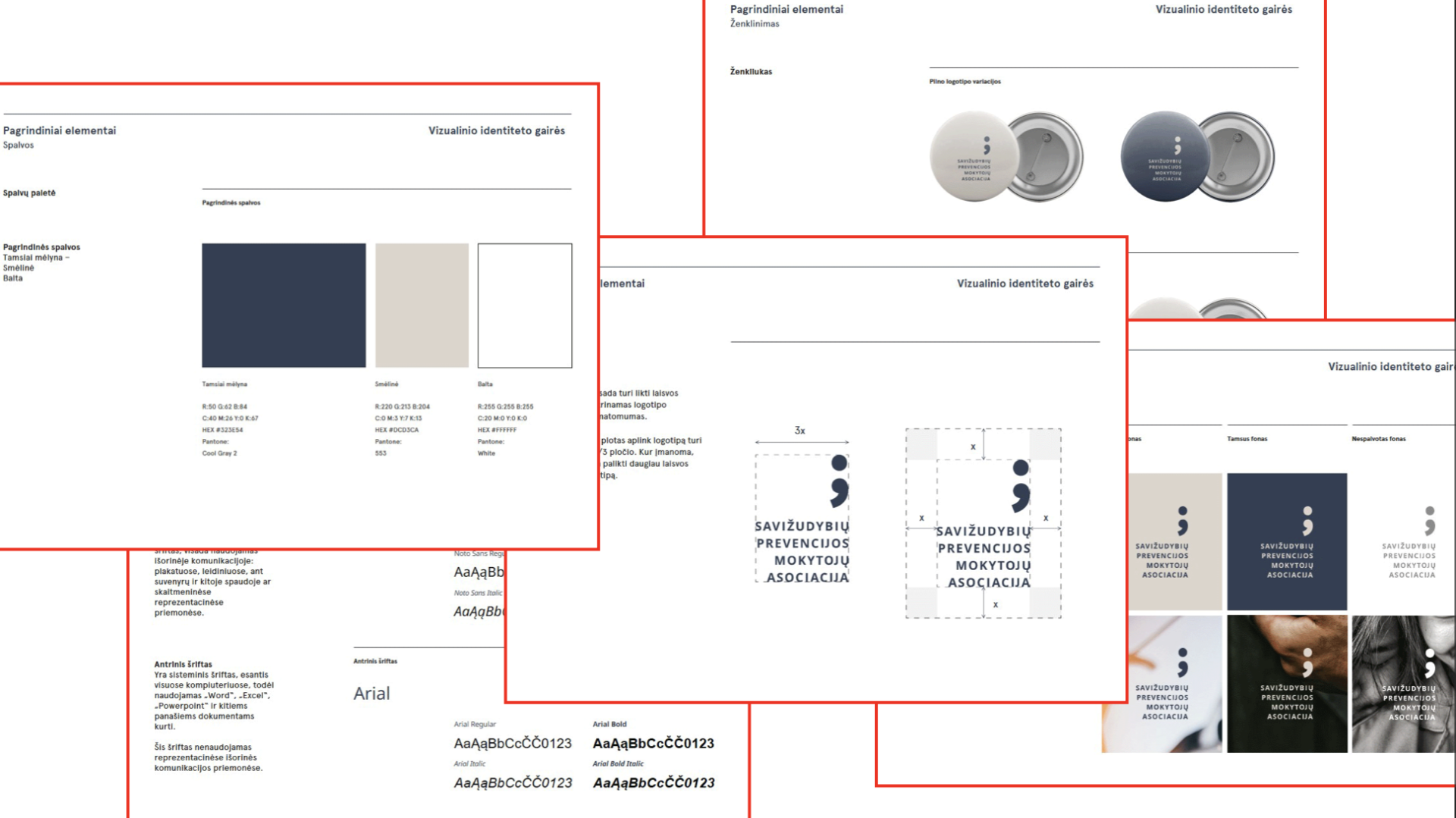
As a design agency, we faced such challenges as qualification upgrading of employees. As designers, we can testify to the inefficient visual identities of many organizations that are solving social problems. As responsible human beings, we can see young people not getting desired education in the graphic design field because they're not getting to public high schools for various reasons. These are people from different backgrounds, social and economic layers, who are willing to gain new graphic design skills and have an example of actual work in their portfolio instead of imitated one. So instead of solving these problems one by one, we found a way to solve them all at once. The title of the solution is CRITICAL "Sandbox" a Zero Waste Design Course. Every stakeholder has his purpose and gets his benefit at this free-of-charge course. Students gain new skills, contacts, and real work in their portfolios. Organizations get new visual identities, websites. Design agency designers get qualification upgrades because the most significant growth of competencies is happening by teaching others.
The most appealing aspect of this course is that the framework of this course can be replicated to other cases, other sectors.
Key objectives for sustainability
The key objective of the course in terms of sustainability is an efficient usage of the energy, time, and other resources by fulfilling three needs of three different target audiences at once.
People who are willing to gain new skills or upgrade existing ones and have tangible evidence about them, so they can use them as part of a portfolio are getting mentorship and real-life case to solve.
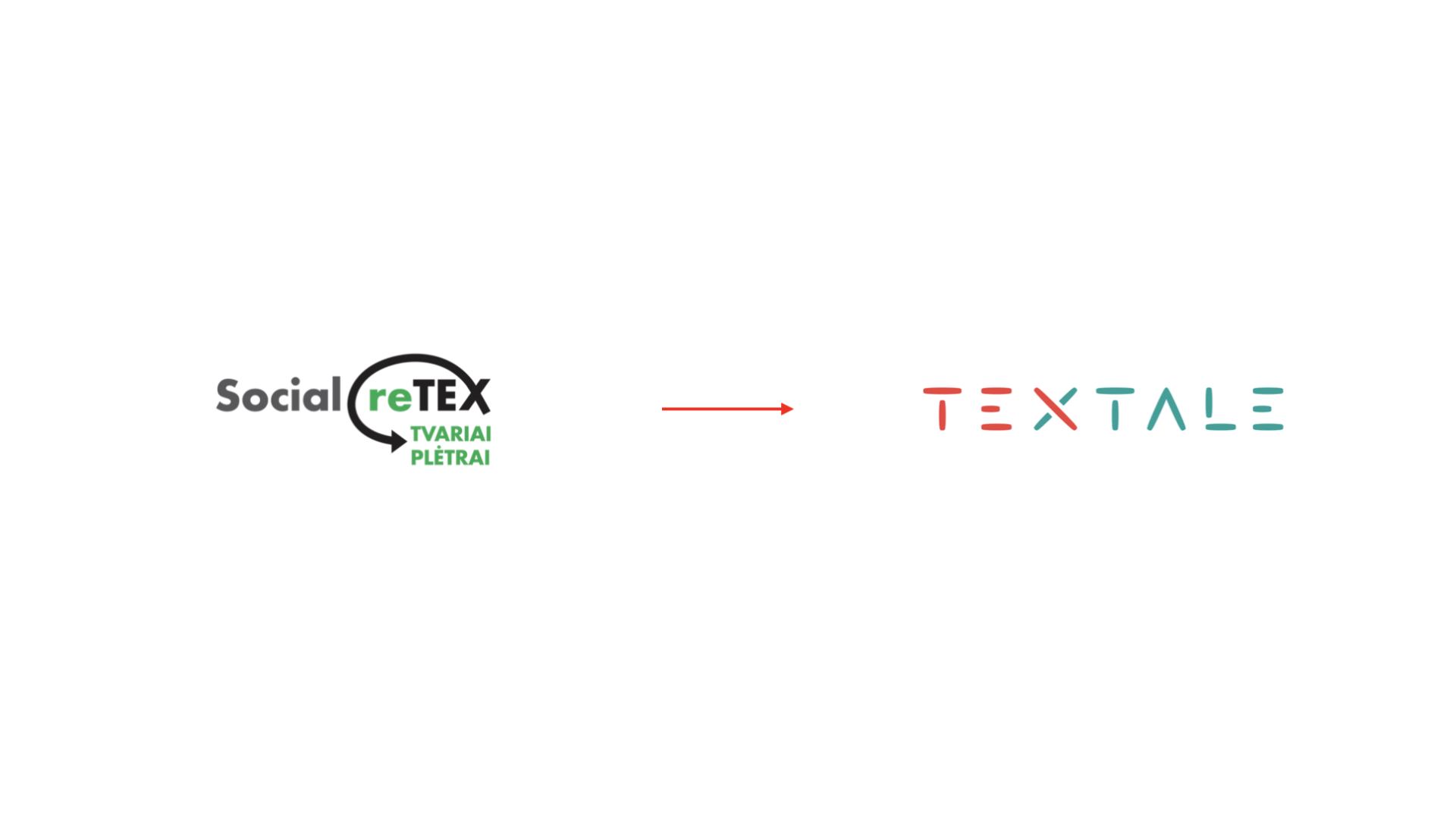
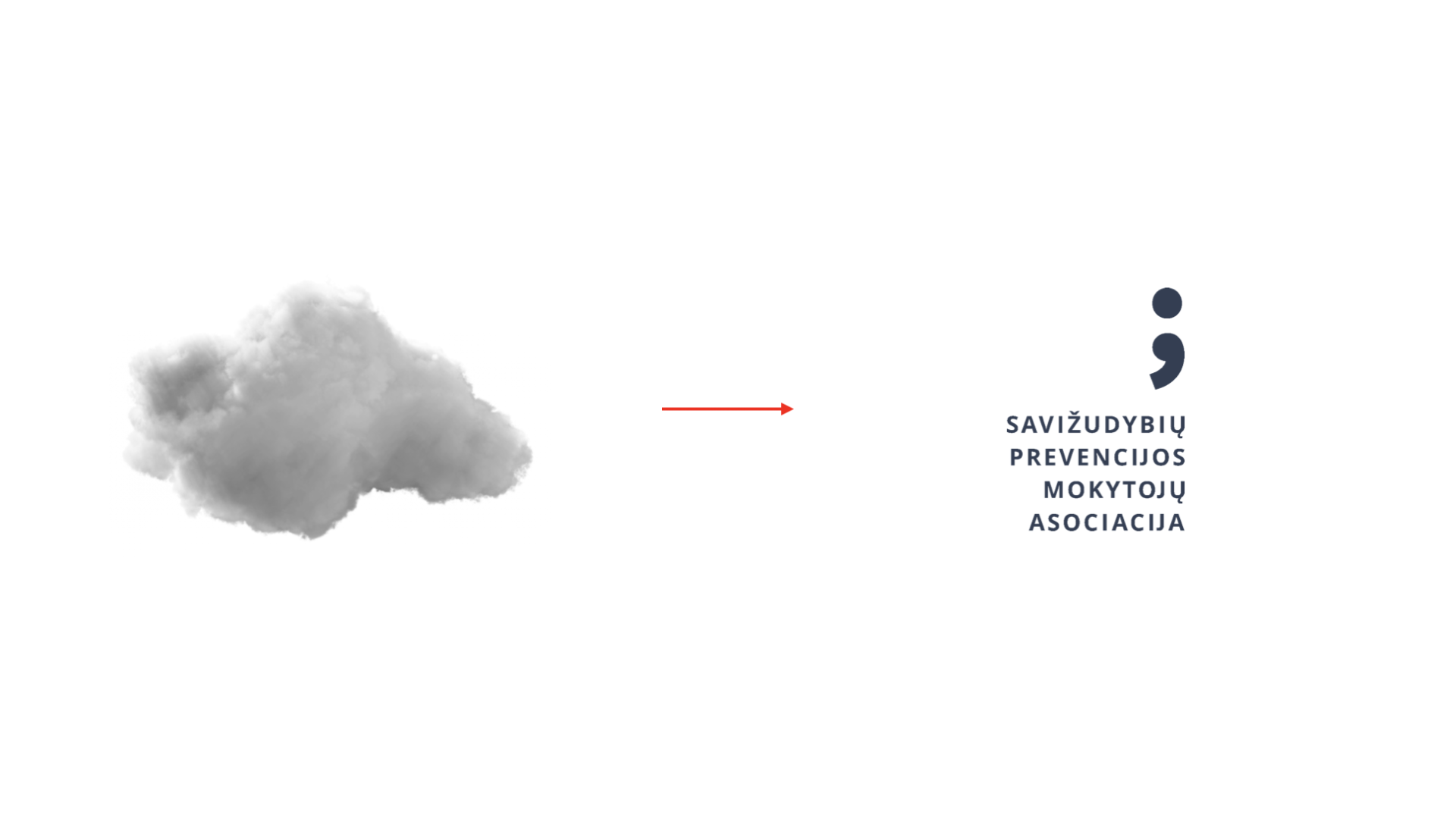
NGO organizations that are willing to create new or upgrade existing visual identity or website are getting a professional results for free.
Mid-level professionals who are willing to raise qualifications are getting science proven most efficient way to learn something by teaching others.
Key objectives for aesthetics and quality
The key objectives of the course in terms of aesthetics and quality of experience are:
1. Attention to the quality of the result of the course.
2. Attention to the simplicity and clarity of the frame and the flow of the course.
Key objectives for inclusion
The key objectives of the course in terms of inclusion are:
1. Be open to everyone who is willing to participate as a student or as a client or as a mentor.
2. Deliver Universal Design solutions as the result of the course activities.
Results in relation to category
In comparison with other educational courses where in most cases students are working on fictional cases and lecturers are only doing their job, in this course students are working on real cases of real organizations, lecturers are design practitioners who are also learning. In other words, this course is doing twice as much with the same amount of energy, time, and other resources.
How Citizens benefit
As the course has few target audiences, the impact on society is also multiplied.
The object of the course is visual identities or websites of the NGOs, who are solving actual social problems, society mostly can benefit from improved efficiency of those.
Innovative character
Efficient usage of energy, time, and other resources in the educational context by integrating three different needs in one course.