KYRT
Basic information
Project Title
Full project title
Category
Project Description
Conceived as an interdisciplinary and multidisciplinary educational method, KYRT emerged in 2018 within the scope of ESAD's (https://esad.pt/) communication design degree. Since then, the curriculum of the 2nd semester of the 3rd year — consisting of 5 course units — has been replaced by a studio based model in which the 9 teachers and all students (local and Erasmus) embark on an ambitious final project dismantling the formal educational method.
Project Region
EU Programme or fund
Description of the project
Summary
Asked to answer the question "what advice would you give to a design student?" Dutch graphic designer Wim Crouwel said “Keep Your Radar Turning".
Following this suggestive motto, the professors of the 3rd year of the degree in communication design at ESAD created the KYRT project (https://kyrt.esad.pt/pt).
Conceived as an interdisciplinary and transdisciplinary educational method, KYRT emerged in 2018/19 within the scope of ESAD's (https://esad.pt/) communication design degree.
Since then, the curriculum of the second semester of the 3rd year of the degree in communication design — consisting of 5 course units — has been replaced by a studio based model in which the 9 teachers and all students (local and mobility programs) embrace on an ambitious final project dismantling a formal teaching method (classes, schedules, classrooms, curricular units) with enthusiasm, collaborative spirit and adaptability.
Considering KYRT’s brief, students work in teams of 4 elements with the freedom to organize inter-class teams. KYRT values students' personal interests and encourages them to explore topics (of a social, political, technological or ecological nature, among others) not limited to the field of design. Each team chooses an external advisor (academic or non-academic) who specialises in the topic addressed to work as a consultant. The process is as important as the end result and sharing experiences and knowledge and co-operation between teams is mandatory.
Students are encouraged to use their superpowers as designers to contribute positively thinking about new forms of social intervention, cultural mediation, highlighting concerns of inclusion, sustainability and aesthetic quality of the projects materialised both in print and digital format.
Key objectives for sustainability
We were inspired to be testing an experimental method of interdisciplinary and multidisciplinary education, reflecting on new possibilities for teaching design while offering space and time for students, organised in teams of 4 elements, to walk their own path, in a more autonomous way. Bringing together the Curricular Units of Communication Design Project, Digital Media Design, Graphic Production, Design Theory and Design and Visual Culture, mobilizing them in a common project where themes related to the local economy, mental health, migratory flows, to mention a few examples, are worked through tools and means of communication design. In carrying out KYRT several challenges have to be faced. The first challenge is focused on the sustainability of current educational methods. KYRT proposes an interdisciplinary method, valuing student autonomy and collaborative processes between teachers and students. The second challenge is focused on the sustainability of ideas and projects and the critical assessment of their impact in the real world. More than thinking of the school as a space for the transmission of knowledge, we defend the idea of the school as a laboratory open to reflection, the design of bold ideas, sharing and discussion over a long process from ideation to materialization. The third challenge is focused on the critical re-reading of generic concepts such as "sustainability". Students are encouraged to break free from global and abstract design thinking and to look for new ways to intervene socially, culturally and politically as mediators, researchers and catalysts. The fourth major challenge seeks to answer the question of how motivation, enthusiasm, generosity, care and affection can be important tools in design practice.
We were developing a project of public interest, maybe social, and so we decided that it should have an obvious scenario, the city streets, it had to communicate itself through the streets” Miguel Ramal (Student)
Key objectives for aesthetics and quality
As Saul Bass mentioned, design is thinking made visual. Aesthetic concerns are present and pose a challenge that designers - as mediators, "visual translators" and authors - must be able to explore with communicative effectiveness, aesthetic appeal and critical meaning.
Beyond functionality, or rather, in addition to the more predictable utility functionality, students are encouraged to explore the emotional and symbolic impact of their projects, as well as the ethical or ideological values they communicate.
Working as a team, students are encouraged to create ways to collaborate with each other and with others, sharing information and knowledge, exchanging experiences, concerns and inspirations, recognizing their autonomous space while recognizing the presence, availability and support of the teachers but, above all, the support of all colleagues.
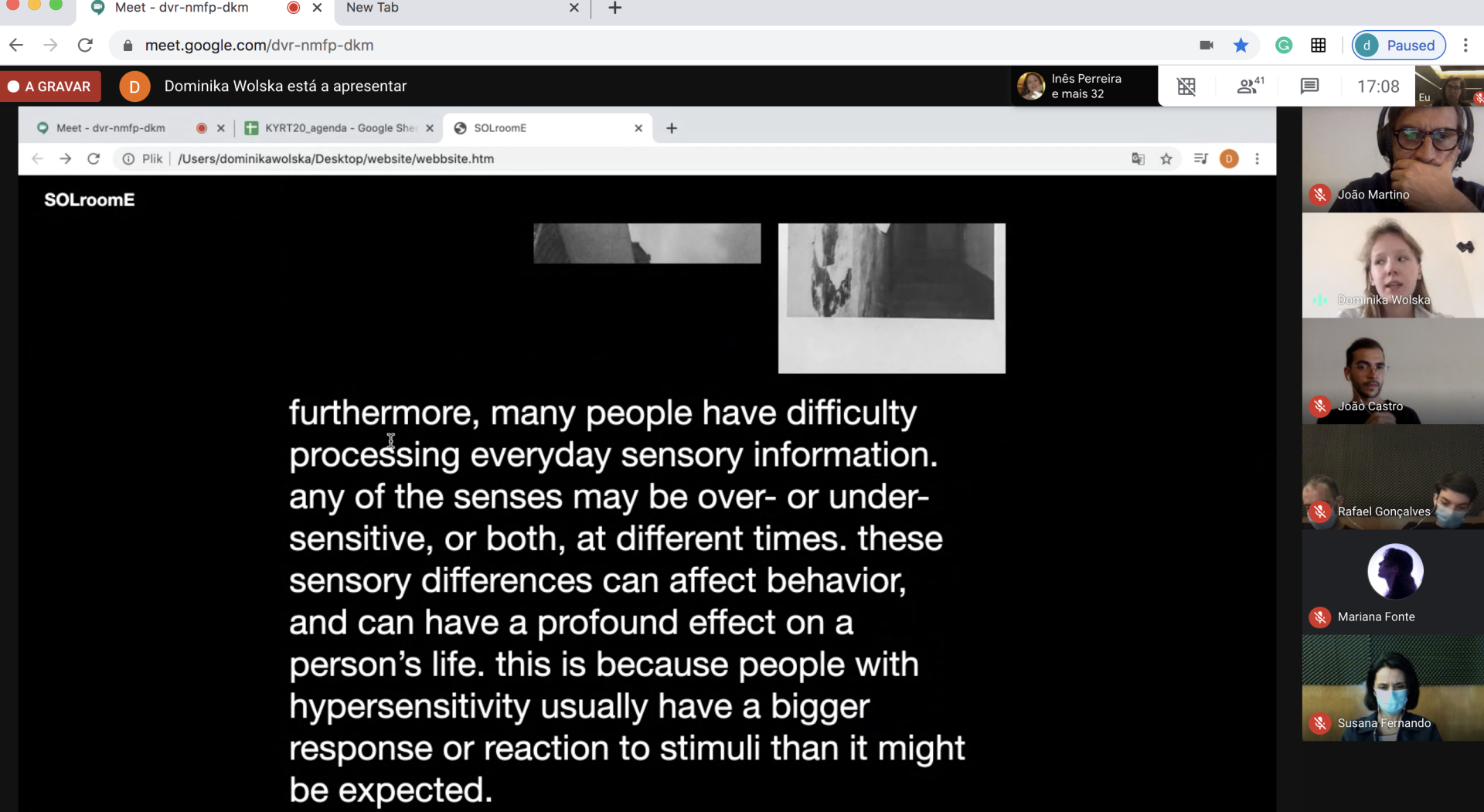
Ideas and results are shared and disseminated. The exhibition of projects, their submission to competitions and public presentation sessions are a practice established at KYRT.
Key objectives for inclusion
From an interpersonal scope, KYRT is a learning process for the inclusion of the other. Each student has to cooperate with his colleagues, working as a team; each teacher has to cooperate with his peers, working as a team.
Each team must cooperate with external consultants (both academic and non-academic). The school itself must cooperate with all ongoing projects, ensuring facilities, resources and support.
Erasmus students (income) are integrated into teams of local students. Differences are valued and personal interests must be reconciled with collective interests.
Ideas must take shape early, being shared on the walls of classrooms in the form of mind maps, visual research, or any other form of presentation of projects. Digitization is valued and the accessibility of content in a digital format is mandatory.
From a design perspective, KYRT is also a learning experience for the inclusion of the other: opening up to other disciplinary fields, crossing methodologies of ideation, research and design; testing new tools and creative processes; promoting dialogues, co-designing, discovering new users that should be included.
At KYRT, inclusion — social, generational, gender, racial, religious, political or economic — is neither a buzzword nor a commonplace: it’s an issue to be solved and a challenge to be overcome. Inclusiveness does not have to be highlighted in student projects, it can be reflected in subtle and sophisticated ways, but it cannot be ignored.H
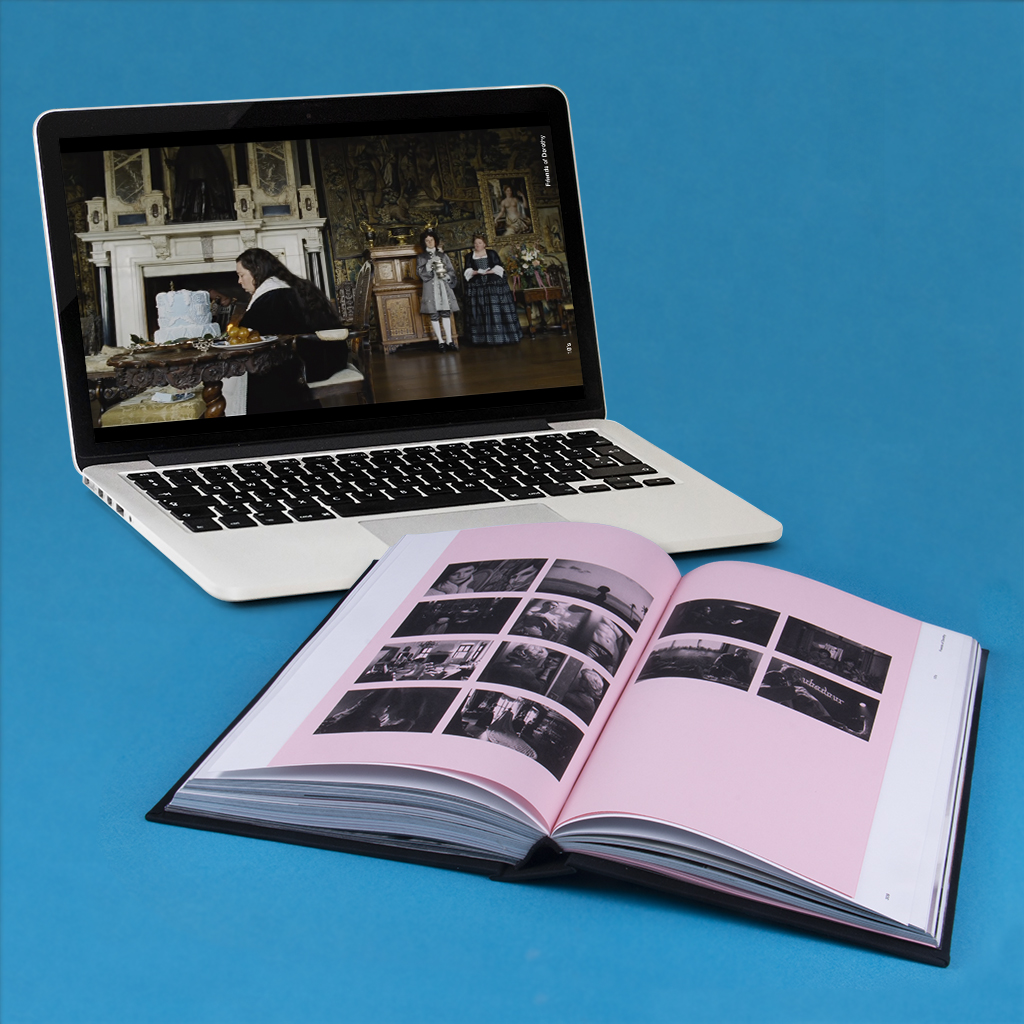
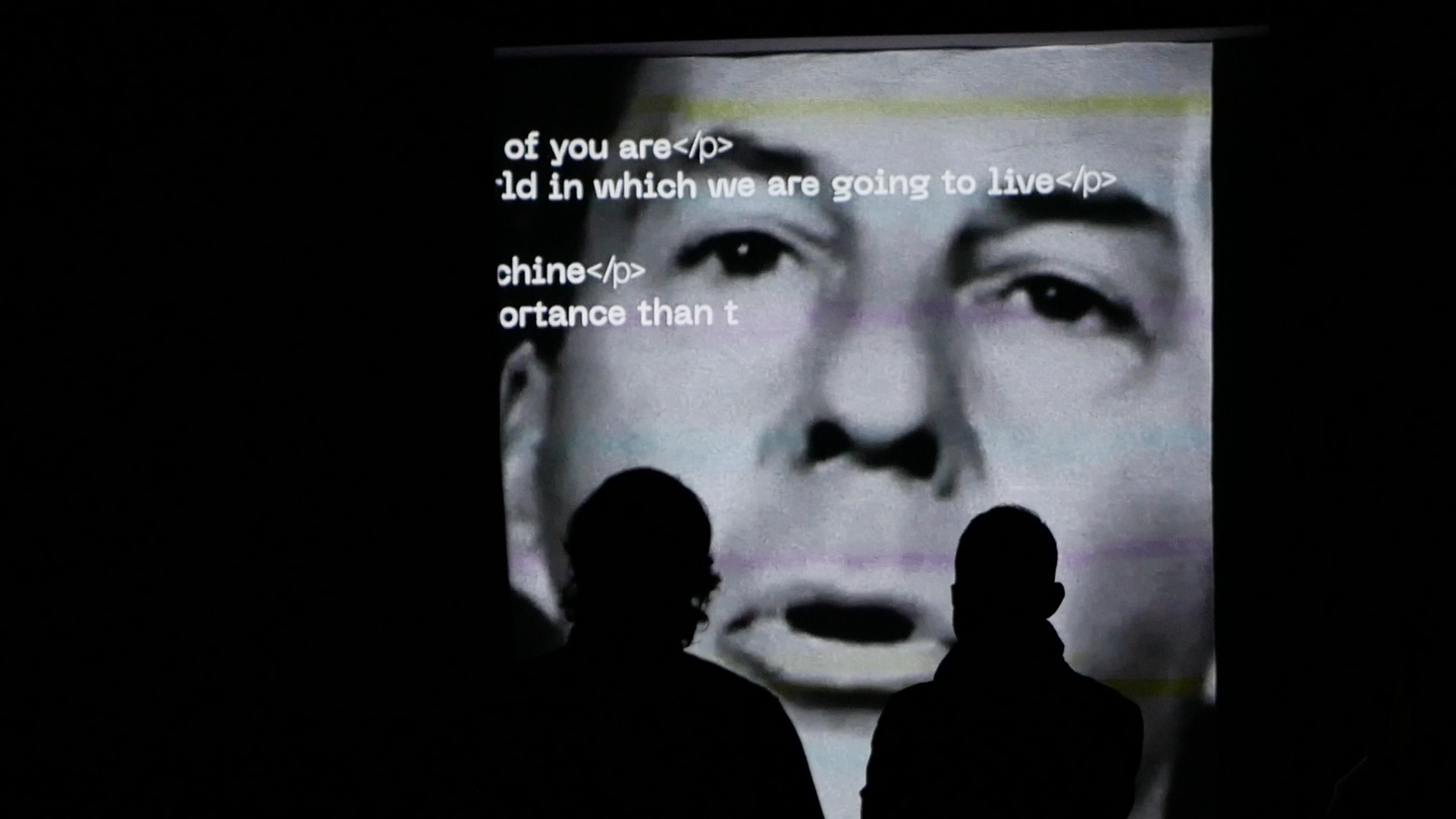
Highlighted project: Friends of Dorothy - A Safe Space KYRT’2019
https://www.youtube.com/watch?v=KEmildnuCVM
Student testimony: “we wanted to create a safe space for this community whiteout prejudice or judgement”
Ana Moreira, Friends of Dorothy, KYRT student
Results in relation to category
Among the main results / impacts achieved with the project, we highlight:
Ability of students to mobilize themselves, commit in depth and carry out a concrete project subject to extensive evaluation (themselves, peers and a team of teachers);
Integrate knowledge in fields of knowledge related to design such, cultural studies, social responsibility and sustainability;
Apply basic and specific skills relevant in the field of design according to the trends of contemporary design and in a contextual perspective and with meaning for the students themselves;
Demonstrate a critical attitude and sense of social responsibility in the development of a specific project as well as in the perception of the projects of the other students;
Interact with peers and integrate work teams where students define themselves in terms of specific skills that collaborate for a common project;
Reflect on the role and the design process itself, whether from a personal or transdisciplinary perspective.
“We spent numerous hours at ESAD creating strong bonds” Carolina Feijó, KYRT Student
How Citizens benefit
Through KYRT, ESAD, as an institution, and students, working as a team, promoted and explored forms of active involvement of citizens and their concerns.
This involvement was achieved through the choice of subjects to be developed (often linked to social issues local based), the methodology explored (including co-design processes) and the way of presenting the results.
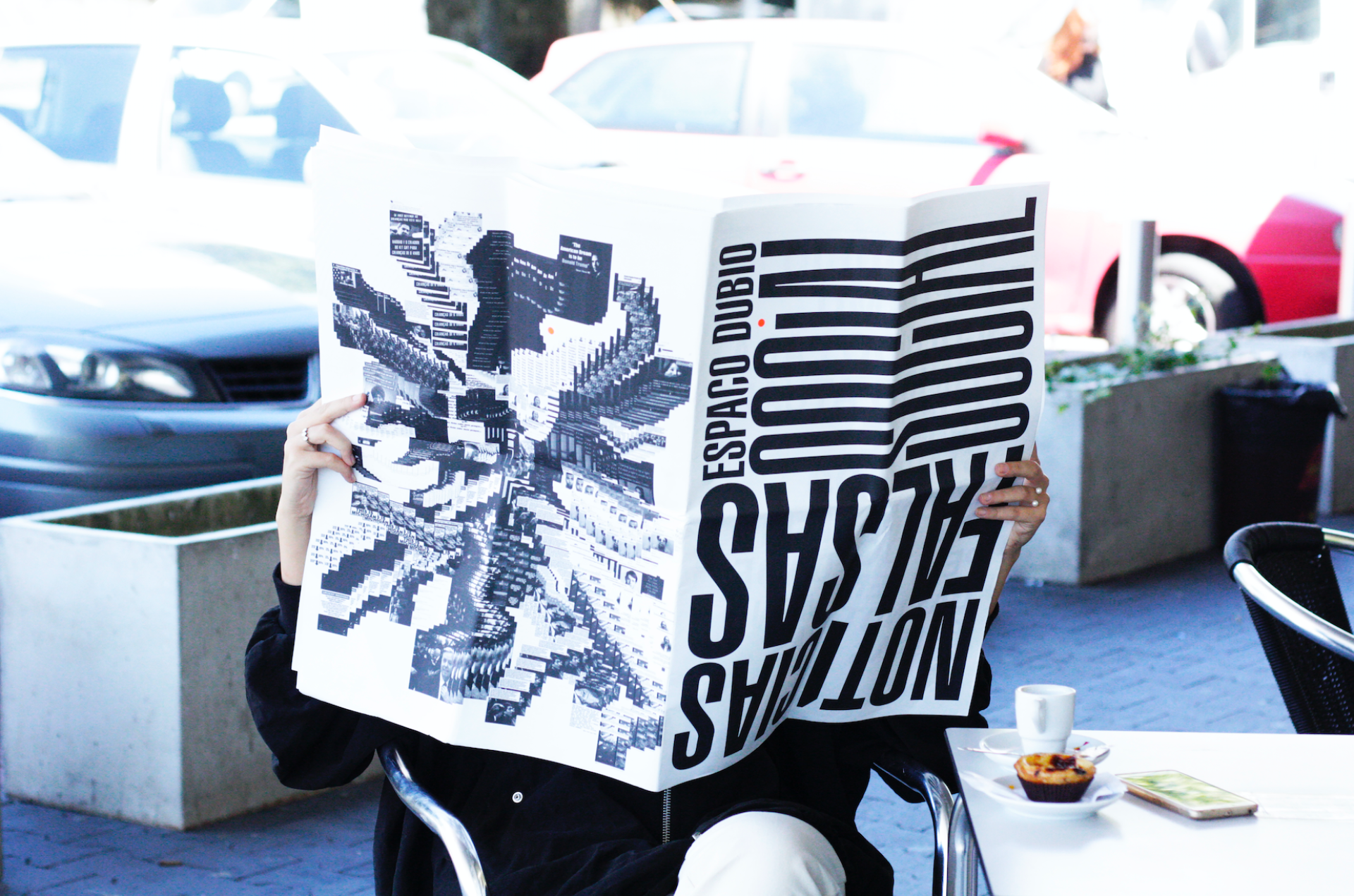
In the first edition of Porto Design Biennale (Post-Millennium Tension, 2019) several KYRT projects were submitted to Open Call for the Satellite program, 3 of them were selected and presented in different locations in the cities of Porto and Matosinhos.
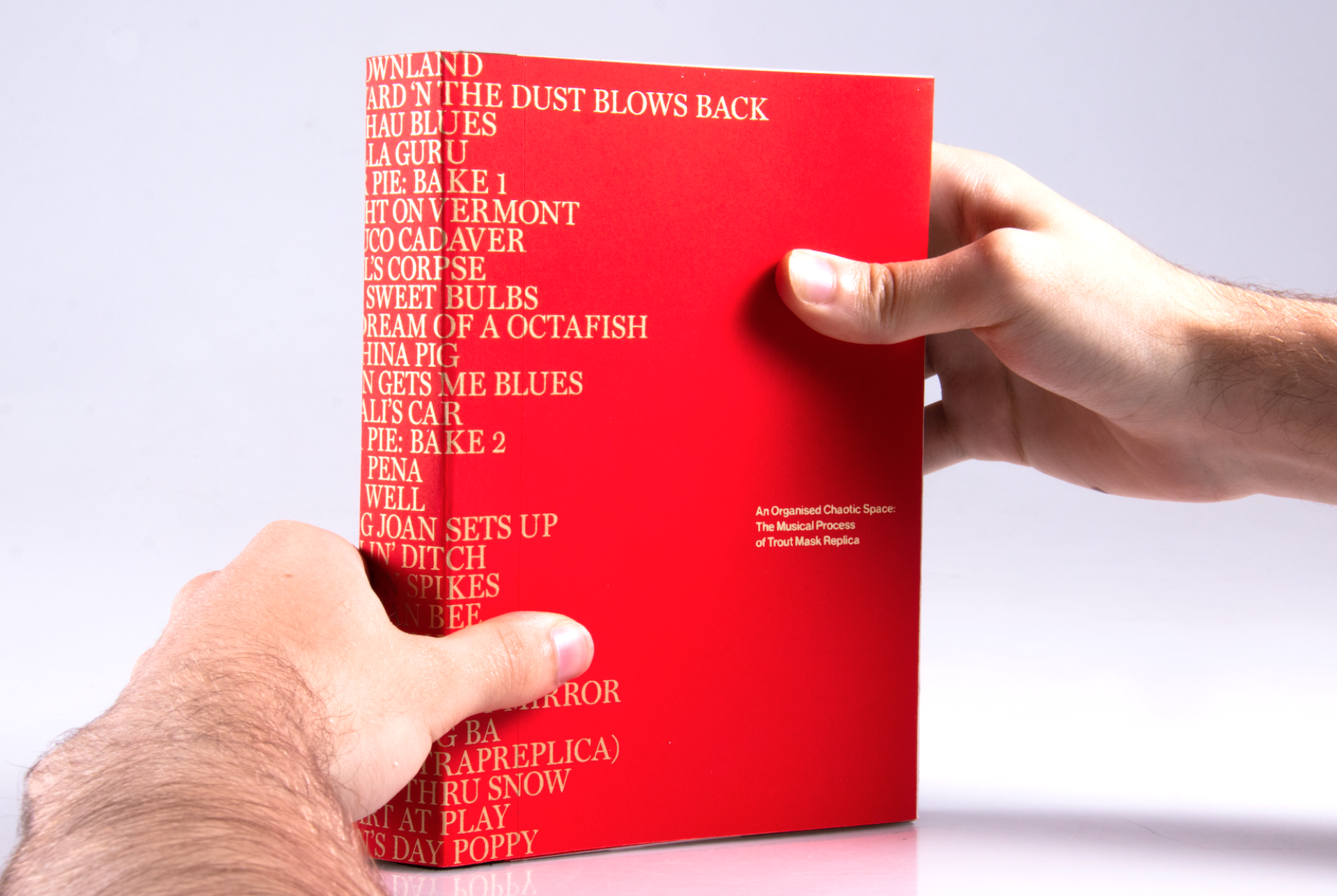
“We had the opportunity to show our work on BID — Ibero-American Design Biennial — which was great! Seeing the acknowledgement, fun and the sharing!” Gonçalo Estêvão, KYRT Student.
Innovative character
The KYRT project has significant advantages due to its ability to combine several factors:
1. a practice centered on the interests of students, whether in a more individual dimension or in a group perspective. This implies the mobilization of each student by identifying three areas of self-interest and also by identifying a domain where the student considers to have “more or better skills”;
2. this individual process allows, in a second moment, to find points of intersection between students that allow the constitution of groups and develop skills of teamwork and that promote better results;
3. differentiation by themes when students are asked to identify themes and research areas that do not have obvious or immediate implications in terms of design, requiring an effort to adapt and apply the project work in new dimensions that imply research, creativity and technical domain;
4. Implication of collaborative work among peers;
5. involvement of a team of teachers, with specialized skills in different areas, and which allow a transdisciplinary approach with gains in terms of language, reflection, technical consolidation and communication.
A final gain is positioned in terms of the assessment. There is a continuous process of questioning and formative assessment to which students are continually summoned. On the other hand, the final evaluation of the first project, individual and research, or the development of the project in a group deserves a grading evaluation by several educators.
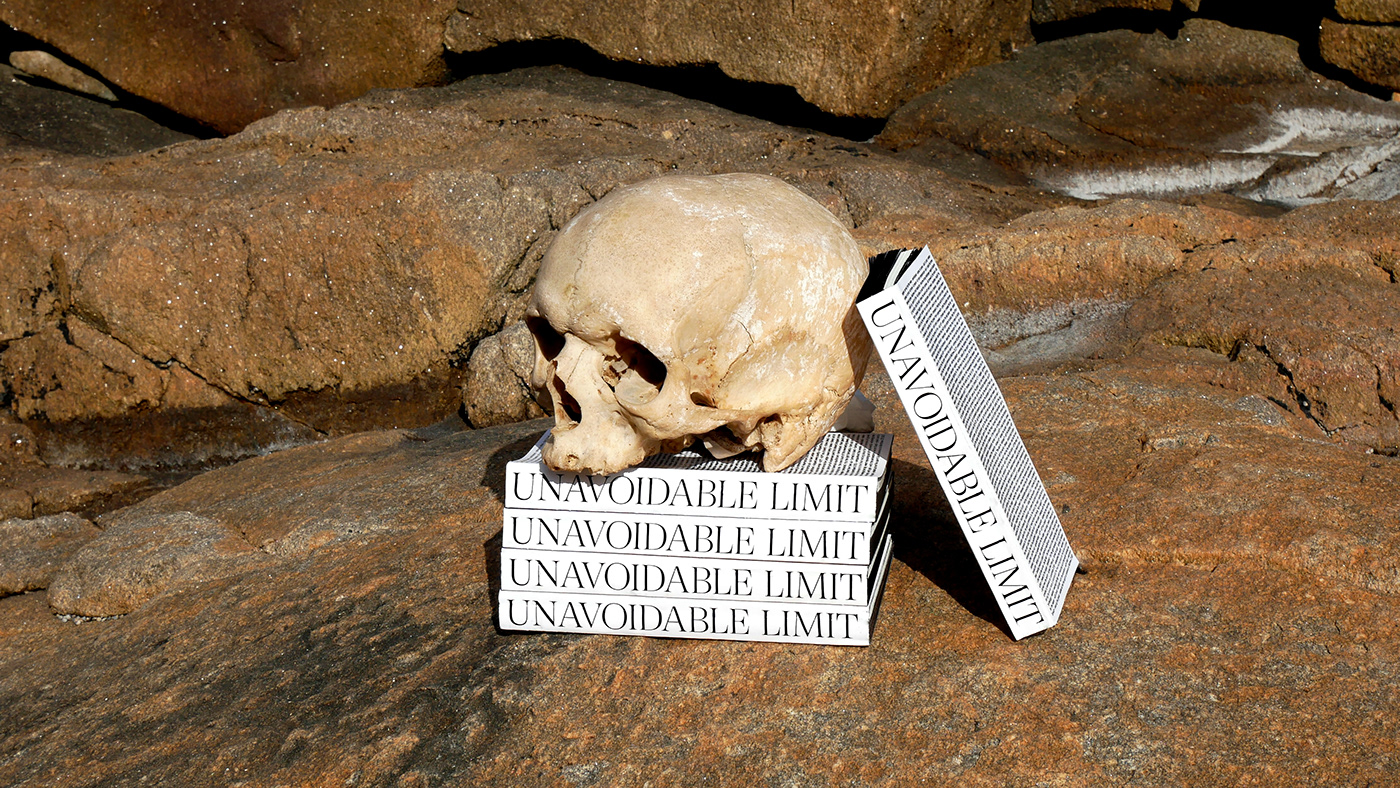
“It's not just taking risks ‘per se’ but to do it on an emotional level”. Constança Pinheiro Torres, Unavoidable Limit, KYRT Student