Lidl Visby
Basic information
Project Title
Full project title
Category
Project Description
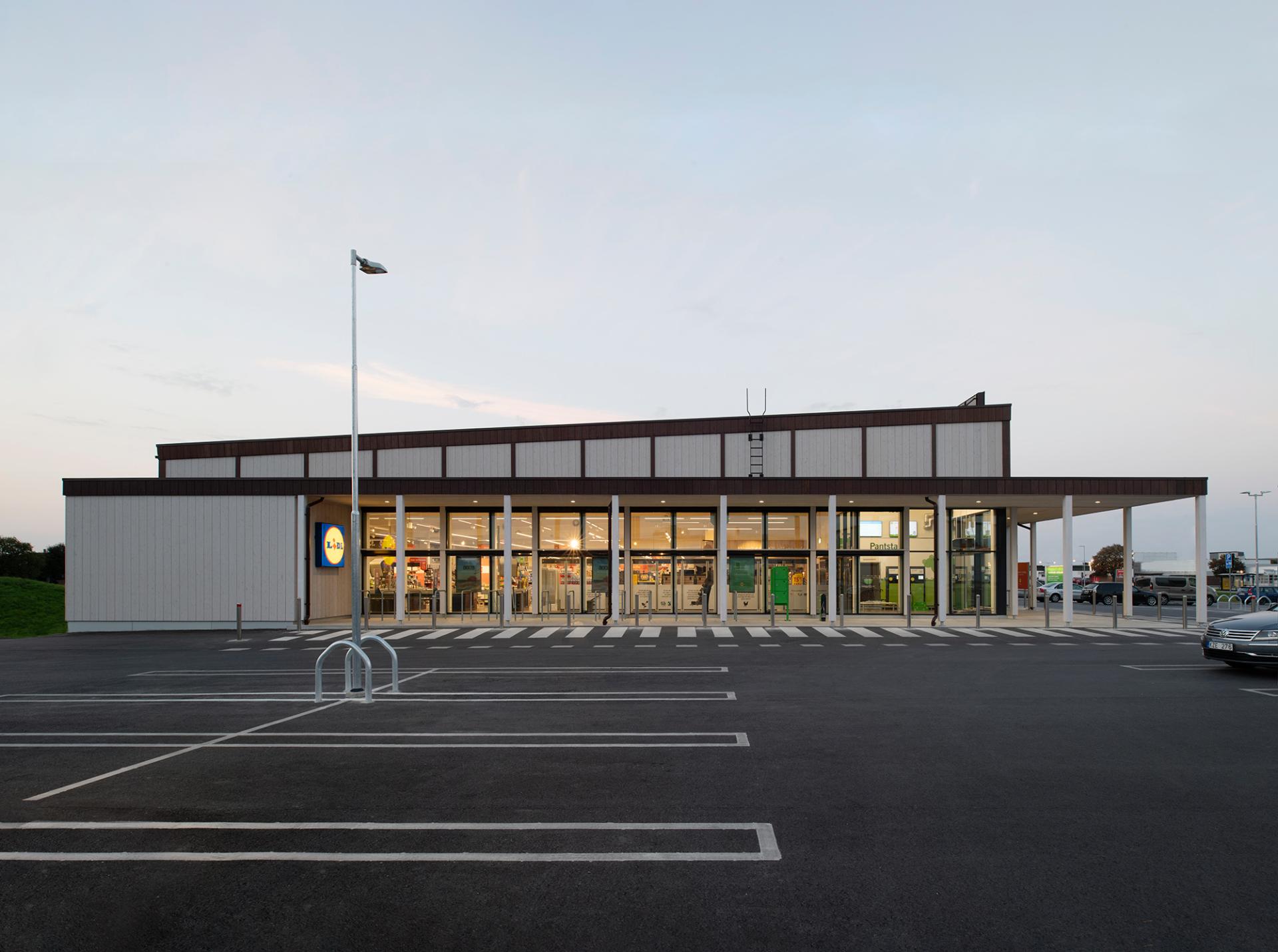
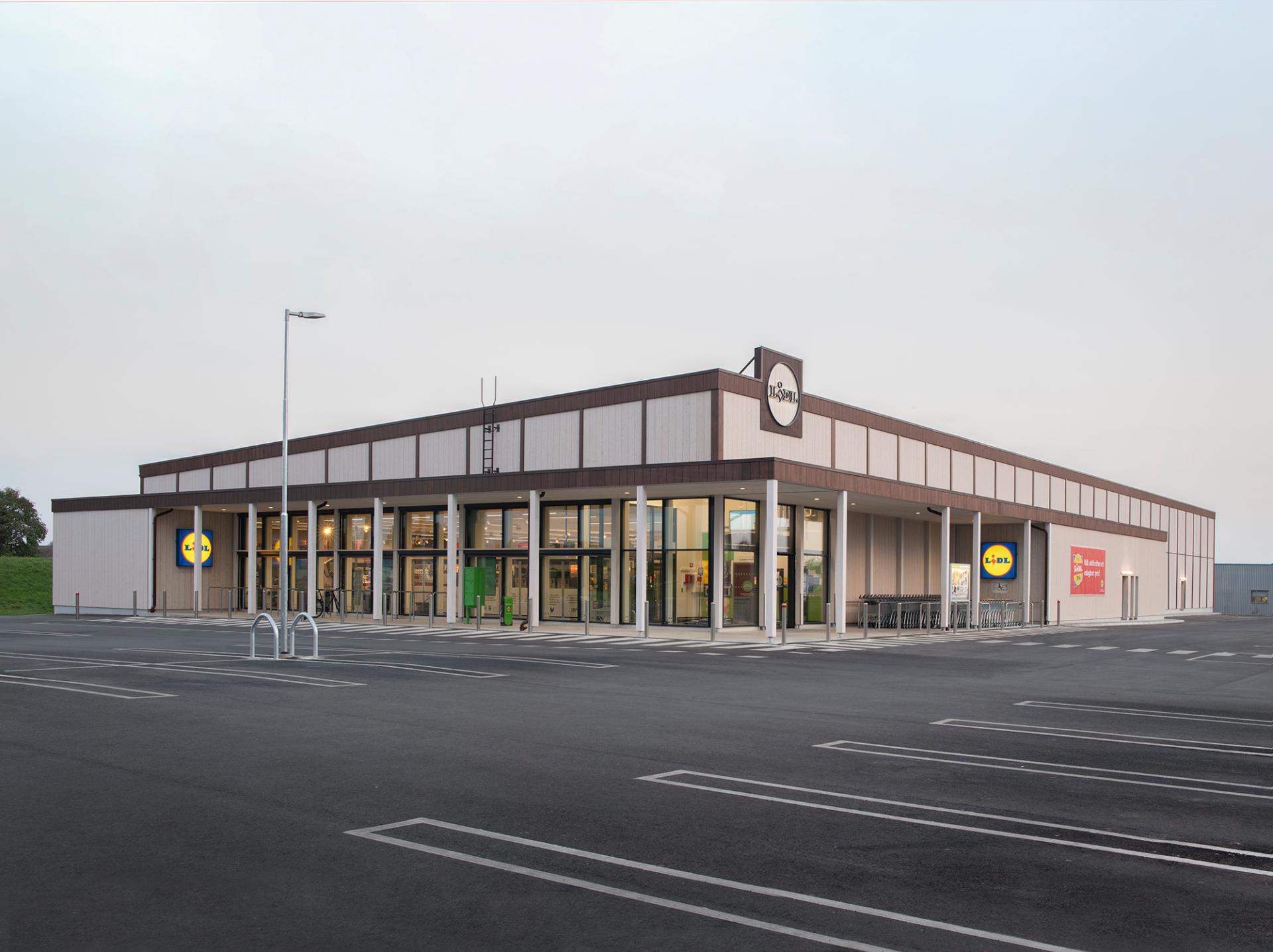
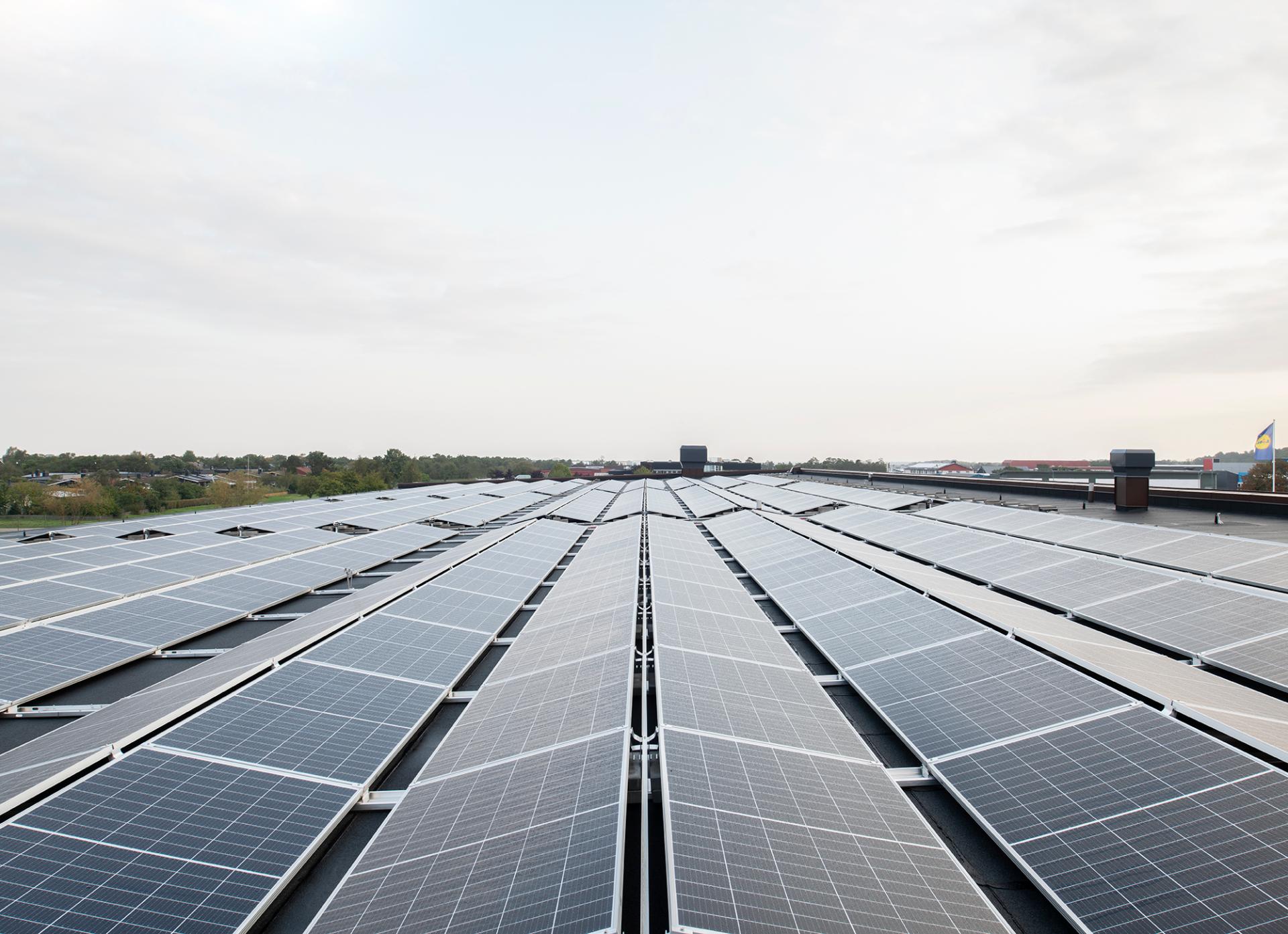
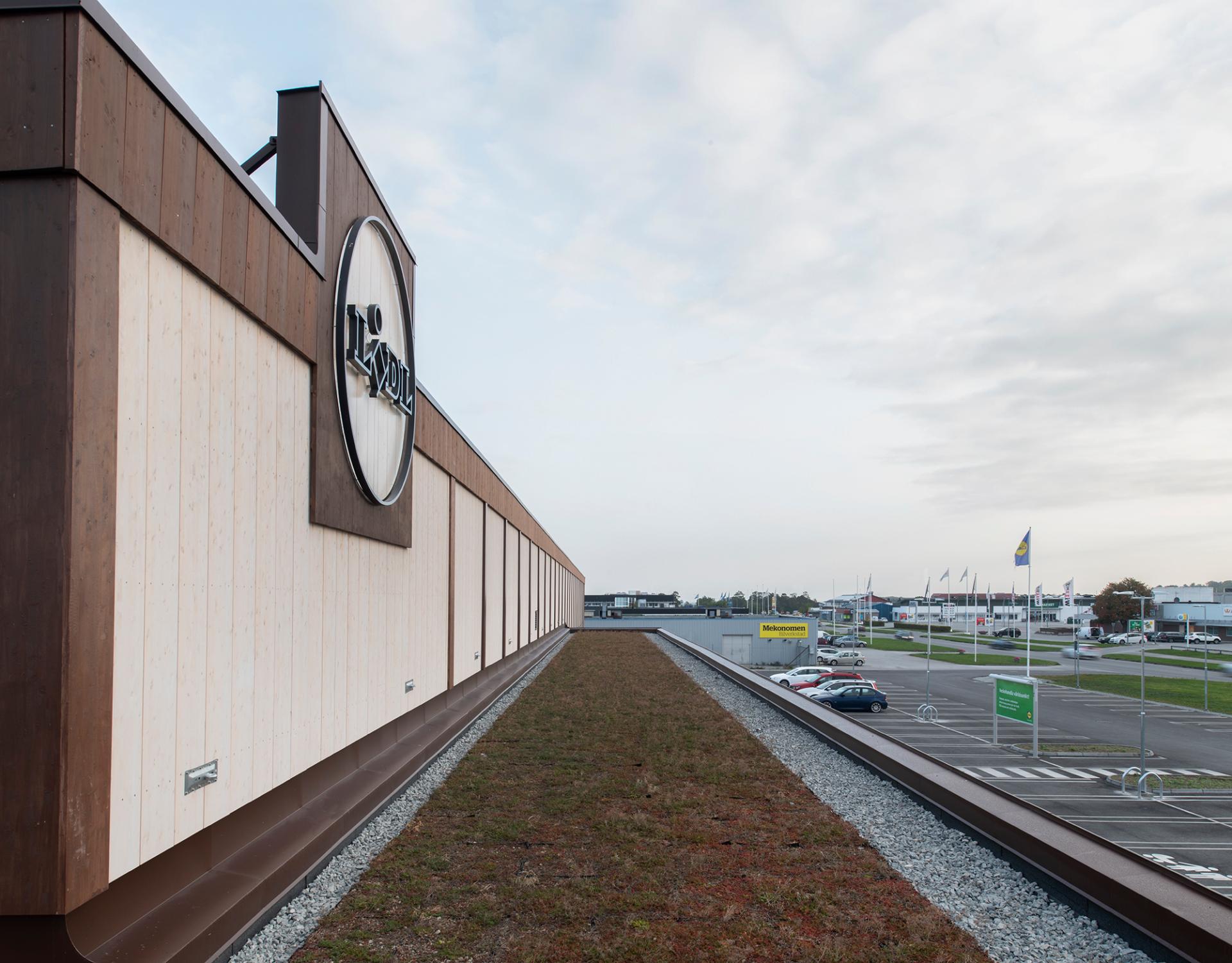
Sweden's first Zero-CO2 building has been developed by the food store Lidl and LINK Arkitektur, through a pilot project for SGBC. The concept for the new store consists of several collaborative solutions that contributes to achieving the certification requirements, such as re-using waste heat, energy-efficient lighting, photovoltaic systems, and vegetation on the roof. In addition, eco-zones for insects and birds as well as charging stations for electric cars and electric bicycles were created.
Project Region
EU Programme or fund
Description of the project
Summary
Sweden's first Zero-CO2 building has been developed through a pilot project for SGBC (Sweden Green Buidling Council). Behind the building of the store, is a collaboration between the food store Lidl and LINK Architecture. The concept for the new store consists of several collaborative solutions that contribute to achieving the certification requirements, such as energy-efficient lighting, photovoltaic systems, and vegetation on the roof. In addition, eco-zones for insects and birds as well as charging stations for electric cars and electric bicycles were created.
Sweden Green Building Council, together with the industry, has developed a certification for climate-neutral buildings. It is a very demanding certification that has been developed in line with enabling Sweden to achieve its climate goals. When Lidl Sweden established itself on Gotland, the store became a pilot project for the new certification.
The goal of the certification is to achieve a net-zero emission during the building's life cycle. It requires a long-term holistic approach and close cooperation between the client, architect, and construction contractor. By optimizing the building’s systems and making thoughtful choices of, among other things, construction, materials, and energy systems, the environmental impact can be minimized both during construction and operation.
Food stores require high energy consumption, but there is great potential in reusing waste heat. By optimizing the building volume, material consumption and energy use are reduced, which in turn reduces the building's CO2 impact. This required a well-thought-out adaptation of the building as a whole - facades, glass surfaces, insulation, solar shading, and energy systems.
The project was awarded Sweden Construction of the Year 2021, in the category industry/retail.
Key objectives for sustainability
The project has been certified “Zero-CO2” which means that the building will be emission-neutral in its lifetime by producing more renewable power than it will consume during its construction and operation. The goal of the certification is to achieve a net-zero emission during the building's life cycle. It requires a long-term holistic approach and close cooperation between the client, architect, and construction contractor. By optimizing the building’s systems and making thoughtful choices of, among other things, construction, materials, and energy systems, the environmental impact can be minimized both during construction and operation.
In order to compensate for the emissions and to achieve the net-zero status, it was foremost necessary to reduce the amount of carbon dioxide in the right choice of building and construction materials. Efficiency and reduction of material were paramount to be able to offset the CO2 debt that was assembled.
An example of how we achieved the low levels of emissions was by optimizing the concrete substructure of the building as much as possible. An extra saving was achieved by omitting floor tiles by polishing the concrete slab for finished flooring. Besides the slab, the rest of the building was constructed almost entirely in solid timber, both construction, and finishing. Wood has very low emissions as well as it stores carbon dioxide for the length of the building’s lifetime.
Key objectives for aesthetics and quality
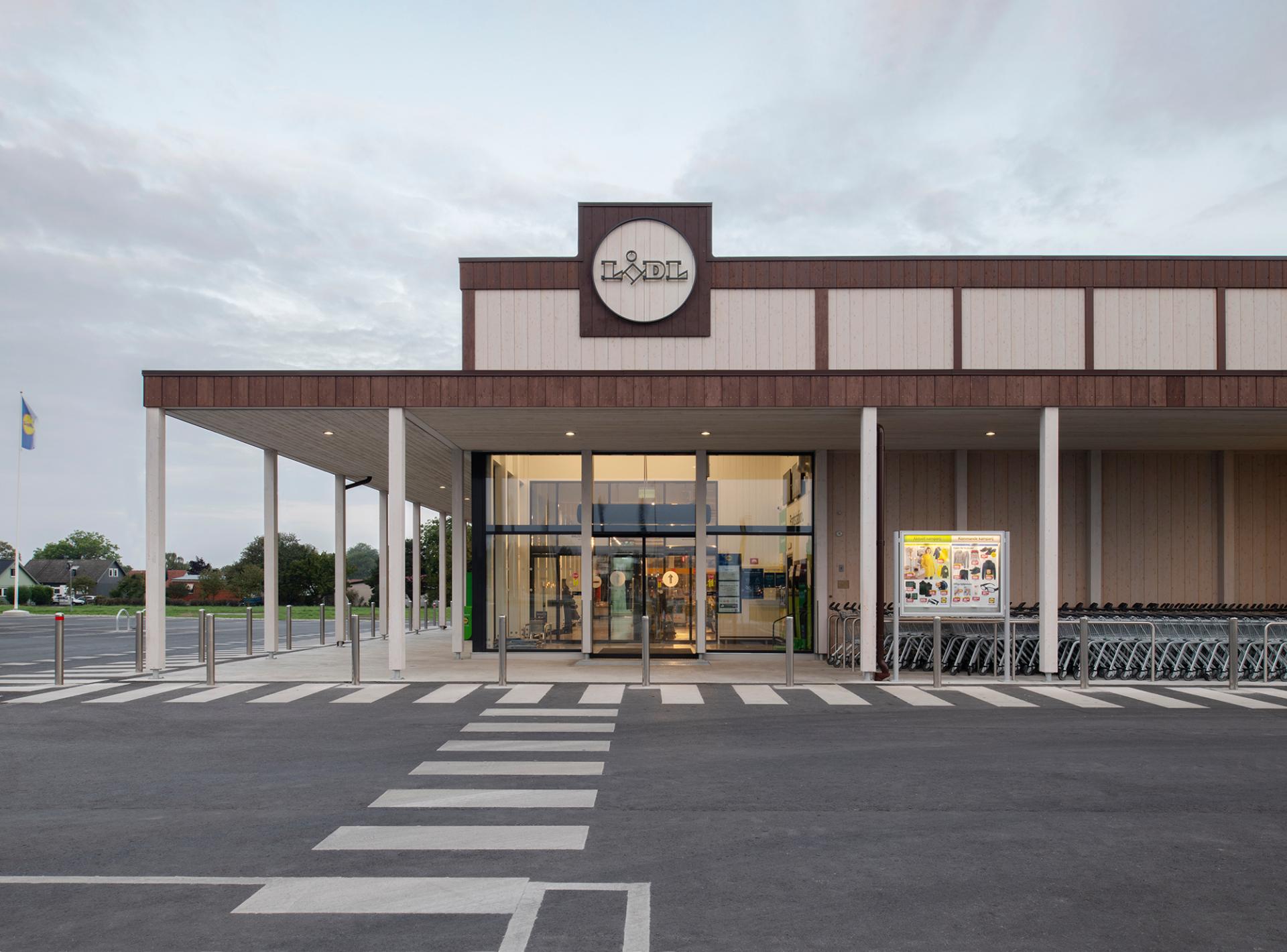
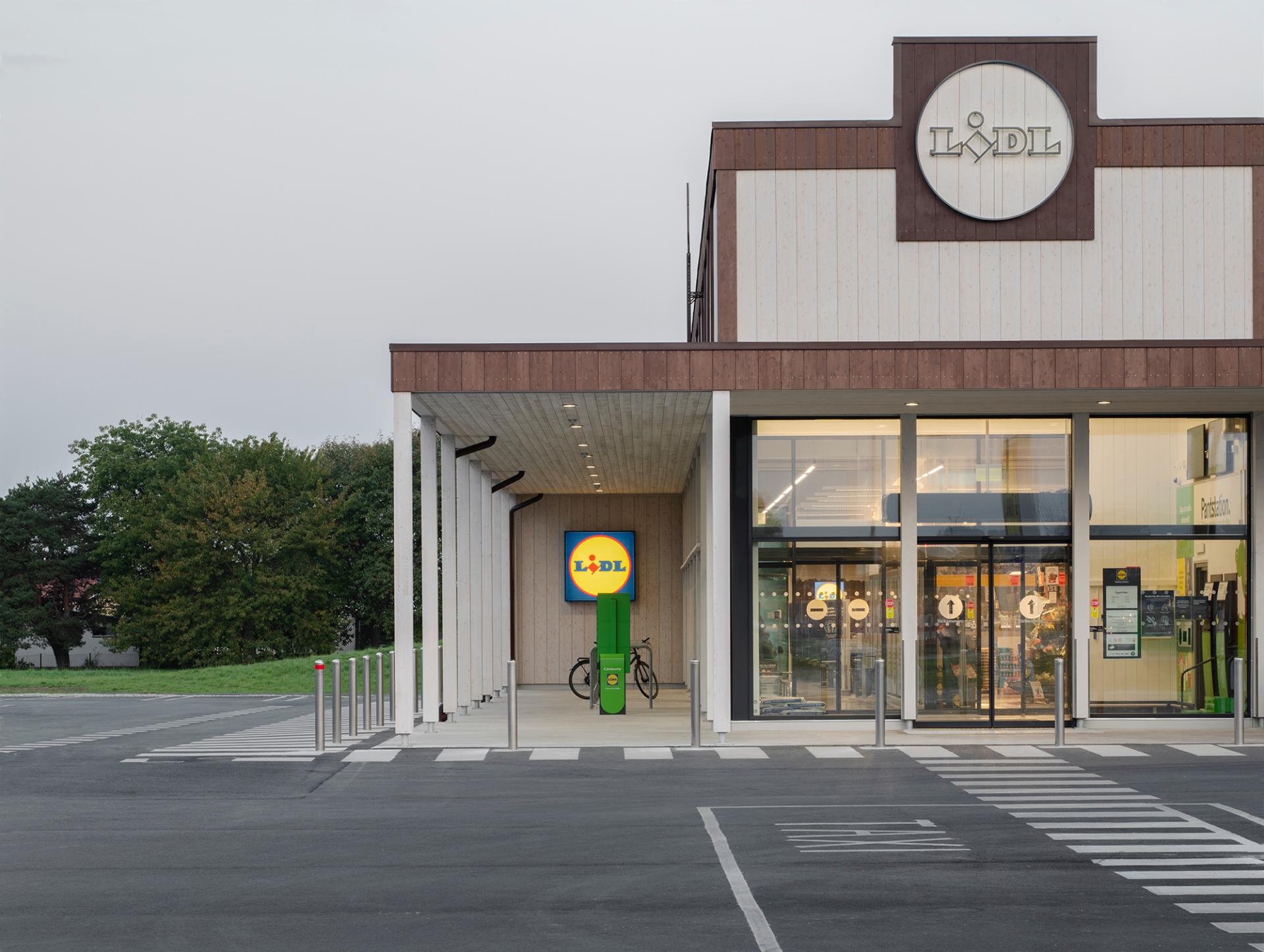
The design of the Lidl store in Visby was primarily seeking to mirror the ambitions of the emission-neutrality and environmental approach of the project. Wooden surfaces are visible throughout the inside and the outside of the building. Green roofs and solar cells are completely covering the building's “fifth façade".
The building’s design is actively working with the tactility and spatial feel of solid materials as an important quality of the experience of the visitor. The solid concrete floor and the solid timber structure give the food store a generous and congenial feel. The light and open spaces are meant to contribute to a pleasant shopping experience, making the store attractive and welcoming. Other features of the building are the sun-shading canopy and the complementary veranda that highlight the store’s entrance as well as creating a buffer and parking space for bicycles and shopping carts.
Key objectives for inclusion
We believe that social sustainability is as important to the design of a building as environmental sustainability. These two aspects are interlinked and share the same root - respect for each other and for our environment. The shopping and consumption of food is an important aspect of society’s relationship with resources and the environment.
The endeavour of reducing the use resources and the emissions of hothouse gases, we believe to achieve a larger shift in the building industry as a whole and pushing forward the much-needed climate neutrality of the building industry. The other benefit is the pedagogical mission of the building's climate-neutrality to the visitor and user, propagating a greener lifestyle and a feel-good reward.
Results in relation to category
The project promotes to use of innovative building materials and techniques to achieve the lowest level of climate emissions possible. Certain products were used due to their specific environmental declaration (EPD) and other materials were reduced and used as efficiently as possible. The collected data of the building materials and construction process will lead to further refinements in the future constructions of climate-neutral buildings.
How Citizens benefit
In this project, the focus was on the high sustainability goals and not on citizen dialogues.
Innovative character
The project “Lidl Visby” is the first building in Sweden to achieve a formal climate-neutral classification. It is the expressed wish of the design team to make the knowledge of the construction and design of the building public to promote progress within the construction and design industry. Together with the emission-neutral certification also comes a climate declaration of the building’s construction, materials, and operation. This transparency of climate emissions is also meant to further the progress and climate-neutral development of the building industry by making it possible to compare buildings’ emissions.