Rethink Architecture
Basic information
Project Title
Full project title
Category
Project Description
Rethink Architecture is an online platform for sustainable architecture. It inspires architects, investors, and everyone interested in architecture to design sustainable buildings and cities. It brings them together so they can share knowledge and collaborate during the (re)construction process. Together they can create more beautiful, inclusive, and sustainable cities.
Project Region
EU Programme or fund
Description of the project
Summary
Rethink Architecture is an online platform for sustainable architecture. It inspires and educates architects, engineers, designers, investors, and everyone interested in architecture to design sustainable buildings and cities. It brings them together so they can share knowledge and collaborate during the (re)construction process. The platform promotes the holistic view on sustainability in all its three pillars: environmental, economic, and social. It also highlights the importance of integrated design process in architecture.
The first layer of the platform is inspirational: it shows the user the beauty and benefits of sustainable architecture. It is a database of more than 100 sustainable solutions which can be applied in the architectural design process. Each solution (such as photovoltaic panels, grey water reuse, biodiversity habitats etc.) has its own page with its benefits in all 3 pillars of sustainability, the reason WHY to build it and a basic description. There are many examples of good practice: photos of beautiful places and buildings where the solution has been implemented.
The second layer provides the user the know-how and tools to implement the solution into his*her project. There are step-by-step guides describing the process of integrated design, presenting all the stakeholders and experts who should be part of it. Each solution has a detailed technical description and information about its costs.
The third layer lets the users connect with each other and collaborate. There are lists of organisations and experts who can design, build or consult the sustainable solutions, and the user can interact with them. The users can also upload their examples of good practice and share knowledge.
Together they can create more beautiful, inclusive, and sustainable cities.
Key objectives for sustainability
The platform lists more than 100 sustainable solutions. The benefits of each solution are described for the environmental, economic and social pillars. The environmental sustainability is assessed in different criteria depending on the solution: savings of carbon emissions, life-cycle assessment, energy savings, water savings, reusability and recyclability, pollution prevention, microclimate improvement, biodiversity support, etc.
The users can create personal lists of solutions which they plan to implement in their projects. Afterwards, they can mark them as completed. This is how we can monitor the direct environmental impact of the project.
Key objectives for aesthetics and quality
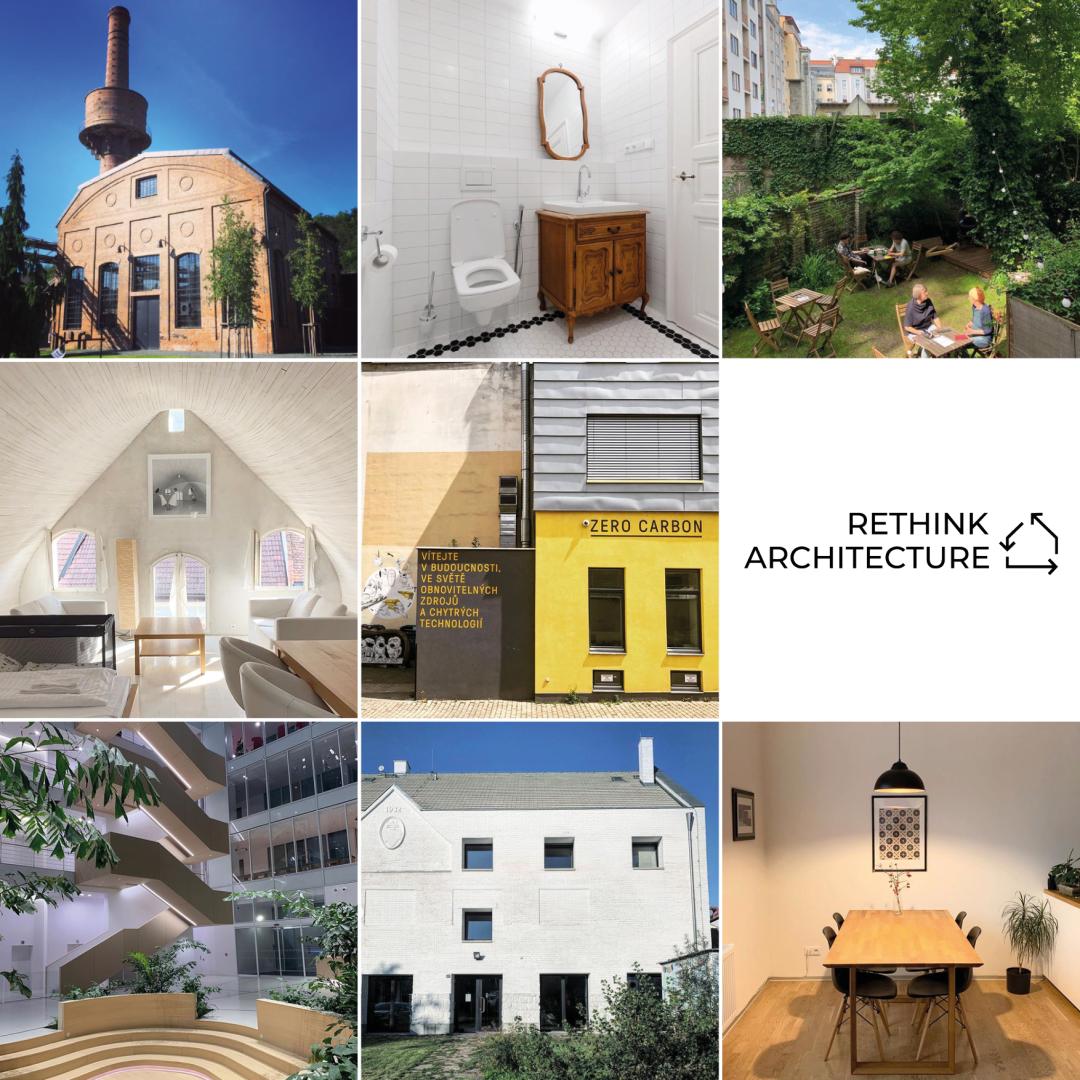
The platform collects hundreds of examples of good practice: beautiful, sustainable places and buildings. These examples of architecture are chosen by an expert board of the platform which is a multidisciplinary team consisting of architects, urbanists, landscape architects, designers, and other experts from the social sciences and arts.
The online platform itself has a high aesthetic standard designed by a graphic studio. The design underlines the quality of the architecture and solutions presented.
Key objectives for inclusion
The platform highlights the importance of the integrated design process. There are guides explaining the importance of including all the stakeholders into the process: such as participatory process with the citizens, discussions with local NGOs etc. It also shows all the experts that should be consulted preferably during the early design: not only technical experts, but also other specialists such as facilitators, anthropologists, sociologists, ecologists, artists, and others.
All of the sustainable solutions are assessed in different criteria of social sustainability, depending on the solution: affordability, accessibility, safety, education of users, well-being, etc.
The users participate in the creation of the knowledge database by uploading their photos and information (plans, costs) and by sharing other know-how in the discussion with others.
Innovative character
The information about sustainable solutions is scattered in many sources: pdfs, books, forums. However, the architects and investors need one place where they can find reliable information and they can compare the solutions to each other. As far as we know, a platform like this does not exist.
Our platform is a virtual consultant that is accessible anytime and it has know-how of hundreds of people. It is co-created by many organisations in the construction field: NGOs, research institutions, suppliers, and the users of the database themselves (architects, investors, and others). It is the one place where everyone will go if they want to know anything about sustainable architecture.