Escola de Tecnologias Inovação e Criação
Basic information
Project Title
Full project title
Category
Project Description
ETIC education group is an innovative and differentiated Educational Project that respects the individuality of students throughout the school journey, where arts is central in scientific, technological and sociologic education.
Humanist vocation, ability to dream and practical sense, together with affective and passionate delivery, characterizes the educational project of ETIC, where the student is the engaged agent for a beautiful, sustainable and inclusive world.
Project Region
EU Programme or fund
Which funds
Other Funds
ETIC benefit from EU program Erasmus + by involving the three schools accordingly to its education type, in the following running projects:
- 3D Printing in VET
- Bright Careers
- Creative Skills 21
- Digital & Online – Creativity Education
- ELFS – Entrepreneurial Learning for Future Sustainability
- Eirene: using community learning paths to tackle bullying
- Instruction – Upskilling school teachers for education-work transition
- Servant Leadership
Description of the project
Summary
ETIC was founded by Manuela Carlos in 1991 and become a reference for its innovative approach to pedagogy and practical training in Creative Industries.
Manuela Carlos previous and remarkable career, in the Performing Arts and Culture (Cinema, Theatre and Television) as well as her humanist vocation, has certainly influenced such audacious entrepreneurial venture.
Vision, pragmatic sense and passion created and shaped the ETIC educational project.
ETIC today is an EDUCATION GROUP:
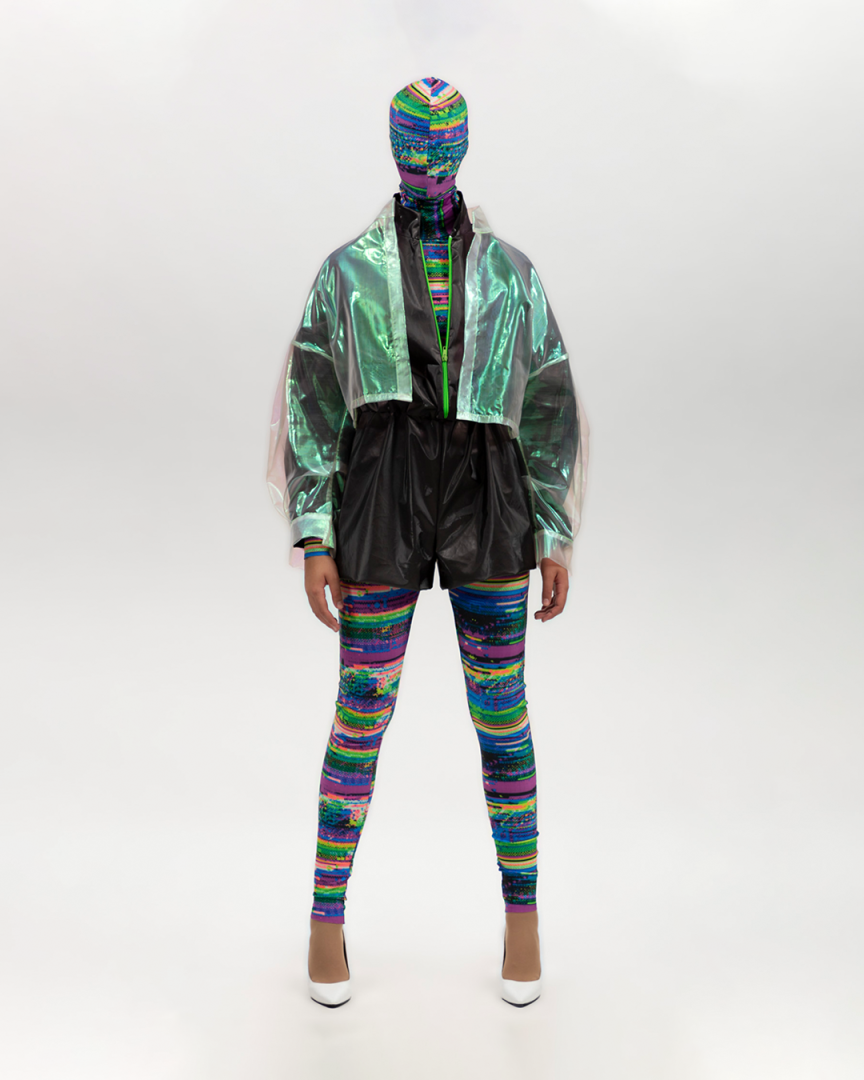
ETIC –post-secondary education and training, through long and short courses. One to three years longs courses: Fashion, Events production, Journalism, Design and Publicity, Sound and Music, Photography, Cinema and Television, Web and Digital Media, Animation and Videogames; Two years courses, with Higher National Diploma: Animation and Videogames, Communication and Multimedia design, Journalism, Communication and Digital media, Photography, Fashion Design, Computer science, Sound Design for new media production.
EPI – Escola Profissional de Imagem, education from 10º to 12º grade school, along with additional certified professional diploma on creativity such as 2D and 3D animation, Stage Arts and role play, Graphic Design, Equipment design, Photography, Multimedia, Event organization, Musical production and technologies, Sound and Video.
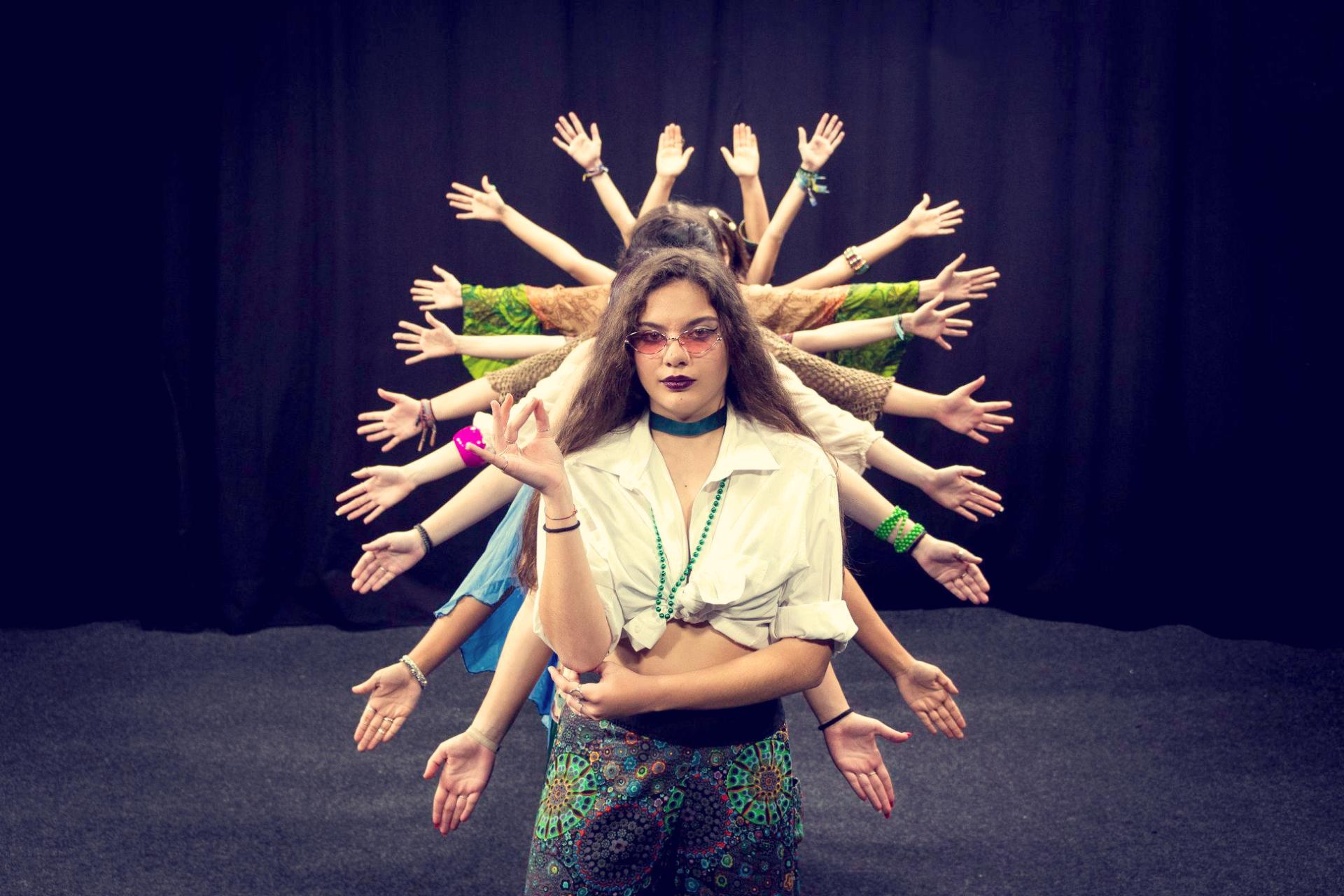
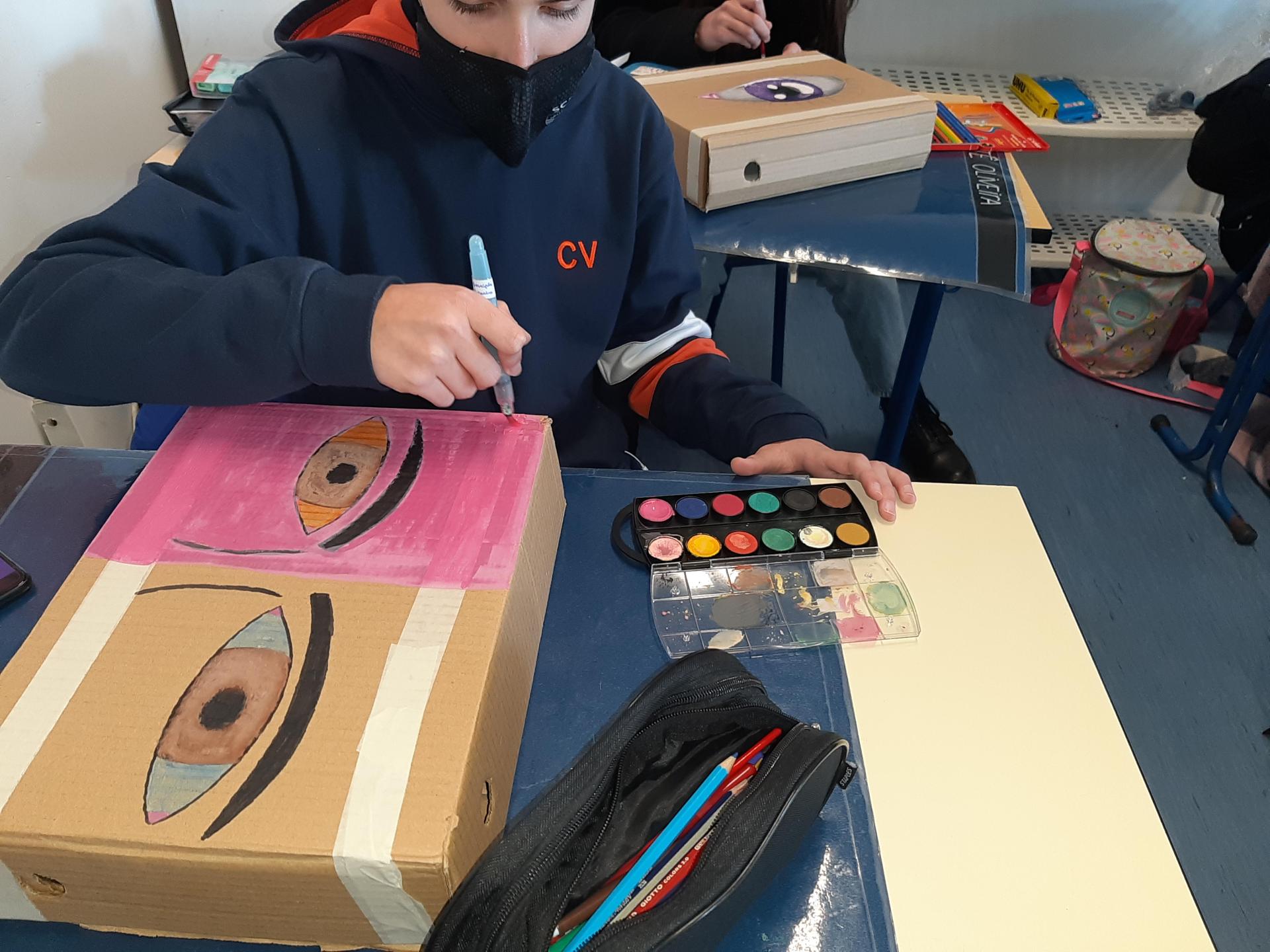
CCV - Colégio Cesário Verde – education from Nursery, Preschool to 9º grade of secondary. Integrates science, arts and new technologies in classes as theatre, dance, painting, photography, multimedia, architecture and other complementary and exploratory disciplines. CCV stimulates creativity from an early age as the best way to prepare children and young people for the challenges of the 21st century, developing essential skills for the future such as the ability to question, make connections, innovate, solve problems, communicate, collaborate and reflect critically.
Key objectives for sustainability
For ETIC’s education group, Sustainability is, first of all, a personal matter, teaching the students to be themselves sustainable persons, and also in economic, social, environmental, and professional sense. ETIC promotes pear-to-pear support, and sharing habits to reinforce the sustainable behaviour.
Along with this, since 2015, when the Sustainable Development Goals were presented by ONU, that ETIC, as educator and trainer of future workers and citizens, assume its commitment to the future, and collectively started to look at SDGs, analysing the impact of each one, reflecting on “What can be done” and “what is the responsibility of each of us and all of us”.
So each of the three schools:
ETIC school, the post-secundary, launched ETIC4GOOD - a call for projects with the moto “look into climate changes, social and economic inequality, gender inequality, and make a creative difference”. The entire education group is involved in ETIC4GOOD with the support of specialists and Sustainable development goals are the basis for many projects created at the school. It resulted in a number of relevant projects for sustainability such as a Lamp which had been made with waist from the local water company, and decorated with alerting messages about the importance of circularity and sustainability.
EPI, the secondary (10th to 12th) and professional, introduced the discipline of “Sustainable development and environmental education” and “ONU Sustainable Development Goals”.
And at CCV, from kindergarten to 9th grade, Education for health and well-being was involved in several curricular domains, such as the study of the environment and the natural sciences, and in close relationship with environmental education and the commitment to the sustainability of planet Earth. Students created missions to save the world through the protection of the oceans, the end and the treatment of toxic waste, and the protection of the atmosphere.
Key objectives for aesthetics and quality
ETIC encourages hand-on learn guided by teachers which also have professional jobs along with the teaching, providing the students real examples of professional world, and stimulate students to make speculative projects, some of them become real projects, and real action on the world around them.
Students learn what they need to have a successful life, and that there is technic, but technic implies aesthetics, and aesthetics implies ethics. This cascade reasoning is taken in all three schools and applied in everyday activities, even in the evaluation which considers the ethical behaviour, social justice, reflexive thinking, meanings and significance, aesthetics of the behaviour and personal outcomes.
All schools organize guided visits to special and differentiated neighbourhoods, with the purpose of involving the student in the conscient discovery and creative exploration of different dimensions of world such as the buildings and habitants, history and personages, patrimony and architecture, the geography and localism.
In CCV kindergarten, art is an aggregating factor of the whole curriculum. Has a team of professionals able to not only transmit knowledge, values, and a sense of aesthetics but also to give affection and endearment. It has a staff of around 80 professionals on creatives areas school such as theatre, dance, music and architecture.
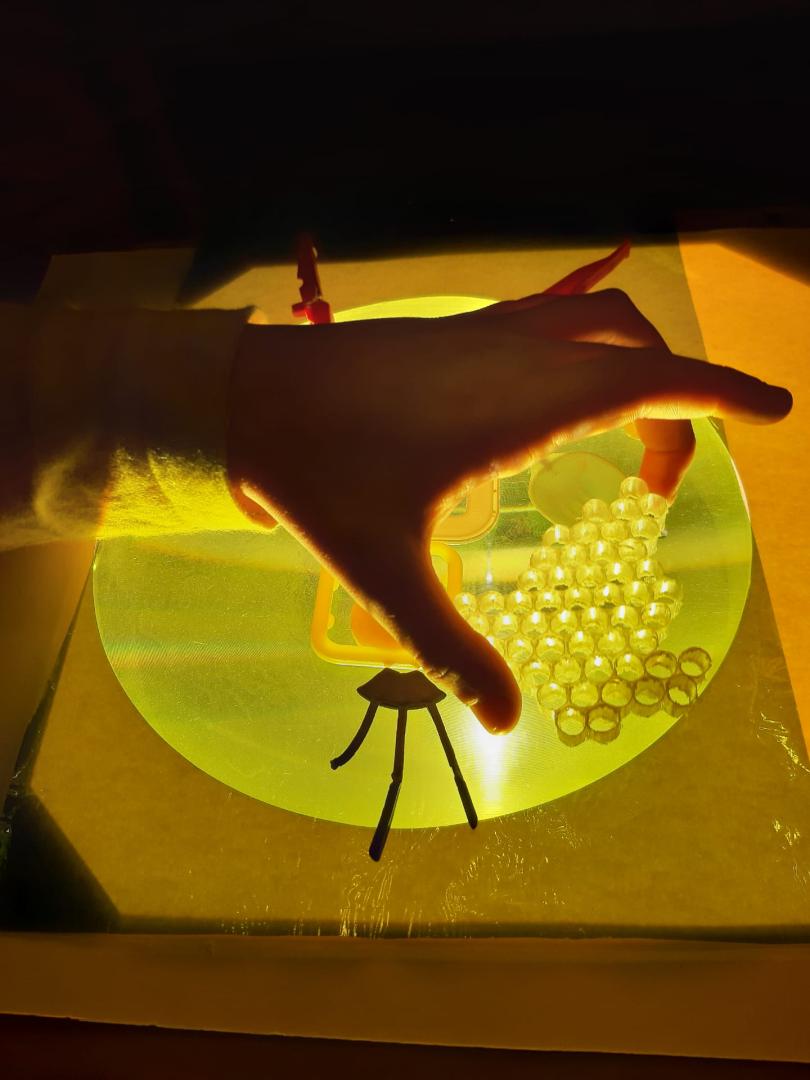
For example, in 2019/2020 year CCV students from the 2nd grade made the project “Bird” whereby they went to know countless species of birds and learned their names in Portuguese and English. They explored their habitats and many curiosities about birds while transforming knowledge into art, challenging the imaginary. They gave shape to their birds, creating snapdragons and exploring bonding techniques in our plastic compositions!
Key objectives for inclusion
Inclusion is central to ETIC’s ethical values, starting by the acceptance and support to each individual/student in its wholeness and practicing affection and endearment in everyday interactions. Students are encouraged to look into the other, getting to know the other, and by knowing the other, realizing the diversity, the inequality, and gaining awareness of what is the other around us. This goes in the direction of citizenship, and empathy and accepting the other.
But inclusion is also an explicit theme that teachers and trainers reinforce in the classes and in interdisciplinary projects, some of those made in partnership with local associations, NGOs, municipality and parish council, or disadvantaged groups.
Another way to promote inclusion is through guided visits, whereby students are invited to look for the other, the geography and what inhabits around the school, guided to look into the meaning of being part of the society, discovering and mapping the environment, the territory, the patrimony.
Examples of such positive impacts in inclusion on 2019/2020 school year:
At ETIC school, one of interdisciplinary group project was made in partnership with an international group dedicated to combat the genital mutilation, whereby the communication strategy and materials had been developed, and, at the same time, the theme was largely disseminated inside and outside the school.
At EPI | Cidadania, formal curricula includes disciplines as: “Social entrepreneurship”, “Sustainable development and environmental education”, “Active and participative democracy”, “Talks around gender equality”, “Interculture: It’s easier to disintegrate an atom, then a prejudice?”, “ Awareness campaign for the promotion of health, food and physical exercise”, “ONU Sustainable Development Goals”.
At CSV school promotes Education for Citizenship to stimulate a representative community of current societies and foster awareness of differences and inequalities, organized the REFLEXOS 2
Results in relation to category
At ETIC, the method used is learning by doing. The educational approach goes beyond academic knowledge, developing critical thinking, the ability to overcome challenges, as well as the development of technical skills.
The guidelines for the project allow the combination of the competences that the school values: technique, creativity, personal development and the student’s professional career, in an environment where freedom, speech and autonomy rule.
The teachers are recognized professionals in their areas of expertise and teach with great proximity to the students, guiding them in their projects, allowing experimentation, risk, boldness and demanding rigorous work and commitment from the student.
The ETIC_IDEA Innovation and Creativity LAB gathers around 200 students in 20 groups that create collaborative and multidisciplinary projects. Each team have future Designers, Film Directors, Editors, Photographers, Web programmers, Illustrators and Music Producers that combine skills towards the same goal: to create a product, a business, an event or a cause and show it on a final pitch.
This project is part of the curricular plan of the yearly courses. In the last Unit, students leave their class to integrate a team made by a student of each course under the guidance of a Mentor. The purpose: To explore and develop collaborative creativity, critical thinking, problem solving skills, team work, networking and make sustainable projects happen, with implementation potential.
The results of this creative boldness are surprising, proving that the collaborative creative work is essential. The projects are awarded and already took some students to Google’s Headquarters in Dublin and Second Home in London. ETIC gives a monetary support fund so that the winning teams turn their projects to a professional business or activity.
How Citizens benefit
Its ETICs mission to educate thriving, active and conscient Citizens, and empowering them to be active and participative citizens among the society we belong to, in everyday human to human interaction.
Today (May 2021) the formal community of ETIC counts with 1700 students, a team of 405 educators, which touches around 4000 parents (summing almost 6000 persons in the close network), whose ETIC action impacts on.
Also, ETIC courses on communication and media, widens its impact by creating communication strategies, communication contents and communication professionals that have the sense of active responsibility towards ethics, aesthetics, sustainability, justice and transparency, practicing creativity for the good.
Along ETIC history there always the civil society involvement, being it through the local and neighbours associations, parish boards, NGO or other artistic or social collectives. Some organizations had been invited to present their needs and strategies so that the students projects would provide them some solutions or complementary actions, others had been the stage for projects presentation as well as dissemination networks.
Innovative character
The most innovative character of ETIC education is most of all the attention to the personal, to the induvial that each student, each teacher or staff member is. Humanity and transparency roles the ETIC’s action.
Since the first contact the student, or the parents in the case of the Kindergarten, learn about the social values and purposes that the ETIC is committed to, and have full access to 360 degree information of the school, ranging from growth strategy, social and national context, staff qualification, teaching methodologies and dynamics, management KPIs and certifications, among many other aspects of the organization they will belong to.
Second relevant aspect was the courage to have transdisciplinary and inter-pairs projects since 1991, which still is a common practice in all the community. From the beginning that the school board brought societal and ecological challenges into the classroom, involving the whole community (students, teachers, staff and partners) in collaborative actions for those important purposes.
ETIC has the conscience that through education we can support and propel better and happier citizens, and with then, thriving societies and sustainable environment.
Being based at the heart of Lisbon, Portuguese capital, and working with creative industries (CI), have always oriented CI practice towards meaningful purposes such as social inclusion, migration, climate change, ethnic minorities, poverty, social justice, or personal sustainability, among many others along this years.
Citizenship always had been developed from within each student in close connection with the surroundings, by taking them outside the school to discover, explore and interpret the world along with the teachers guidance. Back in the school the students are engaged in expressing and integrating its discoveries into formal classes being it maths, sciences, literature, dance, multimedia or performance.