The long table at Furutorpsplatsen
Basic information
Project Title
Full project title
Category
Project Description
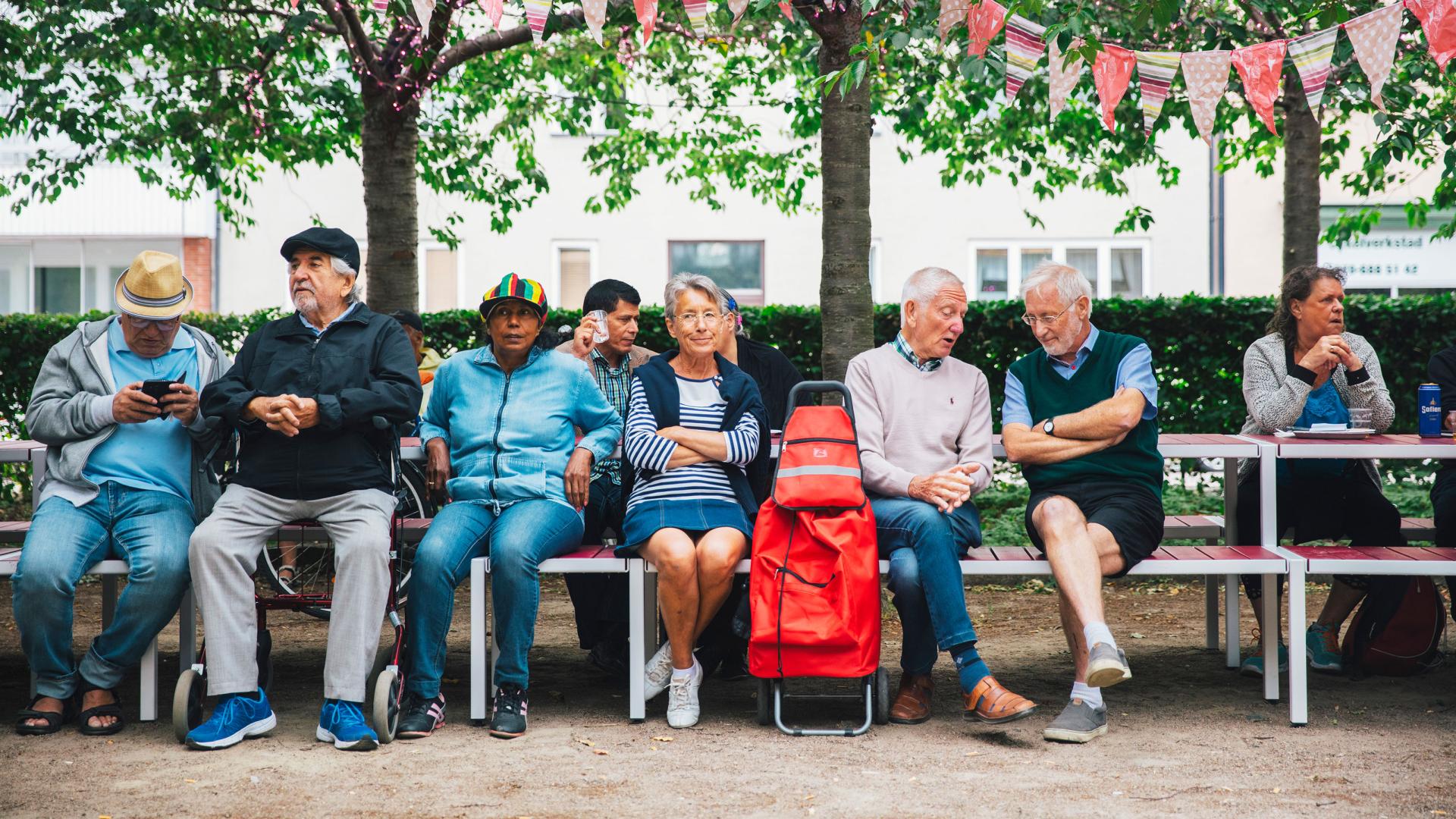
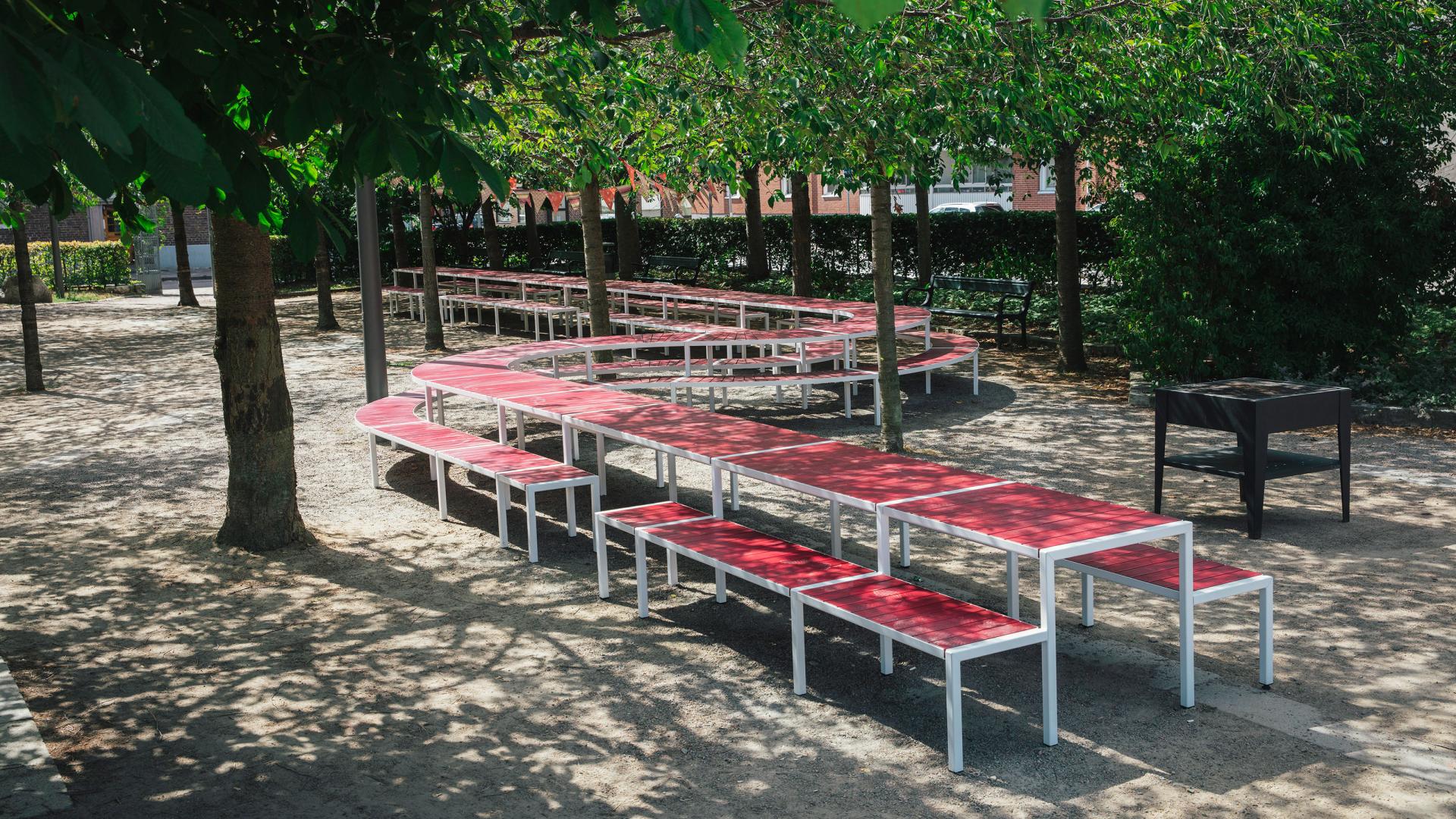
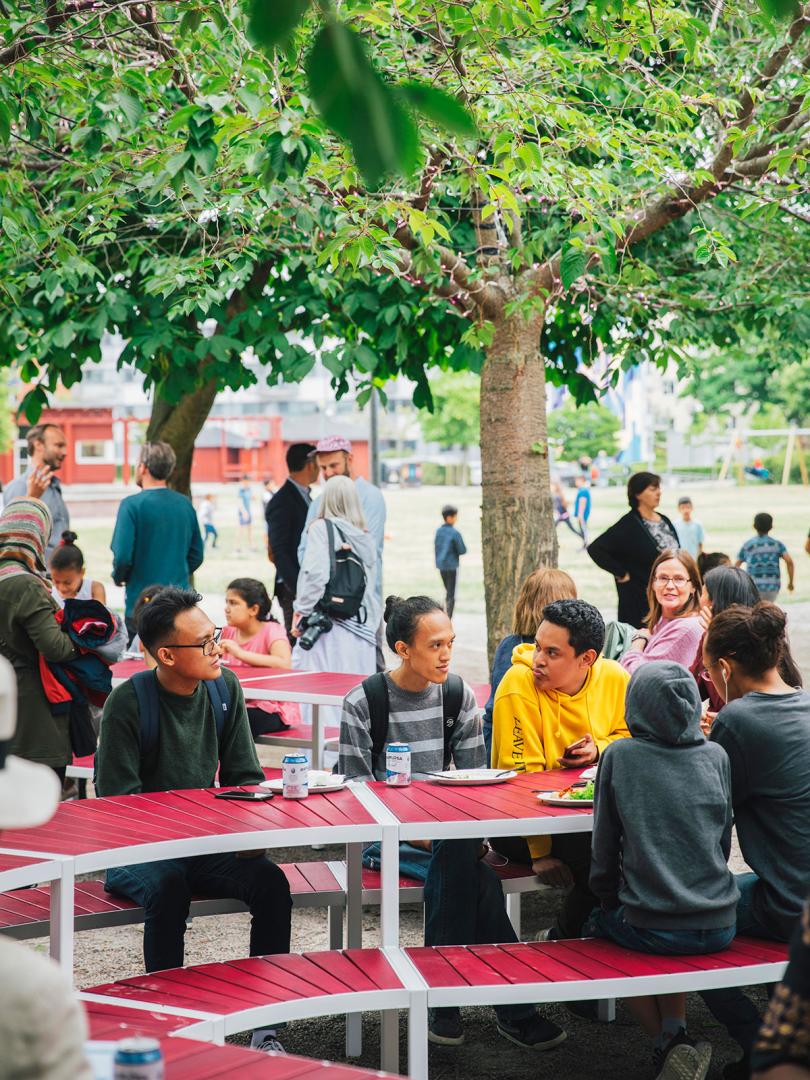
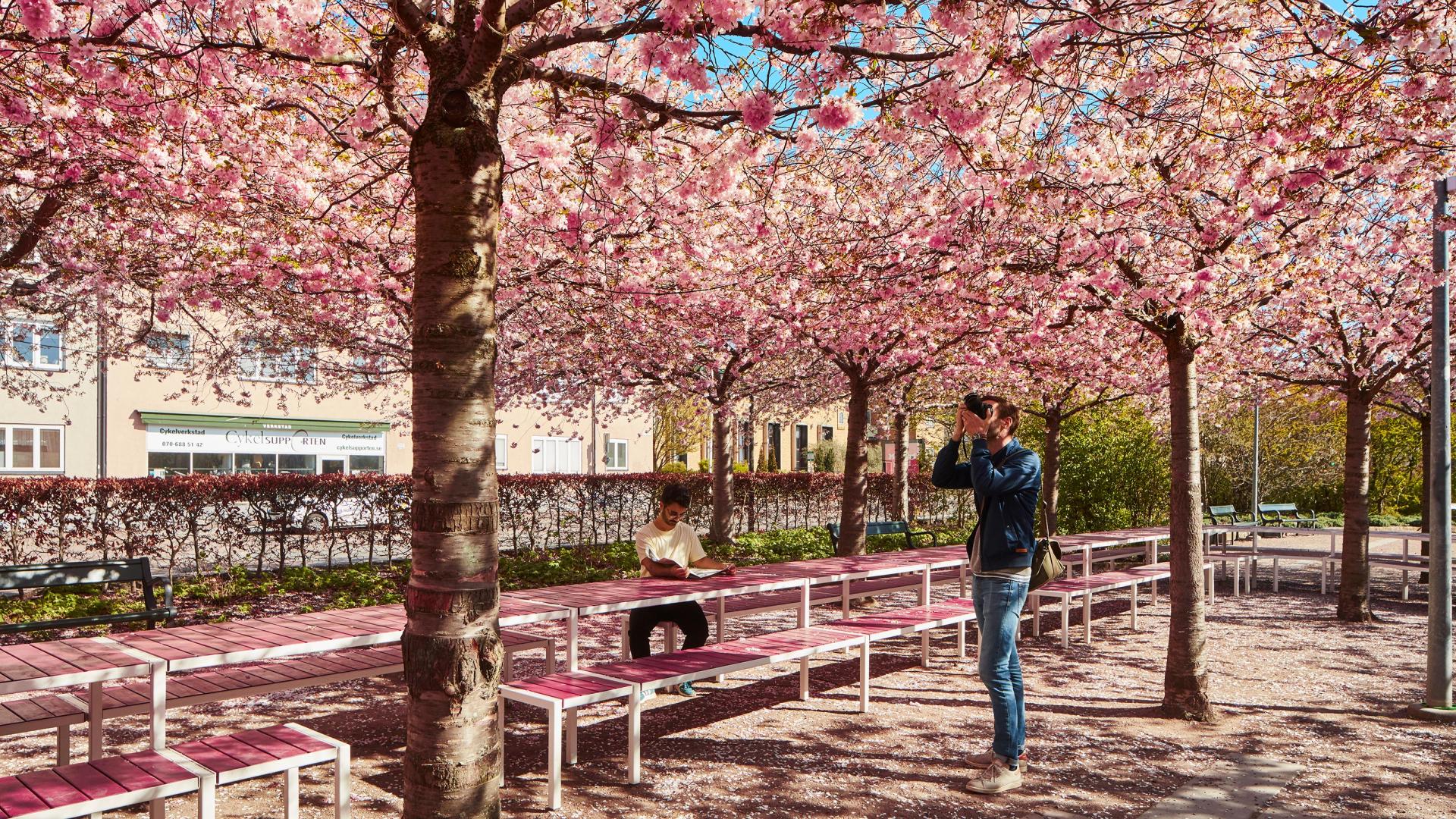
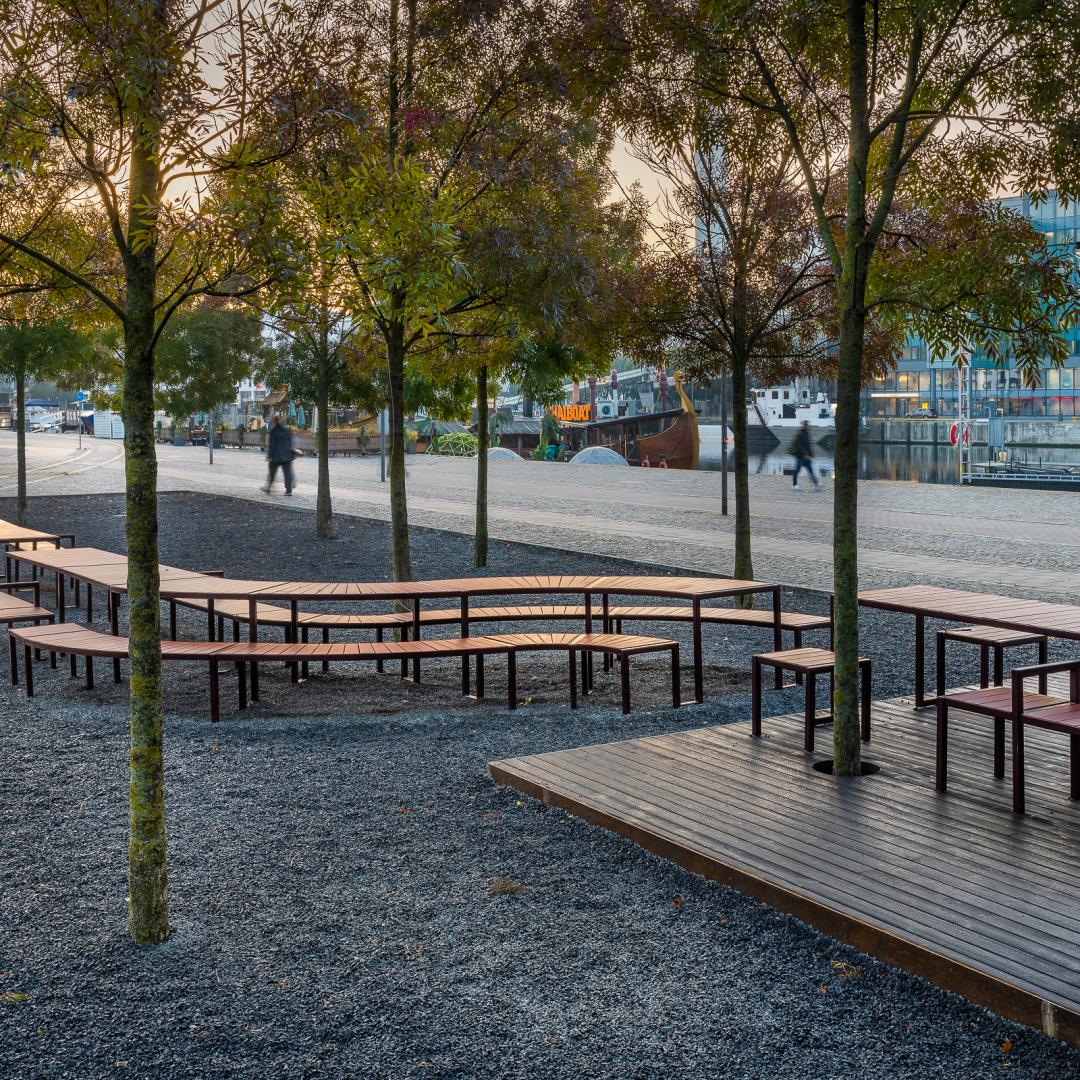
At Furutorpsplatsen in central Helsingborg, a long table sneaks its way between cherry trees. It is a social piece of furniture, created to combat social issues in the southern district. Today, it is a democratic meeting place where everyone has space. Where you are brought together with your neighborhood and spontaneously gather with neighbors and visitors for play, parties, flea markets, study and more. Through playfulness and interactivity, a reason is given to linger and to meet.
Project Region
EU Programme or fund
Description of the project
Summary
In 2016, the Police Authority’s safety survey showed that the southern district of Helsingborg was one of the country’s most unsafe areas. And Furutorpsplatsen was identified as particularly unsafe with a history of crime and drug dealing. The city developed an action plan and called for an open competition to create a temporary social installation to enhance safety in the socially deprived area.
The design process began with on-site intercept interviews with residents to form an idea of what changes they wanted to see in the area. The interviews were also important for gaining a deeper understanding of Furutorpsplatsen. The interviews were followed by a workshop with the City, invited residents and the local Kulturhotellet. Subsequently, the inspiration for a long table was born.
In close collaboration with Nola Industrier and the artist Ebba Matz, the long table was developed and designed. We got the idea for a long table because we wanted to create a design that all people can relate to, something with a familiar symbolic value. Creating a space for spontaneous meetings was a priority as well as accessibility and functionality. The aim was also to increase the attractiveness of the environment and let the table to interact with the space itself.
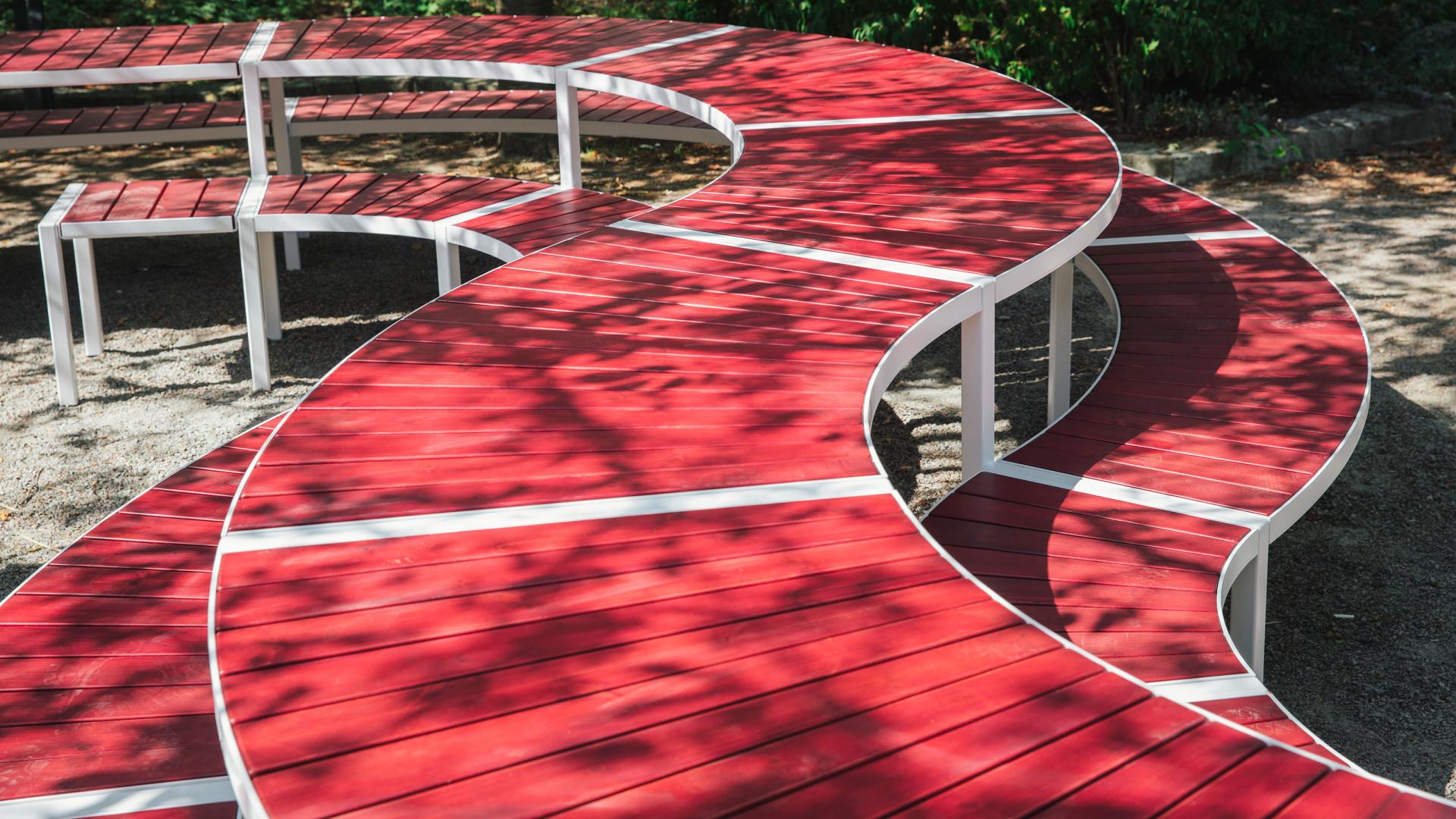
The distinct, winding S-shape was an idea derived from the residents. S stands for Southern district and the residents identify strongly with living in the southern part of the city and are proud of how the table literally stamps a big S on the local map. This design features make the table very inclusive, attracting people throughout the day.
Key objectives for sustainability
The goal was to redesign a public place, make it safer and socially sustainable by installing a contemporary meeting place, turning it into an inclusive democratic space for everyone to enjoy. At Furutorpsplatsen we have moved the table out of the private sphere into the public one and given it a new meaning when neighbors can have their dinner or a cup of coffee side by side.
Through playfulness and interactivity, a reason is given to linger and meet. Casual and unexpected encounters and conversations that occur around the table help to create togetherness and safety. Instead of dividing the table into isolated islands, the table winds its way through the trees allowing several groups to use it at the same time for different activities, such as picnics, board games, flea markets, studying and much more. At the table you are brought together with your neighborhood.
The long table was intended as a temporary installation but lives on to this day. If you create beautiful designs that people love and enjoy, you want to keep and cherish it, not demolish, vandalise or replace. That is sustainability.
Key objectives for aesthetics and quality
The long table was originally conceived as a temporary design, but it still lives on today, which is the ultimate proof of its success. A proof that it is possible to make areas safer with attractive designs that entice people to linger and make people feel comfortable for a long time.
Unlike individual tables and park benches, the design features of the long table provide ways to invite the residents to socialise beyond imaginary borders.
Key objectives for inclusion
Accessibility and functionality were high priorities to ensure an inclusive space. A table is also an artefact that all people can relate to. To make room for all ages and abilities, making it possible to take a seat and participate in activities and conversations, openings were created in the long benches that flank both sides of the table. Thus, the table could accommodate prams, wheelchairs and walkers.
Results in relation to category
A report by Spacescape, commissioned by ArkDes Think Tank, shows that the long table has contributed to an increase in perceived safety at Furutorpsplatsen.
Karin Lundgren, urban planner at Spacescape and co-author of the report, has conducted observations and site interviews with visitors, residents and project owners. She says that visitors have specifically mentioned the long table and that it has helped to get more people moving around the site.
The City of Helsingborg said that more mixed groups are coming there now, seeing it as a place where you can go and have dinner outside, meet friends and acquaintances from the neighborhood. Both the residents and the City interviewd at the site confirm that the gangs that used to hang around at the site have moved away.
How Citizens benefit
When designing public spaces, and combatting exclusion and segregation, it’s a lot about finding features that can activate locations and attract people throughout the day. To succeed in that, you have to understand the context of the place. And it can’t be done without including the residents.
When developing the long table, the residents were involved early in the design process. This was important to get deeper understanding of Furutorpsplatsen. Through the interviews we were able to form an idea of how the residents experienced the place and what changes they wanted to see. The interviews were followed up by workshops with The City, invited residents and the local Kulturhotellet.
The idea of the S-shaped table came from the residents. The S stands for Southern district and the residents identify strongly with living in the southern part of the city and are proud of how the table literally stamps a big S on the local map.
Innovative character
The project shows how it’s possible to activate unused and unsafe places, turning them into democratic meeting places, with relatively small funds and socially sustainable architecture that involves the end users in the design process.