Trudo Vertical Forest
Basic information
Project Title
Full project title
Category
Project Description
The Trudo Vertical Forest is the latest example of a vertical forest applied to social housing for the first time, by Stefano Boeri Architetti. The Vertical Forests are new urban ecological devices, designed to face the great challenges of a global environmental crisis and sustainable urban growth, promoting the creation of complex urban ecosystems and the coexistence of architecture and nature. Trudo is a new generation of buildings designed to set new living standards for affordability.
Project Region
EU Programme or fund
Description of the project
Summary
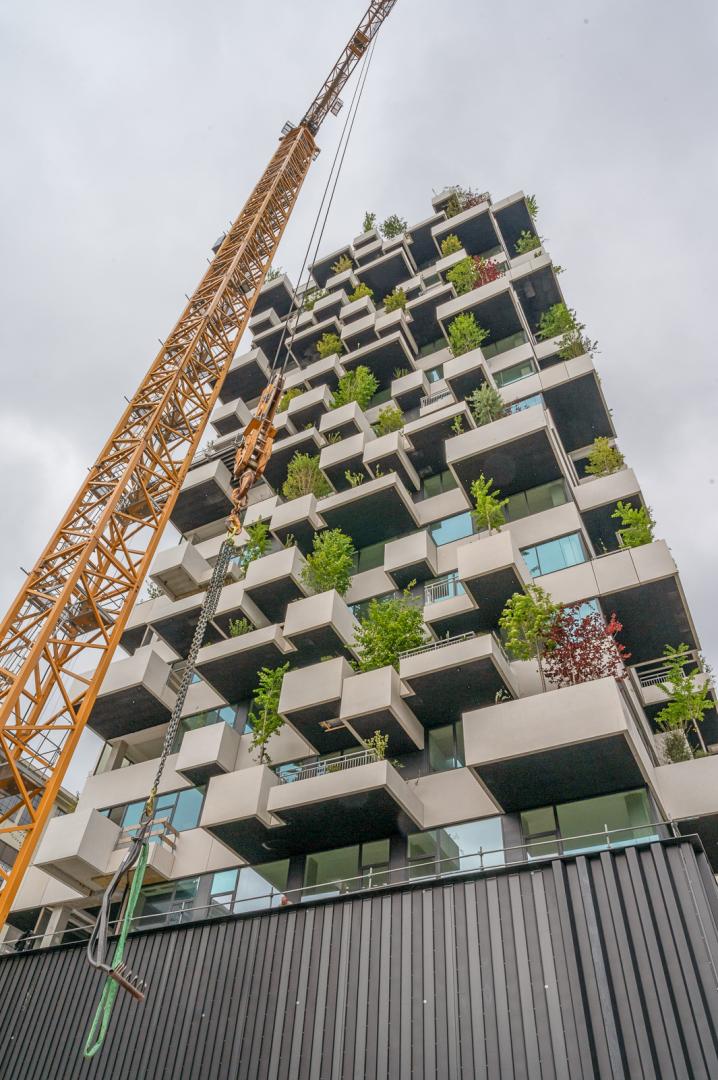
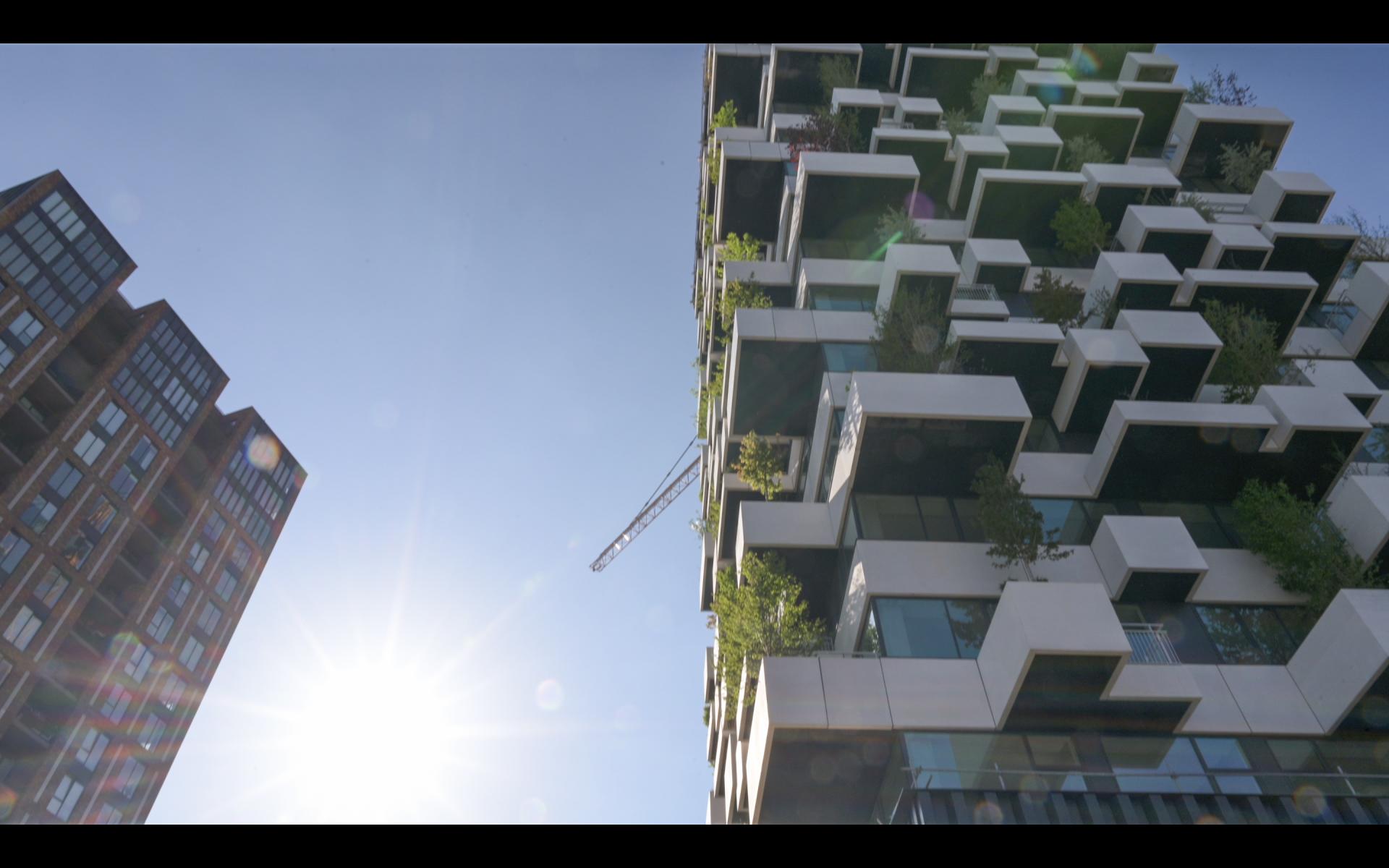
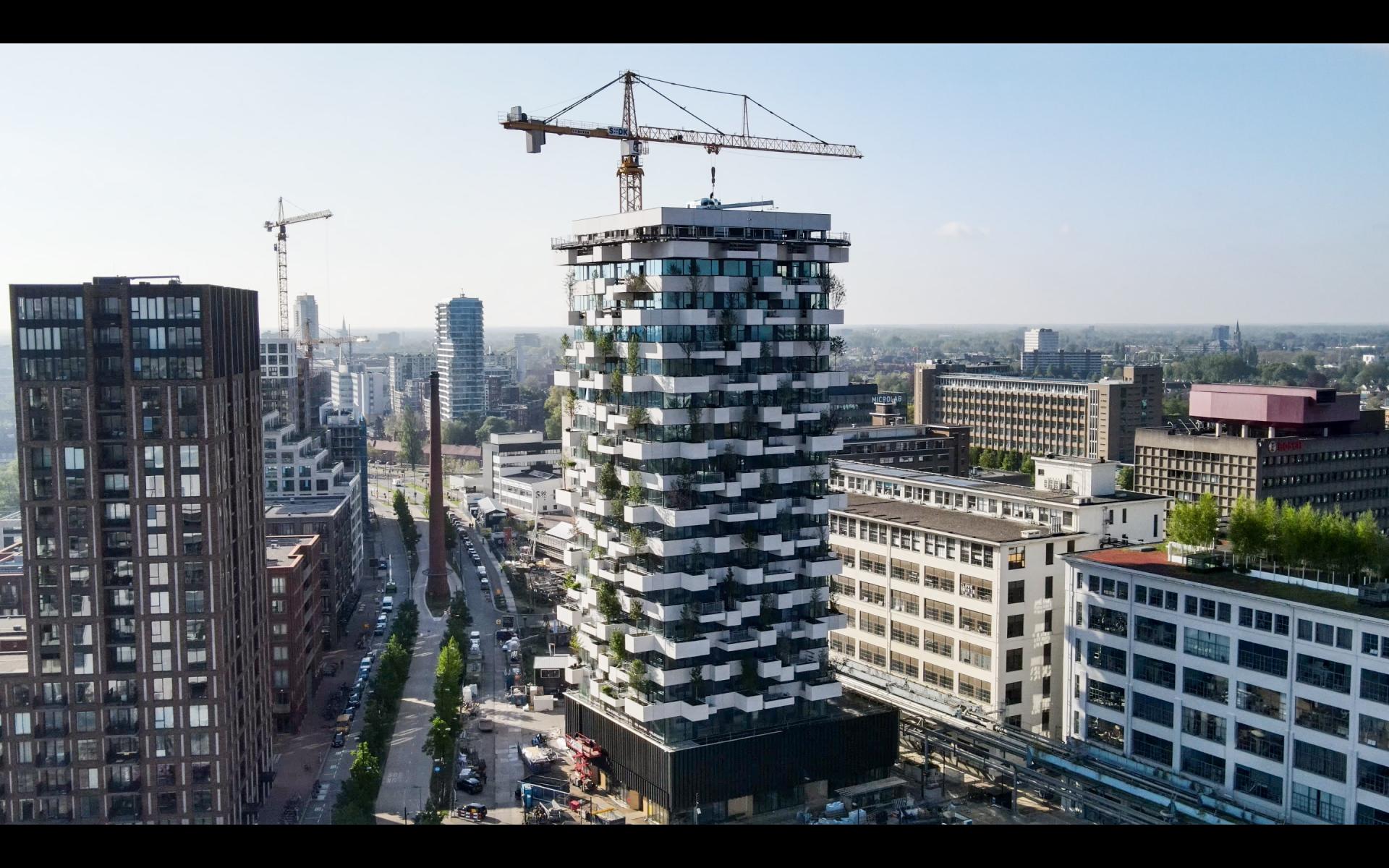
The Trudo Vertical Forest is a new 75-meter high skyscraper, located in Eindhoven, the Netherlands, whose facades are home to 125 trees, 5,200 shrubs, and plants. It is a sustainable yet affordable residential building that has been developed using the prefabrication method, with precast hanging terraces that are specifically designed and engineered to host trees and plants. Trudo is a model of vertical densification within the city that operates in relation to global urban agendas to reduce the urban sprawl, favouring higher densities while improving the urban biodiversity by promoting the coexistence and interdependency of flora, fauna, humans, and architecture. It helps to set up a new urban ecosystem where different kinds of plant species can create a new hotspot for different birds and pollinating insects to settle, thus becoming a magnet and a symbol of the spontaneous re-colonization of the city by animal life and vegetation. Trees provide many ecosystem services to be used in improving the resilience of cities: once grown-up, the large amount of vegetation that will extend over the building’s floors will allow a significant reduction in temperature on its façades, providing considerable overall energy savings. The water system is conceived as circular: rainwater is collected and stored in a tank underneath the building and reused for irrigation. New standards of living are provided in this project and optimized using the natural benefits of nature to address all future environmental urgencies as well as social needs, health, and wellbeing demand. It’s indisputable that trees and plants represent today the key element to change the urban environment of the city: trees can sequester a huge amount of particulate matter and absorb CO2 through photosynthesis. Trudo Vertical Forest is part of a larger strategy to support NBS and urban forestry within cities and the creation of a stronger and healthier green infrastructure.
Key objectives for sustainability
Scientific studies attribute about 70% of the world’s greenhouse gases to activities undertaken in an urban area or the activities necessary to maintain them. In order to fight the current climate crisis, we must work on cities and there is often one tool that is overlooked: trees. With proper targeting, planting trees can be cost-effective just as other strategies. Urban and peri-urban forests represent the backbone of the green infrastructure, and thus they can ameliorate the city’s environmental footprint and impact. The Trudo Vertical Forest is designed to be an urban device that a city can adopt in an urban forestry plan to mitigate the effects of climate change and still give an answer to housing demand avoiding as much as possible soil consumption and degradation. Trudo is helping the City of Eindhoven to become more resilient, and favor the survival of living species by reducing the heat island effect (UHI) around the building’s area, increasing the city tree canopy cover, fostering psychological well-being for its inhabitants and for the neighborhood citizens. Trudo Vertical Forest - like the first prototype of Vertical Forest built in Milan – is a forerunner of the habitat of the future, in which living nature and the city find a new alliance and balance, which is reflected in a paradigm shift in favor of biodiversity. Stefano Boeri Architetti presents the Trudo Tower as a new prototype of co-existence between architecture and nature with an eye towards environmental, social, and economical issues. Trudo does not work just on changing the city landscape but takes into account the need for trees and plants for each apartment, thus including into the building sector - and specifically into the social housing living standards - a new fundamental necessity: the need for a minimum outdoor space of 4 sqm and at least 1 tree for each apartment.
Key objectives for aesthetics and quality
The natural capital of trees and plants doesn't end with their physiological mechanisms. Trees produce, directly and indirectly, other precious values for people: they induce positive effects on physical and mental health. These effects are often overlooked by the architecture, engineering, and construction sector because they don’t fit in the current traditional economic market and environmental evaluation criteria, even though they represent some of the most precious values for our physical and psychological well-being. Stefano Boeri Architetti has instead built its design ethics around the high evaluability of the aesthetic of sustainability which is often overlooked especially when it comes to social housing. From inside, the apartments offer their inhabitants a special experience of their terraces, which are pleasantly shaded by luxuriant tree canopies, and a “green-filtered view” to the city, in addition to an enhanced feeling of privacy. The envelope of the project is an active interface to the environment, with a special architectural quality. The dynamism of plant life is also expressed in the combination of forms and colors that derives from the carefully selected distribution of different species and specimens, which changes over the seasons and the years. The height of the floors and the balconies are specifically designed to host the trees in their maximum growth. That means creating an architecture that is conceived together with nature itself. Furthermore, it has a great educational value for its inhabitants: to learn to live with plants and trees means respecting their needs and observing their own peculiar way of communicating and growing. All the plants take root in containers located on the external side of deep cantilevered prefabricated terraces. Acting as an extension of the exterior envelope of the tower, the plants allow its inhabitants to experience the beauty of nature and the city from an unprecedented perspective.
Key objectives for inclusion
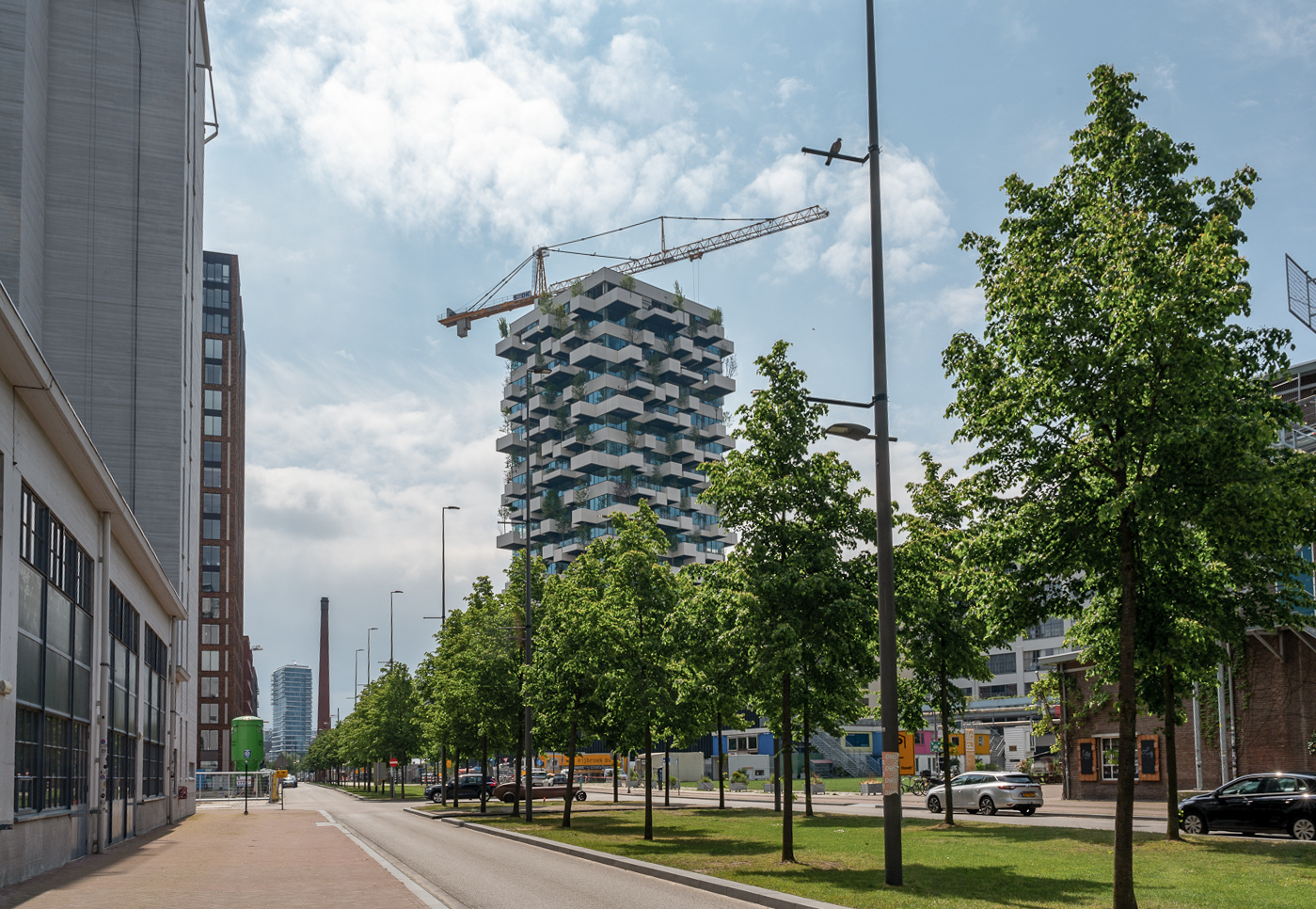
Trudo Vertical Forest is a vertical catalyzer of urban intensity (the building responds to different functions: a huge bicycle parking station, an office, several leisure spaces for its inhabitants, other facilities located at the ground level), landscape diversity (mix of trees, and plants species in each balcony), and it functions as a new model of affordable housing within a building. Trudo Vertical Forest is part of the urban renewal plan for “Strijp-S”, a reuse and new development for an old Philips Industries in Eindhoven. One of the key goals of the corporation in charge of the renewal of the area was to maintain the industrial atmosphere of the complex, mixing the creative industry with lively functions of gastronomy, bars, culture, and housing. In this context, the Trudo Vertical Forest was an experimental new concept for Social Housing, where nature is integrated into the design, a new form of inclusion for the plant world into the construction industry. The Trudo Vertical Forest is intended to mainly accommodate low-income users, in particular young couples, through a system of rent-controlled apartments with high living quality standards on its 19 floors. The rent-controlled system allows, through a series of interviews, to identify the individuals who are willing to be part of a community interested in the plant world and their maintenance. The maintenance is entrusted by a private company but several courses are held for the Trudo’s inhabitants in order to let them learn how to respectfully take care of plants and trees. Trudo Vertical Forest tower’s internal layout offers a series of flexible and accessible spaces, in relationship with the city's contemporary lifestyle. Thanks to the large internal height, each apartment has wide windows overlooking the urban landscape of the Strijp-S and the vegetation of its terraces.
Results in relation to category
The Trudo Vertical Forest, in Eindhoven, is a social housing project that has been designed to create new living standards in which natural living beings are fully integrated. Thanks to the use of prefabrication, the rationalization of technical solutions for the facade, and the consequent optimization of resources, Trudo is at the forefront to set new living standards in social housing, where trees, shrubs - and the biodiversity that comes with it - for the first time are meant to be fully included as fundamental assets in affordable housing. The costs of the building have been reduced thanks to the prefabrication and the Value Engineering principles that allowed the clients to achieve the same aesthetically appealing results with a substantial reduction of costs through a careful material selection, done during the design process. Moreover, the design of the cantilever terraces and the facades have been specifically designed to reduce the costs through the use of modularity in their components. The size of the integrated pots for the trees and the plants were calibrated to ensure the appropriate conditions for the plants and trees’ good health while also considering their growth and their specific water demand according to the species. The goal of the Trudo Vertical Forest was to achieve a tangible psychological impact on urban dwellers thanks to the provisioning of an aesthetically pleasing building and at the same time respecting the history of its surroundings. The green facades of the building are providing not only a relief from the monotony of concrete and steel, but they provide an impactful relief from the urban heat island effect. As already said, designing with nature also means creating attractive habitats for insects, birds, and small animals. The presence of other living organisms is considered to be one of the goals of the project.
How Citizens benefit
The social value of the intervention must also be measured in terms of urban impact and, in a broader sense, in the global scenario of cultural and symbolic values and visions linked to the architectural project. The Trudo Vertical Forest will be able to generate a new green habitat within the Eindhoven metropolitan environment for the development of biodiversity, a genuine ecosystem is driven by the presence of over 70 different plant species able to combat pollution thanks to the ability of plants to collect and remove particulate matter on their leaves, their ability to absorb CO2, and last but not least to reduce the temperature on the facades, thus reducing the overall energy consumption of the building. The aesthetics of the vertical forest allows everyone to genuinely enjoy the presence of vegetation on the facades allowing the urban dwellers to perceive the beauty of living nature from a vertical perspective. Using plants and trees in an urban environment is a clear statement to show municipalities a possible path to follow: the transformation of grey urban surfaces into green facades and to prioritize the inclusion of other living species in their infrastructure by the building sector. We need to acknowledge that nature is part of the solution, but also that these solutions, such as urban forestry, or the Nature-based Solutions, come with a cost that cannot be estimated in the traditional market and growth-related economics. The involvement of the citizens has been successfully carried out through several meetings where it has been possible to share the design approach, collect info, data, and suggestions, and finally get feedback that has been used during the design phase.
Innovative character
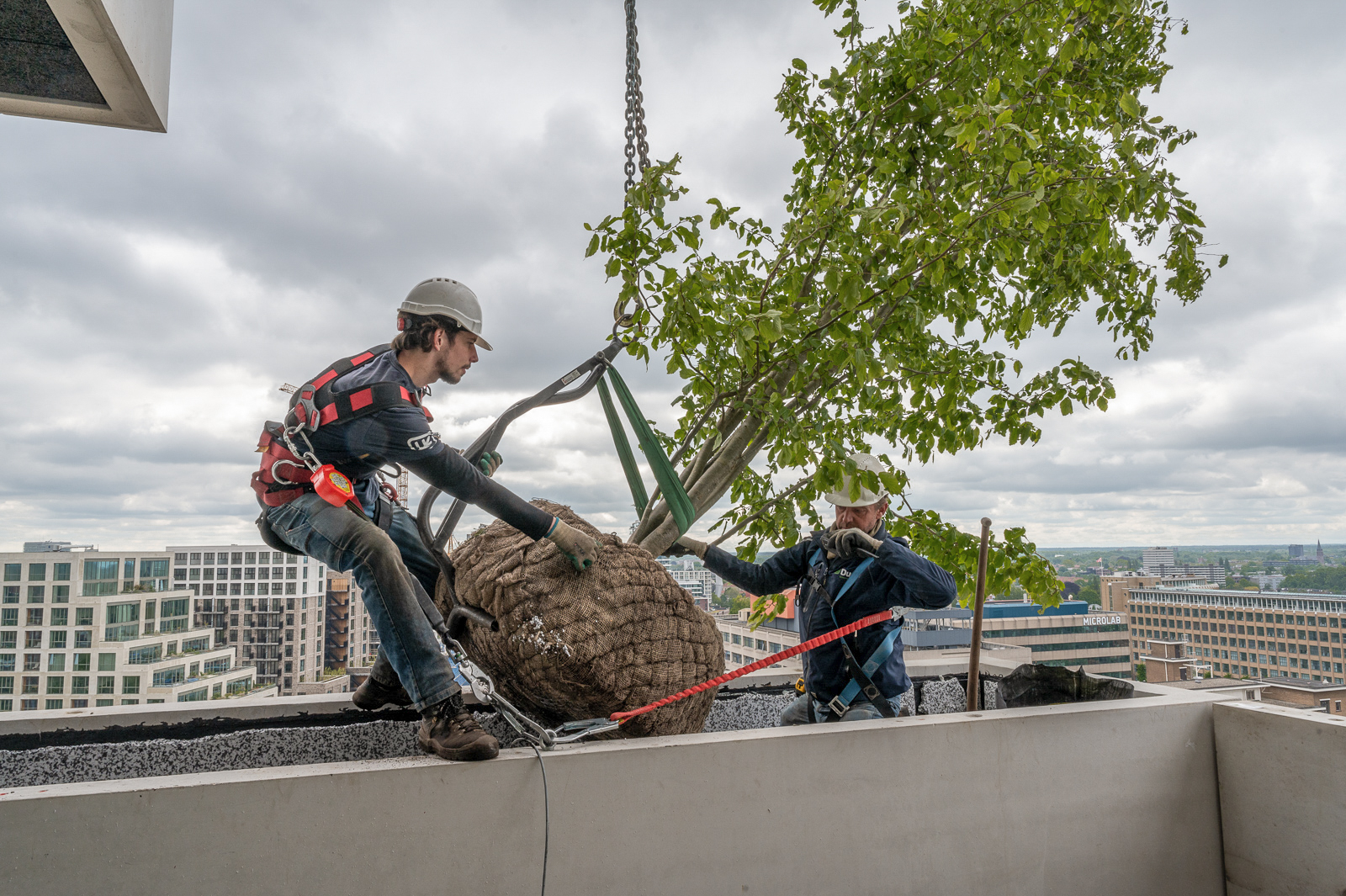
Thanks to prefabrication and the use of modularity, the Trudo Vertical Forest has finally achieved affordability and accessibility for all, thus becoming a useful tool to tackle the effects of climate change and to successfully answer the issue of the housing crisis that is affecting metropolitan areas all over the world. The Vertical Forest is itself one of the tools that can be used to decrease the sprawl of our cities. It creates an alternative urban environment thanks to highly engineered integrated cantilever pots that can collect trees and plants without sacrificing the plant roots’ good health. It allows, through the densification of the urban fabric, to create new and innovative relationships of proximity between nature and the built environment, creating new landscapes and new skylines, while also avoiding soil consumption. But the most innovative aspect comes with the trees: after the botanical classification of the selected trees, the identification of the center of gravity, and the air permeability, several experiments were performed in the so-called “wind tunnel”, a useful tool to understand local wind phenomena around the facades. These tests determined the aerodynamic coefficient of the trees’ real dimensions, confirming the design values applied to the project and the stresses that would be placed on the tree-restraining devices that were necessary to provide stability to the trees in case of strong wind events. Thanks to this new approach, has secured the safety of trees as well as the building’s surrounding areas. All the necessary measures have been carried out in order to make safety the first priority.