INKULT
Basic information
Project Title
Full project title
Category
Project Description
A visit to a cultural heritage site can be a way to experience history through all of our senses. Through fragments and stories we can imagine lives and places long forgotten – we can feel the tide of history. This is not the case for everyone, some people need a helping hand.
Project Region
EU Programme or fund
Description of the project
Summary
Cultural heritage sites offer exceptional values and qualities that should be accessible to all. However, visits to these places do not happen with the same ease for everyone. Much effort has been done in recent years when it comes to adapting museums and cultural heritage sites for people with physical disabilities. Not much has been done, however, to make sites, monuments and landscapes more accessible for people with cognitive and/or intellectual disabilities.
The project Inclusive Cultural Heritage Sites (INKULT, funded by the Swedish governmental agency Vinnova) wishes to close this gap. The project is undertaken in partnership between municipalities, museums and two small companies. The purpose is to use a participatory approach to make cultural heritage sites more accessible for people with cognitive and/or intellectual disabilities. We are developing and testing various tools for participation, engagement and co-creation, to be used by actors who are responsible for managing cultural heritage sites, such as municipalities, non-governmental organizations, museums, etc. The tools should be easy to use for these actors and not require non-regular resources.
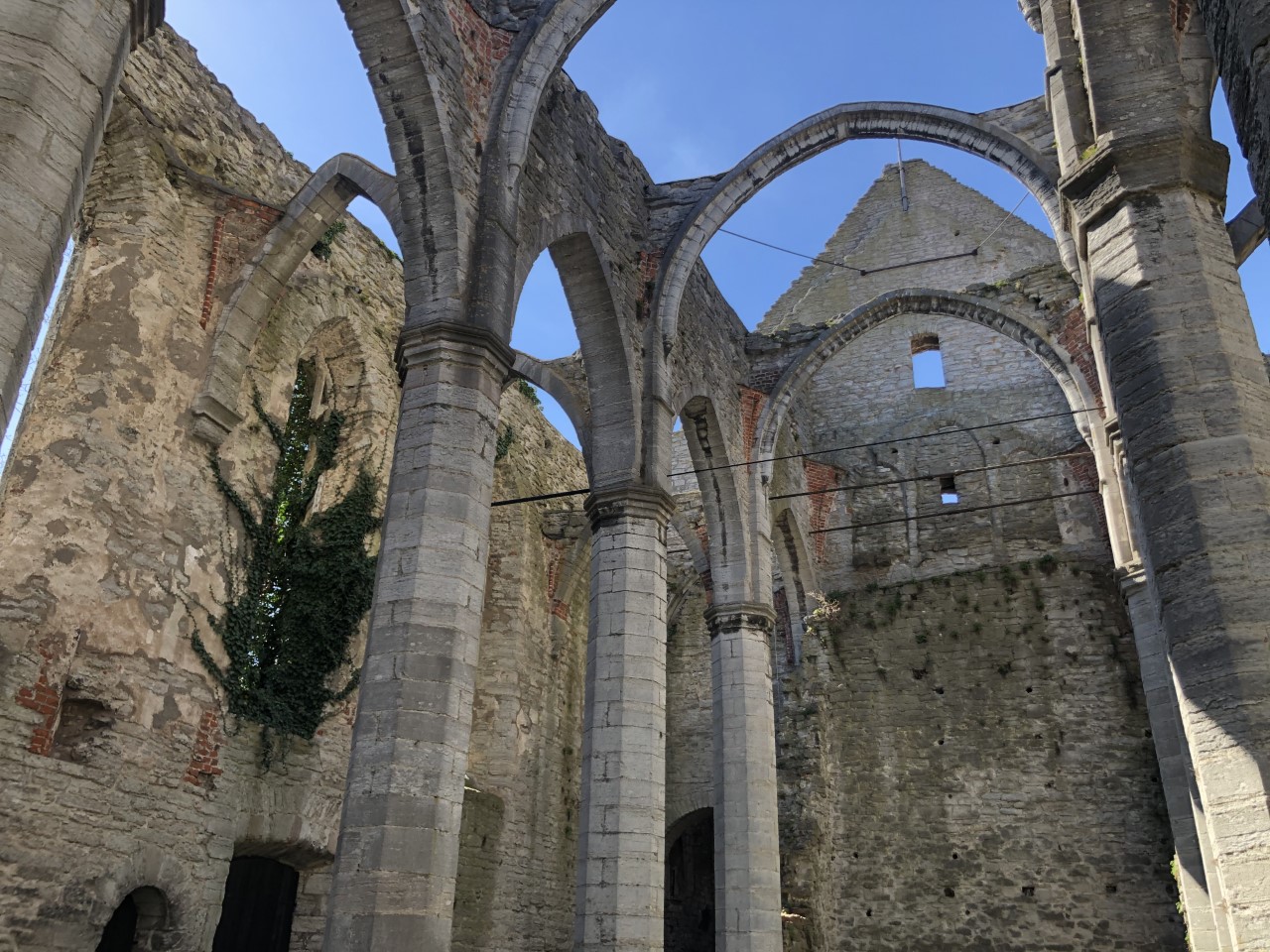
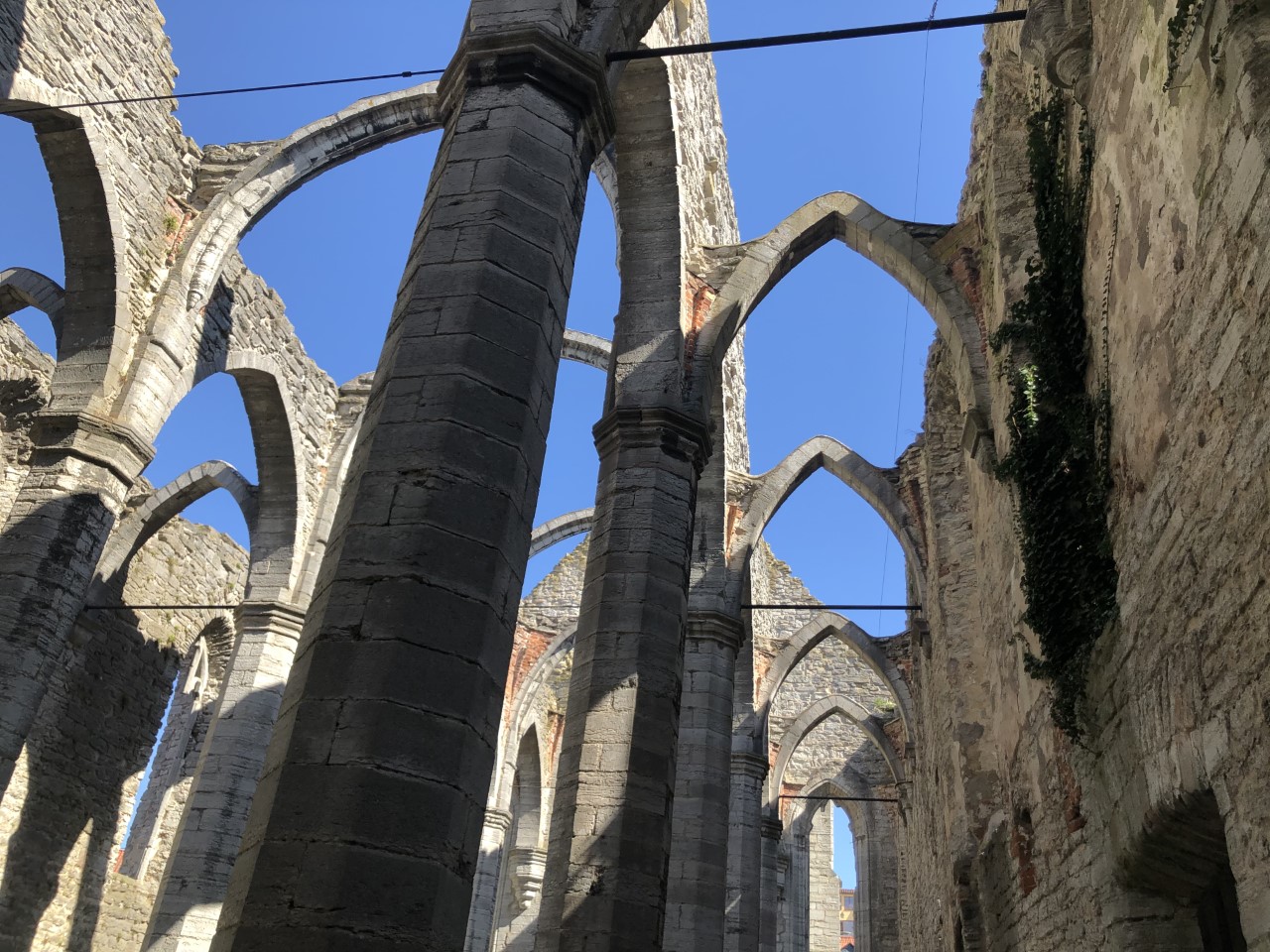
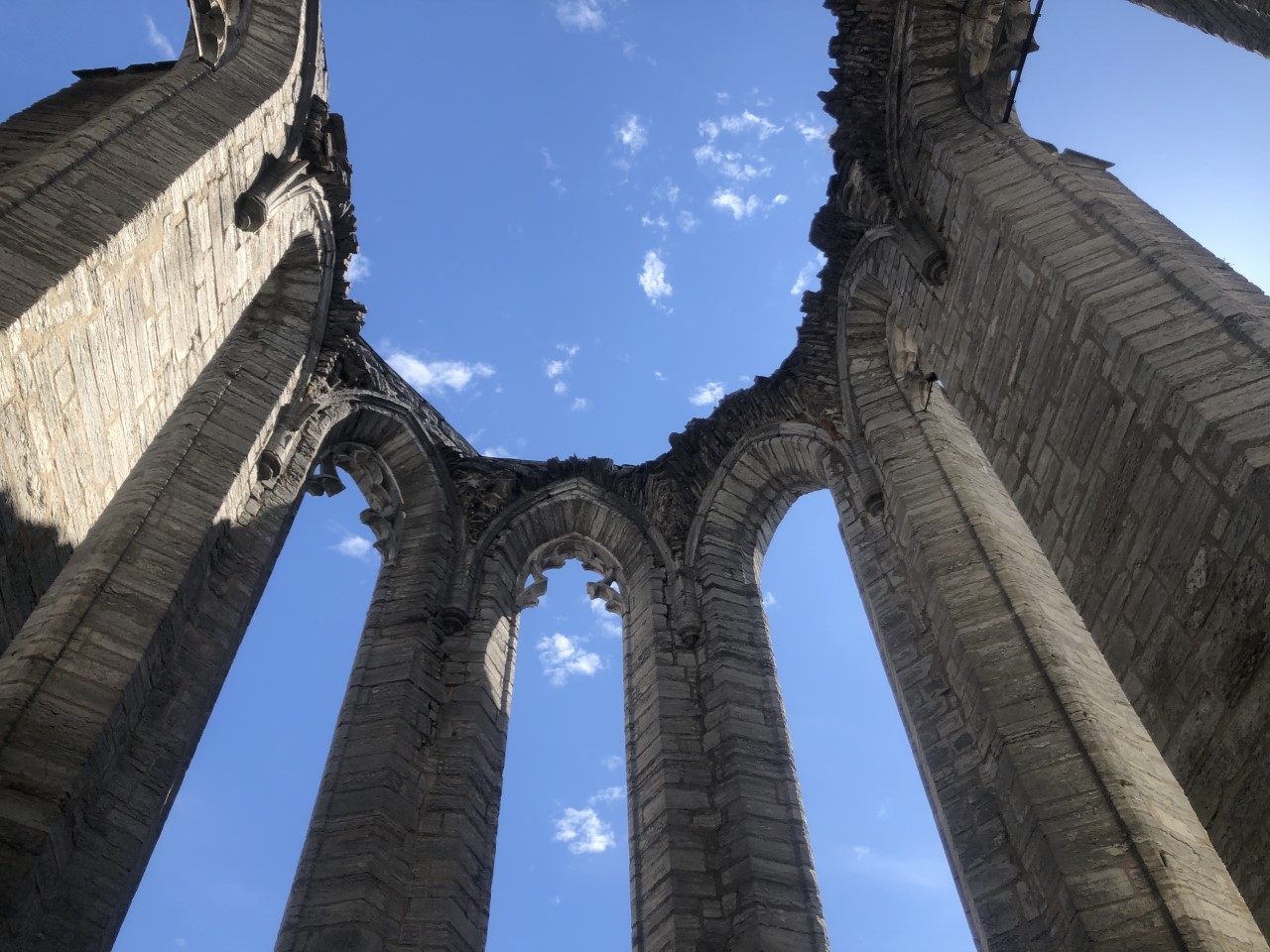
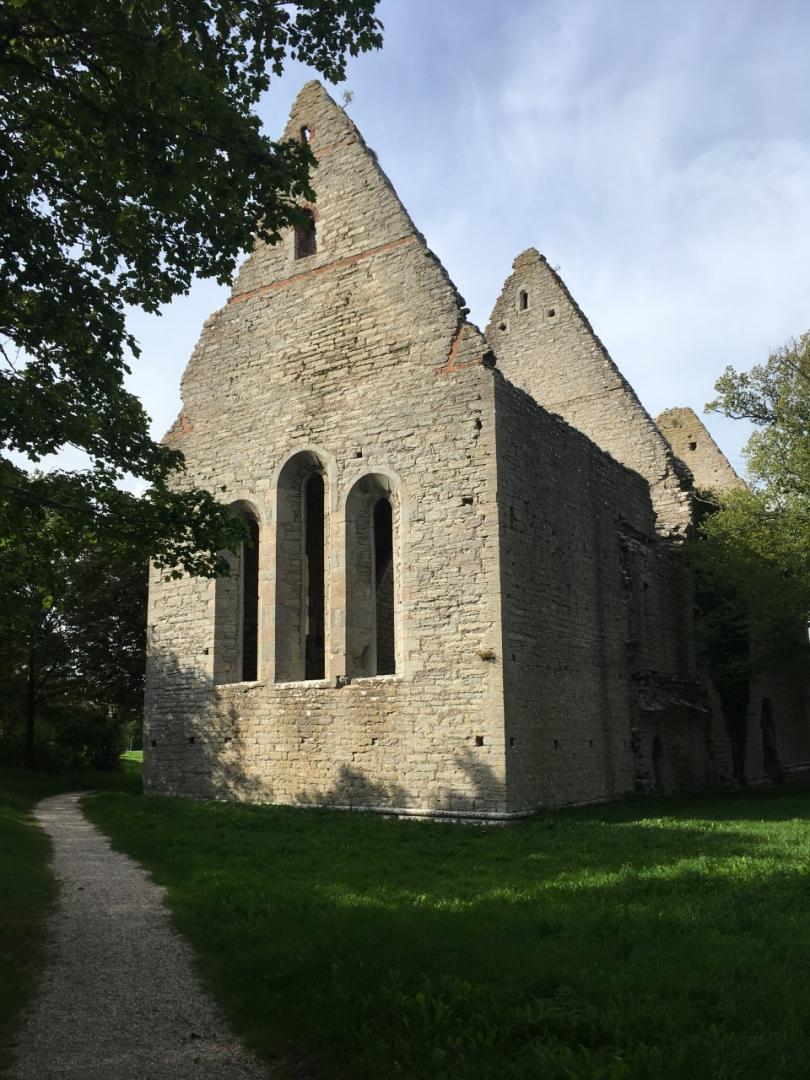
Tests will be performed in three locations in Sweden, together with local cultural heritage actors and user groups. The UNESCO World Heritage City of Visby (Sweden) is one of the test beds in the project, which also forms part of my master thesis in Cultural Heritage and Sustainability (Uppsala University). I will test some of the tools that have been developed in the project together with staff from the Gotland Museum, and a group of people with intellectual disabilities. The tools will be tested in one of the medieval ruins.
Experiences and results will be synthesized in a toolbox from the project. Beyond the project time frame (2021) I hope to see continued local collaboration, further development and testing of the methodology, and follow-up initiatives in Sweden and in Europe
Key objectives for sustainability
“Cultural heritage is not just about preserving our past – it is about shaping our future” (European cultural heritage green paper, Europa Nostra, EIB and ICOMOS, 2021). This is my point of departure for relating cultural heritage to sustainability. In the project I focus mainly on social sustainability in terms of health, accessibility, inclusion and social cohesion, but also economic aspects in relation to sustainable tourism. Through our inclusive method within the project, we aim to empower people with intellectual disabilities in the development of making local cultural heritage sites accessible for all, as well as providing universal access to safe, inclusive and accessible public spaces.
In terms of the UN SDGs, the project contributes to five targets under four different goals, through the following approaches, methods and actions:
- 11.4 Strengthen efforts to protect and safeguard the world’s cultural and natural heritage, through an inclusive approach in the preservation and management of cultural heritage sites.
- 11.7 Universal access to safe, inclusive, and accessible green and public spaces, in particular for women and children, older persons and persons with disabilities, through developing concrete methods and tools for inclusion based on universal design principles.
- 10.2 Empower and promote the social, economic and political inclusion of all, irrespective of age, sex, disability, race, ethnicity, origin, religion, or economic or other status, through implementing participatory and co-creative processes in the design of tools for inclusion.
- 8.9 Devise and implement policies to promote sustainable tourism that creates jobs and promotes local culture and products, through facilitating for people with disabilities to visit cultural heritage sites, which often are exciting destinations, and experience local cultures.
Key objectives for aesthetics and quality
Cultural heritage and historic remnants are integrated in the urban fabric, often implicitly but sometimes heritage sites and buildings are more evident as monuments or public spaces. In the World Heritage City of Visby (Sweden) the ruins of 12 medieval cathedrals contribute to urban quality in a very concrete and distinct way, as outstanding built heritage and as public places in the urban landscape. These places don’t just tell us about the past, with their specific character and atmosphere they also offer tranquil experiences of beauty, mindfulness and well-being, free from disturbing and stressful impressions.
At a general level, I wish to explore how accessibility, inclusion and participation in the cultural environment can be improved. A key objective in the project is to create possibilities for girls, boys, women and men with different cognitive and/or intellectual disabilities to explore the values and experiences of cultural heritage sites. It is equally important to draw cultural heritage professionals’ attention to the specific needs and opportunities of these groups, in the ongoing process of making cultural heritage sites accessible for all.
The idea is to – together with these users - develop tools that can enhance the experience of visiting and staying in a medieval ruin and explore the qualities of the place. Examples of tools are:
· Sensory impression kit: the idea behind this tool is that different individuals can use different senses to explore and experience the place. We are designing a sensory impression kit with different objects, such as recorded medieval music, a small piece of cloth of the type used for monks’ clothing, a small bag with herbs used by medieval doctors, a 3d-printed copy of the cathedral
· Adapted narrative: we introduce the history of the place, and the role it had in the medieval city, in a narrative format which is adapted and adjusted to the abilities and requirements of these users.
Key objectives for inclusion
Everyone has the right to share the values and experiences that cultural heritage sites offer. However, visits to cultural heritage sites and monuments do not happen with the same ease for everyone. There are personal obstacles that make visits more difficult in various ways, not least to get there and to understand the message and experience conveyed in a certain place.
We want to change this, and hence inclusion is foundational for the project, both in terms of access to cultural heritage sites and inclusion in the processes leading to better access. The overall aim is to make cultural heritage sites more accessible for people with cognitive and/or intellectual disabilities. An important objective of the project is also to include people with intellectual disabilities in the process of developing tools for inclusion and access, as well as to highlight their needs to heritage professionals.
People with intellectual and or cognitive disabilities and their relatives often feel marginalized and neglected. Moreover, many people – including cultural heritage actors - do not know how to interact, include, or reach out to people with intellectual disabilities. We work to bridge this gap at a grassroots level, by connecting heritage professionals with people with intellectual disabilities. By including the users in the process of making the heritage site accessible for all we have the possibility to create real agency and spark real interest with the intended users and simultaneously give heritage professionals an opportunity to interact with and learn from the group.
The tools we develop in the project are intended to inspire cultural heritage actors in various ways to remove obstacles so that everyone can share the wonders and experiences of cultural heritage sites.
Innovative character
Much effort has been done in recent years when it comes to adapting museums, libraries and cultural heritage sites for people with physical disabilities, e.g. by using the principles of universal design. Not as much has been done, however, to make cultural heritage sites, monuments and landscapes more accessible for people with cognitive and/or intellectual disabilities. Enhancing access to sites and inclusion in the processes of improving access for these groups is the very essence of the project. The project will also add value by opening for a new field of implementation of universal design principles.
Furthermore, the project is innovative in its intersectional approach. People with disabilities are often defined primarily by their disability, and are thereby often perceived as genderless, while women with disabilities are particularly vulnerable in terms of participation in society. The project works intersectionally by not just categorizing the user groups as people with disabilities, rather we are exploring potential differences in needs and requirements between girls, boys, women and men. We develop and test methods with particular attention to challenges and vulnerability that women and girls experience.
The tools and methods as such are not totally new, rather the innovation lies in the adaptation of methods that the project partners and others have applied in other sectors and streams of urban development, e.g. urban mobility, urban green spaces, community planning processes, UNESCO guides for sustainable tourism, and more. These methods and tools are further developed and adapted for the specific conditions of the cultural heritage sector, regarding authenticity requirements and the richness of the story.