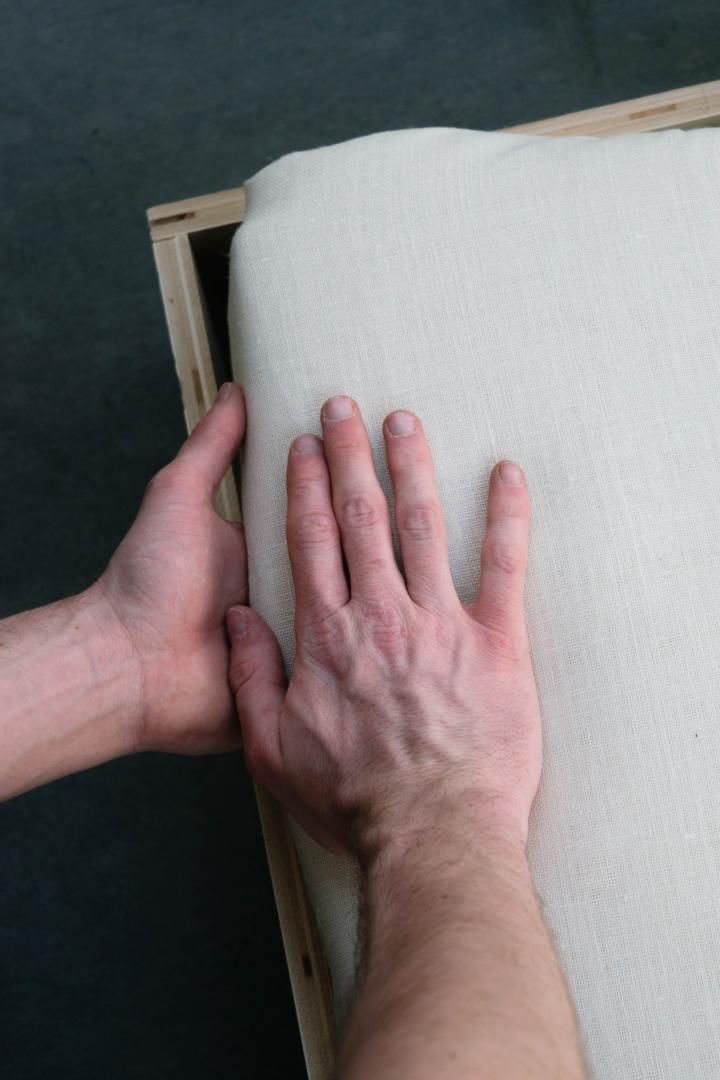
Wool Wall
Basic information
Project Title
Full project title
Category
Project Description
One of the major challenges when reducing domestic energy consumption in housing is the heating system. Therefore, insulation is key.
In France, sheep’s wool is also facing a major crisis. In many cases, this high-quality material is burned or exported due to its expensive cost of treatment. Facing these two problems, the project Wool Wall explores new ways of shaping insulation by proposing a wool panel, adapted for self-construction and interior renovation.
Project Region
EU Programme or fund
Description of the project
Summary
The building industry is facing a major challenge: insulation. Nowadays the heating system has the biggest impact in terms of domestic energetic consumption. In France, about 80% of the sheep wool is either burned or exported to China to be spun. This last option has dropped off since the COVID-19 crisis, therefore, this high-quality material is reduced to industrial waste.
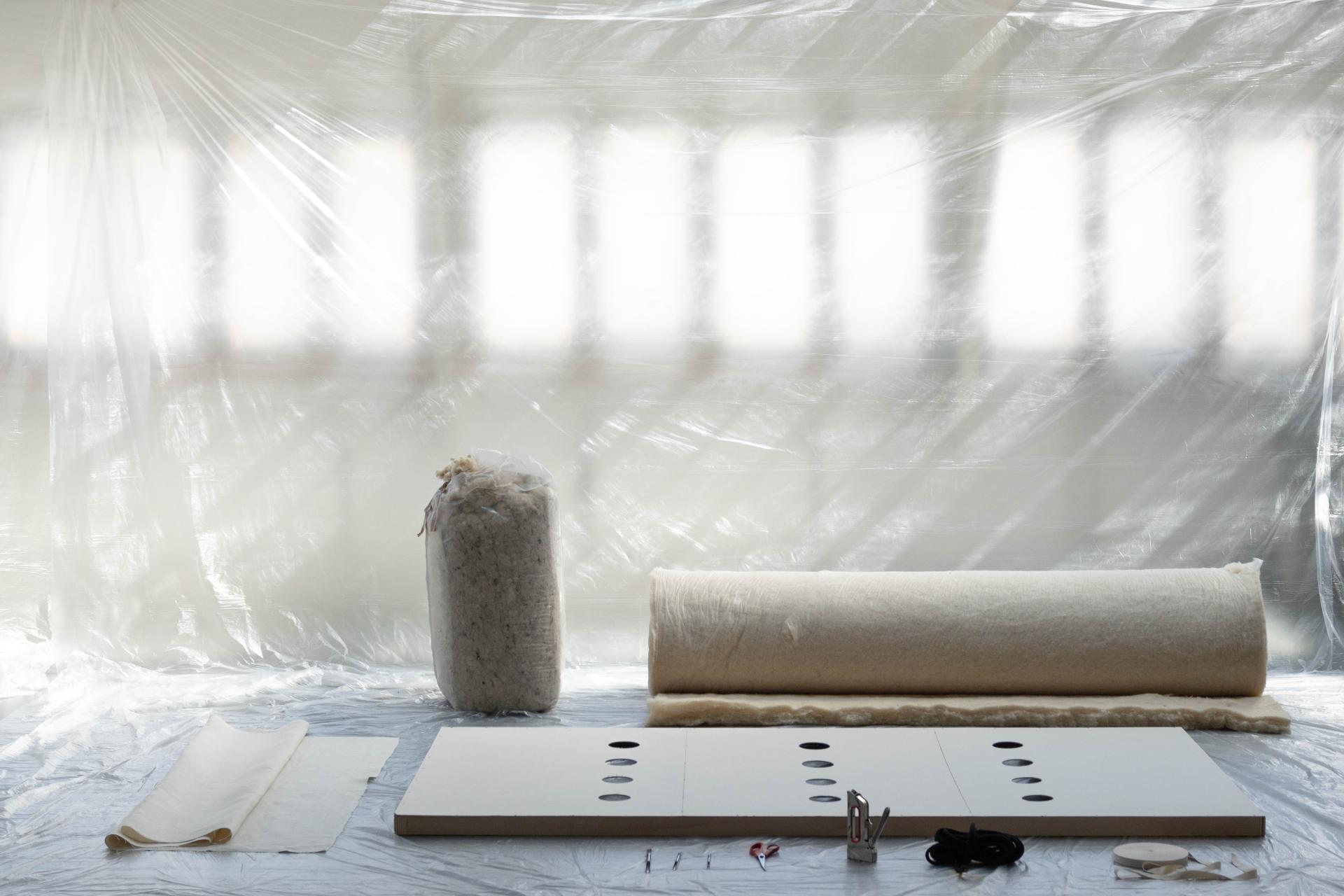
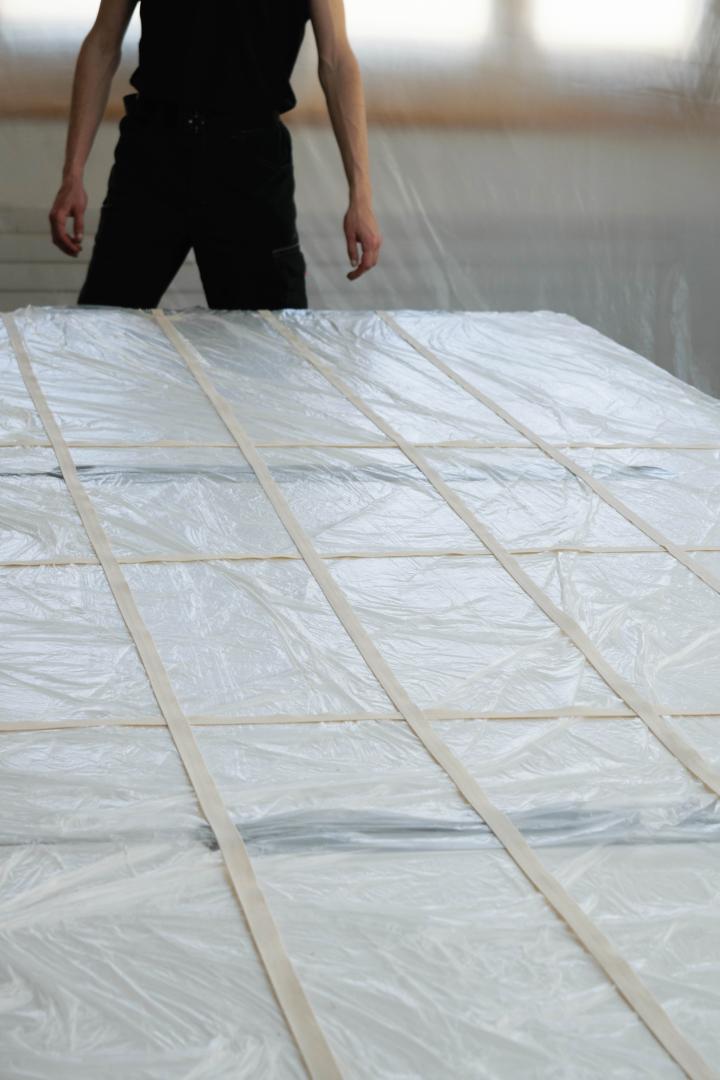
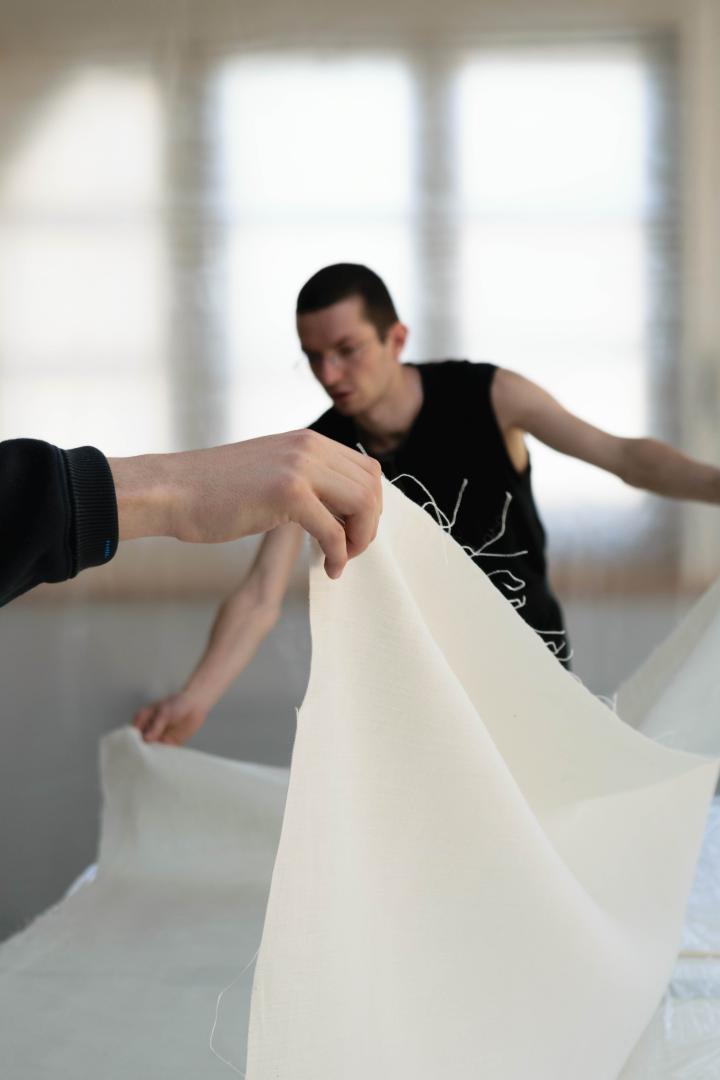
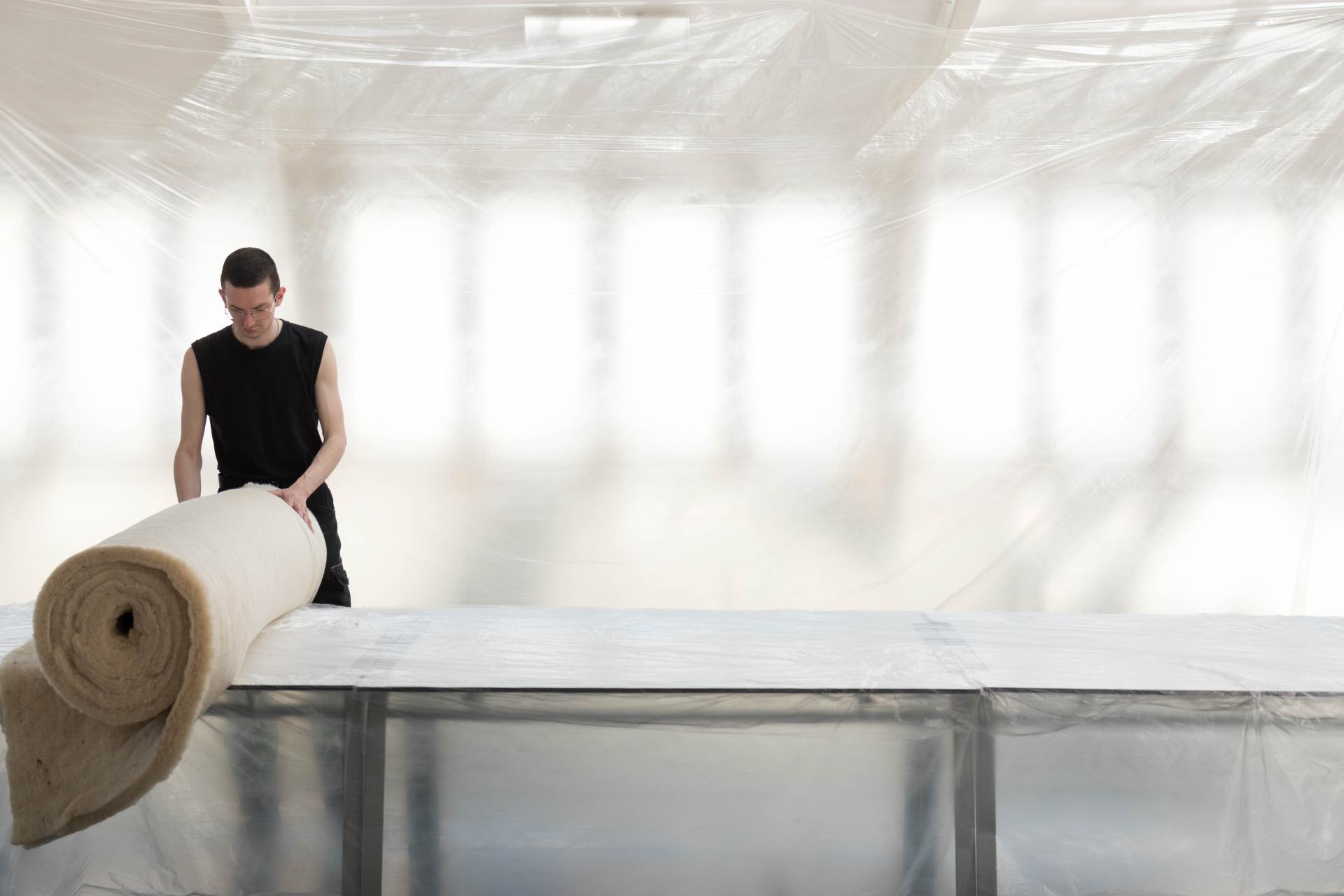
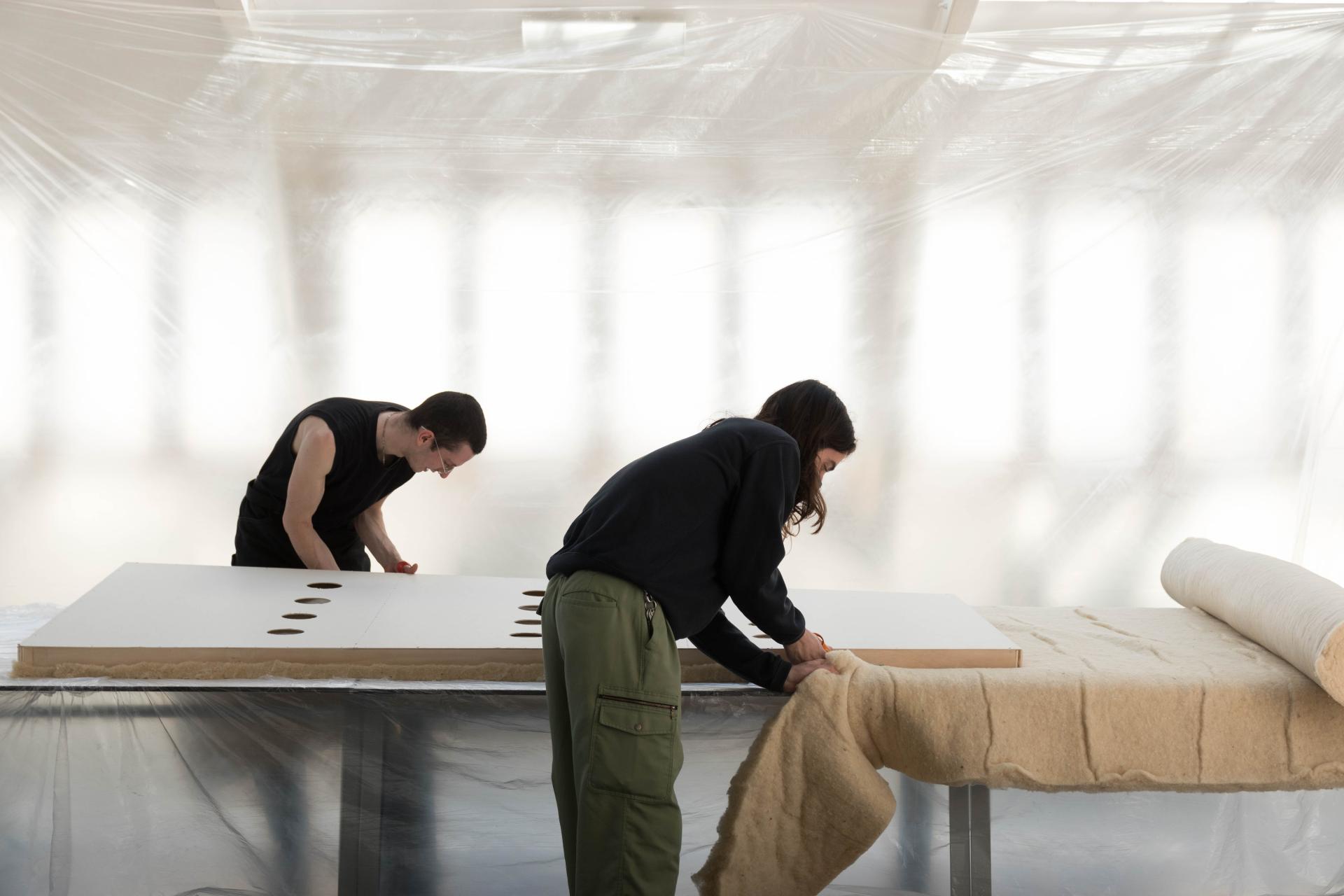
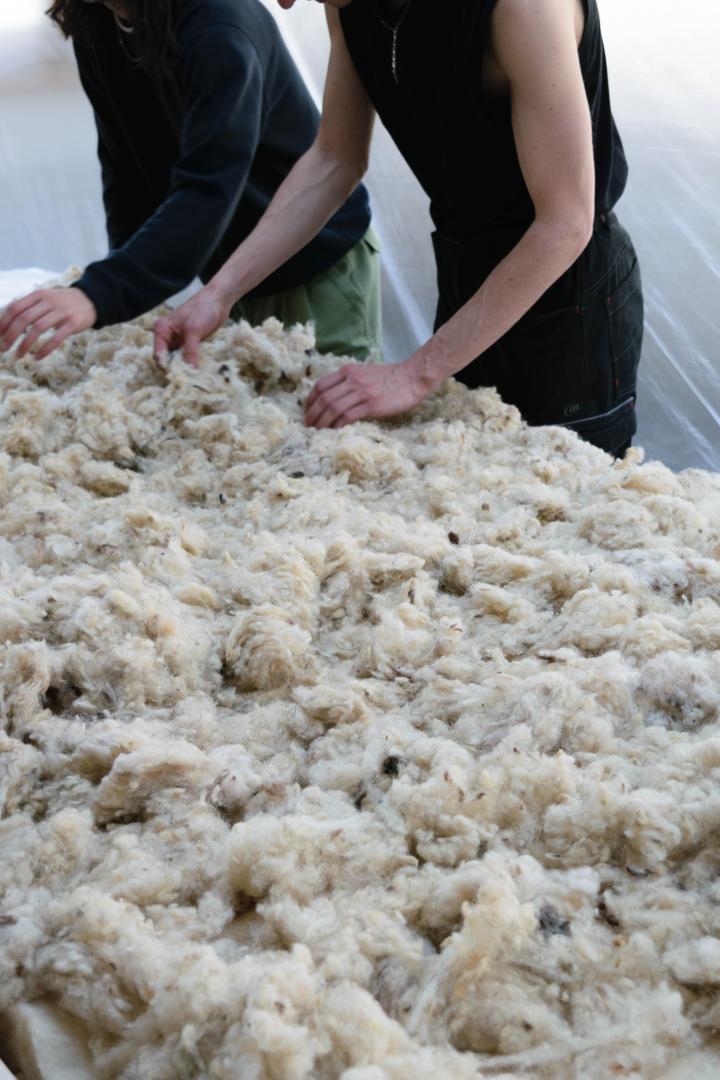
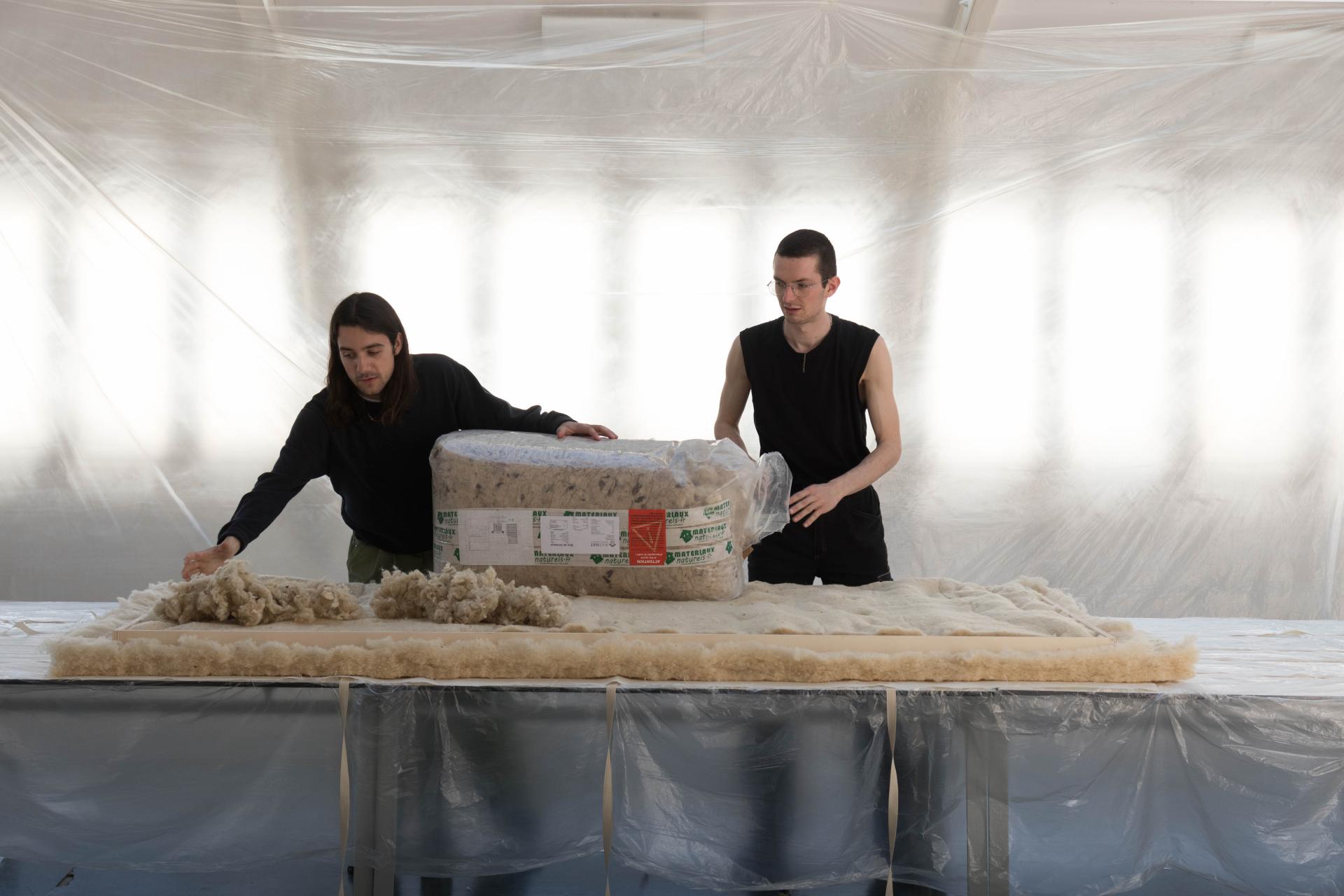
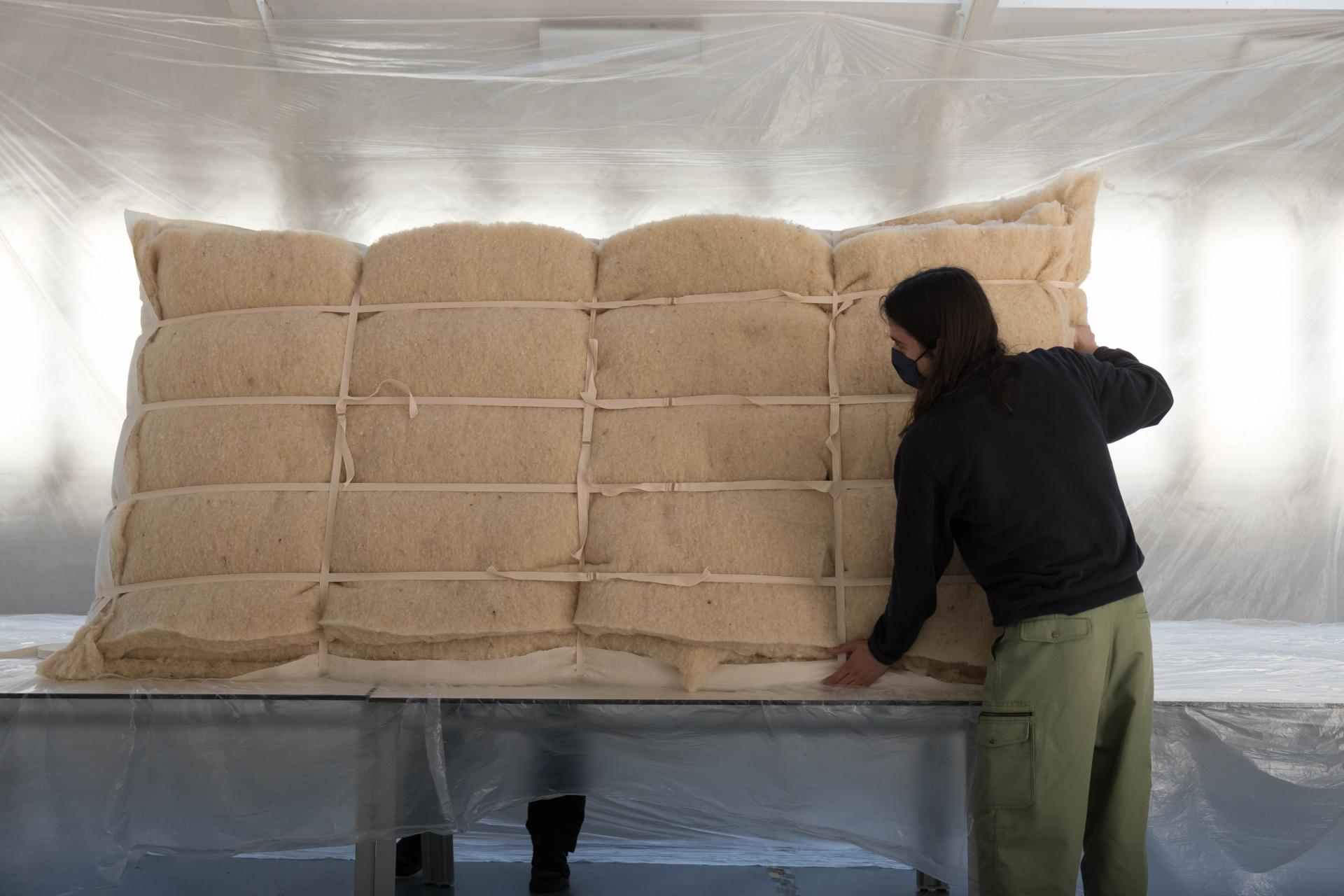
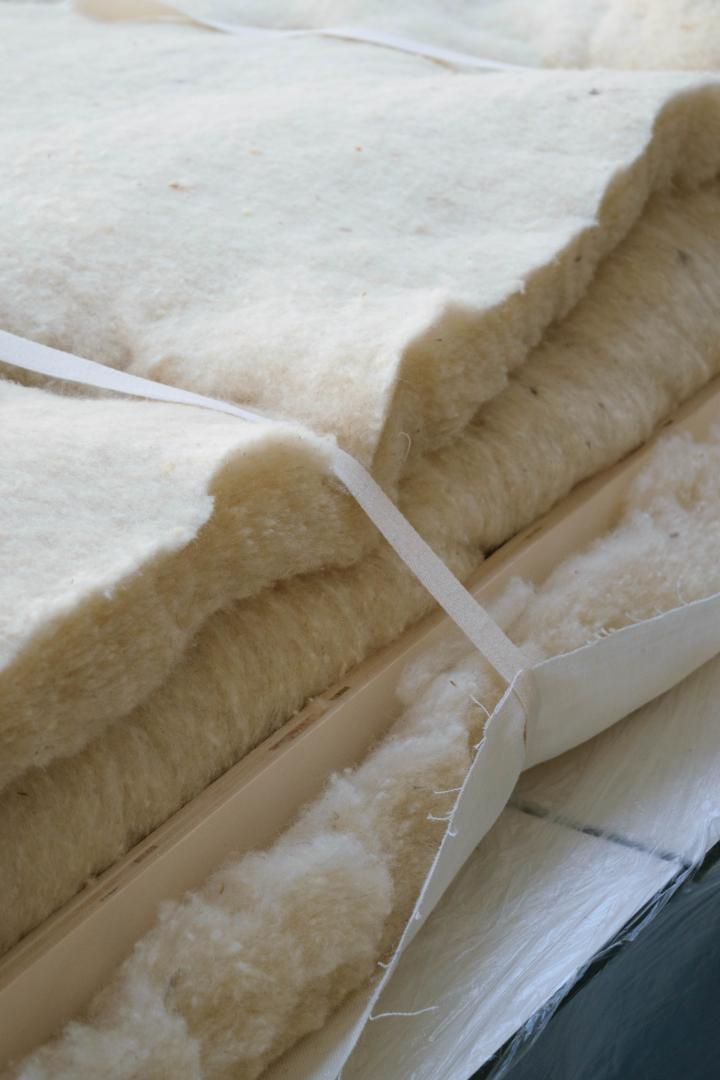
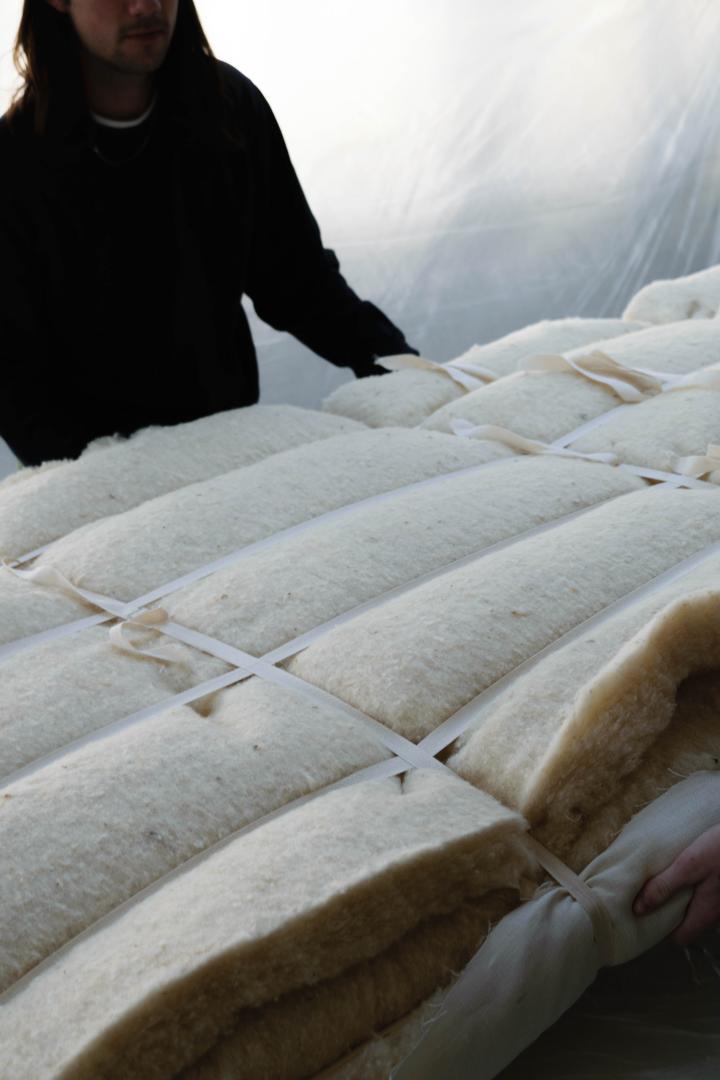
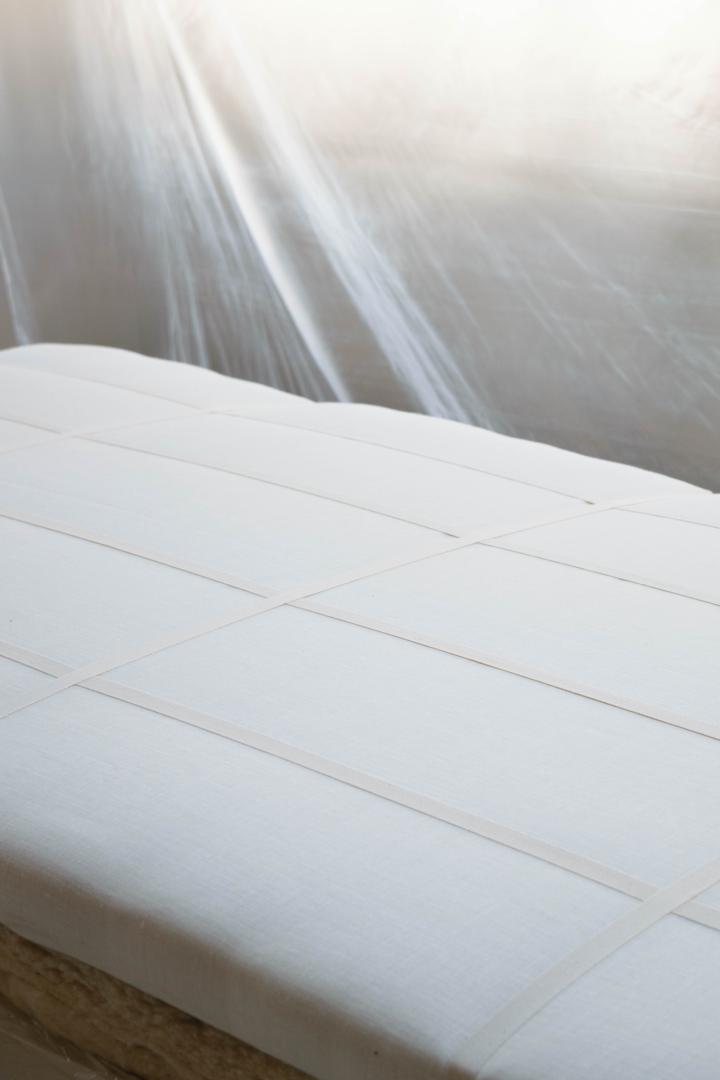
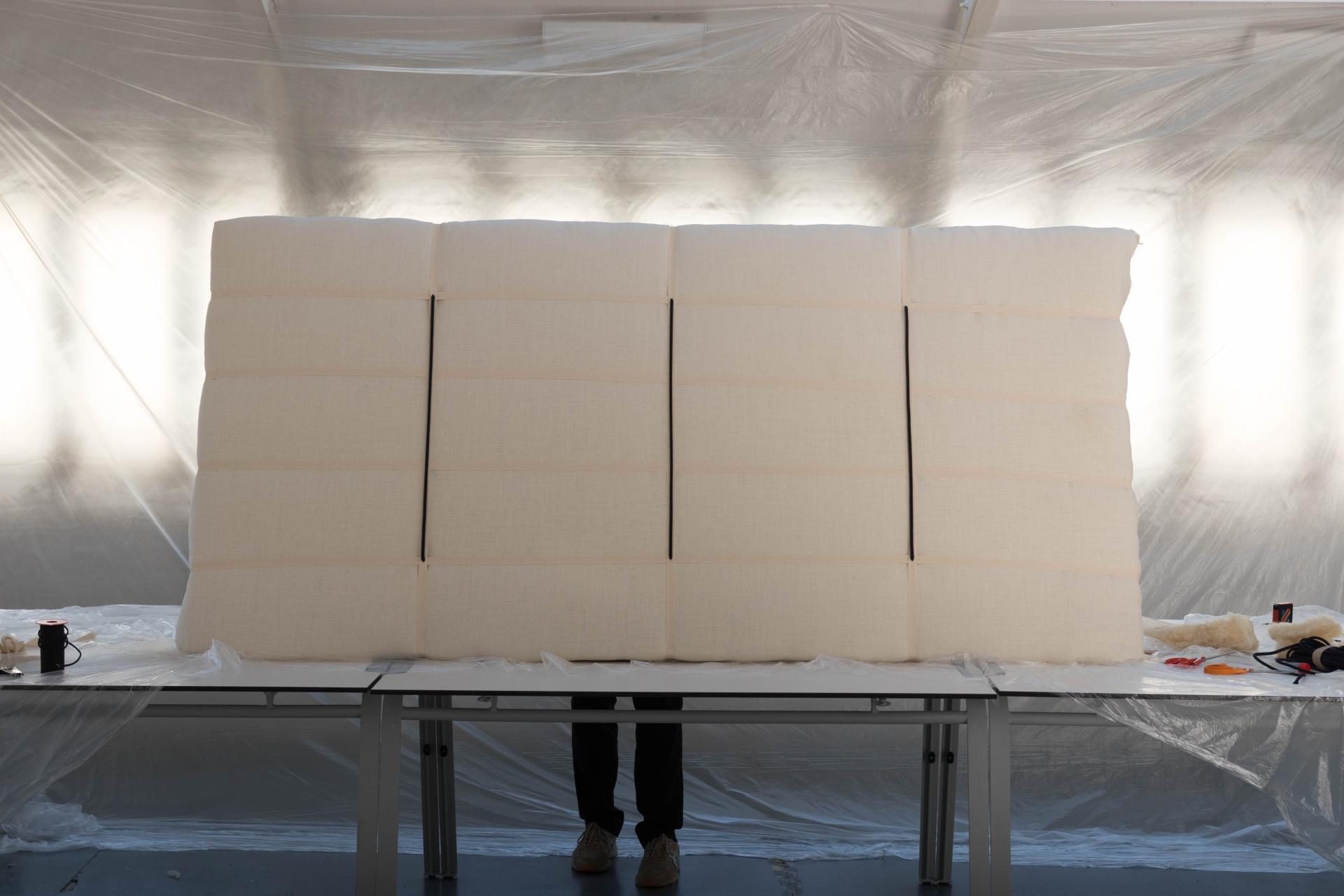
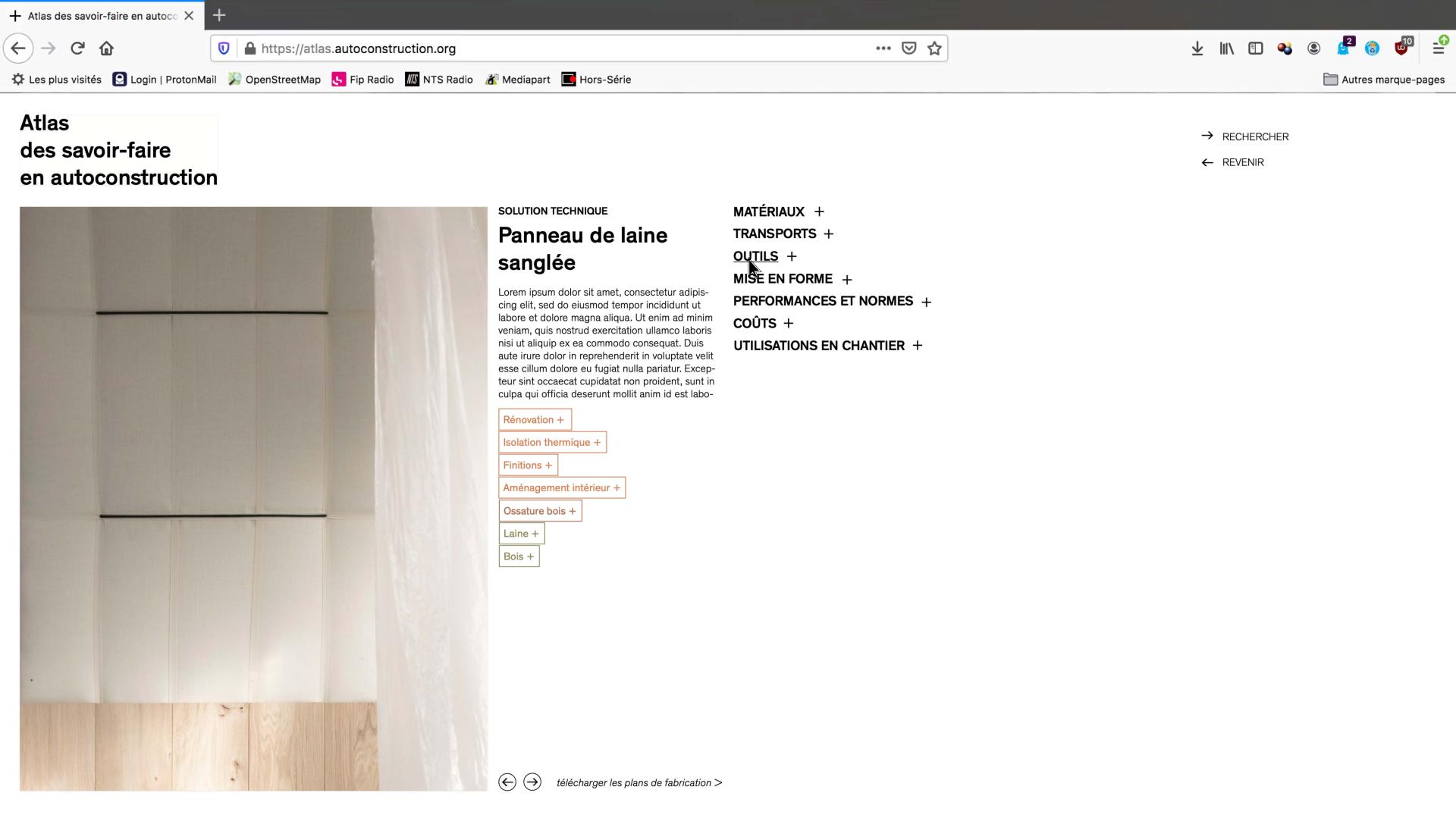
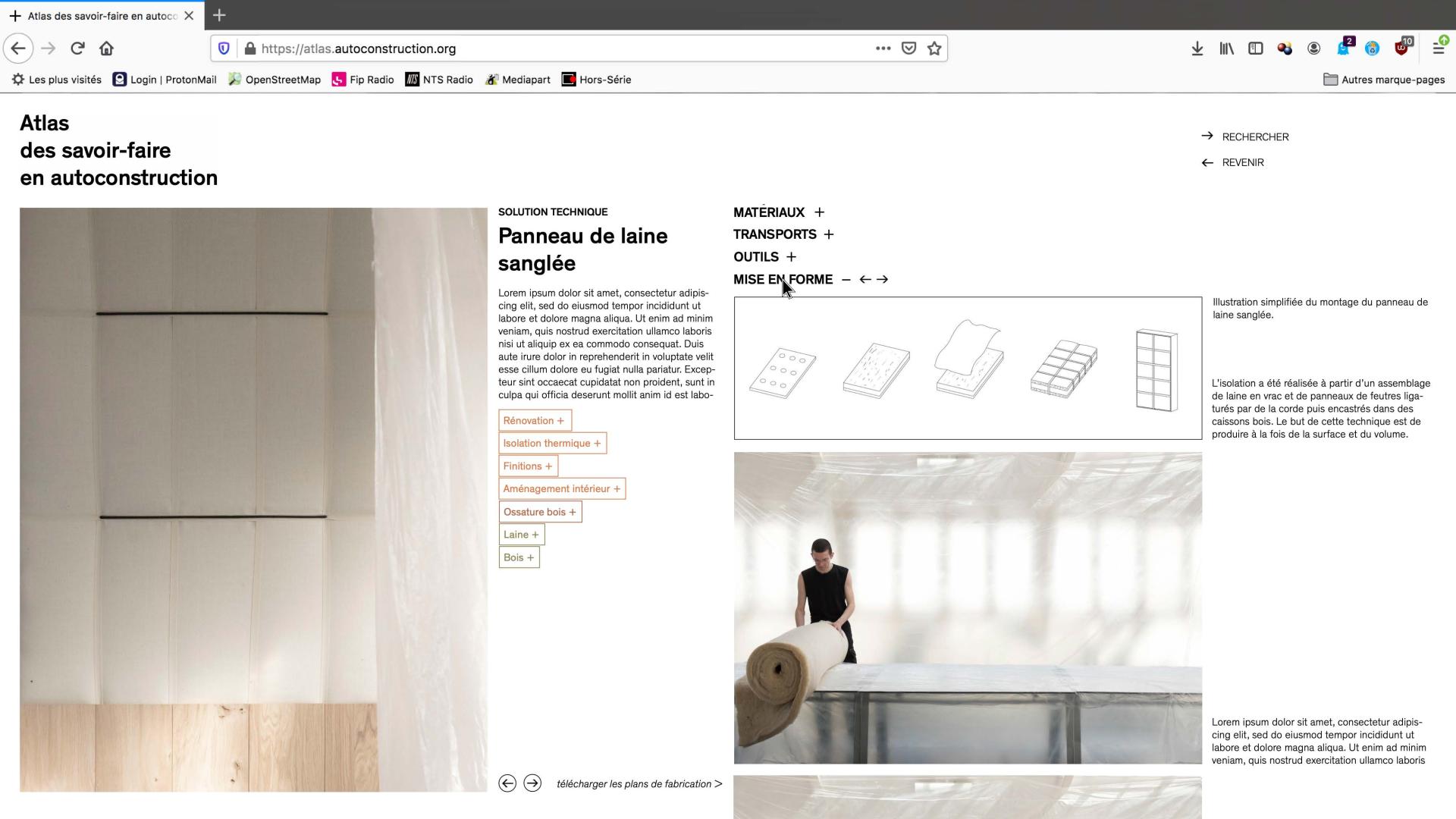
Based on this double problem, Wool Wall offers to use thermal properties of the sheep wool and explores new ways of shaping insulation. A simple composite results of this research: a panel made of carded wool, loose wool and textile assembled by a net of straps. Wool Wall provides a thermic, acoustic and hygroscopic interior insulation that achieves all the criteria of the french RT2020 norms.
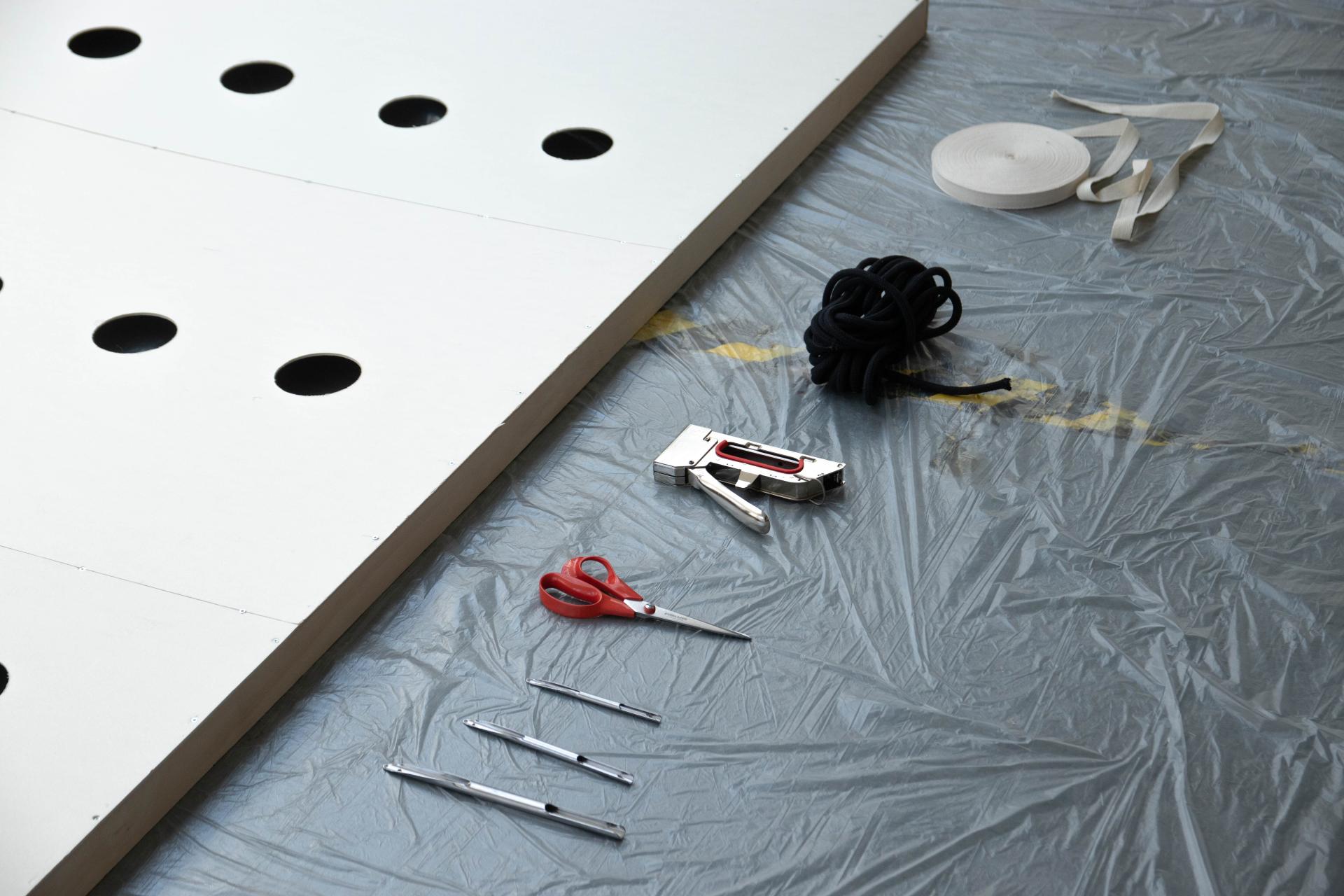
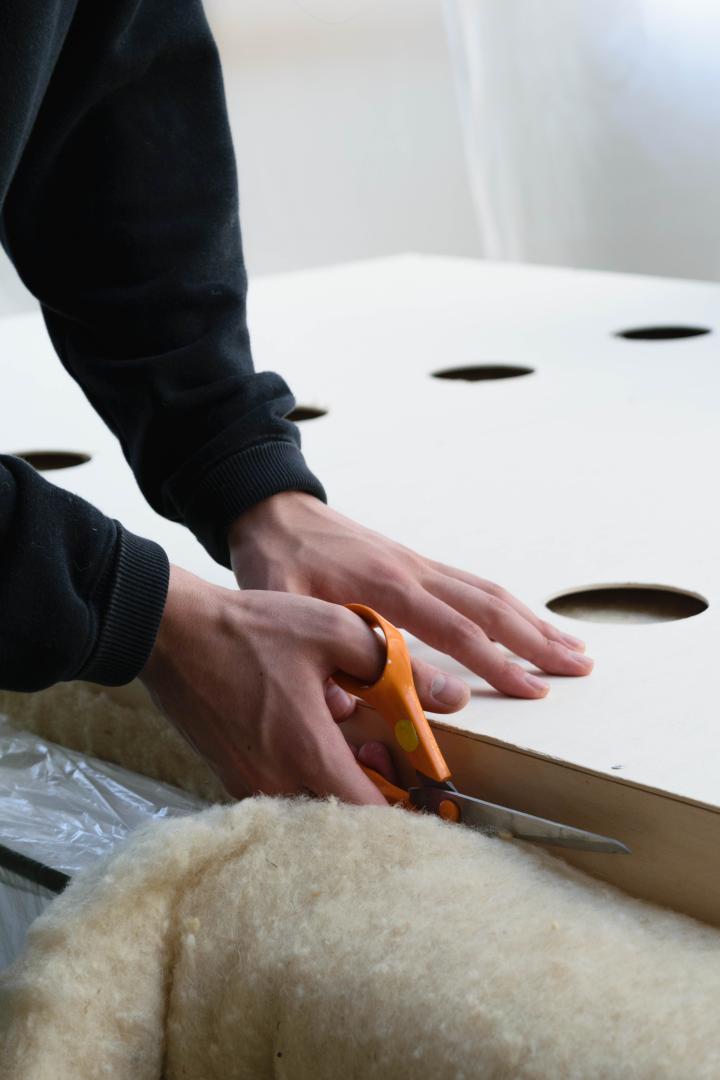
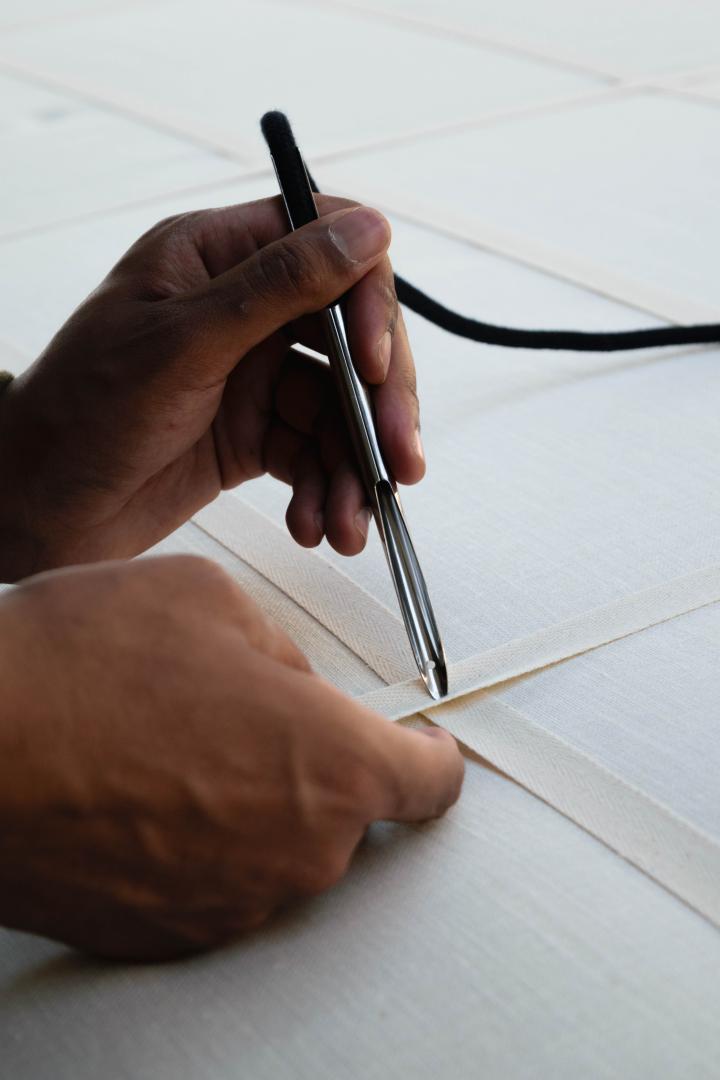
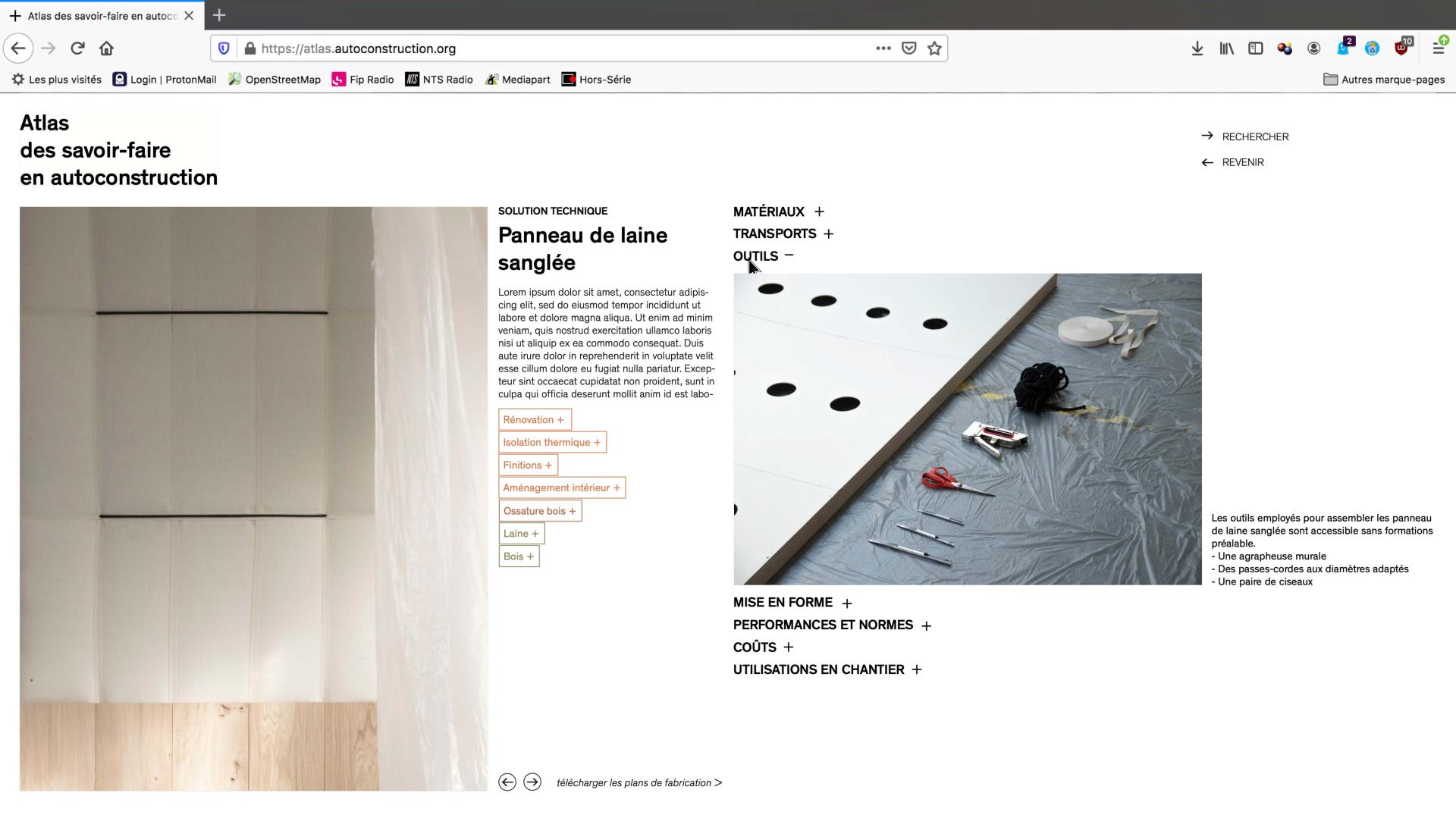
The panel’s construction process doesn’t need expensive electrical powered tools.
It relies on the quality of craftsmanship, making it accessible for self-construction projects. The assembling and disassembling of the panel can be completed without any glue or screws allowing easy cleaning. Once assembled, the panel fits in standard pre-constructed wooden structures. Wool Wall’s simplicity transforms the building process into a time of learning.
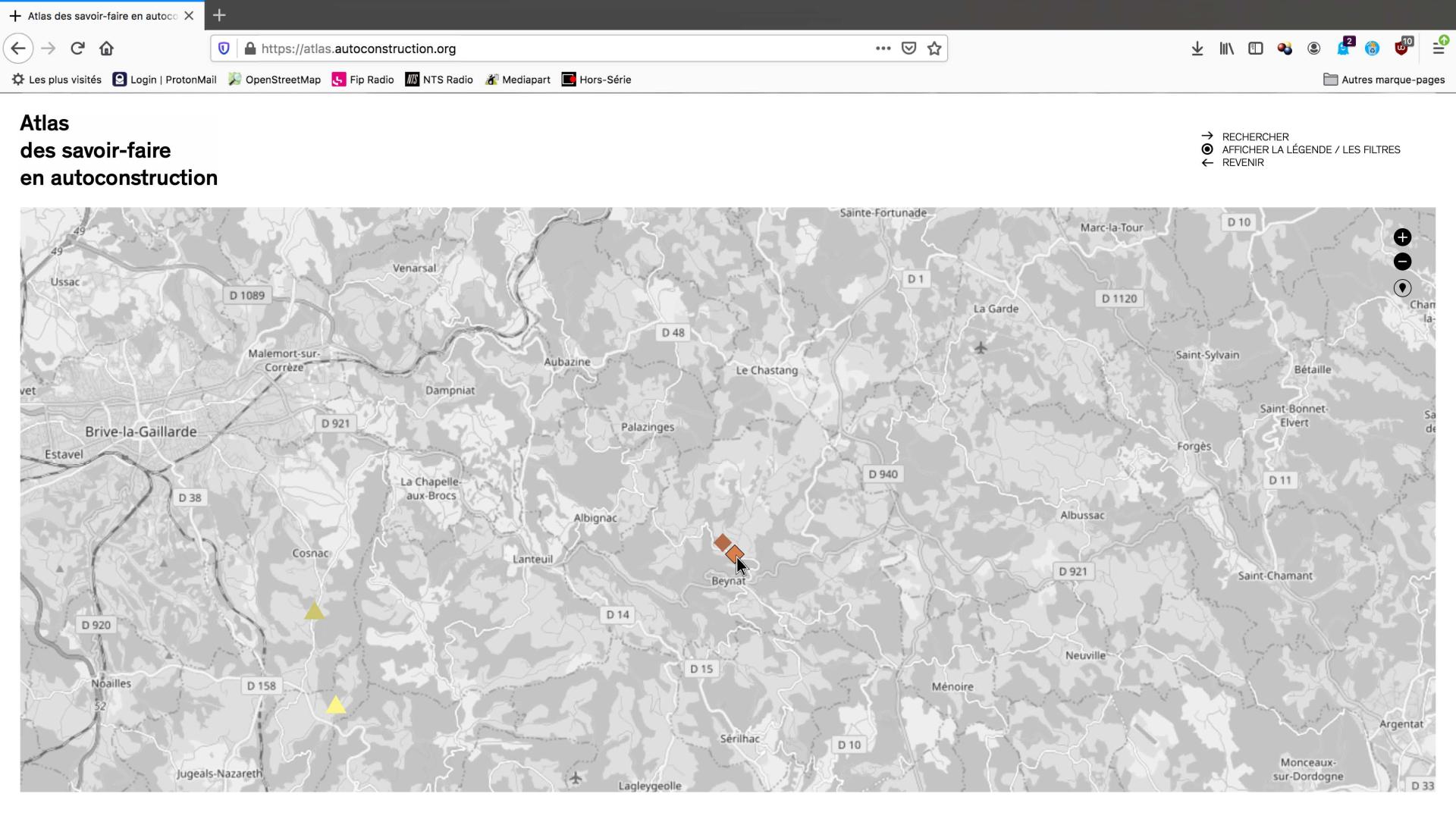
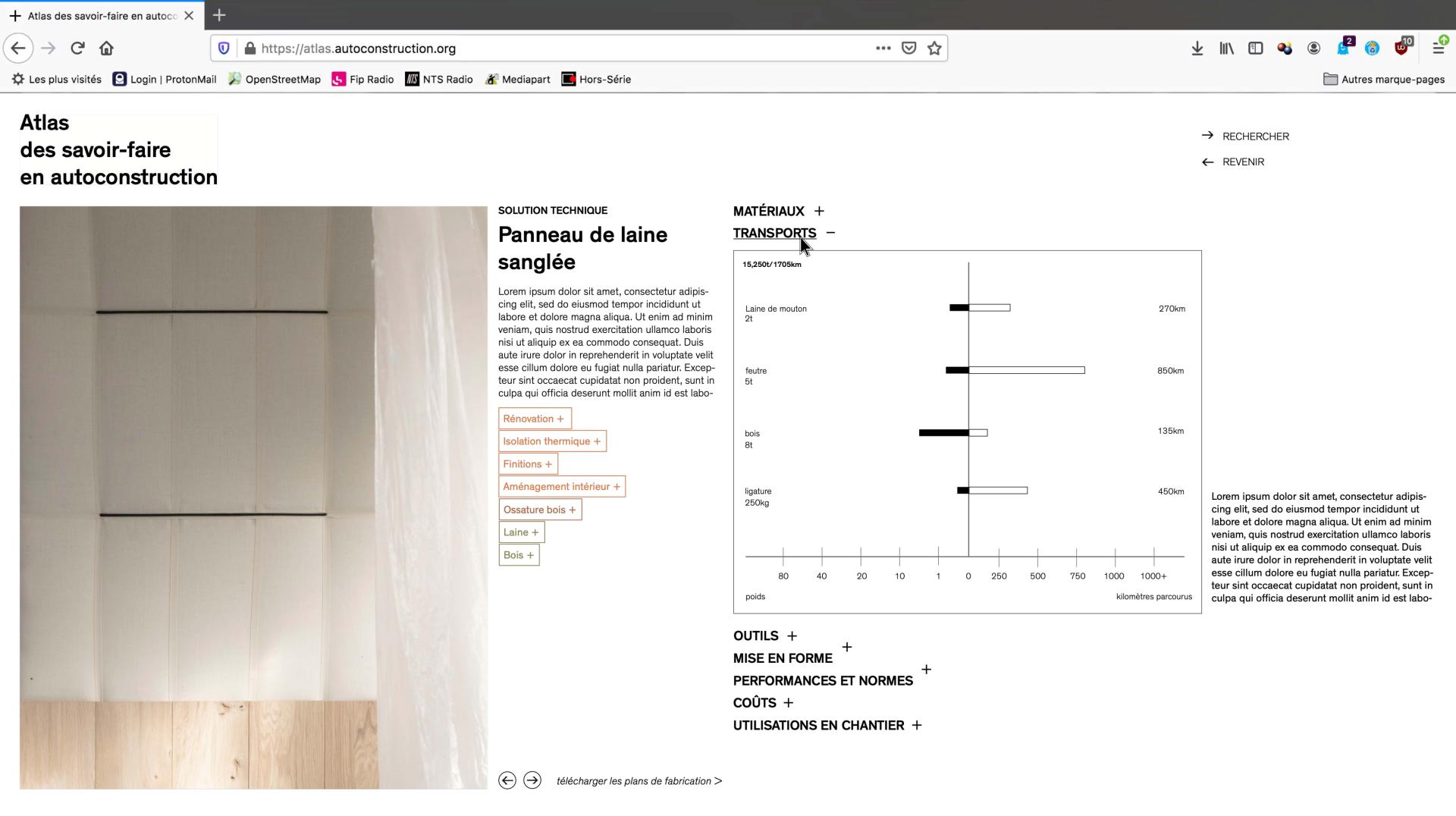
The project is rather a construction guideline than a product. To share the process in an open-source model, an online platform has been developed. Working as an archive website, it showcases projects that use sustainable construction techniques. Plans and images are available to recreate those techniques as well as a map that pin where materials have been sourced and their distances from the construction site.
.
Key objectives for sustainability
In France, 90% of the 14 000 tons of wool produced each year is burned or sent to China to be spun. The price of the annual mowing is more expensive than the price of the wool itself: sheep farmers cannot create value from this high-quality material.
The key point here relies on transforming waste into a resource that fills the need for bio-sourced materials in contemporary construction.
The 20th century’s European construction methods were using materials with a low insulation ratio. Thermal comfort was then brought by heating systems, which represents about 62% of the actual domestic carbon footprint consumption. We can lower it down by 80% with efficient insulation, using wool-based solutions.
To ensure new circularities, Wool Wall’s online platform will act as a tool that connects different actors from construction, to provide autonomous solutions, adapted to many local contexts.
Key objectives for aesthetics and quality
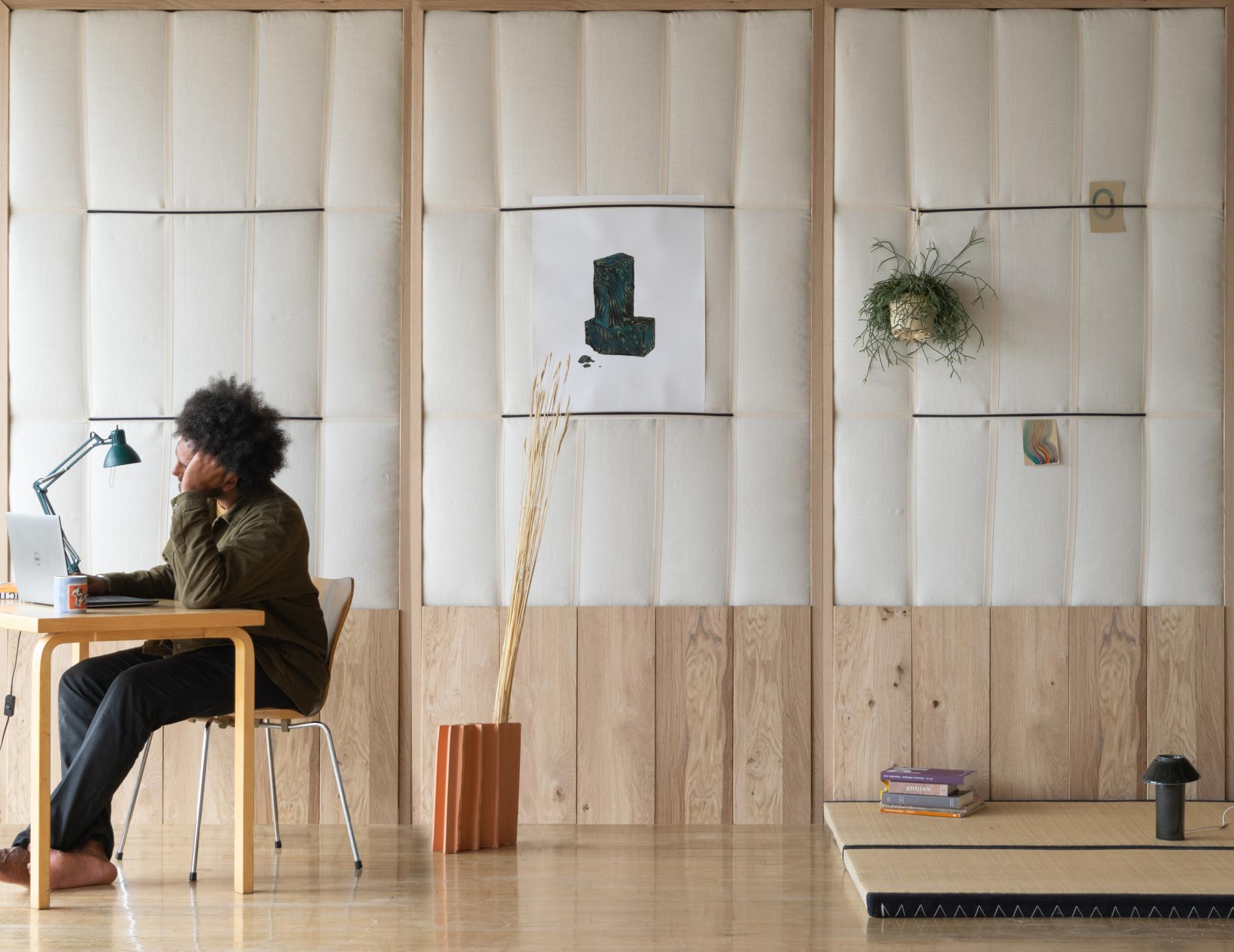
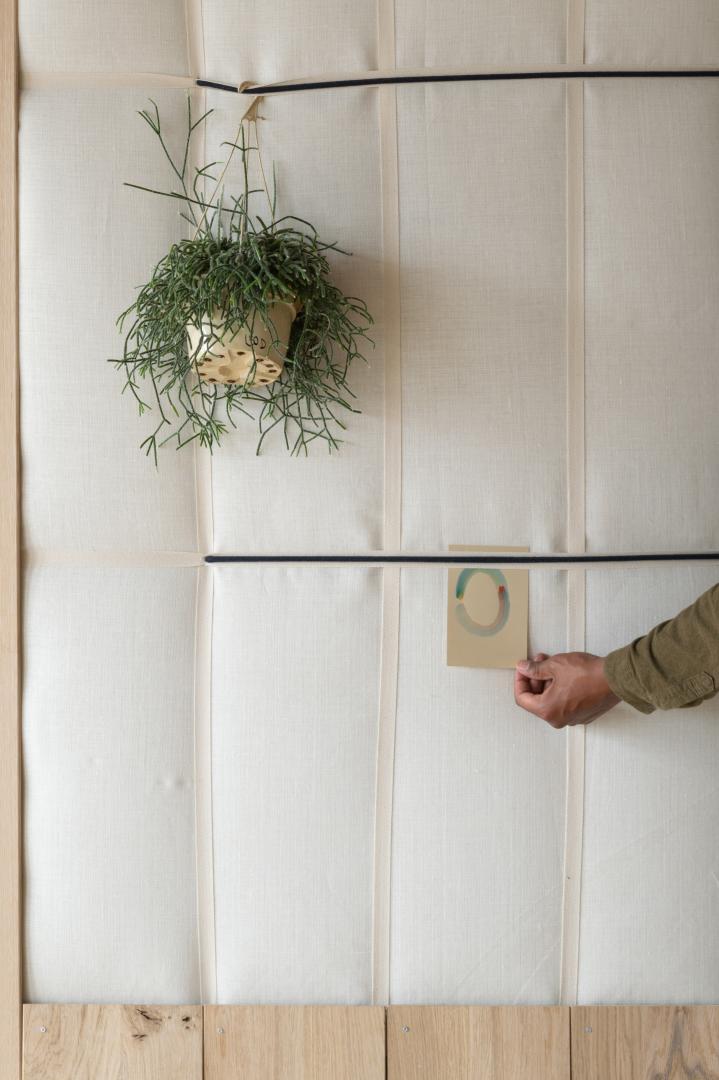
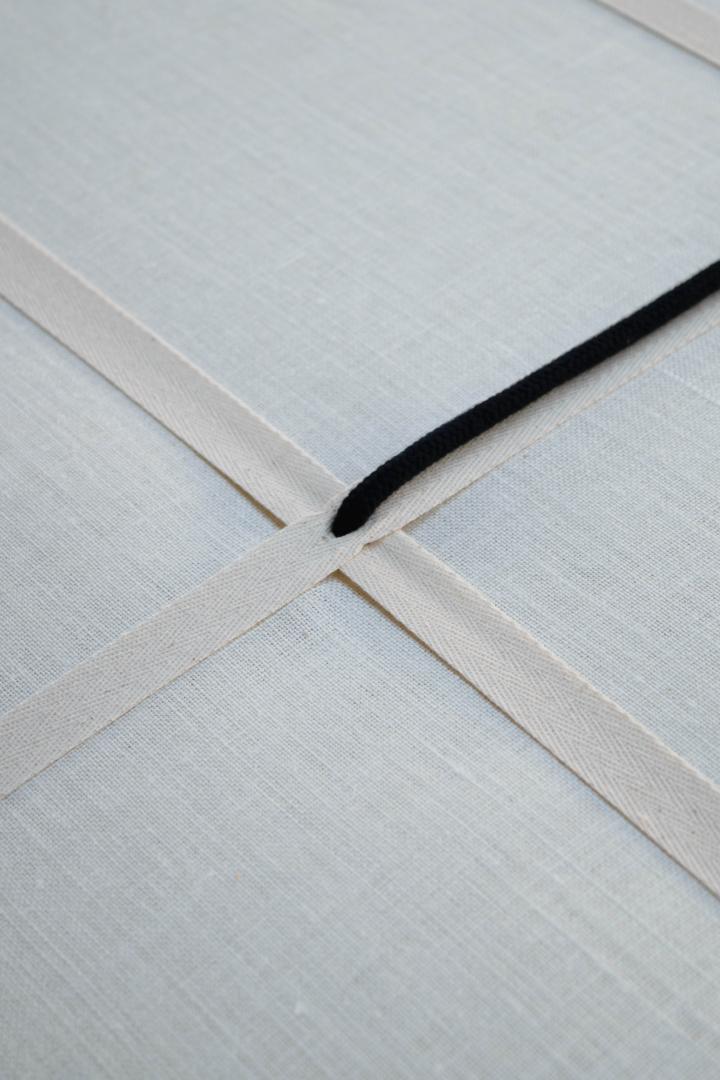
Wool Wall initiates a new gaze on the wall. With the textile and softness of the carded wool, the panel allows different types of interactions with what are usually known as hard surfaces. The net of straps, first structural, creates a functional pattern where pictures, lights, or suspensions can be hooked. Like brickworks, the construction allows a pattern to be visible: created by the net of straps, variations can be imagined, brought by changing the nature of the textiles, the rhythms of the pattern or the colour of the straps. Wool Wall’s structural element becomes a decorative asset.
Key objectives for inclusion
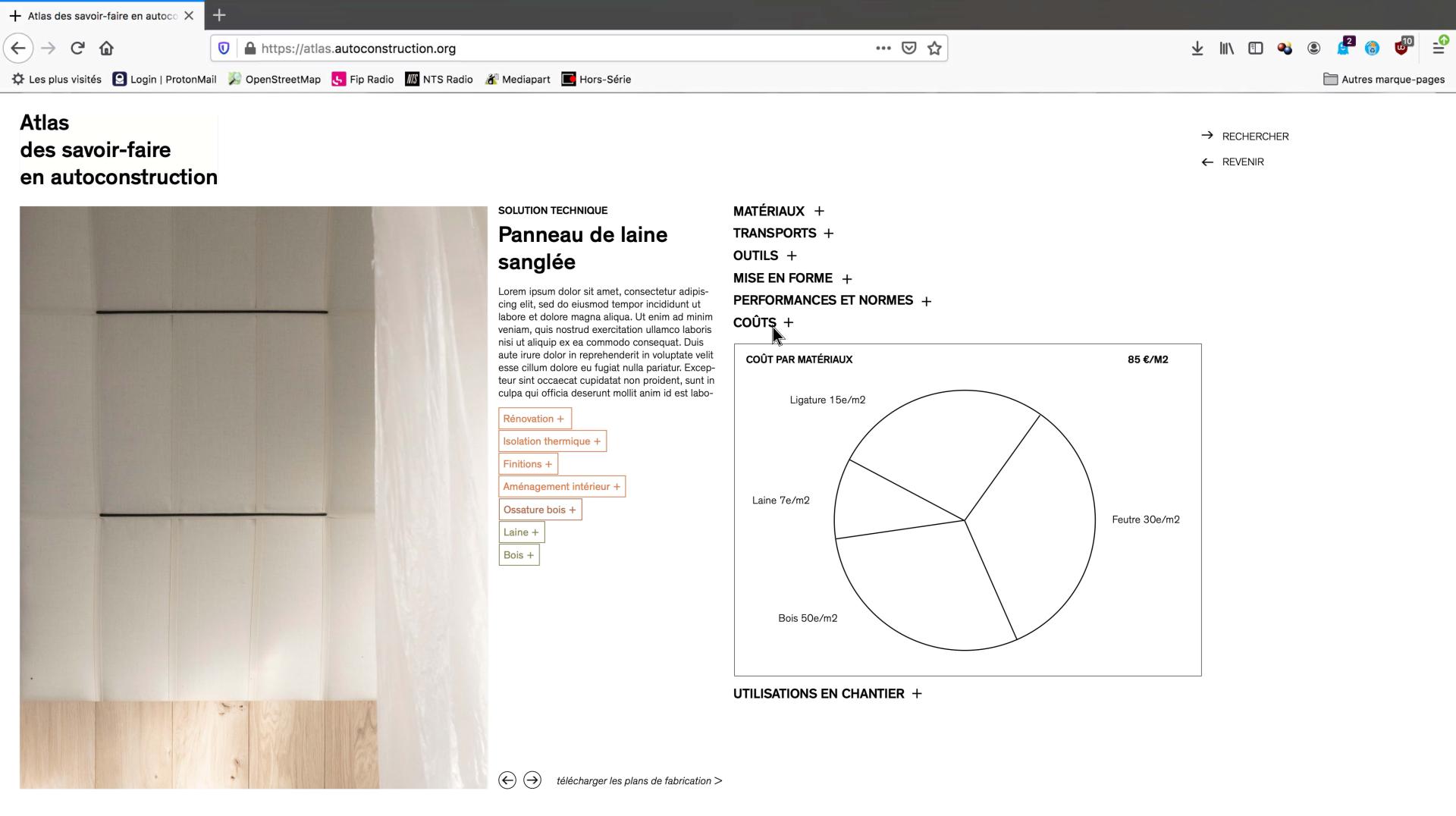
Switching from heavy to light construction materials, Wool Wall’s building process becomes accessible to everybody. This lightness of the materials and the simplicity of tools also prevent workers from long-term injuries. Moreover, inhalations are not toxic, which also prevent any types of health problems. If carded wool is more expensive than traditional insulation material, the fact that Wool Wall doesn’t need expensive tools to be mounted balances the overall cost. The facility chooses craftsmanship, which favours learning and recognition of craftsman work. The building time becomes a moment of transmission, the masonry becomes sewing.
Innovative character
This sentence of the french writer Mona Chollet perfectly introduces the innovative character of the Wool Wall project.“One will not be surprised by the interest that shows, towards vernacular architecture and traditional craftsmanship, those who want to let themselves be guided by uses. It is not to reproduce ancient forms versing in nostalgia but rather grasping the long experience that selected and fashioned them. To understand the main principles and to rely on creators of the past and be able to be as bold as they were in their times”
First felted then spun, wool has been a part of domestic uses in many forms for ages. With carded wool, loose wool and textile, these forms merge consciously in the Wool Wall. Contemporary innovation relies here on a contextualized use of material, rather than technological accumulation. However, the thermal comfort brought by a certain form of frugalism makes sense in this timeframe of our history, where insulation appears as a new architectural typology that can bring solutions to fight climate changes. Wool Wall both achieve to renew the imaginaries of construction and interior.