Monopolis
Basic information
Project Title
Full project title
Category
Project Description
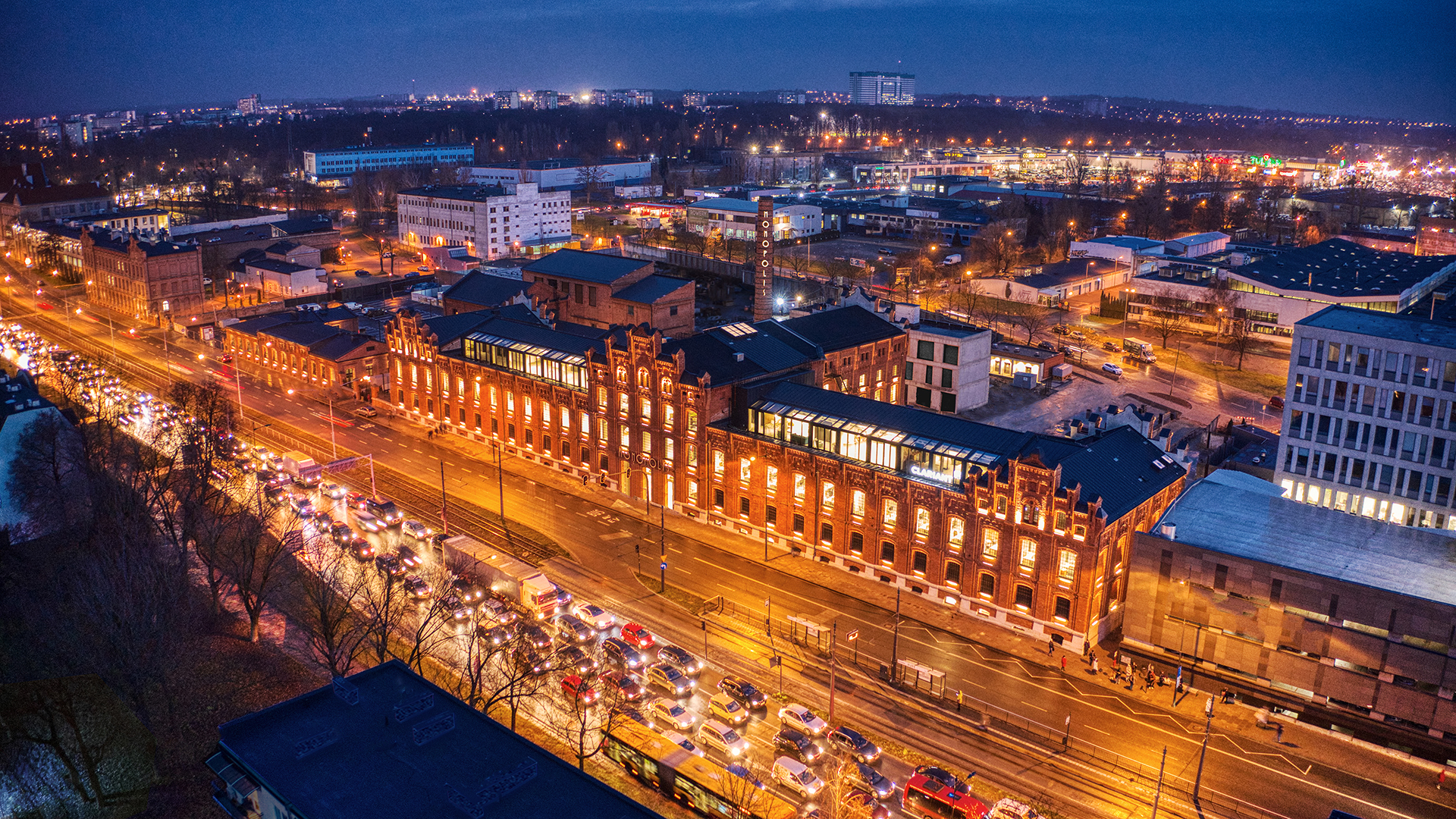
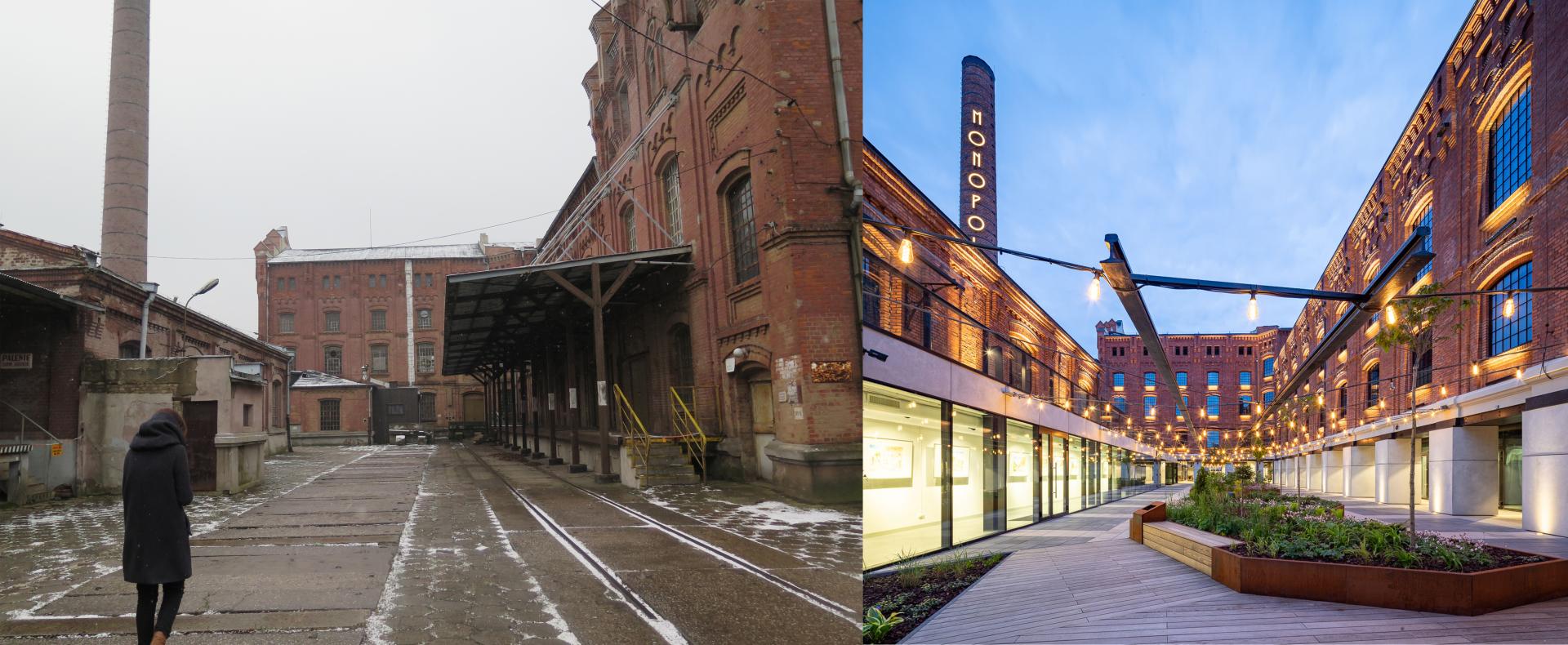
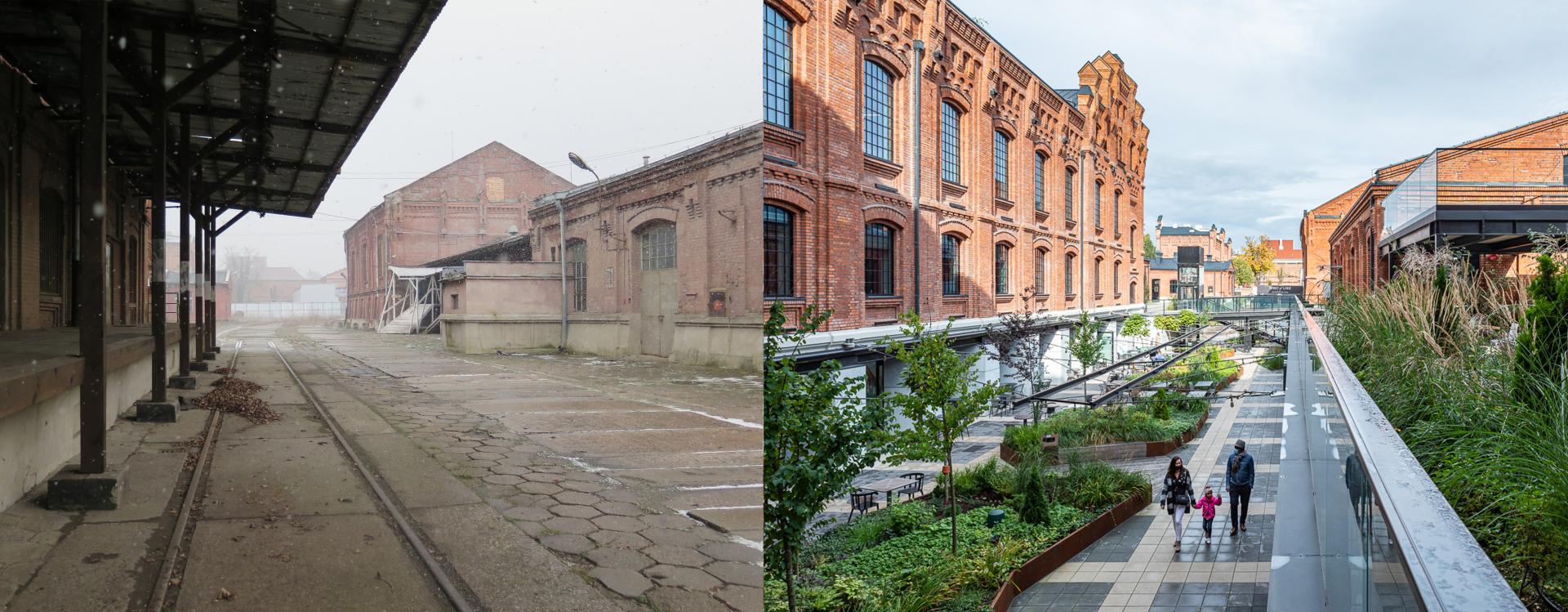
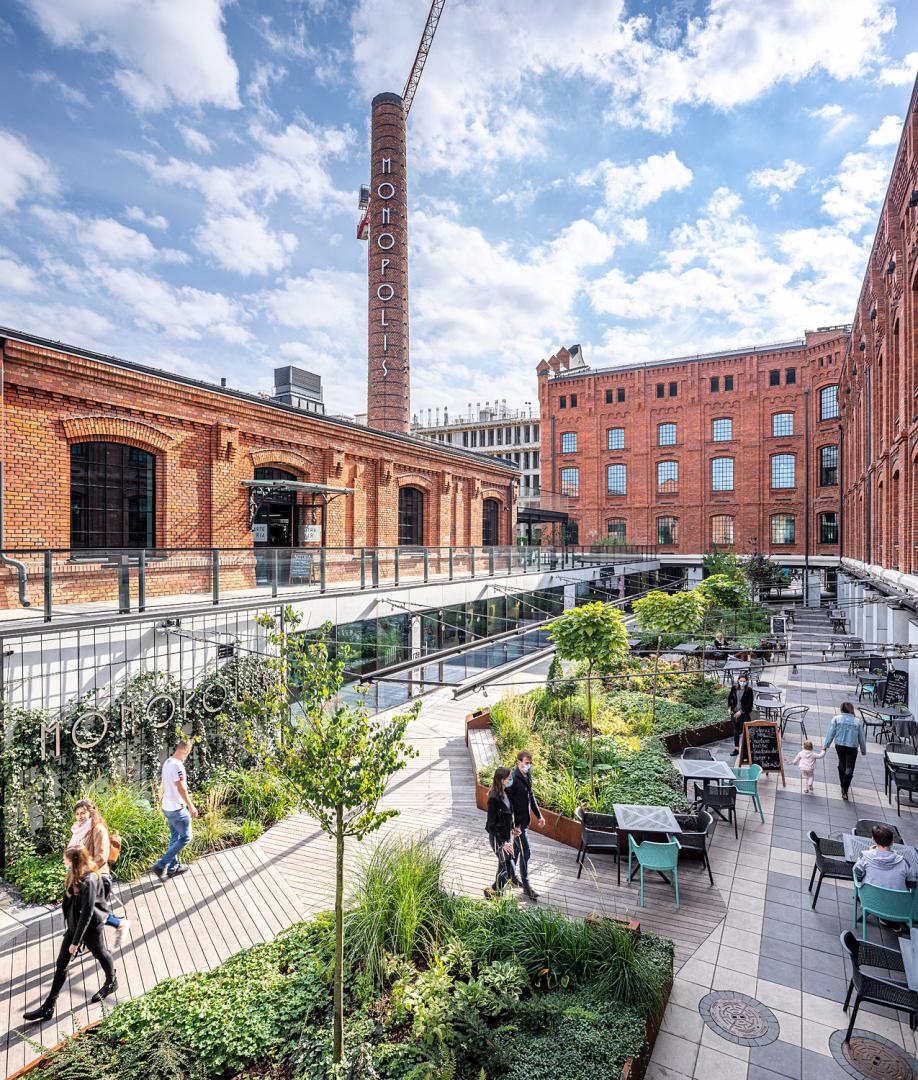
MONOPOLIS is a revitalization of the former Vodka Factory. The unique character of the place was maintained with addition of new contemporary buildings. The entire complex includes offices, gastronomy and cultural spaces like theater, gallery, museum. A special passage has been hollowed out and fulfilled with extraordinary greenery. Vehicle traffic and all deliveries have been eliminated from the ground level. An example of how to revive life in a former factory and create magnific public place.
Project Region
EU Programme or fund
Description of the project
Summary
MONOPOLIS is a revitalization of the former Vodka Factory. It was given a new function with maintaining the unique character of the place. The original appearance of historical objects has been preserved with addition of new contemporary buildings. The entire complex includes office, service and cultural spaces such as a theater, gallery, museum, children's playrooms and restaurants. The space between the buildings has been redesigned by excavation of amazing hollow passage. Vehicle traffic has been eliminated from the ground level, by locating parking spaces and all deliveries in the underground garage. Monopolis is a magnific public place and space full of extraordinary greenery. An example of how to revive life in a former factory, extracting everything that was valuable
Key objectives for sustainability
The investment received BREEAM certification. The project uses ecological solutions in the selection of materials, surfaces, access to light, water management, lighting or building equipment and many others. Specially selected greenery and the use of local materials as well as construction management were carried out in accordance with the principles of sustainable construction.
Key objectives for aesthetics and quality
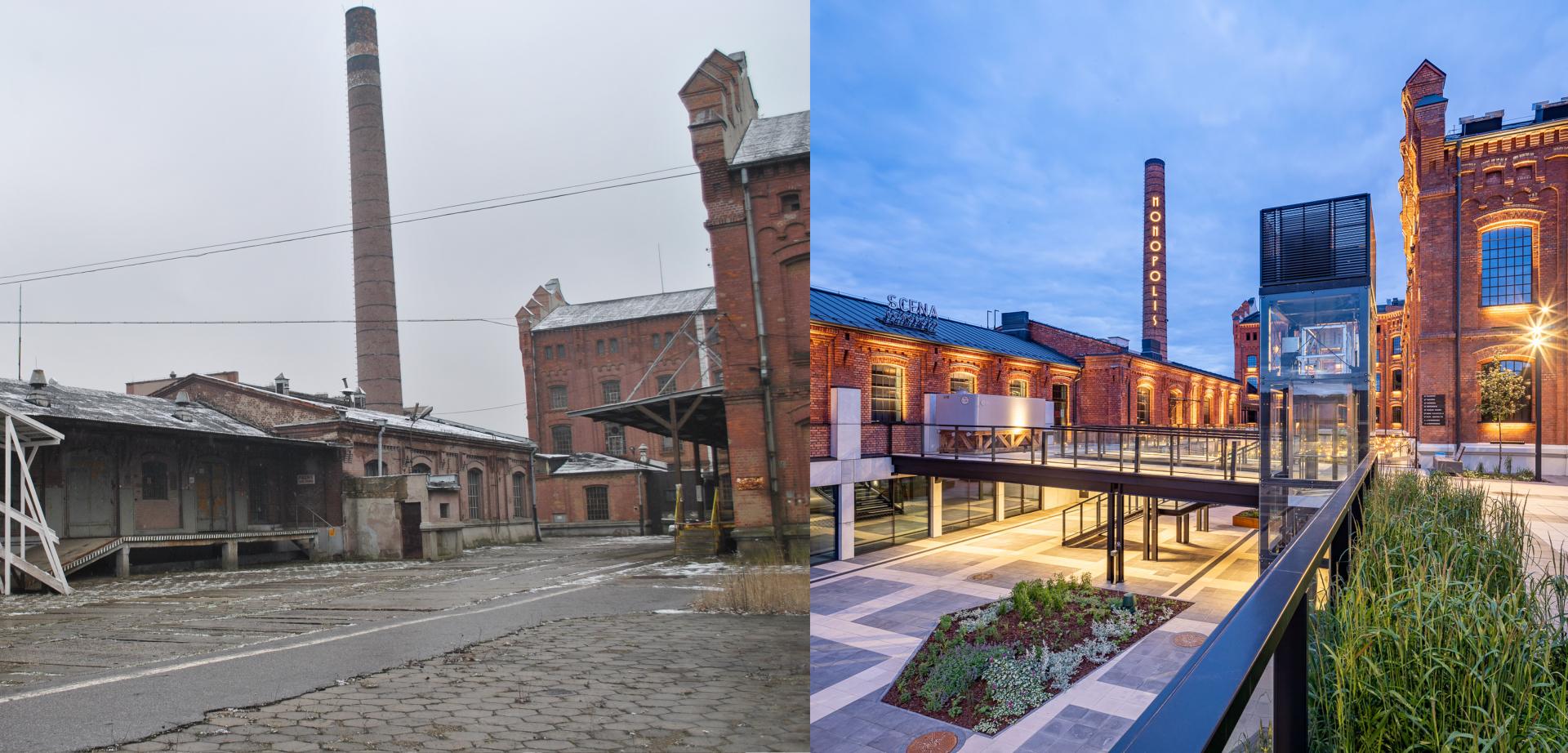
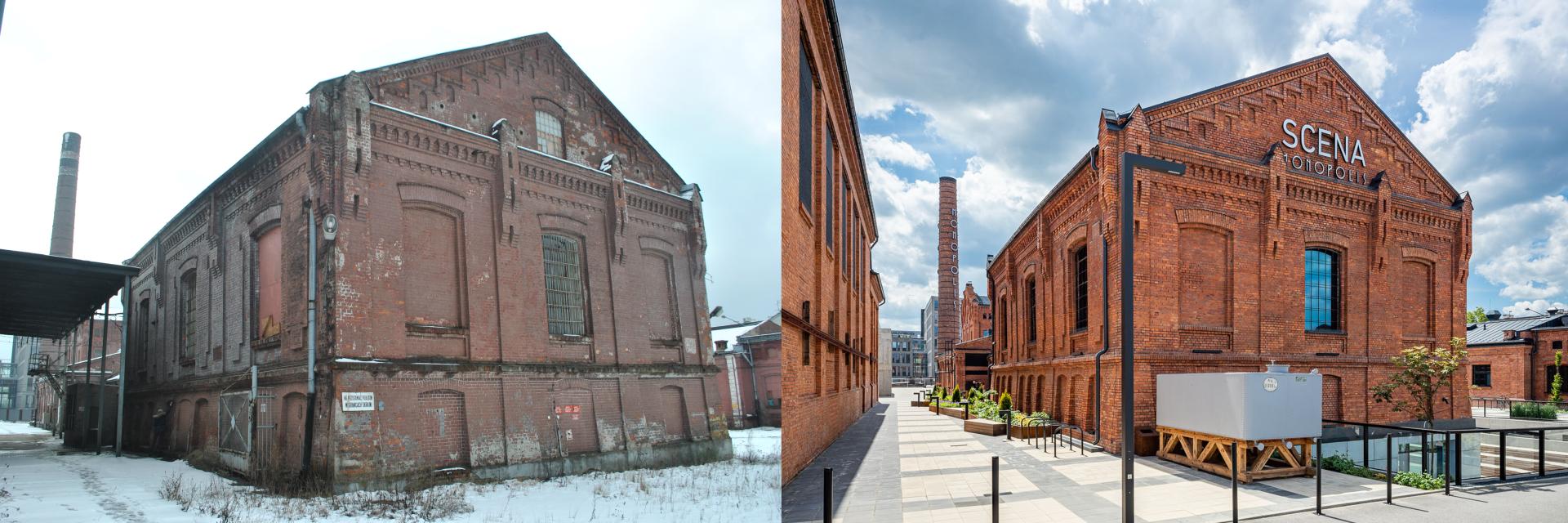
The main design assumption was to maintain the factory character of the place while filling it with a new function. We did not want change the proportions of the buildings. For this reason, the historic buildings have not been extended or overbuild. We kept their original scale. An additional program in the form of more square meters of lease area was located in new buildings at the opposite ends of the investment. This allowed us to obtain a space on a human scale, friendly not only to the investment users but also to the local community of the area.
Key objectives for inclusion
The aim of the project was to change the former factory of vodka production into a public space open to all people. This was achieved by opening all gates and entrances to the investment area and even relocating historic fragments of brick fences. Thanks to this, the city of Lodz, instead of a closed and inactive production plant, gained a new place on the map of urban public spaces. In addition, a huge amount of carefully selected greenery has appeared in the entire complex. From the industrial facility, we have a friendly and green place to spend time.
Results in relation to category
The area of the former water plant has undergone a total metamorphosis. Not only the buildings, but also the entire land development was revitalized. The investment stimulated the neighboring areas for investment and further transformations. Monopolis - because that is what the new investment is called, is today a place full of life. The mix of functions from gastronomy, through cultural to office, has made it an active place all days of the week. The omnipresent art (sculptures, gallery, museum) or permanent concerts, theater performances and cultural meetings have breathed new life into this place. An important aspect is also the fact that the investments have been successfully implemented in a very rational budget, adequate to the city that is still developing and requiring many transformations and investments.
How Citizens benefit
Monopolis is a former factory from the end of the 19th century. It was a closed area for over a hundred years. Already at the beginning of the investment, all available materials about how people lived and worked in this place were collected. All these records in the photo and interview fort are now available at the museum which is part of the investment. In conversations with these people, we listened not only to the memories, but also to what the local and former residents want. All of this affected the mix of functions that formed the output for this endeavor. The final effect was also influenced by the city authorities, which were very supportive of such a unique adaptation of one of the abandoned factories, as well as the conservation office in agreement with which all modifications necessary for technical reasons in the historical tissue were introduced. This design work was also selected for cooperation with local companies.
Innovative character
Its innovation consists in respecting tradition and history, while taking into account the needs of modern users, available technology and the principles of sustainable construction. The brick to complement the walls was ordered at a local factory where the same brick was made 100 years earlier. The roofs of historical buildings have specially designed blinds that allow the technical floors to breathe without exposing all modern mechanics and devices. Through the excavated passage, the former cellars were exposed, which were given a gastronomic function with public, open front gardens. Thousands of old cast iron plates have been cleaned and reallocated throughout the investment. The former railway rails remained suspended in their places as witnesses to history. All this while creating modern and unique class A office buildings.