Student Challenges
Basic information
Project Title
Full project title
Category
Project Description
Each year, West Creative Industries organises student challenges in three cities, called "EXPE" (for "experience"). EXPE create a space conducive to the design and evaluation of the user experience, by mixing the skills of students in digital sciences, creation and human and social sciences to design original experiences adapted to users. They work for several months on concrete subjects, supported by socio-economic actors, from ideation to the prototyping of a testable solution.
Project Region
EU Programme or fund
Which funds
Other Funds
FEDER
Description of the project
Summary
The student Challenges propose a forward-looking and experiential approach, which places the question of uses at the center of the innovation process. Multidisciplinary teams (design, science and technology, economics, marketing, etc.) are asked to create new products or services, transform a business model, a supply or distribution channel, rethink the layout of a space or develop a public policy. They will be made up of 3 to 4 students and, depending on the case, member(s) of a local company, ngo or public stakeholder bringing a problem to solve.
Key objectives for sustainability
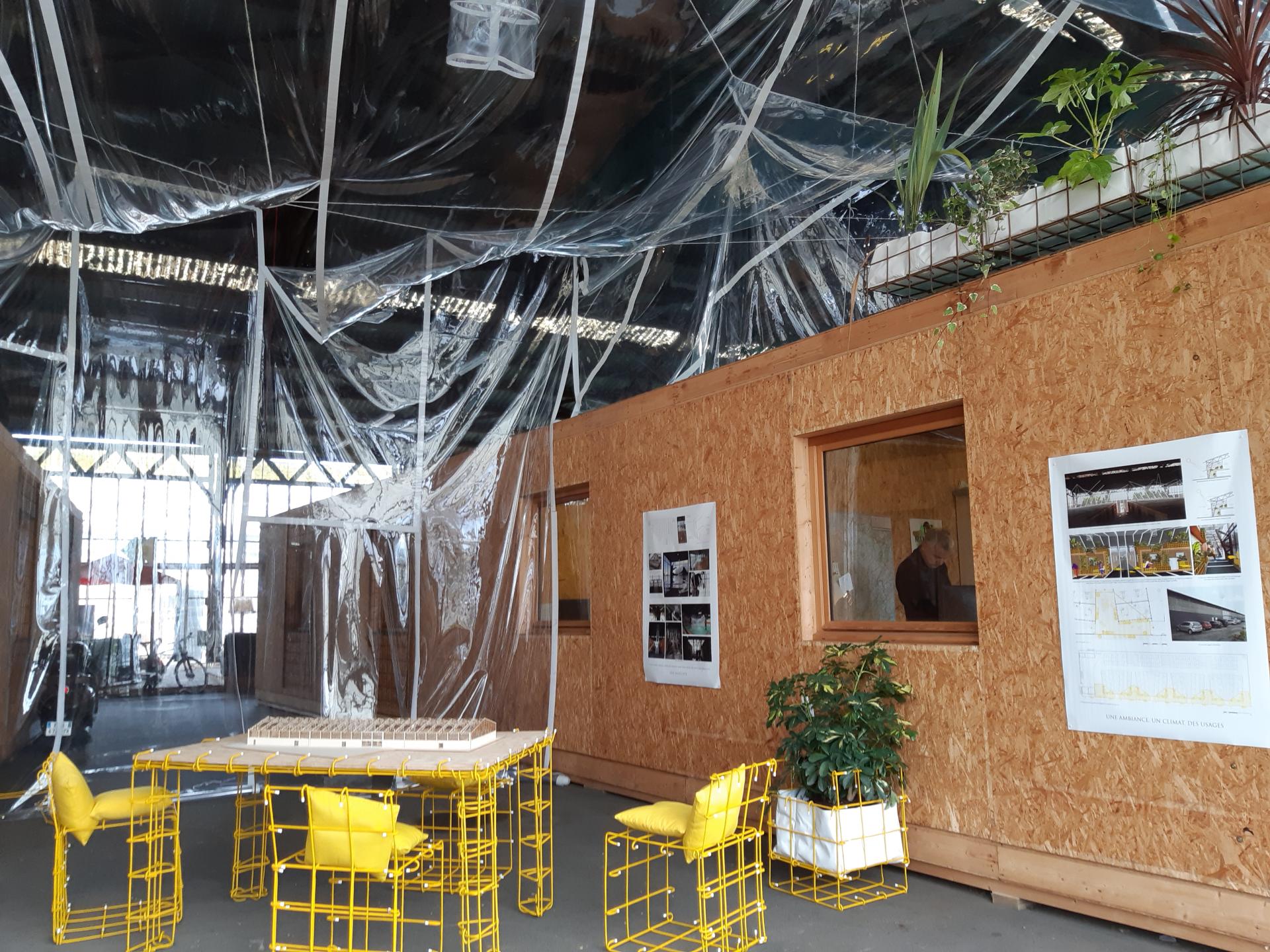
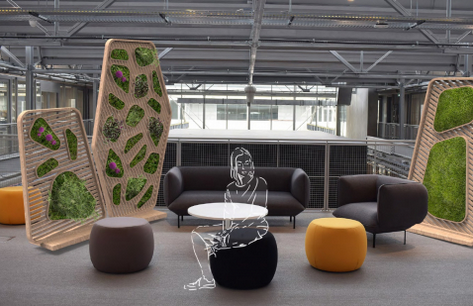
The Student Challenges aim at addressing concrete challenges of transitions through the prism of user experience and innovation of use. The students have to propose sustainable and desirable solutions by promoting, for example, the principle of circular economy, short circuits, or energy saving. For example, the 2018 - 2019 edition of the Nantes Student Challenge had "Third Places" as its theme. One of the teams of architecture (ENSA - Nantes school of architecture) and thermal energy (Polytech Nantes - University of Nantes) students was given the task of rethinking the interior of a "karting place". After preliminary discussions with the users of the place, problems of luminosity and temperature amplitude between seasons were highlighted, often making this company hotel uncomfortable. The students then developed "Atmos-serre", an intermediate, sheltered and self-heating space, generating a micro-climate favourable to vegetation... and relaxation!
Key objectives for aesthetics and quality
All the subjects proposed in the framework of the Student Challenges are real situations: they are problems identified by socio-economic actors in a given area. Each of the teams then proceeds to a fine observation of the field, in order to identify the behaviour of the users and to propose, as a consequence, a solution as close as possible to their needs and habits. Then, they develop usage scenarios that are tested in real-life situations using the prototypes they have produced. The user experience is taken into consideration, from the ideation phase to the evaluation of the solution.
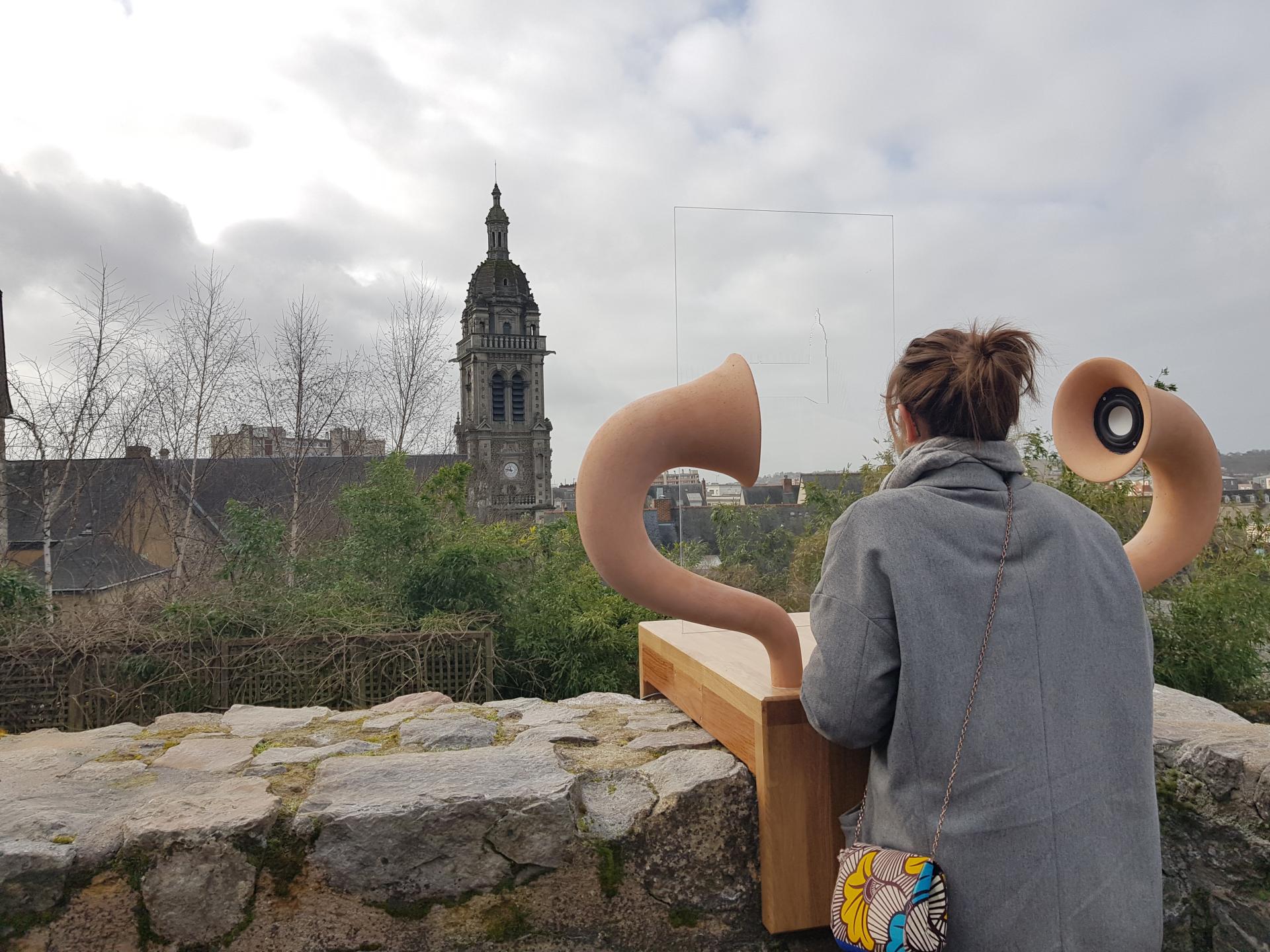
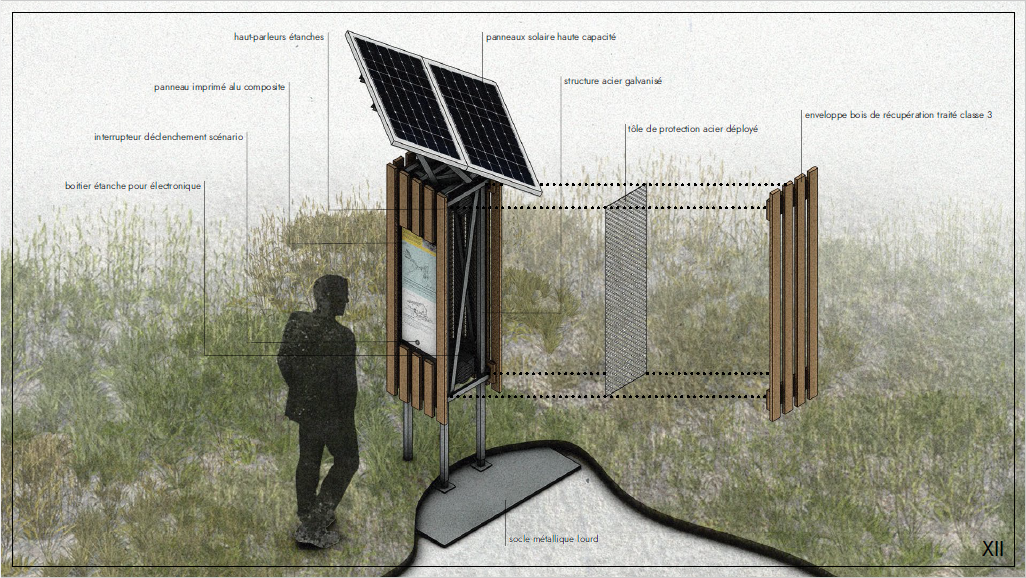
In 2020, the Nantes Métropole Interpretation Centre dedicated to archaeology wished to highlight the archaeological remains buried in the park next door. The subject was: how to enhance the invisible? One of the teams of students in electronics (École Centrale of Nantes) and architecture (ENSA) developed "Phonostrata", an interactive circuit, using sound terminals. In order to find out about the habits of users in the park (visitors, but also inhabitants, runners, schoolchildren, etc.), the students carried out observation sessions over several days. They went to meet the users, in order to question them about their habits of movement in the park, and how they would like the park to be animated.
Key objectives for inclusion
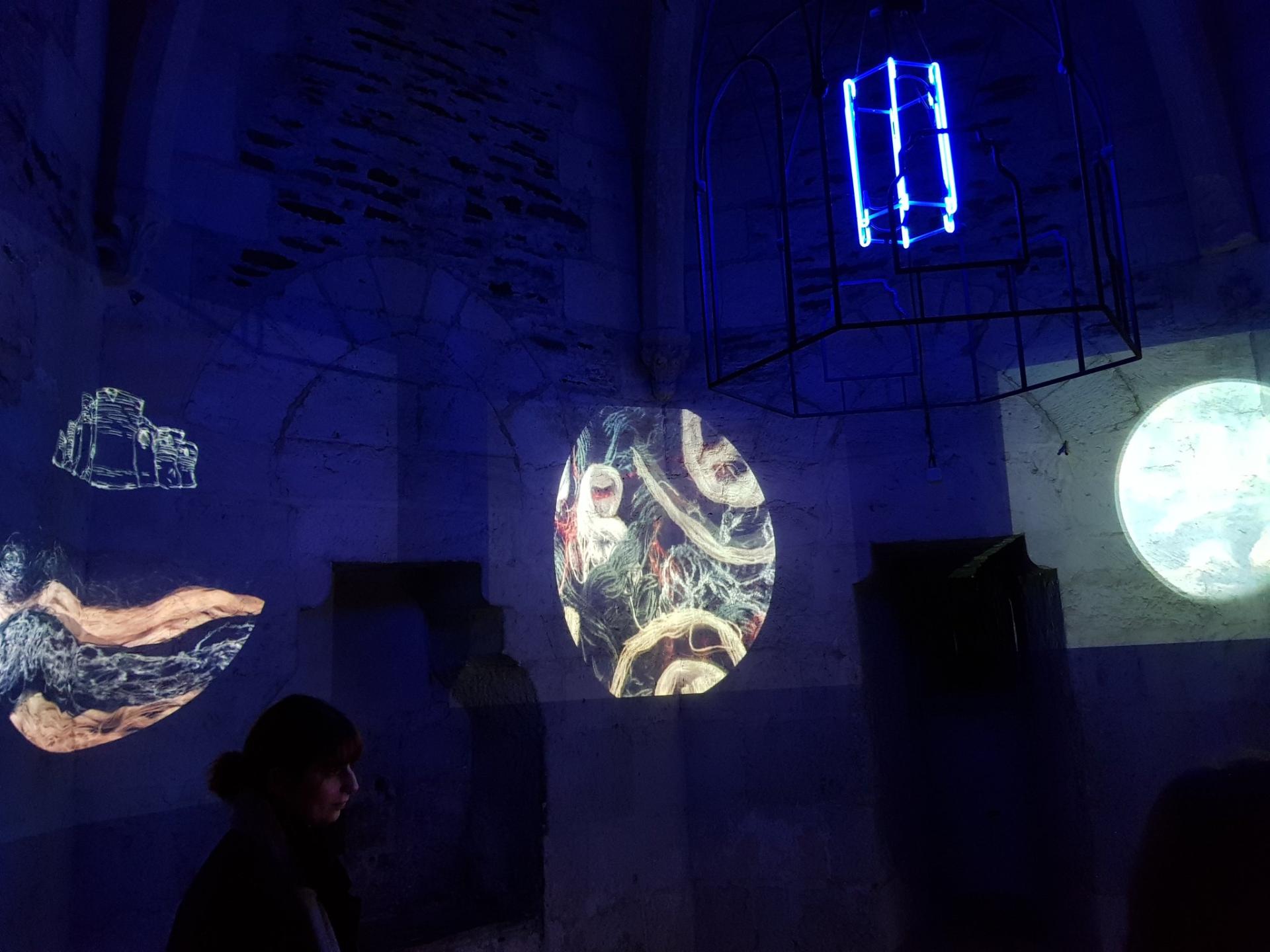
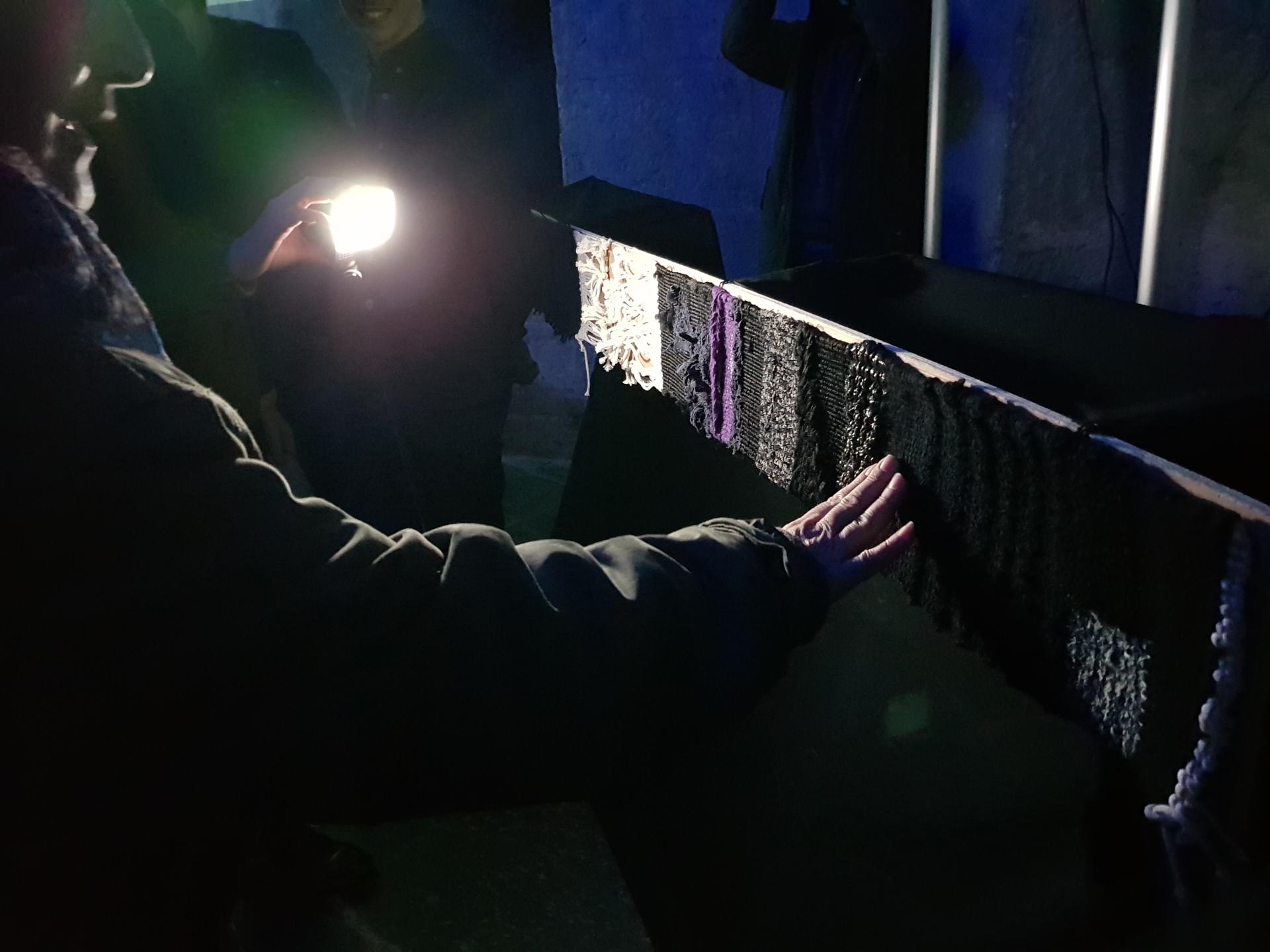
In 2020, the theme of the student challenge held in Angers was "How to show the Apocalypse Tapestry, a monumental masterpiece several metres long, outside its place of conservation, the castle of d'Angers? To answer this question, students in Textile Techniques (École supérieure d'art et de design TALM Angers), in Computer Science (Polytech - University of Angers) and in Cultural Project Management (UFR ESTHUA Tourism and Culture - University of Angers) created devices for remote mediation of the work. The challenge was to make the Apocalypse Tapestry accessible to as many people as possible: those who could not visit the castle (disability, hospitalisation, distance, financial means, etc.) and those who did not wish to go there. One of the teams imagined an immersive device set up in a movable and easily dismantled space: on entering the immersive room, the visitor is invited to touch a tapestry, which extends over several metres. As they enter the space, sounds are triggered. Guided by the sound ambiance, the visitor is plunged into the heart of an animated film, presenting the work in a playful way.
Results in relation to category
The mobilization of students around issues raised by local socio-economic partners also provides an opportunity to learn about the management of cross-disciplinary projects and the logic of partnerships, while taking part in the regional dynamic. The conclusion of the challenge by a phase of prototyping and testing confronts the participants with the constraints of development and the concepts with real uses. It is also about giving a foretaste to the students of the innovation stakes that will certainly be at the heart of their future professional lives, dealing with topical issues related to transitions.
How Citizens benefit
The EXPÉ[Le Mans] student challenge brought together students in sound design (ESAD TALM-Le Mans), heritage, acoustics and computer science (Le Mans University) around sound scenography projects. Their goal: to enhance the heritage and history of the old town of Le Mans. In 2020, for the 2nd edition of the Le Mans challenge, the students worked on projects in two historic gardens, in multidisciplinary teams so that each one, with his or her specific skills, could bring added value to the final product. The two prototypes thus created (one per garden), fully functional, were a great success during the demonstration day, in a real situation. All the scenographic devices were made permanent at the end of the challenge, to complete the summer tourist programme of the old town. The inhabitants, as well as the tourists, were able to benefit from the creativity of the students to rediscover the gardens, thanks to inventive, aesthetic, poetic and playful devices.
Innovative character
Organised in Angers, Le Mans and Nantes, the student challenges of West Creative Industries aim to design, prototype and test in situ, on a scale of 1, innovative solutions for the socio-economic actors of the territory.
Thanks to interdisciplinary, they are based on the cross-fertilisation of student skills in science, creation and technology to respond to transitional issues through the prism of innovation in use and the user/user experience. The particularity of the Challenges is based on interdisciplinarity but also on inter-institutional cooperation (schools, partners...). It is a question of creating links and generating exchanges throughout the territory of application of the Challenges, the Pays de la Loire Region. The Student Challenges encourage a mix of know-how and skills and make it possible to cross educational approaches, by encouraging mutual aid, listening and sharing. The professionalizing dimension is undeniable, thanks to real case studies, in which all the actors associated with the project are involved: professionals, teachers, students, users, institutions, etc. On a regional scale, this regional dynamic makes it possible to set up sustainable cooperation between schools, but also between institutional partners.