The Voice of the Forest
Basic information
Project Title
Full project title
Category
Project Description
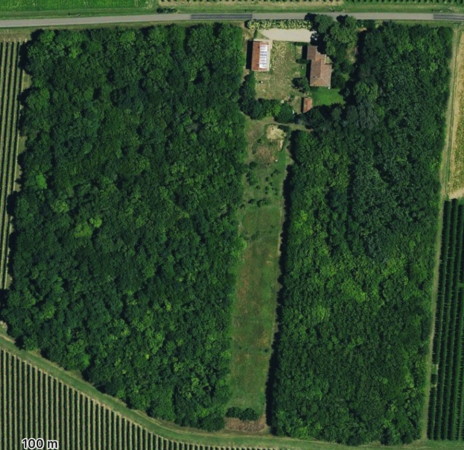
Immersed in a new forest of 10,000 trees of native species, a rural building, restored with eco-sustainable criteria, hosts activities for the protection, research and enhancement of cultural heritage. Where before there was a farm, today we find space for artists, architects, students, start-ups, courses on eco-sustainability, archives, stable transformed into a library, forest therapy, organic vegetable garden, ancient fruits, herbarium. A great bazaar of the quality of living and planning.
Project Region
EU Programme or fund
Which funds
Other Funds
Reg. (CEE) n. 2080 of 30th of July of 1992
Type of intervention: "Multifunctional forest plant" - The re-creation of the forest in the lowland
Project n. 36/95 prot. N. 10048/95 - Region Emila-Romagna, Italy
Description of the project
Summary
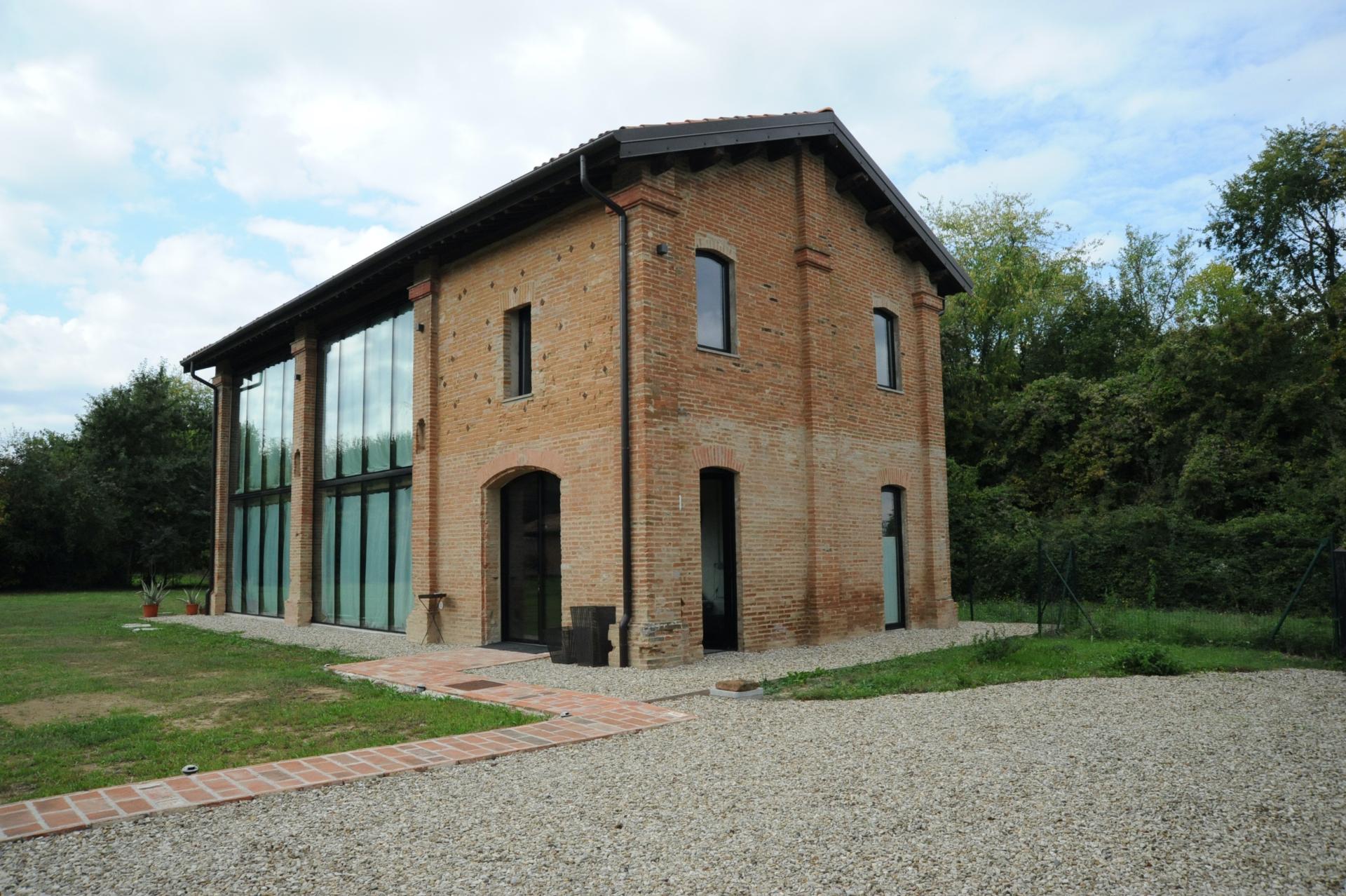
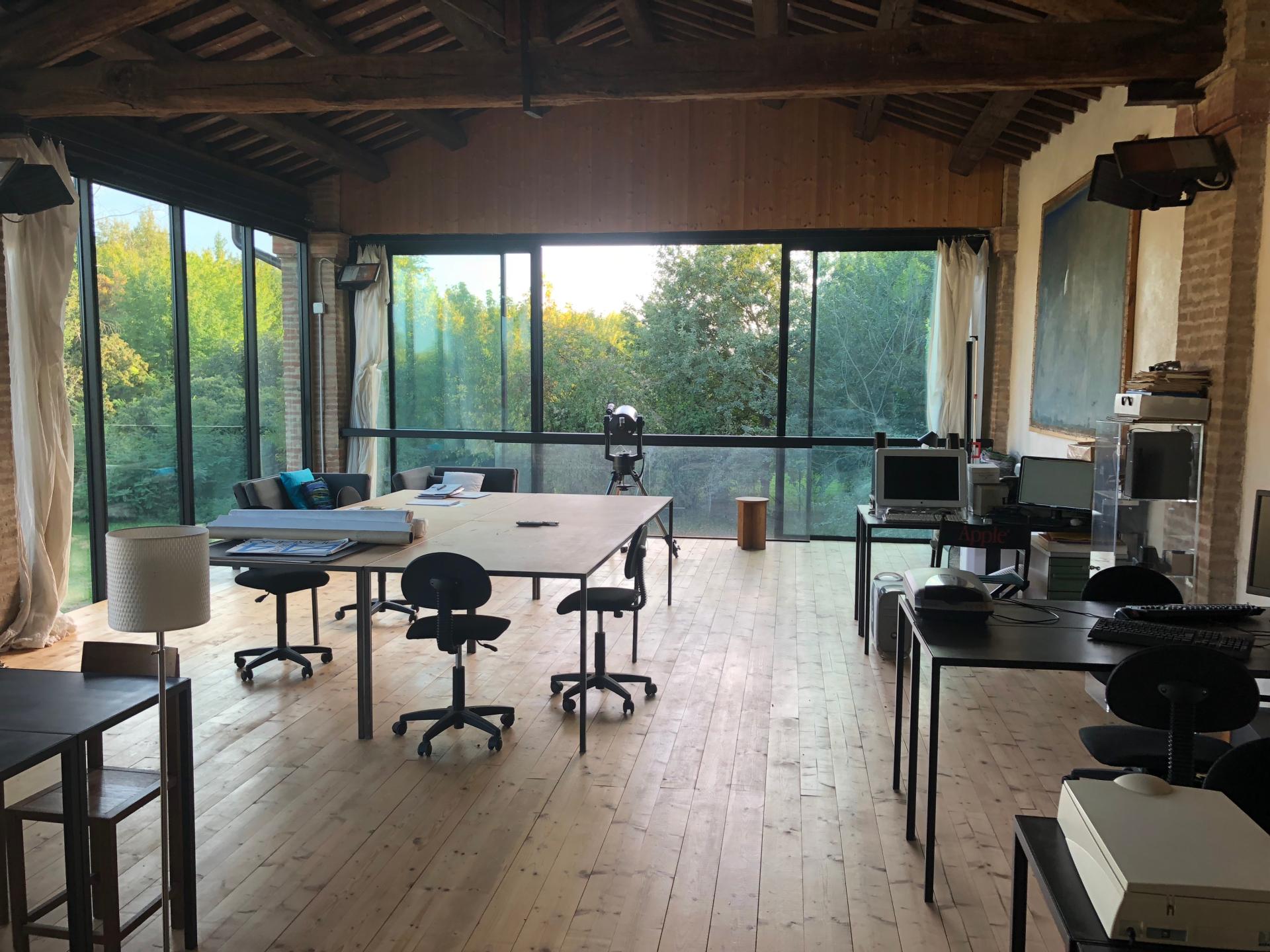
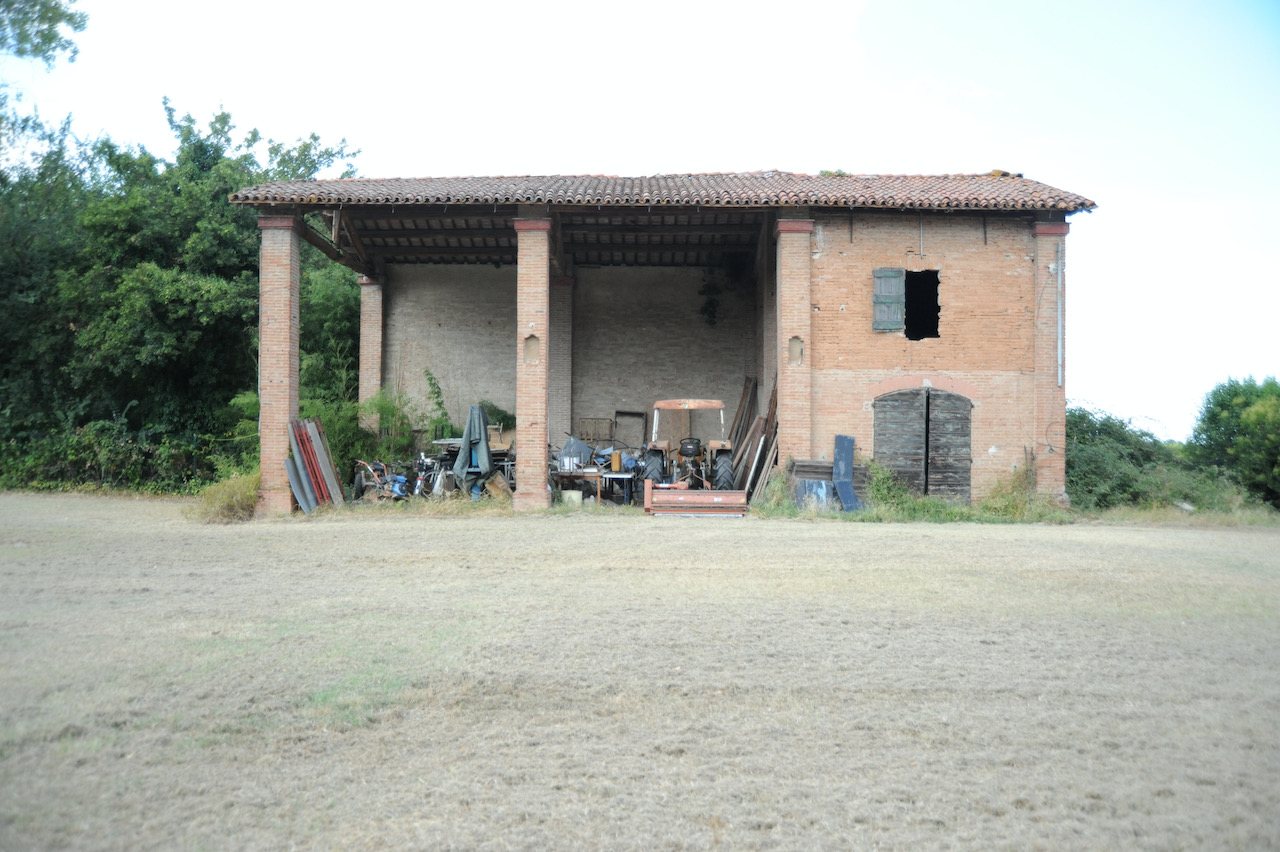
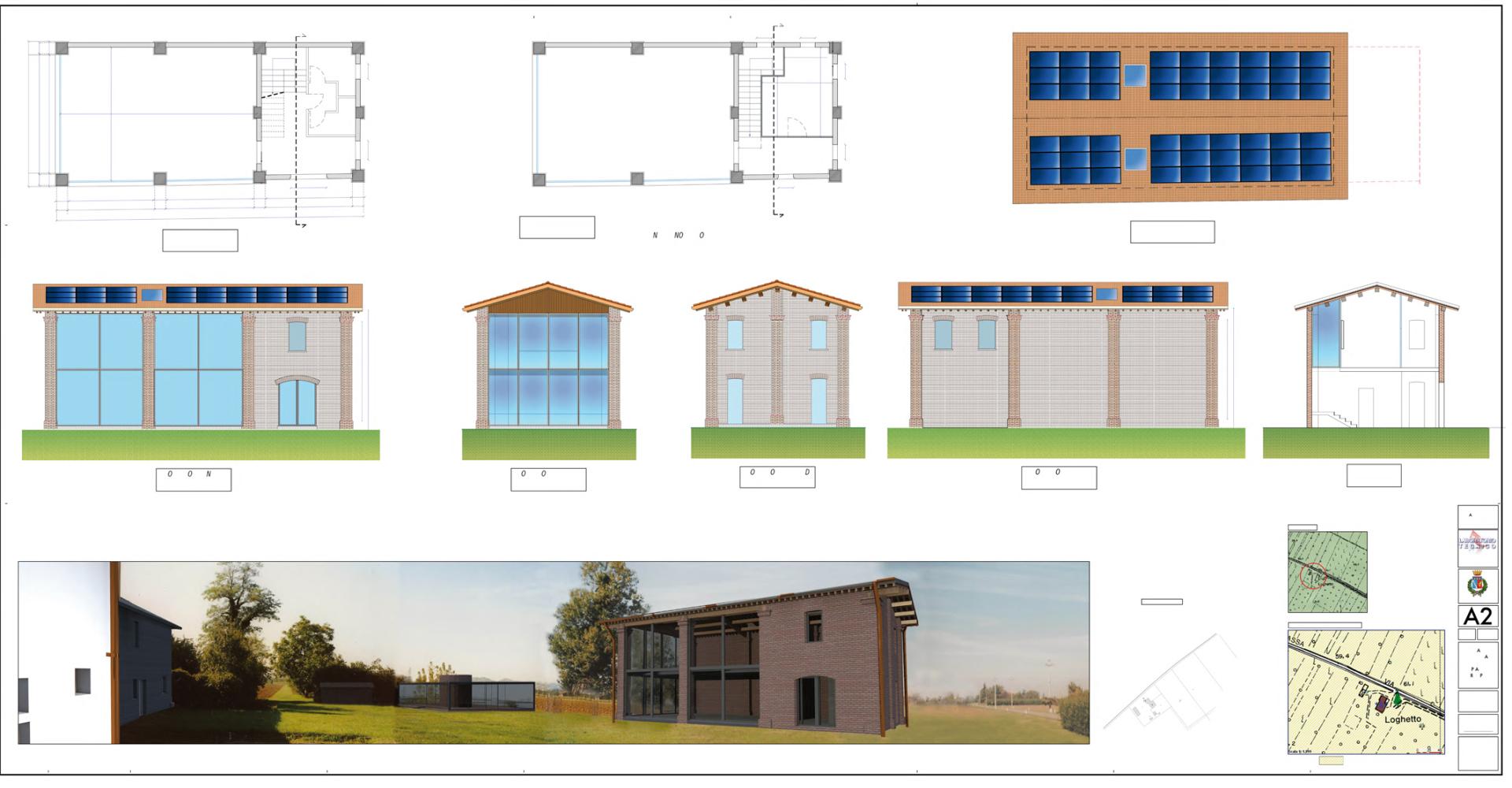
The restoration of the former barn of about 400 square meters, preserving the original architectural features, involved the structural arrangement, the reconstruction of the ventilated roof, using the original materials, the creation of windows on the open sides, of a internal structure in laminated wood, services and systems. On the roof we have 8 Kw of photovoltaic panels, the internal lime-hemp plasters, the heating systems use self-produced electricity and heat pumps, and wood from the forest. Other materials, cladding surfaces, furnishings, etc are reused or locally produced. Space for various didactic activities, workshops, conferences, exhibitions, it is also home to an archive of documents, photographs and objects of the greatest Italian and foreign authors. In other buildings of the same complex we have a library of 15,000 volumes and a laboratory for prototyping with 3D printer and laser cut.
After a first action of re-naturalization of an agricultural property, in 2016 we carried out the restoration of the former barn, with aesthetic criteria of conservation of the historical morphological and bio-architecture characteristics. The intended use changed to the seat of The Research Center Luna which carries out cultural activities, research and development in the fields of design, architecture, art, fashion and the environment. The forest and other collateral buildings allows the carrying out of apparently different but integrated activities, aimed to achieving the quality of the spaces and time in which people act. The plain forest of native species, a priority environment because one of the most rarefied, generates an extraordinary multiplier of biodiversity, represents a filter to the various pollution of the surrounding environments for the benefit of the foreseen anthropic activities, offers naturalistic corridors to wild animals, represents a landscape restoration suggestive and rare, able to absorb about 10 tons of CO2 every year.
Key objectives for sustainability
It is an experience dedicated to the regeneration of a rural building, a typology widespread in the area, often unused or abandoned structures, proposed here as a place of excellence where key functions are performed for the design of an eco-sustainable future.
In this case we have the coincidence of the specialty of the place, understood as a balanced proposal between nature and buildings, with the functions performed, that is to preserve the history, enhance its contents, plan possible futures, in design, in the environment, in technologies, in architecture and in the aesthetic experiences that find the inspiring environment here.
This realization was made possible by a constant multi-decade commitment, first in the transformation of an agricultural property into a natural forest of 10,000 trees of the local species, dating back almost thirty years ago, then in the concentration of experiences and activities, previously carried out in urban environments such as Milan and Bologna. The history of these previous activities, one of an editorial type in Milan, the Gran Bazaar magazine of architecture, places, environments, then an educational activity in Bologna, the Free University of Arts with courses in design, fashion, communication, have generated a rich documentary heritage, a rich archive now used in research aimed at the future of the CRL (Centro Ricerche Luna - The Research Center Luna).
The investment in the restoration of the "former barn" building is "repaid" by the savings in the cost of rents, by the reached quality and quantity of the available indoor and outdoor spaces surrounded by forest and tranquility, that generates sense of liberty and positivity, increases creativity, which were neither available nor sustainable in the city due to the complexity of the activities.
Key objectives for aesthetics and quality
The building restored with a conservative approach, the barn, in its simplicity, represents an exemplary case as it is totally respectful of the rural building typology and also proves the effectiveness of the techniques and materials used. The aesthetic result is surprising, considering the original building, nearly ruined.
The versatility, the energy efficiency, the healthiness of the internal environments, the relationship with the light and with the surrounding environment make it a precious prototype for the numerous similar realities scattered throughout the Po Valley and in general in rural areas, often left to deteriorate or destroyed in favor of modern and "horrible" industrial buildings that disfigure the Italian agricultural landscape.
The grafting of cultural and research activities into an agricultural environment creates innovative sensitivity and coexistence, useful for the dissemination of greater cultural and social awareness.
Furthermore, the quality of work and experiences generated by the characteristics of the place are radically transformed in a positive sense. People work here but also live in a natural environment, partly using the products generated by the forest and the vegetable garden. They do not have to move every day by car, they have always lived teleworking with their interlocutors, they have spaces to regenerate, socialize or isolate themselves in solitude when they wish.
Here the intellectual work alternates with the practical one required by nature, generating unparalleled psycho-physical balance. In teaching and research activities, this translates into a succession of experiences and opportunities for young people.
With a landscape look, we can say that the project has regenerated the environment that around the Via Emilia could be represented in paintings up to the 1700s, while approaching it we can discover buildings that maintain their entire history by hosting high-profile innovative functions and activities.
Key objectives for inclusion
The place and the activities carried out in it provide for a constant and free opening to the public as the park, not fenced, also to favor the circularity of the fauna species, allows it to be crossed by the public who are asked only to respect the environment and of the structures.
The activities are also inclusive in the sense of the interdisciplinary nature of the skills and subjects dealt with. Despite the specialist nature of some activities, everything takes place through the involvement of realities, professions, students, multiple interests that allow each topic to be treated in relation to others. So it is a transversal approach thanks to which real innovative solutions are possible. Research activities are often dedicated to studies and experiences on nature, agriculture, well-being, also involving technology designers, architects and other professions.
Elaboration of methodologies in the training and didactic field at the service of school and university structures are offered and studied also in relation to special realities such as young people with different skills. Furthermore, requests for consultancy from local companies, artisans and NGOs are then carried out by forming teams of young graduates or by proposing topics for degree theses.
Here it also happens that well-known artists come to create their works and find themselves working side by side with technologists, students, architects, farmers.
From various researchers, students, university professors, various Italian and foreign institutions, requests for digital processing of archival documents present in the Luna Research Center arrive.
Results in relation to category
The project has allowed the re-naturalization of an agricultural land of 6 hectares, previously generic arable land and the conservative restoration of part of the existing building structures, as the object of a mixed functional intention of housing, professional work, associative, cultural and technical-scientific.
The mix of these objectives / activities has generated the sustainability of the project and the protection / conservation of the re-naturalized environment which therefore performs a valuable service to the community and also to the planned anthropic activities.
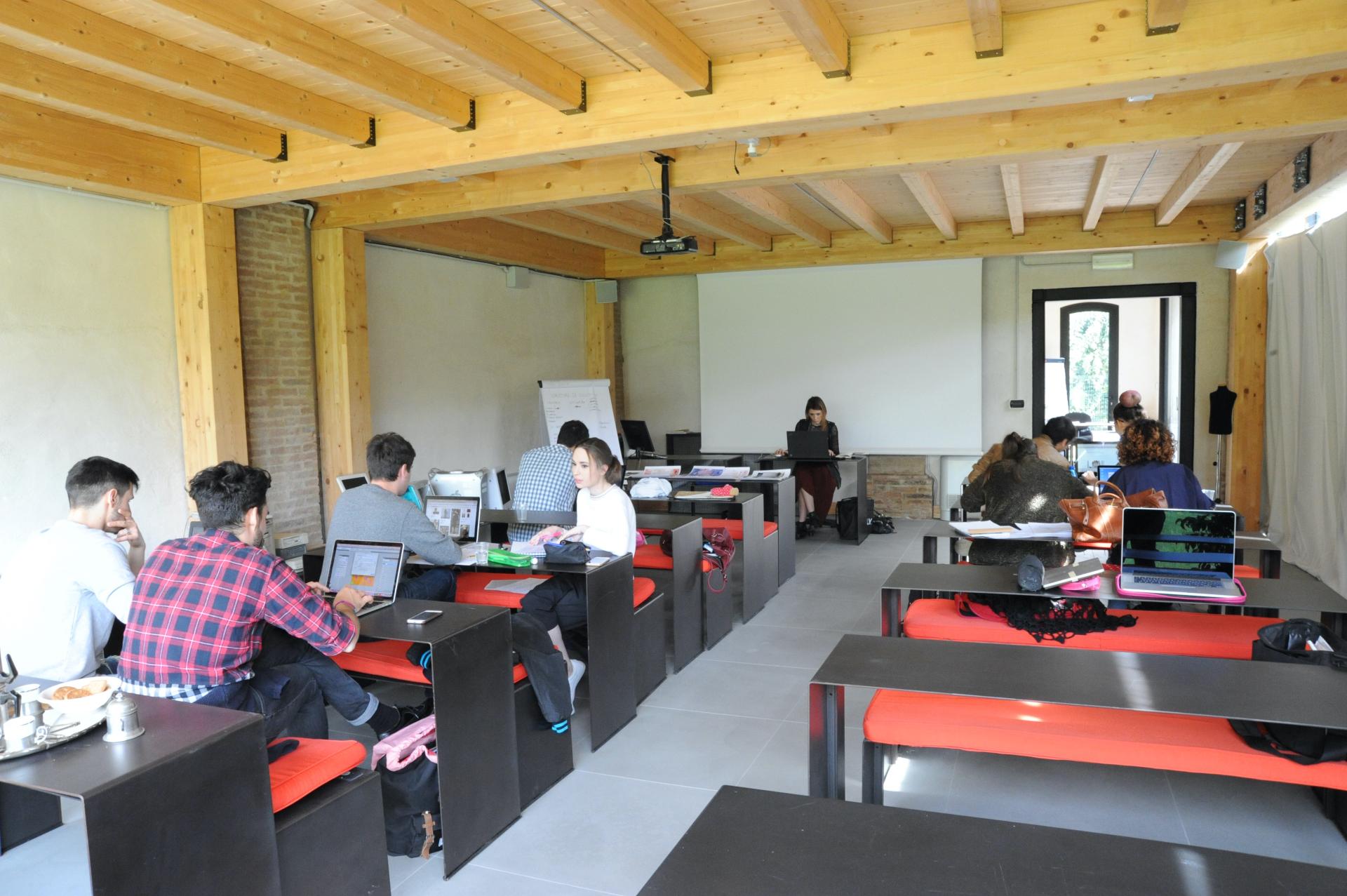
This place, in addition to allowing the carrying out of ordinary activities and the conservation and enhancement of the cultural assets managed by the Research Center, has allowed the carrying out of various courses, workshops, meetings, exhibitions, stage and internships for young people, the creation of temporary stores on vintage products and circular economy, the development of projects at the service of companies, associations and universities.
Even the artistic experiences that periodically take place here generate relationships, but also works therefore value, in the wake traced by the greatest artists of the recent past for which the relationship between aesthetic production and nature was vital (we recall the motto of Joseph Beuys "In defense of nature").
By working on the future of design, architecture, planning of the environment, teaching for these disciplines and managing databases on cultural heritage, we know we can justify a place around us that is respectful of nature, plants and animals, including humans. A specific micro-climate has been created that differs from the one found only 500 meters further on, the fireflies are back, like the water in the wells once dried up and watching from the windows families of roe deer graze 100 meters from us, while a pair of birds of prey watches the life of the forest.
How Citizens benefit
Thanks to the previous activities, there are many subjects who are periodically involved or use the services, almost always free, of the Research Center structure. Many former university students refer to us for further information in the archives and in the library. Some of them have chosen the path of entrepreneurship and often refer to us for suggestions, insights, research of technologies or personnel, in short, functions usually performed by business incubators that we naturally present by layering the experiences of the members of the Research Center and offers without particular constraints or contracts or requests for contributions.
Companies and organizations ask us for help in developing research and working hypotheses in the name of an ecological transformation of production or training services for their staff. Particularly requested are researches in the field of generation of supply chains based on agricultural products with low or positive ecological impact and improvement of the industrial product. The project shortly, under the name of "The Voices of the Forest", will intensify the informative and experiential public activities both in the aesthetic / artistic field and in relation to the natural environment with opportunities for visits to the forest (forest therapy) and meetings also for young people in whom the relationship between human activity and nature is central.
Innovative character
The mix of activities, made possible by the extreme flexibility of the spaces which from time to time can assume the role of classrooms, exhibition rooms, research center, archive, etc.
Being in a place that allows you to use large outdoor spaces (when the climate allows it) involves a multiplication of possible events, functions, meetings, modalities, otherwise difficult.
Making architecture without necessarily having to "leave a mark" rather as if nothing had happened, it seems to us the right way, especially in Italy where the landscape is so delicate and vilified.
Restoring the environment but providing a sustainable human presence that respects other living beings.
Insert a project of this type in a rural environment that has been devastated in recent decades by agriculture that is increasingly industrial, mechanized and managed by multinational chemical companies.
Today, the theme of the nature / built relationship mainly involves the urban environment, rightly so, but we are increasingly witnessing the desire of many "citizens" to move to more natural environments. Proposing sustainable models also means stemming possible errors of "urbanization" of the countryside, clumsily reproducing the problems of urban and peripheral areas. It is not easy for those who have lived in the city to understand the real differences and delicate balances of the environment. A lot of research and skilful planning is still needed to avoid in the near future a further and indistinct degeneration that transforms the territory into a single immense urban periphery.